This article contains advertising. Our booking links are routed through a partner that adds commission tracking automatically, so if you book through one we earn a commission from the provider, at no extra cost to you. It never affects what we recommend. Affiliate disclosure
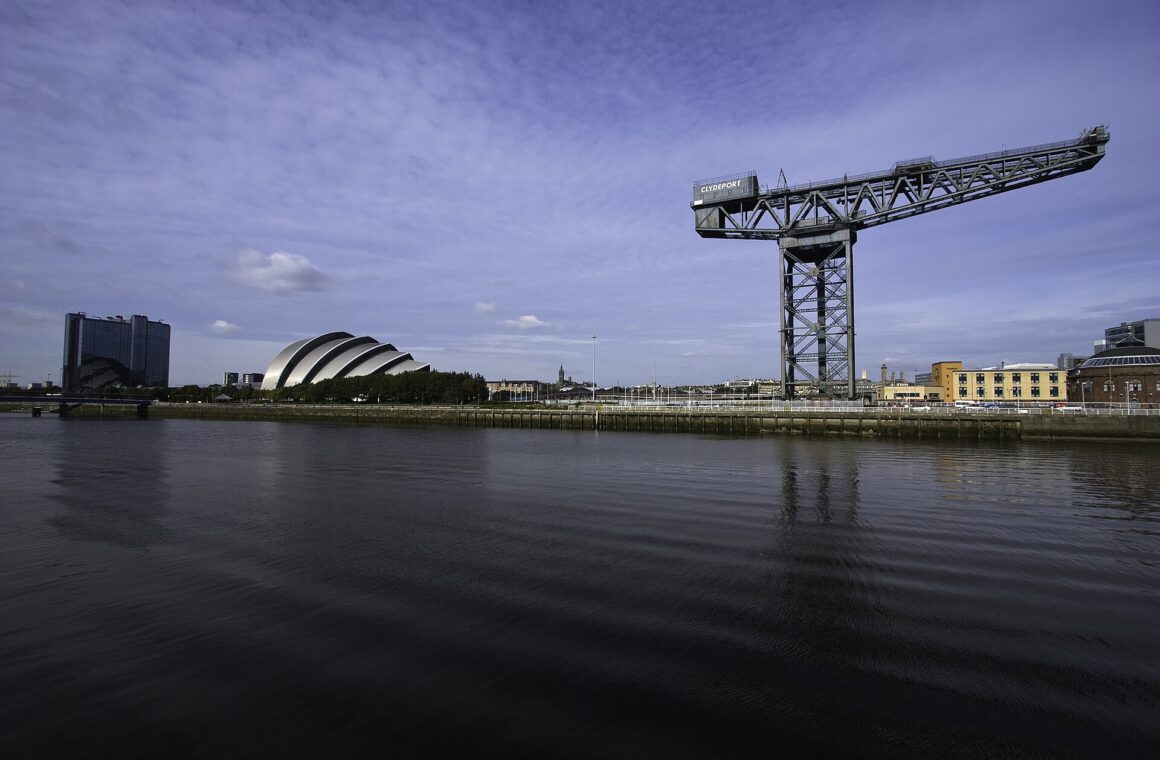
Down on the riverbank, the Finnieston Crane still stands over Stobcross Quay, a 200-foot hammerhead built in 1931 to swing Glasgow-built steam locomotives into the holds of ships bound for India, Africa and beyond. It hasn’t lifted anything for decades. Up the hill, though, the district it named has been busy reinventing itself, and the Finnieston Glasgow talks about now is a mile of Argyle Street packed with seafood restaurants, small-plates kitchens, cocktail bars and craft beer, ten minutes’ walk from Scotland’s biggest concert arena. In 2016 The Times put it top of its list of the hippest places to live in Britain, and the city has been arguing about whether that was a compliment ever since.
This guide covers what Finnieston is like, how a dockside district became the city’s restaurant strip, the best of Argyle Street, the riverside from the crane to the SEC, the edges of the area from Yorkhill to Anderston, the best things to do, how to handle a gig night at the Hydro, and how to get there. It’s a guide to the neighbourhood: for bar-by-bar recommendations, see our guide to Finnieston and West End bars. Details were checked in October 2026; restaurants come and go quickly here, so check before you set your heart on a table.
Finnieston at a glance
| Finnieston | The essentials |
|---|---|
| Where | West of the city centre and the M8, between Kelvingrove Park and the Clyde |
| The strip | Argyle Street, roughly from the Kelvin Way end east towards the motorway |
| Rail | Exhibition Centre station, by the SEC and the Hydro |
| Subway | Kelvinhall at the western end; Partick a little further |
| Landmarks | The Finnieston Crane, the Armadillo, the OVO Hydro, the Clydeside Distillery |
| Best for | Dinner, drinks, gigs |
| Busiest | Weekend evenings and any night with a big show at the Hydro |
| Time needed | An afternoon and an evening |
What things cost in Finnieston
| Item | Price | Notes |
|---|---|---|
| Kelvingrove Art Gallery and Museum | Free | Just across Argyle Street from the western end of the strip |
| Riverside Museum | Free | About 15–20 minutes’ walk west, mostly along the river |
| Clydeside Distillery tour | Ticketed | Book ahead; see our Clydeside Distillery guide |
| OVO Hydro cloakroom | £8.50 per item | Backpacks and anything A3 or larger aren’t allowed inside |
| SWG3 gigs and club nights | Ticketed | Many club events are 18+ |
| Subway single / all-day cap | £1.80 / £3.40 | Contactless or Smartcard; a paper single is £1.85 |
Finnieston is not a budget neighbourhood. The free museums are close by, but the strip itself is where Glasgow goes for a night out with a bit of money behind it, and the prices reflect that. Lunch is better value than dinner at many places, and a walk along the river costs nothing.
How Finnieston happened
Finnieston started as a village, laid out in the 1760s by the local landowner, Matthew Orr of Stobcross, and named, so the story goes, after his old tutor, the Reverend John Finnie. The Industrial Revolution swallowed it. By the late nineteenth century the riverside was lined with quays and engine works, the Queen’s Dock had been dug out of the north bank, and the streets up the hill were packed with tenements for the dockers, engineers and their families.
The crane came last. The Clyde Navigation Trust commissioned it in 1928, and when it was finished in 1931 it was the largest hammerhead crane in Europe, able to lift 175 tons. Its job was loading the steam locomotives built in Springburn onto ships, and later tanks and guns too. It’s now Category A listed, which puts it in the same league as the city’s great buildings.
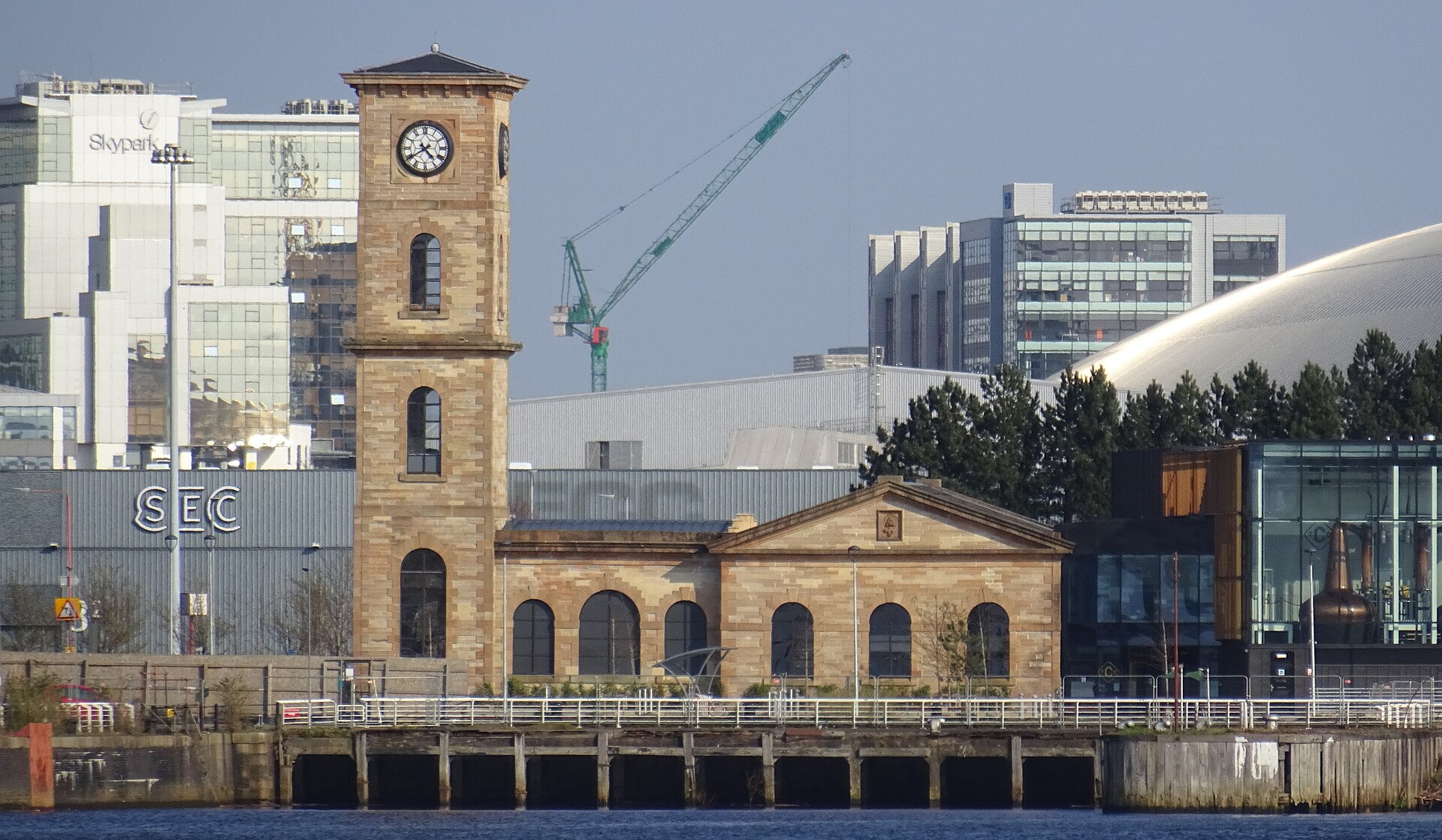
Then the docks closed. The Queen’s Dock was filled in, and in 1985 the Scottish Exhibition and Conference Centre opened on the site. The Clyde Auditorium, the silver building everyone calls the Armadillo, followed in 1997, and the Hydro, now the OVO Hydro, in 2013. The old dock pump house became the Clydeside Distillery in 2017. Meanwhile, up the hill, the cheap rents on Argyle Street attracted chefs and bar owners, the restaurants won awards, and by 2016 Finnieston was being written up in the national papers. Ask locals whether it was better before and you’ll get a long answer.
Argyle Street: the Finnieston strip
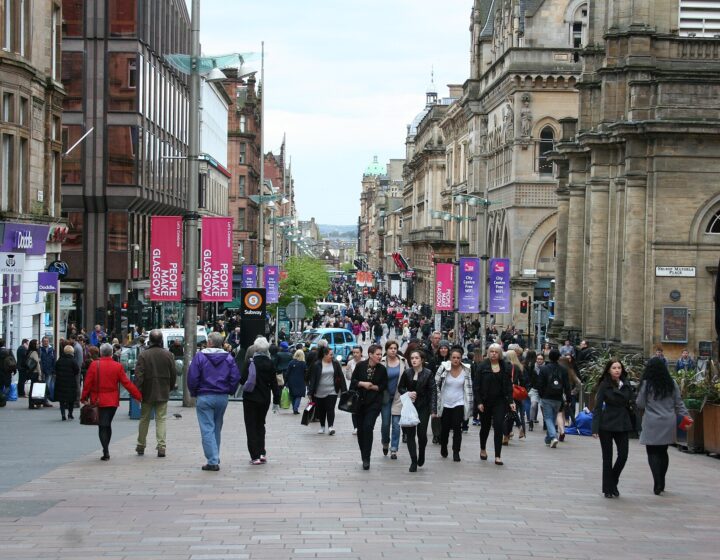
The heart of Finnieston is Argyle Street west of the motorway, a long run of sandstone tenements whose ground floors have almost all become restaurants, bars, cafés and delis. It’s not pretty in a postcard way. It’s a busy main road with buses and parked cars, and it only really comes alive in the evening, when the windows steam up and the pavement tables fill with smokers and optimists. But for eating and drinking in one walkable stretch, nowhere else in Glasgow comes close.
Finnieston restaurants worth knowing
- Crabshakk, 1114 Argyle Street: a small, crowded seafood restaurant that helped put Finnieston on the map, with shellfish from the west coast and a counter worth sitting at.
- Eleven Fifty Five, 1155 Argyle Street: the bistro that chef Peter McKenna opened on 26 February 2026 in the former Gannet premises. The Gannet was one of the restaurants that made Finnieston’s name; it closed after its final service on 31 December 2025, so don’t go looking for the old name.
- Unalome by Graeme Cheevers, Kelvingrove Street: fine dining that won a Michelin star within a year of opening. Book well ahead, and see our guide to Michelin-starred restaurants in Glasgow.
- Ox and Finch, Sauchiehall Street: small plates at the Finnieston end of Sauchiehall Street, a Glasgow favourite for more than a decade.
Between them are dozens of others – pizza, ramen, steak, Korean, vegan, brunch cafés and late-opening bars – and the line-up changes every year, which is half the fun. Our Glasgow food guide has the citywide picture, and for drinks, from whisky bars to cocktail lounges, see Finnieston and West End bars.
Down by the river: the crane and the SEC
Walk down the hill from Argyle Street and you reach the Clyde at the Scottish Event Campus. The three buildings together make one of the most recognisable modern skylines in Scotland: the boxy SEC Centre, the Armadillo, whose overlapping silver shells were designed by Foster + Partners to suggest ships’ hulls, and the round OVO Hydro, Scotland’s largest venue, with room for 14,300. The Finnieston Crane stands on the quay just east of them.
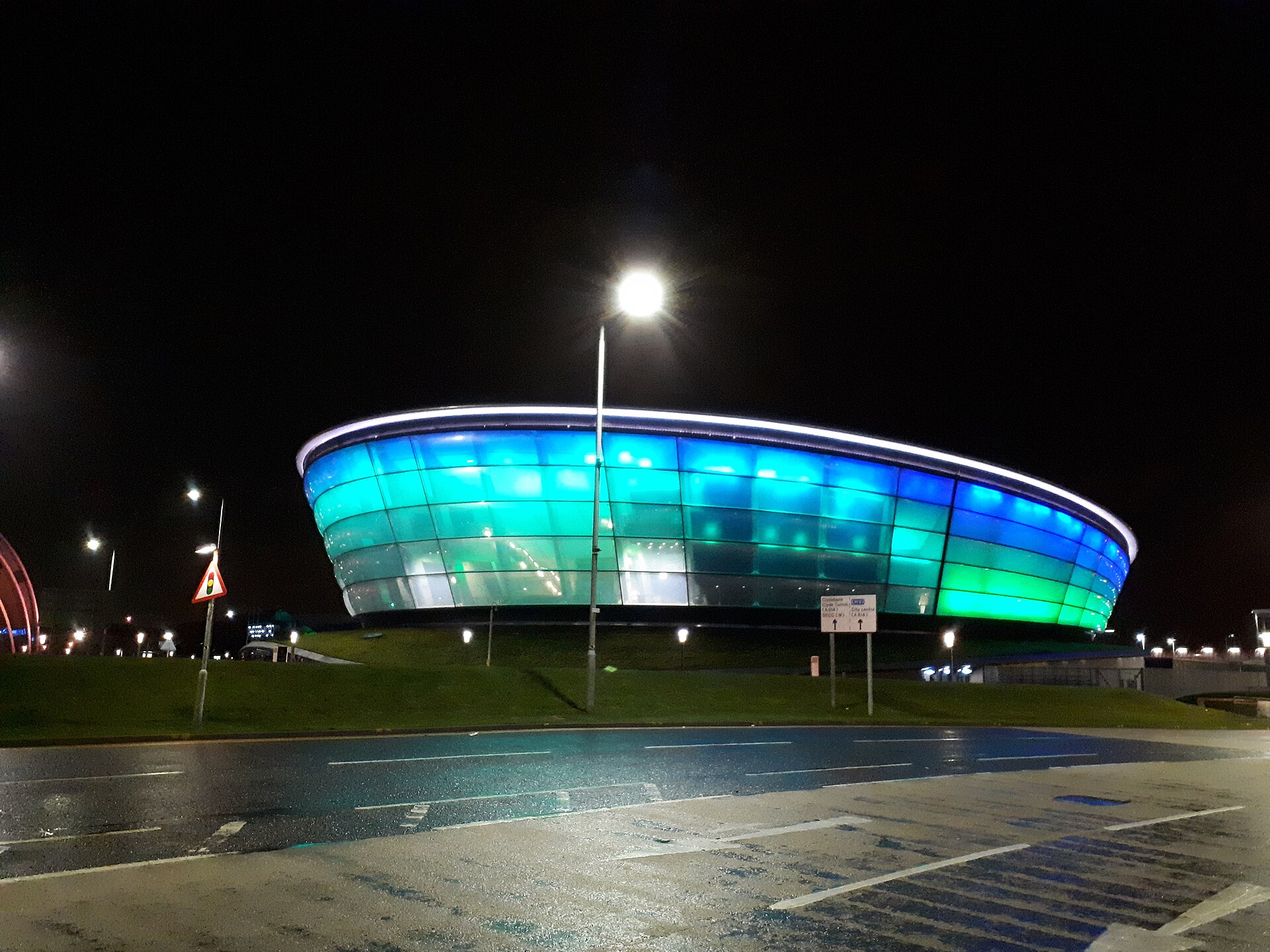
The riverside here is part of the Clyde Walkway. Head west and you pass the Clydeside Distillery in the old pump house, then the Riverside Museum and the tall ship Glenlee at the mouth of the Kelvin. Cross the river on the Clyde Arc, the curved road bridge locals call the Squinty Bridge, or on the Bells Bridge footbridge, and you’re at Pacific Quay, home to the Glasgow Science Centre and BBC Scotland. Our Clyde Walkway guide covers the whole route.
The edges: Yorkhill, Kelvinhaugh and Anderston
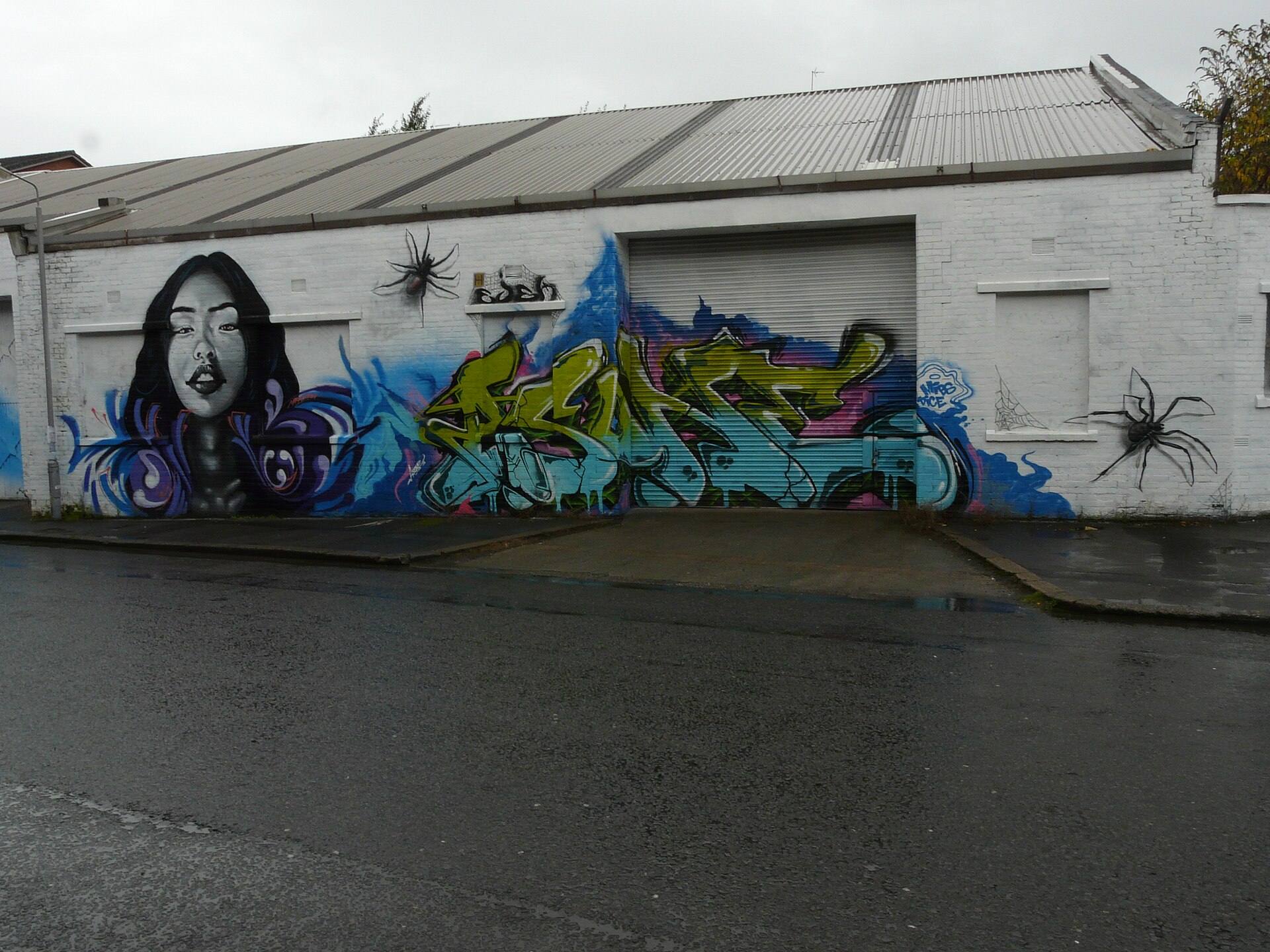
West of the strip, the streets of Kelvinhaugh and Yorkhill run down to the river, with the long Victorian curve of St Vincent Crescent among them. Here you’ll find SWG3, a former galvanising works on Eastvale Place turned into gig rooms, club spaces, studios and a summer yard, its outside walls covered in murals from the Yardworks street art festival. To the north, Kelvingrove Park and Kelvingrove Art Gallery and Museum begin just across Argyle Street, which makes Finnieston the obvious place to eat after a day in the West End.
East of the strip, Anderston and Charing Cross are where the M8 cuts through. It’s not a part of the city to linger in, but the Mitchell Library, one of the largest public reference libraries in Europe, with its green copper dome, is worth a look on the way into town.
The best things to do in Finnieston
- Eat on Argyle Street. The main reason to come. Book at weekends and on Hydro nights.
- Kelvingrove Art Gallery and Museum. Free, five minutes from the western end of the strip, with organ recitals at 1pm (3pm on Sundays).
- A show at the OVO Hydro or SWG3. The biggest and the most atmospheric music venues in the city, a 15-minute walk apart.
- The Clydeside Distillery. A tour and tasting in the old dock pump house; our whisky tasting experiences guide compares it with the city’s other options.
- The riverside walk to the Riverside Museum. Free, flat and full of shipbuilding history.
- The Finnieston Crane at sunset. Best seen from the south bank or from Bells Bridge, with the Armadillo beside it.
- Street art around SWG3. The Eastvale Place murals change with each Yardworks festival; our mural trail guide covers the rest of the city’s walls.
- A late drink. Finnieston’s bars keep going well after the restaurants close.
Finnieston by day
Finnieston is an evening neighbourhood, but it’s not dead in daylight. Several of the cafés and restaurants on Argyle Street do brunch and lunch, and a weekday lunch is the cheapest way to eat at the better places. From there, the day sorts itself out by weather.
- If it’s dry: walk the river from the crane to the Riverside Museum and the Glenlee, then cross Bells Bridge to Pacific Quay and back for the best view of the crane and the Armadillo together. Or climb the ten minutes up to Park Terrace, on the edge of Kelvingrove Park, for the view across the West End.
- If it’s wet: Kelvingrove Art Gallery and Museum is free and will fill a morning on its own, the Clydeside Distillery runs tours whatever the weather, and the Glasgow Science Centre is just across the river at Pacific Quay (check its current admission prices before you go). Our guide to things to do in Glasgow when it rains has more.
- If you’re with children: Kelvingrove and the Riverside Museum are both free and both brilliant for kids, and Kelvingrove Park has a big playground. Save the Argyle Street bars for another trip.
One honest note: on a Monday or Tuesday, a few of the smaller restaurants close, and the strip can feel half asleep. Weekends are the opposite, so book.
Gig nights at the Hydro: how to do Finnieston properly
When a big act plays the Hydro, 14,300 people arrive in the same hour, and a lot of them want dinner first. Book a table for 5.30pm or 6pm, eat on Argyle Street, then walk down the hill; the Hydro is about ten minutes from most of the strip. Travel light, because the Hydro turns away backpacks and anything A3 or larger, and the cloakroom in the SEC Centre charges £8.50 an item.
Afterwards, Exhibition Centre station is the obvious way home and the queue to get in shows it. If you’re not in a hurry, walk back up to Argyle Street for a drink and let the crowd clear, or walk to Kelvinhall or Partick for the Subway. Our OVO Hydro guide has the full practical rundown.
An afternoon and evening in Finnieston
- 2pm: Start at Kelvingrove Art Gallery and Museum, or with a walk through Kelvingrove Park.
- 4pm: Walk down to the river and along to the Clydeside Distillery for a tour, then look back at the crane and the Armadillo from Bells Bridge.
- 6pm: Up the hill to Argyle Street for an early drink.
- 7.30pm: Dinner on the strip.
- Late: A gig at the Hydro or SWG3, or another bar on Argyle Street.
For the rest of the West End, see our Glasgow West End guide.
Getting to Finnieston
Exhibition Centre station, on the low-level line through Glasgow Central, is the nearest station to the SEC and the bottom of the strip, and trains also run there via Partick. On the Subway, Kelvinhall is the closest stop to the western end of Argyle Street; with contactless you’ll pay no more than £3.40 in a day. Buses run along Argyle Street from the city centre.
On foot, Finnieston is about 25 minutes from Central Station, either along Argyle Street under the motorway or along the Clyde Walkway, which is the nicer route. If you’re driving to the SEC, the council-run multi-storey on Stobcross Road is the main car park; it’s open 24 hours, but spaces can’t be reserved and event prices aren’t published, so leave plenty of time.
Is Finnieston worth it?
For food, yes, unreservedly. Nowhere else in Glasgow, and few places in Britain, packs so many good restaurants and bars into one walkable stretch, and with Kelvingrove up the road and the Hydro down the hill it’s easy to build an evening around. It’s also the obvious place to eat before a show at the SEC.
The honest caveats: it’s pricey, it’s loud and crowded at weekends, and by day there isn’t a great deal to do on Argyle Street itself. The hype has also driven up rents, and some of the independents that made the area’s name have moved on. Treat it as Glasgow’s dining room rather than a neighbourhood to spend a whole day in, and pair it with the West End or the riverside. Our guide to Glasgow neighbourhoods explains how it fits with the rest of the city.
Finnieston: frequently asked questions
What is Finnieston known for?
Its restaurant and bar strip on Argyle Street, the Finnieston Crane, and its location next to the SEC, the Armadillo and the OVO Hydro. In 2016 The Times named it the hippest place to live in Britain.
Where is Finnieston in Glasgow?
Just west of the city centre and the M8, between Kelvingrove Park and the River Clyde. It’s about 25 minutes’ walk from Central Station, or a short train ride to Exhibition Centre.
Is The Gannet in Finnieston still open?
No. The Gannet, at 1155 Argyle Street, closed after its final service on 31 December 2025. Chef Peter McKenna opened a bistro called Eleven Fifty Five on the same site on 26 February 2026.
How far is Finnieston from the OVO Hydro?
Very close. The Hydro is about ten minutes’ walk down the hill from most of the Argyle Street strip, which is why the restaurants fill up early on show nights.
Is Finnieston expensive?
For Glasgow, yes: it’s one of the pricier places to eat and drink in the city. Lunch deals are better value than dinner, and Kelvingrove and the Riverside Museum nearby are free.
Is Finnieston part of the West End?
Depends who you ask. Geographically it sits between the city centre and the West End, and most Glaswegians treat it as the West End’s southern edge.
Related Glasgow Guides
- Glasgow neighbourhoods: an area-by-area guide
- Finnieston and West End bars
- Glasgow food guide
- The OVO Hydro
- SWG3 and Glasgow’s warehouse venues
- The Clydeside Distillery
- Glasgow West End guide
- Michelin-starred restaurants in Glasgow
Photo Credits
The Finnieston Crane and the Armadillo: Finnieston Crane By VegasGav77772 by VegasGav7777, CC BY-SA 4.0, via Wikimedia Commons.
The Queen’s Dock pump house, now the Clydeside Distillery: Queen’s Dock Pumping House, River Clyde, Glasgow, Scotland by Rosser1954, CC BY-SA 4.0, via Wikimedia Commons.