This article contains advertising. Our booking links are routed through a partner that adds commission tracking automatically, so if you book through one we earn a commission from the provider, at no extra cost to you. It never affects what we recommend. Affiliate disclosure
Day trips from Glasgow open up some of Scotland’s most spectacular scenery. Glasgow’s central location makes it one of the best base cities in Scotland for exploring the country’s most spectacular landscapes, historic castles, and island escapes. Within two hours of the city centre, you can be standing on the shores of Scotland’s largest loch, exploring a medieval fortress, hiking through one of Europe’s most dramatic mountain valleys, or stepping off a ferry onto an island that locals call ‘Scotland in Miniature.’
From the bonnie banks of Loch Lomond — just 45 minutes by train — to the snow-dusted peaks of Glencoe, the literary streets of Edinburgh, and the iconic Glenfinnan Viaduct made famous by the Harry Potter films, the day trip options from Glasgow are remarkably varied. Whether you’re travelling by train, bus, car, or guided tour, this complete guide covers every essential destination with honest recommendations, practical travel details, and insider tips to help you make the most of your time in Scotland.
Before you head out, make sure you’ve explored Glasgow itself — the city’s attractions, world-class museums, and incredible food scene deserve at least a couple of full days.

Day Trips from Glasgow: Table of Contents
- Loch Lomond & The Trossachs
- Edinburgh: Scotland’s Capital
- Stirling: Scotland’s Historic Heart
- Glencoe & The Highlands
- Isle of Arran: Scotland in Miniature
- Glenfinnan Viaduct & The Jacobite Steam Train
- Ayrshire Coast & Robert Burns Country
- Loch Ness & Inverness
- More Day Trip Ideas
- How to Get Around: Transport Guide
- Guided Tour Options
- Planning Tips & Best Times to Visit
- Day Trips from Glasgow: Frequently Asked Questions
Loch Lomond & The Trossachs
If you only have time for one day trip from Glasgow, make it Loch Lomond. Scotland’s largest loch by surface area sits at the heart of the Loch Lomond and The Trossachs National Park, a vast expanse of mountains, forests, and water that begins less than 20 miles from Glasgow city centre. It’s the closest wilderness escape from the city and arguably the most rewarding.
Getting There
The easiest route is the ScotRail train from Glasgow Queen Street to Balloch, which takes approximately 50 minutes and runs every 30 minutes throughout the day. A return ticket costs around £7–8. If you’re driving, the A82 takes you to Balloch in about 45 minutes, or you can continue north along the loch’s western shore towards Luss, Tarbet, and Ardlui for more remote scenery. Citylink buses also serve the area.
What to Do
At Balloch, Loch Lomond Shores offers a visitor centre, aquarium, and waterfront restaurants, but the real attraction is the loch itself. Sweeney’s Cruises — operating since 1880 — run one-hour scenic cruises from around £18 per person, gliding past wooded islands with views of Ben Lomond rising to 974 metres on the eastern shore. For something more active, hire a kayak or paddleboard at the Loch Lomond Water Sports Centre.
The pretty conservation village of Luss, a 15-minute drive north of Balloch, has stone cottages, a pebble beach, and a pier with boat trips to the loch’s islands. Further north, the Trossachs area offers outstanding walking — the climb up Conic Hill from Balmaha (about 90 minutes each way) rewards you with one of the finest views in Scotland, looking out across the loch’s island-studded southern reaches to the Highland peaks beyond.
Ben Lomond itself is the most southerly Munro (Scottish mountain over 3,000 feet) and a popular full-day hike. The well-maintained Ptarmigan Ridge path takes around 5–6 hours return from Rowardennan, which is accessible by road or the summer ferry service from Luss and Balloch.
Edinburgh: Scotland’s Capital
Edinburgh needs no introduction, but it’s worth emphasising how easy it is to visit from Glasgow. The two cities are just 47 miles apart, and frequent direct trains make this one of the most effortless day trips in Britain.
Getting There
ScotRail and LNER trains run from Glasgow Queen Street to Edinburgh Waverley every 15–20 minutes, with a journey time of around 50 minutes. An off-peak return costs approximately £15–20. The Citylink bus is cheaper (from £8 return) but takes about 75 minutes. If driving, the M8 motorway connects the cities in about an hour, though Edinburgh parking can be expensive and limited.
What to See in a Day
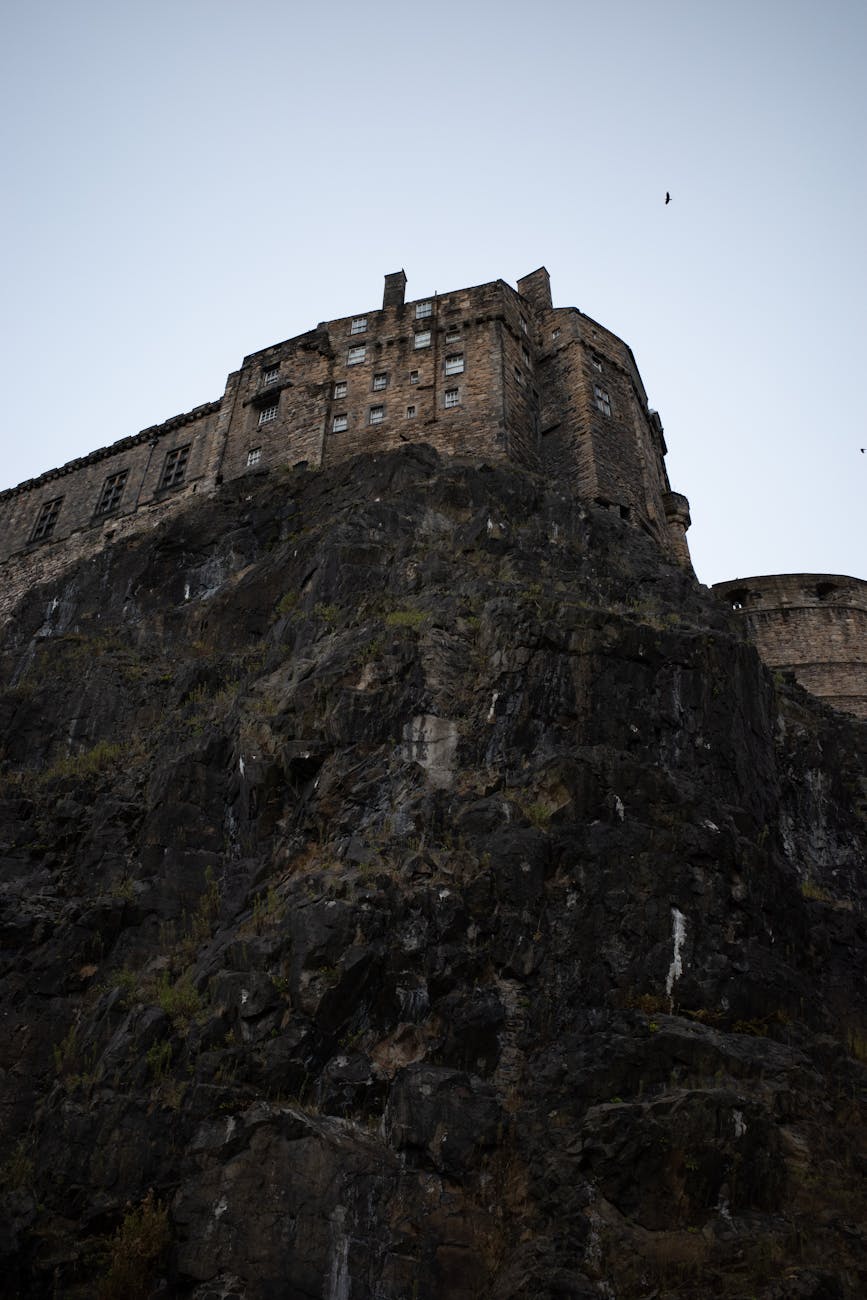
Edinburgh is enormous, so a day trip requires prioritising. The classic route starts at Edinburgh Castle — perched on its volcanic rock and offering panoramic views of the city — then walks down the Royal Mile through the atmospheric Old Town to the Palace of Holyroodhouse, the official Scottish residence of the monarchy. Along the way you’ll pass St Giles’ Cathedral, the Writers’ Museum, and countless closes (narrow alleyways) hiding hidden courtyards and stories.
If weather permits, the climb up Arthur’s Seat (the ancient volcano in Holyrood Park) takes about 45 minutes and provides one of the greatest urban panoramas in Europe. For shopping and dining, the New Town’s George Street and the independent boutiques of Stockbridge offer a different character to the tourist-heavy Royal Mile. The Scottish National Gallery on The Mound is free and houses masterworks by Raeburn, Ramsay, and the Scottish Colourists alongside Impressionist paintings.
Edinburgh Castle tickets cost around £19.50 for adults (book online to avoid queues), while Holyroodhouse is approximately £18.50. If you plan to visit multiple attractions, the Edinburgh Explorer Pass can save money.
Stirling: Scotland’s Historic Heart
Stirling sits at the geographic and strategic heart of Scotland, and for centuries it was the key to controlling the country. Two of Scotland’s most important battles — Stirling Bridge (1297) and Bannockburn (1314) — were fought here, and the hilltop castle served as a royal palace for generations of Stewart monarchs. For history lovers, Stirling is the single most rewarding day trip from Glasgow.
Getting There
Stirling is the closest major destination on this list. ScotRail trains from Glasgow Queen Street take just 30 minutes, running every 30 minutes, with returns from around £10–12. By car, it’s a straightforward 30-mile drive on the M80. The compact town centre is easily walkable from the station.
Stirling Castle
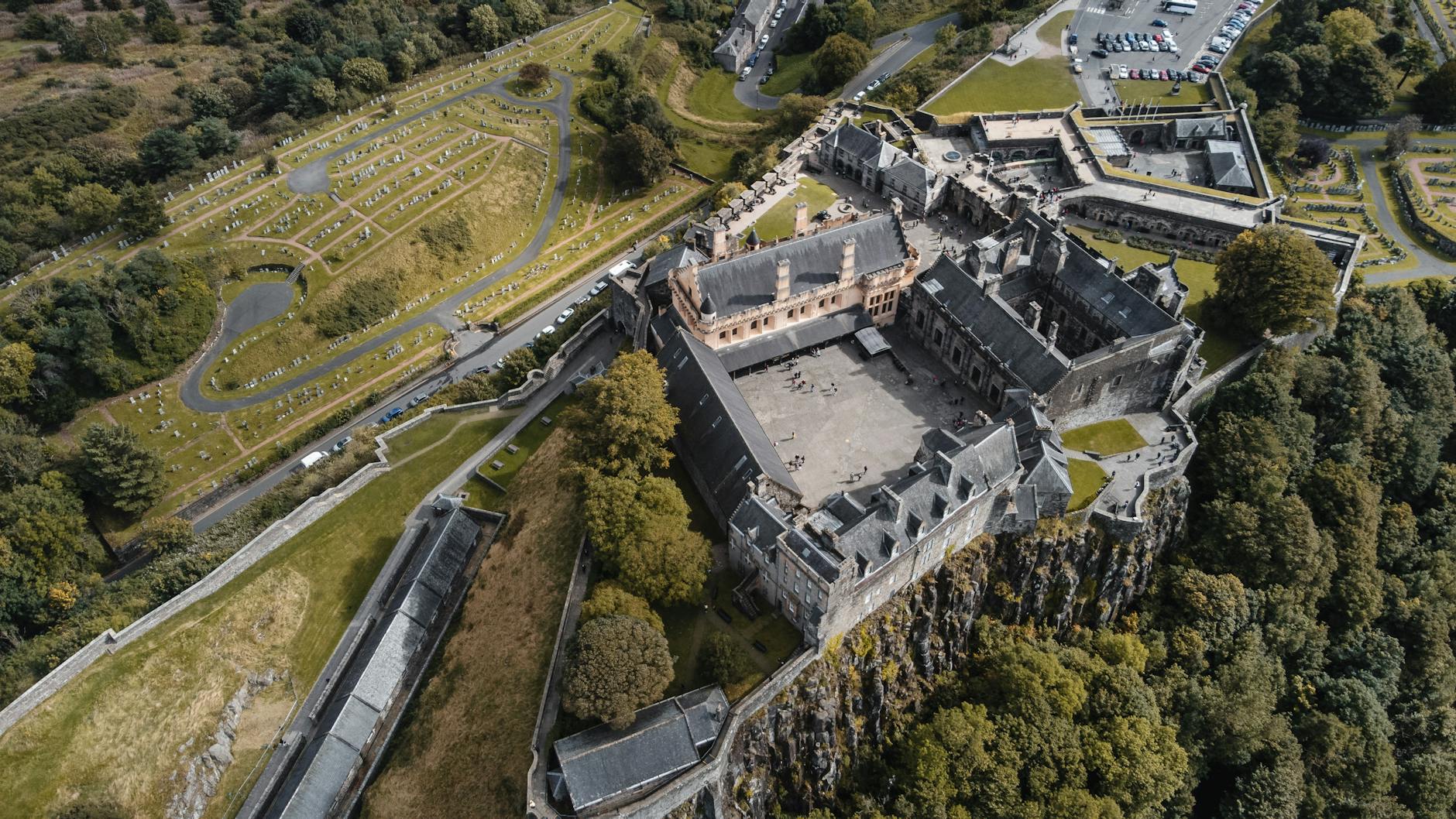
Stirling Castle is arguably Scotland’s grandest castle. Perched on a volcanic crag 76 metres above the surrounding plain, it commands views across the Forth Valley to the Highlands. The Great Hall, built by James IV, is the largest medieval banqueting hall ever built in Scotland. The restored Royal Palace features vivid recreations of 16th-century interiors complete with tapestries, painted ceilings, and period furnishings. Mary Queen of Scots was crowned here in 1543 at the age of nine months. Adult admission is approximately £18.50, and you should allow two to three hours for a thorough visit.
The National Wallace Monument
Rising 67 metres from the summit of Abbey Craig, the Wallace Monument commemorates William Wallace’s victory at the Battle of Stirling Bridge in 1297. The 246-step climb to the crown of the tower is rewarded with panoramic views stretching from the Forth bridges to the peaks of the Highlands. Inside, you’ll find Wallace’s actual two-handed broadsword — measuring 1.63 metres — and interactive displays about Scotland’s Wars of Independence. Adult tickets cost approximately £16.50.
The Battle of Bannockburn
Just south of Stirling, the Bannockburn Heritage Centre tells the story of Robert the Bruce’s decisive victory over the English army of Edward II in 1314. The centre features an immersive 3D battle simulation that lets you command troops and understand the tactics that turned the tide of Scottish independence. Outside, the iconic bronze statue of Robert the Bruce on horseback overlooks the battlefield. The site is managed by the National Trust for Scotland, and admission is around £12 for adults.
Glencoe & The Highlands
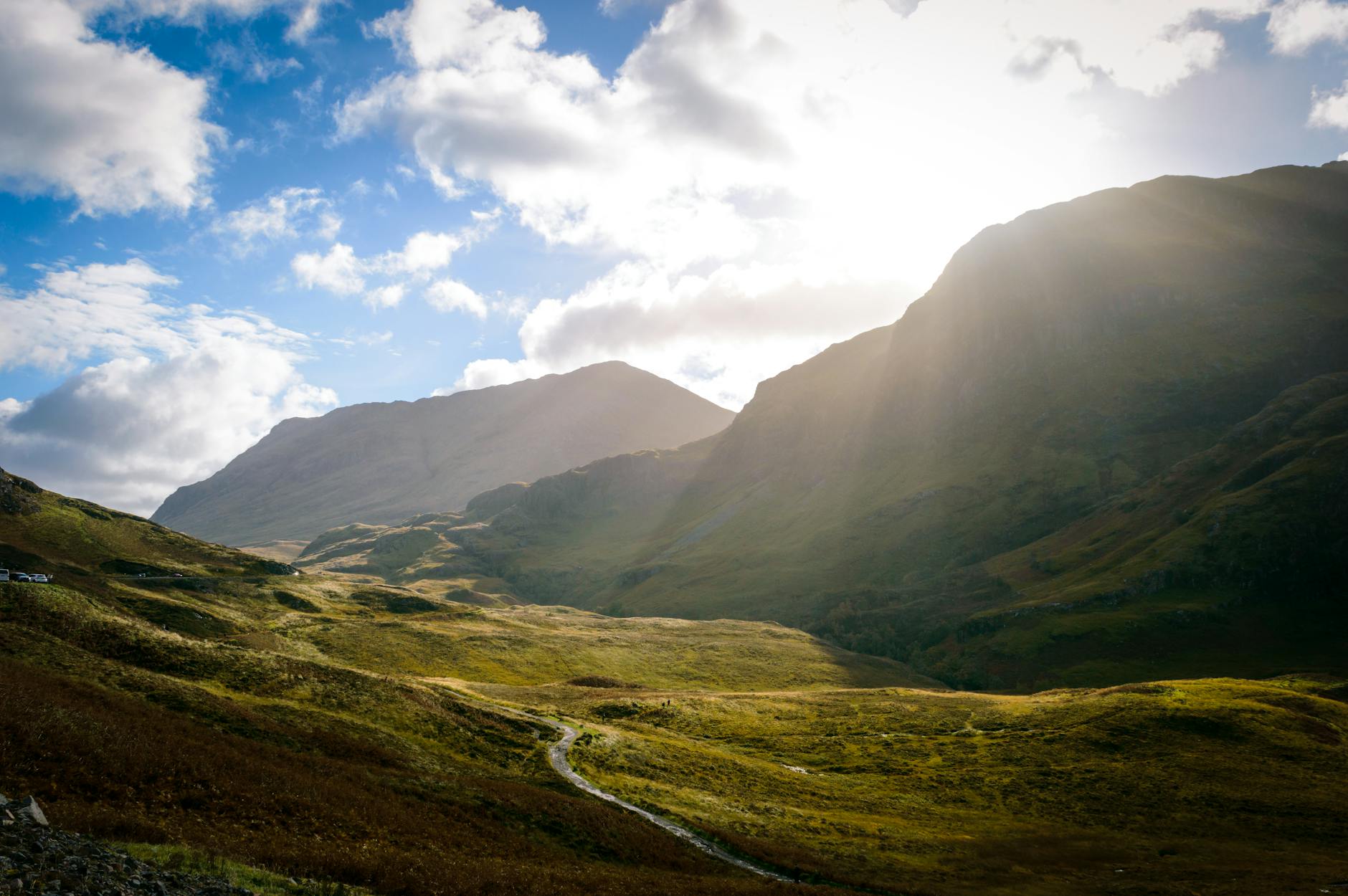
For sheer dramatic grandeur, nowhere in Britain matches Glencoe. This ancient valley in the western Highlands, carved by glaciers and steeped in tragedy, is the landscape that appears on every ‘Visit Scotland’ poster — and it lives up to every photograph. The drive from Glasgow takes around two hours, making it a feasible (if long) day trip, especially if combined with other stops along the way.
Getting There
By car, take the A82 northwest from Glasgow through Loch Lomond-side and over Rannoch Moor — one of Scotland’s most atmospheric drives. The journey to Glencoe village takes approximately two hours. Without a car, Citylink buses run from Glasgow Buchanan Bus Station to Glencoe (around 2.5 hours, from £15 each way), or you can join a guided day tour that handles all the transport.
What to See and Do
The valley of Glencoe is dominated by the Three Sisters — three imposing ridges that descend from the 1,150-metre summit of Bidean nam Bian. The Three Sisters viewpoint car park off the A82 is the classic photography spot, and from here you can hike into the Lost Valley (Coire Gabhail), a hidden hanging valley that once served as a cattle-rustling hideout for the MacDonald clan. The walk takes around two to three hours return and involves some scrambling over boulders, but the payoff — a vast, hidden meadow surrounded by towering cliffs — is extraordinary.
For gentler walks, the Glencoe Lochan trail near the village offers a peaceful circular route around an artificial loch framed by mountains, taking about 45 minutes. The Glencoe Visitor Centre (National Trust for Scotland) provides excellent exhibitions on the valley’s geology, ecology, and the infamous Massacre of Glencoe in 1692, when 38 members of the MacDonald clan were murdered by government soldiers who had been their guests.
If you’re driving, consider stopping at the Green Welly Stop in Tyndrum on the way (a beloved Scottish road trip institution for tea and cake) and the Bridge of Orchy Hotel for views of the Highlands unfolding before you.
Isle of Arran: Scotland in Miniature
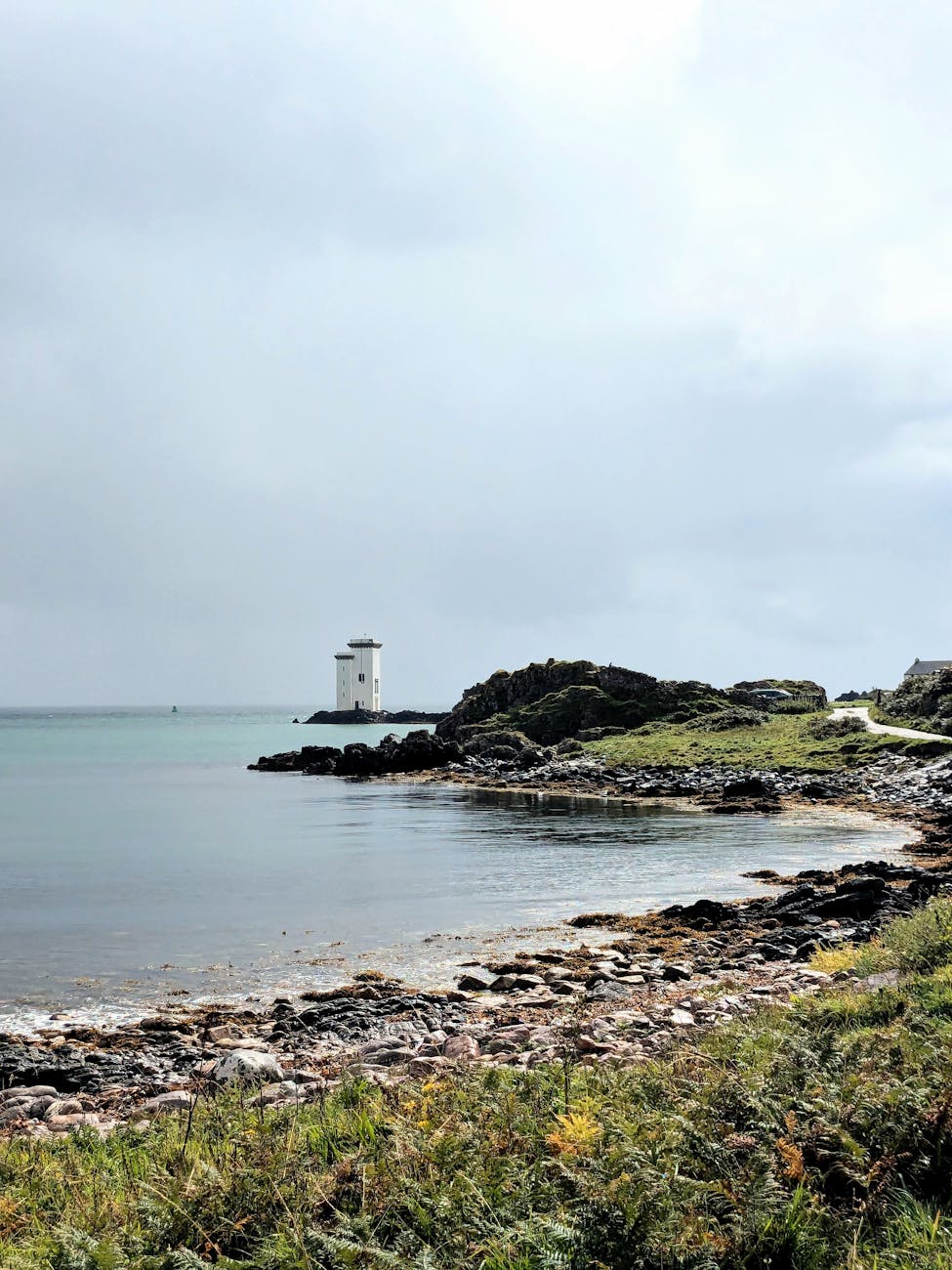
The Isle of Arran, floating in the Firth of Clyde off Scotland’s west coast, packs an astonishing amount of scenery into its 167 square miles. The north is rugged and mountainous — resembling the Highlands — while the south is gentler rolling farmland reminiscent of the Lowlands. This extraordinary compression of landscapes earned Arran its nickname: Scotland in Miniature. Our complete guide to an Arran day trip sets out the ferry timings, the climb up Goat Fell and where to eat in Brodick.
Getting There
Take the train from Glasgow Central to Ardrossan Harbour (about 45 minutes), then the CalMac ferry to Brodick on Arran (approximately one hour). The total journey takes around two hours each way, so an early start is essential for a day trip. CalMac ferries run several times daily; book in advance during summer. If driving, you can take your car on the ferry (book well ahead in peak season) or explore the island by the local bus service, which covers the main coastal road.
What to See
Brodick Castle, the ancestral seat of the Dukes of Hamilton, sits in beautiful grounds with a walled garden, woodland trails, and views across Brodick Bay to the Goatfell mountain ridge. Goatfell itself (874 metres) is Arran’s highest peak and a popular climb — the ascent from Brodick takes around four to five hours return and rewards with views stretching to Northern Ireland on a clear day.
The village of Lochranza on the north coast is home to a ruined medieval castle and the Isle of Arran Distillery, where you can tour the whisky-making process and sample single malts. At the south end of the island, the newer Lagg Distillery offers a contrasting experience. For food lovers, the island is renowned for its artisan producers — Arran Cheese, Arran Aromatics, and the Arran Brewery are all worth a stop. The ancient Machrie Moor standing stones, dating back 4,500 years, are one of Scotland’s most atmospheric prehistoric sites.
Glenfinnan Viaduct & The Jacobite Steam Train
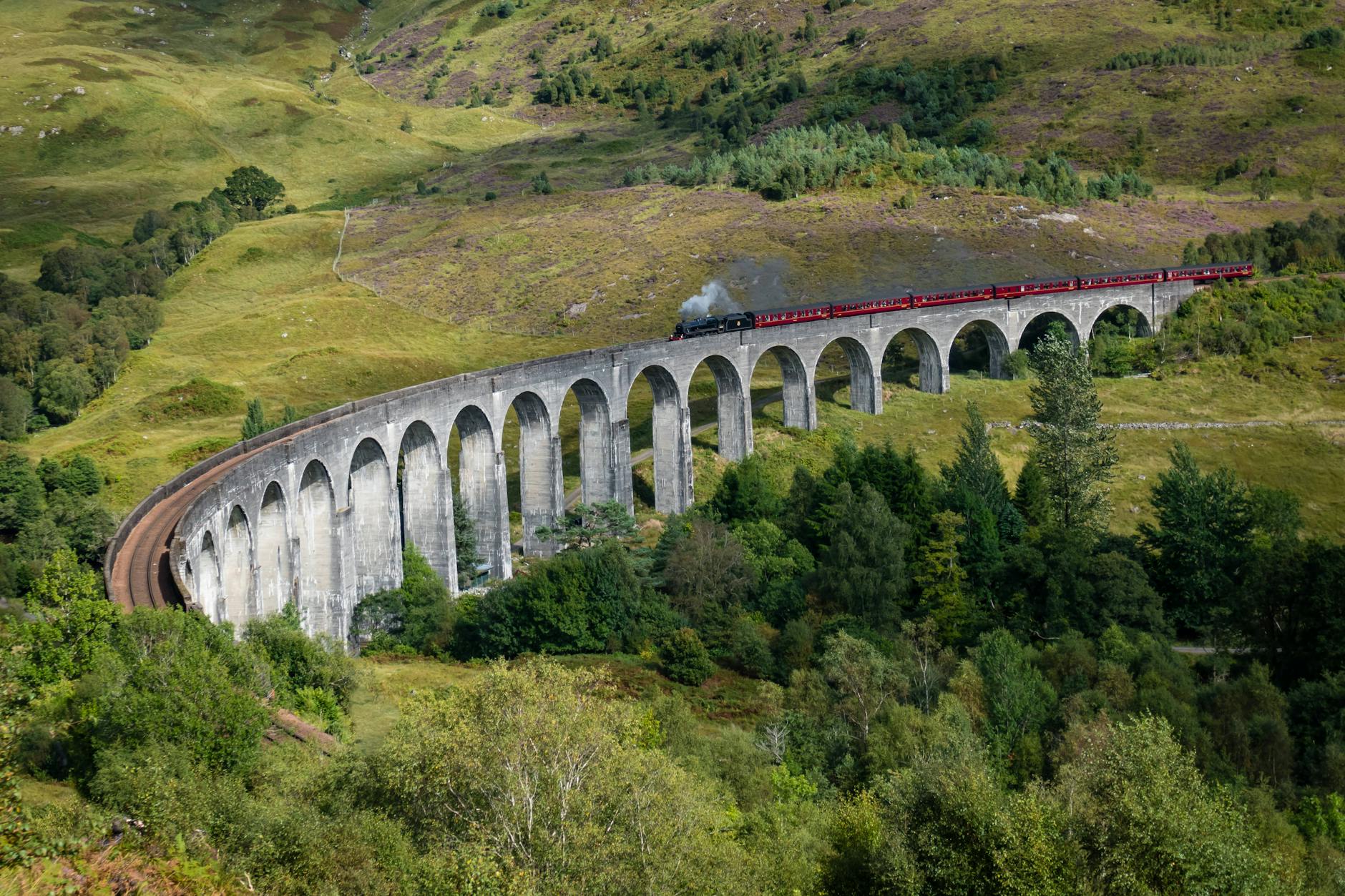
The 21-arched Glenfinnan Viaduct, curving gracefully across a Highland valley with Loch Shiel stretching into the distance, is one of the most photographed locations in Scotland. It achieved global fame as the route of the Hogwarts Express in the Harry Potter films, and watching a steam train cross it remains one of Scotland’s most magical experiences.
Getting There
Glenfinnan lies about 2.5 hours northwest of Glasgow by car, on the A830 ‘Road to the Isles’ between Fort William and Mallaig. Without a car, you can take the ScotRail train from Glasgow Queen Street to Fort William (approximately 3.5 hours via the West Highland Line — one of the most scenic railway journeys in the world) and then continue by bus or the Jacobite steam train to Glenfinnan. Guided day tours from Glasgow are also available and typically combine Glenfinnan with Glencoe and Fort William.
The Jacobite Steam Train
The Jacobite runs from Fort William to Mallaig between April and October, crossing the Glenfinnan Viaduct in both directions. The morning service departs Fort William at 10:15am and the afternoon service at 12:50pm. Tickets sell out weeks or months in advance during summer, so early booking is essential. If you can’t get tickets, you can still watch the train cross the viaduct from the well-signposted viewpoint near the Glenfinnan Monument car park — arrive at least 30 minutes before the train is due.
Glenfinnan Monument
At the head of Loch Shiel, the Glenfinnan Monument marks the spot where Bonnie Prince Charlie raised his standard in 1745 to begin the Jacobite Rising. The National Trust for Scotland visitor centre tells the story of the ’45 and its aftermath. The surrounding scenery — the still waters of the loch framed by dark mountains — is hauntingly beautiful.
Ayrshire Coast & Robert Burns Country
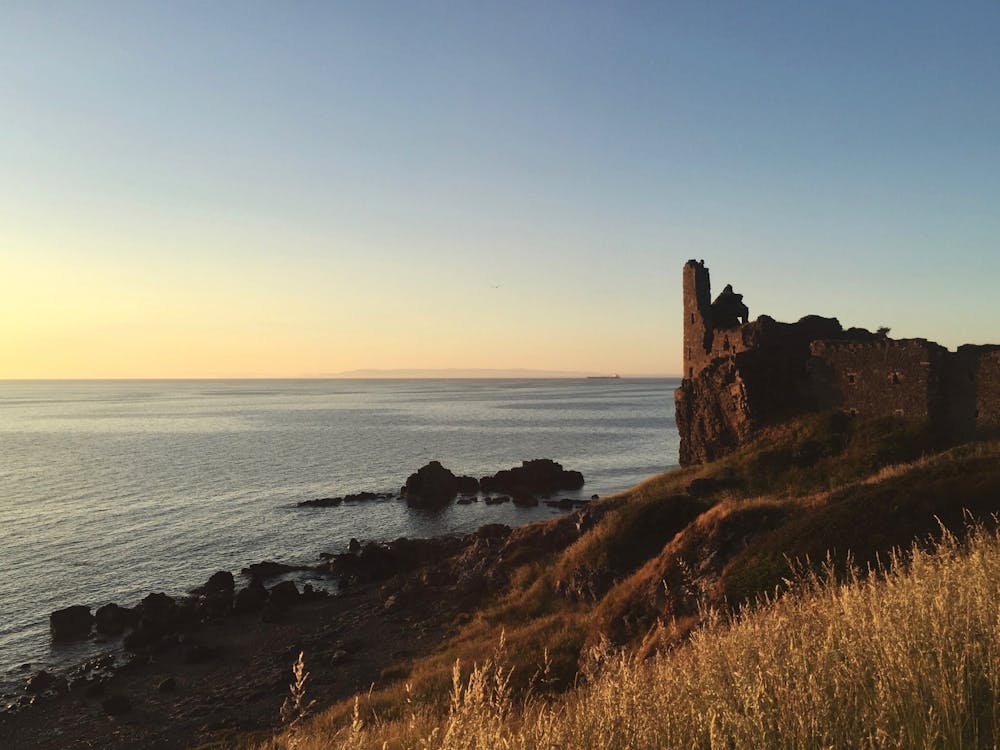
South of Glasgow, the Ayrshire coast offers sandy beaches, dramatic cliff-top castles, and deep connections to Scotland’s national poet, Robert Burns. It’s a gentler, less touristed day trip than the Highland options, and perfect for literary enthusiasts, golfers, and anyone who wants coastal scenery without the mountain drama. For the full route south, our Ayrshire coast and Burns Country guide maps out Alloway, Culzean, the fishing village of Dunure and the views across to Ailsa Craig.
Robert Burns Birthplace Museum
In the town of Alloway, about an hour south of Glasgow, the Robert Burns Birthplace Museum is the definitive attraction for admirers of Scotland’s most celebrated poet. The complex includes the thatched cottage where Burns was born in 1759, an excellent modern museum housing thousands of his personal artefacts and manuscripts, the atmospheric Alloway Auld Kirk (featured in his poem Tam o’ Shanter), and the iconic Brig o’ Doon — the bridge over which Tam famously escapes the witches. Managed by the National Trust for Scotland, adult admission is approximately £12.50.
Culzean Castle
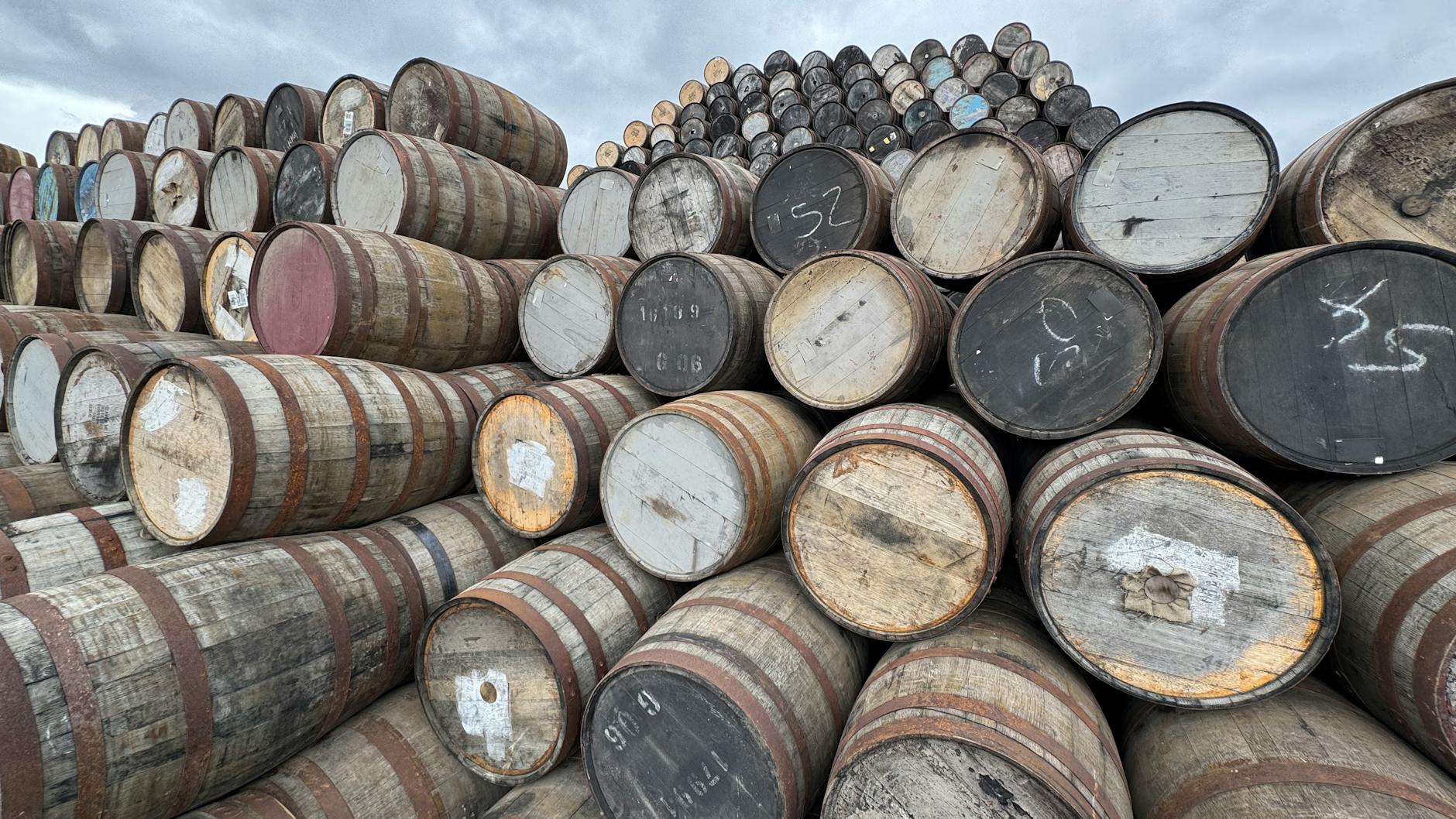
Perched dramatically on Ayrshire’s clifftop coastline, Culzean Castle (pronounced ‘Cull-ain’) is one of Scotland’s most spectacular stately homes. Designed by Robert Adam in the late 18th century, it features an extraordinary oval staircase, an armoury of historic weapons, and grounds that sweep down to the shore. The surrounding 600-acre country park includes woodland walks, a swan pond, deer park, and adventure playground. It’s managed by the National Trust for Scotland, with adult admission around £16.50.
Loch Ness & Inverness
Loch Ness and Inverness are at the outer edge of what’s feasible as a day trip from Glasgow — Inverness is about three hours away by car or 3.5 hours by train — but guided day tours make it manageable if you’re prepared for a long day. The appeal is obvious: Loch Ness is one of the most famous bodies of water on Earth, and Inverness is the capital of the Highlands.
What to See
Urquhart Castle, dramatically ruined on a promontory jutting into Loch Ness, is the classic visitor destination and offers panoramic views down the loch — the perfect spot for monster-spotting. The Loch Ness Centre in Drumnadrochit explores the legend and the science behind the various ‘sightings.’ Inverness itself is a compact, attractive city with a riverside setting, a Victorian market, excellent restaurants, and easy access to the Culloden Battlefield — where the 1746 battle ended the Jacobite cause and changed the course of Scottish history.
Getting There
Guided day tours from Glasgow (typically 12–13 hours) are the most practical option, combining Loch Ness with stops in Glencoe and Fort William. Major operators include Rabbie’s, Timberbush Tours, and Highland Explorer Tours, with prices starting from around £55–65 per person. If driving independently, the route via the A82 through Glencoe and the Great Glen is spectacularly scenic but demanding. The ScotRail train from Glasgow to Inverness takes about 3.5 hours and is itself one of Britain’s great rail journeys.
More Day Trip Ideas
New Lanark World Heritage Site
An hour south of Glasgow, the restored 18th-century cotton mill village of New Lanark sits in a wooded gorge beside the River Clyde. Founded by social reformer Robert Owen, it was one of the world’s first experiments in humane industrial community planning and is now a UNESCO World Heritage Site. The visitor experience includes recreated mill workers’ homes, a rooftop garden, and the spectacular Falls of Clyde nature reserve — a riverside walk to three waterfalls, including the dramatic Corra Linn.
Oban: Gateway to the Isles
The picturesque harbour town of Oban, about 2.5 hours from Glasgow by car or train, is the seafood capital of Scotland and the main ferry port for the Inner Hebridean islands. Even without catching a ferry, Oban rewards a visit with its seafood shacks on the harbourfront, McCaig’s Tower (a hilltop folly with panoramic views), and the Oban Distillery. The train journey from Glasgow via the West Highland Line is one of the most scenic rail routes in Britain.
Glengoyne Distillery
For a shorter, more relaxed day trip, Glengoyne Distillery sits just 30 minutes north of Glasgow at the foot of Dumgoyne hill on the Highland Boundary Fault — the geological line separating Highlands from Lowlands. Tours and tastings run daily, and the setting is beautiful. It’s easily combined with a walk on the nearby West Highland Way or a visit to Loch Lomond.
Dumbarton Castle
Just 20 minutes from Glasgow, Dumbarton Castle stands on a volcanic rock at the confluence of the River Leven and the Clyde. It’s one of the oldest continuously fortified sites in Britain, with a history stretching back 1,500 years to the ancient Kingdom of Strathclyde. The climb to the summit offers outstanding views over the Clyde estuary to Ben Lomond and the Highlands.
How to Get Around: Transport Guide
By Train
ScotRail operates extensive services from Glasgow’s two main stations: Queen Street (for Edinburgh, Stirling, the Highlands, and Oban) and Central (for Ayrshire, Arran ferry connections, and the south). Off-peak and advance tickets offer significant savings — book through ScotRail or Trainline. The Spirit of Scotland rail pass gives unlimited travel across Scotland for 4 or 8 days and can be excellent value if you’re planning multiple day trips.
By Bus
Scottish Citylink coaches connect Glasgow Buchanan Bus Station to most major destinations. They’re typically cheaper than trains but slower. For Loch Lomond and the Trossachs, local bus services supplement the Citylink network. The West Coast Motors 926 bus from Glasgow to Oban via Inveraray is a scenic alternative to the train.
By Car
A hire car gives you the most flexibility, especially for Glencoe, Ayrshire, and the more remote destinations. Major hire companies operate from Glasgow Airport and the city centre. Remember that Scotland drives on the left, many Highland roads are single-track with passing places, and petrol stations can be sparse in rural areas. The A82 to Loch Lomond and the Highlands can be busy on summer weekends.
By Guided Tour
If you don’t want to worry about transport logistics, guided day tours are an excellent option. Small-group operators like Rabbie’s, Timberbush Tours, Highland Explorer Tours, and Discover Scotland use 16-seat mini-coaches and offer expert local guides. Tours typically depart from Glasgow’s Buchanan Bus Station between 8am and 8:30am and return by 7–8pm. Prices range from £45–70 depending on the destination and inclusions.
Planning Tips & Best Times to Visit
When to Go
Scotland’s weather is famously unpredictable, but May to September offers the longest daylight hours and the warmest temperatures. June typically has the driest weather, while July and August are peak tourist season — busier but with the most services running. Spring (April–May) brings wildflowers, lambing season, and quieter roads, while autumn (September–October) delivers spectacular golden colours in the Highlands. Winter day trips are possible but daylight is limited (sunrise after 8:30am, sunset before 4pm in December) and some attractions close or reduce hours.
What to Pack
Regardless of season, bring waterproof layers — Scottish weather can change dramatically within an hour. Comfortable walking shoes are essential for any day trip. For Highland destinations, bring warm layers even in summer, as temperatures at altitude can be 10°C colder than Glasgow. Midges (tiny biting insects) are a nuisance from late May to September — bring repellent if you’re heading to the Highlands.
Booking Advice
Book train tickets in advance for the best fares — ScotRail advance singles can save up to 50 per cent. CalMac ferries to Arran should be booked well ahead in summer, especially if taking a car. Stirling Castle and Edinburgh Castle sell timed entry tickets online, which helps avoid queues. For Jacobite Steam Train tickets, book as early as possible — popular dates sell out months in advance. Return to your Glasgow accommodation in time for the city’s excellent nightlife.
Frequently Asked Questions
What is the best day trip from Glasgow?
Loch Lomond is the most popular day trip and the easiest to reach (45 minutes by train), offering beautiful scenery, boat cruises, and walking. For history enthusiasts, Stirling and its castle are unbeatable. For sheer dramatic scenery, Glencoe is hard to match. The best choice depends on your interests and how much travel time you’re comfortable with.
Can you do a day trip to Edinburgh from Glasgow?
Edinburgh is one of the easiest day trips from Glasgow. Direct trains run every 15–20 minutes and take about 50 minutes. An off-peak return costs £15–20. You can comfortably see Edinburgh Castle, the Royal Mile, and several other attractions in a single day, though the city deserves more time if your schedule allows.
Can you visit Loch Ness in a day from Glasgow?
Loch Ness is about three hours from Glasgow by car or train, making it a long but feasible day trip. Most visitors opt for guided day tours (12–13 hours, from around £55–65) that combine Loch Ness with stops in Glencoe and Fort William. Independent travel is possible but you’ll have less time at the loch itself.
Is the Jacobite Steam Train worth it?
The Jacobite Steam Train is one of Scotland’s most iconic experiences and absolutely worth the effort. The journey from Fort William to Mallaig crosses the famous Glenfinnan Viaduct and passes through spectacular Highland scenery. Book well in advance, as summer dates sell out months early. If you can’t get tickets, you can still watch the train cross the viaduct from the viewpoint near the Glenfinnan Monument.
Do you need a car for day trips from Glasgow?
Many of Scotland’s best day trips are accessible by public transport. Loch Lomond, Edinburgh, Stirling, and Oban are all easily reached by train. However, a car gives you more flexibility for Glencoe, Ayrshire, and remote Highland destinations. Guided mini-coach tours are an excellent alternative if you don’t want to drive.
How many days should I spend on day trips from Glasgow?
Three to four days of day trips will cover the highlights: one day for Loch Lomond, one for Edinburgh or Stirling, one for Glencoe or Arran, and optionally one for the Glenfinnan Viaduct or Ayrshire coast. Combined with two to three days exploring Glasgow itself, that makes a full week in Scotland from a single base.
Is the Isle of Arran worth a day trip?
The Isle of Arran is a wonderful day trip if you start early, though it’s better with an overnight stay. The ferry crossing is scenic, Brodick Castle and the distilleries are excellent, and the island’s nickname ‘Scotland in Miniature’ is well-earned. Plan for about two hours of travel each way (train plus ferry) and pack a full day of sightseeing.
What’s the cheapest day trip from Glasgow?
Loch Lomond by train to Balloch costs around £7–8 return and offers free walks, scenery, and Balloch Castle Country Park — making it excellent value. Dumbarton Castle (20 minutes by train) and New Lanark (1 hour by bus) are also affordable options. Glasgow museums are free, so save your day trip budget for destinations that reward it.
Your Scottish Adventure Starts in Glasgow
Glasgow’s position at the crossroads of Scotland makes it the ideal base for exploring the country’s most spectacular landscapes, fascinating history, and island communities. Whether you’re hiking through the glacial grandeur of Glencoe, toasting Robert Burns in his Ayrshire birthplace, watching a steam train cross the Glenfinnan Viaduct, or simply sitting on the shores of Loch Lomond with a flask of tea, these day trips will leave you with memories that last far longer than the journey home.
Combine your adventures with Glasgow’s own incredible attractions, world-class museums, thriving food scene, and legendary nightlife, and you have everything you need for a truly unforgettable Scottish holiday.