This article contains advertising. Our booking links are routed through a partner that adds commission tracking automatically, so if you book through one we earn a commission from the provider, at no extra cost to you. It never affects what we recommend. Affiliate disclosure
Looking for the best things to do in Glasgow? Glasgow is Scotland’s largest city and one of Europe’s most vibrant destinations, yet it remains wonderfully underrated compared to its famous neighbour Edinburgh. As the UNESCO City of Music (first in the UK), the city pulses with live performances, creative energy, and cultural innovation. With 4.72 million overnight visitors in 2024 and a staggering £2.39 billion visitor expenditure, Glasgow has proven itself as Scotland’s premier multi-day destination.
Whether you’re searching for things to do in Glasgow or just exploring world-class free museums, discovering the legendary curry scene, catching live music in iconic venues, or marvelling at cutting-edge street art, Glasgow delivers unforgettable experiences across every interest. In 2026 the city hosted the Commonwealth Games (July 23 – August 2), a ten-sport programme with up to 3,000 athletes from 74 nations and territories.
This comprehensive guide covers everything you need to know about the best things to do in Glasgow, from must-see attractions and hidden gems to practical tips for making the most of your visit. Whether you have two days or two weeks, you’ll find inspiration for creating the perfect Glasgow itinerary.
Plan your Glasgow trip with our complete guides to where to stay, Glasgow food, getting around the city, nightlife, museums, and events and festivals.
Table of Contents
- Museums and Art Galleries
- Historic Landmarks and Architecture
- Street Art and the Glasgow Mural Trail
- Parks and Green Spaces
- Food and Dining
- Nightlife and Live Music
- Whisky and Brewery Experiences
- Shopping
- Day Trips from Glasgow
- Family-Friendly Activities
- Events and Festivals
- Getting Around Glasgow
- Practical Tips for Visiting
- Frequently Asked Questions
1. Museums and Art Galleries: World-Class Collections
Glasgow boasts some of Europe’s finest museums, and remarkably, most are completely free. The city’s cultural institutions showcase everything from Renaissance masterpieces to contemporary art, making it a paradise for culture enthusiasts.
Kelvingrove Art Gallery and Museum
The crown jewel of Glasgow’s museum scene, Kelvingrove is one of Scotland’s most visited free attractions, with 1,219,831 visits in 2025. This red sandstone palace houses over 8,000 objects spread across 22 galleries, covering everything from Scottish art and natural history to arms and armour. The museum’s Spanish Baroque facade dominates Kelvingrove Park, making it instantly recognisable.
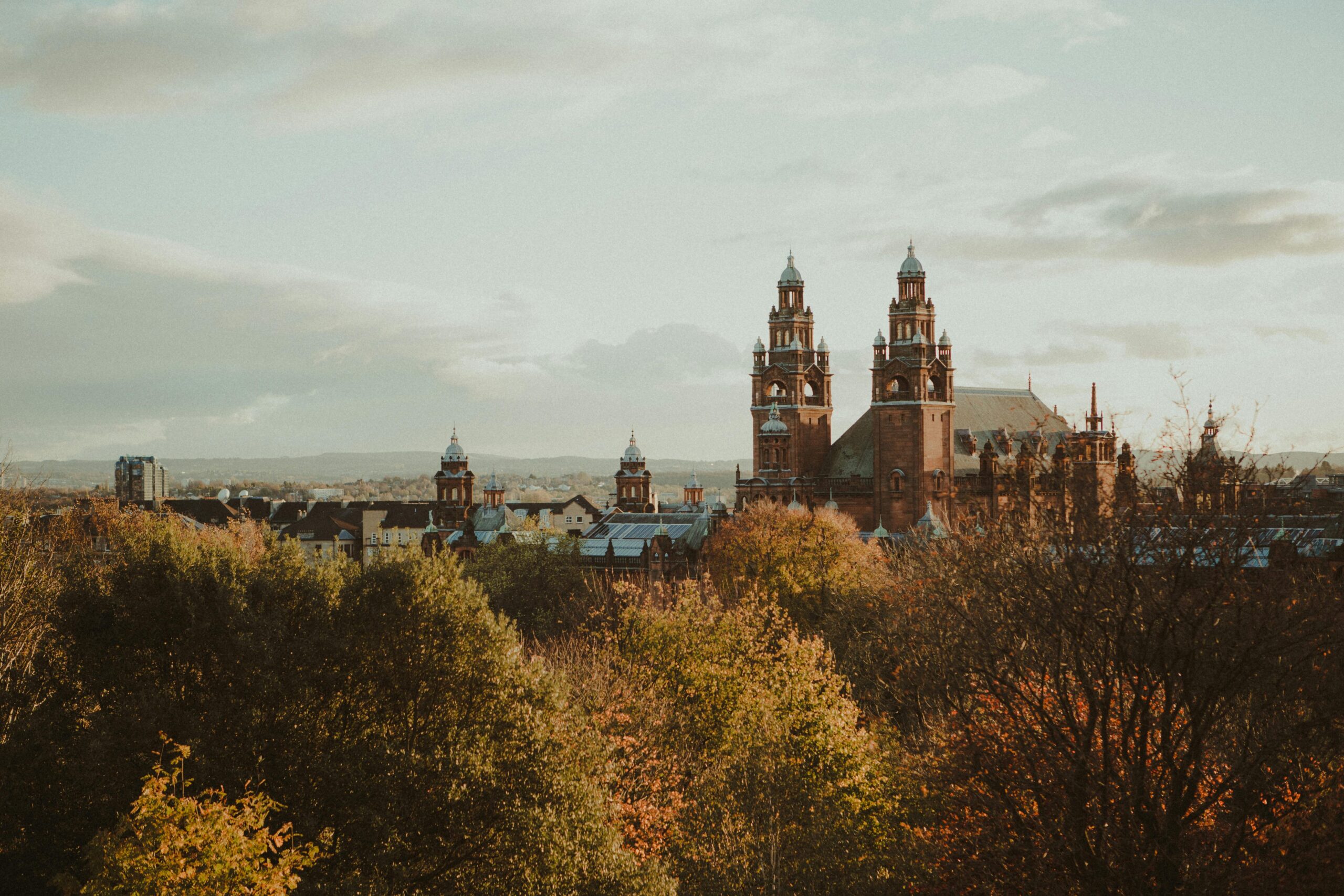
Don’t miss the famous stuffed elephant, the beloved stained glass, and the exceptional collection of works by Scottish colourists. The museum regularly rotates exhibitions and hosts special displays. Free admission to the permanent collection, with some special exhibitions requiring a small fee. Open Monday-Thursday and Saturday 10am-5pm, Friday and Sunday 11am-5pm.
The Burrell Collection
Nestled in Pollok Country Park, The Burrell Collection showcases over 9,000 objects amassed by wealthy industrialist William Burrell. The recently renovated building magnificently displays medieval tapestries, Chinese ceramics, Impressionist paintings, and Islamic art. The collection emphasizes quality over quantity, with each piece thoughtfully curated.
The park setting adds to the experience, with Highland cattle grazing and woodland walks surrounding the museum. Free admission; doors open at 10am Monday to Thursday and Saturday and at 11am on Fridays and Sundays, closing at 5pm every day. Allow 2-3 hours to explore properly.
Other Essential Museums
- Riverside Museum (Zaha Hadid design): Spectacular building housing 3,000+ transport exhibits from vintage trains to bicycles. Check out the Tall Ship Glenlee docked beside it. Completely free.
- Gallery of Modern Art (GoMA): Occupies a stunning neoclassical building on Royal Exchange Square, built in 1778 as the townhouse of William Cunninghame. Excellent contemporary exhibitions and a welcoming cafe.
- People’s Palace: Tells the story of Glasgow’s social history through photographs, objects, and interactive displays. Closed for refurbishment since April 2024, with reopening planned for December 2029; you can still see the building on Glasgow Green near the spectacular Doulton Fountain.
- The Hunterian Museum: Scotland’s oldest public museum (opened 1807), housed at the University of Glasgow. Features Greek and Roman artefacts, coins, and exceptional numismatic collections.
Pro tip: Many museums offer extended hours during the summer months. Pick up a Glasgow Museums & Galleries leaflet for complete information on opening hours and special exhibitions.
Beyond the civic collections, a set of unusual Glasgow attractions rewards a second visit, among them the Britannia Panopticon, the oldest surviving music hall in the world, and the Sharmanka kinetic theatre in the Trongate.
2. Historic Landmarks and Architecture: Where History Lives
Glasgow’s architectural heritage spans from medieval times to contemporary innovation. The city’s buildings tell stories of religious devotion, Victorian prosperity, and visionary design.
Glasgow Cathedral
Glasgow’s oldest building, Glasgow Cathedral is the most complete medieval cathedral surviving on the Scottish mainland and one of the finest examples of Scottish Gothic architecture. The first stone cathedral on the site was dedicated in 1136; much of what you see today dates from the 13th century. Remarkably, it survived the Scottish Reformation largely intact, unlike most other medieval churches. The cathedral’s soaring nave, ornate ceiling bosses, and the atmospheric Lower Church create an unforgettable atmosphere.
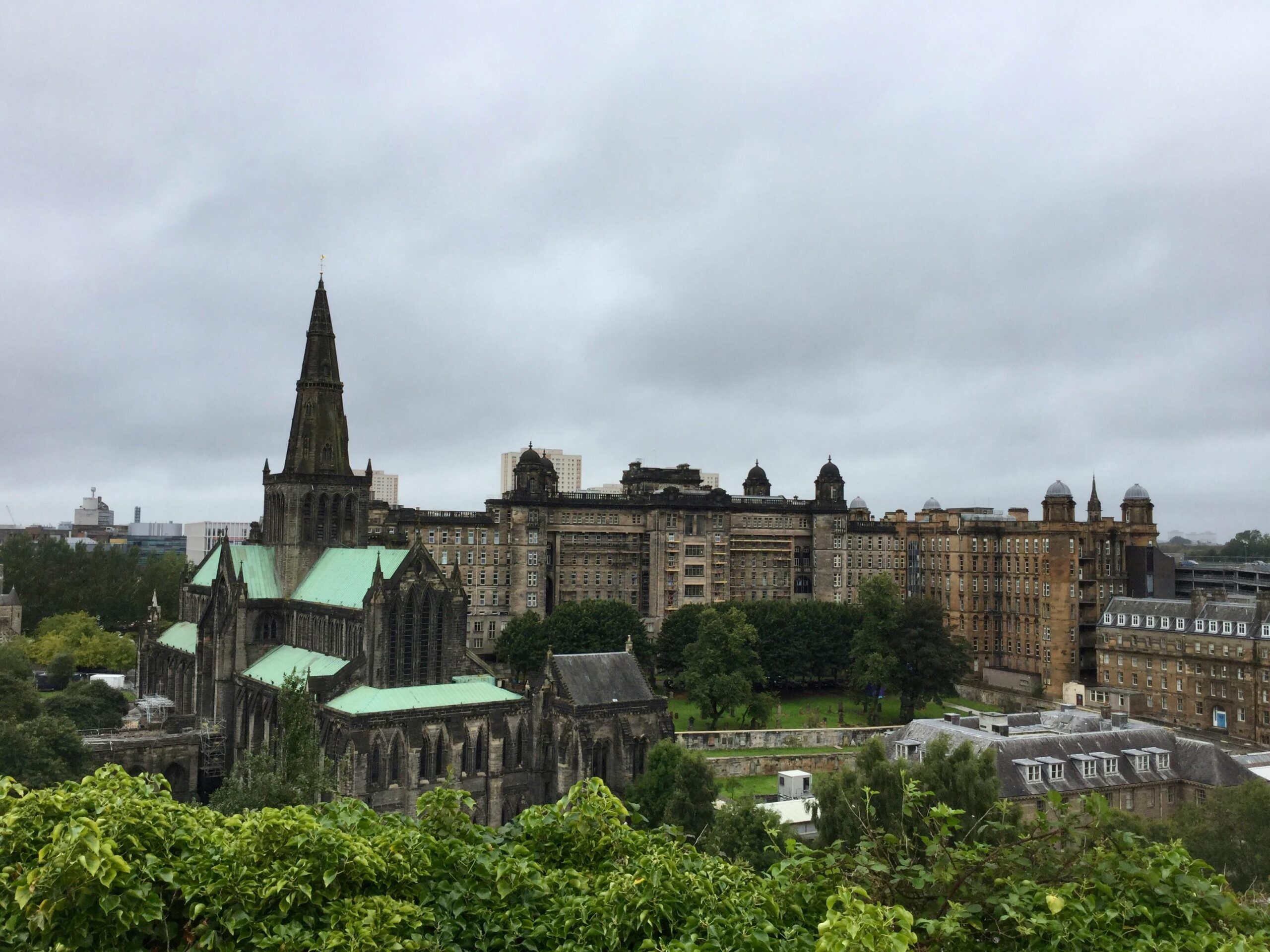
Adjacent to the cathedral stands the Glasgow Necropolis, a Victorian garden cemetery where around 50,000 people are buried. The hilltop location offers panoramic views across the city. Visitors can freely wander among the elaborate Victorian monuments and tombs, creating a unique historical experience. Allow 1.5-2 hours to explore both the cathedral and necropolis. The hill is also the city’s best-loved sunset spot; our guide to Glasgow’s viewpoints and photo spots covers where else to go for a view, including the Queen’s Park flagpole in the Southside.
Charles Rennie Mackintosh Heritage
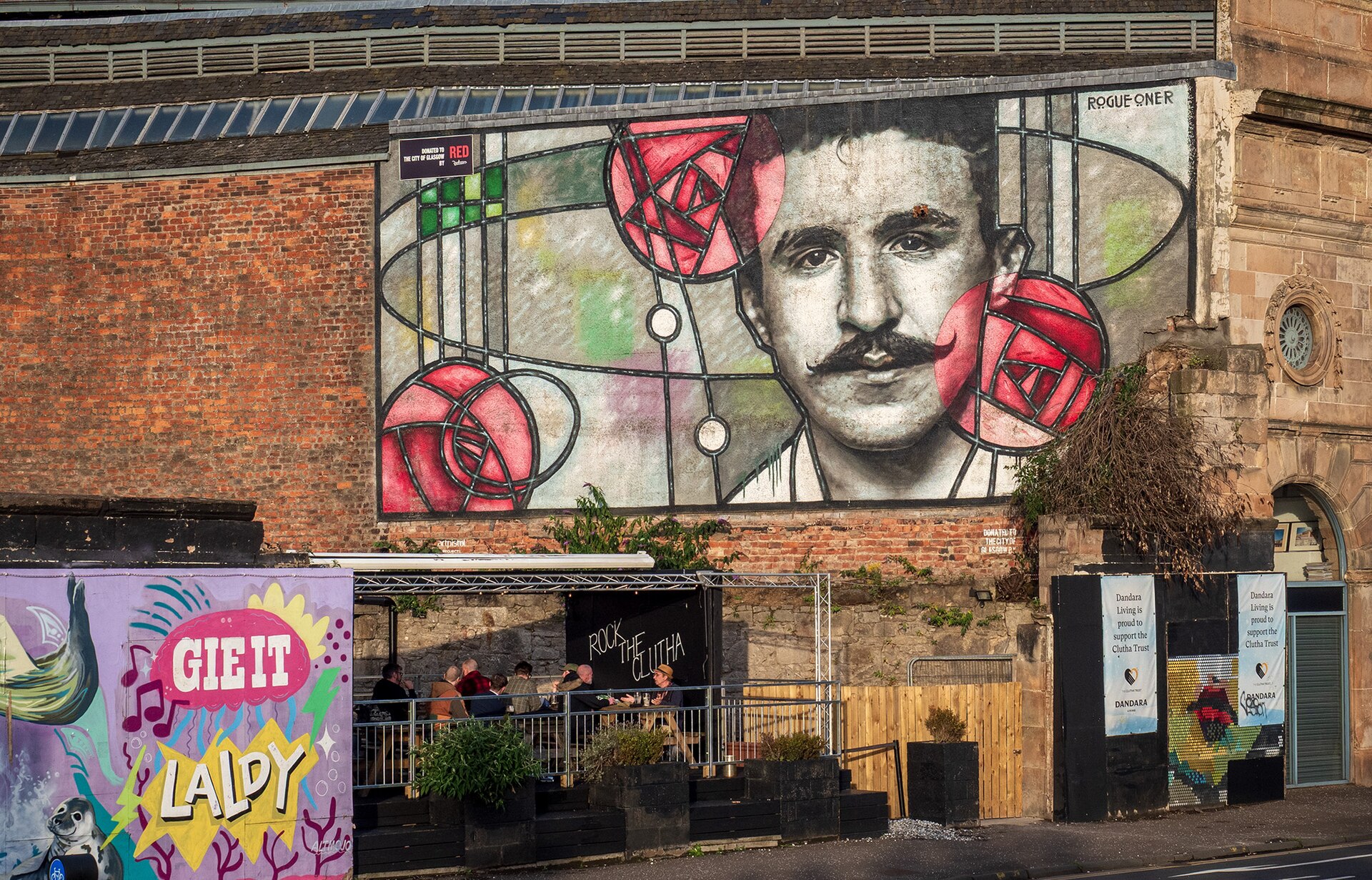
Glasgow’s most celebrated architect, Charles Rennie Mackintosh (1868-1928), left an indelible mark on the city. His unique synthesis of Art Nouveau and Scottish baronial styles influenced design worldwide. Essential Mackintosh sites include:
- Glasgow School of Art: Mackintosh’s masterpiece (1897-1909), whose library was considered one of the greatest interiors of the 20th century. Fires in 2014 and 2018 left the Mackintosh Building closed, and no reopening date has been announced; the school plans enabling work towards its reinstatement from 2027.
- The Mackintosh Tearooms (217 Sauchiehall Street): The former Willow Tea Rooms, now run by the National Trust for Scotland. Original Mackintosh furniture and interiors, serving afternoon tea in the historic room. A wonderful immersive experience of 1903 Glasgow design.
- House for an Art Lover: Built posthumously (1990-1996) from Mackintosh’s 1901 designs. This hilltop mansion showcases his visionary interior concepts in a residential setting. Located in Bellahouston Park.
- Queen’s Cross Church: Mackintosh’s only church, combining medieval and modern elements. Now houses the Mackintosh Society headquarters with interpretive exhibitions.
University of Glasgow and George Square
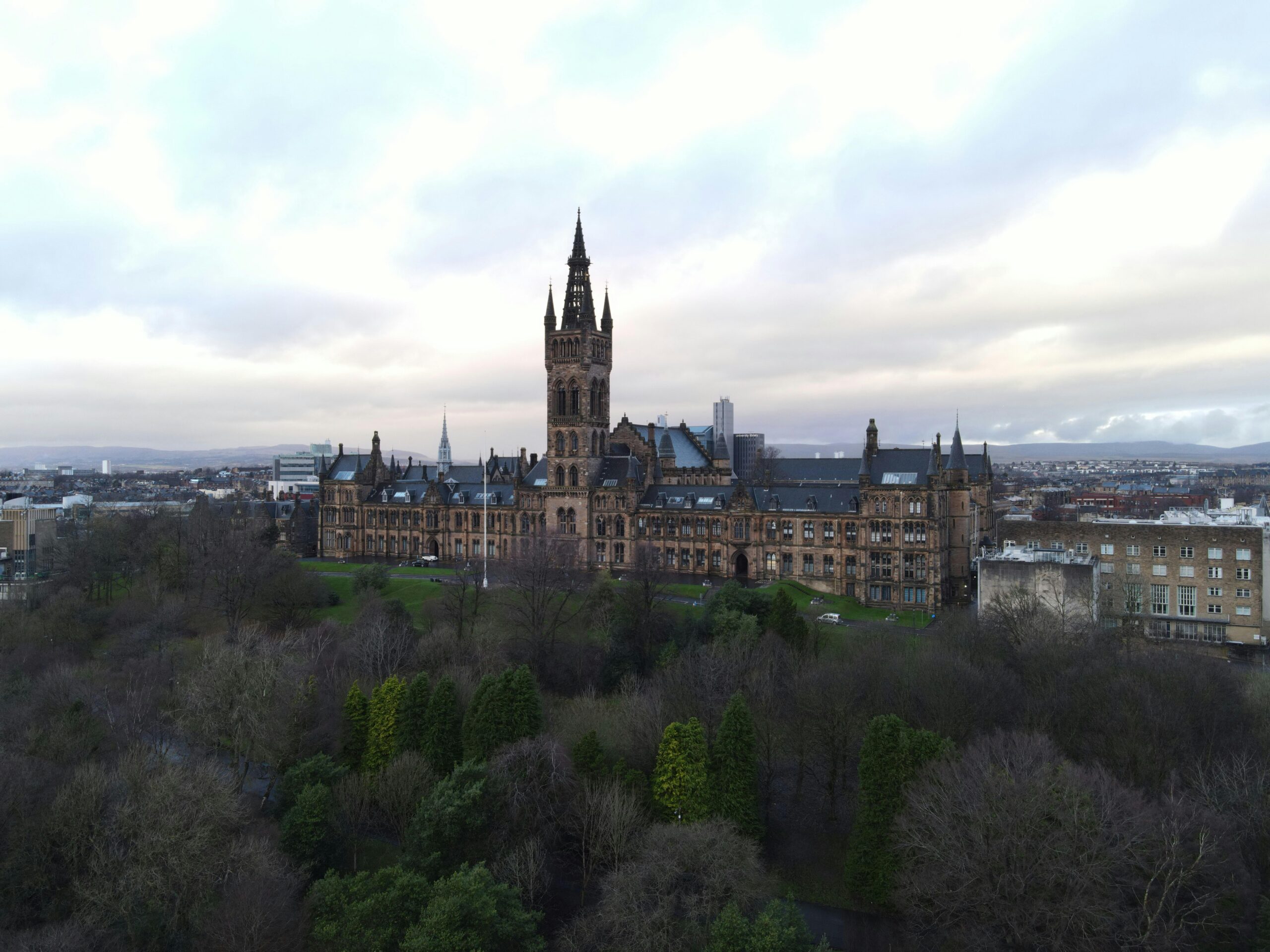
Founded in 1451, the University of Glasgow is Scotland’s second-oldest university. The stunning Gothic Revival campus (built 1870) features dramatic cloisters, a magnificent tower, and beautifully manicured quadrangles. The campus feels transported from Oxford or Cambridge, and its striking architecture has featured in the TV series “Outlander.”
George Square, the civic heart of Glasgow, is surrounded by Victorian architecture and anchored by the ornate City Chambers (1888). The square hosts the Saturday Farmers’ Market and features monuments to Scotland’s greatest figures. The City Chambers’ ornate marble staircase and gilded chambers can be toured (book ahead).
3. Street Art and the Glasgow Mural Trail: Urban Creativity
Glasgow’s street art scene has transformed the city into an open-air gallery. Since its first artwork went up in 2008, the Glasgow Mural Trail, a Glasgow City Council initiative, has filled the city centre with large-scale murals.
Must-See Murals
- St Mungo (by Smug): The legendary patron saint depicted with birds, symbolising Glasgow’s renewal and cultural heritage. One of the trail’s most iconic pieces.
Explore the trail self-guided on foot, or join a guided street art tour for insider knowledge and artist stories. Most tours operate weekends and cost £10-15 per person.
4. Parks and Green Spaces: Glasgow’s Natural Treasures
Despite its urban character, Glasgow is full of parks, ranging from formal Victorian gardens to sprawling country estates. Ruchill Park in the north has a panorama that reaches the Highlands on a clear day, and Victoria Park hides the 330-million-year-old fossilised stumps of Fossil Grove, two secret spots most tourists miss.
Kelvingrove Park
Stretching across about 85 acres, Kelvingrove Park was created in 1852. The legendary Joseph Paxton (designer of the Crystal Palace) contributed to the plans, though most of the design was the work of architect Charles Wilson and surveyor Thomas Kyle. The park seamlessly integrates Glasgow’s natural river valley with manicured lawns, ancient trees, and open vistas. The Kelvin Walkway follows the river through the park and connects to other green spaces, creating ideal walking routes.
Glasgow Botanic Gardens
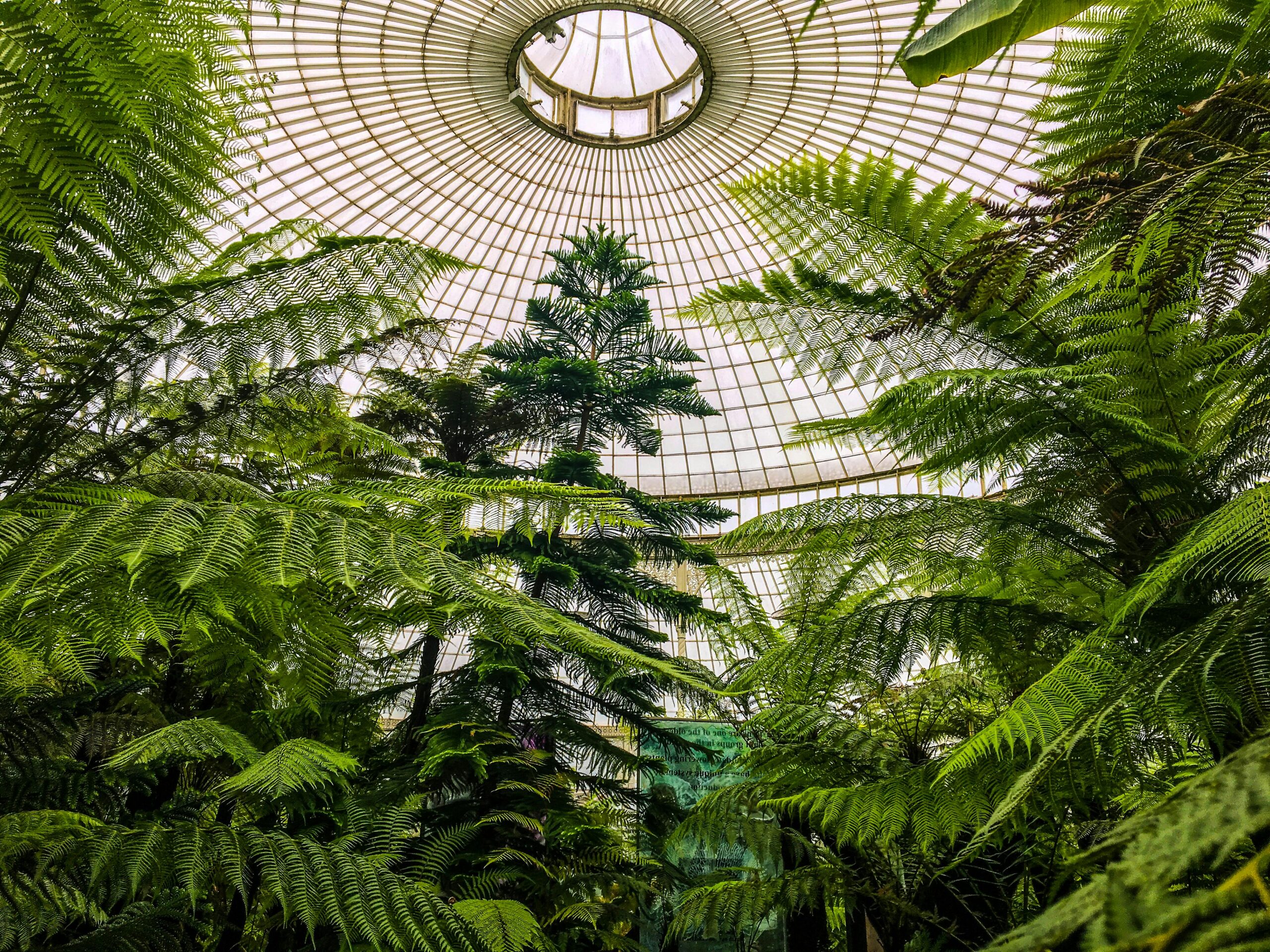
The Botanic Gardens showcase Scotland’s horticultural excellence. The stunning Kibble Palace — a Victorian-era glasshouse — is the highlight, containing exotic ferns, tropical plants, and seasonal displays. The gardens are completely free and provide perfect peaceful refuge from the city centre. Sheltering inside the glasshouse while rain drums on the Victorian panes is one of the simplest romantic things to do in Glasgow.
Other Essential Parks
- Pollok Country Park: Glasgow’s largest park at about 360 acres, featuring the Burrell Collection, Highland cattle and woodland trails. Pollok House, the park’s intact 1752 Georgian mansion, is closed for conservation work with no reopening date. Perfect for a full day of exploring.
- Glasgow Green: The city’s oldest park, hosting major events and festivals. Features the magnificent Doulton Fountain (Scotland’s largest) and provides unobstructed views of the People’s Palace.
- Queen’s Park: Located on a hilltop south of the city centre, covering 60 hectares (148 acres) with formal gardens and panoramic city views. Excellent for photography and picnicking.
5. Food and Dining: From Curry Capital to Michelin Stars
Glasgow earned the title “Curry Capital of Britain” in 2002, and the city’s relationship with South Asian cuisine defines its identity. Remarkably, the city also lays claim to Chicken Tikka Masala: the Shish Mahal credits its founder, Mr Ali, with creating the dish.
Curry Houses and South Asian Dining
- Shish Mahal (West End): Still family run, and founded by Mr Ali, whom the restaurant credits as the creator of Chicken Tikka Masala. A pilgrimage site for curry enthusiasts worldwide.
- Mother India (City Centre and West End): Award-winning restaurant with extensive menus featuring tandoori specialities and innovative curries. Two locations offer different atmospheres.
- Ranjit’s Kitchen: North Indian cooking served with warm hospitality; check its current opening hours before you go.
- Chaakoo (Finnieston): Modern Indian restaurant combining tradition with innovation. Excellent cocktails and carefully curated wine list.
The Southside and Merchant City districts contain the highest concentration of curry houses, with prices ranging from budget-friendly £10-12 mains to upscale dining at £15-20+ per course.
Contemporary and Fine Dining
Beyond curry, Glasgow’s food scene has evolved dramatically:
- Finnieston Strip (West End): Packed with innovative restaurants and bars. Must-tries include Ox & Finch (tapas-style) and Crabshakk (seafood-focused).
- Michelin-Starred Dining: Cail Bruich and Unalome hold Michelin stars, offering tasting menus in intimate settings (book weeks ahead).
- West End Brunch Culture: The West End district near the university is famous for relaxed weekend brunches at dozens of cafes.
For more dining recommendations, see our detailed Glasgow Food and Dining Guide.
6. Nightlife and Live Music: UNESCO City of Music
Glasgow earned UNESCO City of Music status in 2008 (the first UK city) in recognition of its unparalleled musical heritage and contemporary scene. Live music isn’t an occasional entertainment — it’s woven into the fabric of the city.
Live music is only part of the evening: the wider list of things to do in Glasgow at night takes in late museum openings and a Subway whose service runs until 11.40pm Monday to Saturday and 6.12pm on Sundays (last trains vary by station and direction).
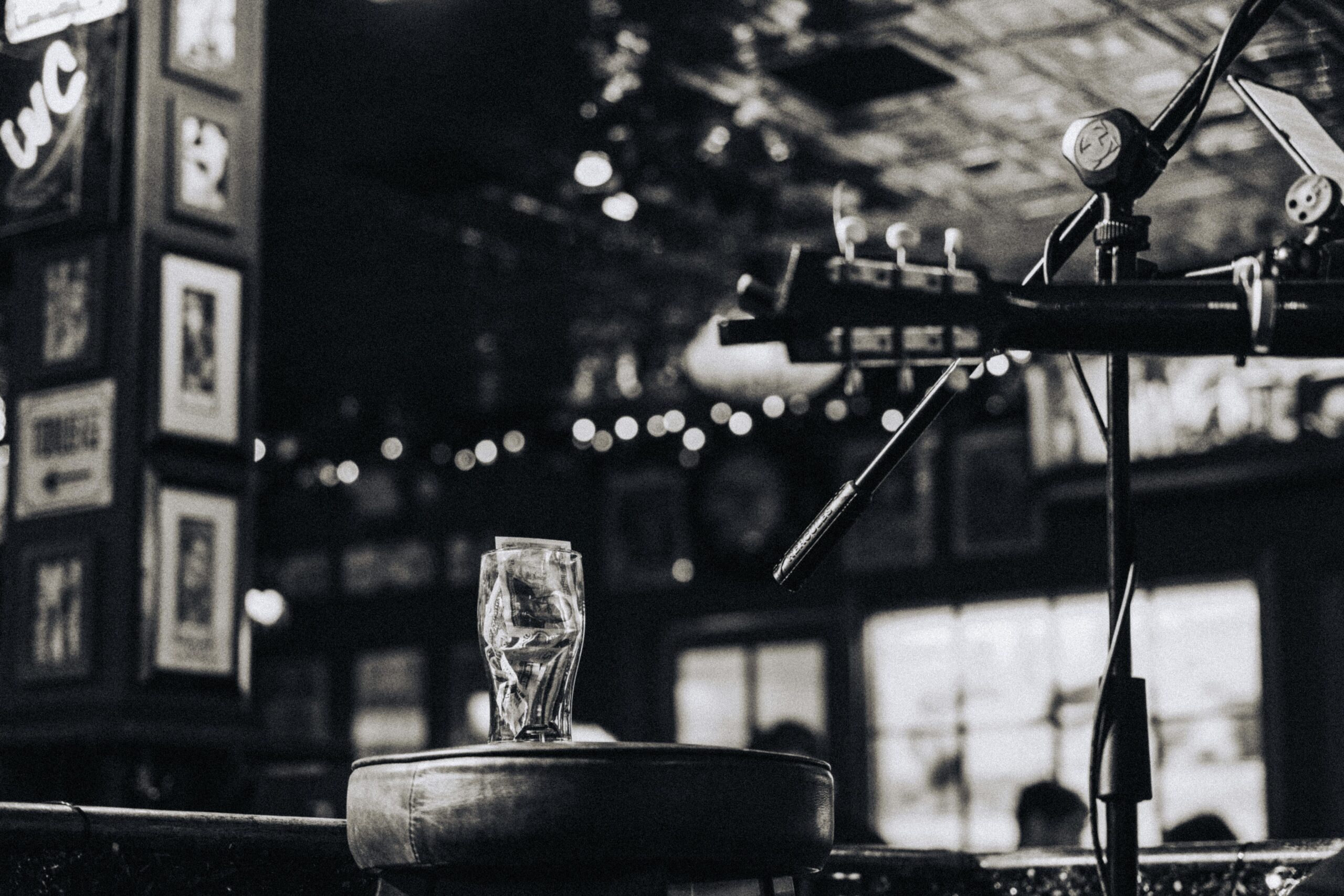
Iconic Live Music Venues
- Barrowland Ballroom (The Barras): Legendary 1934 venue with a famous sprung dancefloor. The intimate atmosphere and excellent acoustics have hosted everyone from The Rolling Stones to recent indie acts.
- King Tut’s Wah Wah Hut (St Vincent Street): Intimate venue where Oasis was discovered in 1993. Still books cutting-edge alternative and indie acts.
- OVO Hydro (SEC campus): One of the world’s busiest concert venues, hosting major international acts, comedy, and sporting events. Stunning modern architecture on the Clyde.
- Glasgow Royal Concert Hall: Home to the Royal Scottish National Orchestra, and stages concerts in the Celtic Connections festival (January), a major international winter music festival. The BBC Scottish Symphony Orchestra is based at City Halls.
Traditional Music Pubs
- Ben Nevis Bar (City Centre): Nightly traditional Scottish folk sessions with genuine atmosphere and knowledgeable musicians.
- Òran Mór (West End): Wine bar and restaurant with a stunning rooftop terrace, hosting live music and creating a cosmopolitan vibe.
- Park Bar (Finnieston): Legendary for traditional music sessions and attracting Glasgow’s most authentic musicians.
Nightlife Districts
- City Centre: High-energy clubs including Garage, Sub Club (legendary electronic music), and The Arches venues.
- Merchant City: Upscale cocktail bars, champagne lounges, and late-night dining. More sophisticated vibe than city centre.
- Finnieston: Trendy bars with craft cocktails, wine bars, and a younger crowd. Less pretentious than Merchant City.
- West End: Relaxed university vibe with students’ union, live music bars, and low-key pubs. Younger, more casual atmosphere.
For comprehensive nightlife information, see our Glasgow Nightlife and Live Music Guide.
7. Whisky and Brewery Experiences: Scotland’s Spirit
While Glasgow historically focused on blending rather than distillation, the Clydeside Distillery joined the revival of whisky distilling in the city when production began in 2017. Combined with nearby distilleries and the growing craft beer scene, Glasgow offers excellent spirit-focused experiences.
The Clydeside Distillery
Opened in 2017 as Glasgow’s second active distillery in more than a century, Clydeside combines heritage with modern distilling. Located on the Clyde waterfront with stunning views, the distillery offers tours that include spirit tastings; check its website for current prices. The on-site bar serves cocktails featuring their single malt, and the visitor experience explores Glasgow’s blending heritage.
Whisky Tasting Tours
- Once Upon a Whisky: Guided walking tours combining pub visits with whisky education. Small groups and knowledgeable guides ensure personalized experiences.
- Scottish Rogue Tours: Walking tours featuring whisky tastings at historic pubs with stories and character.
Nearby Distilleries (Day Trips)
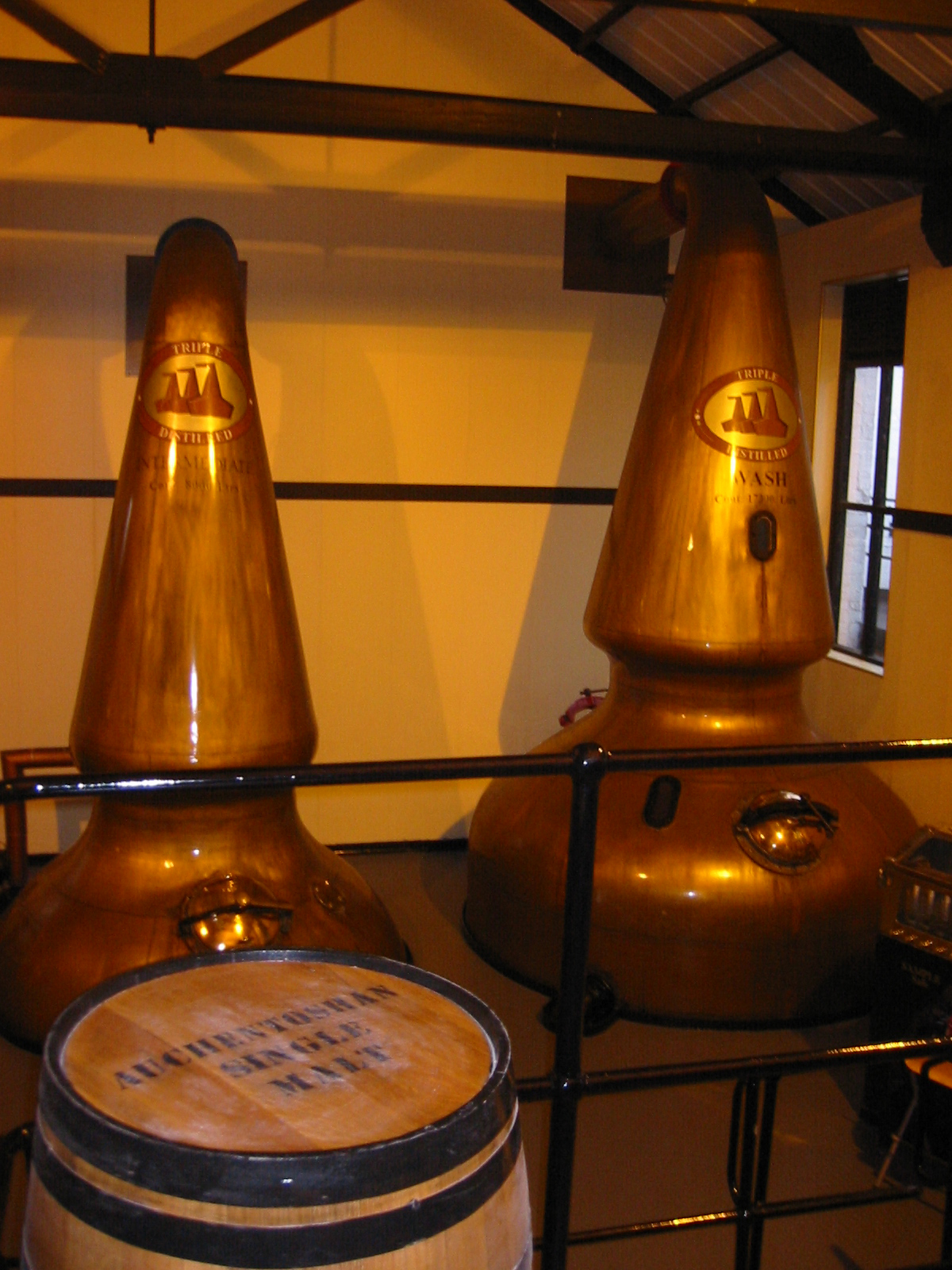
- Auchentoshan (Clydebank): Just outside the city, Auchentoshan distillery features triple distillation and beautiful grounds. Excellent tours and tastings.
- Glengoyne: Picturesque distillery with heritage dating to 1833. The location straddles the Highland Line, with one side in Highlands, one in Lowlands.
- Deanston: Modern whisky distillery with contemporary visitor facilities and excellent dram bar.
Craft Beer Scene
- Drygate Brewery (East End): Craft brewery with taproom and food service. Features experimental brews and a fun, casual atmosphere.
- WEST Brewery (Glasgow Green): German-style brewery and restaurant with a relaxed beer garden atmosphere and consistent quality.
- Shilling Brewing Co.: Independent craft brewery with a focus on experimental and innovative beer styles.
For detailed experiences, see our Glasgow Whisky and Brewery Tours Guide.
8. Shopping: From The Style Mile to Independent Boutiques
Glasgow’s shopping scene blends high street chains, independent boutiques, vintage treasures, and traditional markets. The city is Scotland’s retail capital outside Edinburgh.
The Style Mile
Glasgow’s famous “Style Mile” consists of three interconnected streets: Buchanan Street — Glasgow’s main shopping thoroughfare with flagship stores and major chains. Argyle Street — Department stores and mid-range retailers. Sauchiehall Street — Mix of high street brands and independent shops. The Buchanan Galleries shopping centre anchors this area, while Princes Square offers upscale boutique shopping in a stunning Victorian setting.
Independent Shopping Districts
- West End (Byres Road): Vintage shops, independent boutiques, record stores, and quirky gift shops. De Courcy’s Arcade is a labyrinth of independent stalls. Perfect for unique finds and avoiding chain stores.
- Merchant City: Contemporary designer boutiques, jewellery shops, and home furnishing stores. More upscale vibe with higher price points.
- The Barras Market (Weekends): Historic weekend market featuring vintage clothing, antiques, vinyl records, and general merchandise. A Glasgow institution with great atmosphere and bargains.
- Argyll Arcade: Scotland’s first indoor shopping mall (opened 1827), specialising in jewellery. Beautiful ironwork and dozens of jewellers.
Best Souvenirs
- Tartan goods (kilts, scarves, accessories)
- Harris Tweed jackets and accessories
- Scottish food hampers (shortbread, oatcakes, tablet)
- Single malt whisky bottles with Glasgow labels
- Charles Rennie Mackintosh design items
- Vintage vinyl and concert memorabilia
For comprehensive shopping information, see our Shopping in Glasgow Guide.
9. Day Trips from Glasgow: Beyond the City
Glasgow’s location makes it an ideal base for exploring Scottish Highlands, lochs, and historic sites. Many of the best are an easy day out by train or bus.
Loch Lomond (about 50 minutes by train)
Scotland’s most famous loch is easily accessible by train to Balloch (50 minutes). Activities include boat cruises on the loch, hiking to scenic viewpoints, visiting the banks where mountains meet water, and exploring quaint villages. Summer weekends get busy, but the loch’s beauty justifies the crowds.
Edinburgh (50 minutes by train)
Scotland’s capital and Glasgow’s rival offers Edinburgh Castle, the Royal Mile, Holyrood Palace, and a completely different character — more historical, more compact, more touristy. Many visitors do both cities in one trip.
Glencoe and the Highlands
Scotland’s most dramatic mountain scenery. Glencoe’s Three Sisters loom over the valley floor. Accessible by bus or organized tour. Excellent for hiking, photography, and experiencing Scottish wilderness.
Other Popular Day Trips
- Stirling Castle (direct trains to Stirling): One of Scotland’s most important castles with stunning views of central Scotland. Check ScotRail’s timetable for journey times, and allow extra time to get from the station up to the castle.
- Glenfinnan Viaduct (a long day trip): The Harry Potter bridge, a 21-arch Victorian railway viaduct set against Highland scenery.
- Isle of Arran (about two hours by train and ferry): “Scotland in miniature” with mountains, beaches, whisky distillery, and excellent hiking.
- Ayrshire Coast and Burns Country: Coastal towns, Robert Burns heritage sites, and stunning beaches.
Tour operators: Timberbush Tours and Rabbie’s offer small-group day tours with pickup from Glasgow city centre, eliminating transportation hassles.
For detailed information, see our Day Trips from Glasgow Guide.
10. Family-Friendly Activities: Glasgow for All Ages
Most of Glasgow’s best attractions are FREE or very inexpensive, making it exceptionally family-friendly. The city excels at creating engaging experiences for children.
Science and Interactive Museums
- Glasgow Science Centre (South Bank): Over 300 interactive exhibits engaging all ages. Features planetarium and IMAX cinema; the 127-metre Glasgow Tower beside it stays closed for the rest of 2026, with an update on its schedule due in spring 2027. Admission is charged, so check the centre’s ticket prices page before you go.
- Kelvingrove with Kids: The dinosaur section, mummy displays, Egyptian artefacts, and the famous “floating heads” captivate children. The Spitfire suspended from the ceiling fascinates aviation-interested kids.
- Riverside Museum: More engaging for children than traditional transport museums. Exhibits include historic skateboard designs and the interactive reconstruction of a 1890s street.
Outdoor Activities
- Pollok Country Park: Perfect for family picnics with Highland cattle to observe, nature trails, and open spaces. The Burrell Collection offers a quieter museum experience.
- Tall Ship Glenlee: Children can explore a historic sailing ship moored on the Clyde. Educational and fun for aspiring sailors.
- Children’s Farm at Tollcross: Farm animals, petting areas, and outdoor activities. Excellent for younger children.
- Kelvin Hall Climbing: Clip ‘n Climb offers climbing walls and aerial activities for various age groups and abilities.
Creative Activities
- Gallery of Modern Art (GoMA): Offers free family art workshops and activities alongside world-class contemporary exhibitions.
- Charles Rennie Mackintosh Sites: Even non-architecture-interested kids enjoy exploring Mackintosh’s unique spaces and learning about Glasgow’s most famous designer.
For comprehensive family planning, see our Glasgow with Kids Family Guide.
11. Events and Festivals: Year-Round Entertainment
Glasgow’s event calendar is packed with world-class festivals, concerts, and celebrations. The city particularly shines during January (Celtic Connections) and June (TRNSMT). Away from the big festivals the city keeps a weekly rhythm, from the Saturday farmers market at The Rail Yard to the Barras at weekends, set out in our guide to things to do in Glasgow this weekend.
Major Annual Events
- Celtic Connections (January): A major winter music festival spread over 18 days (14-31 January in 2027); the 2026 edition staged around 300 events. Everything from traditional Scottish music to international world music. Iconic festival featuring legendary and emerging musicians.
- Glasgow Film Festival (February/March): Independent and international cinema programming across 10-12 days.
- Glasgow International Comedy Festival (March): Excellent comedy programming featuring Scottish and international acts, every spring; the festival’s website carries each year’s dates.
- WestFest (June): The successor to the West End Festival, a month-long celebration of Glaswegian culture in the West End with parades, street parties, music, and theatre.
- TRNSMT Festival (June): Three-day music festival on Glasgow Green featuring major international acts across multiple stages; the 2026 edition ran 19-21 June. Similar to Reading/Leeds in scale. Watch the festival’s website for the next dates.
- Commonwealth Games 2026 (July 23 – August 2): Glasgow hosted the Games, with ten sports and up to 3,000 athletes from 74 nations and territories putting the city in the international spotlight.
- Glasgow Mela: Free multicultural festival celebrating Glasgow’s diverse communities through food, music, dance, and art. The 2026 edition filled Kelvingrove Park on 5 July; Glasgow Life announces each year’s date.
- Royal National Mòd (October 2026): Glasgow hosted this premier Gaelic cultural competition on 9-17 October 2026, with Gaelic music, poetry, drama and dance. The 2027 Mòd moves to the Western Isles (8-16 October).
- Hogmanay (December 31): Scottish New Year celebration. Glasgow has no official city-run event, so the parties happen at hotels, bars and venues, mostly ticketed.
For detailed event information, see our Glasgow Events and Festivals Guide.
12. Getting Around Glasgow: Efficient and Affordable
Glasgow is highly walkable, with excellent public transport making it easy to explore without a car.
The Glasgow Subway
The third oldest underground system in the world, Glasgow’s Subway is quirky, charming, and incredibly efficient for getting around. The circular route includes 15 stations serving main attractions. A single journey costs £1.80 on Smartcard or contactless (£1.85 with a paper ticket), while unlimited travel for the day is £3.40 (£4.45 on paper). The frequent trains and quick journey times make every trip feel like a small adventure.
Bus Network
First Bus operates Glasgow’s extensive bus network with frequent services to all areas. Day tickets offer excellent value and unlimited travel. Buses connect to attractions the Subway doesn’t reach.
Train Connections
- Glasgow Central Station: Services to southern Scotland, England, and the southwest.
- Glasgow Queen Street Station: Services to Edinburgh (50 min), the north, and the Highlands.
Other Transport Options
- Walking: Glasgow’s city centre is compact and walkable. For the West End and Southside sights, the Subway or a bus saves your legs.
- Cycling: Nextbike runs the city’s public bike hire, and cycle paths link many of the parks and attractions.
- Airport Access: First Glasgow’s Airport Express 500 runs around the clock, from every 10 minutes by day and hourly overnight, and can reach the city centre in as little as 15 minutes. A single is £2 under First Bus’s £2 fare cap since 7 September 2026; returns are no longer sold.
For detailed transport information, see our Getting Around Glasgow Guide.
13. Practical Tips for Visiting Glasgow
Best Time to Visit
- June to September: Best weather (summer daytime highs average around 18-19°C), longest daylight hours, outdoor festivals and markets.
- January (Celtic Connections): Winter festival energy, though cold and wet weather is typical.
- July: Peak summer energy, major festivals, busy but lively.
- Shoulder Seasons (April-May, October-November): Pleasant weather, fewer crowds, reasonable prices.
Weather and Packing
Glasgow has a temperate maritime climate with: – Frequent rain (pack waterproof jacket) – Cool temperatures (even summer averages 19°C) – Variable weather (layers are essential) – Occasional snow in winter
Frequent rain matters less than it sounds, because the major museums are free and the city centre shops connect under cover, which is why the list of things to do in Glasgow when it rains is such a long one.
Budget Tips
- Many attractions are FREE: Kelvingrove, Riverside Museum, Gallery of Modern Art, Glasgow Green, parks.
- Subway day pass: £3.40 on Smartcard or contactless (£4.45 on paper) for unlimited travel on all 15 stations.
- Museum entry: Most permanent collections free; special exhibitions may charge.
- Dining: Excellent budget options (£8-12 mains) at curry houses and casual eateries. Fine dining £40-80+ per person.
Safety and Practical Information
- Safety: Glasgow is generally safe for tourists. Normal urban precautions apply (avoid extremely late night walks alone, keep valuables secure).
- Currency: British Pounds (£). Cards widely accepted; some small venues prefer cash.
- Time Zone: GMT (UTC+0), BST (UTC+1) in summer.
- Emergency: 999 for police/ambulance/fire.
Glasgow vs Edinburgh: Which to Visit?
Glasgow: Edgier, more creative, excellent food and music scene, street art, contemporary art, fewer tourists, better value. Edinburgh: Historic castle, royal palace, more compact medieval Old Town, more touristy, more expensive, dominated by one dramatic landmark. Recommendation: Both are different enough to justify visiting both. Many visitors dedicate 3-4 days to Glasgow and 2-3 days to Edinburgh.
How Many Days Do You Need?
- Minimum: 2-3 days for museums, architecture, and core attractions.
- Ideal: 4-5 days to add neighborhoods, street art trail, parks, and nightlife.
- With day trips: 5-7 days including Loch Lomond, Highlands, or Edinburgh.
For detailed travel planning, see our Complete Glasgow Travel Guide.
Many of the best things to do in Glasgow are out in the neighbourhoods rather than the city centre: Kelvingrove and the Botanic Gardens in the West End, the Burrell and Pollok Country Park on the Southside, the Cathedral, the Necropolis and the Barras in the East End, and the Govan Stones across the river. Our area-by-area guide to Glasgow neighbourhoods explains what each part of the city is like and how to get between them.
Frequently Asked Questions
What are the best free things to do in Glasgow?
Glasgow excels at free attractions. Kelvingrove Art Gallery and Museum (8,000+ objects, 22 galleries), Riverside Museum (transport history), Gallery of Modern Art, and The Burrell Collection are all completely free; the People’s Palace is closed, with reopening planned for December 2029. Outdoor attractions include: Glasgow Green (historic park with Doulton Fountain), Glasgow Botanic Gardens (Kibble Palace Victorian glasshouse), Kelvingrove Park (about 85 acres, with Joseph Paxton among its designers), Queen’s Park (panoramic city views), and the Glasgow Mural Trail (large-scale murals across the city centre). Add Glasgow Cathedral (donations welcome), the University of Glasgow campus, George Square, and the Necropolis cemetery for additional free exploration.
How many days do you need in Glasgow?
Minimum 2-3 days allows coverage of major museums, landmarks, and neighborhoods. However, 4-5 days is ideal for a comprehensive experience including street art trail, parks, multiple neighborhoods, and nightlife without feeling rushed. Add 5-7 days if including day trips to Loch Lomond, the Highlands, or Edinburgh.
Is Glasgow worth visiting?
Absolutely. Glasgow consistently impresses first-time visitors with its creative energy, exceptional museums (many free), world-class food scene, live music heritage, and genuine character. The city punches well above its weight in cultural offerings and authenticity. With an estimated 4.72 million overnight visitors in 2024 and repeat visitors praising the experience, Glasgow has proven itself as one of Scotland’s premier destinations.
What is Glasgow best known for?
Glasgow is best known for several defining characteristics: UNESCO City of Music status (2008), Charles Rennie Mackintosh architecture, street art and vibrant creativity, “Curry Capital of Britain” designation, historic shipbuilding heritage on the Clyde, world-class free museums, and a vibrant nightlife and live music scene. The city also pioneered many innovations in industrial design and continues as a creative powerhouse.
Is Glasgow safe for tourists?
Yes, Glasgow is generally safe for tourists. The city centre, West End, Merchant City, and areas around major attractions see regular police presence and have good safety records. Like any urban area, standard precautions apply: avoid very late night solo walks in isolated areas, keep valuables secure, and stay aware of surroundings. The vast majority of visitors experience Glasgow without any safety concerns.
What is the best time to visit Glasgow?
June through September offers the best weather, with summer daytime highs averaging around 18-19°C, and the longest daylight hours. However, different times appeal to different interests: January (Celtic Connections) for world-class winter music festival, June and July for major festivals and summer energy (TRNSMT took over Glasgow Green on 19-21 June in 2026), shoulder seasons (April-May, October-November) for pleasant weather with fewer crowds. Winter is beautiful but wet and cold.
How do I get from Glasgow Airport to the city centre?
The Airport Express can get you into the city centre in as little as 15 minutes. Options include: Bus: First Glasgow’s Airport Express 500 runs 24 hours a day, from every 10 minutes during the day and hourly overnight. A single costs £2 under the fare cap, and returns are no longer sold, so buy two singles for a round trip. The current Sunday timetable allows 19-26 minutes to Buchanan Bus Station; leave extra time for traffic. Taxi: Approximately 15-20 minutes, £20-30 depending on traffic. Rental Car: Not recommended due to parking challenges in the city centre. The bus option is most economical; taxis are convenient if arriving with luggage.
Can you do a day trip from Glasgow to Edinburgh?
Yes, absolutely. Trains run frequently from Queen Street Station (50 minutes, £15-25). A full day trip is feasible, allowing 4-5 hours in Edinburgh for Edinburgh Castle, Royal Mile, Holyrood Palace, and walking the highlights. Many visitors spread both cities across a longer trip rather than rushing a single day trip. Both cities deserve dedicated time to appreciate their different characters.
What food is Glasgow famous for?
Glasgow is famous as the “Curry Capital of Britain” since 2002. Chicken Tikka Masala traces back to the city too: Glasgow’s Shish Mahal restaurant says its founder, Mr Ali, created it. Beyond curry, the city is known for: Contemporary Scottish cuisine (Finnieston restaurants), excellent fine dining (Michelin-starred options), vibrant street food scene, traditional Scottish fare (haggis, cullen skink, cranachan), and West End brunch culture. Glasgow’s food scene has evolved dramatically from its curry roots.
Is Glasgow better than Edinburgh?
Different, not better — both cities offer distinct experiences. Glasgow excels at creative energy, food, street art, value, and authentic character. Edinburgh dominates in historic landmarks, compact Old Town wandering, and dramatic castle scenery. First-time visitors to Scotland benefit from experiencing both. Glasgow appeals to culture, food, and music enthusiasts; Edinburgh appeals to history and castle lovers. Most repeat visitors prefer Glasgow’s character, though Edinburgh’s castle is Scotland’s most iconic sight.
Conclusion: Your Glasgow Adventure Awaits
Glasgow is Scotland’s most dynamic destination, offering an intoxicating blend of world-class culture, exceptional creativity, outstanding food, and genuine character that Edinburgh simply cannot match. From the moment you experience the friendly locals and creative energy of the city centre, you’ll understand why 4.72 million overnight visitors stayed in Glasgow during 2024 and why the city inspires fierce devotion from those who know it.
Whether you’re spending two days hitting the essential museums and highlights or a full week diving deep into neighborhoods, festivals, day trips, and the legendary nightlife, Glasgow delivers unforgettable memories. The combination of free world-class attractions, exceptional food at every price point, incredible live music venues, and authentic Scottish character makes Glasgow an exceptional value compared to other European cities.
This comprehensive guide is just the beginning. We’ve created detailed companion guides covering every aspect of visiting Glasgow — from food and nightlife to shopping and day trips. Check out our complete collection of Glasgow guides and resources to dive deeper into specific interests.
Bookmark this guide, share it with travel-planning friends, and get ready to experience Scotland’s vibrant heart. Glasgow is waiting.
One category this list barely touches is football, and in Glasgow that is a genuine omission — Celtic Park, Ibrox and Hampden are all open to visitors on non-match days, and a stadium tour is one of the few attractions here that comes with a guide who actually cares. Our Glasgow football guide has tour prices for all three grounds, an honest account of how hard match tickets are to get, and what to do instead when they are gone.
Short on time? A guided tour is the quickest way to see a lot of the city. Our Glasgow tours guide compares the hop-on hop-off bus, walking tours, free tours, food and drink tours and stadium tours, with prices and which ones are worth it.
Photo Credits
Mackintosh mural at the Clutha: Mural, Glasgow – geograph.org.uk – 8156441 by Rossographer, CC BY-SA 2.0, via Wikimedia Commons.
Copper stills at Auchentoshan: Auchentoshan03 by Nicor, CC BY-SA 3.0, via Wikimedia Commons.