This article contains advertising. Our booking links are routed through a partner that adds commission tracking automatically, so if you book through one we earn a commission from the provider, at no extra cost to you. It never affects what we recommend. Affiliate disclosure
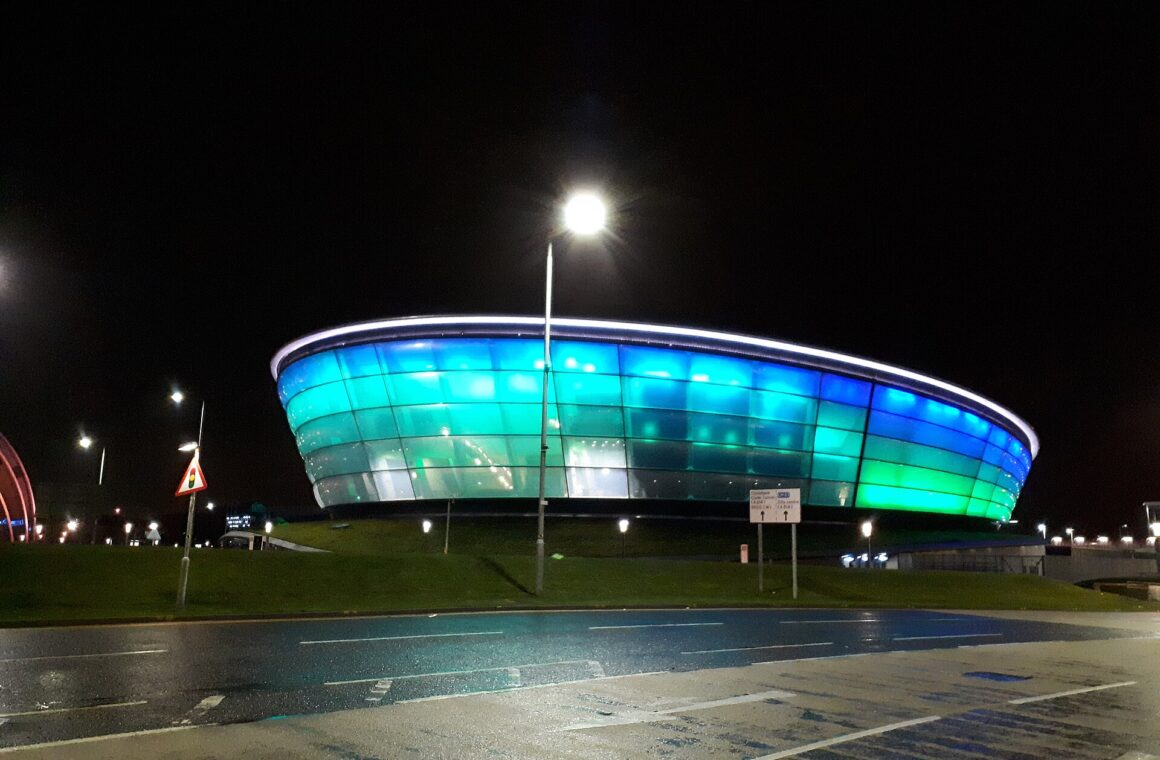
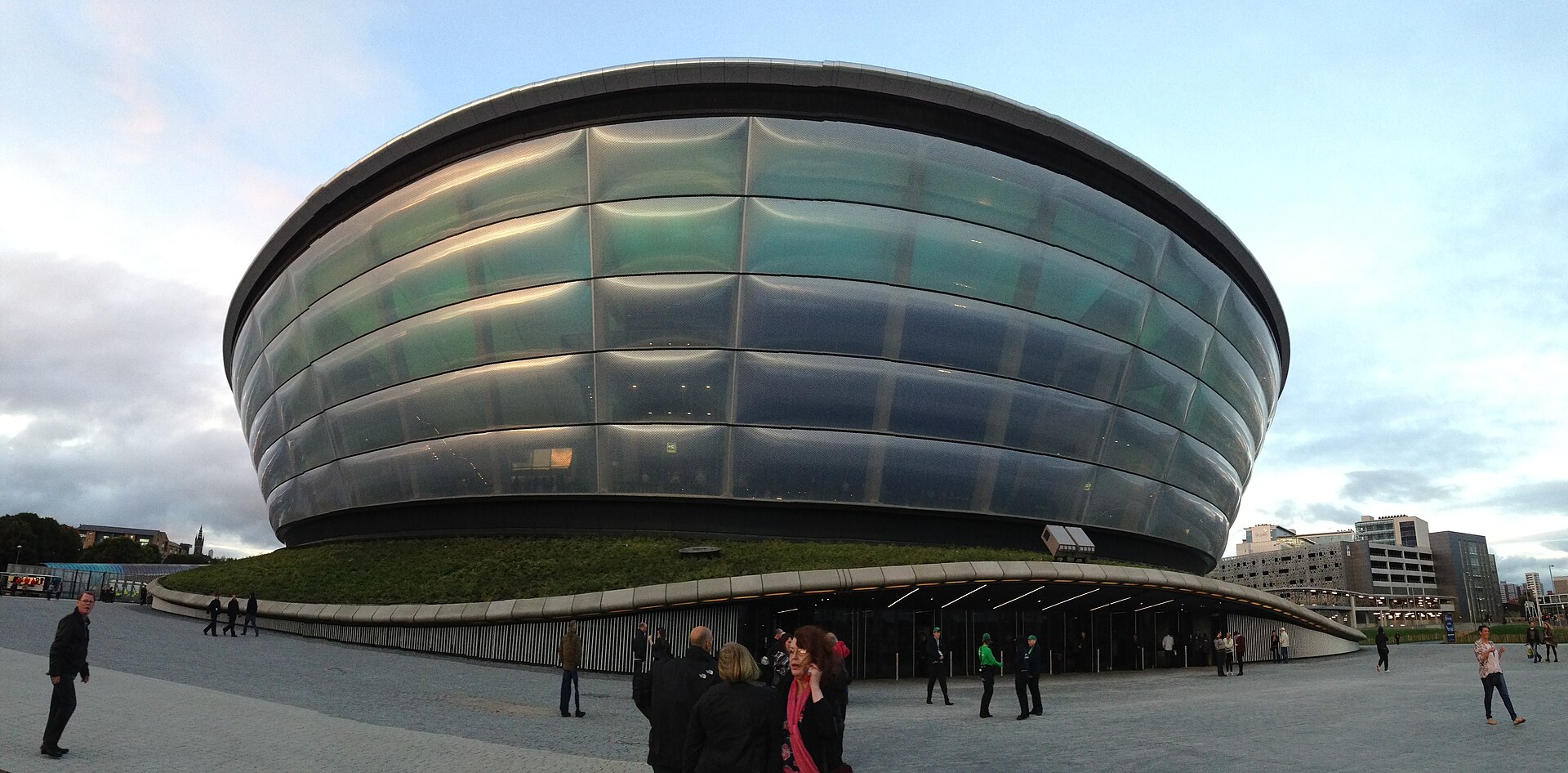
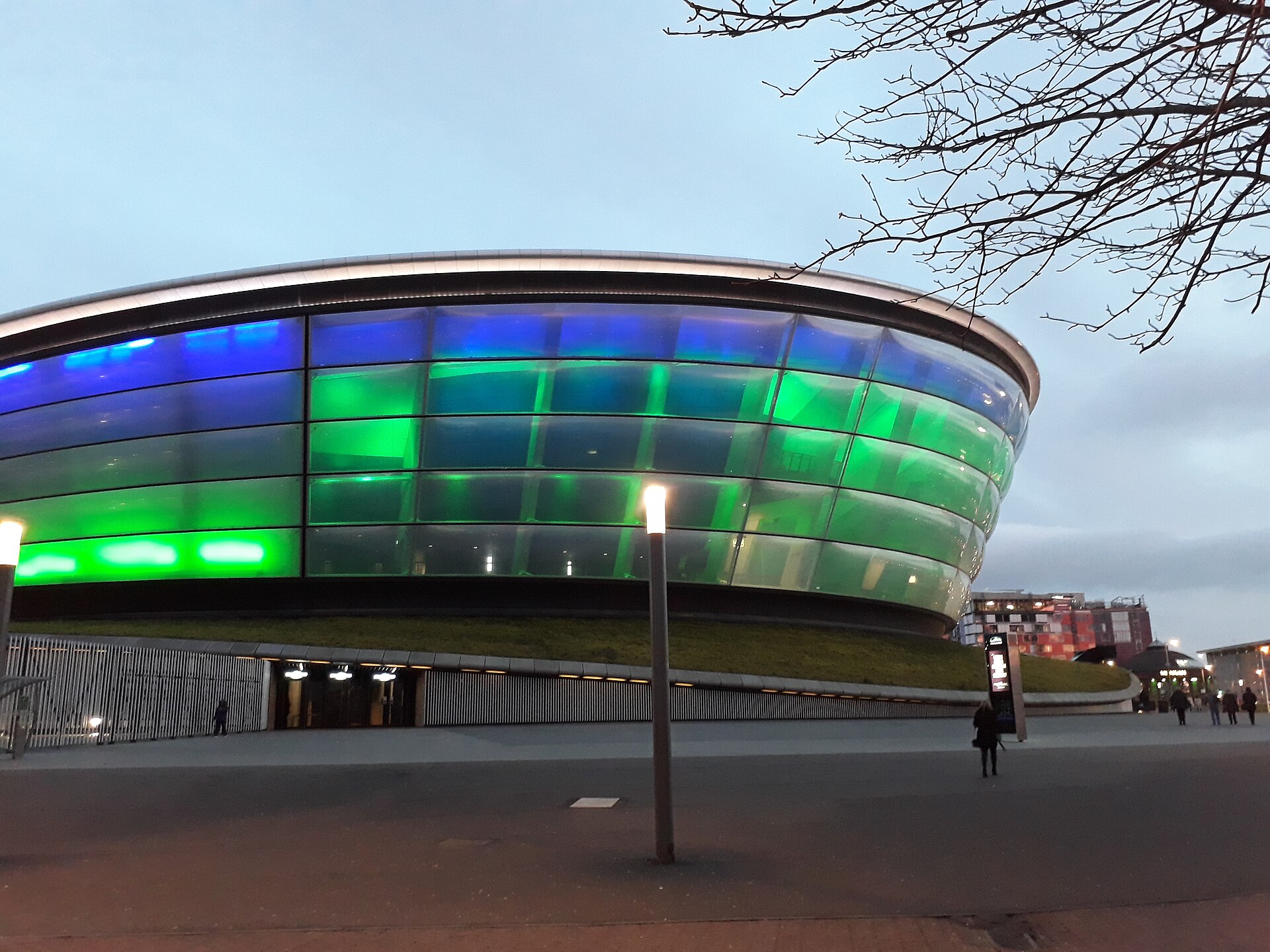
From the Clyde Walkway on a winter evening the Hydro looks like something that has landed rather than been built — a ribbed silver drum on a grassy plinth, glowing blue, green or pink depending on who is playing. By half past seven there are thousands of people crossing the plaza towards it from Exhibition Centre station, and by eleven they are all trying to leave at once. The OVO Hydro Glasgow is the biggest venue in Scotland and one of the busiest arenas in the world, and a good night there depends less on luck than on knowing a handful of practical things before you go.
This guide covers the seating layout and which tickets are worth the money, the bag policy that turns people away every week, the best way to get there and — more importantly — the best way to get home, where to eat nearby, accessibility, and an honest view of when the arena is worth it. Details were checked in September 2026; treat prices as the right order of magnitude and always check the rules for your specific event.
OVO Hydro at a glance
| What | Detail |
|---|---|
| Location | Scottish Event Campus (SEC), on the north bank of the Clyde beside Finnieston |
| Opened | 30 September 2013, designed by Foster + Partners; formerly the SSE Hydro |
| Capacity | Up to 14,300 — about 12,300 seated plus roughly 2,000 standing |
| Nearest station | Exhibition Centre (ScotRail), about 5 minutes’ walk |
| Typical ticket | £45–120 for major tours, sometimes more; comedy and family shows often less |
| Bags | Handbags and small carrier bags only; no rucksacks, suitcases or anything A3 size or larger |
| Cloakroom for large bags | In the SEC Centre, £8.50 per item |
| Parking | Council-run multi-storey at 10 Stobcross Road; spaces cannot be reserved |
| Walk from the city centre | About 25 minutes along the river or Argyle Street |
What the Hydro is, and why it matters
When the Hydro opened in 2013, Glasgow finally had an arena built for concerts rather than a sports hall that also staged them. That is the key thing to understand about the building: the bowl was designed around sightlines to a stage at one end, so the seats rise steeply and even the top tier feels more connected to the show than the equivalent seat in an older arena. It is the only UK venue of its size purpose-built for live entertainment, and within a few years of opening it was regularly appearing near the top of global ticket-sales rankings for arenas.
The design came from Foster + Partners, the practice behind the Clyde Auditorium next door — the building everyone in Glasgow calls the Armadillo. The translucent cladding is lit from inside and changes colour with the event, which is why photographs of the Hydro never look quite the same twice.
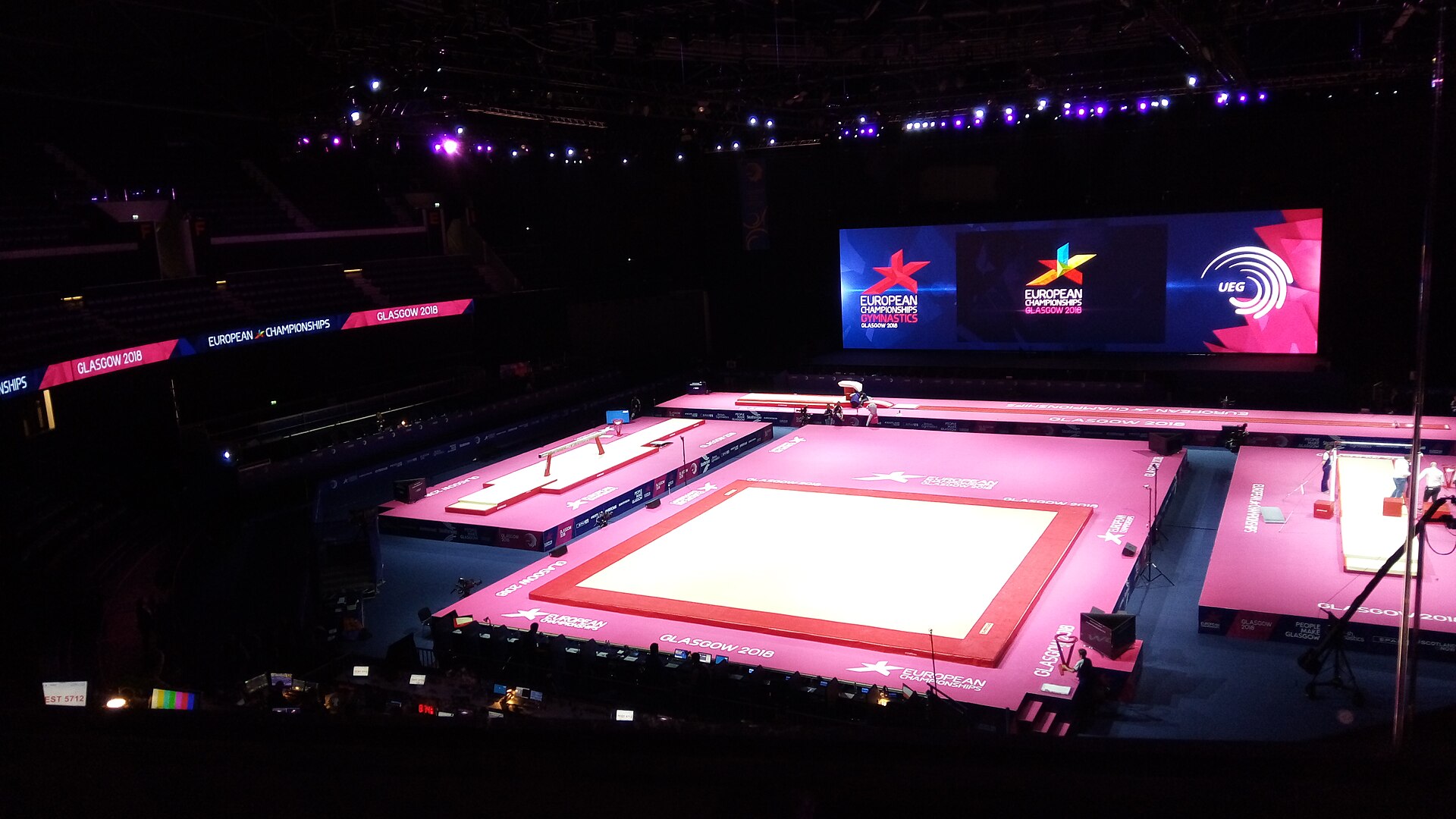
The result is that almost every major touring act plays Glasgow rather than skipping Scotland for Manchester or Birmingham, and Glasgow audiences have a reputation that makes performers look forward to it. The Hydro has also hosted gymnastics, boxing, comedy and award ceremonies, but for most visitors it means a big concert.
The seating plan explained
The Hydro is laid out over four levels. You do not need to memorise block numbers, but it helps to know what each part of the building offers before you choose a ticket.
The standing floor
For most concerts, the arena floor in front of the stage is standing, holding around 2,000 people. It is the best atmosphere in the building and the closest you can get, but it has the same drawbacks as any arena floor: the view depends on your height and on who is in front of you, you will be on your feet for several hours, and leaving to use the toilets or bar means losing your spot. Arrive early if you care about being near the front.
Floor and lower seating
Some shows add seats on the floor or have seating on the ground level around it. These are good for sound and views of the stage, although a floor seat can be blocked if people stand in front of you — which happens as soon as a crowd-pleaser starts.
The upper tiers
Above the hospitality level are two tiers of seating, and this is where the Hydro scores highly. Because the bowl is steep, the lower of these tiers gives a clear, elevated view of the whole stage and production without being far away. The highest seats are genuinely high — anyone uneasy with heights should know the rake is steep and the stairs are too — but the sightlines remain good and these are usually the cheapest tickets in the building.
Which tickets are worth it
- Best all-round value: side-on seats in the lower of the two upper tiers, not far from the stage. Good view, a seat, and easy access to bars and toilets.
- Best atmosphere: standing on the floor, if you are happy to be on your feet and arrive early.
- Best for a big production: seats facing the stage from further back, where you see the full lighting and screens.
- Be careful with: seats very close to the stage but at an extreme side angle, where speaker stacks or set pieces can block part of the view. Check the event’s seating plan on the authorised ticket site before buying.
The bag policy — read this before you leave the hotel
This is the single most common reason people have a bad start to a Hydro night. Small bags such as handbags and small carrier bags are allowed. Backpacks, rucksacks, suitcases and any bag A3 size (30cm x 42cm) or larger are not. Security checks happen at the entrance and the rule is enforced.
If you arrive with a large bag, you can leave it in the cloakroom in the SEC Centre next door for £8.50 per item, but that means a detour, a queue and a pick-up after the show when everyone else is leaving. If you are travelling straight from a train or checking out of a hotel on the day, leave your luggage at the hotel or at a luggage store in the city centre rather than bringing it with you.
Rules on other items vary by event — check the event page for your show before you go.
Getting to the OVO Hydro
By train — the best option
Exhibition Centre station is about five minutes’ walk from the arena, and it is the reason the Hydro is easier to get to than many arenas. Trains run from the low-level platforms at Glasgow Central, so from anywhere in the city centre it is a very short ride, and Partick connects from the west. Our guide to trains in Glasgow explains the network and tickets.
On foot
From the city centre the walk is about twenty-five minutes, either west along Argyle Street through Finnieston or along the river on the Clyde Walkway. It is flat and straightforward, and it has one big advantage over every other option: you are not dependent on anyone else’s timetable on the way home.
By Subway
There is no Subway station beside the SEC, so the Subway is not the best way to get to the Hydro. If you use it for part of the journey, remember that fares are £1.80 single with a £3.40 daily cap and that it closes earlier than you might expect, particularly on Sundays. The Subway guide has the timetable.
By car
The main event car park is the council-run multi-storey at 10 Stobcross Road, beside the venue. Individual spaces cannot be reserved, the height limit is 2m and payment is taken before you leave. Event pricing is not fixed, so check on the day. Expect a long wait to get out after a sold-out show, when thousands of cars are trying to leave the same roads.
Drivers also need to know about Glasgow’s Low Emission Zone, which covers the city centre. It is a ban rather than a charge: vehicles that do not meet the standards cannot enter at all, and the penalty starts at £60 and doubles for repeat breaches. Check your vehicle and your route before driving in. Our car rental and driving guide covers the rules in more detail, and a park-and-ride outside the zone is often the easier option.
Taxis and drop-off
Taxis are simple on the way there. On the way back they are hard to find in the first half-hour after a big show. Either book in advance for a later time, or walk towards Finnieston or the city centre and pick one up there.
Getting home: the part that matters
Every arena has an exit crush, and the Hydro is no exception. Around 14,000 people leave at roughly the same time and most of them head for Exhibition Centre station. A few ways to make it easier:
- Walk. If you are staying in the city centre or Finnieston, walking home is often quicker than queuing for the train, and the route along Argyle Street is lit and busy.
- Wait it out. Stay in your seat for the first ten minutes after the encore, or have a drink nearby, and the crowds thin out dramatically.
- Book onward trains carefully. If you need a last train from Glasgow Central or Queen Street to another town, leave a generous margin. Missing the last train home after a show is a common and expensive mistake.
- Arrange a pick-up away from the venue. A friend collecting you in Finnieston will get to you far faster than one trying to reach the SEC.
Our getting around Glasgow guide covers night buses and taxis for the rest of the journey.
Where to eat and drink nearby
The SEC campus has food and drink options inside the venue, but most people eat before they arrive. Finnieston, a ten-minute walk up the hill from the Hydro, is the obvious choice — Argyle Street there is lined with restaurants, bars and cafés and is one of the best places to eat in the city. On show nights it fills early, so book a table if you can. Our Finnieston and West End bars guide covers drinks.
If you want a cheap and quick option, eat in the city centre before taking the train out. Our cheap eats guide has the budget options.
Where to stay for a Hydro show
It is tempting to book a hotel beside the arena, and for some people — those with limited mobility, families with young children, or anyone travelling to Glasgow only for the show — it is the right call. But for most visitors the city centre is better. The SEC area is quiet outside event times and you will end up travelling into town to eat and explore anyway.
A hotel near Glasgow Central gives you the best of both: a short train ride to Exhibition Centre, easy walks to the rest of the city, and good connections for your journey home. Our hotels near Glasgow Central guide covers that area, and the broader where to stay in Glasgow guide compares every district.
Making a day of it along the river
The Hydro sits on the stretch of the Clyde that has been rebuilt since the shipyards closed, and a show is a good excuse to explore it. The Riverside Museum, Glasgow’s free transport museum, is a pleasant walk west along the river. Across the water is Pacific Quay and the Glasgow Science Centre, useful for families making a day of a matinee or family show. The Finnieston Crane, one of the last reminders of the industrial river, stands beside the SEC.
A day of museum, river walk, early dinner in Finnieston and the show is one of the easiest good days in Glasgow.
Accessibility
The Hydro is a modern, purpose-built venue and one of the most accessible places to see live entertainment in Scotland. There is a dedicated accessibility booking service, companion tickets are available for eligible customers, and the building has lifts and accessible toilets. The multi-storey car park has blue badge bays on levels 0 to 4 with lift access.
Book accessible seats through the Hydro’s own accessibility service rather than general sale, and do it early — accessible spaces for popular shows go quickly. Exhibition Centre station is close, but check step-free access on your route before travelling.
Is the OVO Hydro worth it?
For a band or performer you really love who plays arenas, yes. It is a well-designed building, the sound is better than most arenas, and a Glasgow crowd at full volume is worth experiencing.
But there is an honest counterpoint. If you are choosing between the same act at the Hydro and at a smaller venue on a different tour, choose the smaller room. And if you are in Glasgow for a short trip and simply want “a gig”, the city’s smaller venues offer a more distinctive experience for a fraction of the price: the Barrowland Ballroom is the room people talk about for years, and King Tut’s is where you see a band before they get to the Hydro. Our Glasgow music scene guide explains how all the venues fit together.
If you’re making a night of it, the restaurants and bars of Finnieston are about ten minutes’ walk up the hill on Argyle Street. Our Finnieston guide covers where to eat before a show and how to avoid the post-gig crush at Exhibition Centre station.
Frequently asked questions
What is the capacity of the OVO Hydro?
Up to 14,300 — about 12,300 seated and roughly 2,000 standing. It is the largest indoor venue in Scotland.
Can I take a backpack into the Hydro?
No. Backpacks, rucksacks, suitcases and bags A3 size (30cm x 42cm) or larger are not allowed. Small handbags and small carrier bags are fine. Large bags can go in the SEC Centre cloakroom for £8.50 per item.
What is the nearest station to the OVO Hydro?
Exhibition Centre, about five minutes’ walk. Trains run from the low-level platforms at Glasgow Central and connect from Partick.
Is there parking at the OVO Hydro?
Yes, at the council-run multi-storey at 10 Stobcross Road. Spaces cannot be reserved, there is a 2m height limit, and leaving after a big show can take a long time. Check that your car is compliant with Glasgow’s Low Emission Zone before driving.
Where are the best seats at the Hydro?
For value and view, side-on seats in the lower of the two upper tiers, not too far from the stage. For atmosphere, the standing floor. The upper seats are steep but still have good sightlines.
Was the OVO Hydro called something else?
Yes, it opened in 2013 as the SSE Hydro. Many Glaswegians still call it simply “the Hydro”.
How long does it take to walk from Glasgow city centre to the Hydro?
About twenty-five minutes, west along Argyle Street or along the Clyde Walkway. It is flat, and walking back is often faster than queuing for a train.
Can children go to concerts at the Hydro?
Usually, but age rules are set per event and often require under-14s to be accompanied by an adult. Some events have minimum ages for the standing floor. Check the event listing before booking, and choose seats rather than standing with younger children.
Related Glasgow Guides
- The Glasgow Music Scene — how the city’s venues and festivals fit together.
- Getting Around Glasgow — trains, buses, the Subway and taxis.
- Where to Stay in Glasgow — which district suits your trip.
- Barrowland Ballroom — the city’s most famous gig venue.
- King Tut’s Wah Wah Hut — the small room where bands start out.
- Finnieston and West End Bars — food and drinks a short walk from the arena.
- Riverside Museum — along the river from the SEC.
- Live Music Venues in Glasgow — every venue size in one guide.
Photo Credits
The OVO Hydro lit up at night: The SSE Hydro in Glasgow (45661879452) by Daniel from Glasgow, United Kingdom, CC BY 2.0, via Wikimedia Commons.
The Hydro and its plaza at dusk: SSE Hydro in Glasgow by Fraser MacDonald, CC BY-SA 3.0, via Wikimedia Commons.
Inside the arena set up for gymnastics: SSE Hydro 2018 (43752713342) by Daniel from Glasgow, United Kingdom, CC BY 2.0, via Wikimedia Commons.
The Hydro lit blue and green at twilight: The Glasgow SSE Hydro Arena (37932635965) by Iain Cameron from Ellon, Scotland, CC BY 2.0, via Wikimedia Commons.