Few experiences capture the spirit of Scotland quite like a proper whisky tasting — and Glasgow is one of the finest places in the country to explore Scotch whisky in depth. The city offers an extraordinary range of whisky experiences: tours and tastings at Glasgow’s own Clydeside Distillery, day trips to Auchentoshan and Glengoyne, guided whisky walking tours through the city, and some of the most impressive whisky bars in the UK, where knowledgeable bar staff will guide you through hundreds of bottles with the kind of enthusiasm that turns casual drinkers into lifelong enthusiasts. This guide covers everything you need to know to make the most of whisky tasting in Glasgow.
Scotch Whisky 101: What You Need to Know Before You Taste
Before exploring the specific experiences available in Glasgow, a brief primer on Scotch whisky will help you get more from every dram. You don’t need to be an expert to enjoy whisky tasting — but understanding a few fundamentals makes the experience considerably richer.
What Makes a Whisky Scotch?
To be legally called Scotch whisky, a spirit must be:
- Made in Scotland
- Distilled from malted barley (or other cereals for grain whisky)
- Aged for a minimum of three years in oak casks
- Bottled at a minimum of 40% ABV
These legal requirements are strictly enforced and give Scotch whisky its distinctive character — the combination of Scottish water, Scottish-grown barley, and the effects of Scottish climate on ageing oak casks produces a flavour profile found nowhere else in the world.
Single Malt vs. Blended Whisky
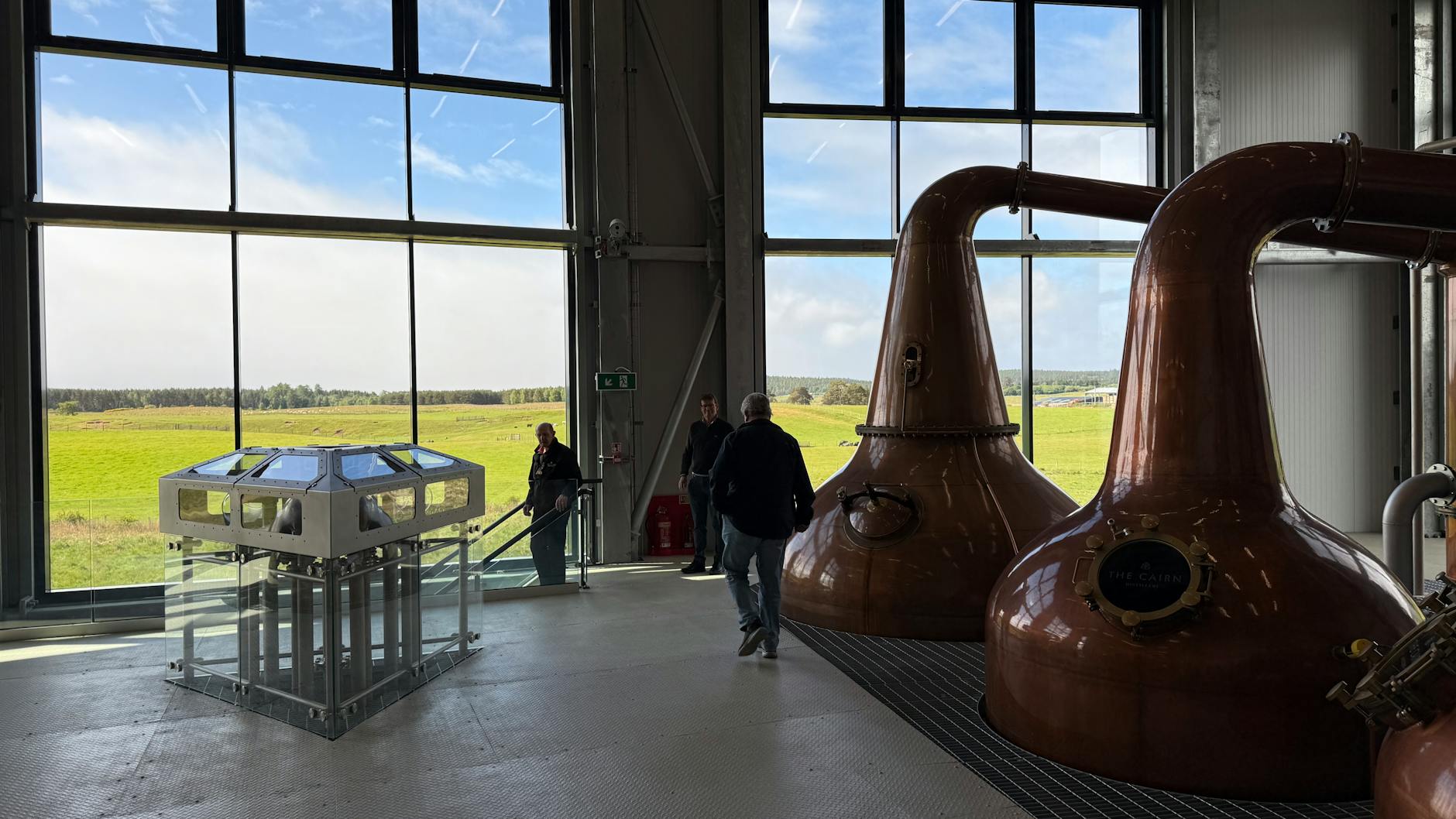
Single malt whisky is produced at a single distillery from malted barley using pot stills. The word “single” refers to the distillery, not a single barrel — a single malt is typically a blend of many casks from one distillery, combined to achieve a consistent house style. Single malts tend to have more pronounced individual character, reflecting the specific distillery’s location, water source, and production methods.
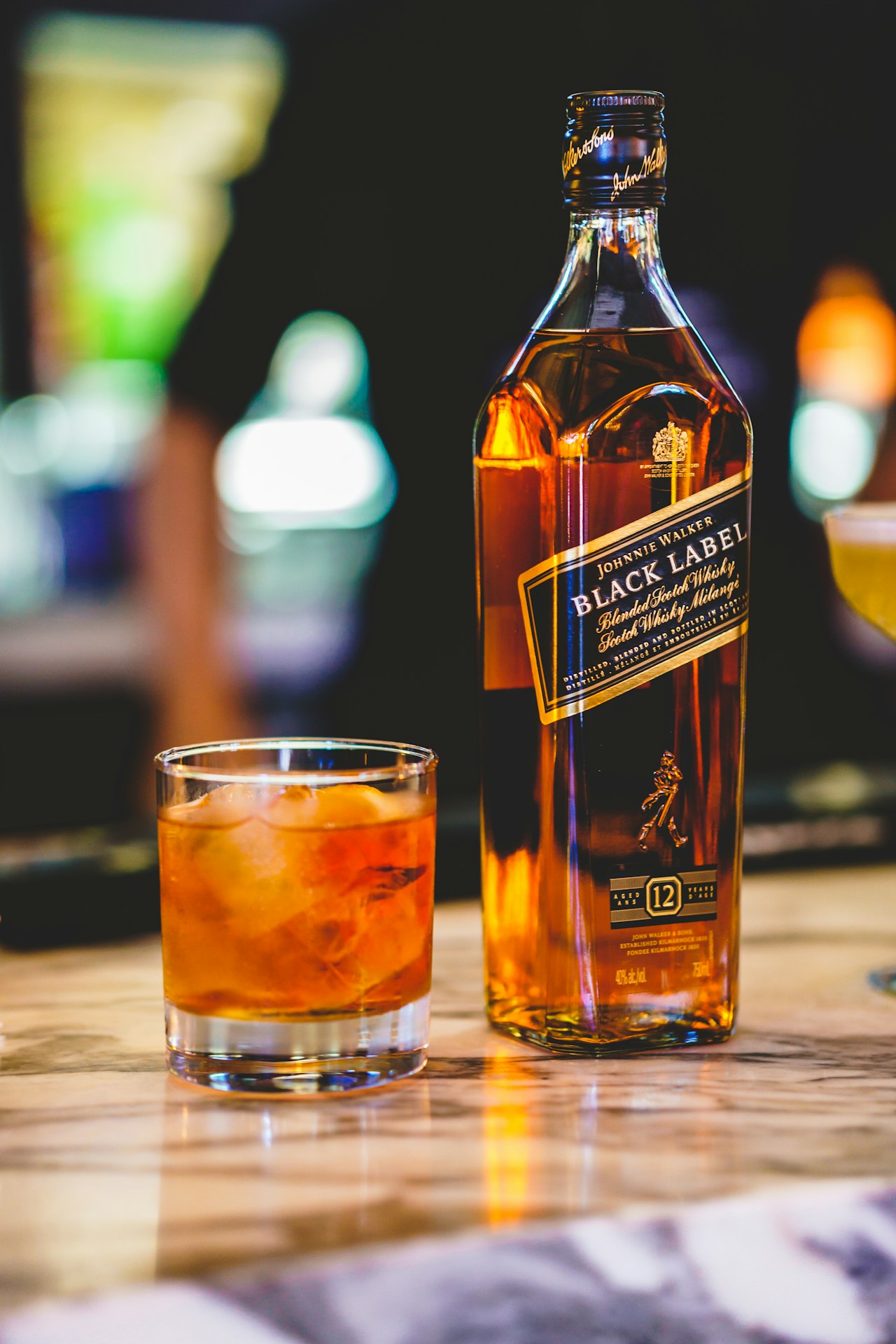
Blended whisky combines malt whiskies from multiple distilleries with grain whisky. Blends make up around 90% of Scotch whisky production by volume and include famous names like Johnnie Walker, Famous Grouse, and Chivas Regal. The art of blending — combining dozens of individual whiskies to create a consistent, accessible flavour — is a highly skilled craft, and the best blends are genuinely complex and delicious.
Scotland’s Five Whisky Regions
Scottish whisky is traditionally divided into five regions, each with characteristic (though not absolute) flavour tendencies:
- Highlands: The largest region, with enormous variation — from light and floral in the east to richer and heavier in the west. Distilleries include Glenmorangie, Dalmore, and Oban.
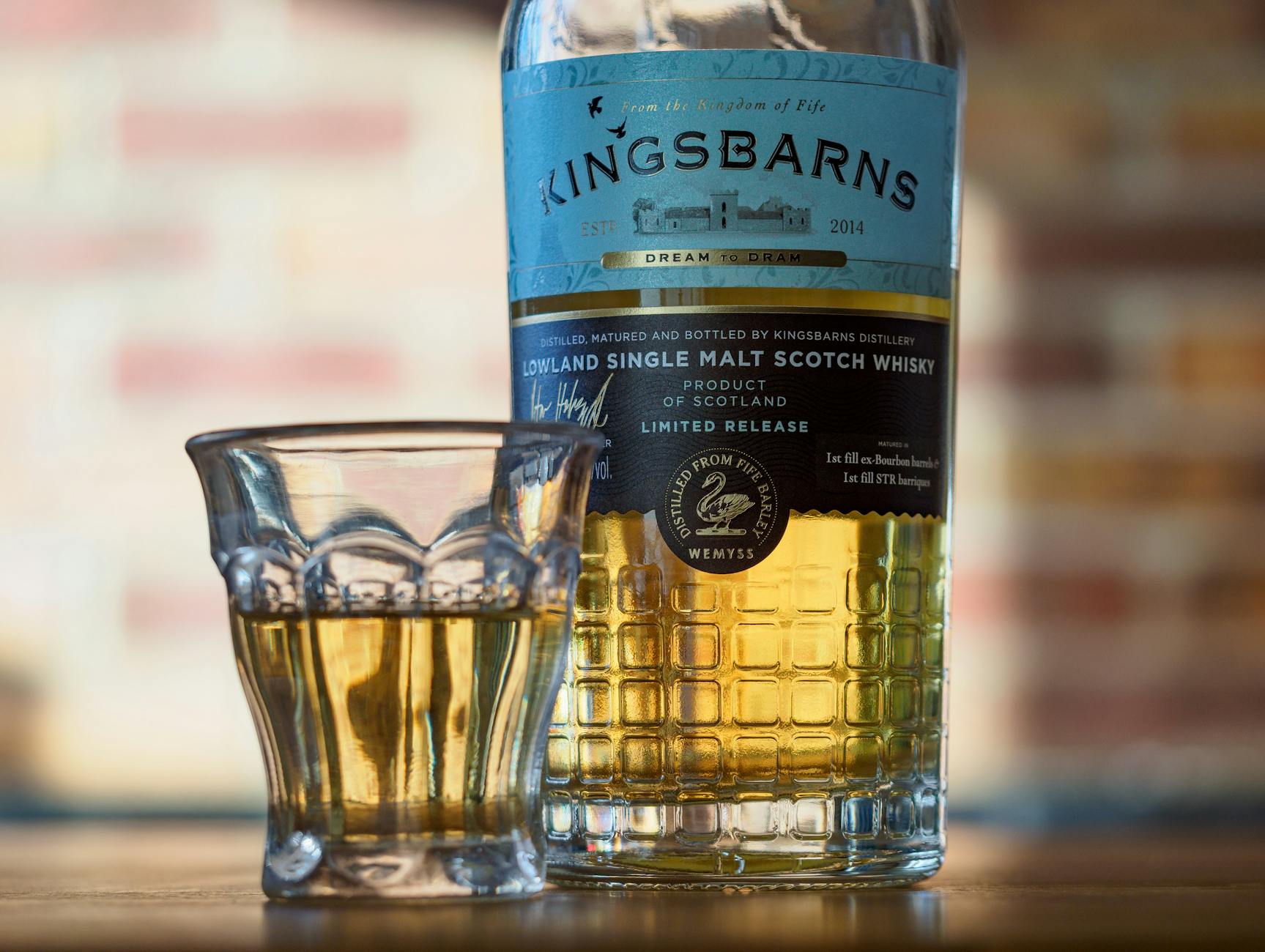
- Lowlands: Light, grassy, and gentle — often described as approachable. Triple distillation (unusual in Scotland) is characteristic of some Lowland distilleries. Auchentoshan, near Glasgow, is a prime example.
- Speyside: The most densely populated whisky region, home to distilleries including Glenfiddich, Macallan, and Glenlivet. Typically fruity, sweet, and elegant — excellent starting point for beginners.
- Islay: Famous for heavily peated, smoky whiskies — Laphroaig, Ardbeg, Bowmore. Not to everyone’s taste, but intensely flavoursome and a revelation for converts.
- Campbeltown: Once Scotland’s whisky capital, now down to just a handful of distilleries (Springbank, Glen Scotia) producing complex, often briny and maritime whiskies.
Glasgow sits near the Lowlands region but, as a major city, serves whisky from all five regions in its bars and shops. This makes it an ideal base for a broad exploration of Scotch whisky styles.
How to Taste Whisky
Professional whisky tasting follows a simple sequence that anyone can apply:
- Nose first: Before tasting, spend time smelling the whisky. Hold the glass at nose height, not pressed directly to your nostrils — this allows the aromas to reach you without the alcohol overpowering your senses. What can you detect? Fruit, vanilla, wood, smoke, flowers, spice?
- First taste neat: Take a small sip and let it coat your entire mouth before swallowing. What flavours emerge? How does the finish (the flavour that remains after swallowing) develop?
- Add a few drops of water: This is not diluting your whisky — it’s a legitimate tasting technique used by professionals. A few drops of still water can “open up” a whisky, releasing new aromas and flavours that were masked by the alcohol. Try the whisky again after adding water; you may find it completely transformed.
- Don’t feel pressured to like the same things: Whisky preference is highly personal. Some people love heavy peat and smoke; others prefer delicate fruit and floral notes. A good tasting experience will help you identify what you actually enjoy, not what you’re supposed to enjoy.
The Clydeside Distillery: Glasgow’s Own Whisky
The Clydeside Distillery on Stobcross Road at Pacific Quay is the obvious starting point for whisky tasting in Glasgow — it’s the city’s own distillery, and the story it tells is as much about Glasgow as it is about whisky. Opened in 2017, the distillery is housed in a beautifully restored Victorian pump house that once controlled water flow to the busy Clyde docks — an appropriately industrial setting for what has become a world-class visitor destination.
The Dockside Story Tour
The Clydeside’s signature tour — “The Dockside Story” — takes visitors through the distillery’s production process while weaving in the history of the Clyde, Glasgow’s industrial heritage, and the story of how whisky comes to be made in this specific building on this specific river. The tour includes a guided tasting of three drams from the Clydeside range. It’s educational without being dry (so to speak), and the combination of beautiful historic architecture with genuinely engaging storytelling makes it one of the better distillery experiences in Scotland, even for visitors who know Glasgow well.
Price guide: approximately £20–25 per person. Booking in advance is strongly recommended — the Clydeside is popular, particularly at weekends and during the summer season.
Chocolate and Whisky Pairing
For a more indulgent experience, the Clydeside’s chocolate and whisky pairing event matches five drams from the distillery’s range with artisan chocolates selected to complement each whisky’s flavour profile. The pairing of chocolate and whisky is surprisingly nuanced — the sweetness and fat content of good chocolate can dramatically alter the way a whisky presents on the palate, and the experience of working through matched pairs with a knowledgeable guide is both educational and genuinely delicious. This is an excellent option for couples or groups looking for something a bit different from a standard distillery tour.
VIP Blender’s Room Experience
The Clydeside’s premium offering — the Blender’s Room experience — is one of the most memorable whisky experiences available anywhere in Scotland. In a private setting with a master blender or senior guide, you’ll taste four individual single cask whiskies, each selected to highlight a different flavour characteristic. Using these as your palette, you’ll then create your own personal blend — combining the casks in proportions of your own choosing, with guidance on how different ratios affect the final flavour. Your 200ml personalised bottle is labelled and yours to take home. The experience is priced at the higher end (check current pricing when booking) but for whisky enthusiasts, it’s an extraordinary opportunity to understand blending from the inside.
Auchentoshan Distillery: Lowland Triple Distillation
Auchentoshan Distillery is approximately 20 minutes from Glasgow city centre by road, making it an easy day trip or half-day excursion from the city. As one of the few remaining Lowland distilleries and the only one in Scotland that routinely triple-distils all its whisky (most Scottish distilleries use double distillation), Auchentoshan produces whisky with a distinctive lightness and delicacy that makes it an excellent starting point for those new to Scotch whisky.
Triple distillation — running the spirit through the stills three times rather than twice — removes more of the heavier, oilier compounds and produces a lighter, more refined spirit. Auchentoshan’s whiskies tend to be approachable, slightly sweet, and gentle — very different from the peated monsters of Islay or the rich, sherried expressions of Speyside. For visitors who think they “don’t like whisky,” Auchentoshan is often the revelation that changes their mind.
The distillery offers production tours with tastings, and the setting — attractive grounds with the distinctive pagoda-roofed distillery buildings — is pleasant. Tours include an explanation of the triple distillation process and a tasting of Auchentoshan’s core range. Price guide: £20–35 per person depending on tour type. The distillery is accessible by car; check public transport options before visiting as the location is semi-rural.
Glengoyne Distillery: On the Highland Line
About 30 minutes north of Glasgow, near the village of Killearn at the foot of the Campsie Fells, Glengoyne Distillery sits in one of the most picturesque settings of any Scottish distillery — and with an intriguing geographic quirk. The distillery straddles the traditional Highland/Lowland boundary line: the stills are technically in the Highlands, but the warehouses where the whisky is aged are in the Lowlands. The whisky is classified as a Highland single malt, and Glengoyne’s owners make entertaining use of this dual identity in their visitor experience.
Glengoyne is known for producing unpeated whisky using the slowest distillation in Scotland — a commitment to patience that results in a rich, fruity, and complex spirit. The core range spans from an accessible 10-year-old to more complex older expressions, with sherry cask maturation playing an important role in the house style. The distillery also offers a Whisky School experience — a more intensive educational session for serious enthusiasts that covers production, maturation, and blending in depth.
Tours and tastings are available at various levels; the standard tour with tasting is around £20–30 per person. The location is easily accessible by car from Glasgow; there are also coach tour options. The surrounding landscape — hills, farmland, and the edge of the Highlands — makes Glengoyne a genuinely beautiful day out.
Once Upon a Whisky: Glasgow Whisky Walking Tours
For those who want to explore whisky in the context of Glasgow itself, Once Upon a Whisky runs guided whisky walking tours that visit three locations across Glasgow’s Old and New Towns. The tours are led by enthusiastic guides with genuine expertise, and the focus is on independent bottlers and less widely-known expressions — the kind of drams that won’t be familiar even to regular whisky drinkers, and that often represent the most interesting and unusual end of the whisky spectrum.
Independent bottlers — companies that buy casks from distilleries and bottle them under their own labels, often at cask strength and without chill filtration — are one of whisky’s great traditions and produce some of the most characterful and collectable bottlings available. A tour focused on independent bottlings is an excellent way to explore parts of the whisky world that many tourists never encounter. The walking element also gives you a feel for Glasgow’s city centre architecture and geography, making this a dual cultural and culinary experience.
Glasgow’s Best Whisky Bars
Beyond distillery tours and organised tastings, some of the finest whisky experiences in Glasgow happen in its exceptional whisky bars — establishments with enormous ranges of bottles and staff who genuinely know their subject. Glasgow’s whisky bar scene is world-class, and a well-guided evening in one of these places is a memorable experience.
The Pot Still (Hope Street)
The Pot Still on Hope Street is widely considered one of the finest whisky bars in Scotland — which is to say, one of the finest in the world. With over 600 bottles ranging from standard expressions to rare and collectable single casks, the Pot Still’s range is staggering. But what makes it exceptional is not just the selection — it’s the staff. The bar’s team are knowledgeable, approachable, and genuinely passionate about whisky in a way that is entirely without pretension. Tell them what you like (or that you don’t know what you like), your budget, and any flavour preferences, and they will guide you to something you’ll genuinely enjoy.
The Pot Still doesn’t run formal tasting events — instead, the experience is more organic. You sit at the bar, chat to the staff, and work through drams at your own pace. Informal flights (three or four drams at a time) are easy to arrange. The bar itself is a traditional Scottish pub — unfussy, unpretentious, and excellent — which makes it accessible for non-whisky-drinkers accompanying enthusiasts; the beer and other drink selection is equally well-curated.
The Bon Accord
The Bon Accord is another Glasgow institution with exceptional whisky credentials — over 400 bottles and staff equally willing to guide exploration. The atmosphere is slightly different from the Pot Still — perhaps a touch more pub-like and less focused on the whisky bar experience — but the range and expertise are of a similarly high standard. The Bon Accord also has an excellent real ale selection, making it a particularly good choice for mixed groups where not everyone is primarily there for the whisky.
Whisky Club at Platform (Argyle Street)
Platform, under the arches on Argyle Street, hosts a whisky club and regular events including blind tastings and sessions with distillery representatives and blenders. If you’re visiting Glasgow for an extended period or want a more structured tasting event than a bar visit, checking the Platform events calendar is worthwhile. Blind tastings — where you evaluate whiskies without knowing what they are — are a particularly good way to challenge preconceptions and discover that what you actually enjoy may be very different from what you think you enjoy.
Whisky Blending Classes
If the Clydeside’s Blender’s Room experience appeals but you want to explore options further, whisky blending classes are increasingly available across Scotland. The concept is consistent: you’re presented with a range of individual whiskies and, guided by a blending expert, combine them in different proportions to create your own personalised blend. It’s both educational — you rapidly develop an understanding of how different whisky characteristics interact and combine — and creative, requiring you to make genuine aesthetic decisions about flavour.
Blending classes range from approximately £80 to £150 per person depending on the quality of whiskies involved and the length and depth of the experience. They’re an excellent gift for whisky enthusiasts and a genuinely memorable corporate or group activity. Several operators in and around Glasgow offer these experiences; the Clydeside Distillery’s Blender’s Room is the most convenient city-centre option.
Recommended Tasting Flight for Beginners
If you’re new to Scotch whisky and want a guided exploration to discover your own preferences, a classic introductory flight would progress from approachable to more characterful:
- Auchentoshan Three Wood (Lowlands): An excellent starting point — light, sweet, with layers of flavour from maturation in three different cask types (bourbon, Oloroso sherry, and Pedro Ximénez sherry). Approachable and complex without being challenging.
- Glenfiddich 12 Year Old (Speyside): The world’s best-selling single malt for good reason — fresh, fruity, with a hint of pear and vanilla. Light and very accessible; a reliable gauge of what Speyside style offers.
- Talisker 10 Year Old (Island): A significant step up in intensity — maritime, peppery, with a long warming finish. If you enjoy this, you’re ready to explore the smokier expressions of Islay.
This progression — from light and sweet to medium-bodied and fruity to spicy and maritime — covers three distinct Scotch whisky styles and gives you a genuine sense of the spectrum. Any good whisky bar in Glasgow can put this flight together for you; at the Pot Still or Bon Accord, just describe what you’re after and the staff will guide you.
Where to Buy Whisky in Glasgow
Glasgow has excellent specialist whisky retailers for those who want to take bottles home:
- Robert Graham Ltd (West Nile Street): One of Scotland’s finest independent whisky retailers, with an exceptional range of single malts, independent bottlings, and collectable expressions. The staff are knowledgeable and the shop carries whiskies you won’t find in supermarkets or duty-free.
- Whisky and Wines (Great Western Road): A well-regarded independent with a strong range of single malts and blends at various price points.
- Distillery shops: The Clydeside Distillery’s retail shop carries the full range of Clydeside expressions as well as a curated selection of other Scottish whiskies — a good one-stop option if you’re visiting the distillery anyway.
- Royal Mile Whiskies (online): Scotland’s largest online whisky retailer; useful for research and comparison even if you’re buying in person.
Price Guide for Whisky Experiences in Glasgow
- Distillery tours (standard): £20–35 per person (includes guided tour and tasting of 2–4 drams)
- Specialist tasting events: £30–60 per person (chocolate pairing, themed tastings, guided flights)
- Blending masterclass: £80–150 per person
- Whisky bar drams: £4–15+ per dram depending on age and rarity
- Walking tour with tastings: £40–60 per person typically
Practical Tips for Whisky Tasting in Glasgow
Book Distillery Tours in Advance
The Clydeside Distillery in particular gets busy, especially on weekends and in summer. Book your tour online in advance rather than arriving and hoping for a slot. Auchentoshan and Glengoyne also recommend advance booking. Most distillery websites allow easy online booking.
Plan Your Transport
If you’re visiting Auchentoshan or Glengoyne, plan your transport before you go. Both distilleries involve tasting alcohol, which means driving is not an option for the driver. Options include designated driver arrangements (many distilleries offer non-tasting tours or soft drink alternatives for drivers), guided coach tours that handle transport, or taxi/rideshare for the return journey. Glengoyne is accessible by bus from Buchanan Bus Station — check current timetables when planning.
Eat Before You Taste
A full stomach makes whisky tasting more enjoyable and the flavours more accessible. Most distillery tours involve multiple drams; tasting these on an empty stomach is both uncomfortable and counterproductive — alcohol on an empty stomach hits harder and makes nuanced flavour assessment more difficult. Have a good meal before your tasting, drink water between drams, and pace yourself.
Don’t Feel Obliged to Finish Every Dram
In a tasting context, it’s entirely acceptable — indeed, expected — to take small sips and leave the remainder. Professional tasters assess multiple whiskies and don’t consume full measures of each. If a whisky isn’t to your taste, nose it, take a small sip for the palate experience, and move on. No one will be offended.
Whisky Tasting as Part of a Broader Glasgow Visit
Whisky tasting in Glasgow pairs naturally with the city’s other attractions. A morning visit to the Riverside Museum followed by a lunchtime tour of the Clydeside Distillery makes an excellent half-day itinerary. For those interested in Glasgow’s industrial heritage, the combination of distillery tour, riverside walk along the Clyde Walkway, and an evening dram at the Pot Still traces the arc of Glasgow’s history from industrial powerhouse to cultural city in a single day. For a full overview of what Glasgow offers visitors, our Glasgow Travel Guide is the best starting point.
One final note: Glasgow’s whisky culture is warm and inclusive rather than elitist. Unlike some whisky scenes that can feel intimidatingly expert, Glasgow’s bar staff and distillery guides are genuinely pleased to talk to newcomers and help them find their way into Scotch whisky. Come with curiosity, leave with a dram you love and a new vocabulary for talking about what’s in the glass.
Frequently Asked Questions
Does Glasgow have its own whisky distillery?
Yes — the Clydeside Distillery on Stobcross Road at Pacific Quay is Glasgow’s own whisky distillery, opened in 2017 in a restored Victorian pump house. Tours and tastings are available, including specialist chocolate and whisky pairing events and a premium VIP Blender’s Room experience.
What is the best whisky bar in Glasgow?
The Pot Still on Hope Street is widely regarded as one of Scotland’s finest whisky bars, with over 600 bottles and exceptionally knowledgeable staff. The Bon Accord is another outstanding option with 400+ bottles and a more pub-like atmosphere.
How far is Auchentoshan Distillery from Glasgow?
Auchentoshan Distillery is approximately 20 minutes from Glasgow city centre by road, near Clydebank. It’s an easy half-day excursion from the city.
Can you do a whisky blending class in Glasgow?
Yes — the Clydeside Distillery’s Blender’s Room experience offers whisky blending where you taste individual single casks and create your own 200ml personalised bottle. Blending classes are also available from several other operators in and around the city.
What is the best whisky for beginners to try in Glasgow?
Auchentoshan Three Wood is an excellent starting point — light, approachable, and complex. Glenfiddich 12 Year Old is another reliable introduction. The Pot Still and Bon Accord staff are expert at recommending first drams based on individual tastes and preferences — don’t be shy about asking for guidance.
How much does a distillery tour in Glasgow cost?
Standard distillery tours with tastings typically cost £20–35 per person. Specialist experiences like chocolate and whisky pairings run £30–60, and premium blending masterclasses are priced at £80–150. Prices vary by distillery and experience type; check current pricing when booking.