This article contains advertising. Our booking links are routed through a partner that adds commission tracking automatically, so if you book through one we earn a commission from the provider, at no extra cost to you. It never affects what we recommend. Affiliate disclosure
At about half past ten on a Tuesday night on Sauchiehall Street you can stand between three venues and hear three different things leaking out onto the pavement — a folk trio in a back room, a hardcore band in a basement, and somebody soundchecking a synth in a converted church. None of them will be sold out. All of them will be busy. The thing that makes the Glasgow music scene different from other British cities is not any single venue or genre; it is the density, and the fact that a weeknight here produces more live music than a weekend does in places twice the size.
This guide covers what the UNESCO City of Music designation actually means, the venues worth knowing at every size from a 100-capacity basement to a 14,300-seat arena, the festival calendar, how to find and book gigs before you travel, what tickets cost, and the classical, traditional and electronic strands that sit alongside the guitar bands Glasgow is best known for. Prices and capacities were checked in September 2026; treat prices as the right order of magnitude and always confirm with the venue.
The Glasgow music scene at a glance
| What | Detail |
|---|---|
| Status | UNESCO Creative City of Music since 2008 — one of 19 in Europe, 47 worldwide |
| Gig density | About 62 gigs per 100,000 people |
| Arena capacity | The highest number of arenas per 100,000 people in the world, at 4.31 |
| Largest venue | OVO Hydro, 14,300 — a major indoor arena |
| Oldest major venue | Barrowland Ballroom, open since 1934 |
| Typical small-venue ticket | £10–20 |
| Typical mid-size ticket | £25–45 |
| Arena ticket | £45–120 |
| Busiest month | January, for Celtic Connections |
What “UNESCO City of Music” actually means
Glasgow was named a UNESCO Creative City of Music in 2008, and it is one of only 19 in Europe. The designation is not a prize for having produced good bands — it recognises music as part of the city’s economic and civic fabric: the venues, the conservatoire, the orchestras, the festivals, the independent labels and the council policy that keeps rehearsal space affordable.
The number that makes the point best is the gig density: roughly 62 concerts per 100,000 residents. For a city of a little over 600,000 people that is an enormous amount of live music, and it means the thing tourists usually have to plan around — finding a gig on the night you happen to be in town — is close to automatic here. You will find something. The only question is what.
The venues, by size
Glasgow’s real strength is that every rung of the ladder exists and is in use. A band can play a basement in front of forty people, come back to a small club, then a 1,900-capacity ballroom, then the arena, without leaving the city. Very few places in Britain can say that.
The arena: OVO Hydro
Capacity 14,300, on the Scottish Event Campus beside the Clyde, and the only UK venue of that scale purpose-built for live entertainment rather than converted from a sports hall. It routinely appears near the top of global arena attendance rankings. It is what it is — big, efficient, and the sound is better than it has any right to be — and it is where international touring acts play.
Getting there: Exhibition Centre railway station is directly beside it, a few minutes from Glasgow Central, or it is a 25-minute walk along the river from the city centre. Leaving after a show is the usual arena crush; walking one stop east is faster than queueing.
The one everyone means: Barrowland Ballroom
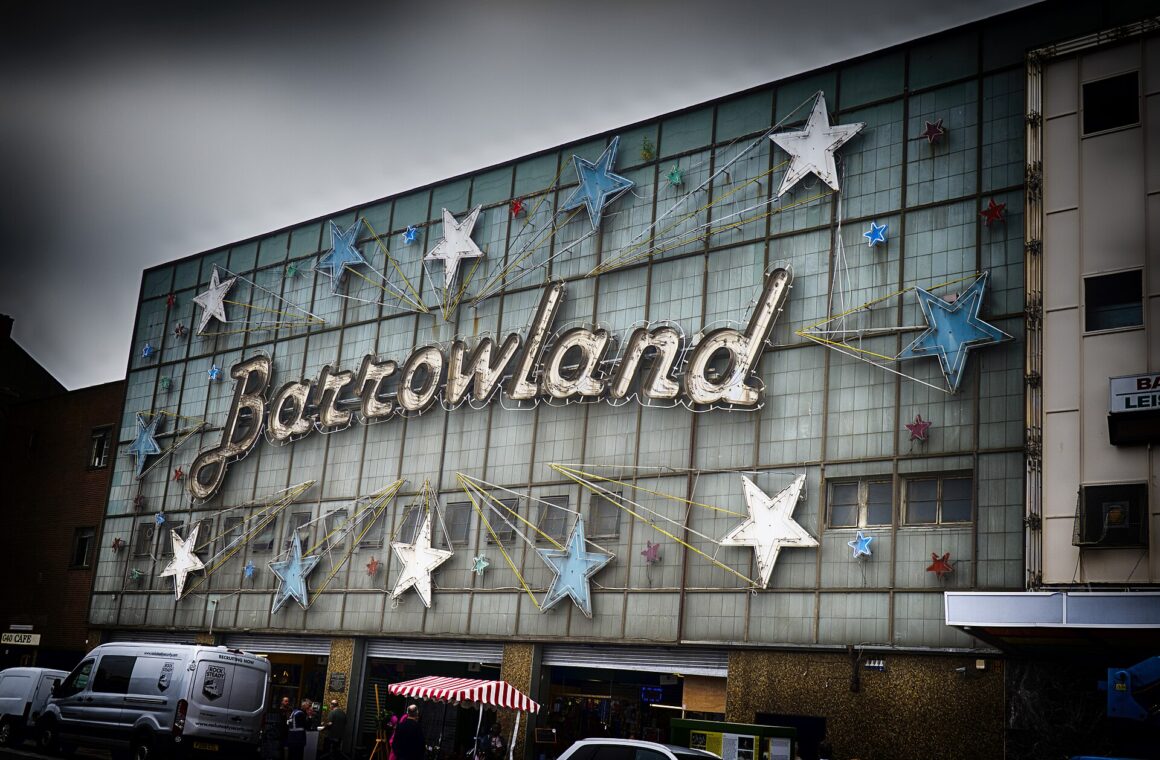
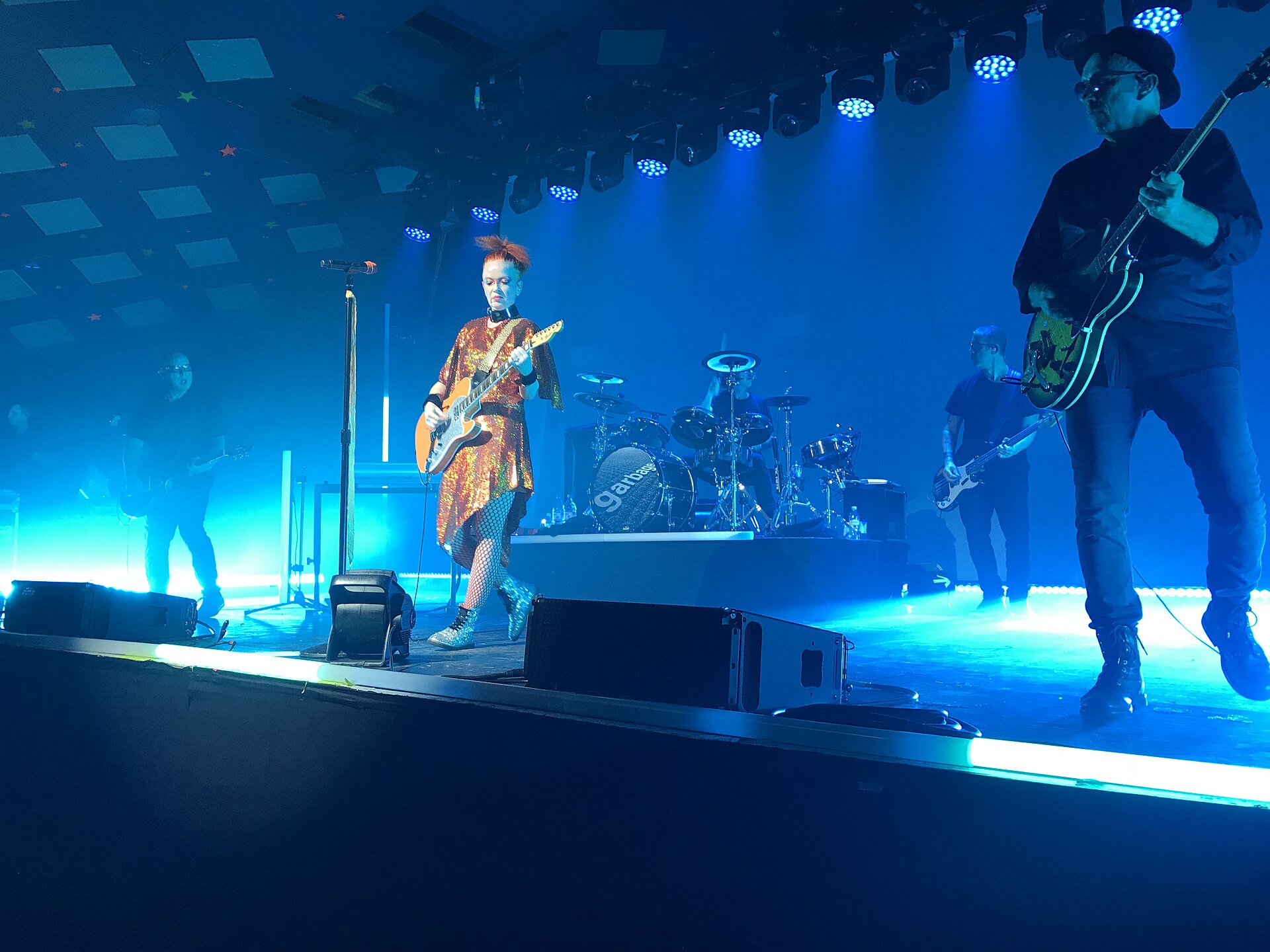
Capacity around 1,900, open since 1934, sitting above the Barras market on the Gallowgate with a neon sign that is effectively the city’s second coat of arms. It was built as a dance hall, which is why it has a sprung floor, and the sprung floor is why bands describe playing here the way they do — the whole room moves.
The ceiling is covered in stars. The bar is at the back. There is no seating and the sightlines from the balcony are excellent. If you can only see one gig in Glasgow, see it here, more or less regardless of who is playing.
The one with the story: King Tut’s Wah Wah Hut
A small venue on St Vincent Street, and the room where Oasis were signed in 1993 after turning up uninvited. That story has been told to death, but the venue has not coasted on it — it won the Access All Areas Legacy Award in 2024, and its programming remains the most reliable place in the city to see a band about eighteen months before they are expensive.
The middle tier
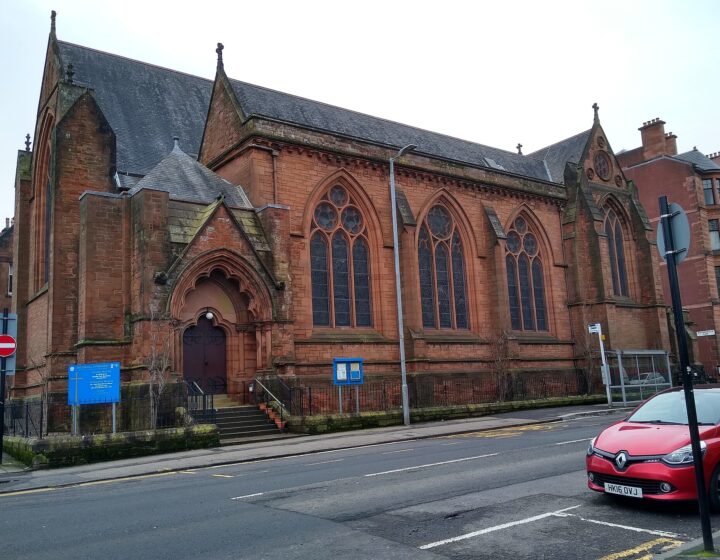
This is where Glasgow is unusually deep. Rooms in the 300–1,000 range include converted churches, arts complexes and student unions, and between them they take almost every touring act that is too big for a basement and too small for the Barrowland. Programming runs seven nights a week for much of the year.
The small rooms
Basements and back rooms in the 100–250 range around Sauchiehall Street, the Merchant City and the West End. Tickets are frequently under £12 and sometimes free. This is the tier that actually generates the scene — everything else is a consequence of it — and it is the tier most visitors never look at.
Our guide to live music venues in Glasgow goes venue by venue with capacities, addresses and what each room is best for.
Beyond guitars: the other four scenes
Traditional and folk
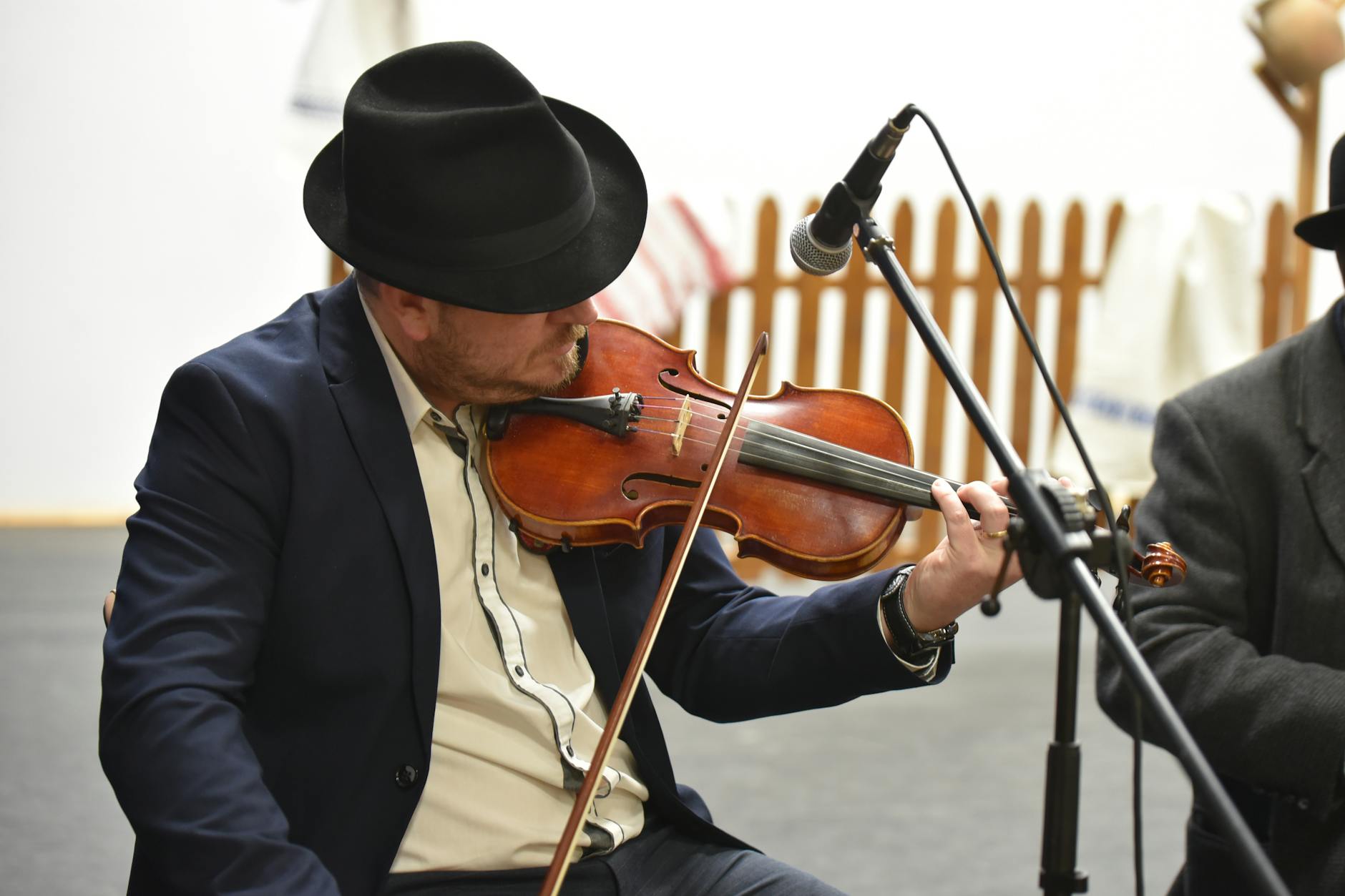
Glasgow is the commercial and institutional centre of Scottish traditional music, largely because of Celtic Connections and the Royal Conservatoire. Pub sessions run most nights across the city, are usually free, and are genuinely welcoming to listeners — sit at the edge, do not talk over the tunes, and buy a drink. Our ceilidh and traditional music guide covers where and when.
Classical
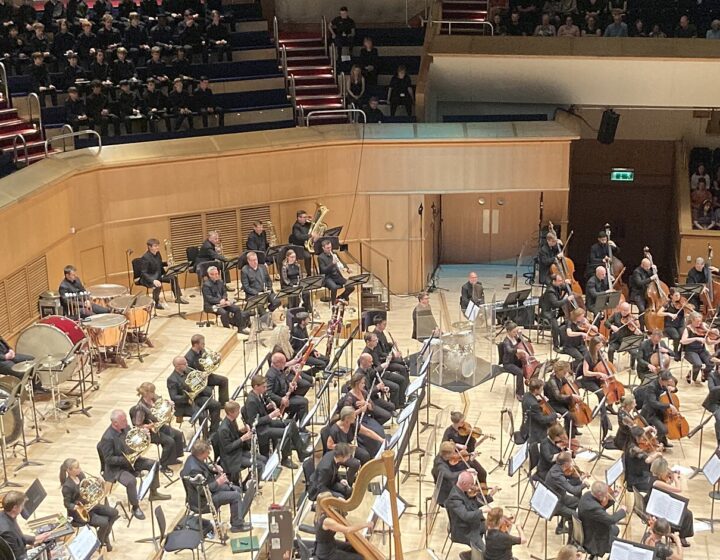
The Royal Scottish National Orchestra, the BBC Scottish Symphony Orchestra, Scottish Opera and Scottish Ballet are all based here. The Glasgow Royal Concert Hall at the top of Buchanan Street and City Halls in the Merchant City carry most of the programme, and tickets start considerably cheaper than the equivalent in London — often from £15 for a full orchestral concert.
Electronic and club
Glasgow has one of the longest-running underground club scenes in Europe, with roots going back to the late 1980s. It is a serious, unshowy scene with a strong local DJ culture, and it operates late — most club nights do not properly begin until after midnight. Our Glasgow nightclubs guide has the current picture.
Jazz, experimental and everything else
Smaller but persistent, mostly in arts centres and multi-purpose rooms rather than dedicated venues. Worth checking listings for rather than planning around.

How Glasgow got here
None of this is an accident, and the short version is worth knowing because it explains why the scene has the shape it does.
Glasgow’s music infrastructure was built on a nineteenth-century civic culture that assumed a large industrial city should have concert halls, and on a twentieth-century dance-hall boom that left behind purpose-built rooms with good acoustics and sprung floors. The Barrowland is the survivor of that generation. When the shipyards contracted and the halls emptied, the buildings stayed — and in the late 1970s and 1980s they were re-occupied by a generation of bands with almost no money and a lot of time.
The Postcard Records period at the turn of the 1980s is the hinge. A tiny Glasgow label putting out records by Orange Juice and Aztec Camera established that you could make internationally interesting music here without moving to London, and everything since — Primal Scream, Teenage Fanclub, Belle and Sebastian, Mogwai, Franz Ferdinand, Chvrches — sits downstream of that assumption.
The other structural factor is the Royal Conservatoire of Scotland, which sits in the middle of the city centre and produces classical, traditional and jazz musicians in volume every year, a good proportion of whom stay. That is why the traditional scene has professional depth rather than being purely a pub phenomenon, and why the orchestras and the folk sessions draw on overlapping pools of players.
The music neighbourhoods
City centre — Sauchiehall Street and St Vincent Street
The densest concentration of small and mid-size venues in Scotland, running roughly from Charing Cross east along Sauchiehall Street and south through the St Vincent Street and Bath Street blocks. Basements, upstairs rooms and converted retail units, most within five minutes of each other. If you have one night and no plan, walk this and read the posters.
The East End — the Gallowgate
Barrowland territory. The street changes completely on a gig night: a queue down the pavement, the neon on, and the Barras shutters down behind it. There is not much else here in the evening, so eat before you come or in the Merchant City on the walk out.
Merchant City and Trongate
Arts complexes, multi-purpose spaces and a couple of long-running bars with back rooms. More jazz, spoken word and experimental programming than elsewhere, and better food nearby than any other music district in the city.
The West End
Byres Road, Great Western Road and the university area. Converted churches, student unions and neighbourhood bars, with a bias towards folk, singer-songwriter and touring indie. It is also the pleasantest part of the city to spend the afternoon before a gig, which is not nothing. See our West End and Byres Road guide.
Finnieston and the Clyde
The arena end. The Hydro and the SEC sit on the north bank with a cluster of restaurants along Argyle Street a ten-minute walk away, which is where most arena audiences eat.
Record shops
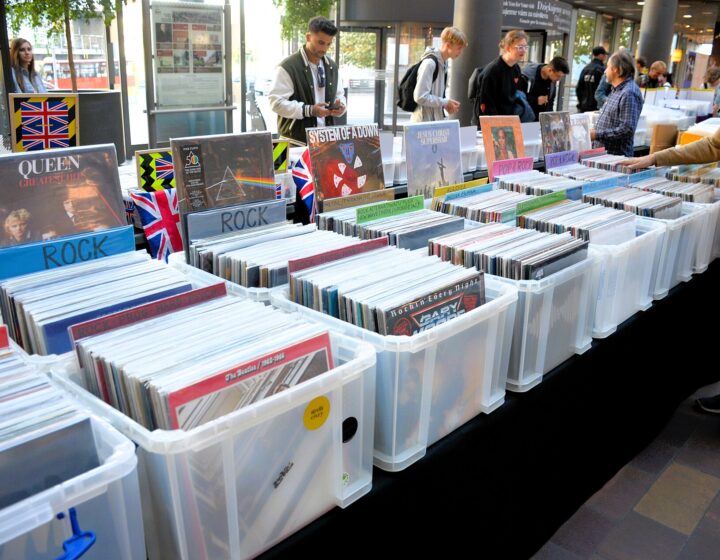
Glasgow supports an unusual number of independent record shops for its size, and they are among the most reliable places to find out what is actually happening in a given week — the counter staff will tell you, and the flyers by the door are more current than any website.
The city centre and the West End hold most of them, and between them they cover new vinyl, second-hand, dance twelve-inches and Scottish traditional. Several double as ticket outlets for small gigs and a few host in-store performances, which are usually free. Saturday afternoons are the busiest and the most sociable time to go. Our vintage shopping guide covers the second-hand end of the city more broadly.
What a Glasgow gig is actually like
Two things surprise visitors. The first is how early things run: doors at 7pm, support at 7.30pm, headline at 8.45pm and out by 10.30pm is a standard weeknight shape, dictated by venues that turn into club nights afterwards. Turning up at 9pm because that is when gigs start where you live will cost you the main act.
The second is the crowd. Glasgow audiences have a reputation among touring musicians for being loud, and it is deserved — singing along, shouting between songs, and applauding the support band properly rather than tolerating them. It is a warm room rather than a critical one. If you are used to audiences that watch a gig through a phone screen, this will be a pleasant shock.
Practical notes: most venues are cash-free, bag searches are standard and quick, cloakrooms are limited so travel light in winter, and photography policies vary but are rarely strictly enforced at the small end. Bars close before the venue does.
The festival calendar
| Festival | When | What |
|---|---|---|
| Celtic Connections | 14–31 January 2027 | Folk, roots and world music across the city |
| TRNSMT | Summer, Glasgow Green | Large outdoor rock and pop festival |
| Kelvingrove Bandstand season | June to August | Open-air concerts in a restored 1920s amphitheatre |
| Outdoor stadium concerts | June to August | Bellahouston Park and Hampden Park |
| Glasgow Mela | Sunday 23 June, Kelvingrove Park | Free multicultural music and dance |
Celtic Connections is the one to plan around
Eighteen days in January, several hundred events, venues across the whole city from the Royal Concert Hall down to pub back rooms, and a late-night festival club that runs until the small hours. It is the largest winter music festival of its kind in Europe and it turns the deadest month in the Scottish calendar into the best one for music.
Book accommodation early — January is otherwise the cheapest month to visit Glasgow, and Celtic Connections is the reason that is not true for those two and a half weeks. Our Celtic Connections guide covers programming and ticketing, and TRNSMT has its own guide for the summer end of the calendar.
How to find gigs before you travel
- Check individual venue websites first. Glasgow venues publish their own listings reliably and often have shows that aggregator sites miss entirely, particularly at the small end.
- Buy from the venue or its named agent. Not from a resale platform. Scottish venues increasingly cancel resold tickets, and there is rarely any need — most Glasgow gigs are not sold out.
- Look at Tuesday and Wednesday. Midweek programming here is real, not filler, and it is when the interesting bookings often land.
- Do not over-plan. Two booked gigs across a long weekend leaves room to follow a recommendation, which in this city you will get within about an hour of arriving.
- Check the age policy. Many small Glasgow venues are over-18 only because they are licensed bars first and venues second.
What it costs
A small-venue ticket is typically £10–20. Mid-size rooms run £25–45. The Barrowland usually sits between £30 and £50 depending on the act. Arena shows at the Hydro run £45–120 and occasionally well beyond that for the largest tours. Classical concerts frequently start around £15.
Drinks are the other half of the budget: expect around £5–6 for a pint in a venue bar, a little more in the arena. Cloakrooms typically cost £2–3 and most small venues do not have one, which matters in a Glasgow winter. Our Glasgow on a budget guide has more on keeping an evening cheap.
Where to stay for a music trip
The city centre is the right answer for almost everybody. Sauchiehall Street, St Vincent Street, Bath Street and the Merchant City between them hold most of the small and mid-size venues, and the Barrowland is a fifteen-minute walk east from Glasgow Cross. The West End suits you if you are focused on Òran Mór, the university venues and Byres Road, and it is a better neighbourhood to wake up in.
What does not work is staying near the Hydro. The Scottish Event Campus is a business district that empties at six, and you will end up commuting into the centre for everything except the show itself. Our where to stay in Glasgow guide breaks the districts down properly.
Getting home after a gig
This catches people out, because Glasgow’s public transport is not built for a music city.
- The Subway closes early — considerably earlier than most metro systems, and much earlier on Sundays. Check the last train before you go out. Fares are £1.80 single with a £3.40 daily cap.
- Night buses exist but are limited. Check routes in advance rather than at midnight.
- Taxis are plentiful in the city centre and much harder to find at the Barrowland end of the Gallowgate after a sold-out show. Walk west towards Glasgow Cross and you will find one.
- The city centre is compact and walkable, which is the real answer — most venues are within twenty minutes on foot of most central hotels.
Our getting around Glasgow guide and the Subway guide have the timetables and fares.
A three-night music weekend
- Thursday — small venue in the city centre, whatever is on. Under £15, and the best chance of seeing something before anybody else does.
- Friday — the Barrowland if there is anything on at all, or a mid-size room if not. Eat on the Gallowgate first.
- Saturday afternoon — record shops in the city centre and the West End, then an early evening traditional session in a pub.
- Saturday night — a club, starting properly after midnight rather than before it.
- Sunday — a matinee classical concert or a session, then recover.
That skeleton works in any month of the year, which is not something you can say about many British cities. In January, replace all of it with Celtic Connections.
An honest caveat or two
Glasgow has lost venues, and it is worth being straight about that rather than pretending the scene is untouched. The Arches, one of the most important spaces in the city, closed in 2015 and has not been replaced in kind. Rising rents and licensing pressure have taken others. The scene remains extraordinarily healthy by any comparative measure, but “check the venue is still open before you build an evening around it” is genuine advice here rather than a disclaimer.
The other caveat is seasonal. Between mid-June and mid-August, touring slows and many small venues programme lightly while the festival circuit takes over. If live music is the whole point of the trip, September to May is materially better, and January is the peak.
Seeing music with children
Glasgow is better at this than most cities, but the rules are venue-specific and worth checking rather than assuming.
- The Hydro admits children at almost all shows, usually with an under-14s-accompanied rule and sometimes a minimum age for standing areas. Seated tickets are the sensible choice with younger children.
- The Barrowland is standing-only and typically 14-plus, with under-16s accompanied. It is loud, it is busy and the floor moves; it suits older teenagers rather than children.
- Small venues are frequently over-18 because they are licensed bars first. Always check before buying.
- Classical and traditional are the easy options — matinee concerts, family programming at the Royal Concert Hall, and daytime events during Celtic Connections that are explicitly aimed at families.
- Free outdoor concerts at the Kelvingrove Bandstand and during summer festivals are the simplest of all.
Our Glasgow with kids guide covers the wider picture, and free things to do in Glasgow has the no-cost end of the calendar.
Accessibility at Glasgow venues
Provision varies enormously by the age of the building, which in Glasgow means it varies enormously full stop.
The Hydro is purpose-built and fully accessible, with a dedicated booking line, accessible parking and companion tickets as standard. The Royal Concert Hall and City Halls are both good. The Barrowland is a 1934 building with a first-floor auditorium and limited step-free access — contact the venue directly well in advance, because the answer depends on the specific show and the promoter.
Small venues are the hardest to generalise about: some are ground-floor and straightforward, many are basements down a narrow stair. Every venue in the city will answer an email about it honestly, and most will make arrangements if asked with notice. Ask before you buy rather than after.
Five things visitors get wrong
- Assuming you need to book weeks ahead. For most Glasgow gigs you do not. Walk-up availability at small and mid-size venues is normal, and over-planning costs you the recommendation you get on the first night.
- Turning up at 9pm. Headline sets here often start at 8.45pm and finish by 10.30pm so the room can turn into a club night.
- Staying by the arena. The Scottish Event Campus is a business district after six. Stay in the city centre and travel to the show.
- Ignoring the free half of the scene. Traditional sessions, in-store performances and bandstand concerts are free, frequent and among the best music in the city.
- Forgetting the Subway closes early. It shuts well before the clubs do, and considerably earlier on Sundays. Check the last train before you go out, not after.
Frequently asked questions
Why is Glasgow a UNESCO City of Music?
It was designated in 2008 as one of the UNESCO Creative Cities, recognising the density of its venues, its conservatoire and orchestras, its festivals and its music economy rather than any single artist or genre. It is one of 19 in Europe and 47 worldwide.
What is the best music venue in Glasgow?
The Barrowland Ballroom, for the room itself — a 1934 dance hall with a sprung floor, about 1,900 capacity, and an atmosphere musicians talk about for years. King Tut’s is the best small venue and the OVO Hydro is the arena.
How much are gig tickets in Glasgow?
Roughly £10–20 for small venues, £25–45 for mid-size rooms, £30–50 at the Barrowland and £45–120 for arena shows. Classical concerts often start around £15.
When is the best time to visit Glasgow for music?
January, for Celtic Connections — 15 January to 1 February in 2026, with several hundred events across the city. Failing that, anywhere between September and May. Mid-summer is the quietest stretch for touring.
Do I need to book gigs in advance?
For the Barrowland and the Hydro, yes. For small and mid-size venues, often not — walk-up availability is common, which is one of the pleasures of the city. Book anything you would be genuinely disappointed to miss.
Is there free live music in Glasgow?
Yes, a great deal of it. Traditional sessions in pubs are almost always free, several bars run free weekend programmes, and the Kelvingrove Bandstand and city festivals have free events. Our free events guide covers the calendar.
How late do Glasgow music venues run?
Gigs typically finish between 10.30pm and 11pm; clubs run to 3am and sometimes later. The Subway closes well before the clubs do, so plan the journey back.
Which bands are from Glasgow?
A long list, including Simple Minds, Primal Scream, Belle and Sebastian, Franz Ferdinand, Texas, Travis, Mogwai and Chvrches, plus the Postcard Records generation that shaped a great deal of British indie. The city’s output is disproportionate to its size and has been for four decades.
If you only have time for one small venue, make it King Tut’s on St Vincent Street. Three hundred people, a staircase painted with the names of bands who played there before anyone knew them, a cheap January season of new acts every night, and the room where Oasis talked their way onto a bill in 1993. Our King Tut’s Wah Wah Hut guide covers the history, tickets and what a night there is actually like.
Related Glasgow Guides
- Live Music Venues in Glasgow — the venue-by-venue rundown with capacities and addresses.
- Glasgow Nightlife — bars, clubs and how the night is structured here.
- Glasgow Events and Festivals — the full year-round calendar.
- Celtic Connections — the January festival that defines the music year.
- TRNSMT Festival — the summer outdoor equivalent on Glasgow Green.
- Ceilidhs and Traditional Music — sessions, dances and where to find them.
- Best Nightclubs in Glasgow — the electronic and club end of the scene.
- Where to Stay in Glasgow — which district suits a music trip.
- Getting Around Glasgow — including how to get home after a gig.
- The Barras Market — directly below the Barrowland Ballroom.
- Free Events in Glasgow — the free half of the music calendar.
Photo Credits
The Barrowland sign: Glasgow City – Barrowland Ballroom – 20240519031625 by Gillfoto, CC BY-SA 4.0, via Wikimedia Commons.
On stage at the Barrowland: GarbageBarrowlands by Breakinguptheguy, CC BY-SA 4.0, via Wikimedia Commons.