This article contains advertising. Our booking links are routed through a partner that adds commission tracking automatically, so if you book through one we earn a commission from the provider, at no extra cost to you. It never affects what we recommend. Affiliate disclosure
At one o’clock on a weekday in Kelvingrove, a crowd gathers in the Centre Hall, under the museum’s sandstone arches, while an organist works through a programme of film themes and Bach on the museum’s great pipe organ. Nobody paid a penny to get in. A few hours later, across the city, an orchestra that has played for more than a century will walk onto the stage of a 2,475-seat hall, and the cheapest seats will cost less than a cinema ticket and a large popcorn. Classical music Glasgow style is serious, world-class and far less expensive or stuffy than most visitors expect.
This guide covers the orchestras and companies based in the city, the halls they play in, how the concert seasons work, what tickets cost and how to get them cheaply, the free and nearly-free options, and how to fit a concert into a short trip. Prices and times were checked in September 2026; treat prices as the right order of magnitude and always confirm on the booking page.
Classical music in Glasgow at a glance
| Who | Where | What to expect |
|---|---|---|
| Royal Scottish National Orchestra (RSNO) | Glasgow Royal Concert Hall, top of Buchanan Street | Scotland’s national orchestra; big symphonic repertoire, film music and family concerts |
| BBC Scottish Symphony Orchestra | City Halls, Candleriggs, Merchant City | Adventurous programmes, recorded for BBC Radio 3; Thursday evenings and weekday/Sunday afternoons |
| Scottish Opera | Theatre Royal, Hope Street | Main-stage opera, plus smaller productions and touring |
| Scottish Ballet | Based at Tramway; performs at the Theatre Royal | Classical and contemporary ballet, including a Christmas show |
| Royal Conservatoire of Scotland | 100 Renfrew Street | 500+ student and professional performances a year, tickets from £5 |
| Kelvingrove organ recitals | Kelvingrove Art Gallery and Museum, Centre Hall | Free: Monday to Saturday at 1pm, Sunday at 3pm |
Why Glasgow is a classical music city
Glasgow’s reputation abroad rests mostly on its guitar bands, but its classical infrastructure is just as deep. The city is home to two full symphony orchestras, the national opera company, the national ballet company and one of Europe’s leading performing arts conservatoires. That concentration is part of the reason Glasgow is a UNESCO City of Music, and it means there is some kind of classical performance on in the city most days of the year.
The other thing that sets Glasgow apart is the audience. Concerts here tend to feel less formal than in London or Vienna. People come straight from work, dress however they like and are generally delighted to see first-timers. If you have been nervous about going to an orchestral concert because you do not know when to clap, Glasgow is a very forgiving place to start.
The venues
Glasgow Royal Concert Hall
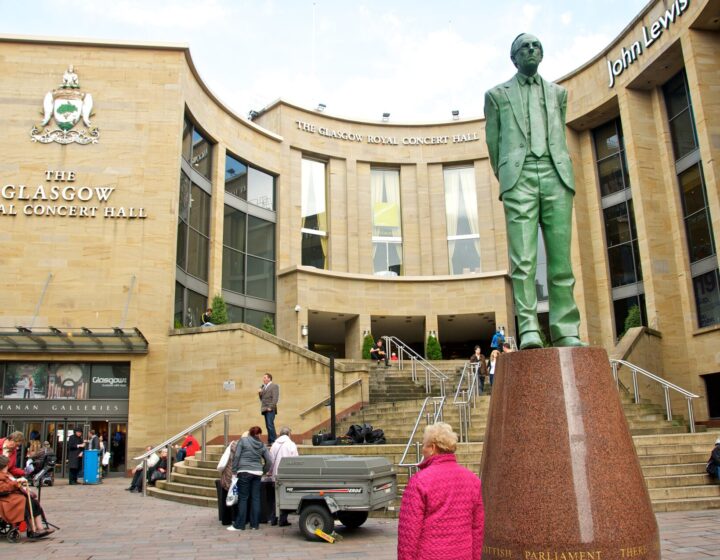
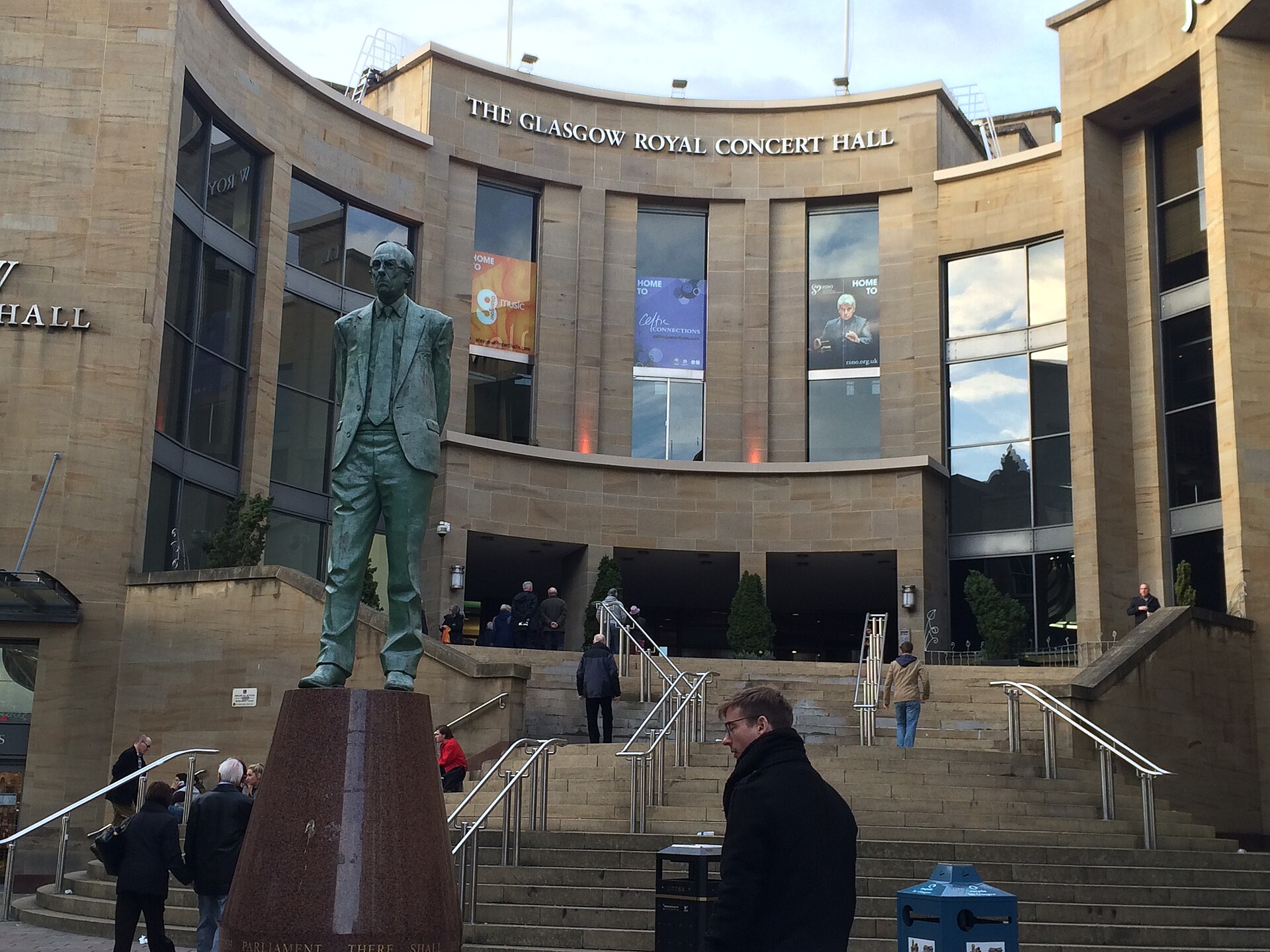
The Royal Concert Hall opened in 1990, the year Glasgow was European City of Culture, and it sits at the top of Buchanan Street where it meets Sauchiehall Street. Its main auditorium seats up to 2,475, making it the largest concert hall in the city, and it is home to the Royal Scottish National Orchestra. The building also hosts rock, pop, comedy and a large part of Celtic Connections every January.
The hall itself is modern, comfortable and practical rather than ornate. Sightlines are good, and the higher seats are the cheapest while still giving a clear view of the whole orchestra. It is a two-minute walk from Buchanan Street Subway station and a short walk from Queen Street station, which makes it easy to reach from almost anywhere.
City Halls and the Old Fruitmarket
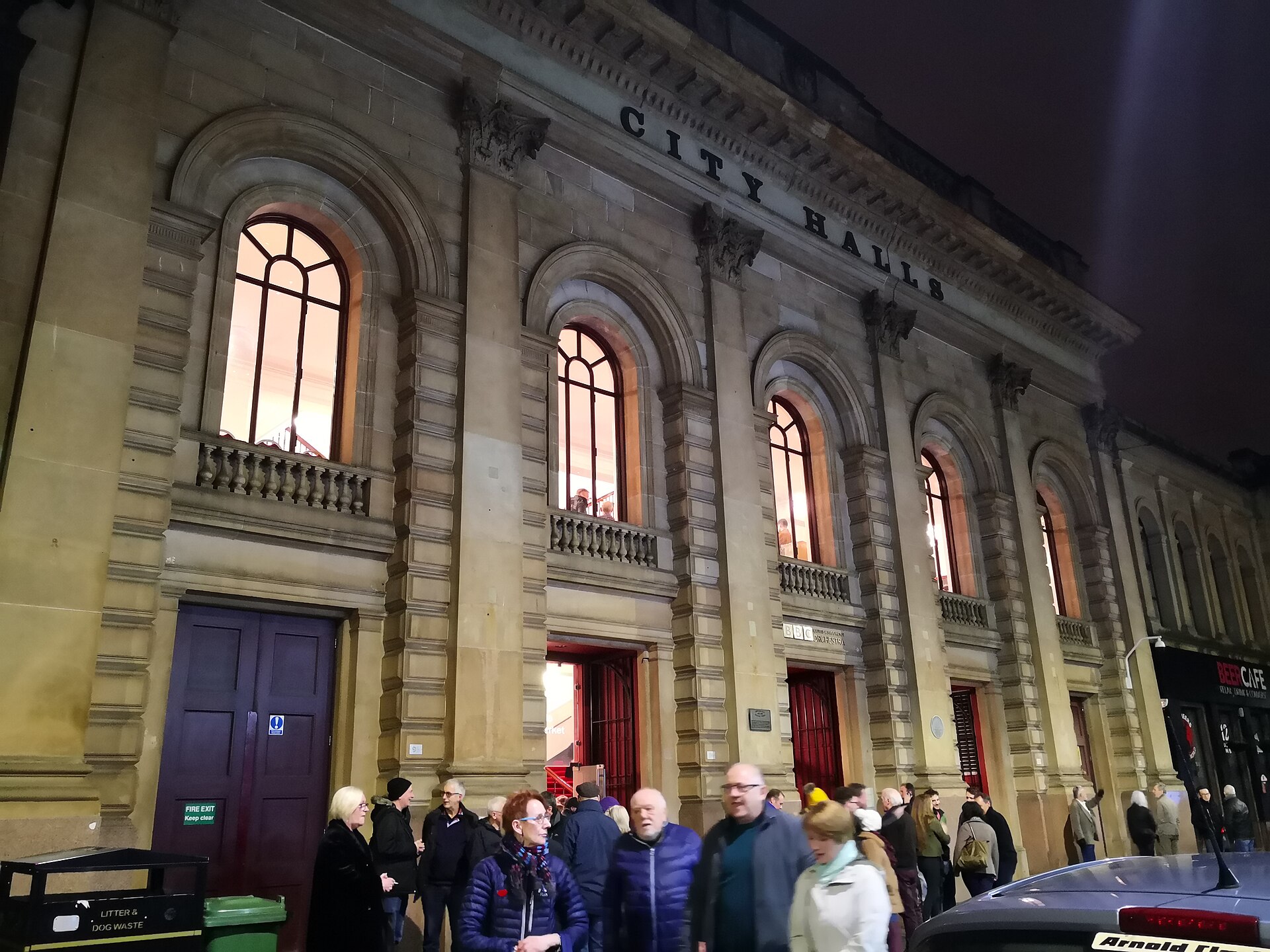
In the Merchant City, on Candleriggs, the City Halls are home to the BBC Scottish Symphony Orchestra. The Grand Hall is a handsome, much older space than the Royal Concert Hall, with an intimacy and acoustic that many regulars prefer. Chamber orchestras and smaller ensembles also play here, and it is part of the same complex as the Old Fruitmarket, which hosts folk, jazz and Celtic Connections events.
The City Halls sit in the middle of one of the best eating areas in Glasgow, so a meal before or after a concert is very easy to arrange. Our Merchant City guide has ideas.
Theatre Royal
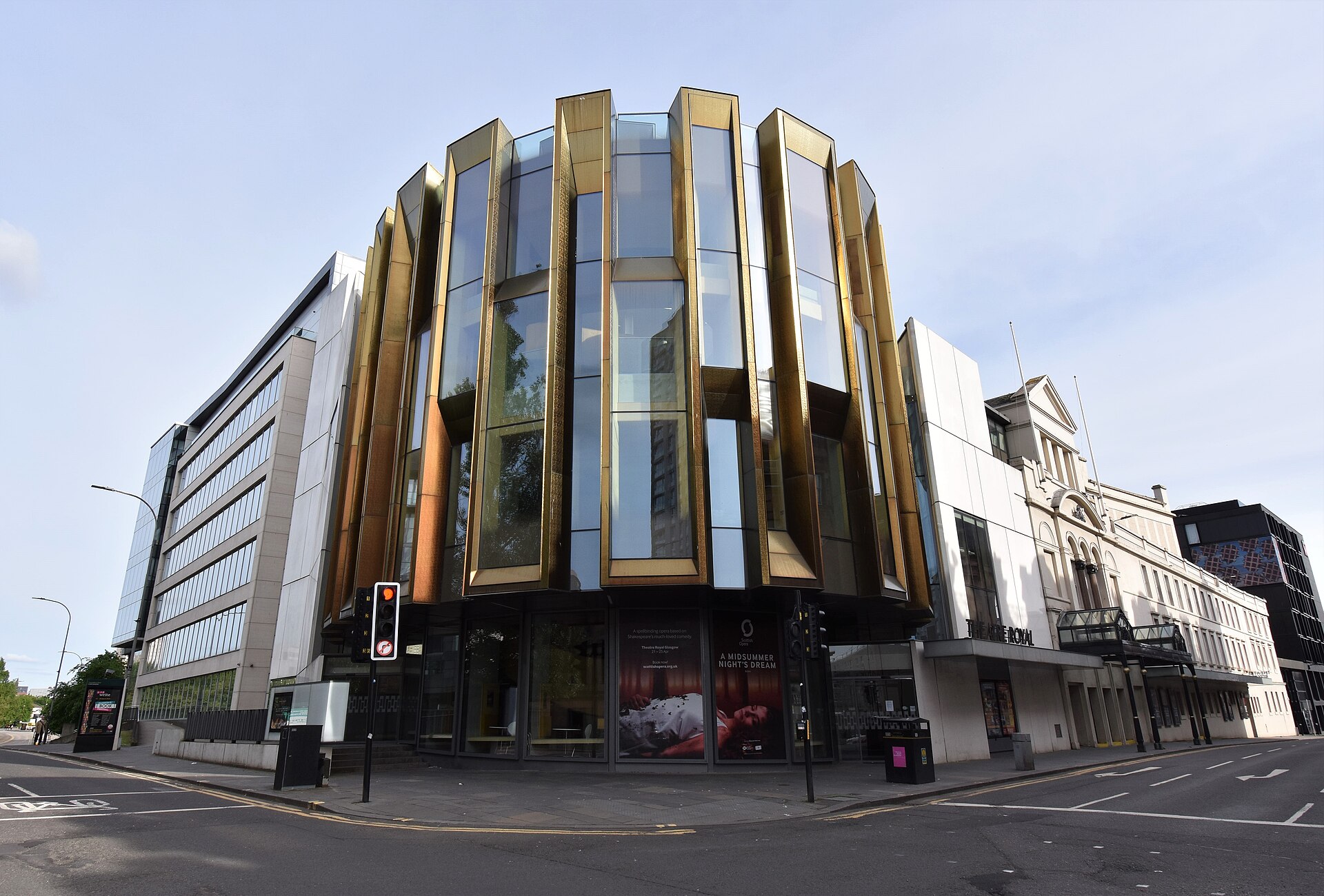
The Theatre Royal on Hope Street is one of Scotland’s oldest working theatres and the Glasgow home of Scottish Opera. Its Victorian auditorium was joined in the 2010s by a striking glass and gold extension on the corner of Hope Street and Cowcaddens Road, which houses the foyers and bars. Scottish Ballet also performs here. It also stages touring musicals, drama and comedy, so check that the night you book is actually opera or ballet.
Royal Conservatoire of Scotland
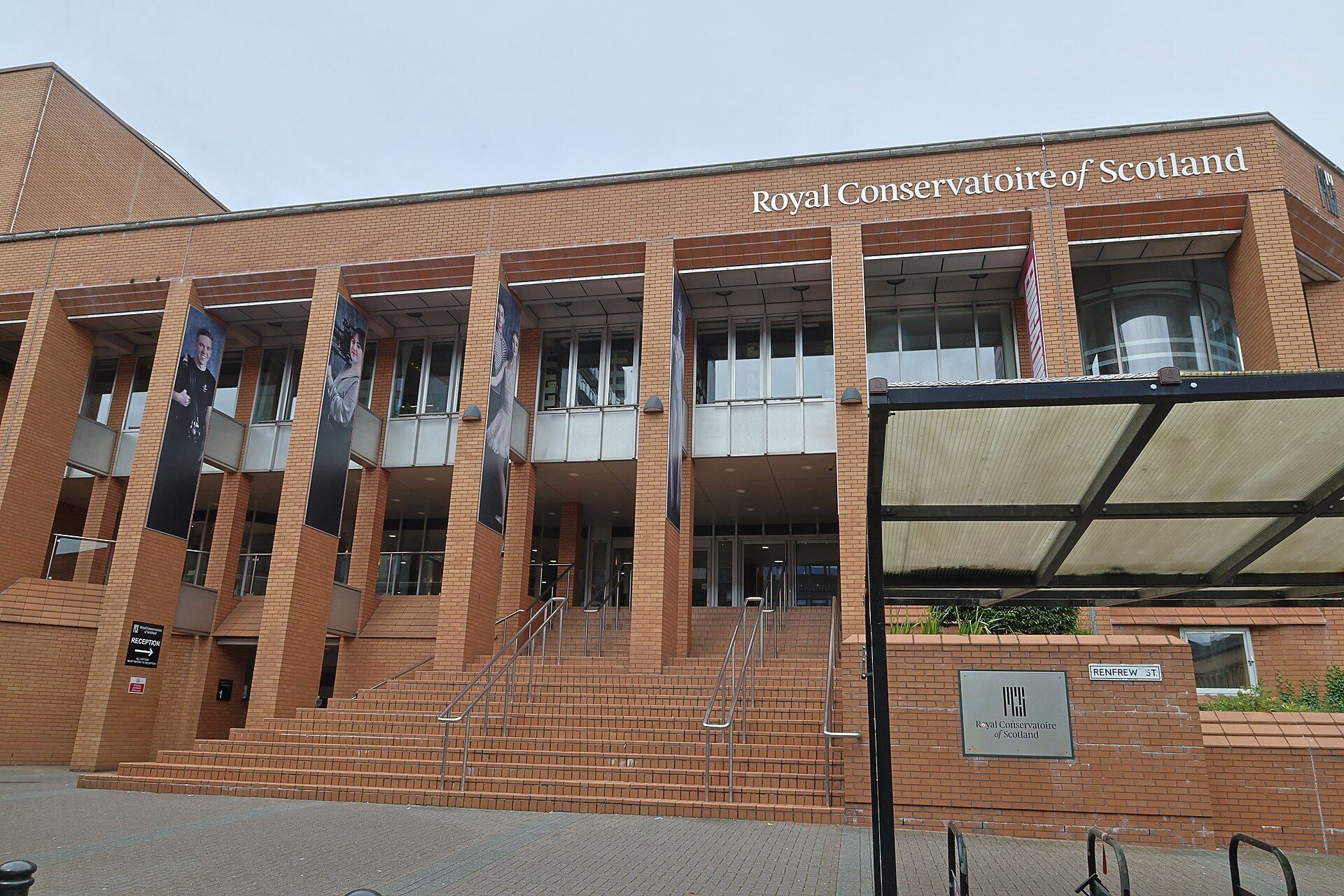
At 100 Renfrew Street, the Royal Conservatoire is one of the best places in the city for value. It stages more than 500 performances a year across five venues, from student recitals to full orchestral concerts, opera, musical theatre and new music. Tickets start at £5, and its Stevenson Hall, which seats 355, has an excellent acoustic for chamber music.
The standard is very high — these are the professional musicians of the next generation — and the prices make it easy to take a chance on something unfamiliar.
Kelvingrove Art Gallery and Museum
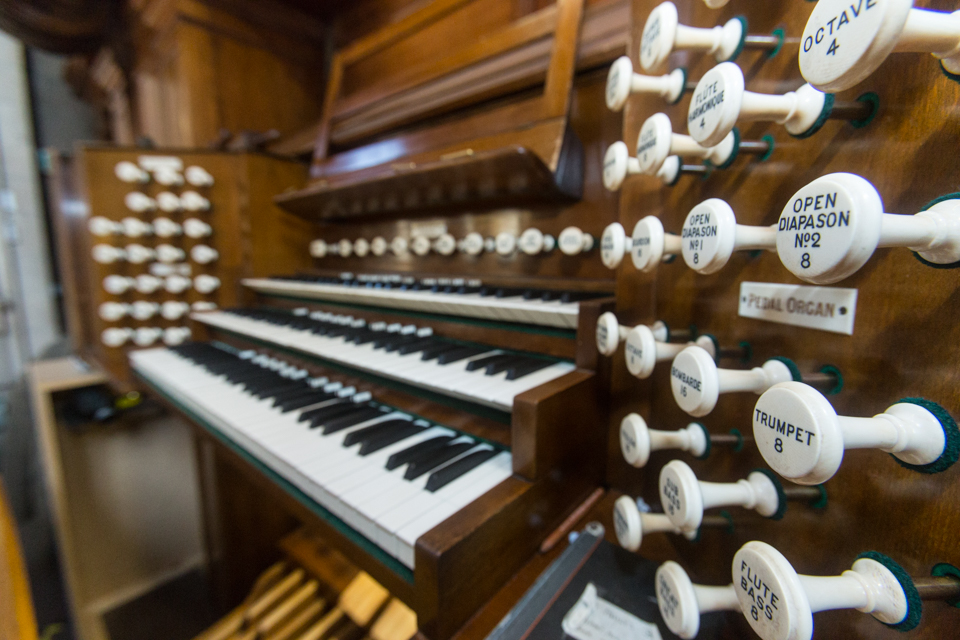
The great pipe organ in Kelvingrove’s Centre Hall is played in free recitals every day: Monday to Saturday at 1pm and Sunday at 3pm. The weekday recitals are lighter and more popular in style, while the Sunday recital is more classical. You can sit and listen or keep walking round the galleries while the sound fills the building. It is one of the most memorable free things to do in Glasgow; our Kelvingrove Museum guide has more on the building.
The orchestras and companies
Royal Scottish National Orchestra
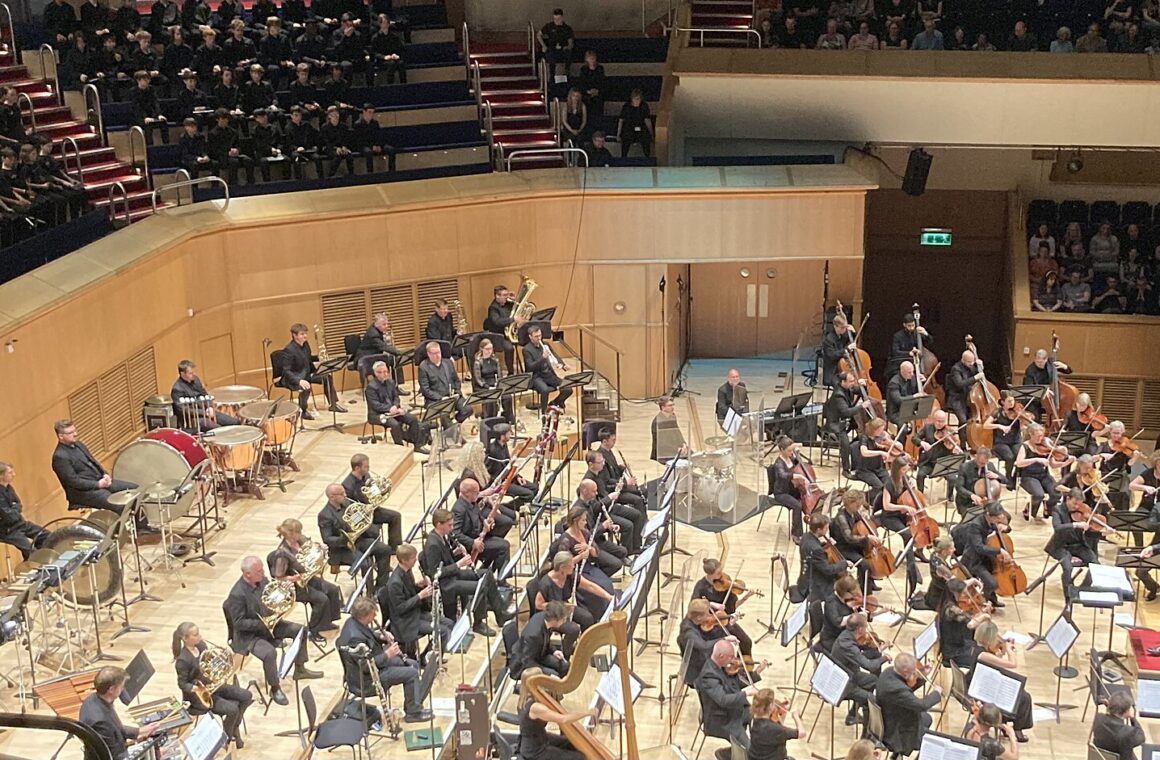
The RSNO is Scotland’s national orchestra and one of the oldest professional symphony orchestras in Britain. Its Glasgow home is the Royal Concert Hall, and it also tours across Scotland. The main classical season runs through autumn, winter and spring, and alongside the big symphonies there are film music concerts, Christmas concerts and family events that are an easy introduction for children.
Ticket options are unusually generous. Under-26s can buy discounted tickets directly from the RSNO box offices without needing to join a scheme, there is a Season Pass for people aged 26 to 35, and booking four or more classical concerts triggers a multibuy discount of up to 35% if you book the whole season.
BBC Scottish Symphony Orchestra
The BBC SSO is based at City Halls, and every concert it gives there is recorded for BBC Radio 3, with many broadcast live. Its main series is on Thursday evenings at 7pm, and it also gives afternoon performances at 2pm on Thursdays and Sundays — which is ideal for visitors who want to hear a world-class orchestra and still have the evening free.
The orchestra has a reputation for adventurous programming, including new music and less familiar repertoire, alongside the classics. If you like the idea of hearing something you have never heard before, this is the orchestra for you.
Scottish Opera
Scottish Opera is the national opera company and performs its main-stage productions at the Theatre Royal, with a mix of well-loved classics and less familiar works. It also tours smaller productions around Scotland. Special pricing is available for people aged 25 and under, and the company’s box office is at 282 Hope Street.
If you have never been to an opera, Glasgow is a good place to try — surtitles are shown above the stage, the atmosphere is relaxed, and tickets in the upper levels are much cheaper than the best seats.
Scottish Ballet
Scotland’s national dance company is based at Tramway on the Southside and performs at the Theatre Royal in Glasgow. Its Christmas production is a highlight of the city’s festive season, and the company is known for combining classical ballet with contemporary work.
What tickets cost
| Type of performance | Rough price range |
|---|---|
| Kelvingrove organ recital | Free |
| Royal Conservatoire performances | From £5 |
| Orchestral concert (RSNO or BBC SSO) | Often from around £15 for the cheapest seats, rising to £40+ for the best |
| Opera at the Theatre Royal | Varies widely; upper-level seats are much cheaper than the stalls |
| Under-26 tickets | Discounted for RSNO and Scottish Opera; check each company’s current prices |
Booking fees and exact prices vary by performance. The cheapest seats for popular concerts go first, so book early if you are on a budget. Our Glasgow on a budget guide has more ways to save.
How to see classical music cheaply
- Go to a free Kelvingrove organ recital. Every day, no booking needed.
- Try the Royal Conservatoire. £5 tickets for excellent performances, and a huge programme to choose from.
- Use under-26 prices. The RSNO and Scottish Opera both offer them. Bring ID.
- Book an afternoon concert. BBC SSO afternoon performances are good value and leave your evening free.
- Sit high up. Upper-level seats at the Royal Concert Hall and the Theatre Royal are the cheapest and still give a good view and sound.
- Watch for multibuy offers if you are staying longer or visiting more than once in a season.
When to go
The main orchestral and opera seasons run from roughly autumn to late spring, so September to May is the best period for a classical music trip. December brings Christmas concerts and ballet, and January brings Celtic Connections, which fills the Royal Concert Hall and City Halls with folk, roots and crossover music. Our Celtic Connections guide covers the festival.
Summer is quieter for the main orchestras, although there is still plenty going on across the city. Check listings before building a summer trip around classical music, and look for outdoor and festival events instead. Our Glasgow events and festivals guide has the year-round calendar.
A classical music day in Glasgow
- Late morning: explore Kelvingrove Art Gallery and Museum and the West End.
- 1pm: free organ recital in the Centre Hall.
- Afternoon: walk or take the Subway back to the city centre, or catch a BBC SSO afternoon concert at City Halls on a Thursday or Sunday.
- Early evening: pre-concert dinner. Our lunch deals and pre-theatre menus guide lists good-value options near the venues.
- Evening: RSNO at the Royal Concert Hall, opera at the Theatre Royal, or a Royal Conservatoire performance.
Practical tips
- What to wear: whatever you are comfortable in. Some people dress up for opera, but nobody will look twice at jeans.
- When to arrive: at least 20 minutes before the start. Latecomers may have to wait for a suitable break to be seated.
- When to clap: if you are unsure, wait until the conductor lowers their arms and turns around, or follow the people around you.
- Pre-concert talks: some orchestral concerts have talks beforehand — check the event page. They are a great introduction if the music is new to you.
- Getting there: the Royal Concert Hall is by Buchanan Street Subway station; City Halls is a short walk from the city centre; the Theatre Royal is near Cowcaddens Subway station. Subway fares are £1.80 single with a £3.40 daily cap, but check the last train if you are relying on it after an evening performance.
- Accessibility: the major venues have accessible seating and facilities. Contact the box office in advance to arrange what you need.
Is classical music in Glasgow worth it?
Yes, especially if you are used to big-city prices. Hearing a national orchestra for around the price of a meal, or an opera company in a historic theatre, is exceptional value, and the free Kelvingrove recitals are one of the city’s best simple pleasures.
The honest caveat is that Glasgow is not Vienna or Salzburg. You will not find a daily programme of tourist-oriented Mozart concerts in palaces, and in the summer the main orchestras are much quieter. What you get instead is a real, living classical scene for local audiences. If you are visiting between September and May, book one concert and you are very likely to enjoy it. If you are visiting in July, a free organ recital and the rest of the Glasgow music scene may serve you better.
Frequently asked questions
Where can I hear classical music in Glasgow?
The main venues are the Glasgow Royal Concert Hall (RSNO), City Halls (BBC Scottish Symphony Orchestra), the Theatre Royal (Scottish Opera and Scottish Ballet) and the Royal Conservatoire of Scotland. Kelvingrove Art Gallery and Museum has free daily organ recitals.
How much do classical concert tickets cost in Glasgow?
Orchestral concerts often start at around £15 for the cheapest seats. Royal Conservatoire tickets start at £5, and Kelvingrove organ recitals are free. Under-26s can get discounts from the RSNO and Scottish Opera.
What time are the Kelvingrove organ recitals?
Monday to Saturday at 1pm, and Sunday at 3pm. They are free and take place in the Centre Hall.
Where does the Royal Scottish National Orchestra perform in Glasgow?
At the Glasgow Royal Concert Hall at the top of Buchanan Street, which seats up to 2,475 people.
Where does the BBC Scottish Symphony Orchestra play?
At City Halls on Candleriggs in the Merchant City. Its main series is on Thursday evenings at 7pm, with afternoon performances at 2pm on Thursdays and Sundays.
Is there opera in Glasgow?
Yes. Scottish Opera, the national opera company, performs at the Theatre Royal on Hope Street, and the Royal Conservatoire of Scotland also stages opera productions.
What is the best time of year for classical music in Glasgow?
September to May, when the orchestras and opera company run their main seasons. December has Christmas concerts and ballet, and January has Celtic Connections.
Related Glasgow Guides
- The Glasgow Music Scene — the full picture, from orchestras to basement gigs.
- Glasgow Events and Festivals — the year-round calendar.
- Glasgow History and Architecture — the city behind the halls.
- Celtic Connections — January’s festival at the Royal Concert Hall and beyond.
- Kelvingrove Art Gallery and Museum — home of the free organ recitals.
- Lunch Deals and Pre-Theatre Menus — eating before a performance.
- Merchant City — the area around City Halls.
Photo Credits
The RSNO in concert: RSNO in concert by Schminnte, CC BY-SA 4.0, via Wikimedia Commons.
The Glasgow Royal Concert Hall: Glasgow Royal Concert Hall 2016 by Pekingtjejen, CC BY-SA 4.0, via Wikimedia Commons.
The Kelvingrove organ console: Organ Console in Kelvingrove Museum by RichDysonPhoto, CC BY-SA 4.0, via Wikimedia Commons.
The Theatre Royal, Hope Street: Glasgow. Theatre Royal by Daniel Naczk, CC BY-SA 4.0, via Wikimedia Commons.
The Royal Conservatoire of Scotland, Renfrew Street: Royal Conservatoire of Scotland – August 2023 by Cs-wolves, CC BY-SA 4.0, via Wikimedia Commons.
The City Halls and Old Fruitmarket, Candleriggs: 100 Candleriggs, City Hall And Old Fruitmarket by Frayedattheedges, CC BY-SA 4.0, via Wikimedia Commons.