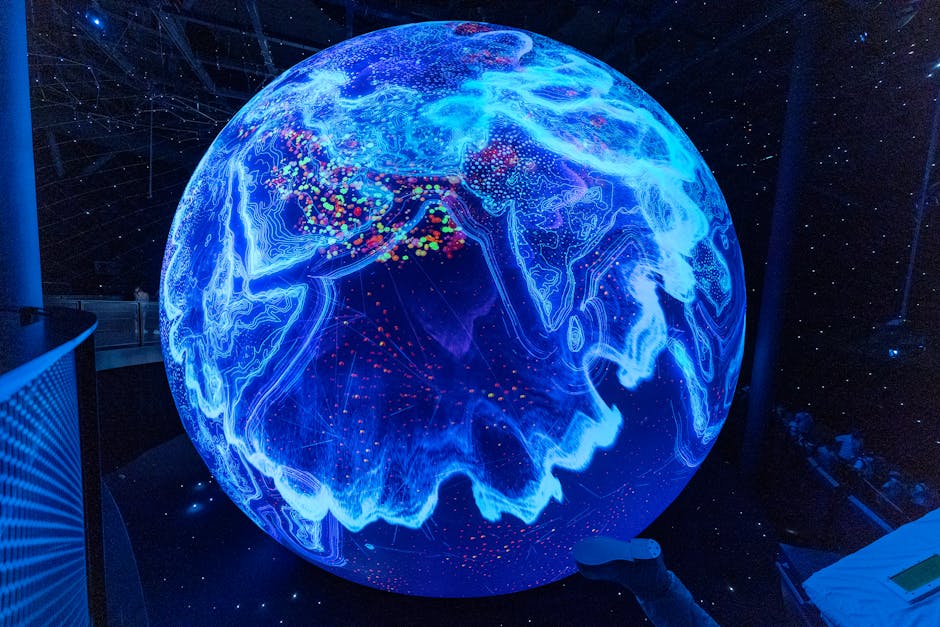
Glasgow Science Centre is one of the finest science museums in the United Kingdom — a world-class attraction that offers a genuinely immersive, hands-on experience of science, technology, engineering, and the natural world. With more than 300 interactive exhibits spread across three floors, a state-of-the-art digital Planetarium, Scotland’s largest IMAX screen, the world’s only fully rotating freestanding tower, and Scotland’s only full-motion Boeing flight simulators, it represents exceptional value and a full day of discovery for visitors of all ages.
This is the complete visitor guide — covering every building, every attraction, ticket prices, practical tips, accessibility information, and how to combine your visit with other nearby attractions. Whether you’re planning a family day out, a solo visit motivated by curiosity, or a trip with older children who want to engage with real science, this guide will help you make the most of everything Glasgow Science Centre has to offer.
You can explore this attraction as part of a wider visit to Glasgow’s exceptional museum scene — the city has one of the highest concentrations of free and high-quality museums in Europe, and the Science Centre sits at the heart of a remarkable cluster of cultural institutions along the River Clyde.
Location and Setting
Glasgow Science Centre is located at 50 Pacific Quay, Glasgow G51 1EA, on the south bank of the River Clyde — a ten-minute drive or thirty-minute walk west of Glasgow city centre, in the Pacific Quay regeneration zone. The setting is significant: this part of the Clyde waterfront was once industrial dockland, and its transformation into a hub for science, media, and culture represents the same extraordinary regeneration story that defines so much of modern Glasgow.
The Science Centre’s neighbours give a sense of the area’s ambition: the BBC Scotland headquarters and the STV studios are directly adjacent, making Pacific Quay a genuine media and cultural quarter. The Riverside Museum — Glasgow’s award-winning transport museum, itself one of the best in the world — is a fifteen-minute walk along the Clyde waterfront, making the two an ideal pairing for a full day of exploration.
The Science Centre building itself is architecturally striking — a titanium-clad curved structure that curves along the riverfront in a distinctive crescent shape. The titanium cladding reflects the sky and changes appearance with the light, creating a building that feels genuinely futuristic without being ostentatious. It won numerous architectural awards on opening and remains one of Glasgow’s most distinctive modern buildings.
The Three Buildings
The Glasgow Science Centre complex comprises three distinct buildings, each offering a different experience. Understanding what’s in each building helps you plan your visit effectively.
The Science Mall: Main Exhibition Building
The Science Mall is the centrepiece of the complex — the titanium-clad crescent-shaped building that houses the majority of the interactive exhibits, the Planetarium, the café, the shop, and the main visitor facilities. This is where you’ll spend most of your time, and where the majority of the 300+ interactive exhibits are located.
The building has three floors, each themed around different areas of science and human experience, connected by escalators and lifts. Admission to the Science Mall is the core ticket — the Tower and IMAX are separate admissions.
Glasgow Tower
The Glasgow Tower stands immediately adjacent to the Science Mall — a needle-like white structure that is the world’s only fully rotating freestanding tower. At 127 metres (417 feet) tall, it rotates to face into the wind, an engineering solution to the aerodynamic challenges of building tall structures on a riverbank exposed to variable winds. The mechanism is extraordinary, and understanding it as you ascend adds a layer to the experience.
The Tower has its own separate admission and operates weather-dependently — on days with high winds, it may be closed for safety reasons. Check on arrival or book in advance, and note that this is Scotland, where weather can change quickly.
IMAX Cinema
Scotland’s largest cinema screen — 18 metres high and 24 metres wide — occupies a distinctive drum-shaped building adjacent to the Science Mall. The IMAX at Glasgow Science Centre shows a mix of science documentaries and blockbuster films, many in 3D, and the scale of the screen combined with the sound system makes it a genuinely impressive experience regardless of what’s showing.
Science Mall: Floor-by-Floor Guide
Ground Floor: It’s All About You and Discover
The ground floor houses two major exhibition zones. It’s All About You explores the science of the human body and senses — how we see, hear, think, and move. Exhibits here are accessible and immediately engaging: interactive displays on perception, optical illusions that reveal how the brain processes information, demonstrations of reflex and reaction time, and investigations of what makes humans biologically unique.
This floor also contains the Big Explorer — a dedicated area designed for children under seven. Big Explorer is a sensory-rich, age-appropriate play and discovery space with features designed for young children’s physical and cognitive development. It’s brilliantly designed: not dumbed-down or purely entertaining, but genuinely educational in a format that works for very young visitors. Parents will appreciate that it’s separate from the main exhibits, allowing different age groups to move at their own pace.
The Discover zone introduces fundamental scientific concepts through interactive displays covering physics, chemistry, and the natural world. These exhibits are designed to be accessible to visitors without a science background while offering depth for those who want to explore further.
First Floor: BodyWorks and Live Science
The first floor focuses on BodyWorks — an extended exploration of human health, biology, and wellbeing. This is one of the most popular sections of the Science Mall, covering everything from the mechanics of the human heart to the science of nutrition, exercise, mental health, and medical technology. Many of the exhibits here are particularly relevant to older children and adults who are thinking about health and lifestyle choices — the science is presented accessibly without being patronising.
The first floor also hosts the Live Science Shows theatre — a performance space where staff scientists present short, engaging demonstrations of scientific principles, typically running multiple times throughout the day. These shows are excellent: entertaining, educational, and often genuinely spectacular. Check the daily programme (available at the entrance and on digital displays throughout the building) and plan your visit around at least one show.
Second Floor: Powering the Future and Digital World
The second floor addresses some of the biggest scientific and technological challenges of the current era. Powering the Future explores energy generation, climate change, and the technologies being developed to create a sustainable world — solar, wind, hydro, nuclear, hydrogen, and the complex tradeoffs between them. The exhibits here are genuinely informative and current, reflecting real-world scientific and engineering challenges rather than simplistic “science is great” messaging.
The Digital and Robotics section brings visitors face to face with the technologies that are reshaping daily life — artificial intelligence, machine learning, robotics, and computing. Hands-on exhibits allow visitors to interact with robotic systems, explore how algorithms work, and understand the principles underlying the digital world. This section is particularly popular with older children and teenagers, but adults find it equally engaging.
Discovery Trails run throughout all three floors — themed routes through the exhibitions that help visitors focus on particular topics or ensure they don’t miss key exhibits. Trail maps are available at the entrance and are particularly useful for school groups and families with specific areas of interest.
The Planetarium
Located within the Science Mall building, the Glasgow Science Centre Planetarium is a digital dome theatre that presents shows covering the solar system, the universe, and the science of astronomy. The dome surrounds the audience completely, creating an immersive experience that takes viewers on journeys through space — from the surface of Mars to the outer reaches of the known universe — in a way that is both scientifically accurate and visually spectacular.
Shows run multiple times daily, typically covering different topics — a solar system exploration, a deep space journey, a live stargazing session. The format works extraordinarily well for all ages: young children are captivated by the visual spectacle, while older visitors and adults engage with the scientific content. The Planetarium is genuinely one of the Science Centre’s standout experiences.
Admission: The Planetarium carries an additional charge of approximately £3.50 per person on top of Science Mall admission. Given the quality of the experience, this represents excellent value. Important: Planetarium shows are very popular and seats are limited. Book your Planetarium time slot when you buy your main ticket, or head to the Planetarium desk immediately on arrival. Shows sell out, particularly during school holidays and weekends.
Glasgow Tower: The View from 127 Metres
The Glasgow Tower is a genuinely unique structure — certified by Guinness World Records as the world’s only fully rotating freestanding tower, capable of turning 360 degrees to face into the prevailing wind. The engineering behind this is fascinating: the Tower’s aerodynamic profile means it must face into the wind to avoid structural stress, and the rotating mechanism allows it to do exactly that.
The observation level sits at 100 metres, with views extending up to 20 miles on a clear day. From the top, the panorama encompasses the Glasgow city centre skyline to the east (including the distinctive silhouette of the Finnieston Crane and the arc of the Clyde Arc bridge), the Campsie Fells and Kilpatrick Hills to the north, and on exceptional days, the outline of distant Highland peaks. The view down the Clyde towards Clydebank and beyond gives a sense of the river’s historical importance that is hard to grasp from ground level.
Tickets: Adult £9.50, Child £7.50 (approximate 2026 prices — check the website for current pricing). Booked separately from Science Mall admission. Weather dependency: The Tower closes in high winds, which is an engineering necessity rather than excessive caution. If the Tower is important to your visit, consider a weekday visit in summer when conditions are more likely to be suitable, and always check operating status on arrival.
Tip: On a clear day, the Tower offers one of the best views of Glasgow available to visitors. For photography, the views east towards the city centre are most dramatic in morning light; the Campsies to the north are best in clear autumn conditions when the hills are snow-capped.
IMAX Cinema: Scotland’s Largest Screen
The IMAX Cinema at Glasgow Science Centre operates Scotland’s largest cinema screen — a truly enormous 18 metres high by 24 metres wide display that transforms the viewing experience for both documentary and feature films. The combination of the screen scale and a custom sound system delivers an immersive experience that standard cinema simply cannot replicate.
The programme typically mixes science and nature documentaries (the format IMAX was designed for) with major blockbuster releases in IMAX 3D — the latter attracting audiences who might not otherwise visit the Science Centre. The documentary content tends to focus on space, wildlife, oceans, and earth sciences, and the format is uniquely well-suited to these subjects. A documentary about the deep ocean on an 18-metre screen is a qualitatively different experience from watching the same film on a laptop.
Tickets: Adults approximately £10–12, Children approximately £8–10, depending on the specific film and format. The IMAX is a separate admission from the Science Mall — you can visit the IMAX without a Science Mall ticket, though combining both (and possibly the Tower) represents the best value for a full day.
Note: The IMAX programme changes regularly. Check the Glasgow Science Centre website for current showings and times, and book in advance for popular films on peak days.
Boeing Flight Simulator Experience
For an additional charge, visitors can access the Boeing Flight Simulator experience — Scotland’s only full-motion Boeing flight simulators. These are not fairground rides or simple computer games, but professional-grade flight simulation equipment of the type used in pilot training, repurposed to give members of the public the opportunity to fly a Boeing aircraft under the guidance of experienced instructors.
The 30-minute experience costs approximately £50 per person and is available to visitors aged 12 and over. The price reflects the genuine sophistication of the equipment — these simulators replicate the full motion and instrument environment of a commercial aircraft, and the experience of takeoff, flight manoeuvres, and landing under simulator conditions is genuinely impressive.
This is consistently one of the most popular additional experiences at the Science Centre, and places sell out weeks in advance during school holidays and peak periods. If the Flight Simulator is on your agenda, book well in advance — this is not an experience you can reliably walk in for.
Ticket Prices and Admission (2026)
Glasgow Science Centre’s pricing reflects its position as a world-class attraction. The following are approximate 2026 prices — always check the official website for current pricing before your visit, as prices are subject to change.
Science Mall
- Adult: £10.45
- Child (aged 3–15): £8.60
- Under 3: Free
- Family ticket (2 adults + 2 children): approximately £35
Additional Experiences
- Planetarium show: £3.50 per person (added to Science Mall ticket)
- Glasgow Tower: Adult £9.50 / Child £7.50
- IMAX Cinema: Adult approximately £10–12 / Child approximately £8–10
- Boeing Flight Simulator: approximately £50 per person (advance booking essential, age 12+)
Science Passport Annual Membership
For Glasgow residents or visitors who plan to return, the Science Passport annual membership offers unlimited access to the Science Mall and Planetarium for a year. For families with children in the target age range, the membership typically pays for itself after three visits. It also includes discounts on additional experiences and the IMAX.
If you’re planning to visit twice in a year — perhaps once during school holidays and once with different family members or friends — the Science Passport makes clear financial sense. Details and current pricing are available on the Glasgow Science Centre website.
Opening Hours and When to Visit
Glasgow Science Centre is typically open daily from 10am to 5pm, with seasonal variations — hours may extend during school holidays and peak summer months, and the Centre occasionally closes for special events or maintenance. Always check the official website before your visit to confirm current opening times.
In terms of when to visit, timing makes a significant difference to your experience:
- Quietest times: Weekday afternoons during school term time — the Centre is primarily filled with school groups in the mornings, and individual families and visitors in the afternoons. If you’re visiting without young children and prefer a quieter experience, Tuesday–Thursday afternoons during term time are your best option.
- Busiest times: School holiday periods (particularly July–August, Easter, and Scottish October half-term), weekend mornings, and any day during Edinburgh Fringe when Glasgow day-trippers arrive. These are not times to avoid — the atmosphere can be wonderful — but they require more patience at popular exhibits.
- Best strategy: Arrive when the doors open at 10am. Book your Tower time slot and Planetarium seats immediately on arrival (or better, in advance online). Visit the most popular exhibits first while queues are still short. Use the afternoon for more relaxed exploration of the exhibits.
Getting There
Glasgow Science Centre is accessible by several means from the city centre and wider Glasgow area.
By Bus
Several bus routes serve Pacific Quay from Glasgow city centre, making this the most straightforward public transport option for most visitors. Check the First Glasgow or McGill’s bus journey planner for current routes and timetables — routes and numbers change periodically. Journey time from the city centre is approximately 15–20 minutes depending on traffic.
On Foot
The Science Centre is approximately a 30-minute walk from Glasgow city centre along the north bank of the Clyde, crossing via the Bells Bridge or the Clyde Arc (Squinty Bridge). The riverside walk is pleasant on a dry day and passes the Scottish Exhibition Campus (SEC) and various other Clyde waterfront landmarks. This is a genuine walking route rather than a casual stroll, so factor in time and footwear accordingly.
By Bike
Glasgow’s Clyde Cycle Path connects the city centre to Pacific Quay on a dedicated route — an excellent option for cyclists of all abilities. The path is largely flat, following the river, and the Science Centre has secure cycle parking. For visitors using Glasgow’s OVO Bikes hire scheme, the Pacific Quay area has docking stations.
By Car
Parking is available at the Science Centre site itself, with charges applying. Satnav to G51 1EA will direct you to the correct entrance. Note that Pacific Quay can be congested on peak weekends, and parking fills up during busy periods — arriving before 10:30am on weekends is recommended.
Facilities and Accessibility
Café and Dining
The Science Centre has an on-site café serving hot and cold food, snacks, and drinks. It’s a practical option for lunch or a mid-visit break, though it can be busy during peak periods. For families with young children, having the café within the building means no need to leave the site for lunch.
Shop
The Science Centre shop sells science-themed gifts, books, toys, and educational materials — a strong selection that is somewhat above the typical museum shop standard. It’s a good place to find genuinely engaging gifts for children (and adults) with scientific interests.
Accessibility
Glasgow Science Centre is comprehensively accessible. The building has lifts connecting all floors, ramps and step-free access throughout, accessible toilets on each floor, and hearing loops in the Planetarium and IMAX Cinema. The Big Explorer area is designed with accessibility in mind for young children with a range of needs. Staff are trained to assist visitors with accessibility requirements — don’t hesitate to ask at the Welcome Desk on arrival.
Combining Glasgow Science Centre with Other Attractions
The Science Centre’s riverside location makes it easy to combine with other attractions for a full day along the Clyde waterfront.
Riverside Museum (15 minutes’ walk along the Clyde): Glasgow’s award-winning transport museum, designed by Zaha Hadid, houses an extraordinary collection of vehicles — cars, motorcycles, trams, trains, and ships — displayed in an innovative, non-linear format. Admission is free. The historic sailing ship Glenlee is moored alongside. Combining the Science Centre and the Riverside Museum makes for an excellent full day of discovery.
The Hydro and OVO Hydro: Glasgow’s largest indoor arena is immediately adjacent to Pacific Quay — if there’s a major concert or event during your visit, you can combine a daytime Science Centre visit with an evening show.
SSE Hydro Sky Bar: The bars and restaurants of the SEC (Scottish Exhibition Campus) area offer post-Science Centre dining options without needing to return to the city centre.
Kelvingrove Art Gallery and Museum (a further 15-minute walk on from the Riverside Museum): Scotland’s most popular free visitor attraction, where a Salvador Dali masterpiece and a real Spitfire suspended from the ceiling sit under one roof.
For a wider view of what Glasgow’s museums and attractions offer, including the Kelvingrove Art Gallery, the Burrell Collection, and the Gallery of Modern Art, our comprehensive guide covers the full range of the city’s cultural institutions.
Insider Tips for Your Visit
- Book everything in advance: Buy Science Mall tickets, Planetarium time slots, Tower tickets, and especially Flight Simulator places online before you visit. Walk-up availability exists but is limited at peak times.
- Arrive at opening time: The first hour (10am–11am) is the quietest period. Use it to visit the Tower (if weather permits) and secure your Planetarium seats before they sell out.
- Check the Live Science Show schedule: These are excellent and not to be missed. The daily schedule is posted at the entrance — plan your floor-by-floor exploration around the show times.
- Allow a full day: If you’re visiting with children aged 3–15, the Science Mall alone will take three to four hours. Add the Tower (45 minutes), a Planetarium show (30 minutes), and the IMAX (1.5–2 hours) and you have a genuinely full day. Don’t try to rush — the best exhibits reward time spent exploring rather than quick observation.
- The Tower is weather-dependent: Check operating status on arrival and prioritise it early if it’s open — conditions can change through the day. If it closes during your visit, staff can arrange a refund or alternative experience.
- School holiday strategy: If you must visit during school holidays (Scottish holidays broadly follow English school holiday patterns), arrive at 10am sharp, have your tickets ready, and head directly to the Planetarium desk to book your time slot before anything else.
- Science Passport for local visitors: If you live in or near Glasgow, the annual membership genuinely pays for itself. Even two adult visits plus two child visits will typically exceed the cost of individual tickets.
Frequently Asked Questions
How much does it cost to visit Glasgow Science Centre?
Science Mall admission is approximately £10.45 for adults and £8.60 for children aged 3–15 (under-3s free) in 2026. Family tickets (2 adults + 2 children) are approximately £35. The Planetarium adds £3.50 per person. The Glasgow Tower costs approximately £9.50 adults / £7.50 children. The IMAX is a separate admission of approximately £10–12 adults / £8–10 children. Check the Glasgow Science Centre website for current prices before your visit.
How long should I spend at Glasgow Science Centre?
Allow a full day — a minimum of four hours for the Science Mall alone if you’re visiting with children. Including the Planetarium, Tower, and IMAX, a full day from 10am to 5pm is not excessive and is the best way to ensure you see everything without rushing.
Is Glasgow Science Centre good for adults without children?
Absolutely. While the Science Centre is excellent for families, the depth of content in the Powering the Future, Digital and Robotics, and BodyWorks exhibitions is engaging for adults with or without science backgrounds. The Planetarium and Glasgow Tower are particularly worthwhile for adult visitors. The IMAX — especially for science documentaries — is a superb experience regardless of age.
Can you visit the Tower without a Science Mall ticket?
Yes — the Glasgow Tower and the IMAX Cinema can both be booked as standalone experiences without purchasing Science Mall admission. However, the combined value of the full Science Centre experience (Science Mall + Planetarium + Tower) makes it worthwhile to buy all-inclusive tickets if you have the time for a full day.
Is Glasgow Science Centre accessible for visitors with disabilities?
Yes — comprehensively so. The building has lifts, step-free access, ramps, accessible toilets on every floor, hearing loops in the Planetarium and IMAX, and staff trained to support visitors with a range of needs. The Big Explorer area for young children is also designed with accessibility in mind. Contact the Science Centre in advance of your visit if you have specific requirements and they will be happy to advise.
How do I get to Glasgow Science Centre?
By bus from the city centre (check First Glasgow or McGill’s for current routes to Pacific Quay); by foot along the Clyde riverside walk (approximately 30 minutes); by bike via the Clyde Cycle Path; or by car with on-site parking at G51 1EA. The Science Centre is not directly served by the Subway or suburban rail network, so bus or private transport are the most convenient public transport options.
What is the Boeing Flight Simulator at Glasgow Science Centre?
Scotland’s only full-motion Boeing flight simulators, offering 30-minute guided experiences for visitors aged 12 and over at approximately £50 per person. These are professional-grade simulators — the same type used in pilot training — and offer a genuinely impressive experience of flight simulation. Book well in advance as places sell out quickly, especially during school holidays.
Glasgow Science Centre is one of the city’s outstanding attractions and genuinely rewarding for visitors across the age spectrum. We recommend it without reservation as part of any Glasgow visit. For more information on Glasgow’s museums and cultural attractions, explore our complete guide to the city’s world-class cultural institutions.


