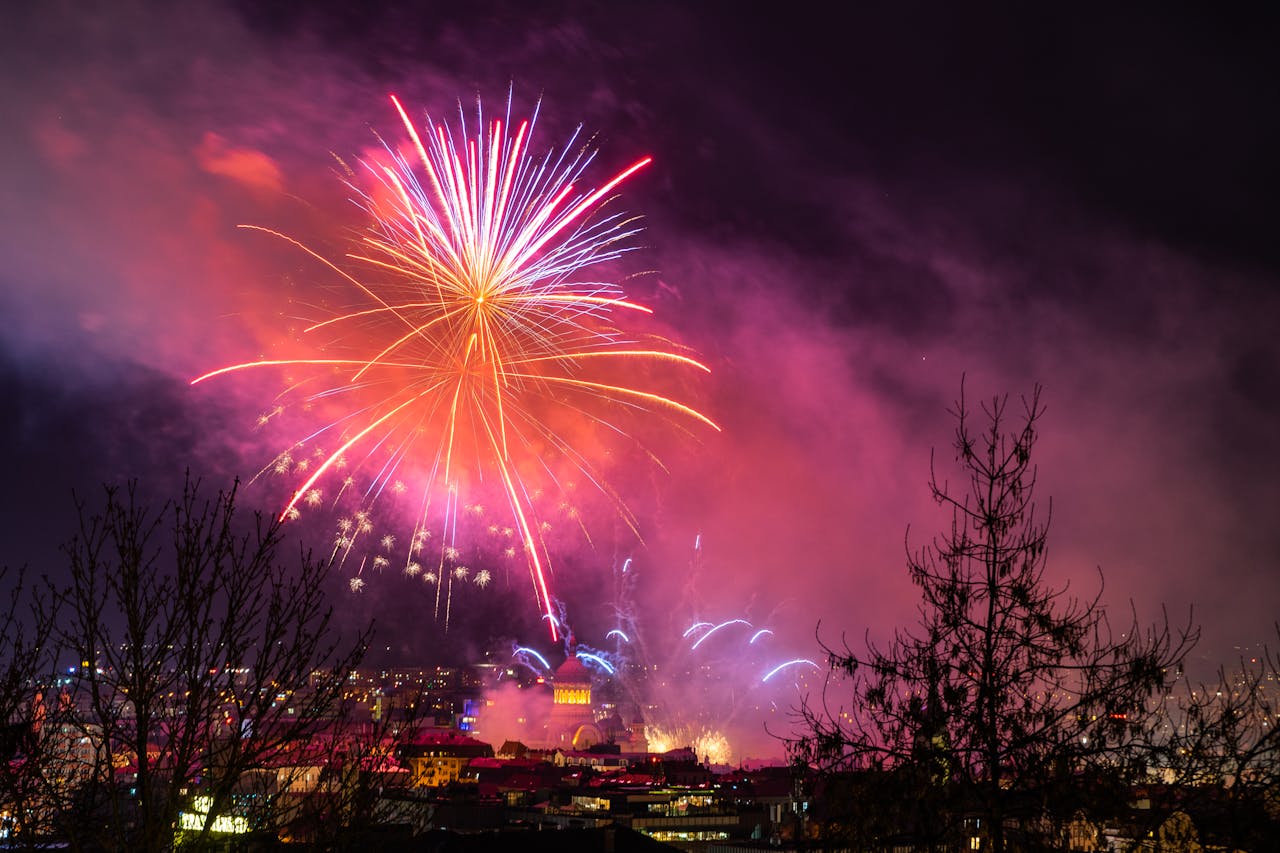
TRNSMT is Glasgow’s biggest music festival — a three-day, non-camping event held on Glasgow Green that draws 50,000 people a day to the very edge of the city centre. The 2026 edition runs Friday 19 to Sunday 21 June with Richard Ashcroft, Kasabian and Lewis Capaldi headlining.
This is a complete planning guide for TRNSMT Festival Glasgow 2026: lineup, tickets, gates, what to bring, where to stay and the best survival tips from the Glaswegians who do it every year.
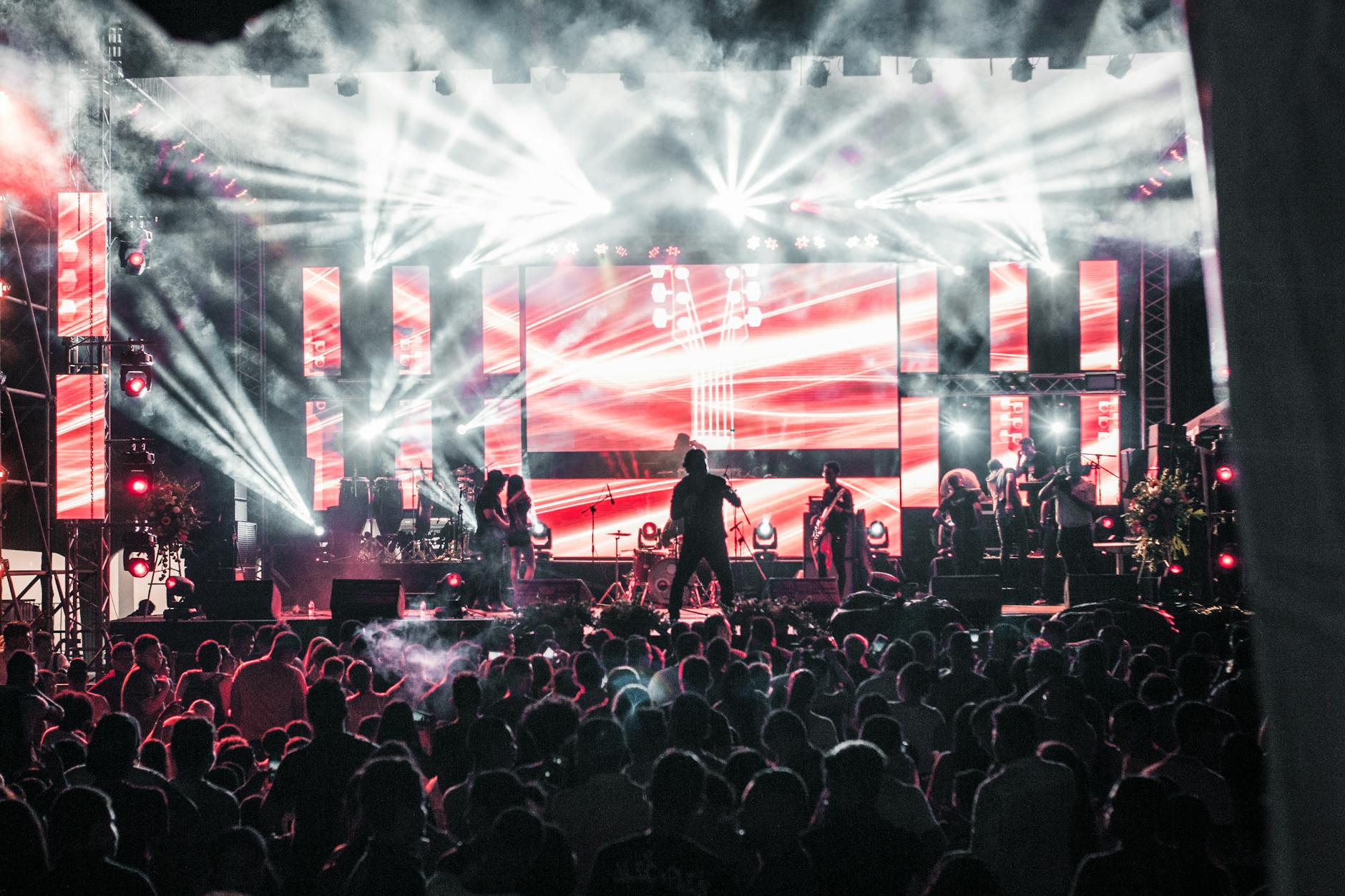
TRNSMT 2026 at a glance
Dates: Friday 19 – Sunday 21 June 2026. Venue: Glasgow Green, Glasgow G1 5DB. Capacity: 50,000 per day. Age limit: Under-16s only with a paying adult; under-5s free. Camping: No on-site camping — TRNSMT is a city-centre festival; you sleep in town.
One thing to get straight before you book anything: TRNSMT is a city festival, not a field festival, and that shapes everything. You arrive in the early afternoon, you watch bands until the headliner finishes around 10.30pm, and then you walk back to a real bed in a real hotel. There’s no tent to pitch, no mud-caked walk to a car park two fields away, no wristband for a shower block. If your only reference point is Glastonbury or T in the Park, mentally file TRNSMT closer to a very large gig that happens to run for three days in a park.
It’s worth knowing what kind of crowd you’re joining, too. TRNSMT skews young — a lot of students, a lot of first-festival teenagers there with a parent, a lot of stag and hen groups — and the atmosphere is loud, friendly and unmistakably Glaswegian. It’s a singalong city, so expect every chorus the headliner plays to come straight back at them from 30,000 voices. That’s the best thing about the place and the reason locals keep going back.
2026 headliners and lineup
TRNSMT 2026’s confirmed headliners are:
- Friday: Richard Ashcroft
- Saturday: Kasabian
- Sunday: Lewis Capaldi (his first festival headline since his hiatus)
The 2026 line-up across all four stages also includes Wolf Alice, The Fratellis, Nile Rodgers & CHIC, Amy Macdonald, The Last Dinner Party, Two Door Cinema Club, CMAT, Dylan John Thomas, Loyle Carner, Sonny Fodera, Perrie, English Teacher, Jacob Alon and dozens more. The full schedule typically gets posted on trnsmtfest.com about a fortnight before the festival.
The four stages
TRNSMT runs across four stages on Glasgow Green:
- Main Stage — the headliners and biggest acts; capacity 30,000+.
- King Tut’s Stage — a tribute to the famous city-centre venue, this stage hosts emerging Scottish and UK acts.
- River Stage — set up by the Clyde with a slightly more chilled programme.
- Boogie Bar — DJ-led dance area open all day and into the late evening.
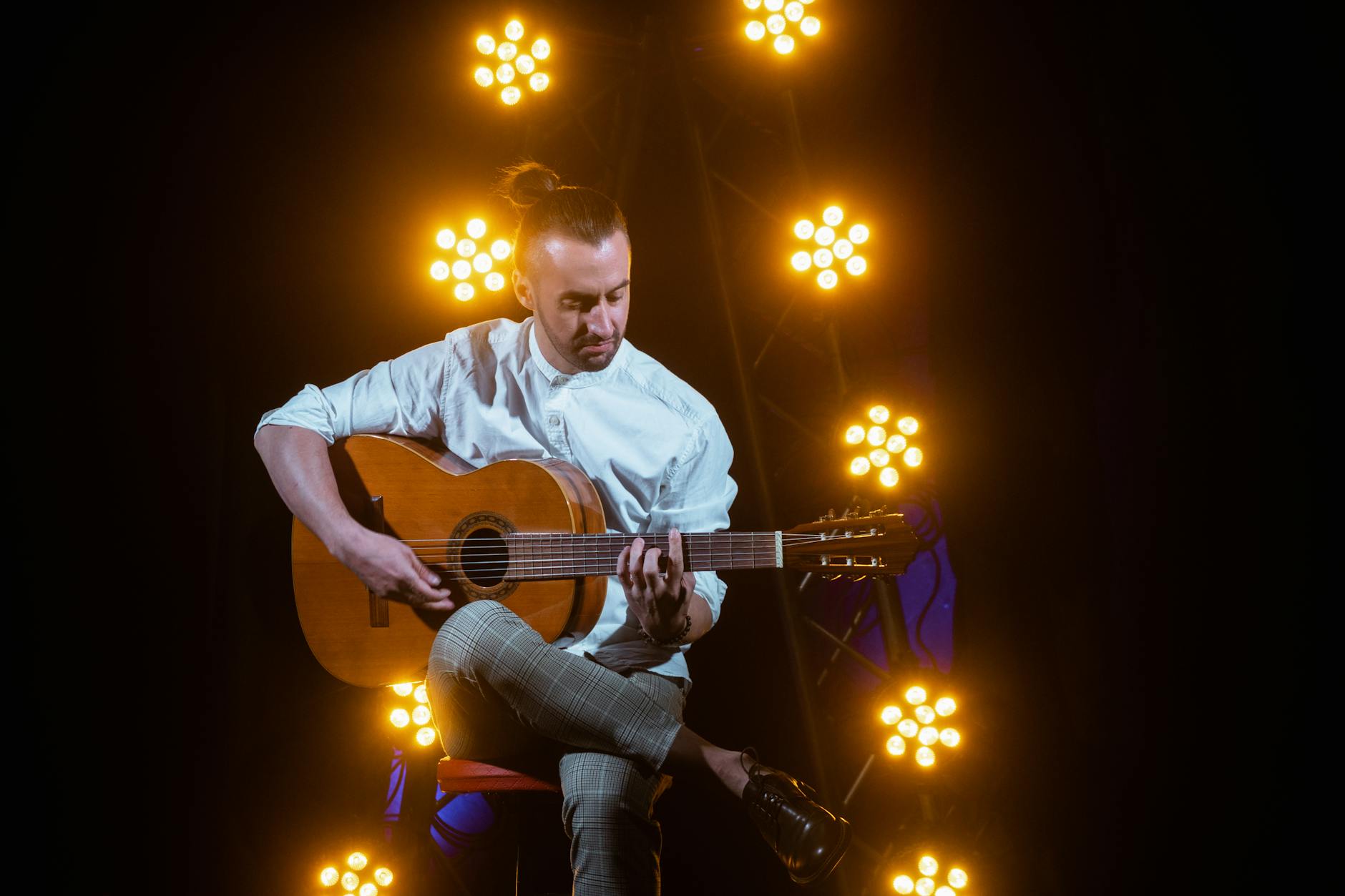
The stages sit close enough together that you can realistically catch the tail end of one act and still get a decent spot for the next on a different stage — but only if you plan the gaps. The biggest rookie mistake is parking yourself at the barrier of the Main Stage at 2pm and refusing to move; you’ll see one stage all day and miss the discoveries. The smarter play is to treat the smaller stages as your daytime programme and drift toward the Main Stage as the headline slot approaches.
A simple way to read the running order when it lands a fortnight out:
- King Tut’s Stage is where you’ll catch a band before everyone else does — the real King Tut’s venue in town has a wall of plaques marking acts who played there before they were famous, and this stage carries that spirit.
- The River Stage by the Clyde is the one to drift to when the Main Stage crowd is too much — the programming is a little more left-field and the sightlines are kinder.
- Boogie Bar is your wet-weather and late-afternoon refuge: covered, DJ-led, and the place the crowd ends up between the bands they actually came for.
- Clashes are inevitable on the big days — decide your one non-negotiable act per stage in advance and let the rest fall where it falls.
Tickets and prices
TRNSMT sells tickets in tiers — the earlier you book, the cheaper the price. Approximate 2026 prices:
- Day ticket: £95–£115 + £10 booking fee.
- Weekend ticket: £215–£245 + £15 booking fee.
- VIP / Hospitality: £350+ for the day.
- Under-16s ticket (with paying adult): £25 day / £55 weekend.
Buy direct from trnsmtfest.com via Ticketmaster — third-party resellers tend to add unnecessary booking fees. Resold tickets via Twickets are usually genuine and capped at face value.
A word on the tiers, because they catch people out every year. TRNSMT releases tickets in waves and the price climbs as each tier sells through, so the gap between booking in autumn and booking the week before can be £20–£30 a ticket. If you already know you’re going, the cheapest move is to commit early. If the festival sells out, ignore the eye-watering prices on general resale sites and use the official face-value resale partner instead — touts inflate prices ruthlessly for a Glasgow sell-out, and a barcode bought off a stranger may simply not scan at the gate.
Day versus weekend is the other live decision. If one specific headliner is the whole reason you’re coming, a single day ticket plus a night in town is the sensible spend. If you want the full three-day arc — and the city around it — the weekend ticket usually works out cheaper per day and saves you re-queuing through the search lines each afternoon. Either way, set yourself a realistic budget for inside the gates on top of the ticket: drinks and food add up quickly across a long day.
What’s in the ticket
Your ticket includes festival entry, all four stages, the funfair rides scattered through the site, the food and drink area access (food/drink charged separately), the chill-out zones and access to all on-site bars. There’s no included camping or parking.
How to get to TRNSMT
On foot: 15 minutes’ walk from Glasgow Central; 20 minutes from Queen Street. The walk down Saltmarket from the city centre is a great pre-festival route.
Subway: Bridgeton or High Street stations are the closest, both about 12 minutes’ walk to the gates. Subway runs until 11.40pm Mon–Sat — useful for the late finish.
Train: Bridgeton, High Street or Argyle Street rail stations are all 10–15 minutes’ walk.
Bus: First Bus 64 stops directly outside the festival gates.
Driving: Strongly discouraged — there’s no festival-specific parking and central Glasgow car parks fill early. Better to stay overnight in the city.
TRNSMT takes over Glasgow Green, the historic park just east of the city centre, which makes it one of the easiest big festivals to reach — most people simply walk the 15–20 minutes from the centre. There’s no festival parking, so leave the car: trains run to nearby Argyle Street and Bridgeton, plenty of buses pass close by, and after the headliner it’s an easy stroll back to a city-centre hotel rather than a coach back to a campsite. That walkability is TRNSMT’s secret weapon.
Where to stay for TRNSMT
Because TRNSMT is non-camping, accommodation matters. The closest hotels to Glasgow Green are in the Merchant City and the Saltmarket — most of which sell out by January. The wider city centre (within a 30-minute walk) has dozens of options. Avoid the West End for TRNSMT (long Subway closure means a £15 cab home at 11.30pm). For boutique hotel options see our best boutique hotels in Glasgow guide; for a wider view, our where to stay in Glasgow deep-dive. Book earlier still in 2026: the Commonwealth Games run from 23 July to 2 August, about a month after the festival, and the city fills for the whole summer.
Because you’re sleeping in the city, your hotel choice is really a transport choice. The sweet spot is anywhere you can walk home from Glasgow Green in 20–30 minutes — the Merchant City, the Trongate end of the centre, and the blocks around Glasgow Cross all qualify, and walking means you skip the post-headliner crush at the Subway and rail stations entirely. The rooms nearest the Green get snapped up first, so book the moment your tickets are confirmed rather than waiting for the lineup.
If the close-in hotels have gone or blown your budget, the whole city centre is fair game — you’re rarely more than a flat, walkable mile away. The one area to think twice about is the West End: it’s a lovely base for a normal Glasgow trip, but the Subway stops running before midnight, so a late TRNSMT finish can mean a taxi queue and a fare home. For the full rundown of districts and what each is like to stay in, our where to stay in Glasgow guide breaks it down neighbourhood by neighbourhood.
Food, drink and toilets at TRNSMT
TRNSMT 2026 will host 50+ food traders covering the full Scottish-festival range — pizza, burgers, haggis fries, halloumi wraps, dumplings, vegan options. Expect £8–£14 a meal. Bars are run by Tennent’s; pints £6.50–£8, cocktails £12. Cards only — no cash accepted on most concession bars. Multiple toilet blocks (clean by mid-morning, less so by 9pm); accessible toilets near the Main Stage and the entrance.
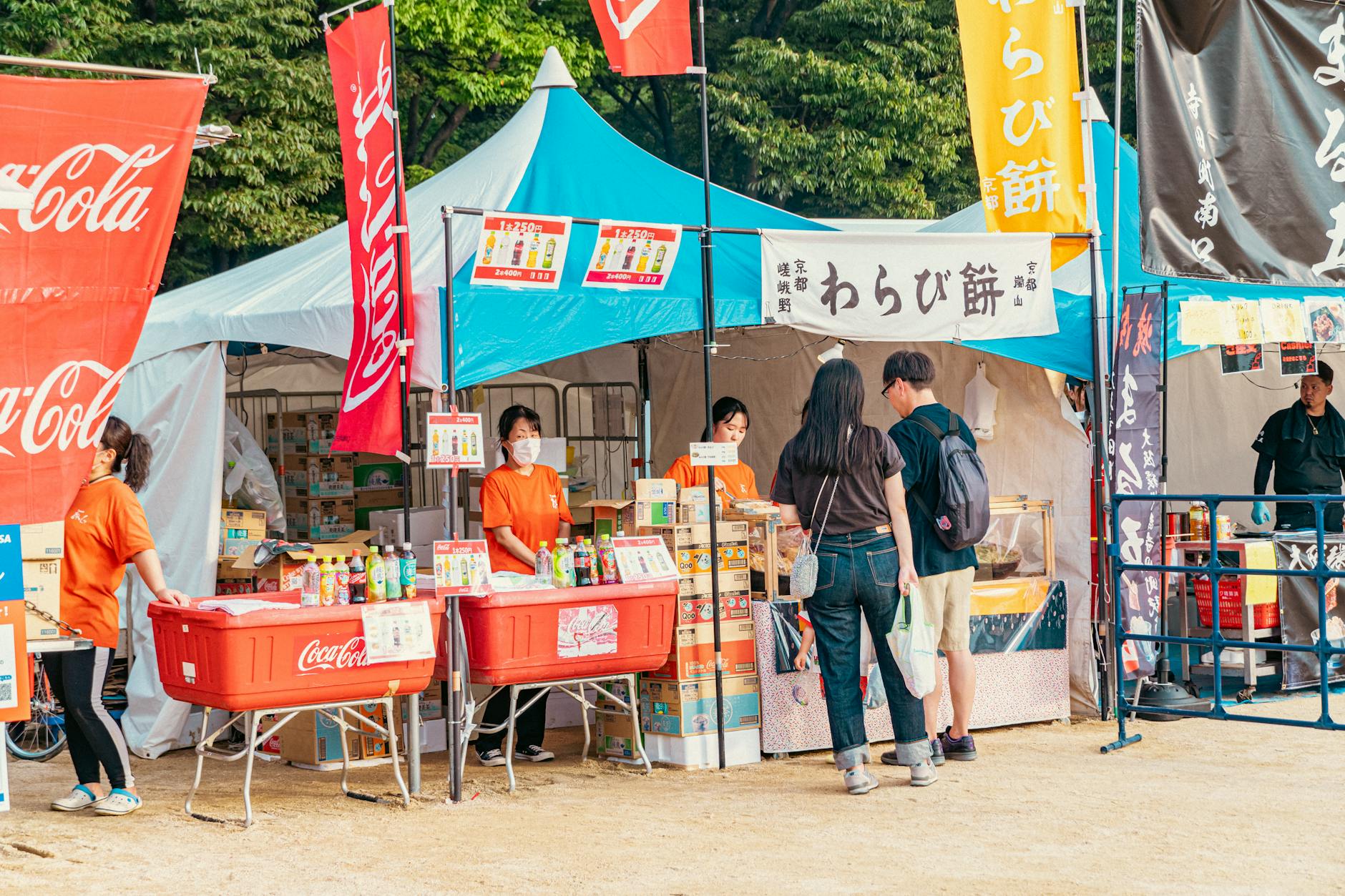
Pace your drinking, because it’s a long shift. Gates to headliner is the better part of nine hours on your feet, often in sun, and the bars are busy enough that every round costs you queue time as well as money. The locals’ rhythm is to alternate — one pint, one trip to the free water points to refill your bottle — which keeps you upright for the act you actually paid to see. The water refill stations are free and a genuinely good idea; bring an empty bottle through the gate and use them.
On food, the honest advice is to eat a proper meal before you come in. Everything inside is priced as festival food, the lunch queues spike just before the early-evening acts, and you’ll enjoy the headliner more if you’re not deciding between your spot and a burger at 8pm. If you do eat on site, the quieter windows are mid-afternoon and during a big Main Stage act when half the crowd is glued to the stage. For ideas on where to line your stomach beforehand, the city-centre end of our Glasgow food guide has plenty within walking distance of the Green.
What to bring
Yes: ID (you’ll need it for alcohol), a ticket on your phone (printed or screenshot), small bag (max A4 size), reusable water bottle, weatherproof jacket, sunscreen, ear plugs, a portable phone battery, comfortable shoes.
No: Cans, glass bottles, food and drink (other than empty water bottles), umbrellas, professional cameras, large bags, chairs, gazebos, tents, drugs of any kind. Searches are thorough at the gates; allow 30 minutes to get in at peak.
Pack for a Scottish summer’s day outdoors:
- A small clear bag — festivals enforce a clear-bag policy, so check the dimensions before you travel.
- Sun cream and a waterproof — you may genuinely need both in one afternoon.
- ID — you’ll need it for the bars even if you look well over 18.
- A portable charger — for photos, tickets and finding your friends.
- Cash isn’t essential — the site is largely cashless, so bring a contactless card.
What to wear
Glasgow weather in June is unpredictable — average maximum temperature is 18°C and there’s roughly a 40% chance of rain on any given day. Layer up. A waterproof jacket is essential; sunglasses and sunscreen for the long days. Wellies aren’t usually necessary on Glasgow Green’s grass but a sturdy waterproof boot is a smart call.
Accessibility at TRNSMT
TRNSMT has won awards for festival accessibility. The site has step-free routes throughout, accessible toilets, viewing platforms at every stage, free PA tickets for personal assistants, and a dedicated accessibility helpdesk near the entrance. Apply online via the official site; the deadline is usually three weeks before the festival.
TRNSMT works hard on access. There’s normally an accessible viewing platform at the main stages, accessible toilets, and a process for personal assistant tickets — apply through the festival’s access scheme well ahead of the event, as places and platform space are limited. If you have specific needs, contact the organisers early rather than on the day.
Pro-tips from regulars
- Arrive at 1pm — gates open at 1pm; the early crowd is sparse and you’ll find a good spot for the headliner without battling for it later.
- Use the cashless TRNSMT wristband if offered — cuts queues at bars and food stalls dramatically.
- Pre-book a meeting point with friends — phone signal at TRNSMT is patchy when 50,000 people are on it.
- Eat before the festival if budget is tight; food at the gates is around 50% pricier than the city centre.
- Take the Subway home if you’re staying west — Mon–Sat the last train is 11.40pm. Have a backup taxi app downloaded.
A few things the regulars know: arrive early on headliner days to get near the main stage, and agree a clear meeting point with your group because phone signal struggles when 50,000 people are all texting at once. Eat before the evening rush, keep a layer for when the sun drops, and plan your walk home in advance. Pace the day — it’s a marathon from early afternoon to a late headline set.
A handful more habits that separate the regulars from the first-timers:
- Screenshot your ticket before you leave the hotel — signal on the Green gets patchy when 50,000 phones are fighting for the same masts, and a barcode that won’t load is a miserable way to start the day.
- Pick your exit before the encore. When the headliner finishes, the whole site moves at once; if you’ve agreed a route and a meeting point, you’re walking while everyone else is still working out where the gate is.
- Dress in layers you can carry. A Glasgow June afternoon can be 20°C and glorious; by the time the headliner is on, it’s noticeably cooler and you’ll want the jacket you grumbled about carrying.
- Sun cream even when it’s grey. Scottish cloud cover burns people who assumed it wouldn’t — a full afternoon with no shade does damage.
- Agree a hard meeting point and time with your group, like a specific stall or flag, in case phones die or signal drops. It’s the oldest festival trick because it still works.
TRNSMT vs other Scottish festivals
TRNSMT is the city’s biggest single ticketed event but Glasgow’s wider festival scene includes Celtic Connections in January (folk and traditional), Summer Nights at the Bandstand at Kelvingrove in July (a cosier paid concert series) and the Glasgow Mela in June (free South Asian cultural festival). For the wider calendar see our Glasgow events and festivals guide. March adds Glasgow's 19-day comedy festival, one of the largest comedy events in Europe.
If TRNSMT’s big-stage, singalong format isn’t quite your thing, Glasgow’s calendar has gentler shapes through the year. The summer bandstand concerts up at Kelvingrove are a cosier, seated proposition — one act, an early finish, and a stroll through the park — while the city’s free cultural festivals give you the music-in-the-streets feeling without the ticket price. The point is that TRNSMT is the loudest weekend in Glasgow’s music year, not the only one. For the full spread of what’s on and when, our Glasgow events and festivals guide maps the calendar across the seasons.
The winter half of the calendar has its own draw, when Glasgow's Christmas markets and an outdoor ice rink take over the city centre from mid-November into early January. Hogmanay in Glasgow then sees in the New Year on 31 December with ceilidhs, hotel galas and packed pubs.
It’s also worth saying that TRNSMT works brilliantly as the centrepiece of a longer city break rather than a fly-in, fly-out trip. The gates don’t open until the afternoon, which leaves you a full morning to fill, and Glasgow rewards that — museums, the West End, a long brunch. Build a day of sightseeing around each festival day and you get a proper Glasgow holiday with three headline gigs stitched into it. Our things to do in Glasgow overview is the place to plan those daytime hours.
FAQs
When is TRNSMT 2026?
Friday 19 – Sunday 21 June 2026 at Glasgow Green.
Who’s headlining TRNSMT 2026?
Richard Ashcroft (Friday), Kasabian (Saturday) and Lewis Capaldi (Sunday).
Is TRNSMT a camping festival?
No — TRNSMT has no on-site camping. Most attendees stay in central Glasgow hotels or with friends.
How much do TRNSMT tickets cost?
Day tickets £95–£115; weekend tickets £215–£245; VIP from £350. Under-16s £25 day / £55 weekend (with paying adult).
Can under-18s go to TRNSMT?
Under-16s only with a paying adult. Over-16s can attend on their own. Under-5s free with an adult.
Is there parking at TRNSMT?
No festival-specific parking. Central Glasgow car parks (e.g. NCP Concert Square) fill up fast and cost £25+ for a day.
Plan the rest of your Glasgow festival trip
TRNSMT is one of dozens of events in Glasgow’s annual festival calendar. See our complete Glasgow events and festivals guide, and combine your trip with our things to do in Glasgow overview to fill the daytime hours before the gates open.