Glasgow events fill every month of the year, making Scotland’s largest city one of Europe’s most exciting cultural destinations. As a UNESCO City of Music, Glasgow hosts an extraordinary calendar of festivals and celebrations that spans every season and every imaginable interest — from one of Europe’s biggest winter music festivals to an internationally acclaimed comedy festival, from the 2026 Commonwealth Games to intimate folk sessions in Victorian pubs. There is quite literally always something happening in Glasgow.
Whether you’re timing your visit around a specific event or simply want to know what’s on when you arrive, this complete annual calendar guide covers every major festival, sporting event, cultural celebration, and seasonal highlight across the year. The Glasgow events scene is one of the strongest reasons to visit — and one of the things that keeps visitors coming back.
Plan your trip with our guides to things to do, where to stay, and getting around the city to make the most of your Glasgow events and festival experience.
Glasgow’s excellent public transport network makes getting to festival venues straightforward. Most major events take place in the city centre or within easy reach of the Subway’s 15 stations. For events at Glasgow Green (Commonwealth Games, World Pipe Band Championships), the closest stations are High Street on the rail network or St Enoch on the Subway. The SEC and OVO Hydro are served by Exhibition Centre rail station, while West End Festival events cluster around Hillhead and Kelvinbridge Subway stops. During major events like TRNSMT or Hogmanay, extra late-night transport services typically operate — check SPT and ScotRail for special event timetables.
For accommodation during major festivals, booking early is essential. Celtic Connections in January, TRNSMT in July, and the Commonwealth Games in summer 2026 all create significant demand. The city centre and West End offer the best bases for festival-goers, with easy walking access to most venues. Budget-conscious visitors should consider Glasgow’s excellent hostel scene or Airbnb options in neighbourhoods like Finnieston, Dennistoun, or Shawlands, all well-connected by bus and Subway to the main event spaces.
Table of Contents
- Winter: January–March
- Spring Glasgow Events: April–May
- Summer Glasgow Events: June–August
- Glasgow Events Highlight: 2026 Commonwealth Games
- Autumn Glasgow Events: September–November
- Christmas & Hogmanay Glasgow Events: December–January
- Glasgow Events at Iconic Music Venues
- Booking Tips & Practical Advice
- Glasgow Events Month-by-Month Quick Reference
- Glasgow Events: Frequently Asked Questions
Winter: January–March
Celtic Connections (January–February)
Glasgow events attract visitors from around the world, so planning ahead is essential for popular Glasgow events. Celtic Connections is Glasgow’s flagship winter festival and one of the most important music festivals in the world. Running for approximately three weeks from mid-January to early February (15 January – 1 February in 2026), it has grown over three decades from a small folk music gathering into Europe’s largest winter music festival, encompassing over 300 events across more than 25 venues citywide.
Despite its name, Celtic Connections has long outgrown purely Celtic music. The programme now spans folk, blues, soul, Americana, indie, acoustic, orchestral, jazz, and electronic music, with artists from every continent. Venues range from the grand Royal Concert Hall and atmospheric Old Fruitmarket to intimate clubs like King Tut’s and Óran Mór. The festival atmosphere transforms Glasgow through the darkest weeks of winter — the city buzzes with late-night sessions, industry showcases, and the kind of spontaneous musical collaborations that only happen when world-class musicians share the same city for three weeks. Ticket prices vary from free events to around £25–40 for headline shows, with multi-event packages available.
Glasgow Film Festival (February–March)
The Glasgow Film Festival, typically running for 12 days from late February, has grown into one of the UK’s leading film events. Based at the Glasgow Film Theatre on Rose Street but spreading across multiple venues, the festival features premieres, retrospectives, director Q&As, immersive screenings, and industry events. The FrightFest strand caters to horror enthusiasts, while special events have included screenings in unusual locations like swimming pools, underground vaults, and on boats. Many screenings sell out quickly, so early booking is advisable.
Glasgow International Comedy Festival (March)
Running throughout March (11–29 March in 2026), the Glasgow International Comedy Festival is the largest comedy festival in Europe outside the Edinburgh Fringe. Over 600 shows across venues ranging from major theatres to intimate pub back rooms feature established headliners alongside emerging talent. The festival has a strong reputation for showcasing Scottish comedy, which has a distinctive edge — sharp, self-deprecating, and politically aware. Ticket prices start from just a few pounds for new act showcases, making it one of the most accessible festivals on Glasgow’s calendar.
January also brings Burns Night celebrations on the 25th, honouring Scotland’s national poet Robert Burns. Glasgow events in January include some of the country’s finest Burns Suppers, from formal black-tie affairs at the Grand Central Hotel to more relaxed ceilidh-style evenings in Òran Mór and the Barras Art and Design Centre. A traditional Burns Supper features haggis, neeps, and tatties, the ceremonial Address to a Haggis, and plenty of whisky toasts. The Glasgow food scene comes alive with special Burns menus at restaurants across the city, many featuring modern twists on classic Scottish dishes. For visitors, attending a Burns Supper is one of the most authentic Glasgow events and Scottish cultural experiences you can have, and Glasgow’s diverse venues mean there’s an option for every budget and taste.
The Glasgow Film Festival, held across two weeks in late February and early March, has grown into one of the UK’s most respected cinema events. Based primarily at the Glasgow Film Theatre on Rose Street, screenings also take place at venues like the Grosvenor Cinema in the West End and Cineworld on Renfrew Street. The Glasgow events programme includes world premieres, retrospectives, director Q&A sessions, and immersive cinema experiences. In recent years, the festival has attracted major filmmakers for Scottish premieres, and the FrightFest strand draws horror enthusiasts from across the country. Early booking is essential for headline screenings, but many daytime showings offer excellent availability.
Beyond the headline venues, Glasgow’s grassroots music scene thrives in smaller spaces that have launched countless careers. Nice ‘N’ Sleazy on Sauchiehall Street, Mono in the Merchant City, and The Hug and Pint in the West End all host intimate gigs most nights of the week, typically for under £10. Glasgow’s music heritage runs deep — the city has produced acts from Simple Minds and Primal Scream to Chvrches and Gerry Cinnamon, and this creative energy means there’s always something worth seeing on any given night. Check venues’ social media and listings sites like The Skinny and The List for what’s on during your visit. For a deeper dive into Glasgow’s after-dark offerings, see our complete Glasgow nightlife guide.
Glasgow’s status as a UNESCO City of Music since 2008 is no mere honorary title — it reflects a city where music is woven into everyday life. On any given week, you might stumble upon a free lunchtime recital at the Royal Conservatoire of Scotland, a trad session in a Merchant City pub, or a DJ set in a converted warehouse under the Clydeside Expressway. The city reportedly hosts more live music events per capita than any other Scottish city, and this density of musical activity means that regardless of when you visit, live music will be part of your Glasgow experience.
Spring: April–May
Glasgow Coffee Festival (April)
Glasgow’s thriving speciality coffee scene comes together each April at the Glasgow Coffee Festival, featuring tastings, barista workshops, latte art competitions, and stalls from the city’s best independent roasters. It’s a relatively new addition to the calendar but has quickly become popular with locals and visitors who appreciate Glasgow’s increasingly sophisticated café culture.
Tectonics Festival (May)
For adventurous listeners, Tectonics is the BBC Scottish Symphony Orchestra’s immersive festival of new and experimental music, held at the City Halls and Old Fruitmarket. Over two days in early May, the programme mixes orchestral premieres, electronic music, improvisation, and sound art in ways that challenge conventional boundaries. It’s one of Glasgow’s most intellectually stimulating cultural events and a testament to the city’s willingness to take creative risks.
Glasgow International (Biennial)
Every two years, Glasgow International transforms venues across the city into an ambitious festival of contemporary visual art. Running for approximately three weeks, it features exhibitions, performances, and installations by Scottish and international artists in galleries, studios, abandoned buildings, and public spaces. The festival has cemented Glasgow’s reputation as one of Europe’s most important cities for contemporary art — a tradition rooted in the Glasgow School of Art and the city’s strong track record of Turner Prize nominees. Check dates as this is biennial (every other year). Explore more of the art scene in our museums guide.
Summer: June–August
West End Festival (June)
The West End Festival is Glasgow’s longest-running community festival, filling the leafy streets, parks, and venues of the West End throughout June. The programme mixes free outdoor events — including the spectacular opening day parade down Byres Road — with ticketed concerts, comedy, theatre, food events, and family activities. Ashton Lane, Oran Mór, and the Botanic Gardens provide atmospheric settings, and the festival captures the West End’s bohemian character perfectly.
TRNSMT Festival (June)
TRNSMT is Scotland’s premier non-camping urban music festival, held annually at Glasgow Green in the city centre over three days in mid-to-late June. Since its launch in 2017 (replacing the long-running T in the Park), TRNSMT has established itself as one of the UK’s major festival weekenders, drawing up to 50,000 fans per day. The 2026 lineup includes Richard Ashcroft, Kasabian, Lewis Capaldi, CMAT, and Wolf Alice across multiple stages. Its city-centre location means you can walk back to your hotel or catch a late-night bus — no muddy tents required.
Day tickets typically cost £80–90 and weekend passes around £185–200, with VIP options available. The Glasgow Green location is a 15-minute walk from Glasgow Central station and easily accessible by public transport.
WOMAD Glasgow (July)
New for 2026, the iconic WOMAD (World of Music, Arts and Dance) festival comes to Glasgow for the first time, setting up in the beautiful surroundings of Kelvingrove Park on 3–4 July. Founded by Peter Gabriel, WOMAD has been celebrating global music for over 40 years, and its Glasgow debut promises an extraordinary weekend of world music, dance, and cultural exchange in the heart of the city.
Glasgow Mela (July)
Scotland’s biggest multicultural festival returns to Kelvingrove Park on 5 July 2026, immediately following WOMAD. The Glasgow Mela celebrates the city’s diverse communities through music, dance, arts, food, and carnival colour from South Asian, African, Caribbean, Middle Eastern, and other traditions. It’s a free, family-friendly event that showcases the multicultural richness that has become central to Glasgow’s identity.
Merchant City Festival (July–August)
Spanning two weekends (24–26 July and 31 July – 2 August in 2026), the Merchant City Festival transforms Glasgow’s most elegant quarter into an open-air celebration of performance, music, food, and visual art. Street performers, pop-up stages, outdoor dining, and market stalls fill the historic Merchant City streets, and the festival atmosphere is one of the highlights of Glasgow’s summer calendar.
Summer Concerts at Bellahouston Park and Hampden
Glasgow’s outdoor concert season runs from June through August, with major shows at Bellahouston Park in the Southside and Hampden Park (Scotland’s national stadium). The 2026 calendar includes headline performances from acts including Alanis Morissette, Teddy Swims, Neil Young, My Chemical Romance, Take That, Metallica, and Calvin Harris. These large-scale shows draw tens of thousands of fans and regularly sell out — book early for the biggest names.
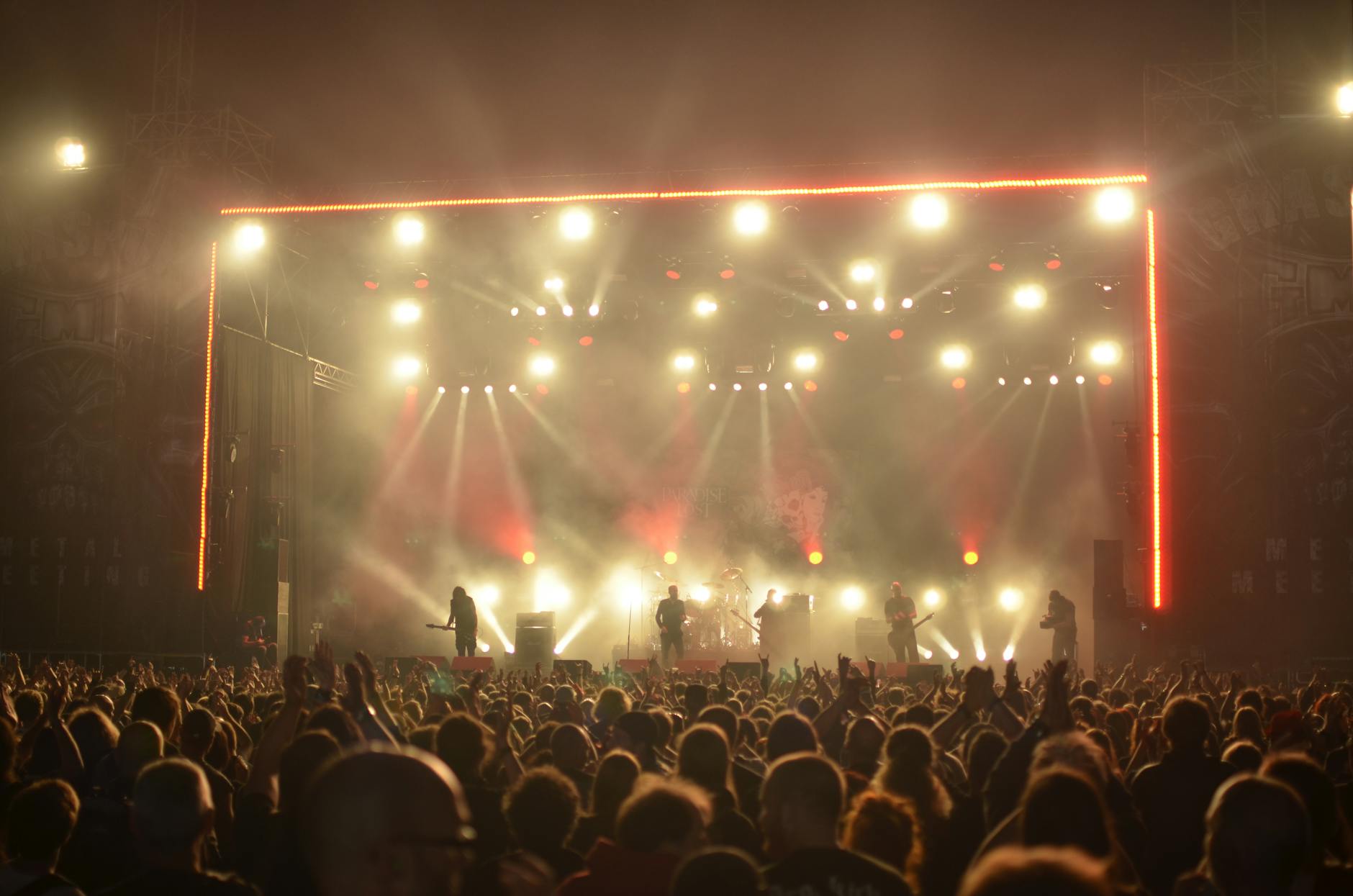
Piping Live!, the world’s biggest festival of piping, transforms George Square and the National Piping Centre each August. Running for a full week before the World Pipe Band Championships, the festival features concerts, recitals, workshops, and street performances that celebrate the Great Highland Bagpipe and its related traditions. The closing Saturday sees the World Pipe Band Championships in Glasgow Green, where over 200 pipe bands from around the globe compete — an unforgettable spectacle of sound and colour that draws tens of thousands of spectators. Entry to many Piping Live! street events is free, making it an accessible introduction to Scotland’s most iconic musical tradition and one of the most memorable Glasgow events of the summer.
Glasgow’s Merchant City Festival, typically held over a long weekend in late July or early August, turns the historic quarter into an open-air arts playground. Street theatre, live music stages, market stalls, fashion shows, and family-friendly activities fill the streets between the Gallery of Modern Art and the Trongate. The festival celebrates the creative energy of the Merchant City quarter — home to many of Glasgow’s independent galleries, boutiques, and cocktail bars. Many events are free, and the atmosphere at Glasgow events is wonderfully inclusive, reflecting Glasgow’s reputation as one of Scotland’s most welcoming cities.
Glasgow 2026 Commonwealth Games
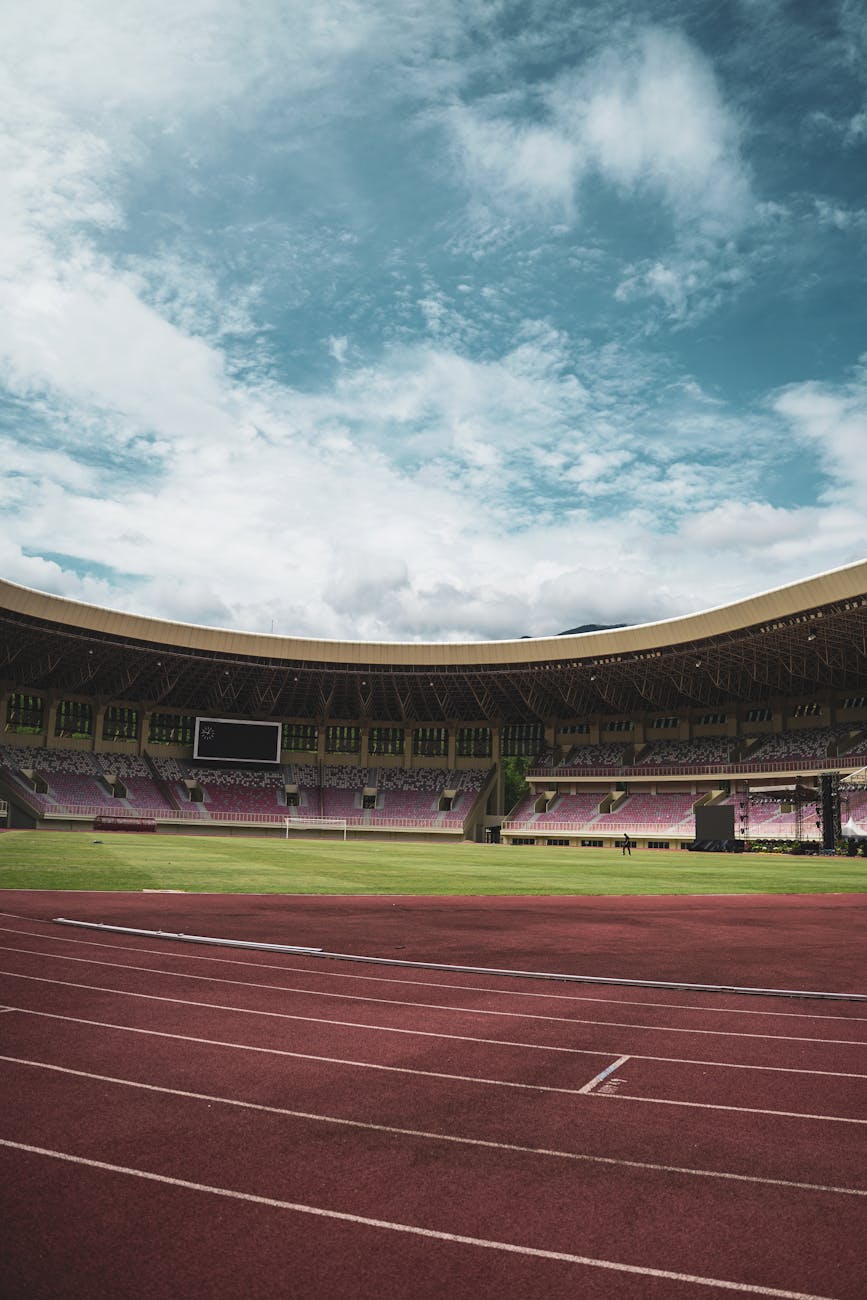
The biggest event on Glasgow’s 2026 calendar — and one of the biggest in the city’s history — is the return of the Commonwealth Games. Running from 23 July to 2 August, the Glasgow 2026 Games will welcome up to 3,000 athletes from 74 nations and territories competing across 10 sports and 6 Para sports in what promises to be the largest Para Sport Medal Event Programme in Commonwealth Games history.
Venues and Sports
The Games feature a compact venue plan centred on an eight-mile corridor across the city. Key venues include the OVO Hydro and SEC complex (gymnastics, weightlifting, boxing), Scotstoun Stadium (athletics, rugby sevens), Tollcross International Swimming Centre (swimming, Para swimming), and the Sir Chris Hoy Velodrome (track cycling). The compact layout means spectators can move between venues easily, and the city’s excellent public transport network will be supplemented by Games-specific services.
What It Means for Visitors
The Commonwealth Games will transform Glasgow during the 11-day period, with cultural programmes, live screenings, and festival atmosphere throughout the city. Accommodation will be in high demand — book early if you’re planning to visit during the Games. However, the Games also mean world-class sporting entertainment at relatively affordable prices compared to Olympic events, and the atmosphere in Glasgow during the 2014 Games was legendary — expect the same in 2026.
Autumn: September–November
Doors Open Days (September)
Part of a nationwide programme coordinated by the Scottish Civic Trust, Doors Open Days gives free access to buildings that are normally closed to the public or charge admission. In Glasgow, this means the chance to explore architectural treasures including private offices in the City Chambers, historic churches, Mackintosh buildings, studios, and industrial heritage sites. The programme runs over a weekend in September and is one of the best free events in the Glasgow calendar for architecture and history enthusiasts.
PITCH and Glasgow’s Hip-Hop Culture (September)
PITCH is Scotland’s international conference and festival of hip-hop and underground culture, running over three days in early September. It features live performances, DJ sets, panel discussions, film screenings, and workshops exploring the intersection of music, art, fashion, and social commentary. Glasgow has a vibrant hip-hop and electronic music community, and PITCH has become an important platform for showcasing Scottish and international talent.
Sonica Festival (September–October)
Glasgow’s biennial festival of audiovisual arts, Sonica returns for an 11-day run from late September into early October. The festival presents sound art, multimedia installations, and experimental performances in venues across the city, pushing the boundaries of what art and technology can achieve together. Past editions have featured immersive experiences in everything from churches to former factories.
Glasgow Whisky Festival (Autumn)
For whisky enthusiasts, Glasgow hosts several whisky events throughout the autumn, featuring tastings, masterclasses, and access to rare expressions from distilleries across Scotland. Combined with the city’s excellent whisky bars, autumn is the perfect season for exploring Scotland’s national drink.
Christmas & Hogmanay: December–January
Glasgow Christmas Markets
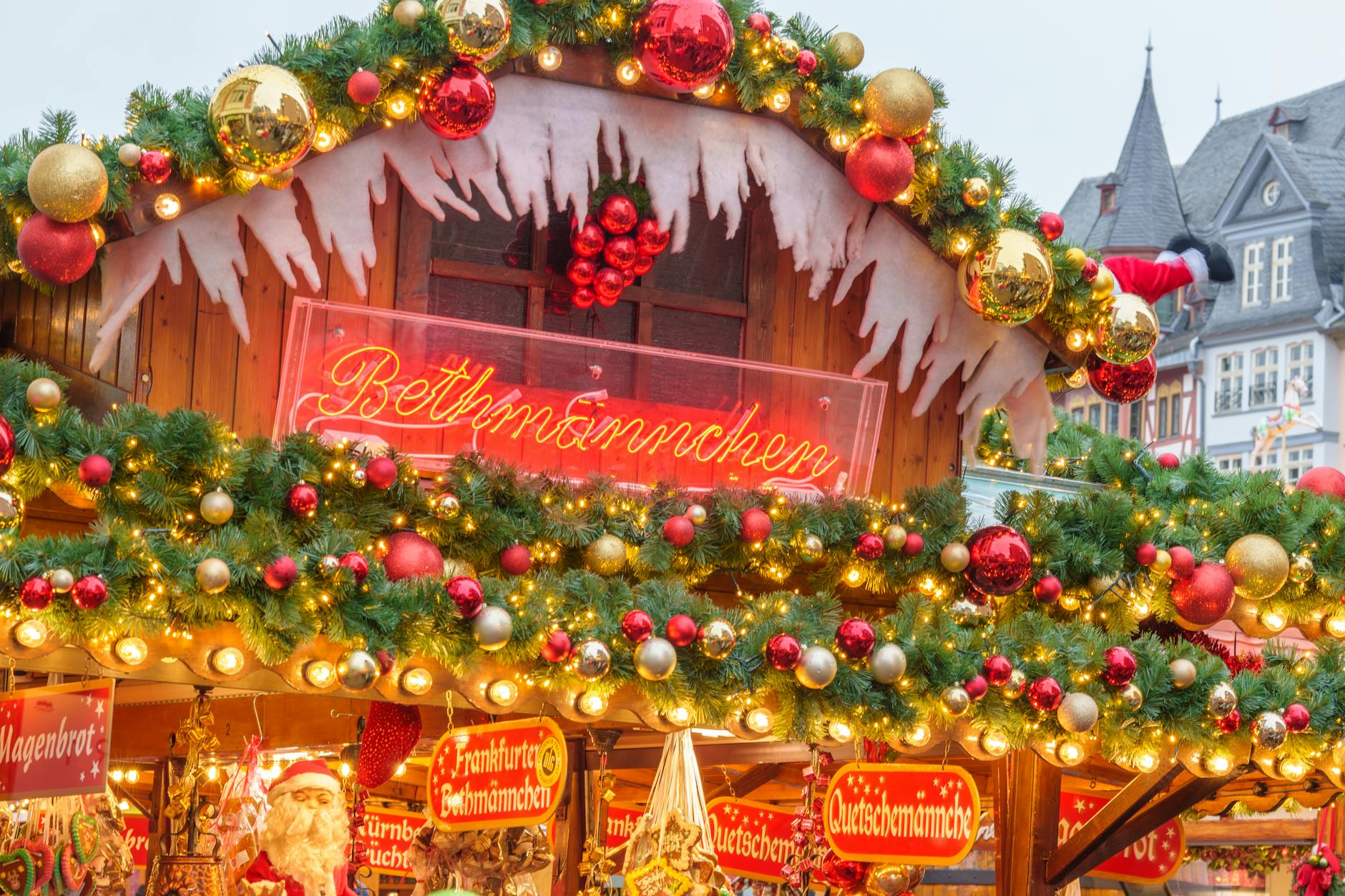
Glasgow’s Christmas celebrations begin in mid-November with the lights switch-on and the opening of the Christmas markets. In 2025/26, while George Square undergoes its major refurbishment, the main Christmas market and Winter Wonderland has relocated to Glasgow Green, featuring an ice rink, a 33-metre Ferris wheel, Victorian carousel, street food hub, festive bars, and children’s rides. St Enoch Square also hosts a Winter Wonderland with artisan market stalls and seasonal food and drink. The markets typically run from mid-November through early January.
Irn-Bru Carnival
Europe’s largest indoor funfair takes over the SEC Centre from late December through mid-January, offering rollercoasters, thrill rides, family attractions, and food stalls under one enormous roof. Named after Scotland’s beloved orange fizzy drink, the Irn-Bru Carnival is a Glasgow institution and a highlight of the festive calendar, particularly for families. Advance booking offers discounted tickets.
Hogmanay: Glasgow’s New Year
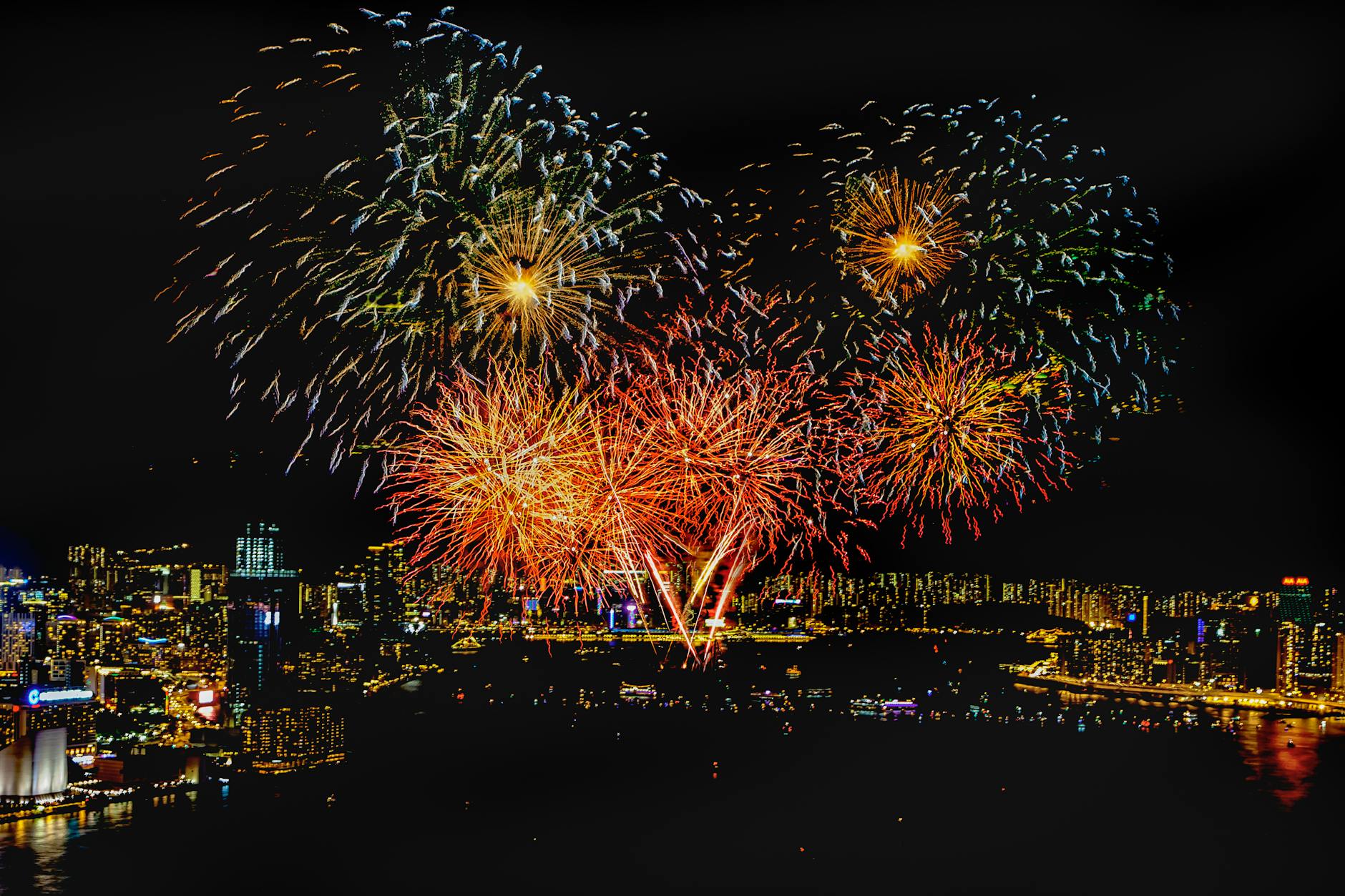
Hogmanay — Scotland’s world-famous New Year’s Eve celebration — is one of the defining experiences of the Scottish calendar, and Glasgow celebrates with characteristic energy. George Square (or an alternative location during refurbishment) hosts the main Hogmanay street party with live music, DJs, and a midnight fireworks display. Across the city, pubs, restaurants, and nightlife venues host their own Hogmanay events, from traditional ceilidh dancing to ticketed gala dinners. Many Scots celebrate with ‘first-footing’ — visiting friends and neighbours after midnight with gifts of coal, shortbread, and whisky. The atmosphere across the city is electric, and Glasgow’s Hogmanay is widely considered the best New Year’s celebration in the UK outside Edinburgh.
Glasgow’s Iconic Music Venues
No guide to Glasgow events calendar would be complete without mentioning the venues that make the city a world-class live music destination. Glasgow was designated a UNESCO City of Music in 2008, and the quality and variety of its venues is a major reason why.
Barrowland Ballroom — Widely regarded as the best live music venue in the UK, the ‘Barras’ is a converted 1930s dance hall in the East End with a legendary neon sign, sprung wooden dance floor, and famously electric atmosphere. Capacity 1,900. Artists regularly cite it as their favourite venue in the world. King Tut’s Wah Wah Hut — Britain’s most famous small venue, where Oasis were discovered in 1993. Capacity 300. The place to catch tomorrow’s headliners tonight. OVO Hydro — One of the world’s busiest arenas (capacity 14,300), regularly ranking in the global top five for ticket sales. Every major touring act plays here. SEC Armadillo — The distinctive shell-shaped conference and entertainment venue (capacity 3,000) hosts comedy, music, and spoken word events. SWG3 — A converted warehouse complex in Finnieston that has become one of Glasgow’s most exciting mid-size venues, hosting live music, club nights, art exhibitions, and food events.
Other essential venues include the Royal Concert Hall (classical and Celtic Connections), the Old Fruitmarket (atmospheric vaulted space beneath the City Halls), Saint Luke’s (converted church), and Óran Mór (a West End landmark that combines a bar, restaurant, and music venue in a converted church with stunning murals by Alasdair Gray).
Booking Tips & Practical Advice
When to Book
Major festivals and outdoor concerts sell out weeks or months in advance. TRNSMT tickets typically go on sale in late autumn for the following June and sell fast. Celtic Connections publishes its programme in late November with tickets going on sale shortly after — book popular headliners immediately. Commonwealth Games tickets will be in extremely high demand. For smaller festivals and individual gigs, booking a week or two ahead is usually sufficient, though headline shows at Barrowland and King Tut’s can sell out quickly.
Accommodation During Major Events
Hotel prices rise significantly during TRNSMT, the Commonwealth Games, and major Hampden/Bellahouston concerts. Book accommodation early for these periods — ideally three to six months ahead for the Commonwealth Games. The West End and city centre are the best bases for accessing most festival venues.
Getting to Events
Glasgow’s public transport network handles event traffic well. The subway runs extended hours during some major events. Glasgow Green (TRNSMT, Christmas markets) is walkable from the city centre. The SEC complex (Hydro, Armadillo) is served by Exhibition Centre station on the suburban rail line. Scotstoun Stadium and Tollcross are both on bus routes. For late-night events, taxis and Uber are widely available, though expect longer waits after major concerts.
Month-by-Month Quick Reference
January: Celtic Connections winter music festival. February: Glasgow Film Festival; Burns Night celebrations (25 January, often extending into early February events). March: Glasgow International Comedy Festival. April: Glasgow Coffee Festival; Easter events. May: Tectonics experimental music festival; Glasgow International (biennial). June: West End Festival; TRNSMT at Glasgow Green. July: WOMAD Glasgow; Glasgow Mela; Merchant City Festival; Commonwealth Games (2026). August: Merchant City Festival continues; Piping Live; summer outdoor concerts. September: Doors Open Days; PITCH hip-hop festival; Sonica (biennial). October: Glasgow Whisky Festival; autumn cultural programming. November: Christmas lights switch-on; markets open. December: Christmas markets; Irn-Bru Carnival; Hogmanay New Year celebrations.
Frequently Asked Questions
What is Glasgow’s biggest festival?
In terms of scale and attendance, TRNSMT (50,000 fans per day over three days in June) and Celtic Connections (over 300 events across 25+ venues in January–February) are Glasgow’s largest annual festivals. In 2026, the Commonwealth Games (23 July – 2 August) will be the single biggest event, drawing athletes from 74 nations and thousands of spectators.
Is Celtic Connections worth visiting?
Celtic Connections is one of the UK’s most rewarding music festivals. Its range — from intimate sessions to arena concerts, folk to jazz to electronic — means there’s something for every taste. The winter timing also means quieter tourist crowds and lower hotel prices compared to summer. Many musicians consider it one of the best-curated festivals in the world.
When is the best time to visit Glasgow for festivals?
June is arguably the best month, with TRNSMT, the West End Festival, and the start of the outdoor concert season. January–February offers Celtic Connections and the Film Festival if you don’t mind winter weather. July 2026 will be exceptional with the Commonwealth Games plus WOMAD and Glasgow Mela. December delivers the full festive experience with Christmas markets and Hogmanay.
How do I get tickets for the Commonwealth Games?
Tickets for the Glasgow 2026 Commonwealth Games are available through the official glasgow2026.com website. Demand is expected to be very high, so register for ticket alerts early. Prices are typically more affordable than Olympic events, with sessions starting from around £15–20 for preliminary rounds.
What is Hogmanay?
Hogmanay is the Scots word for the last day of the year — New Year’s Eve. In Scotland, Hogmanay is a much bigger celebration than Christmas traditionally was, with street parties, fireworks, live music, ceilidh dancing, and the tradition of first-footing (visiting neighbours after midnight). Glasgow’s Hogmanay celebrations rival Edinburgh’s and feature a more authentically local atmosphere.
Are there free events in Glasgow?
Many of Glasgow’s festivals include free events. The West End Festival opening parade, Glasgow Mela, and Doors Open Days are entirely free. Celtic Connections and the Comedy Festival both feature free events alongside ticketed shows. The Merchant City Festival has extensive free street entertainment. George Square events, Christmas markets entry, and Hogmanay street celebrations are typically free.
What are the best music venues in Glasgow?
Barrowland Ballroom is universally regarded as the best — it’s been voted the UK’s best live venue multiple times. King Tut’s is legendary for intimate gigs. The OVO Hydro is world-class for arena shows. SWG3, Saint Luke’s, and the Old Fruitmarket offer outstanding mid-size experiences. See our nightlife guide for more.
Is Glasgow good for live music?
Glasgow is one of the best cities in the world for live music. It was designated a UNESCO City of Music in 2008 and has produced artists from Simple Minds and Franz Ferdinand to Chvrches and Lewis Capaldi. On any given night, you can find everything from classical concerts at the Royal Concert Hall to indie bands at King Tut’s to electronic music at SWG3. The density and quality of venues is extraordinary for a city of Glasgow’s size.
Glasgow Events: Scotland’s Festival City
From the depths of January when Celtic Connections warms the city with world-class music, through the electric summer nights of TRNSMT and the once-in-a-generation excitement of the Commonwealth Games, to the twinkling magic of the Christmas markets and the joyful chaos of Hogmanay, Glasgow’s events calendar is relentless, diverse, and deeply characterful. This is a city where culture isn’t something that happens to you — it’s something you’re invited to join.
Pair your festival experience with Glasgow’s extraordinary food scene, world-class museums, rich history, and stunning day trips, and you’ll understand why Glasgow isn’t just Scotland’s biggest city — it’s its most exciting.