The Glasgow Subway is the third-oldest underground railway in the world — and it’s also the most useful piece of public transport in the city for tourists. The orange single circular line connects 15 stations on either side of the River Clyde, runs every 4–8 minutes, and a single fare costs less than a coffee.
This is a complete 2026 guide to the Glasgow Subway: every station that matters for tourists, ticket types, opening hours, the best Subway tickets for short visits and the local nickname Glaswegians actually use.
Glasgow Subway at a glance
Operator: Strathclyde Partnership for Transport (SPT). Stations: 15. Route: single circular line, both directions. Frequency: every 4–8 minutes peak, 8–12 minutes off-peak. Fares: from £1.80 single. Opening hours (2026): Mon–Sat 6.30am–11.40pm; Sunday 10am–6.10pm. Nickname: the “Clockwork Orange” (locals usually just say “the Subway”).
Three quick things make the Subway easy to love. It opened in 1896, which makes it the third-oldest underground railway in the world after London and Budapest, and the only underground in Scotland. It is a single circular loop of fifteen stations — about six and a half miles around — with an Inner Circle running one way and an Outer Circle the other, so you genuinely cannot end up on the wrong branch because there are no branches. After a long modernisation it now runs new, walk-through trains. The system earned the nickname the “Clockwork Orange” for its bright orange livery and simple round-and-round design.
The “Clockwork Orange” — what’s the nickname about?
The Subway has been called the “Clockwork Orange” since the 1970s after the bright-orange paint job applied to the carriages during the line’s modernisation. Locals will sometimes use the nickname jokingly but usually just say “the Subway” — call it that and you’ll fit in. The orange paint actually has a different name with the operator (Strathclyde PTE Red), as “orange” carries some unwelcome sectarian connotations in Glasgow football culture.
The nickname dates from the system’s big 1970s modernisation, when the old Victorian cars were replaced and the whole network was painted a bright, unmistakable orange — that, plus the simple round-and-round design, made ‘the Clockwork Orange’ stick. Mechanically it couldn’t be simpler: two tracks running in a continuous circle, the Outer Circle going one way and the Inner Circle the other. After a recent overhaul it now runs new, walk-through trains, but the charm of the toy-town scale is entirely intact.
The 15 stations and what they’re for
The Subway is a single line that runs as two directions: Outer Circle (clockwise) and Inner Circle (anti-clockwise). All 15 stations are stops on both directions — you can travel either way to get anywhere on the line. A full loop takes about 25 minutes.
Here’s what each station unlocks for visitors, going clockwise from the city centre.
City centre
- St Enoch — Argyle Street shopping, the SEC and the Style Mile from here.
- Buchanan Street — the busiest station; Buchanan Street, George Square, Queen Street rail station.
- Cowcaddens — for the Theatre Royal, the Royal Conservatoire, Glasgow Caledonian University.
- St George’s Cross — interchange for buses to north Glasgow.
West End (most-visited stations for tourists)
- Kelvinbridge — northern entrance to Kelvingrove Park, the Botanic Gardens (10-minute walk).
- Hillhead — Byres Road, Ashton Lane, Glasgow University, the West End restaurants.
- Kelvinhall — closest station to the Kelvingrove Art Gallery and Museum.
- Partick — interchange to ScotRail trains (e.g. for Pollokshaws West / the Burrell Collection); Partick Library and the Riverside Museum (15-min walk).
Southside
- Govan — the Govan Stones, BAE Systems shipyards, transport museum (across the river).
- Ibrox — Rangers FC’s home stadium.
- Cessnock — quiet residential.
- Kinning Park — the SEC again, southside Festival Park.
- Shields Road — Pollok Country Park / Burrell Collection (with a 15-min walk).
- West Street — Tradeston, riverside walks, less tourist-relevant.
- Bridge Street — south end of the city centre, walk to St Enoch in 5 minutes.
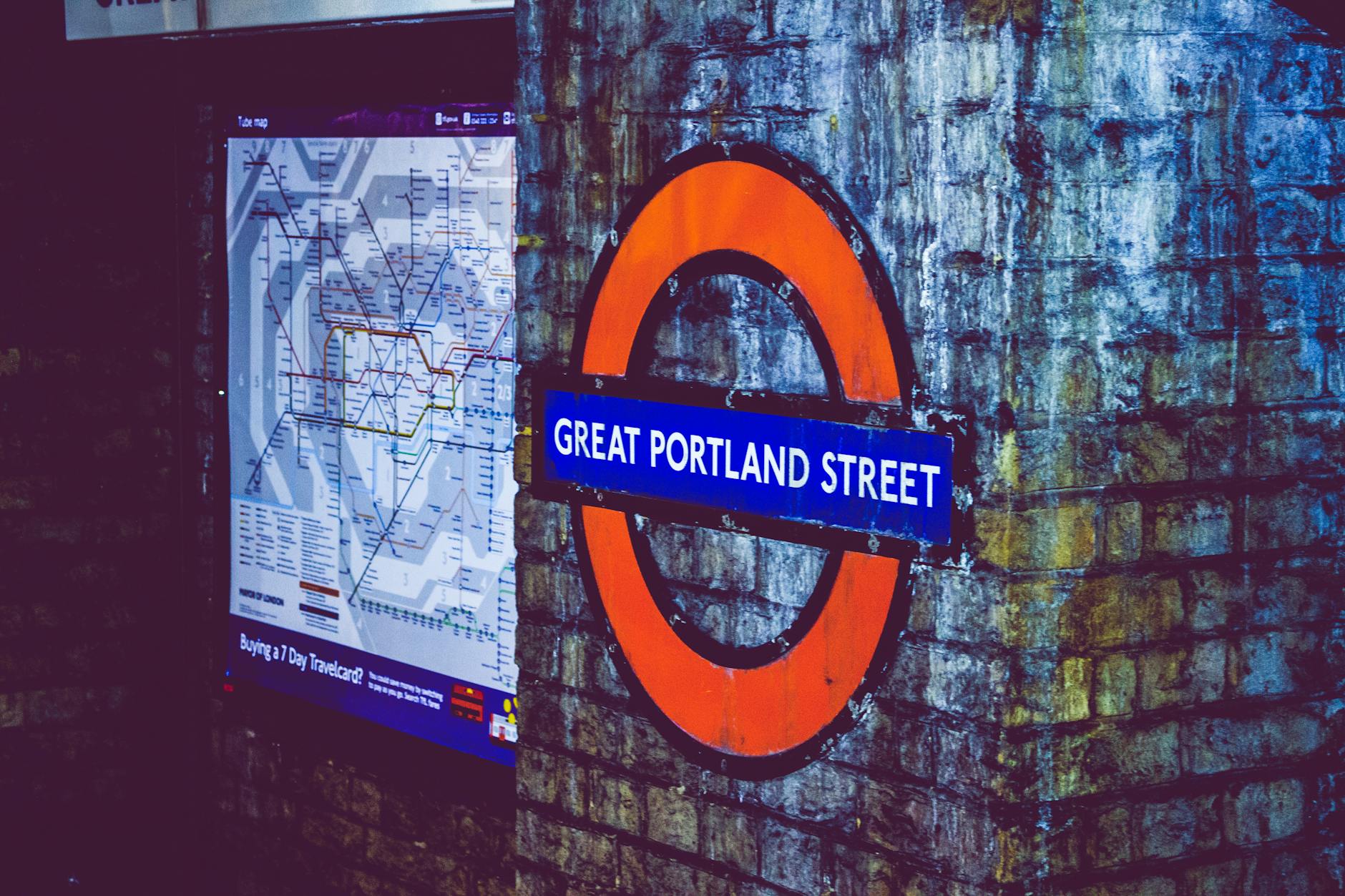
You only need to remember a handful of stops as a visitor:
- Buchanan Street — the city-centre hub, linked underground to Queen Street rail for trains to Edinburgh and the Highlands.
- St Enoch — the bottom of the main shopping streets (Argyle Street, the St Enoch Centre, Buchanan Street).
- Hillhead — the heart of the West End: Byres Road, Ashton Lane, the Botanic Gardens and the University.
- Kelvinhall — the closest stop to Kelvingrove Art Gallery and Museum.
- Cowcaddens — for the Theatre Royal and the north of the centre.
- Partick — a rail-and-Subway interchange and the jumping-off point for the Riverside Museum.
A few more stops earn their keep depending on your plans: Cowcaddens for the Theatre Royal and the northern edge of the centre, Bridge Street and West Street for the near Southside, and Govan, from which a short bus or the footbridge reaches the Riverside Museum across the water. Keep the line map handy for the first day and you’ll have the whole loop memorised by the second.
How to buy a Glasgow Subway ticket
You have three options:
1. Paper ticket from the station machine
Every station has a self-service ticket machine accepting card, contactless, Apple Pay and cash. Touch screen, English-friendly. Single £1.80 / day £4.30 / weekly £15.
2. Smartcard
SPT sells a £5 reusable Smartcard at every station. Top it up online or at machines. Smartcard fares are slightly cheaper than paper tickets and the daily cap (£4 vs £4.30 paper) is fractionally lower. Worth it for stays of two days or longer.
3. SPT app
Download SPT Subway app (Apple/Android), create an account and buy mobile tickets. Display the QR code at the gate. Useful for visitors who don’t want to fish for cash.
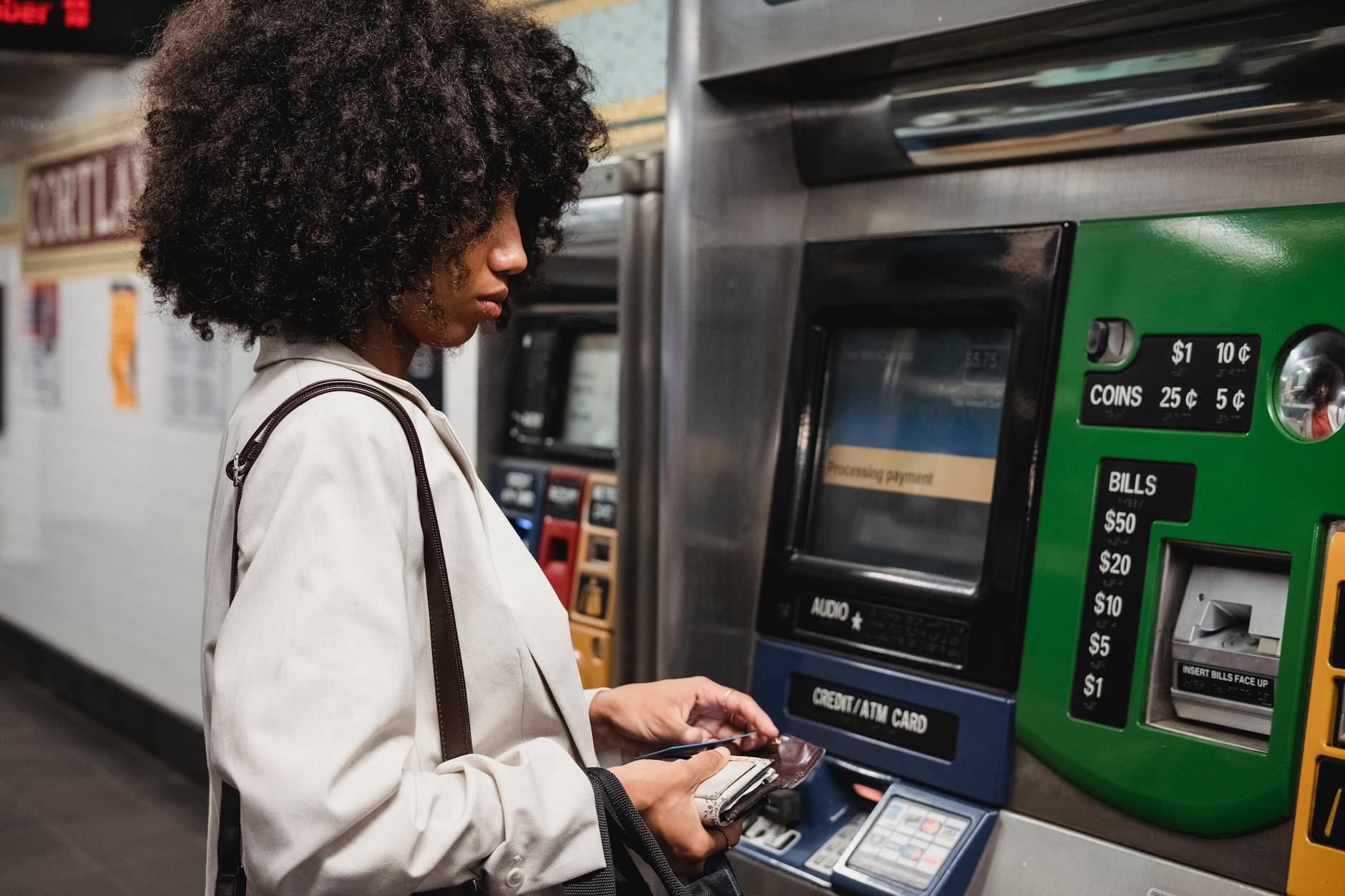
Paying is quick. Every station has ticket machines and gatelines, and you can buy a single, a return or the all-day ticket on the spot; contactless tap-in is being rolled out, and there’s a reloadable smartcard for regular use. For a day of sightseeing, the all-day ticket is almost always the right buy — it pays for itself in three journeys and frees you to hop on and off without thinking about the fare each time.
Glasgow Subway fares (2026)
| Ticket | Adult | Concession (5–15) |
|---|---|---|
| Single | £1.80 | £0.90 |
| Return | £3.20 | £1.60 |
| All-day ticket | £4.30 (paper) / £4.00 (Smartcard) | £2.10 |
| Weekly | £15.00 | £7.50 |
| Discovery Ticket (1 day, off-peak) | £4.30 | — |
Children under 5 travel free. Concession passes are available for the over-60s and registered disabled travellers (Scottish residents only).
Fares are flat — you pay the same for one stop or ten — and they are cheap by big-city standards. As a guide for 2026:
- A single adult journey is around £1.80.
- An all-day ticket (around £4.40) pays for itself in three journeys and is the right buy for a day of hopping between attractions.
- Contactless and the reloadable smart card are accepted at every gateline; under-5s travel free and children’s and concession fares are discounted.
- Prices are set by SPT and reviewed periodically, so check spt.co.uk for the exact figure on the day.
Subway opening hours
Monday–Saturday: 6.30am – 11.40pm (last full circle around 11.30pm). Sunday: 10.00am – 6.10pm — short Sundays are the historic quirk of the system, originally because of religious sabbath observance, and they’re still in place today. Plan accordingly: a Saturday night out works on the Subway, a Sunday-evening dinner doesn’t.
The Subway runs roughly 06:30 to 23:40 Monday to Saturday and a shorter 10:00 to 18:10 on Sundays, with trains every four to eight minutes — frequent enough that you never need a timetable. Two things to plan around: there is no late-night service, so it will not get you home from a 1am gig, and there is no Subway link to Glasgow Airport — for that you want the airport bus or a train from Paisley.
How to use the Subway as a tourist
The Subway is the fastest way to get to the West End from anywhere in central Glasgow. Coming from Glasgow Airport (no Subway station — bus 500 to Buchanan Bus Station, then walk). From Glasgow Central rail station, the closest Subway station is St Enoch, 5 minutes’ walk. From Queen Street rail station, Buchanan Street Subway is 2 minutes.
Most tourist itineraries use the Subway to hop between three areas: city centre (Buchanan Street / St Enoch), the West End (Hillhead / Kelvinhall) and the south side (Shields Road for Pollok). All three areas are reachable on a £4.30 day ticket.
The one trick worth knowing is which way round to go. Because it’s a loop, both directions reach every station — but one way is quicker for your stop, so glance at the line map and pick Inner or Outer accordingly (a full circuit takes about 24 minutes, so you’re never far off either way). Treat it as a hop-on-hop-off for the western half of the city: Buchanan Street and St Enoch for the centre and shopping, then Kelvinhall and Hillhead for the museums, Byres Road and the Botanics.
The other joy is the frequency: trains run every four to eight minutes, so you never need a timetable — you just turn up and one arrives. Because the whole loop is so compact, you’re rarely more than about twelve minutes from any station on it, which makes a museum-and-shopping day around the centre and West End genuinely effortless. Stand on the platform, hop on the next train going your way, and don’t overthink it.
Subway accessibility
The Subway is the historic weak point of Glasgow’s public transport on accessibility. Of the 15 stations, only some have step-free access between the surface and the platforms. Trains have low floors but station entry is the issue. SPT has been retrofitting lifts station-by-station; check the SPT website for the current accessible-stations list. Step-free Subway stations (as of 2026 plans) include Hillhead, Govan and Kelvinhall.
One honest caveat: the Subway is not fully step-free. Many of the small Victorian stations have stairs and only limited lift access, so wheelchair users and anyone with a buggy or heavy luggage should check which stations are accessible before relying on it — the ongoing modernisation is improving things, but it isn’t there yet. Where a station doesn’t work for you, the city’s low-floor buses are often the better bet.
Subway sub-crawls
Glaswegians (especially students) have a tradition of the “Sub Crawl” — a pint in a pub near every Subway station, anti-clockwise around the loop, in a single day. Don’t try this on a first visit; the bigger lesson is that there’s a good pub near every station. See our traditional Glasgow pubs guide for the curated list.
You may hear about the Subcrawl — the Glasgow rite of passage of having a drink in a pub near each of the fifteen stations in a single loop. It’s enormous fun and deeply local, but it is also fifteen pubs, so the wise pace themselves, eat along the way, and treat finishing as optional. Even doing a handful of stops is a brilliant, low-cost way to see neighbourhoods most visitors never reach.
If a full fifteen-pub Subcrawl sounds like a lot (it is), do a mini version: pick three or four stops on the western arc — say Hillhead, Kelvinhall and Partick — and have one drink near each. You get the spirit of the thing, see a few neighbourhoods, and still remember the night. It’s one of the most enjoyable cheap days out the city offers.
Glasgow Subway vs trains and buses
The Subway is best for the West End and city centre loop. ScotRail trains are better for the suburbs (Pollokshaws West, Partick, Glasgow Central to Edinburgh) and use Glasgow Central / Queen Street as their hubs. First Bus runs the most comprehensive network across the whole city — single fare £2.20, day pass £5. The Subway, train and bus systems are not on a single integrated ticket — each requires its own purchase.
Knowing which network to use saves real time. The Subway is unbeatable for quick hops around the central and West End loop; the trains are your tool for the suburbs and day trips (Edinburgh, Loch Lomond, the coast); and the buses reach everywhere the other two don’t, including much of the Southside and East End. Most visitors end up using a mix — see our full getting around Glasgow guide for how they fit together.
If there’s one interchange to remember, it’s Partick, where the Subway, the suburban trains and a busy bus hub all meet under one roof — it’s the natural pivot point between the central loop and the wider rail network, and the jumping-off point for the Riverside. Get comfortable with Partick and the whole west of the city opens up.
Common Subway mistakes by tourists
- Tapping in twice on the same trip — once you’re inside the gates, you can ride as long as you want.
- Standing on the wrong platform — both Inner and Outer circle trains arrive at every station; check the screen for next-train direction.
- Trying to use it on Sunday evening — last train is 6.10pm Sunday.
- Assuming buses cost the same — they don’t; Subway is flat-fare, buses are by route.
A few things catch tourists out:
- Expecting it to reach Glasgow Airport — it doesn’t; use the airport bus or a train from Paisley.
- Assuming it covers the whole city — it’s a small central loop, so the East End and much of the Southside need a bus or train.
- Forgetting the early close (about 11:40pm, ~6pm on Sundays) and getting stranded after a night out.
- Riding the long way round the circle when the other direction is two stops.
FAQs
How much is a single Subway journey in Glasgow?
£1.80 for adults; £0.90 for children 5–15. A day ticket is £4.30 (paper) or £4.00 (Smartcard).
What time does the Glasgow Subway close?
Monday–Saturday: last train around 11.30pm. Sunday: last train 6.10pm.
Is the Glasgow Subway 24 hours?
No — it closes overnight. There is no overnight Subway service.
Can you use Apple Pay on the Glasgow Subway?
Yes — at all ticket machines and through the SPT mobile app. Direct contactless tap-on at the gates is being phased in but isn’t fully available across the network yet.
How long does a full Subway loop take?
About 25 minutes for a full 15-station circuit in either direction.
Is the Subway connected to Glasgow Airport?
No — the Subway doesn’t reach the airport. The Glasgow Airport Express (bus 500) runs from the airport to Buchanan Bus Station; from there, walk to Buchanan Street Subway. See our Glasgow Airport to city centre guide for all options.
Plan more of your Glasgow transport
This article is part of our wider getting to and around Glasgow guide, which covers buses, trains, taxis, Uber, walking and cycling routes.