This article contains advertising. Our booking links are routed through a partner that adds commission tracking automatically, so if you book through one we earn a commission from the provider, at no extra cost to you. It never affects what we recommend. Affiliate disclosure
The honest answer is that there is no single “best” time to visit Glasgow — every month has a personality, and the right one for you depends on whether you care more about weather, festivals, prices, daylight or crowds.
Glasgow’s oceanic climate keeps temperatures mild but the city’s character changes dramatically through the year: the long blue evenings of midsummer feel nothing like the cosy candlelit pubs of January. This complete month-by-month guide tells you exactly what to expect for the best time to visit Glasgow — average temperatures, daylight hours, rainfall, festivals, hotel prices and the kind of trip each month suits.
Quick recommendations: which month to choose
Best overall (good weather, manageable crowds, lots open): May, June and September.
Best for festivals and long days: July and August.
Best for cheap hotels and a moody atmosphere: January, February and November.
Best for budget and shoulder weather: April and October.
Best for Christmas markets and Hogmanay: December.
If you want the short version: come in May or June for the best balance of mild, brighter weather and very long days — up to 17 hours of light in midsummer. Come in July or August for the city at its liveliest, but expect the highest prices and crowds, especially around the Commonwealth Games (23 July–2 August 2026) and the TRNSMT festival. Come in December for Christmas markets and lights, and in January to March for the lowest prices and the quietest streets.
Glasgow weather at a glance
Glasgow has an oceanic climate with cool summers and mild, damp winters. Maximum average temperatures peak around 16.8°C (62°F) in July and dip to a January low of about 1.4°C (34.5°F). Annual rainfall is 1,370mm — January is the wettest single month, May the driest. Daylight swings dramatically: 16.9 hours in midsummer, just 7.1 hours at the winter solstice. No matter when you visit, pack a waterproof jacket — it really can rain in any month.
January in Glasgow
Average temperature: 1.4°C – 6.9°C (35°F – 44°F). Average rainfall: 130mm. Daylight: 7–8 hours. Crowds: very light. Hotel prices: rock bottom (often half summer rates).
January is genuinely the cheapest month to visit Glasgow. Hotels and flights are at their lowest, restaurants run January menus, and museums are blissfully quiet. The trade-off is short daylight (sunrise around 8:45am, sunset 3:45pm) and a damp chill that locals describe as “boney.” It’s a great month for indoor culture: the free Glasgow museums, whisky bars, and the Celtic Connections folk festival which runs across the second half of January. Bring waterproof shoes — gritted pavements turn wet on rainy days.
February in Glasgow
Average temperature: 1.8°C – 7.2°C (35°F – 45°F). Daylight: 9–10 hours by month-end. Crowds: light.
February is similar to January but with noticeably more daylight by month-end. The Glasgow Film Festival takes over independent cinemas in the last week. Valentine’s Day fills the city’s restaurants — book ahead. Snowdrops appear in Glasgow’s parks by mid-month. A fine choice for couples who want cosy pubs and museum days without crowds.
March in Glasgow
Average temperature: 3.0°C – 9.6°C (37°F – 49°F). Daylight: 11–12 hours by month-end. Crowds: light to moderate.
March is the start of spring and the city wakes up: daffodils flood the parks, the clocks spring forward at the end of the month and suddenly there’s daylight until 7pm. The Glasgow International Comedy Festival (mid-March to early April) is the world’s third-largest comedy festival and packs venues across the city. St Patrick’s Day (17 March) is a big deal in Glasgow because of the city’s strong Irish heritage. A great month if you want spring-shoulder prices and just enough daylight to enjoy the West End.
April in Glasgow
Average temperature: 4.4°C – 12.0°C (40°F – 54°F). Daylight: 13–14 hours by month-end. Crowds: moderate.
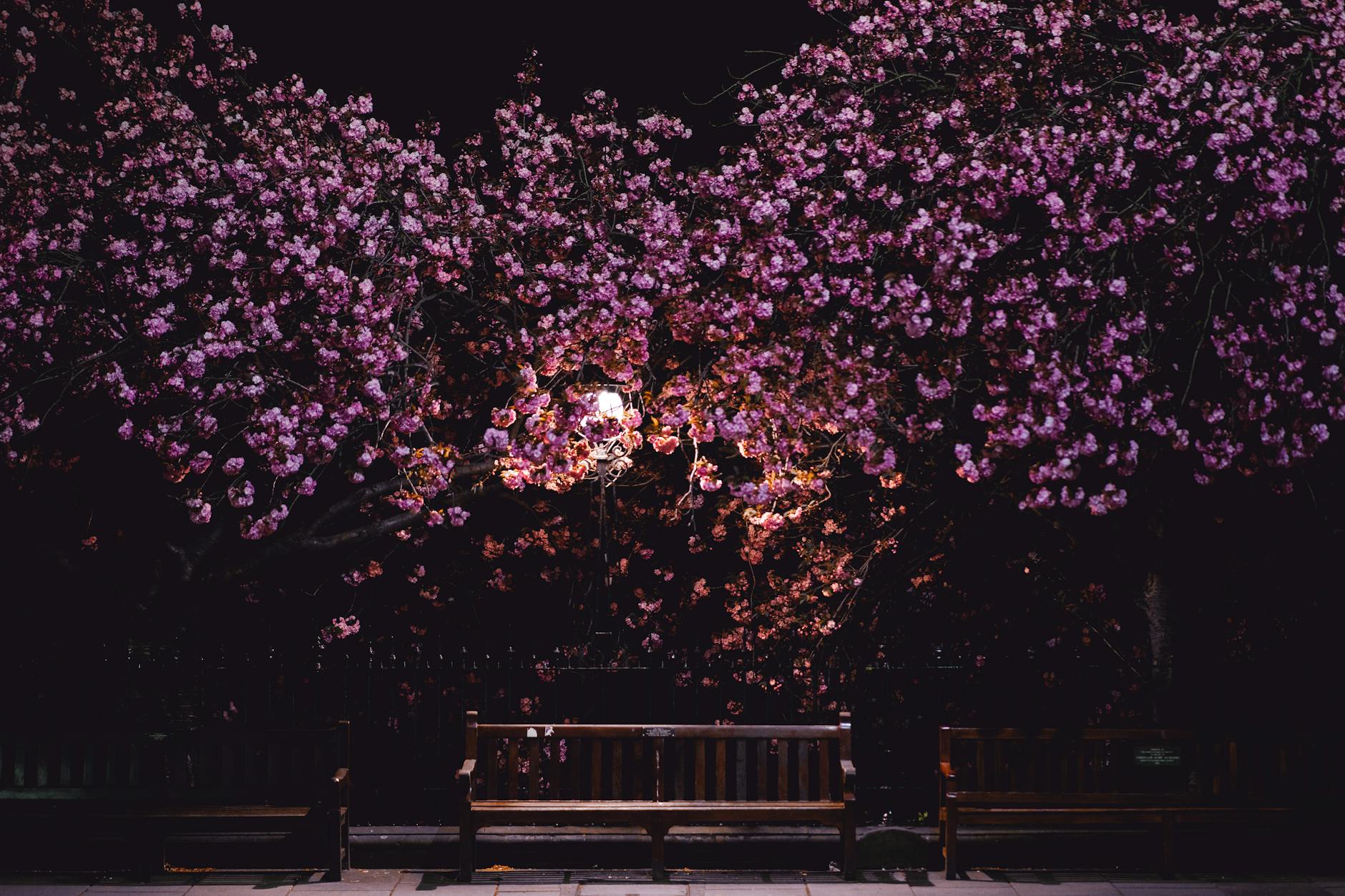
April balances mild-ish weather, long-ish days and pre-summer prices better than almost any other month — a strong contender for “best time to visit Glasgow” if you want gardens at their freshest and the museums uncrowded. Cherry blossom in Kelvingrove Park usually peaks mid-April. Easter weekend brings British school holidays and a brief spike in family travel. Pack layers — sunny mornings can still flip to a hailstone afternoon.
May in Glasgow
Average temperature: 7.3°C – 15.4°C (45°F – 60°F). Average rainfall: 70mm (driest month). Daylight: 15–17 hours. Crowds: moderate. Hotel prices: rising.
Many regular visitors call May Glasgow’s perfect month. It’s the city’s driest month statistically, daylight stretches past 9pm by month-end, the parks are dressed in May blossom and the temperature is comfortable for a walk along the River Clyde. The May Bank Holidays bring a couple of festival weekends and the West End Festival kicks off (running into June) with parades, music and street parties along Byres Road. Strong pick for first-time visitors.
June in Glasgow
Average temperature: 10.0°C – 17.7°C (50°F – 64°F). Daylight: 16–17 hours. Crowds: high. Hotel prices: high.
June marks the start of true Scottish summer. The summer solstice (around 21 June) gives Glasgow nearly 17.5 hours of daylight — the sun rises at 4:30am and barely sets before 10:15pm. The TRNSMT music festival on Glasgow Green takes over a long weekend in early July, and lead-up gigs fill the city in late June. The Glasgow Mela South Asian festival is also typically held in June. Expect peak hotel prices — book at least 6 weeks ahead.
July in Glasgow
Average temperature: 11.6°C – 18.6°C (53°F – 65°F). Daylight: 16–17 hours. Crowds: very high. Hotel prices: peak.
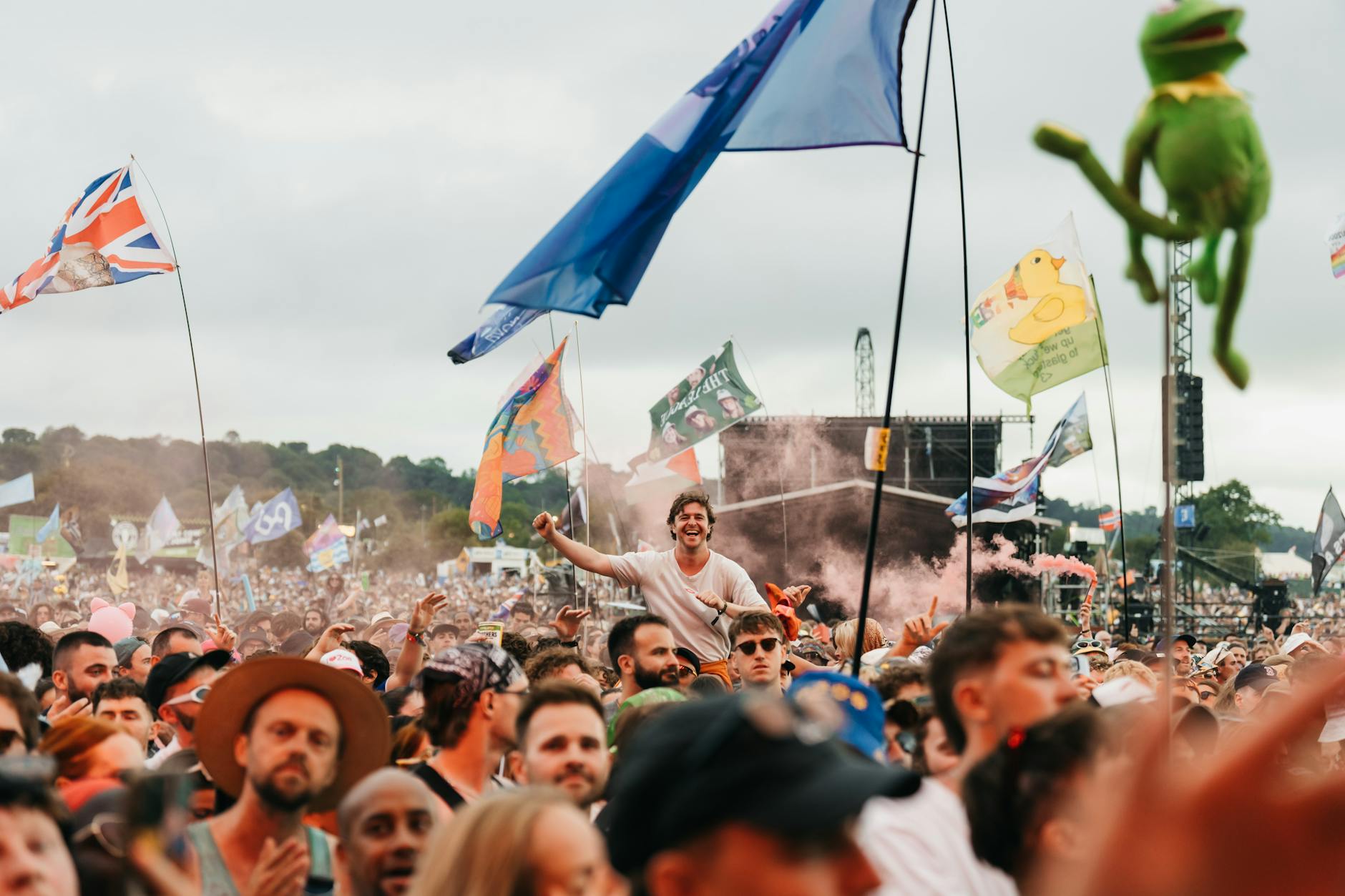
July is Glasgow’s warmest and most festive month. Summer Nights at the Bandstand in Kelvingrove Park runs through July and August, the Glasgow International Jazz Festival fills the Old Fruitmarket, the West End Festival rolls into early July, and TRNSMT brings 50,000 people to Glasgow Green for three days of headliners. Glasgow is hosting the 2026 Commonwealth Games — the centre will be especially busy this July. Book very early. Be aware: midges can be a nuisance on day trips into the Highlands but are not really a problem in central Glasgow.
August in Glasgow
Average temperature: 11.4°C – 18.3°C (53°F – 65°F). Daylight: 14–16 hours. Crowds: very high.
August is similar to July but with noticeable rain rebound and the start of school term in late August (Scottish schools return earlier than England). The Edinburgh Festival just up the road draws international travellers, many of whom stay in Glasgow because Edinburgh hotel prices skyrocket — Glasgow accommodation also peaks. The Piping Live! festival fills the city with bagpipers in the run-up to the World Pipe Band Championships, held on Glasgow Green in mid-August. Plenty of festival-goers base themselves here and take the 50-minute train through, so it is worth reading how Glasgow and Edinburgh compare on cost, size and atmosphere before you pick a base.
September in Glasgow
Average temperature: 9.5°C – 16.0°C (49°F – 61°F). Daylight: 12–14 hours. Crowds: moderate. Hotel prices: falling.
September is widely considered the best month for first-time visitors who don’t have to travel during summer holidays. Daylight is still generous, the rain isn’t yet at its winter peak, and the prices have eased. Doors Open Days run on the first weekend of September — historic buildings and private homes across the city open free to the public. Highland day trips look spectacular as the heather blooms.
October in Glasgow
Average temperature: 6.6°C – 12.4°C (44°F – 54°F). Daylight: 10–12 hours. Crowds: moderate, dropping. Hotel prices: shoulder rates.
October brings the famous Scottish autumn — by mid-October the trees in Pollok Country Park, Kelvingrove Park and along the Clyde Walkway are full crimson and gold. Halloween (which started as the Celtic festival of Samhain) is celebrated heavily in Glasgow, with witch-themed walking tours, late-night Necropolis tours and pub events. Hotel rates dip after the schools’ October break (mid-month).
November in Glasgow
Average temperature: 3.6°C – 8.5°C (38°F – 47°F). Daylight: 8–10 hours. Crowds: light.
November is shoulder-low season. The clocks fall back at the end of October so by November sunset is around 4pm. The Glasgow Christmas Market opens at George Square in mid-November and the Style Mile lights are switched on. Bonfire Night (5 November) sees fireworks at Glasgow Green and Bellahouston Park. Hotel prices are at their lowest outside January.
December in Glasgow
Average temperature: 1.6°C – 6.6°C (35°F – 44°F). Daylight: 7 hours. Crowds: moderate (high on Hogmanay). Hotel prices: low except over New Year.
December turns Glasgow magical. The Christmas Market at George Square runs all month, the Style Mile is lit up in white lights, and the city’s pantomimes (a great Glaswegian tradition) play to packed houses. The Christmas Eve service at Glasgow Cathedral is unforgettable. Hogmanay (31 December) is a serious event in Scotland — Glasgow doesn’t have Edinburgh’s giant street party, but pubs go full Scottish: live music, ceilidhs and the singing of Auld Lang Syne at midnight. Many shops close 25–26 December and 1–2 January.
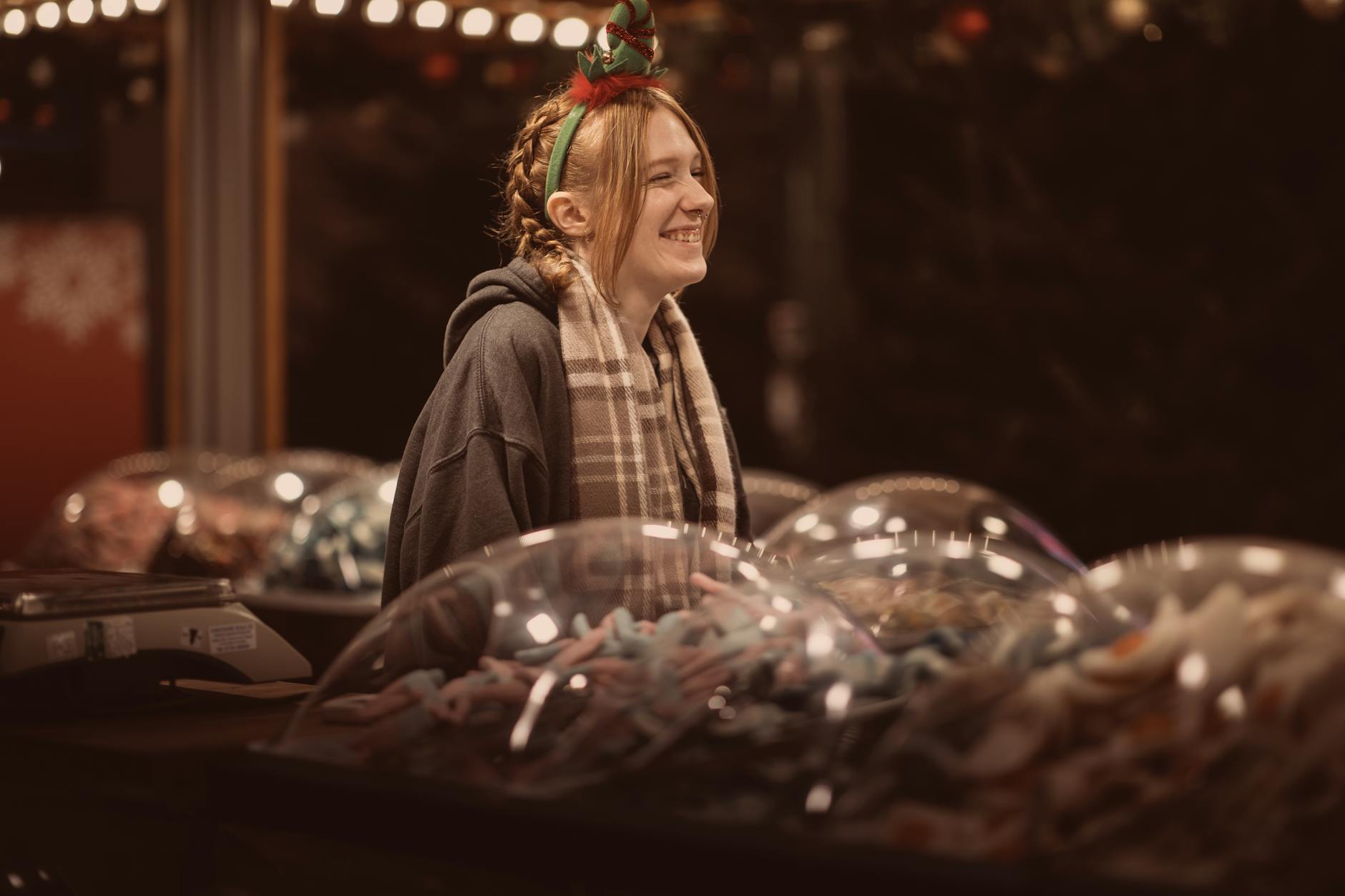
Cheapest time to visit Glasgow
Statistically, mid-January through mid-March is the cheapest window for hotels and flights, with November the next-best value. Summer school holidays (mid-July to mid-August) and Christmas/Hogmanay are the most expensive periods. Booking 6–10 weeks ahead generally lands the best mid-range hotel rates.
The cheapest time to visit Glasgow is January to March (excluding the New Year period), when hotel rates fall and the city is at its quietest. Midweek nights — Sunday to Thursday — are cheaper year-round. The flip side is the calendar’s expensive peaks: avoid the late-July Commonwealth Games fortnight and big concert weekends if budget is your priority, as room rates can double or more.
When to visit Glasgow to avoid crowds
The quietest single weeks of the year fall in mid-November, mid-January, and the first week of February. Even within busy months, the West End and Southside parks remain calm — only the city centre and Buchanan Street get genuinely packed in summer. For tactics on cutting costs whatever the season, see our dedicated Glasgow on a Budget guide.
For elbow room, target November and late January into February — cold and dark, but the museums, restaurants and galleries are blissfully uncrowded and you’ll never queue. Any month, weekdays beat weekends for the popular sights. The one stretch to plan carefully around is the summer events season, when the city fills up.
Best time to visit Glasgow for weather alone
If you only care about clear, dry weather, May statistically wins. June and July are the warmest months, but they’re also the wettest of the summer. The driest 10-day window of the typical year falls in late May to early June.
Judged on weather alone, May and June win comfortably: statistically among the driest, brightest months, with those gloriously long Scottish summer evenings. For the full breakdown of what to expect and pack in any month, see our dedicated Glasgow weather guide, and check the events and festivals calendar so you can either catch a festival or dodge the crowds.
Best time for day trips from Glasgow
Trips to Loch Lomond, the Trossachs, the Isle of Arran or the Highlands are best between late May and late September when the day boats run and the light lasts. Edinburgh, Stirling and the West Coast railway lines work all year. Our complete guide to day trips from Glasgow covers seasonal practicalities for each.
Worst time to visit Glasgow?
Honestly, there isn’t one. The city is built for weather: free indoor museums, snug pubs, the underground Subway. Even the wettest week of January has its charm if you’ve packed a waterproof and you’re prepared to swap park time for whisky tastings. Avoid only the days of major football derbies (Celtic vs Rangers) if you don’t want busy pubs and tight transport — check the SPFL fixtures before booking. Derby days are about crowds and noise rather than danger, and our guide to staying safe in Glasgow sets out which areas and times call for the usual city-centre care.
Frequently asked questions
What is the best month to visit Glasgow?
For most travellers, May, June or September. May is statistically the driest month with long days; June has the longest daylight; September has the perfect mix of weather and shoulder-season prices.
Is Glasgow worth visiting in winter?
Yes. The Christmas markets, free museums, whisky bars and Hogmanay celebrations make winter a strong cultural option, particularly if you’re on a budget. Just pack waterproof layers and accept that you’ll lose daylight by 4pm in December.
How many days do you need in Glasgow?
Two full days cover the headline highlights. Three to four days lets you add the West End, a deeper museum visit and a half-day trip — our three-day Glasgow itinerary maps that version out day by day. Five days is ideal if you want a Highlands or Loch Lomond day trip without rushing — see our companion guides on Glasgow itineraries.
What’s the rainiest month in Glasgow?
December and January are statistically the wettest, both averaging around 130mm. May is the driest, around 70mm.
Does Glasgow get snow?
Lightly and rarely. The city sees occasional snowfall between December and February but it usually melts within 24 hours. Heavier snow is more common at higher elevations on Highland day trips.
When is Glasgow’s tourist high season?
Mid-June through August, plus the days around Hogmanay. The 2026 Commonwealth Games (July–August 2026) will produce an unusually busy summer.
Plan the rest of your Glasgow trip
Once you’ve picked your month, our complete Glasgow travel guide covers everything else from where to stay to how to get around. Pair it with our annual events and festivals calendar to time your visit to the gigs and markets you actually care about.