Kelvingrove Park is the green heart of Glasgow’s West End — 85 acres of Victorian-era parkland wrapped around the River Kelvin, anchored by the magnificent Kelvingrove Art Gallery and Museum and crowned with one of the city’s most photographed views back to the gothic spires of Glasgow University.
This is a complete visitor guide to Kelvingrove Park Glasgow: the Victorian history that shaped it, the monuments and play areas you’ll find inside it, where to eat, what events to time your visit around, and exactly how to get there from the city centre.
Kelvingrove Park at a glance
Address: Kelvingrove Park, Glasgow G3 7TA. Opening hours: 24 hours, free entry. Best entrance for first-timers: Kelvin Way, beside Kelvingrove Art Gallery and Museum. Nearest Subway: Kelvinhall (3 min walk to the south end) or Kelvinbridge (5 min walk to the north end). Estimated visit time: 1 hour minimum (a quick loop), 3–4 hours combined with the museum, half a day if you want to add the bandstand and walking trails.
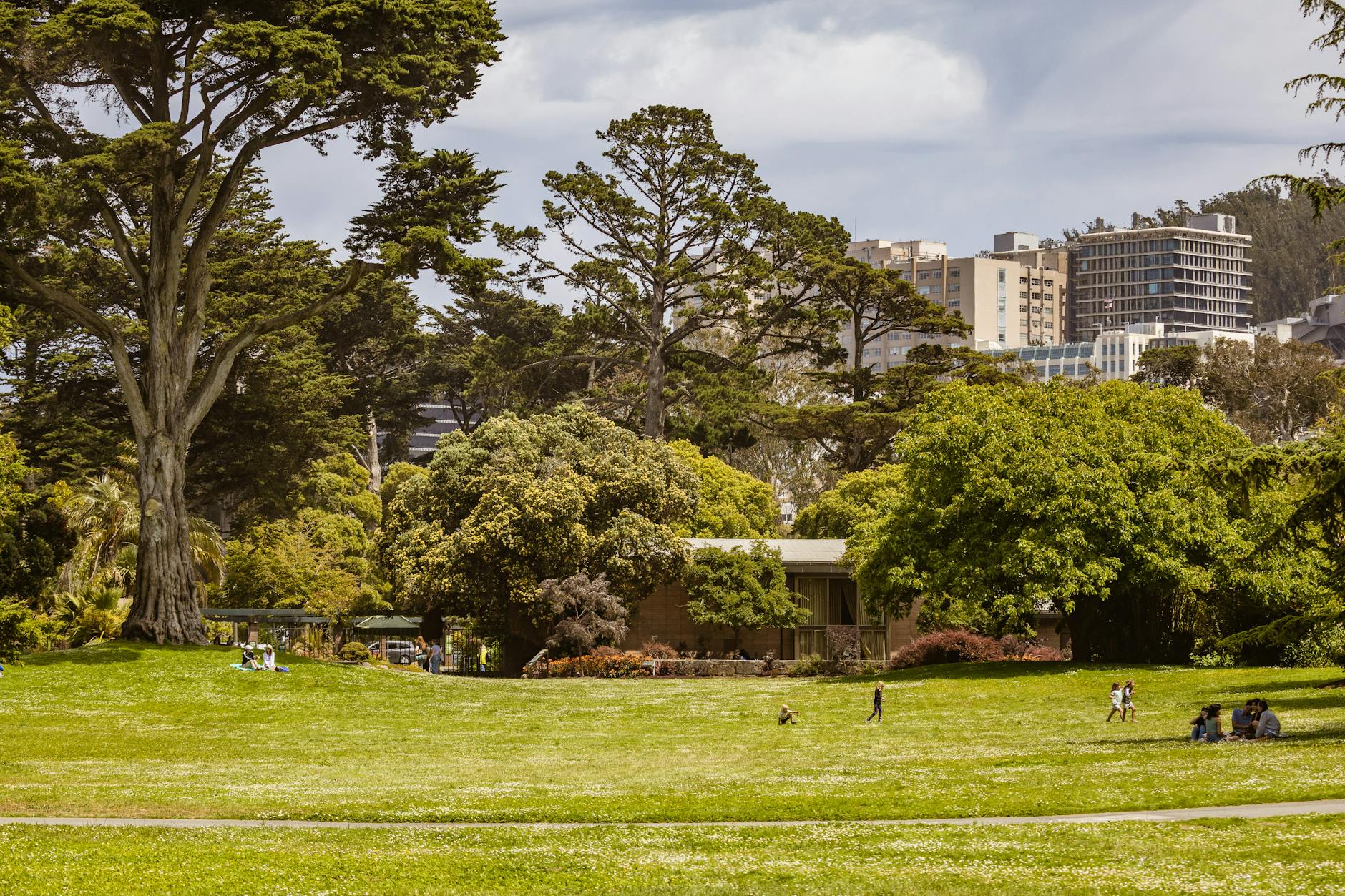
Kelvingrove is the West End’s grand Victorian playground — around 85 acres laid out from 1852 along the wooded banks of the River Kelvin, with the soaring Gothic tower of the University of Glasgow on one side and the honey-coloured Kelvingrove Art Gallery on the other. It was designed in part by Sir Joseph Paxton, the man behind the Crystal Palace, and it remains one of the most handsome public parks in Scotland. It’s free, open all year, and the natural green heart of a day in the West End.
A quick history of Kelvingrove Park
The park you see today was created by the same Victorian civic ambition that built Glasgow University and the West End townhouses around it. Glasgow Town Council purchased the land in 1854 for £99,569 — a colossal sum at the time — and commissioned Sir Joseph Paxton (designer of Crystal Palace) to lay out the formal grounds, with later contributions from Charles Wilson. The park’s rolling lawns, terraced walkways and meandering paths follow the natural valley of the River Kelvin.
Kelvingrove was Glasgow’s showpiece for three world-scale exhibitions — the 1888 International Exhibition (which funded the building of the museum), the 1901 International Exhibition (which gave us the Kelvingrove Art Gallery and Museum we still visit) and the 1911 Scottish Exhibition. Walk the park today and you’re walking through the legacy of those events. The bridges across the Kelvin, the bandstand, the wide processional avenues — they were all designed for crowds of hundreds of thousands.
The park was created to give Glasgow’s fast-growing, prosperous West End a fashionable space to promenade. Its great moment came when it hosted a series of vast International Exhibitions — in 1888, 1901 and 1911 — that drew millions of visitors and whose profits helped pay for the building of the Kelvingrove Art Gallery itself. Echoes of that golden age survive in the ornate Stewart Memorial Fountain and the statues and memorials dotted across the lawns. Kelvingrove was a latecomer by comparison: Glasgow Green, the city’s oldest park, had been common ground beside the Clyde since the 15th century.
Top things to do in Kelvingrove Park
1. Visit Kelvingrove Art Gallery and Museum
The crimson sandstone palace at the south-east corner of the park is one of the most popular free museums in the UK. Highlights include Salvador Dalí’s Christ of Saint John of the Cross, a Spitfire suspended above the natural-history hall, work by Charles Rennie Mackintosh and the Glasgow Boys, and a brilliant child-friendly natural-history wing. Entry is free. We have a separate deep-dive on the Kelvingrove Art Gallery and Museum — read it before you go.
2. Stewart Memorial Fountain
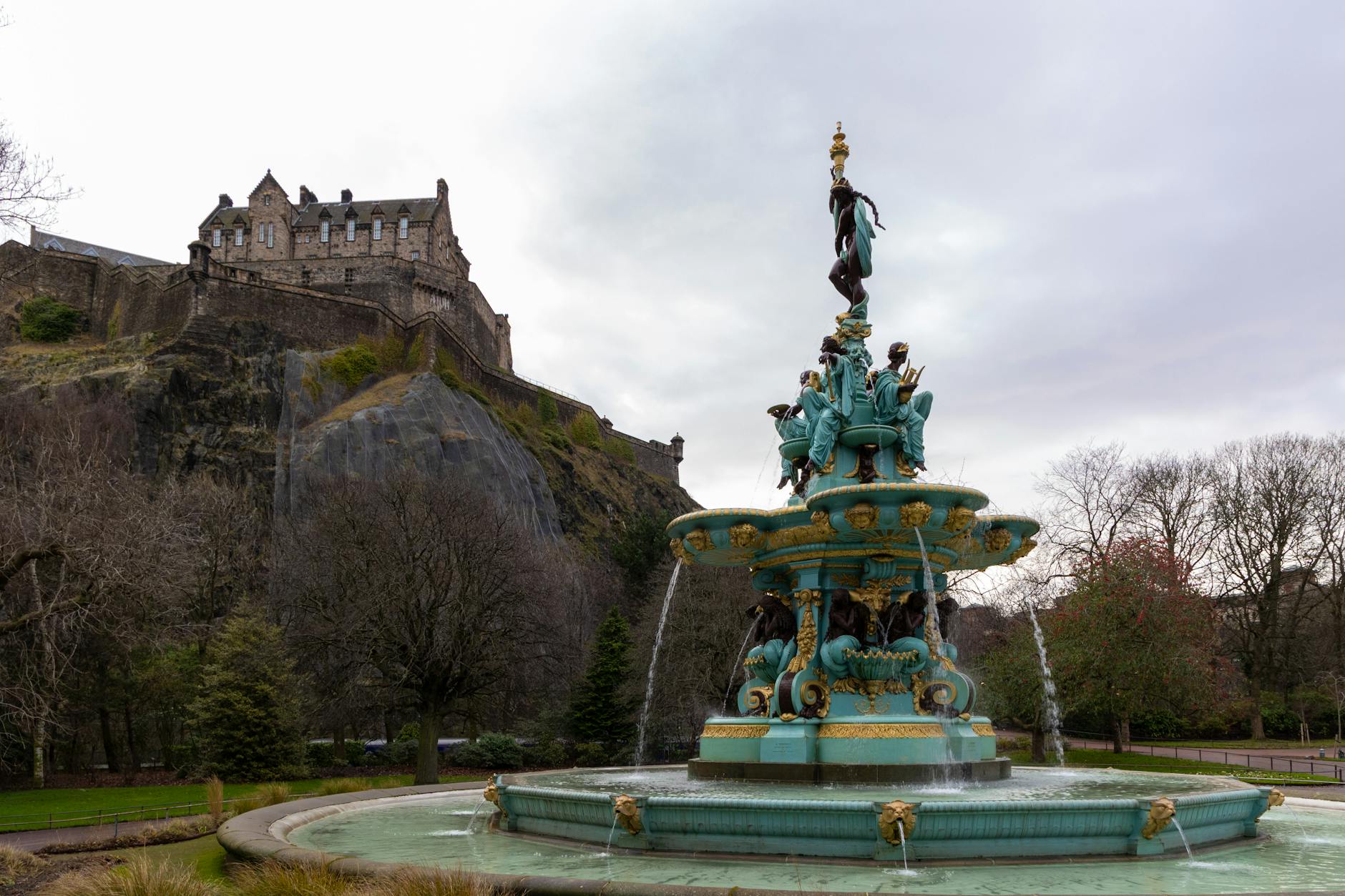
The park’s largest monument was built in 1872 to commemorate Lord Provost Robert Stewart, who pushed through the act of parliament that brought clean water from Loch Katrine to Glasgow’s slums. Designed by James Sellars and sculpted by John Mossman, the fountain is topped by a statue of the Lady of the Lake from Sir Walter Scott’s poem; scenes from the construction of the Loch Katrine waterworks decorate the basin. Restored in 2009, it’s one of the finest pieces of Victorian public sculpture anywhere in Scotland.
3. Kelvingrove Bandstand and Amphitheatre
The 1924 bandstand on the western slope of the park reopened in 2014 after a £2.4-million restoration and is now one of the city’s best summer concert venues. The “Summer Nights at the Bandstand” festival runs each year (mid-June to early August) with international names — recent years have featured Tom Jones, Van Morrison, Texas, Suzanne Vega, OMD and the Flaming Lips. Tickets typically £35–£60. Even outside concert season the amphitheatre is a lovely sun-trap and a great picnic spot.
4. Walk the River Kelvin
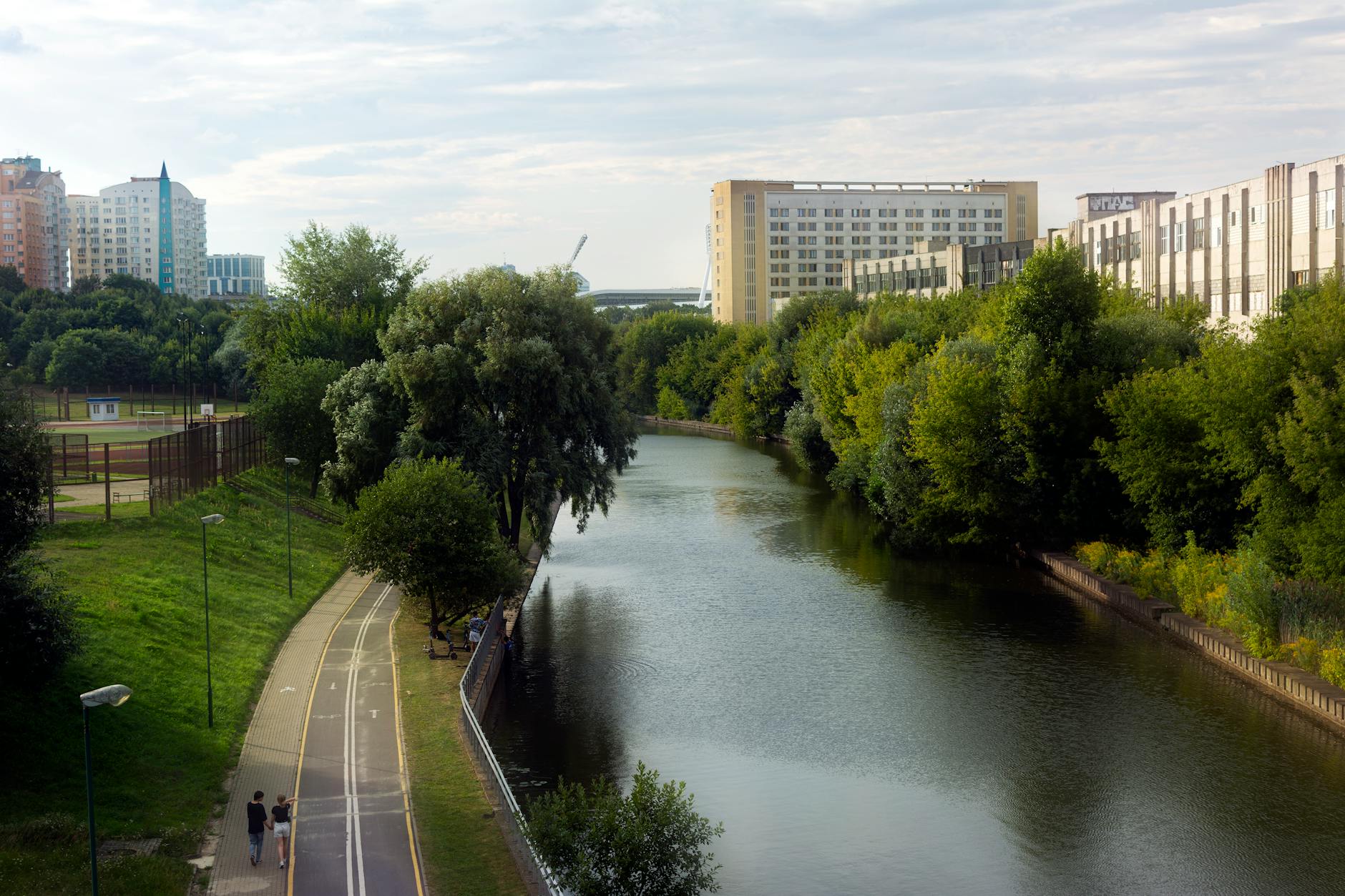
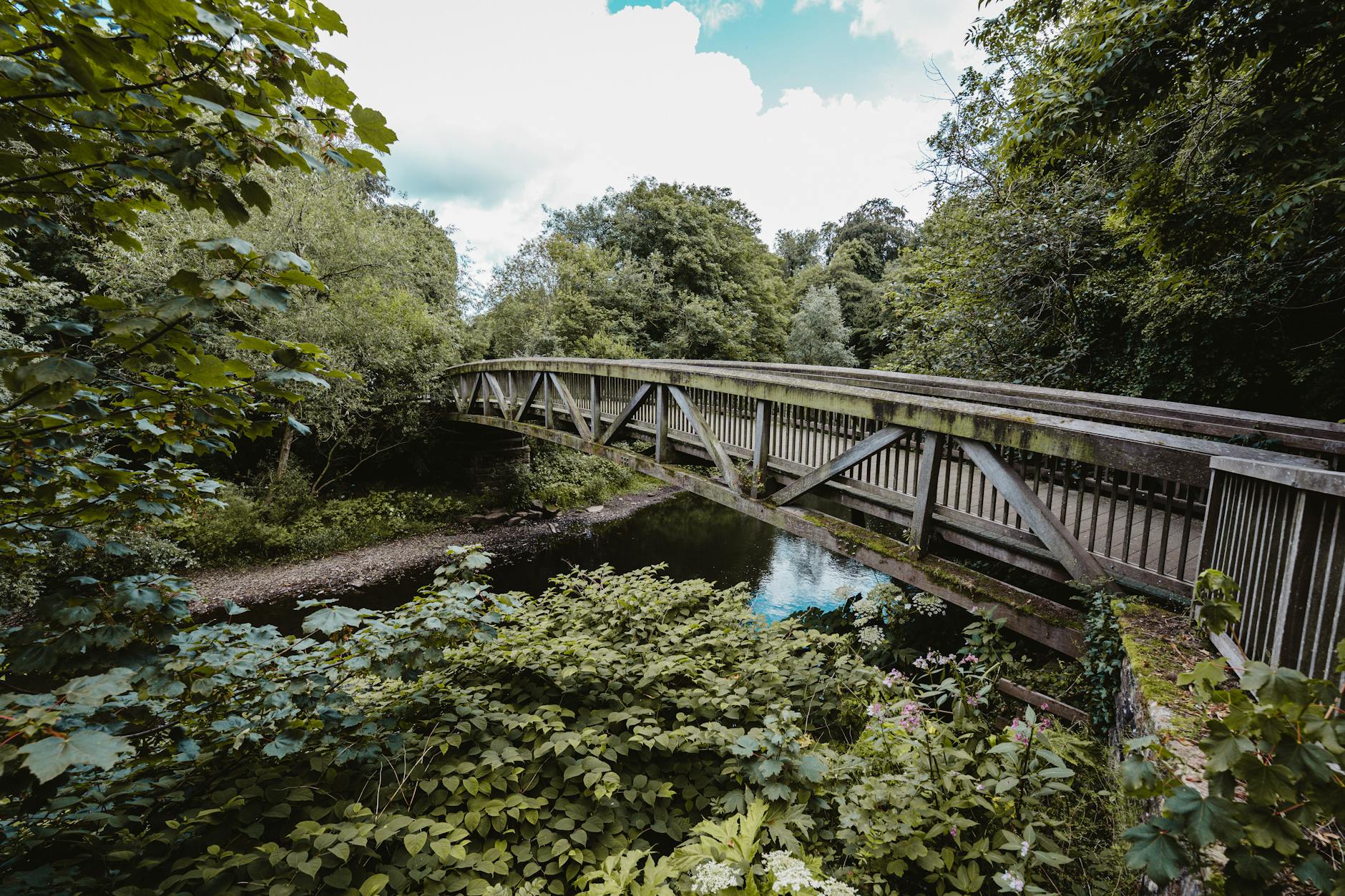
The River Kelvin runs north–south through the park and has paved riverside paths on both banks. Walk upstream from the Kelvin Way bridge for ten minutes and you’ll reach the picturesque footbridges at North Woodside; walk downstream to find the Glasgow University Boat Club. Mute swans, grey herons and (rarely) otters live along this stretch. Downstream, the Kelvin joins the River Clyde beside the Riverside Museum, where the Clyde Walkway riverside route carries on east towards Glasgow Green.
5. Climb to the Cameronian Memorial & views of the University
The hilltop in the south-east corner of the park is crowned with the Cameronian Memorial (a Boer War war memorial) and offers the postcard view back to the gothic spires of Glasgow University — the picture you’ve probably already seen on the city’s tourism brochures. It’s especially photogenic at golden hour.
6. Tennis, bowls, croquet and skating
The park has four synthetic tennis courts (book online via Glasgow Life), five bowling greens, a small skatepark for boards, scooters and BMX, plus three children’s play areas. Tennis costs around £8 per hour for non-members; the bowling and skate facilities are free.
7. The Sunlight Cottages
A row of red-and-white timber cottages on the south slope of the park — leftover examples of a Victorian model housing display from the 1901 Exhibition. Quiet, easy to miss, and one of Glasgow’s quirkier survivals.
8. Lord Roberts & Lord Kelvin statues
The equestrian statue of Lord Roberts of Kandahar by Harry Bates near the Park Circus entrance is one of the finest cavalry statues in Britain. Lord Kelvin (William Thomson, the physicist who gave the world the Kelvin temperature scale and worked at Glasgow University across the river) sits on a plinth lower in the park.
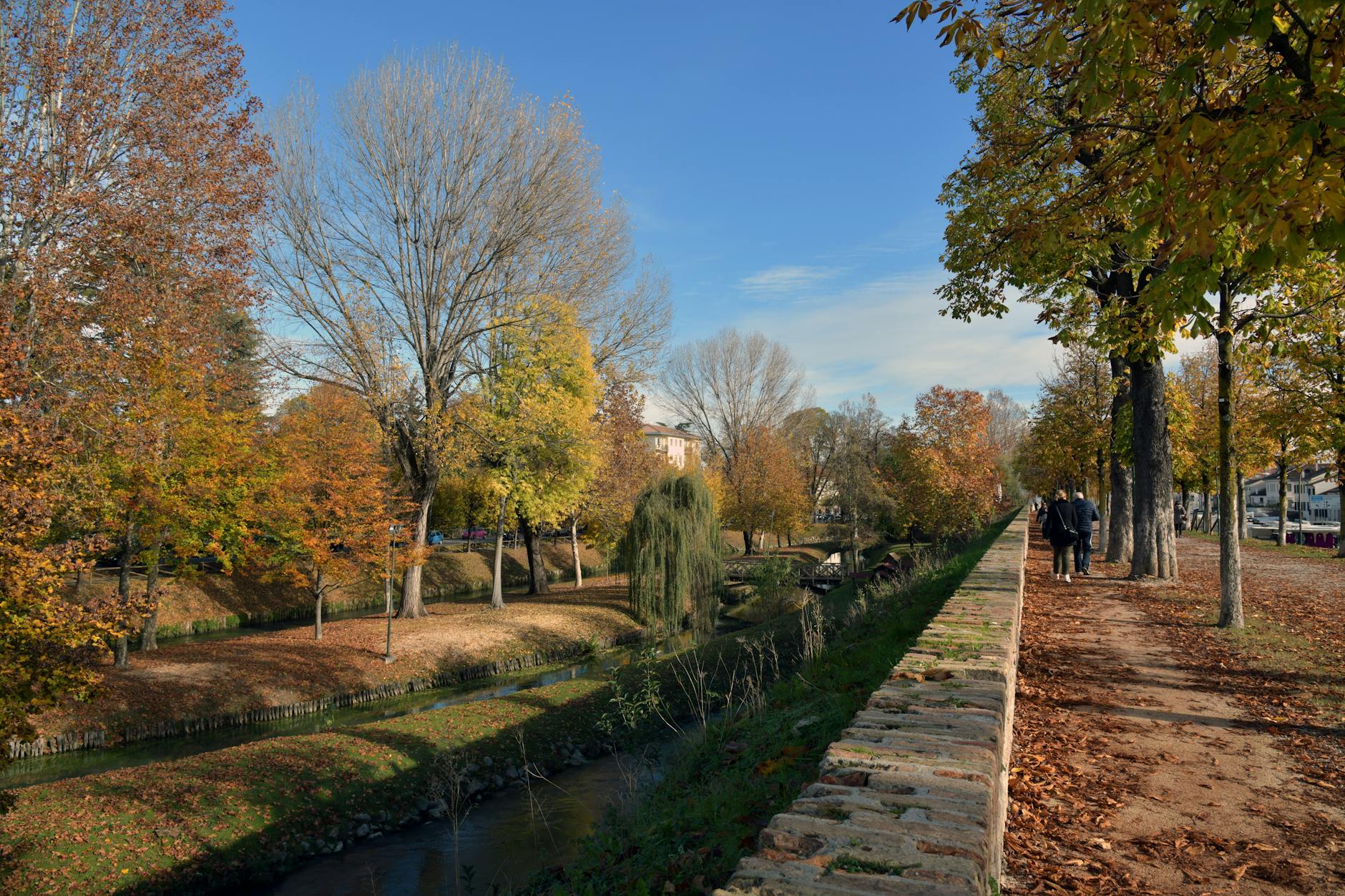
There’s more here than a stroll:
- The restored Kelvingrove Bandstand and Amphitheatre, a summer concert venue in a natural bowl.
- The ornate Stewart Memorial Fountain and the riverside walks along the Kelvin.
- A well-used skate park and lawn bowling greens.
- Play areas for younger children and wide lawns for picnics and games.
- Postcard views up to the university tower — one of the city’s best.
Eating and drinking in Kelvingrove Park
Three permanent cafés sit inside the park itself: the Kelvingrove Café in the museum (best for a sit-down lunch and includes vegan and child options), An Clachan on the western edge (a small, friendly café with seriously good coffee and a sun terrace), and the Park Café at the Eldon Street entrance. Just outside the park, Argyle Street and Finnieston have the highest concentration of brilliant restaurants in Glasgow — see our wider Glasgow food guide for our pick of the area.
Kelvingrove Park with kids
The park has three separate children’s play areas: a refurbished one near the Stewart Memorial Fountain (best for under-7s), one tucked beside the bandstand (small but quiet), and a larger zone near Kelvin Way (most equipment, including basket swings). The skatepark suits older children and teenagers. The lawns running down to the river are perfect for kicking a ball; the museum’s natural-history wing is the obvious wet-weather backup. For more family ideas, see our complete Glasgow with kids guide.
Events at Kelvingrove Park
Beyond the bandstand, the park regularly hosts the West End Festival parade (June), the Glasgow Mela (June), Bonfire Night displays (5 November) and a number of charity 5K and 10K runs. The wide lawns are also a focal point for Glasgow Pride marches and political demonstrations. Runners use the same riverside paths all year, and the park loop features in our guide to the best running routes in Glasgow.
How to get to Kelvingrove Park
Subway: Kelvinhall (red Line) is the closest station — 3 minutes’ walk to the museum and the south end of the park. Kelvinbridge is 5 minutes from the north end. The Subway is the fastest way from Glasgow Central or Buchanan Street — see our Glasgow transport guide for ticket info.
Bus: First Bus 4, 4A and 6A all stop on Argyle Street outside the museum. Several night buses also stop here.
Train: Partick Station is 10 minutes’ walk and connects to Queen Street.
Walking: 25 minutes from Glasgow Central via Argyle Street.
Driving: Pay-and-display parking on Kelvin Way (limited and busy in summer); free side-street parking is rare around the West End.
Accessibility
Kelvingrove Park is generally pram and wheelchair friendly — the main paths between the museum, the Stewart Memorial Fountain and the bandstand are paved and gently sloped. The hilltop war memorials and the deeper riverside paths are steeper. Accessible toilets are inside the museum (open daily 10am–5pm, free).
Safety and practical tips
Kelvingrove Park is a busy, popular park during the day. Like any urban park, it’s quieter at night — most locals walk through the park rather than linger after dark. Glasgow’s weather is famously changeable; bring a waterproof. Public toilets inside the park are limited; the museum has the best facilities and is free to enter.
Where to stay near Kelvingrove Park
Glasgow’s West End around the park is one of the most desirable areas to base yourself for a city break — quieter than the centre, full of independent restaurants, and within easy Subway reach of everywhere else. Boutique hotels around Park Circus, B&Bs along Hillhead Street and Airbnbs in Hillhead and Hyndland all sit within 10 minutes of the park. Our where to stay in Glasgow guide breaks down all of the West End options by budget.
Combine Kelvingrove Park with…
The brilliant thing about Kelvingrove is how easy it is to pair with other West End classics for a full day:
Kelvingrove Art Gallery and Museum (free, 5 minutes inside the park entrance).
Glasgow University and the cloisters (15 minutes’ walk uphill, free to wander).
The Hunterian Museum (free, inside the University).
The Mackintosh House (paid, also at the University).
Byres Road and Ashton Lane (15 minutes’ walk for shops and restaurants).
The Glasgow Botanic Gardens (free, 20 minutes’ walk north along Great Western Road).
The park is the perfect hub for a West End day. The Kelvingrove Art Gallery and Museum sits right on its edge, Byres Road and Ashton Lane are a short walk north for food and drink, and the Botanic Gardens are a little further on. For more green space across the city, see our Glasgow parks and outdoors guide.
Frequently asked questions
Is Kelvingrove Park free to enter?
Yes, completely free, 24 hours a day. The Kelvingrove Art Gallery and Museum inside the park is also free, with paid donations welcome.
How big is Kelvingrove Park?
85 acres (34 hectares) of parkland on both sides of the River Kelvin. Allow at least an hour for a brisk loop and 3–4 hours for a relaxed visit including the museum.
Are dogs allowed in Kelvingrove Park?
Yes — dogs on leads are welcome throughout. There are no off-leash areas inside the park; for that, head to neighbouring Kelvinside or the wider Glasgow parks and outdoor activities guide. For more open ground, Pollok Country Park on the Southside has wide woodland tracks, though leads are needed near its Highland cattle fold.
Can you have a picnic or BBQ in Kelvingrove Park?
Picnics yes; disposable BBQs are not permitted because of damage to the grass and fire risk. Several vendors sell takeaway food at the museum and at An Clachan café.
What’s the closest Subway station to Kelvingrove Park?
Kelvinhall is 3 minutes from the south of the park; Kelvinbridge is 5 minutes from the north.
What is the famous building in Kelvingrove Park?
Kelvingrove Art Gallery and Museum, opened in 1901. It’s the most popular free attraction in Scotland and houses Dalí’s Christ of Saint John of the Cross.
Can you swim in the River Kelvin?
It’s not advisable. The Kelvin can rise quickly after rain and water-quality is variable. Stick to the riverside paths.
Plan the rest of your trip
Kelvingrove Park is one of dozens of green spaces covered in our wider Glasgow parks and outdoor activities guide. Pair this article with our complete things to do in Glasgow guide and the history and architecture of Glasgow for the deepest dive into how the West End ended up looking the way it does.