Glasgow’s pub scene is the city’s social engine. A pint here doesn’t really mean a pint — it means a chat. The traditional bars are warm, often unfussy and full of regulars, and locals will tell you, with reasonable evidence, that no one in Britain does pubs better.
This is the honest local list of the best traditional pubs in Glasgow — the historic bars, the heritage interiors, the proper whisky houses and the folk-music sessions that make Glasgow drinking what it is.
Glasgow’s most historic traditional pubs
1. The Horseshoe Bar (Drury Street)
Hidden down a narrow lane between Renfield and West Nile Streets, the Horseshoe Bar is a Glasgow icon — built in 1885 and home to the longest continuous bar in Britain (104 feet 3 inches). It’s a Category-A listed building and almost the entire interior is original Victorian. Famous for cheap, generous pub lunches and properly poured pints. Standing-room only on a Friday night; book the upstairs lounge for live karaoke.
2. The Pot Still (Hope Street)
Established 1867, the Pot Still is the city’s premier whisky pub — over 700 single malts, blends and rare editions behind the bar. The team know what they’re doing and will guide you through a £6 dram or a £600 one with the same friendliness. Excellent toasted sandwiches if you need ballast. Quiet at lunchtime, queues from 6pm.
3. Sloans (Argyll Arcade)
Established 1797 as a coffee house and possibly the city’s oldest licensed venue, Sloans hides at the end of the Edwardian Argyll Arcade. The historic interior is intact — etched glass, wood-panelled snugs, a beer garden in the courtyard. Famous for its Friday-night ceilidh upstairs (book ahead), Sunday roasts and traditional pub menu downstairs.
4. The Scotia Bar (Stockwell Street)
Established 1792, the Scotia is one of the oldest pubs in Glasgow. A folk-music institution — Billy Connolly, Gerry Rafferty and dozens of other Glaswegian musicians cut their teeth on its tiny stage. Live music every night, free-and-easy storytelling on Sunday afternoons.
5. The Clutha (Stockwell Street)
Glasgow’s most-loved music pub — with over 200 years of history and a much-loved community spirit. Rebuilt and re-opened after a 2013 helicopter accident, the Clutha hosts live music every night and has murals of Glasgow musical heroes (Frank Zappa, Billy Connolly, Alex Harvey) along the outer wall.
What ties these places together isn’t age alone — it’s that they were built when a pub was the front room of a tenement neighbourhood, and they still behave that way. The bars are long because crowds were big; the snugs exist because some drinkers wanted a quiet corner; the etched and gilded glass was a Victorian status symbol that doubled as privacy from the street. When you walk into the Horseshoe or the Old Toll Bar, you’re reading the social history of the city straight off the walls.
A practical note on timing: the historic city-centre pubs flip character through the day. Lunchtime is calm, cheap and a brilliant time to actually see the interiors — you can stand at the Horseshoe’s bar and take in the full sweep of it. From about 5pm the after-work crowd arrives, and by 8 on a Friday it’s shoulder-to-shoulder and standing only. If you care more about the architecture than the atmosphere, go early. If you want the proper Glasgow buzz, go late and accept you won’t get a seat.
Heritage West End and South Side pubs
6. The Bon Accord (North Street)
The city’s premier real-ale pub since 1971 — 10 cask lines, 30+ keg craft beers and a brilliant whisky range too. Quiet, no-frills, and friendly to anyone who’s prepared to talk about beer.
7. The Park Bar (Argyle Street, Finnieston)
A Highland and Hebridean pub on the western edge of the West End — Gaelic spoken, regulars from the Highlands and Islands, and live traditional music every Friday and Saturday. The most “Highland” pub in Glasgow.
8. The Old Toll Bar (Paisley Road West)
An 1893 Victorian-glass cathedral on the south side, with the original etched and gilded windows still in place. Quiet, beautifully preserved, and a Category-A listed pub.
9. Tennent’s Bar (Byres Road)
Established as a Bishop’s Palace in the 16th century and continuously a pub since 1884, Tennent’s is the proper Byres Road local — generous portions, big windows for people-watching and a wide range of well-kept beers.
10. The Belle (Great Western Road)
A small West End local with a tucked-away beer garden, regulars at the bar and local cask ales.
The West End and South Side pubs trade on a different feel from the city-centre icons — more local, less touristed, and usually with room to sit. These are the bars Glaswegians drink in on an ordinary Tuesday, which is exactly why they’re worth seeking out. You’ll hear more regulars by name, the bar staff have time to talk, and the prices tend to sit a notch below the centre. The trade-off is that they’re spread out, so plan one or two as a destination rather than trying to crawl between them on foot.
Folk-music pubs and live sessions
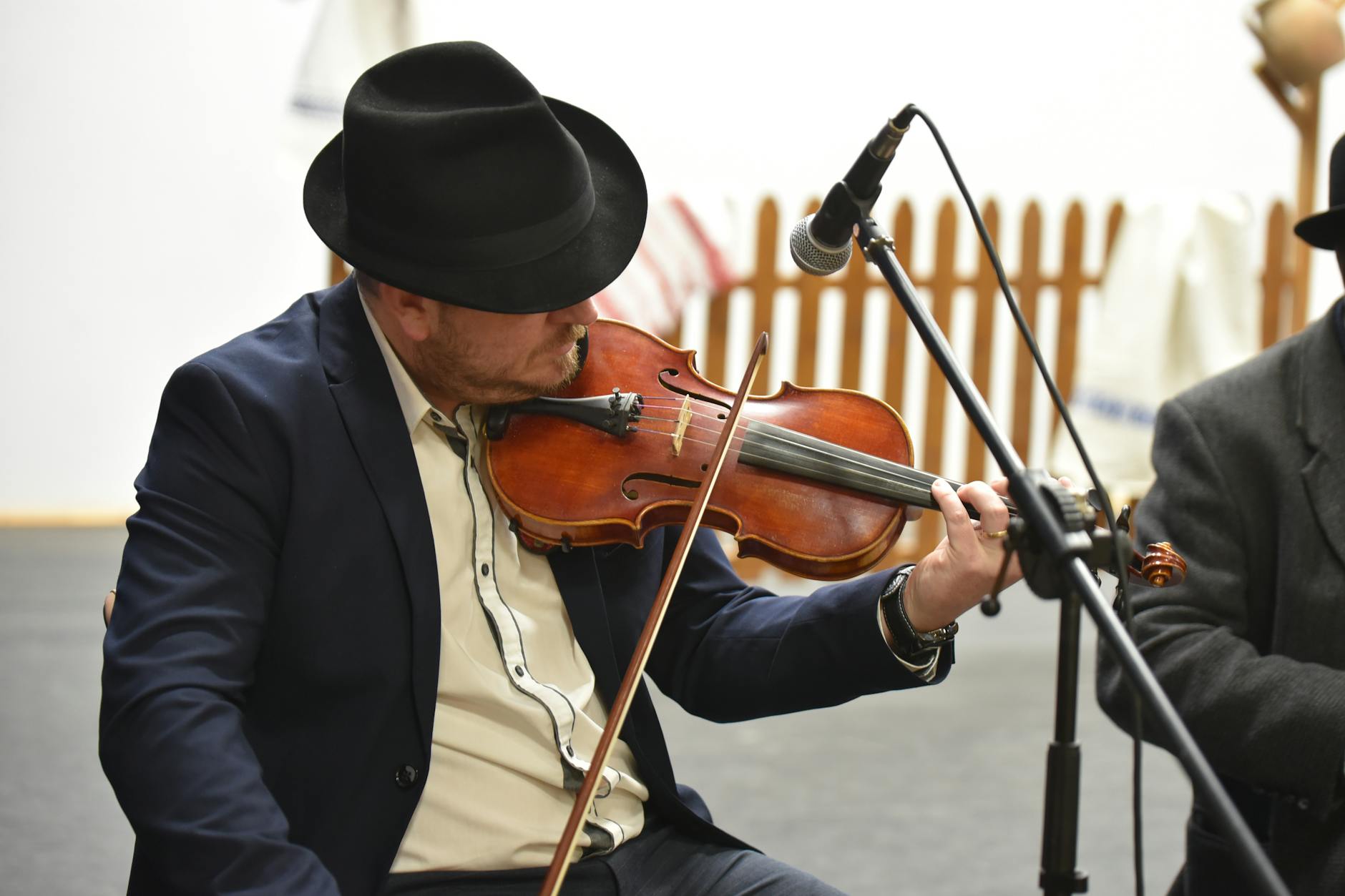
11. The Ben Nevis (Argyle Street)
A Highland-themed pub at the start of Finnieston with a traditional folk-music session every Wednesday and live trad on weekends. Excellent whisky range, deer skulls on the walls.
12. The Pied Piper (McPhater Street)
Pub attached to the National Piping Centre. Bagpipe practice from upstairs is part of the soundtrack, and there’s a free Friday-evening recital open to drinkers. Tartan banquettes, haggis on the menu.
13. Babbity Bowster (Blackfriars Street)
An 18th-century townhouse turned pub-restaurant in the Merchant City — Tuesday-night ceilidh, Sunday afternoon trad music, rooms upstairs if you over-do it. Beautiful old building, great food.
A word on how Glasgow sessions actually work, because they catch visitors out. A traditional session isn’t a gig with a ticket and a stage time — it’s musicians gathering in a corner to play tunes for each other, and you’re welcome to listen. Buy a drink, sit nearby, and keep the chat down while they’re playing; loud talking over a quiet air is the one thing that marks you as an outsider. Most sessions are free, run for a few hours, and ebb and flow as players come and go. If you want to be sure of catching one, the Scotia and the Clutha run live music every night, so you’re not relying on a single weekly slot.
Pubs in the Merchant City
14. Blackfriars (Bell Street)
A Merchant City stalwart with a great real-ale list, and live music on a small basement stage. Famous for its Sunday-night jazz residency.
15. The Saracen Head (Gallowgate)
Dating from 1755 and one of Glasgow’s oldest pubs. Allegedly the venue where Robert Burns drank when in Glasgow; reputedly home to a glass case displaying the skull of “Maggie Wall” (the last witch burned at the stake in Scotland — a contested local legend). Atmosphere is utterly unlike anything else in the city.
16. Hutchesons City Grill bar
A polished bar inside a stunning 1802 building on Ingram Street. Cocktails are pricier than the rest of this list but the building itself is one of Glasgow’s finest interiors.
The Merchant City packs its pubs close together, which makes it the easiest part of the city for a short, civilised crawl — Blackfriars, Babbity Bowster and the Saracen Head sit within a few minutes of each other, and you can fold in a meal without crossing a main road. It’s also the most mixed crowd in the city: theatre-goers before a show at the Tron, office workers winding down, and visitors staying nearby. The pubs here lean a little more polished than the East End bars, but the Saracen Head pulls hard in the other direction and is worth the short walk east for a complete change of register.
Best beer-garden pubs in Glasgow
Glasgow weather is unforgiving but when the sun’s out, every beer garden fills. Best of the traditional pubs for outdoor drinking:
- Sloans (Argyll Arcade) — courtyard with heaters and umbrellas, all year.
- Inn Deep (Great Western Road) — riverside terrace on the Kelvin, the city’s prettiest beer garden.
- Brel (Ashton Lane) — fairy-lit West End garden, brilliant for a long Sunday.
- Drygate Brewing Co. (Duke Street) — modern beer garden behind the working brewery.
Glasgow weather is unforgiving, so treat any sunny forecast as a signal to move fast — the good beer gardens fill within the hour and won’t free up until the light goes. Inn Deep on the Kelvin is the one locals make for first, with a terrace right on the river, but it has no cover, so it’s a fair-weather bet only. Sloans’ courtyard is the safer year-round choice because it’s heated and partly covered, which matters more often than not. If you’re planning a session around the outdoors, build in a wet-weather fallback; the same trip can pivot indoors to one of the heritage bars without much detour.
What to drink in a traditional Glasgow pub
Beer: Tennent’s lager is the unofficial Glasgow beer (it’s brewed at Wellpark in the East End), but most good pubs also stock Drygate, West and Williams Bros for craft. Whisky: Lowland malts (Auchentoshan, Glenkinchie) are the local choice, but you’ll find a full range of Speysides, Highlands and Islays. Cocktails: Most traditional pubs don’t bother — head to the Finnieston bars for that. Soft drinks: Irn-Bru is mandatory at least once.
Order like a local and the welcome warms instantly:
- A pint of heavy or a Scottish ale — cask ales from Scottish breweries are the traditional choice; ask the bar staff what’s on and what’s local.
- Tennent’s lager — brewed in the East End since 1885 and the unofficial pint of the city.
- A dram of whisky — even a basic pub will have a decent range; order it neat or ‘with a drop of water’, not on ice.
- Irn-Bru — Scotland’s famous orange soft drink, for the designated drivers and the curious.
A few orders mark you out as someone who knows the city. Ask for a ‘hauf and a hauf’ and you’ll get a half-pint of beer alongside a measure of whisky — the classic working-Glasgow round, and a gentle way to try a dram without committing to a large one. If you want the whisky to open up, ask for it ‘with a drop of water’ rather than ice; a splash of still water lifts the aromatics, while ice mutes them and waters the dram down as it melts. And don’t overlook the soft options: a good pub will do a proper lime and soda or a ginger beer, and Irn-Bru is genuinely the local choice for anyone driving.
If you’re pairing drinks with food, the traditional pubs keep it simple and do it well — toasties, pies, fish and chips, a Sunday roast. For a deeper look at the dishes worth ordering and where the kitchens are strongest, see our Glasgow food guide.
Tipping and pub etiquette in Glasgow
Tipping bartenders is not standard in the UK — rounding up your bill or buying the bartender a drink (“and one for yourself”) is the Scottish equivalent. Bar service is first-come, first-served — make eye contact, don’t wave money. “Going for a pint” is rarely just one, so pace yourself.
Glasgow pubs run on a few simple, friendly rules. You order and pay at the bar, not at the table, and you generally pay as you go. If you’re in a group, the round system is sacred — everyone takes a turn buying drinks for the table, so don’t slope off before yours. Tipping isn’t expected on drinks, though offering to buy the bartender ‘one for yourself’ is a classic Glasgow gesture. Above all, chat is part of the deal; Glaswegians are among the most sociable bar company you’ll find.
A few more unwritten rules keep things smooth at a Glasgow bar:
- Don’t wave cash or click your fingers. Bar service is first-come, first-served by eye contact. Catch the bartender’s eye, give a small nod, and wait your turn — they’re keeping track of who’s next.
- Know your order before you reach the bar. At a busy pub, dithering over the menu while a queue builds behind you is the quickest way to lose goodwill. Decide while you wait.
- Mind the round. In a group, everyone buys a round in turn. Slipping away before yours comes up is noticed; if you genuinely have to leave early, settle up with your group first.
- Conversation is part of the deal. Glaswegians will happily chat to a stranger at the bar. Engage with it — it’s one of the real pleasures of drinking here — but read the room with the regulars who clearly just want a quiet pint.
How to plan a traditional pub crawl
Three classic Glasgow routes:
City Centre Heritage (~1.5 miles): Horseshoe → Pot Still → Sloans → Scotia → Clutha. Five pubs in 90 minutes if you’re brisk.
Merchant City & East End (~1.2 miles): Babbity Bowster → Blackfriars → Saracen Head.
West End (~1 mile): Tennent’s → Inn Deep → Brel → The Park Bar.
The classic route threads the city centre and Merchant City, where historic bars sit within a few minutes’ walk of each other, before drifting toward the West End for the folk-session pubs. Keep it to four or five stops, one drink each, and build in some food along the way. For where to take the night next, see our guides to Glasgow’s best whisky bars and the wider Glasgow nightlife scene.
Pace is everything on a Glasgow crawl. The temptation is to treat it as a tick-list and rush five pubs in ninety minutes, but you’ll see far more if you slow down: one drink per stop, a proper look at each interior, and a food stop somewhere in the middle to keep the night going. The historic bars reward standing still for a moment — the longest bar in Britain, a cathedral of Victorian glass, a 200-year-old music room — and none of that lands if you’re already thinking about the next pint.
Getting between the routes is easy without a car or a taxi. The city-centre and Merchant City crawls are entirely walkable, and the West End pubs sit a short Subway hop away — Buchanan Street to Hillhead is a few minutes underground, which spares you the uphill walk and the temptation to drive. The Subway runs until roughly 11pm Monday to Saturday and closes earlier on Sundays, so check the last train if the West End is your final stop; after that it’s a short taxi back to the centre. For the wider lay of the land, our guide to getting around Glasgow covers the buses and night options.
FAQs
What’s the oldest pub in Glasgow?
The Scotia Bar (1792) and Sloans (1797) both claim the crown; the Saracen Head (1755) is older as a building. There is no settled consensus.
Where can I hear live folk music in Glasgow?
The Scotia, the Clutha, the Park Bar and Babbity Bowster all run regular folk and trad-music sessions. Most are free.
Are Glasgow pubs family-friendly?
Most pubs allow under-18s until 8pm if they’re with adults eating; Sloans, Hutchesons and the Pied Piper all welcome kids for daytime food. After 8pm, traditional pubs are over-18s only.
What’s the best whisky pub in Glasgow?
The Pot Still on Hope Street, with 700+ whiskies behind the bar. The Bon Accord is a strong runner-up.
Do Glasgow pubs accept cards?
Yes — every pub on this list accepts cards including Apple/Google Pay. The Saracen Head still has a soft preference for cash.
Plan the rest of your Glasgow nights out
This list slots into our complete Glasgow nightlife guide. If you want to combine the pub crawl with live music, see our deeper live music venues in Glasgow guide and our Glasgow whisky and brewery tours deep-dive for tasting experiences.