This article contains advertising. Our booking links are routed through a partner that adds commission tracking automatically, so if you book through one we earn a commission from the provider, at no extra cost to you. It never affects what we recommend. Affiliate disclosure
Glasgow museums rank among the finest in Europe — and most are completely free. Glasgow is home to one of the finest collections of museums and art galleries in Europe — and remarkably, the vast majority are completely free to visit. From world-class art spanning six millennia to interactive science exhibits and a Zaha Hadid-designed transport museum on the banks of the Clyde, the city’s cultural institutions rival those of London, Edinburgh, and Paris in quality, if not always in fame.
Whether you’re admiring Salvador Dalí’s masterpiece at Kelvingrove, exploring the 9,000-piece treasure trove that won the Burrell Collection its Museum of the Year crown, or discovering how Glasgow’s shipbuilders once launched a quarter of the world’s ships, these museums tell a story that goes far beyond display cases and gallery walls. They reveal the soul of a city that has always punched above its weight in art, innovation, and sheer creative energy.
This complete guide covers every major museum and gallery in Glasgow, with practical visitor information, insider tips, and honest recommendations to help you plan an unforgettable cultural itinerary. Whether you have one afternoon or an entire week, you’ll find more than enough here to fill your time — and your imagination.
Glasgow Museums: Table of Contents
- Why Glasgow for Museums?
- Kelvingrove Art Gallery and Museum
- The Burrell Collection
- Riverside Museum and The Tall Ship
- Gallery of Modern Art (GoMA)
- The Hunterian: Scotland’s Oldest Museum
- Glasgow Science Centre
- St Mungo Museum and Glasgow Cathedral
- Scotland Street School Museum
- More Hidden Gem Museums
- Glasgow’s Contemporary Art Scene
- Charles Rennie Mackintosh Trail
- Planning Your Museum Visits
- Museum Itineraries by Interest
- Glasgow Museums: Frequently Asked Questions
Glasgow Museums: Why Glasgow for Museums?
Glasgow’s museum story is one of extraordinary civic generosity. In the late 19th and early 20th centuries, the city’s industrial wealth — generated by shipbuilding, engineering, and trade — was channelled into creating cultural institutions for the benefit of all citizens, not just the wealthy elite. This democratic tradition means that today, Glasgow has more free Glasgow museums per capita than almost any city in the United Kingdom.
The numbers speak for themselves. Glasgow Museums, managed by Glasgow Life, oversees a collection of more than 1.4 million objects across multiple venues. Kelvingrove alone attracts over 1.8 million visitors annually, making it Scotland’s most visited free attraction and one of the most popular museums in the entire UK outside London. The Burrell Collection won the prestigious Art Fund Museum of the Year in 2023 — the world’s largest museum prize — becoming the only non-national museum to win outright twice.
Beyond the headline institutions, Glasgow punches above its weight in contemporary art, design heritage (thanks to Charles Rennie Mackintosh), and specialist collections that range from religious artefacts to police history to medieval carved stones. The city was named a UNESCO City of Music in 2008, and its creative credentials extend naturally into the visual arts — many of the Turner Prize nominees and winners of recent decades have Glasgow connections.
For visitors planning things to do in Glasgow, the museums are an essential part of the experience. They’re also a perfect complement to exploring the city’s incredible food scene and legendary nightlife.
Glasgow Museums: Kelvingrove Art Gallery and Museum
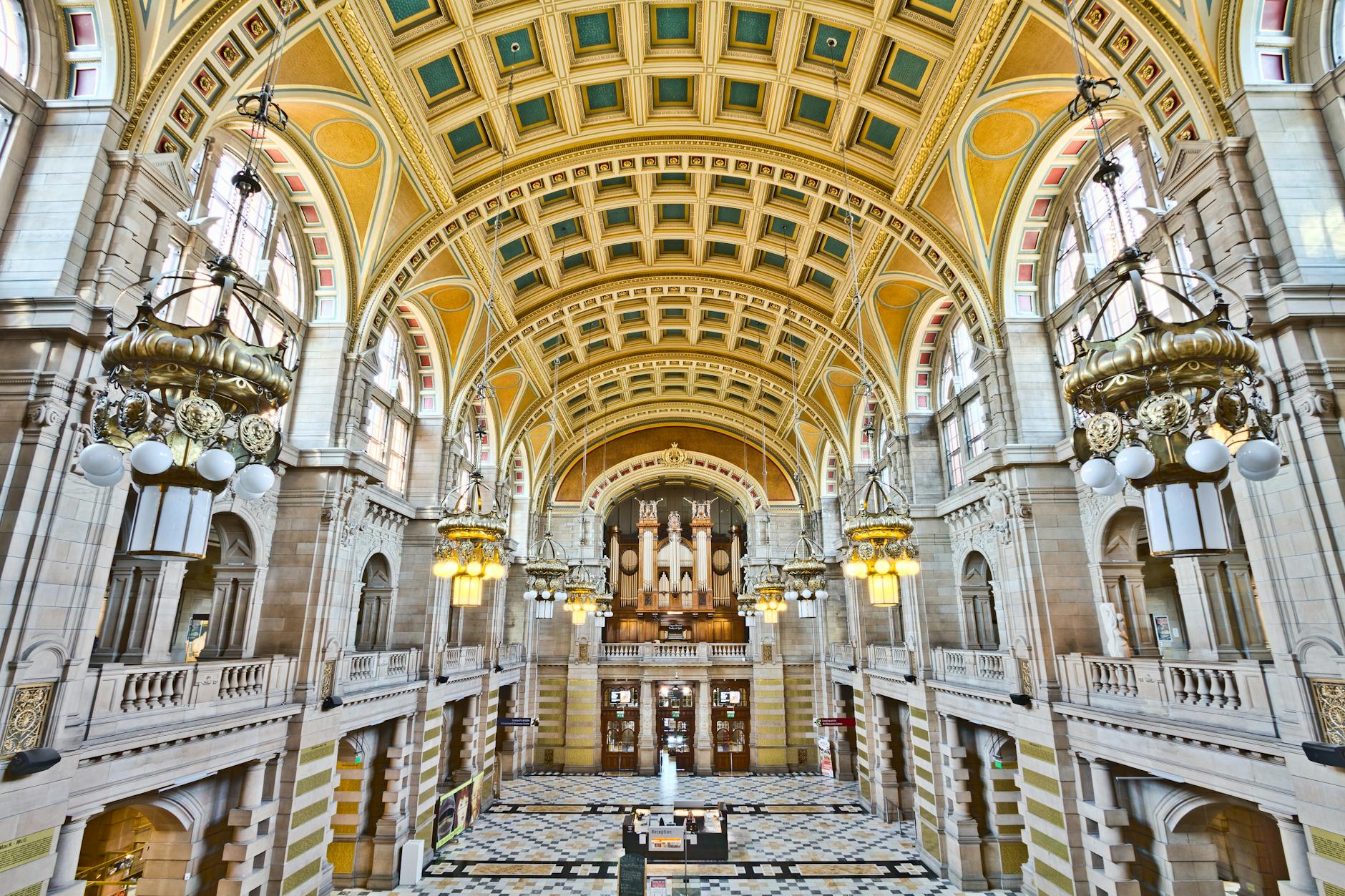
If you visit only one museum in Glasgow, make it Kelvingrove. This magnificent Spanish Baroque-style red sandstone palace sits on the banks of the River Kelvin in the city’s leafy West End, backed by the spires of the University of Glasgow. Opened in 1901 to coincide with Glasgow’s International Exhibition, it underwent a transformative £28 million restoration before reopening in 2006, and it has been drawing record crowds ever since.
What to See
Kelvingrove houses 22 themed galleries displaying around 8,000 objects that span art, natural history, arms and armour, Ancient Egypt, and Scottish heritage. The undisputed star is Salvador Dalí’s Christ of St John of the Cross, purchased controversially by the city in 1952 for £8,200 — a decision now regarded as one of the greatest art acquisitions in British museum history. The painting hangs in a dedicated gallery and remains one of the most reproduced religious images in the world.
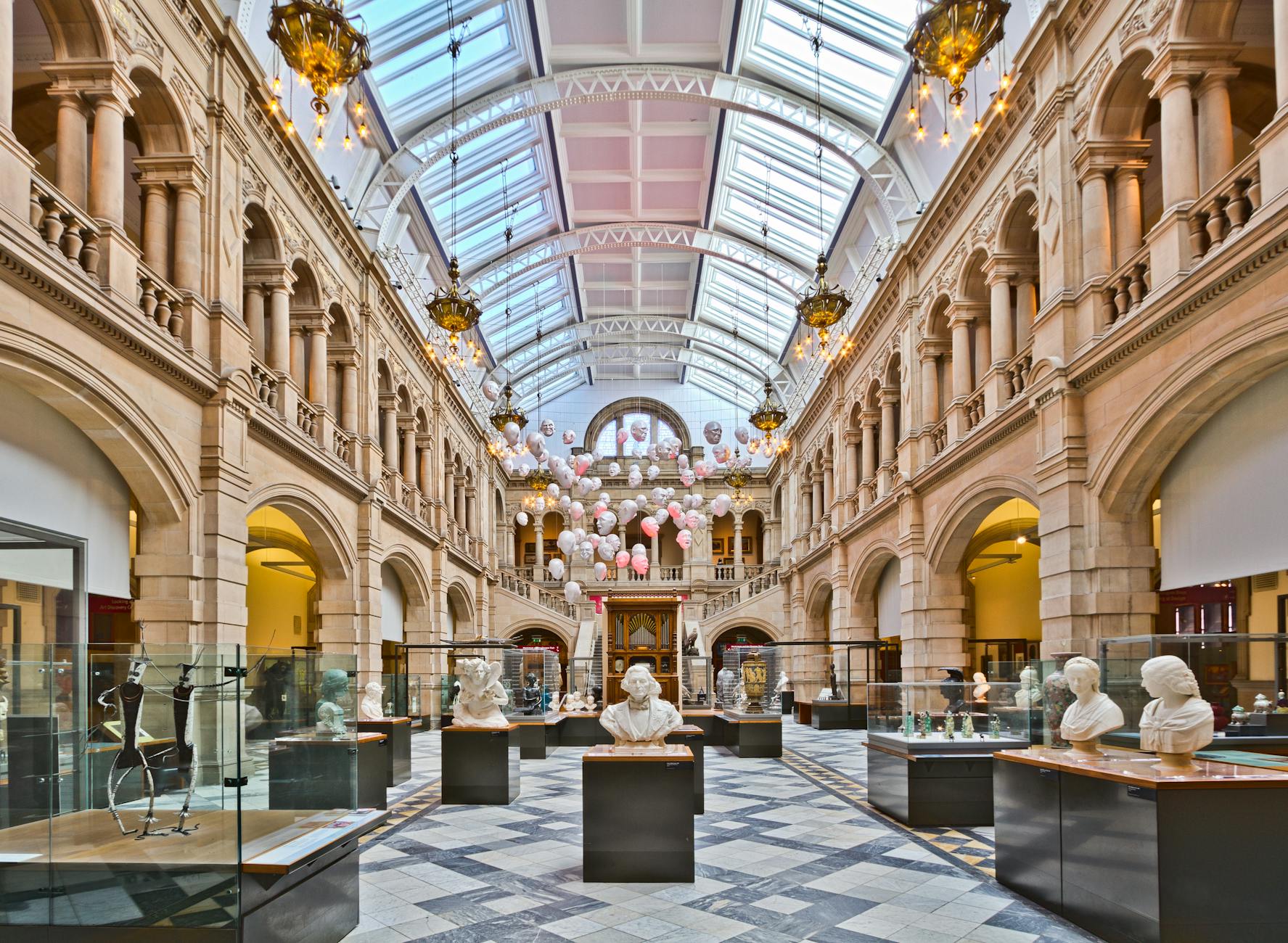
Other unmissable highlights include a genuine Mark 21 Spitfire (LA198) suspended dramatically from the ceiling of the West Court, the exquisite Avant Armour — one of the finest surviving examples of medieval plate armour in Europe — and Sir Roger the Asian Elephant, a taxidermy specimen that has been greeting visitors since the museum’s earliest days. The decorative arts collection includes exceptional examples of Charles Rennie Mackintosh furniture and design.
The Famous Organ Recitals
One of Kelvingrove’s most beloved traditions is the daily organ recital on the museum’s magnificent Lewis & Co concert organ, installed in 1901. Free performances take place at 1pm Monday to Saturday and at 3pm on Sundays, filling the grand central hall with resonant sound. Arrive ten minutes early to secure a seat — the recitals are enormously popular with locals and visitors alike.
Visitor Information
Kelvingrove is open Monday to Thursday and Saturday from 10am to 5pm, and Friday and Sunday from 11am to 5pm. Admission is free, though donations are welcome. The museum has an excellent café, a well-stocked gift shop, and is fully accessible. The surrounding Kelvingrove Park is ideal for a pre- or post-visit stroll, and the nearby Finnieston area offers some of the best dining options in Glasgow.
Glasgow Museums: The Burrell Collection
The Burrell Collection is one of Glasgow’s greatest cultural treasures and a museum that genuinely deserves its growing international reputation. Housed in a purpose-built gallery surrounded by the ancient woodland of Pollok Country Park on Glasgow’s South Side, the collection was amassed over 75 years by shipping magnate Sir William Burrell and gifted to the city in 1944.
The Collection
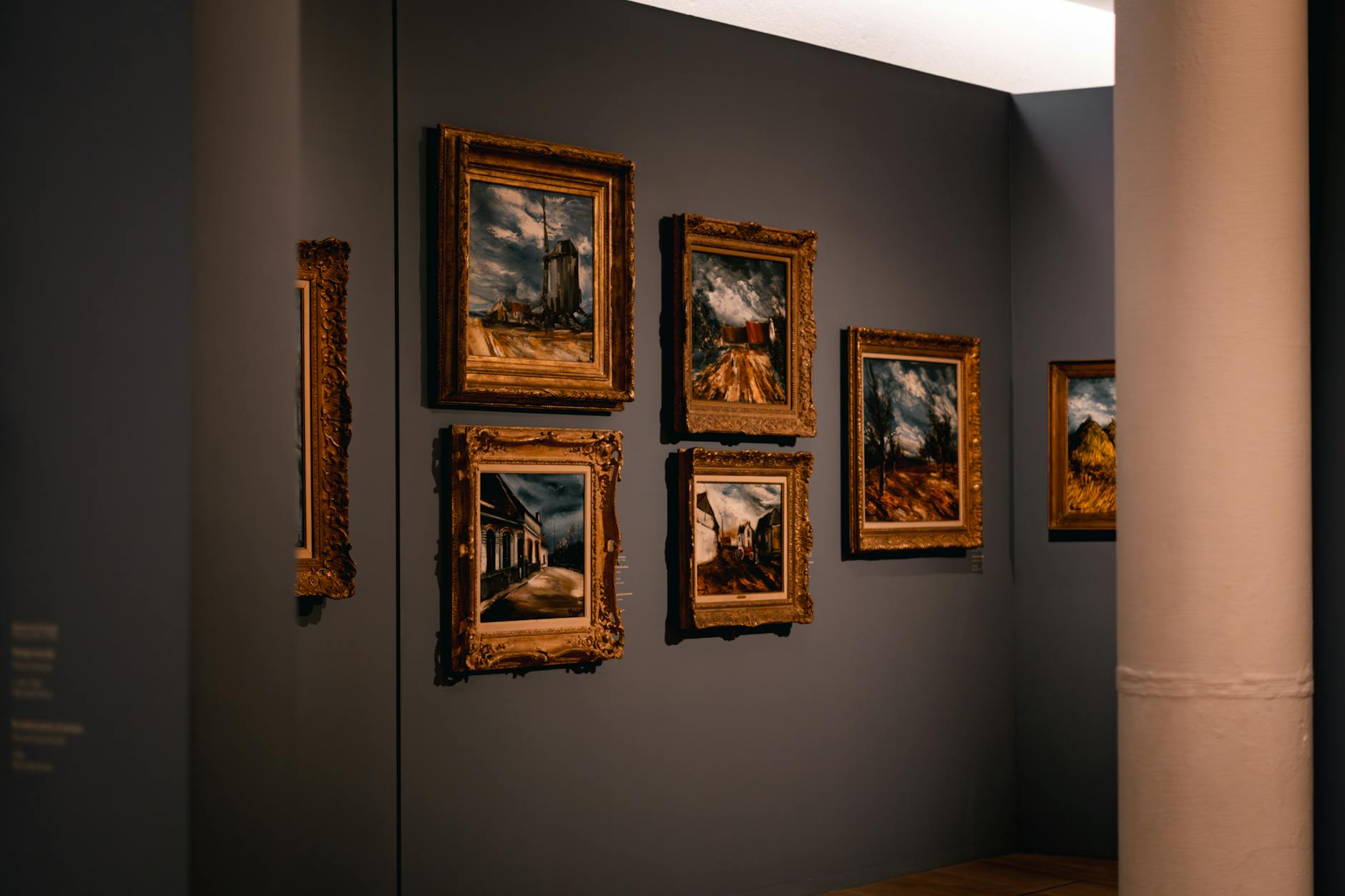
Sir William Burrell began collecting at the age of 15, purchasing his first painting with money given to him for a cricket bat. By the time he donated his collection, it numbered some 9,000 objects spanning more than 6,000 years of human creativity. The breadth is staggering: medieval tapestries, Chinese ceramics and jade, Islamic art, ancient Egyptian artefacts, Roman sculptures, stained glass windows removed from medieval churches, and an outstanding collection of French Impressionist paintings including works by Manet, Degas, and Cézanne.
The museum building itself is part of the experience. Designed by Barry Gasson and opened in 1983, it incorporates ancient stone doorways and window arches from Burrell’s collection directly into its walls, blurring the boundary between exhibit and architecture. Following a landmark £68.25 million refurbishment, the museum reopened in March 2022 with 35 per cent more gallery space and was awarded the Art Fund Museum of the Year in 2023 — the world’s largest museum prize, worth £120,000.
Visitor Information
The Burrell Collection is open Monday to Thursday and Saturday from 10am to 5pm, and Friday and Sunday from 11am to 5pm. Admission is free. Pollok Country Park itself is worth exploring — you’ll find Highland cattle grazing in the fields, woodland walks, and Pollok House, a grand Edwardian mansion managed by the National Trust for Scotland. Bus services run from the city centre, or you can drive and park for free.
Riverside Museum and The Tall Ship
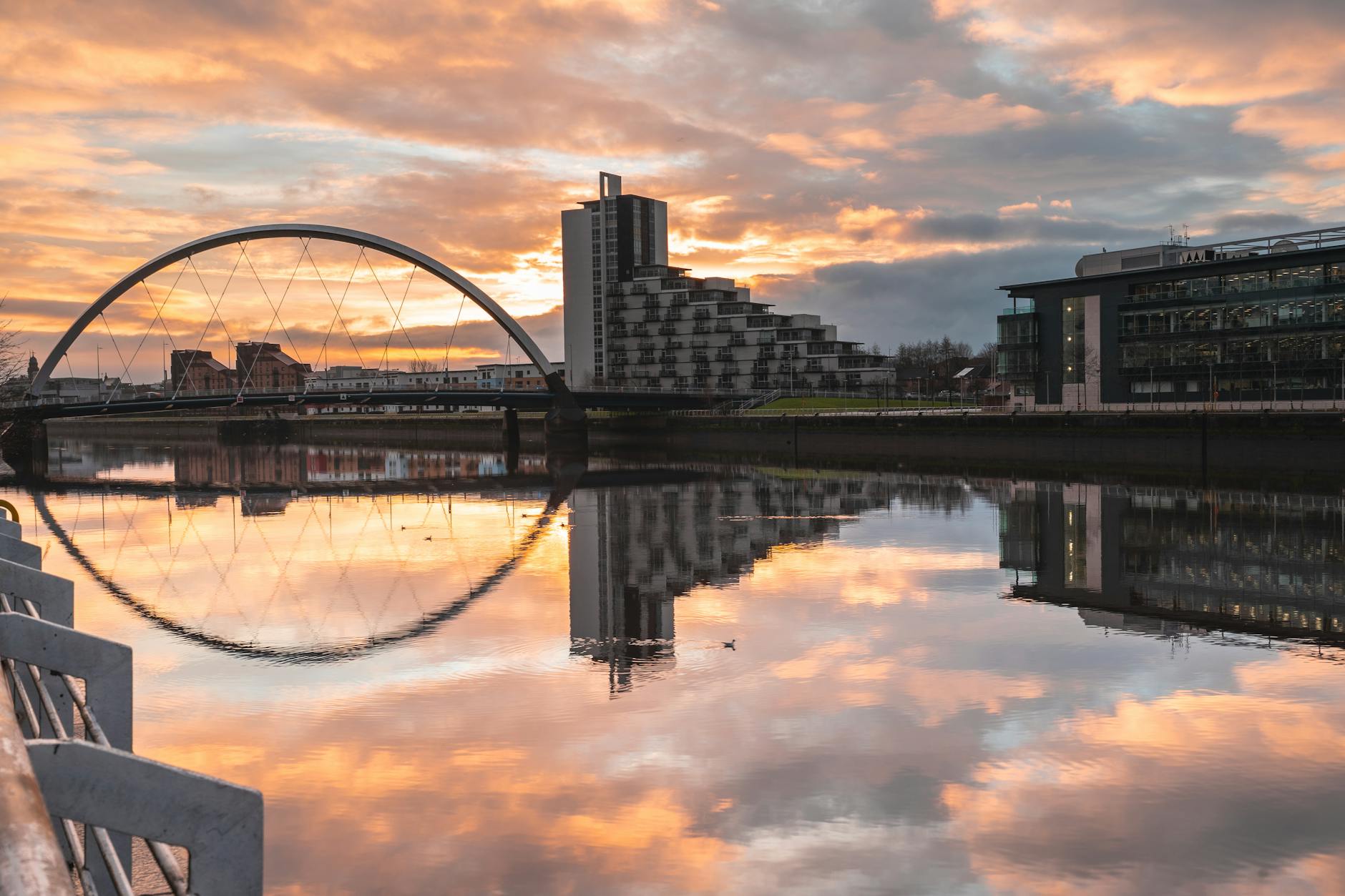
Designed by the late Dame Zaha Hadid and opened in 2011, the Riverside Museum is Glasgow’s stunning tribute to its transport and engineering heritage. The building itself is an architectural landmark — a zinc-clad wave form that flows from the city to the waterfront, with dramatic zigzagging rooflines and floor-to-ceiling glass facades looking out onto the River Clyde. It won the European Museum of the Year Award in 2013.
What to See
The Riverside Museum houses over 3,000 objects telling the story of transport and technology in Glasgow and beyond. You’ll find vintage cars, horse-drawn carriages, steam locomotives, trams, bicycles, prams, skateboards, and even a recreated 1930s Glasgow street — complete with period shop fronts, cobbled roads, and vintage vehicles. The 90 interactive touch-screen displays make this a particularly engaging museum for families and children.
Moored alongside the museum on the Clyde is the Tall Ship Glenlee, one of only five Clyde-built sailing ships still afloat in the world. Launched in 1896, the Glenlee circumnavigated the globe four times as a cargo vessel before serving as a training ship for the Spanish Navy. Visitors can explore the ship’s decks, cargo hold, and crew quarters for free — an atmospheric experience that brings Glasgow’s maritime heritage vividly to life.
Visitor Information
The Riverside Museum follows the same opening hours as other Glasgow Life venues: Monday to Thursday and Saturday 10am–5pm, Friday and Sunday 11am–5pm. Admission to both the museum and the Tall Ship is free. The museum is a short walk from Partick railway station, or you can reach it by bus. A waterbus service also operates from the city centre in summer months.
Gallery of Modern Art (GoMA)
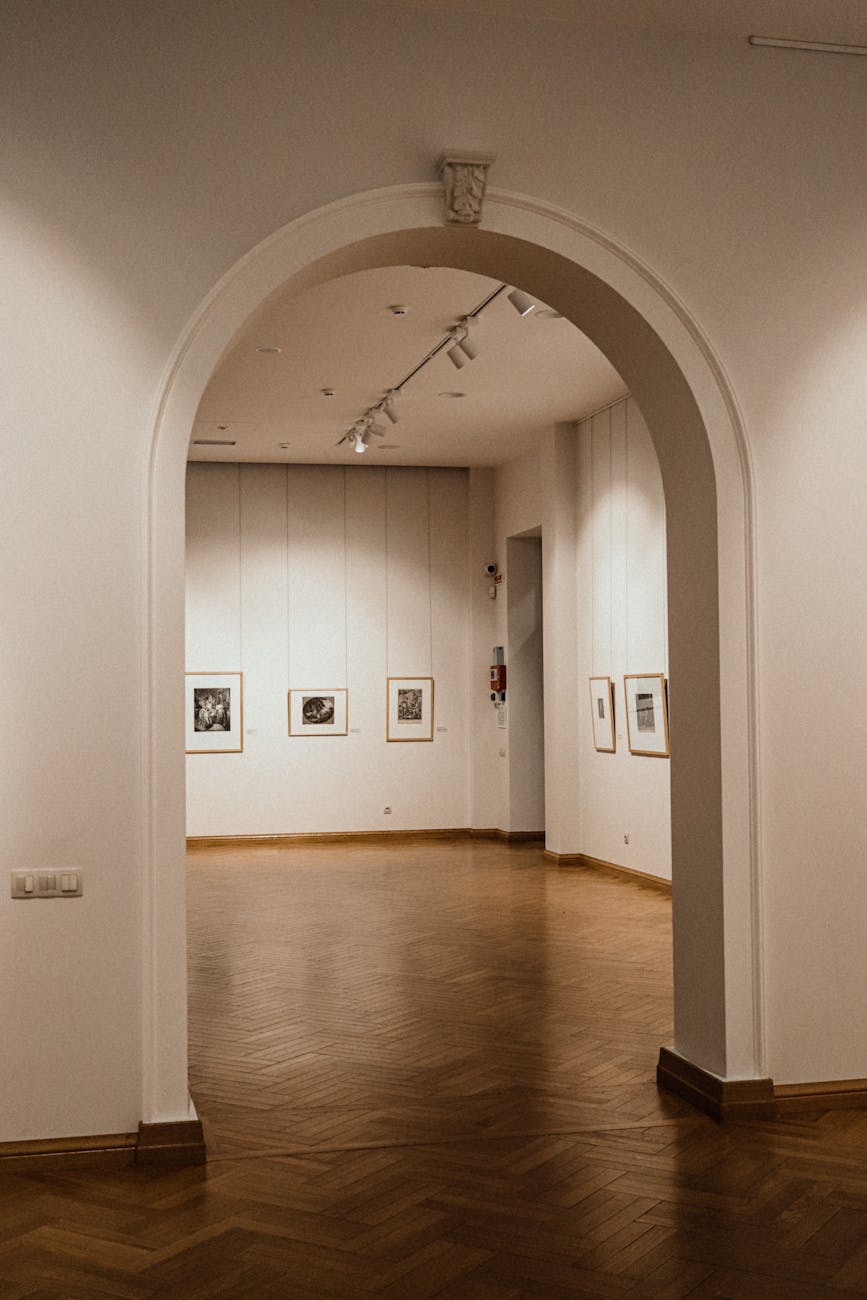
Glasgow’s Gallery of Modern Art sits in the heart of the city on Royal Exchange Square, housed in a stunning neoclassical building that has served as a tobacco lord’s mansion, a bank, and a public library since it was built in 1778. GoMA opened in 1996 and is Scotland’s most visited modern art gallery, featuring rotating exhibitions across four floors that showcase works by Turner Prize winners and emerging contemporary artists.
The Duke of Wellington Statue
Before you even step inside, GoMA offers one of Glasgow’s most photographed landmarks: the equestrian statue of the Duke of Wellington outside the entrance, famously topped with a traffic cone. This quirky tradition dates back to the 1980s and has become an internationally recognised symbol of Glaswegian humour. When the council proposed raising the plinth to deter cone-placers in 2013, a public petition gathered over 10,000 signatures in opposition. Even Banksy has called it his favourite work of art in the UK.
Visitor Information
GoMA is open Monday to Thursday and Saturday 10am–5pm, Friday and Sunday 11am–5pm. Admission is free. Its central location makes it easy to combine with shopping on Buchanan Street, exploring the Merchant City, or grabbing lunch in one of the city centre’s many restaurants. The gallery shop stocks a good selection of art books, prints, and Glasgow-themed gifts.
The Hunterian: Scotland’s Oldest Museum
Founded in 1807, the Hunterian is Scotland’s oldest public museum and one of its most fascinating. Spread across several buildings on the University of Glasgow campus in the West End, it encompasses the Hunterian Museum, the Hunterian Art Gallery, the Mackintosh House, the Zoology Museum, and the Anatomy Museum — each offering a distinctly different experience.
Collections and Highlights
The museum was established around the collections of Dr William Hunter, the celebrated 18th-century anatomist, physician, and obstetrician. Hunter’s curiosity was boundless, and his collections span coins, ethnographic objects from Captain Cook’s Pacific voyages, anatomical specimens, printed books, and Roman artefacts from the Antonine Wall — the northernmost frontier of the Roman Empire, which runs through central Scotland.
The Hunterian Art Gallery houses the world’s largest permanent display of James McNeill Whistler’s work, alongside important paintings by the Glasgow Boys, the Scottish Colourists, Rubens, and Rembrandt. Attached to the gallery is the Mackintosh House — a meticulous reconstruction of the Glasgow home of Charles Rennie Mackintosh and his wife Margaret Macdonald, complete with original furniture and interior design.
Visitor Information
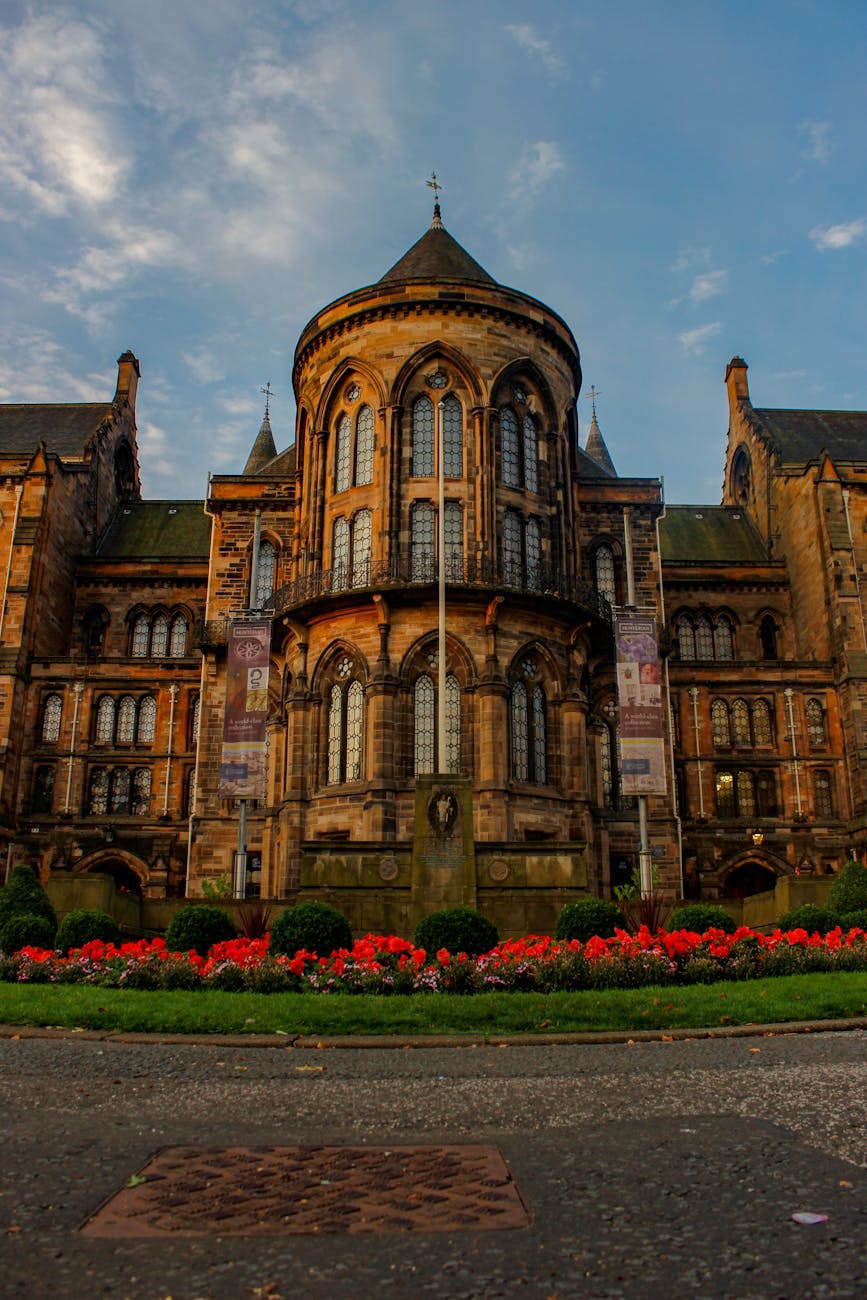
The Hunterian venues have varying opening hours, so check the university website before visiting. Admission is free. The University of Glasgow campus itself is worth a visit — its Gothic Revival main building is one of Glasgow’s most photographed landmarks and regularly doubles as a film set. The surrounding West End neighbourhood is one of the city’s most charming areas, packed with independent cafés, vintage shops, and leafy parks.
Glasgow Science Centre
If Kelvingrove and the Burrell are Glasgow’s traditional cultural heavyweights, the Glasgow Science Centre is its modern, forward-looking counterpart. Located on the south bank of the Clyde in a striking titanium-clad crescent designed by BDP architects, it opened in 2001 as part of the city’s riverside regeneration and has become one of Scotland’s most popular family attractions.
What’s Inside
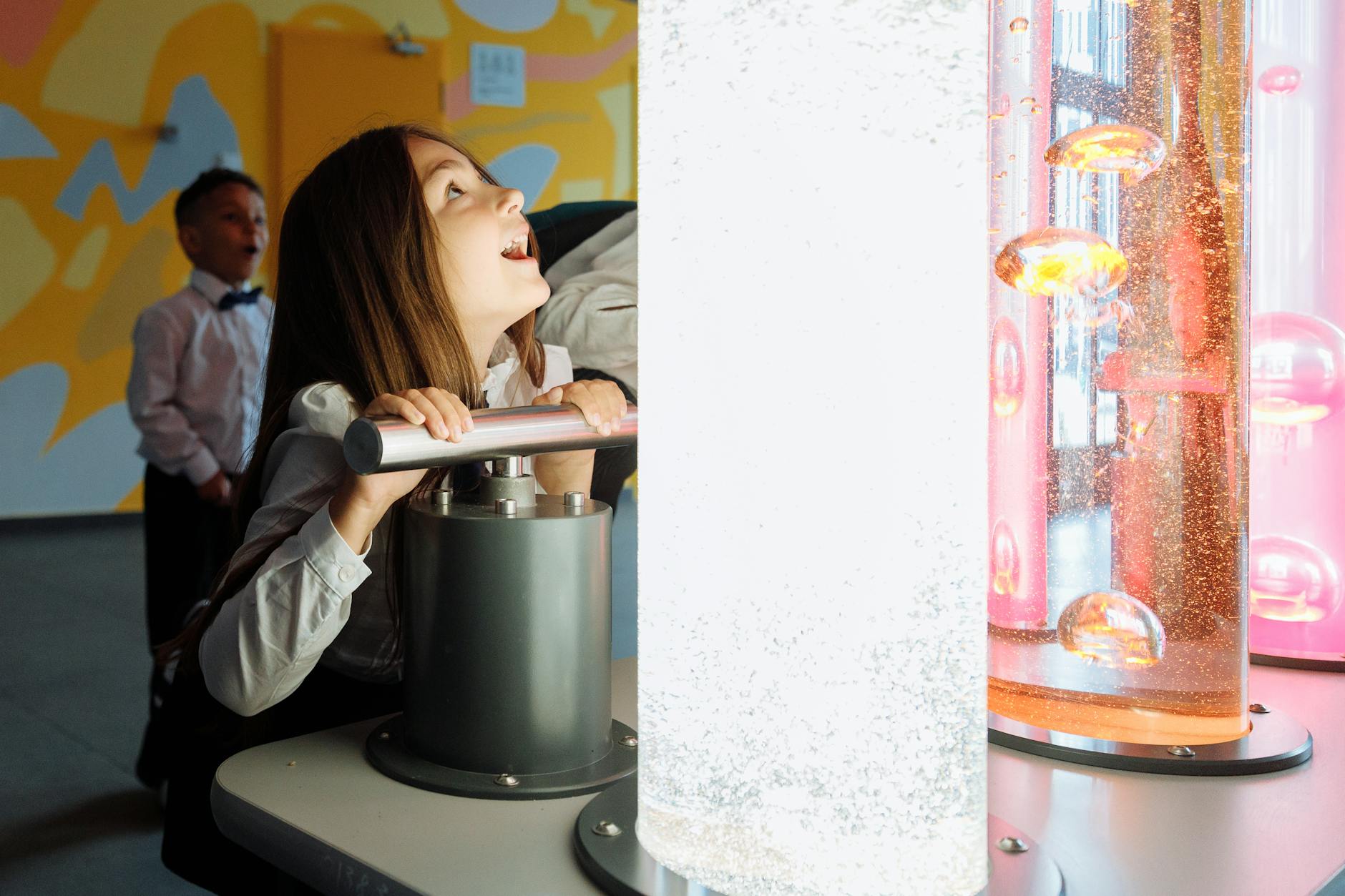
The Science Mall spans three floors of interactive exhibits covering everything from the human body and space exploration to renewable energy and optical illusions. The hands-on approach makes it enormously appealing to children, but there’s plenty here to fascinate adult visitors too. The planetarium offers immersive 360-degree shows — from live presenter-led star gazing sessions to full-dome animated features — while the IMAX theatre screens both 3D documentaries and feature films on Scotland’s largest cinema screen.
Outside the main building, the Glasgow Tower stands 127 metres tall and is the only tower in the world that can rotate 360 degrees into the wind. When open, it offers panoramic views across the city to the Campsie Fells and beyond, though it has had intermittent closures over the years.
Tickets and Visitor Information
Unlike most Glasgow museums, the Science Centre charges admission: adult tickets cost approximately £15.50 (off-peak) to £17 (peak summer), with children from £12 and under-3s free. Planetarium and IMAX shows are available as add-ons for around £3.50 each. The centre is open daily and is easily reached by bus from the city centre or a 15-minute walk from Cessnock underground station.
St Mungo Museum and Glasgow Cathedral
Sitting side by side in the medieval heart of Glasgow, St Mungo Museum of Religious Life and Art and Glasgow Cathedral form a powerful cultural duo that connects the city’s ancient past with universal questions about faith and meaning.
Glasgow Cathedral
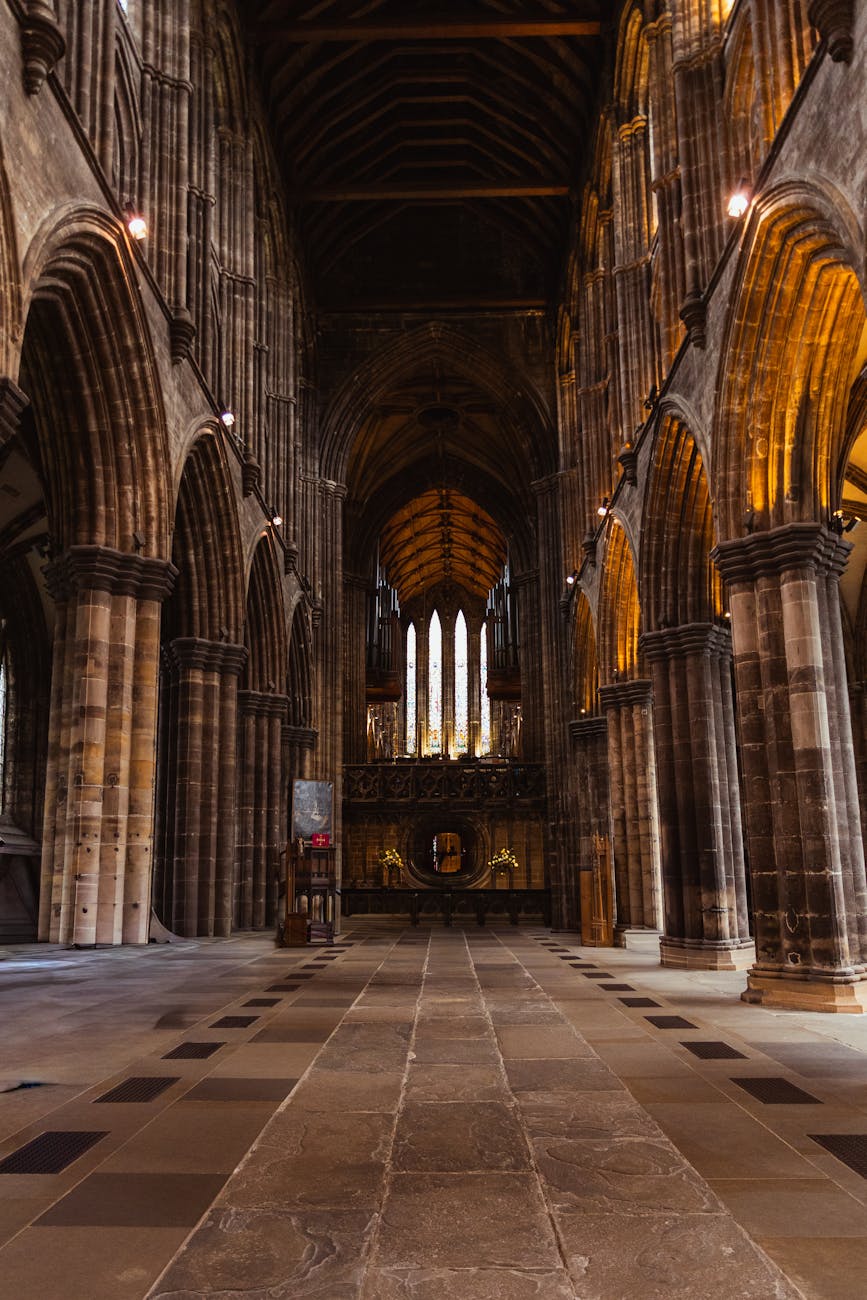
Glasgow Cathedral is the oldest building in the city and one of the few Scottish medieval churches to have survived the Reformation virtually intact. Founded in the 6th century by St Mungo (Glasgow’s patron saint), the current structure dates primarily from the 13th to 15th centuries. Its atmospheric lower church — built around the tomb of St Mungo — features a forest of stone columns and ribbed vaulting that ranks among the finest medieval architecture in Scotland. The Necropolis, a Victorian cemetery inspired by Père Lachaise in Paris, rises on a hill behind the cathedral and offers dramatic views across the city.
St Mungo Museum
Adjacent to the cathedral, St Mungo Museum is described as the world’s only public museum devoted entirely to religion. Its collections explore the role of faith across cultures through art, artefacts, and interactive displays. Highlights include a stunning Hindu Nataraja sculpture, Islamic calligraphy, Christian stained glass, and a gallery exploring how religion has shaped Glasgow. Outside, you’ll find Britain’s first purpose-built Zen garden — a tranquil oasis of raked gravel and carefully placed rocks. Admission is free.
Scotland Street School Museum
Designed by Charles Rennie Mackintosh and built between 1903 and 1906, Scotland Street School is both an architectural gem and a fascinating social history museum. Mackintosh’s distinctive leaded-glass stair towers — flooding the interior with natural light — are considered among his finest architectural details. The school operated until 1979 and was reopened as a museum of education in 1990.
Inside, reconstructed classrooms from the Victorian era, the 1930s, and the 1960s bring Scottish school life vividly to life. You can sit at wooden desks, examine period textbooks, and learn about the sometimes severe discipline of earlier educational eras. It’s an engaging museum for families and anyone interested in Mackintosh’s architectural legacy. Admission is free, and the museum follows Glasgow Life’s standard opening hours.
More Hidden Gem Museums
Beyond the headline venues, Glasgow is scattered with smaller museums that reward curious visitors with specialist collections and unexpected stories.
Glasgow Police Museum
Tucked away in the Merchant City, the Glasgow Police Museum reveals the history of the oldest police force in the UK — Glasgow’s City of Glasgow Police, founded in 1800, three decades before London’s Metropolitan Police. Exhibits include historic uniforms, crime scene photographs, weapons seized over the centuries, and stories of notorious Glasgow criminals. It’s run entirely by volunteers and is free to visit, though opening hours can be limited.
The Provand’s Lordship
Glasgow’s oldest house, built in 1471, stands opposite Glasgow Cathedral in the medieval quarter. This atmospheric townhouse has been a hospital, a sweet shop, and a museum, and now contains period furniture and displays exploring 15th-century Glasgow. The adjacent herb garden is planted with species that would have been found in a medieval physic garden.
The Govan Stones
In Govan Old Parish Church on the south bank of the Clyde, you’ll find one of Europe’s most important collections of early medieval carved stones — 31 stones dating from the 9th to 11th centuries, including five remarkable hogback tombstones. These atmospheric artefacts tell the story of the ancient Kingdom of Strathclyde, whose capital was at nearby Dumbarton Rock.
Scottish Football Museum
Located at Hampden Park, Scotland’s national stadium, this museum celebrates the country that gave the world organised football. Exhibits trace the sport from its earliest rules to the modern game, with memorabilia, trophies, and interactive experiences. Stadium tours can be combined with a museum visit for the complete Hampden experience.
Museum of Piping
Based at the National Piping Centre near the Royal Concert Hall, this museum tells the story of the Great Highland Bagpipe and its role in Scottish culture, warfare, and community life. Displays include historic instruments, recordings, and accounts of famous pipers. The centre also hosts live performances and offers piping lessons for beginners.
Glasgow’s Contemporary Art Scene
Glasgow’s reputation in the contemporary art world is formidable. The city has produced a disproportionate number of Turner Prize winners and nominees, and its art schools — particularly the Glasgow School of Art — have shaped generations of internationally acclaimed artists. This creative energy spills out into an exceptional network of independent galleries.
Key Contemporary Galleries
The Modern Institute on Osborne Street has been described by Art Review as ‘a model for galleries around the world,’ representing major international artists including Turner Prize winners Martin Boyce and Richard Wright. Tramway, a former tram depot in the Southside, is one of Scotland’s most important venues for contemporary visual art and performance. The CCA (Centre for Contemporary Arts) on Sauchiehall Street combines gallery spaces with a cinema, bookshop, and café in a striking Alexander ‘Greek’ Thomson building. Street Level Photoworks champions photography as fine art, while Glasgow Print Studio supports printmaking across three floors of exhibition and studio space.
Many of these galleries participate in Glasgow International, the city’s biennial festival of contemporary art that transforms venues across the city every two years and draws collectors, curators, and art lovers from around the world.
Charles Rennie Mackintosh Trail
No cultural tour of Glasgow is complete without exploring the legacy of Charles Rennie Mackintosh (1868–1928), the city’s most celebrated architect and designer. Mackintosh’s distinctive blend of Art Nouveau and Scottish vernacular style influenced design movements across Europe, and Glasgow preserves more of his work than any other city in the world.
Key Mackintosh Sites
The Lighthouse, Mackintosh’s first public commission (built in 1895 as the Glasgow Herald headquarters), now serves as Scotland’s Centre for Design and Architecture and houses a permanent Mackintosh Interpretation Centre. House for an Art Lover in Bellahouston Park was designed by Mackintosh and his wife Margaret Macdonald in 1901 and finally built to his original plans between 1989 and 1996. The Mackintosh House at the Hunterian recreates the couple’s Glasgow home with original furniture. Scotland Street School, the Willow Tea Rooms on Buchanan Street, and Queens Cross Church (the only church Mackintosh designed, now the headquarters of the Charles Rennie Mackintosh Society) complete the essential trail.
Note that the Glasgow School of Art, widely considered Mackintosh’s masterwork, suffered devastating fires in 2014 and 2018. Restoration work has been a complex and lengthy process — check for the latest updates before visiting.
Planning Your Museum Visits
Opening Hours
Most Glasgow Life museums (Kelvingrove, Burrell, Riverside, GoMA, St Mungo, Scotland Street School) follow the same schedule: Monday to Thursday and Saturday 10am–5pm, Friday and Sunday 11am–5pm. The Hunterian and Glasgow Science Centre have their own hours, so always check their websites. Some smaller museums have limited or seasonal hours.
Getting Around
Glasgow’s museums are spread across the city, but public transport makes them easy to reach. The subway (the third oldest underground railway in the world) connects the city centre to the West End for Kelvingrove and the Hunterian. Buses serve all major venues. If you’re visiting the Burrell Collection in Pollok Park, buses run regularly from the city centre, or you can drive and park for free. For those staying in the city centre, GoMA and the Lighthouse are within easy walking distance, while the Riverside Museum is a short bus or train ride to Partick.
Accessibility
Glasgow’s major museums have excellent accessibility, with step-free access, lifts, accessible toilets, and hearing loops. Kelvingrove, the Burrell, and the Riverside Museum all have wheelchairs available for loan. The Glasgow Science Centre offers sensory-friendly sessions and BSL-interpreted events. Contact individual venues for specific accessibility requirements.
Tips for Families
Glasgow is an outstanding city for museum-going families. Most major venues offer free entry, family-friendly interactive displays, and regular children’s events and workshops. The Glasgow Science Centre and Riverside Museum are particularly popular with younger visitors. Kelvingrove’s natural history galleries — complete with dinosaurs, a Spitfire, and Sir Roger the elephant — captivate children of all ages.
Museum Itineraries by Interest
One-Day Cultural Highlights
Start at Kelvingrove in the morning (arrive for opening to beat the crowds), have lunch in Finnieston, then head to GoMA in the city centre. If time allows, add the Lighthouse for Mackintosh heritage. This route covers Glasgow’s greatest artistic hits and is manageable on foot and by subway.
Art Lover’s Weekend
Day one: Kelvingrove, the Hunterian Art Gallery, and the Mackintosh House. Day two: GoMA, the Burrell Collection, and an evening gallery crawl through the independent spaces of the Southside and Merchant City. Add Tramway and the Modern Institute for contemporary art that rivals anything in London.
Family-Friendly Route
Morning at Glasgow Science Centre (book planetarium and IMAX in advance), lunch at the centre’s café, then the Riverside Museum and Tall Ship in the afternoon. Both venues sit near each other on the Clyde and offer enough interactive content to keep children engaged for hours.
History and Heritage Trail
Begin at Glasgow Cathedral and the Necropolis, then visit St Mungo Museum. Walk to the Provand’s Lordship (Glasgow’s oldest house) before heading to the People’s Palace on Glasgow Green. In the afternoon, explore the Govan Stones and finish at the Burrell Collection in Pollok Park.
Frequently Asked Questions
Are Glasgow museums really free?
Yes — the vast majority of Glasgow’s museums and galleries are completely free to enter, including Kelvingrove, the Burrell Collection, Riverside Museum, GoMA, St Mungo Museum, and the Hunterian. The Glasgow Science Centre is the main exception, charging adult admission of approximately £15.50–£17. Some special exhibitions may carry a charge at otherwise free venues.
What is the best museum in Glasgow?
Kelvingrove Art Gallery and Museum is widely considered Glasgow’s must-visit museum, with 22 galleries spanning art, natural history, and Scottish heritage — plus the famous Dalí painting and daily organ recitals. However, the Burrell Collection (Museum of the Year 2023) is a strong rival, particularly for art enthusiasts. The ‘best’ museum depends entirely on your interests.
How many days do you need for Glasgow museums?
You could see the highlights in two full days, but museum enthusiasts could easily spend four to five days exploring Glasgow’s cultural institutions in depth. Kelvingrove alone deserves a half-day, and the Burrell Collection rewards at least two to three hours. If time is limited, prioritise Kelvingrove and one other venue that matches your interests.
Is the Glasgow Science Centre worth it?
For families with children, the Glasgow Science Centre is one of Glasgow’s best value attractions, with three floors of interactive exhibits, a planetarium, and an IMAX cinema. Adults without children may find it less essential, though the planetarium shows and IMAX screenings are enjoyable regardless. Booking online in advance saves time and occasionally offers discounts.
What is the oldest museum in Glasgow?
The Hunterian, founded in 1807 at the University of Glasgow, is Scotland’s oldest public museum. It was established around the collections of Dr William Hunter, the celebrated 18th-century anatomist and physician.
Can you visit Glasgow Cathedral for free?
Yes, Glasgow Cathedral is free to visit and is managed by Historic Environment Scotland. It is one of the few Scottish medieval cathedrals to have survived the Reformation largely intact. The adjacent Necropolis Victorian cemetery is also free to explore.
What happened to the People’s Palace?
The People’s Palace and Winter Gardens closed in April 2024 for a major refurbishment and restoration programme. It is expected to reopen in 2027. When it reopens, it will once again tell the story of Glasgow and its people from 1750 to the present day, and the beloved Winter Gardens glasshouse will return for the first time since 2018.
Is the Riverside Museum good for kids?
The Riverside Museum is excellent for children. The recreated Glasgow street scenes, vintage vehicles, and 90 interactive touch-screen displays are designed to be engaging for all ages. Combined with a free visit to the Tall Ship Glenlee moored alongside, it makes for a full and enjoyable family outing.
Glasgow’s Museums: A City of Stories
Glasgow’s museums and galleries are far more than tourist attractions — they’re the living memory of a city that has always believed culture should be accessible to everyone. From Sir William Burrell’s extraordinary gift to the daily organ recitals at Kelvingrove, from Zaha Hadid’s architectural marvel on the Clyde to the traffic cone on the Duke of Wellington’s head, these institutions capture everything that makes Glasgow distinctive: its generosity, its humour, its creative ambition, and its refusal to take itself too seriously.
Whether you’re a first-time visitor or a returning traveller, Glasgow’s museums will surprise, educate, and inspire you. Combine them with the city’s incredible range of activities, characterful accommodation, and world-class dining, and you have all the ingredients for an unforgettable trip to Scotland’s most culturally rich city.
Two more free collections sit outside the usual museum list. Glasgow Cathedral and the St Mungo Museum of Religious Life and Art on Castle Street cover the city’s medieval origins and nine hundred years of religious art, while the city centre mural trail takes the same principle outdoors: over 200 large-scale murals across a walkable route through Merchant City, Trongate and the High Street, open at any hour and free to everyone.
One collection on this list sits ten minutes’ walk from a suburban railway station on the South Side and is routinely overlooked by visitors who assume it is only for supporters. The Scottish Football Museum at Hampden Park holds the oldest national football trophy in the world and material from the first international match ever played, and it is object-led in a way most sporting attractions are not. See our guide to Hampden Park and the Scottish Football Museum.