A Glasgow 2-day itinerary is the perfect way to experience the very best of Scotland’s largest and most dynamic city. Come for a long weekend or squeeze Glasgow into a wider Scotland trip, two days is enough time to explore the iconic West End, discover the ancient City Centre, wander through the buzzing Merchant City, and experience the breathtaking Clyde waterfront. This comprehensive weekend guide tells you exactly where to go, what to see, where to eat, and how to get between each stop.
Before You Start: Planning Your Glasgow Weekend
Where to Stay
The two best areas to stay for this itinerary are the West End (close to Kelvingrove, the Botanic Gardens, and Byres Road) and the City Centre (best for the Cathedral, GoMA, Merchant City, and transport connections). Both areas are well connected by bus and subway. The West End gives a more residential neighbourhood feel with excellent independent cafes and restaurants; the City Centre puts you within walking distance of both Glasgow Central and Queen Street train stations.
Getting Around
Use a combination of walking, the Glasgow Subway (£1.75 single, £3 day pass), and buses. The Subway connects the City Centre with the West End (Kelvingrove station) and Partick. For the Riverside Museum, Bus 100 runs directly from the city centre. A hop-on hop-off bus (approximately £17–20) is a good option for first-time visitors who prefer to have transport and commentary arranged.
A little planning makes a Glasgow weekend effortless. Base yourself in the city centre (walkable and on every transport line) or the West End (prettier, foodier); buy a Subway all-day ticket to hop between the two; and book any must-do restaurants in advance, especially for Saturday night. Pack a waterproof whatever the forecast, and download an offline map — the centre’s grid is easy, but the West End’s lanes reward a little wandering.
One more decision worth making early: which two days. Saturday and Sunday is the classic weekend, but bear in mind Sunday opening hours are a little shorter across the board — most major museums open at 11am rather than 10am, and some shops and kitchens wind down earlier. The simple fix is to front-load the big, busy sights onto your first full day and keep the second a touch more relaxed. If your trip straddles a Friday or Monday, even better; the city is quieter and a few restaurant tables that vanish at weekends reappear midweek.
A short pre-trip checklist that saves hassle on the ground:
- Book any must-do dinner before you arrive, especially for Saturday night — the best Finnieston and West End tables go early.
- Pack a genuinely waterproof layer and comfortable shoes; you’ll walk several miles a day and the weather does what it likes.
- Download an offline map — the centre’s grid is foolproof, but the West End’s lanes reward a wander.
- Check what’s on: a gig, match or festival can make the city electric, or hoover up every hotel room, so it pays to know.
Getting in from the airport is straightforward and shouldn’t eat into your weekend. Glasgow International runs a frequent express bus into the centre that takes around half an hour, while the smaller Prestwick is connected by train; either way you’ll be checking in within the hour. Once you’re here you genuinely won’t need a car — the centre is a grid you can walk end to end, the West End is one short Subway hop away, and a single all-day Subway ticket covers all the hopping this itinerary asks of you. Our getting around Glasgow guide has the full rundown on fares and routes if you want to plan the logistics before you arrive.
Day 1: The West End
Morning: Kelvingrove Art Gallery and Museum
Begin your Glasgow weekend at the magnificent Kelvingrove Art Gallery and Museum — free to enter and one of the finest museums in the UK. Arrive as close to opening time (10am weekdays, 11am Sundays) as possible to beat the crowds. Allow two to three hours to explore. Highlights not to miss: the Spitfire in the West Court, the natural history galleries with their extraordinary Victorian taxidermy dioramas, the Ancient Egypt collection, and the outstanding art collection featuring works by Rembrandt, Monet, Dali, and Charles Rennie Mackintosh. The Kelvingrove cafe serves hot food from mid-morning.
Late Morning: Kelvingrove Park and University of Glasgow
After the museum, walk through Kelvingrove Park alongside the River Kelvin — beautiful in all seasons. Walk up Kelvin Way towards the University of Glasgow buildings, one of the finest pieces of Gothic Revival architecture in Scotland. Entry to the quadrangles is free and the views are outstanding.
Afternoon: Ashton Lane, Byres Road, and the Botanic Gardens
Head up to Byres Road for lunch — lined with independent cafes, bars, and restaurants from breakfast through to late evening. After lunch, duck down into Ashton Lane, one of Glasgow’s most famous cobbled lanes. This narrow, fairy-light-strung alley is lined with bars, restaurants, and the beloved Grosvenor Cinema. From Ashton Lane, walk ten minutes north to the Glasgow Botanic Gardens — wander the grounds and enter the Kibble Palace, a spectacular Victorian wrought-iron glasshouse filled with exotic tree ferns and tropical plants. Entry is free.
Evening: Dinner in the West End
- Budget: Brose on Byres Road for hearty Scottish comfort food
- Mid-range: Ox and Finch on Sauchiehall Street for outstanding small plates
- Special occasion: Cail Bruich on Great Western Road, Glasgow’s Michelin-starred restaurant
After dinner, the Oran Mor pub — housed in a converted church at the top of Byres Road — is a Glasgow institution and a great spot for a nightcap.
Spend your first day in the leafy West End, Glasgow’s most charming quarter. Start at the magnificent (and free) Kelvingrove Art Gallery and Museum — allow a couple of hours for the Spitfire, the organ recitals and Salvador Dalí’s Christ of Saint John of the Cross. Wander up through the Gothic cloisters of the University of Glasgow for the city’s best views, then lunch on Byres Road or fairy-lit Ashton Lane. Spend the afternoon in the glasshouses of the Botanic Gardens, and round off the evening with dinner and cocktails in buzzing Finnieston.
A couple of things to make Kelvingrove land better. Aim for opening time — it is one of the most-visited free attractions in the UK and noticeably calmer in the first hour. Don’t miss the daily organ recital, usually around lunchtime, when the great pipe organ fills the central hall; it’s free and genuinely a moment. And the building has two entrances that confuse first-timers: the grand one faces the park, the everyday one faces Argyle Street, and either is fine. Our Kelvingrove guide has the full highlights run-down if you want to plan your route through the galleries.
If the weather turns — and it might — the West End absorbs rain gracefully. Ashton Lane, the Botanic Gardens glasshouses, the Hunterian and the cafes and bookshops along Byres Road and Great Western Road keep a wet afternoon perfectly pleasant. And before dinner, swing through Finnieston: the stretch of Argyle Street is Glasgow’s dining heartland, and an early cocktail on a sunny evening before you eat is a very Glasgow way to end day one.
For lunch, Byres Road and the lanes off it are where the day naturally slows down. This is student-and-locals territory, so you can eat well and cheaply — a good curry, a cafe lunch or street-food — without booking ahead, and Ashton Lane’s fairy-lit cobbles are worth the detour even if you only stop for a coffee. Build in a wander up Gibson Street and University Avenue too: the University of Glasgow’s Gothic tower and cloisters are free to walk through and give you the best photograph of the day, with the city laid out below. If you’d rather have your big meal at midday, plenty of the area’s restaurants run set lunch menus that cost a fraction of the evening prices.
Day 2: City Centre, Cathedral, and the Clyde
Morning: GoMA and Merchant City
Start Day 2 at Royal Exchange Square and the Gallery of Modern Art (GoMA) — free to enter and home to an excellent rotating programme of contemporary exhibitions. Outside, find the famous Duke of Wellington statue with its customary traffic cone — one of Glasgow’s most-photographed sights. Then explore the Merchant City — Glasgow’s historic trading district, now a fashionable neighbourhood of converted warehouses, independent boutiques, galleries, and some of the city’s best bars and restaurants. Ingram Street, Candleriggs, and the Italian Centre are all worth wandering.
Midday: Glasgow Cathedral and the Necropolis
A short walk east from Merchant City brings you to the magnificent Glasgow Cathedral — the finest surviving example of Gothic architecture in Scotland and one of the oldest buildings in the country. Entry is free. The interior is breathtaking, particularly the lower church where a forest of stone columns frames the tomb of St Mungo, Glasgow’s patron saint. Allow at least 45 minutes.
Directly behind the Cathedral, climb the hill to the Glasgow Necropolis — a Victorian garden cemetery covering 37 acres containing some 3,500 monuments. The Necropolis is extraordinary: a hillside city of the dead with Gothic mausoleums, Egyptian obelisks, and dramatic statuary overlooking the Cathedral and the city below. The views from the top are among the best in Glasgow on a clear day. Entry is free; allow an hour to explore.
Lunch: Merchant City
Return to the Merchant City for lunch. Paesano Pizza on Miller Street is one of Glasgow’s most popular lunch spots — outstanding Neapolitan pizza at very reasonable prices. Alternatively, the Drygate Brewery tap room nearby offers excellent craft beer and food in a lively space.
Afternoon: Riverside Museum and the Clyde Waterfront
Take Bus 100 from the city centre (approximately 20 minutes) to the Riverside Museum — this extraordinary Zaha Hadid-designed transport museum is completely free and one of Scotland’s finest visitor attractions. Allow two hours inside to see the recreated Glasgow streets, hundreds of vehicles, and interactive displays. Then board the Tall Ship SV Glenlee, moored outside, for a free self-guided tour of one of the world’s last surviving Clyde-built sailing ships.
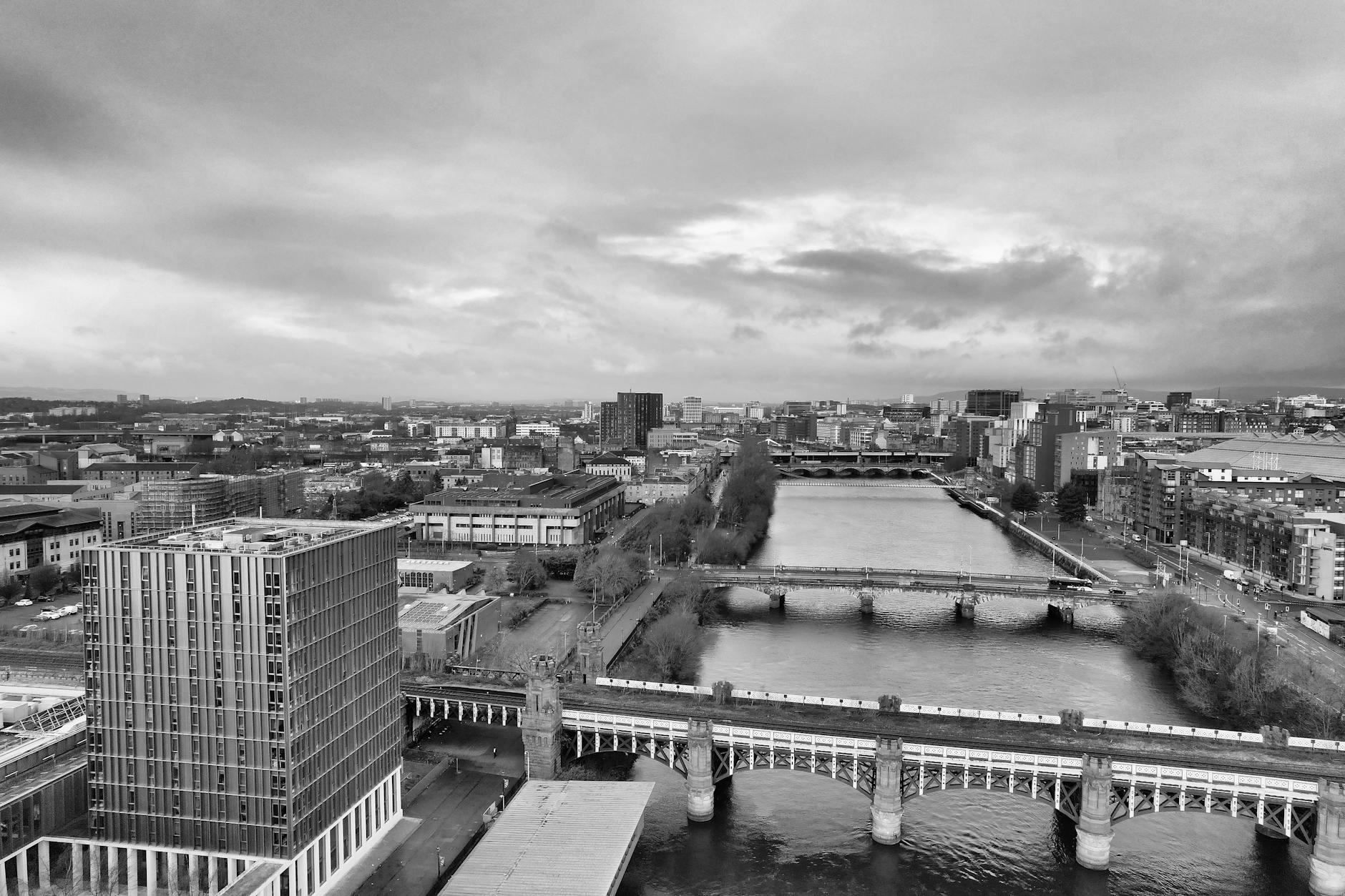
From the Riverside Museum, walk along the Clyde waterfront past the SSE Hydro arena, across the beautiful Clyde Arc bridge (nicknamed the “Squinty Bridge”), and along the south bank towards the city centre. This flat, scenic walk gives you a real sense of Glasgow’s industrial heritage and dramatic modern regeneration.
Evening: Dinner in Finnieston
End your Glasgow weekend in Finnieston — Glasgow’s dining and bar heartland. The stretch of Argyle Street is lined with outstanding independent restaurants and bars:
- The Gannet — Scottish seasonal tasting menus, genuinely excellent
- Ka Pao — punchy South-East Asian small plates, brilliant value
- Alchemilla — plant-forward modern European cuisine
- Primal Cut — for serious steak lovers
After dinner, the Kelvingrove Cafe, Porter and Rye, and the Finnieston Bar are all great spots to end your Glasgow weekend with a local craft beer or a dram of Scotch whisky.
Day two is about the historic core and the river. Begin in George Square beneath the grand City Chambers, browse the Style Mile shopping streets and pop into the Gallery of Modern Art to see the traffic-cone Duke of Wellington. Walk east through the Merchant City to the medieval Glasgow Cathedral and the dramatic Necropolis behind it. In the afternoon head down to the Clyde for the Zaha Hadid-designed Riverside Museum and the Tall Ship, then spend your last evening at a legendary live-music venue — this is a UNESCO City of Music.
Build day two around the walk, because the morning’s sights string together neatly on foot. From George Square it is a few minutes through the Merchant City to the cathedral, and the climb up into the Necropolis behind it rewards you with the best free view in the city centre on a clear day — a Victorian hillside of mausoleums looking back over the spires. Give the cathedral itself at least three-quarters of an hour; the lower church, where a forest of stone columns frames St Mungo’s tomb, is the part people remember.
In the afternoon, the Riverside Museum and the Tall Ship moored outside are both free and easily a couple of hours together, and the walk back along the Clyde past the OVO Hydro and over the Squinty Bridge gives you the industrial-heritage-meets-regeneration story in one flat, scenic stretch. Save the evening for live music: Glasgow is a UNESCO City of Music, and on any given night you can catch something at one of the legendary venues — a fitting way to close a weekend. If you’ve got children in tow, the Riverside’s recreated streets and the Tall Ship’s decks are the easiest win of the trip.
Essential Tips for Your Glasgow Weekend
What to Pack
Glasgow’s weather is famously unpredictable — pack a compact waterproof layer regardless of the forecast. Comfortable walking shoes are essential as you’ll cover several miles each day. A small daypack for water, snacks, and a guidebook is useful.
Timing Your Visits
Kelvingrove and the Riverside Museum open at 10am on weekdays (11am on Sundays). Arriving at opening time gives you the best experience of these outstanding free museums at their quietest. The Necropolis is best visited in the afternoon when the light is most flattering for the dramatic stonework and city views.
Extending Your Stay
If you can extend to three or four days, add the Burrell Collection in Pollok Country Park (a full half-day), the Hunterian Museum at Glasgow University, the People’s Palace at Glasgow Green, and a trip along the Clyde Walkway. Glasgow genuinely rewards additional time — there is always something new to discover.
A few things that make the weekend smoother:
- Most major museums are free, so build your days around them and save your budget for food.
- The Subway closes early (about 11:40pm, 6pm on Sundays) — plan your route home.
- Glasgow is a walking city; the centre to the West End is a pleasant 25-minute stroll.
- Sunday has slightly shorter opening hours, so do your big sights on Saturday.
A word on timing the Subway, because it catches visitors out. It runs a single circular loop and is brilliant for hopping between the centre and the West End, but it closes early — roughly late evening on weekdays and notably earlier on Sundays — so plan your way home, or fall back on a cheap taxi. Our getting around guide and dedicated Subway guide have the current hours.
If you can steal even half a day more, the easiest add-ons to this two-day route are:
- The Burrell Collection in Pollok Country Park — a world-class free museum in woodland, an easy half-day.
- Glasgow Green and the People’s Palace for the city’s social history, a short walk from the Merchant City.
- A day trip by train to Loch Lomond, Stirling or Edinburgh, all under an hour away.
- A lazy West End brunch before you travel home — the city does brunch exceptionally well.
Conclusion: Your Perfect Glasgow Weekend
This Glasgow 2-day itinerary gives you the very best of Scotland’s largest and liveliest city — world-class free museums, ancient architecture, outstanding food, and the stunning Clyde waterfront, all packaged into a manageable and enjoyable weekend. Glasgow rewards curious, open-minded visitors who look beyond the city’s industrial history and discover a place of extraordinary culture, warmth, and creative energy. Start planning your Glasgow weekend using this itinerary as your foundation — and when two days isn’t enough, come back for more.

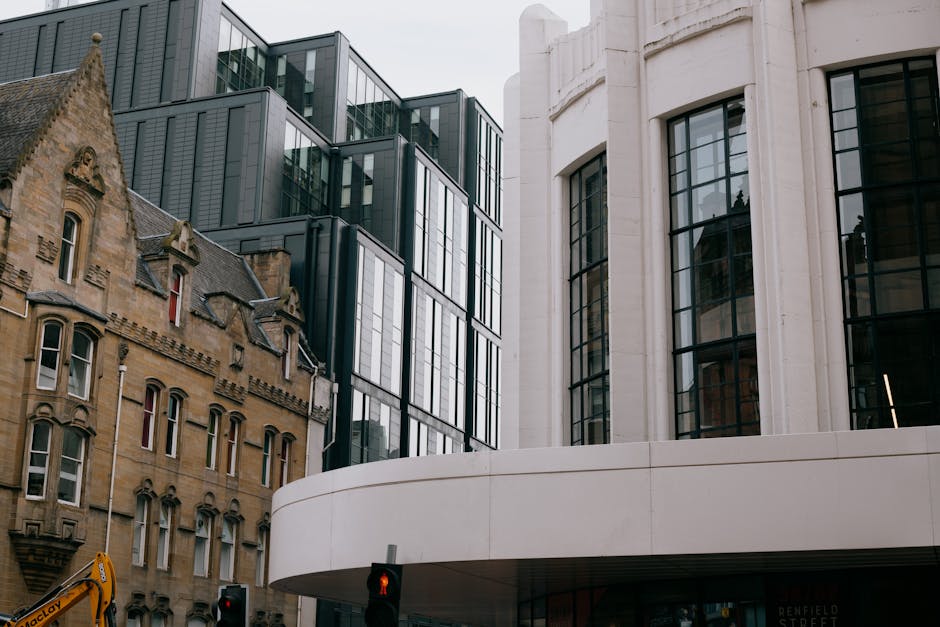
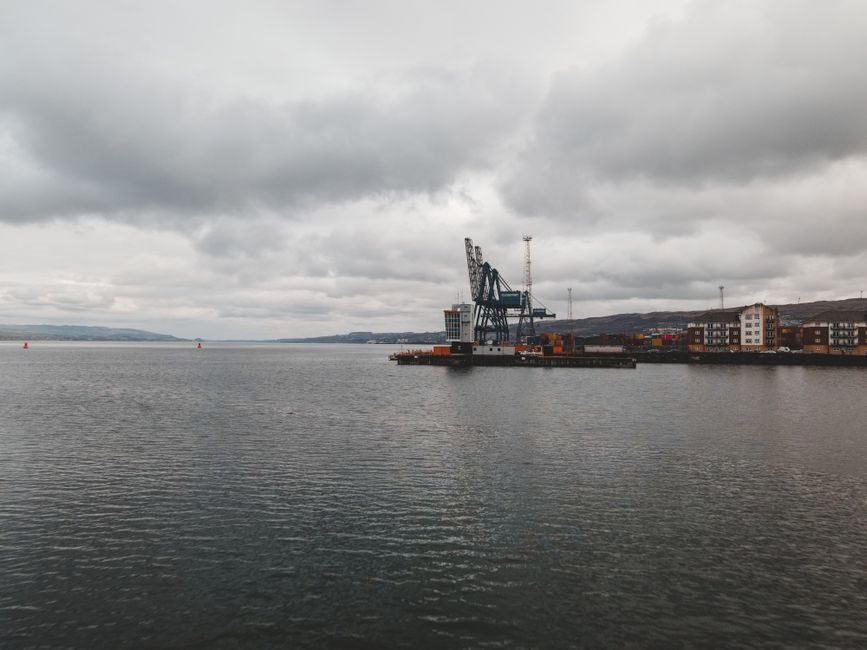
Two days won’t exhaust Glasgow — it barely scratches the Southside, the distilleries, the budget gems and the day trips — but it gives you the real shape of the place: the grand Victorian centre, the leafy West End, the working river and a food-and-music scene that punches well above the city’s size. Follow this route and you’ll leave understanding why Glaswegians are so quietly certain their city is the best in Scotland.