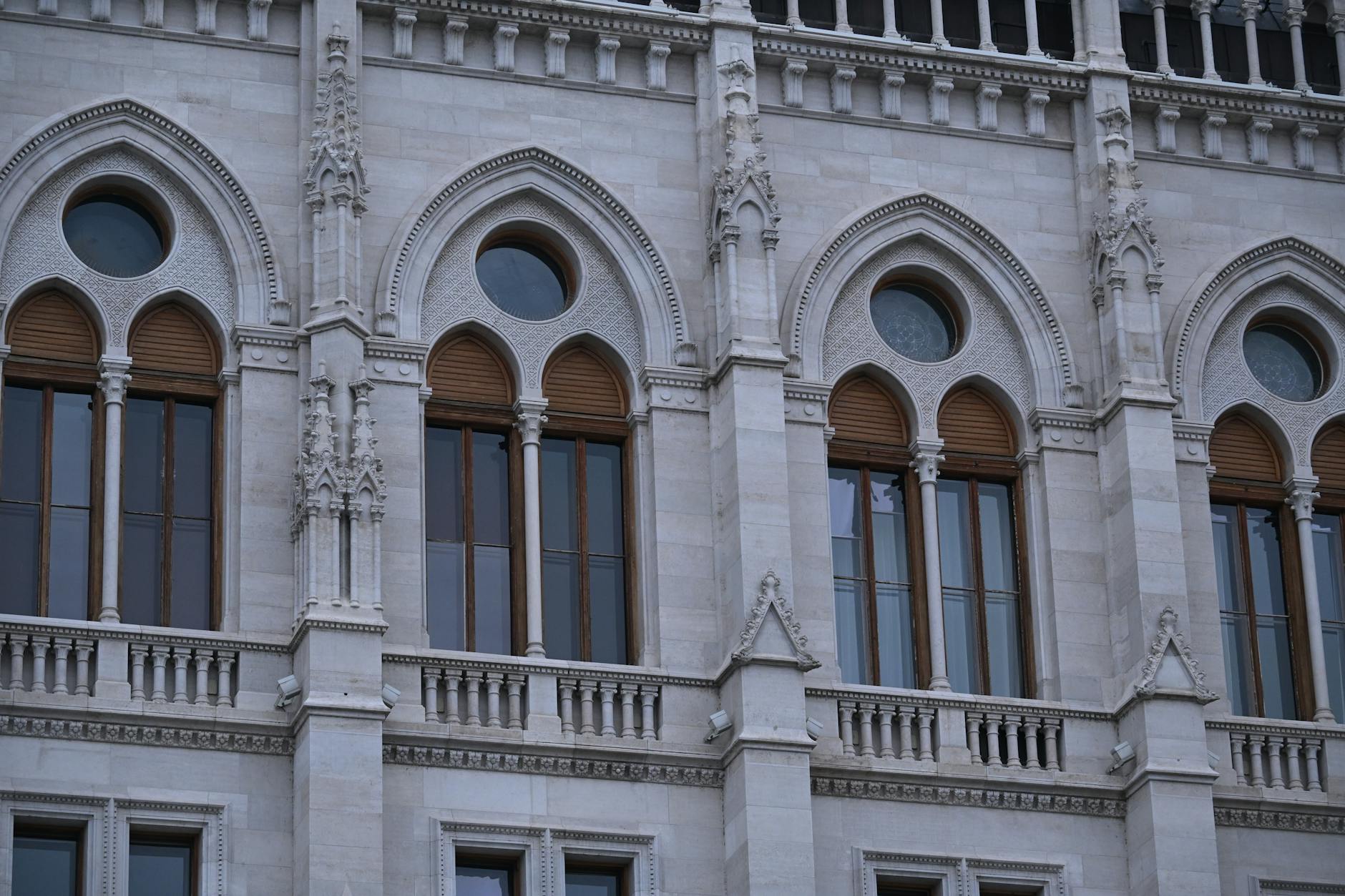
The Riverside Museum is one of Glasgow’s most acclaimed buildings — a Zaha Hadid–designed wave on the north bank of the Clyde, holding 3,000 transport objects from horse-drawn cabs to a 1900 Glasgow tram and a Stormtrooper helmet from Star Wars. Combined with the 1896 Tall Ship Glenlee moored alongside, it’s the most family-friendly free museum visit in Glasgow.
This is the complete 2026 visitor guide to the Riverside Museum Glasgow — what to see, how the Hadid building works, the Tall Ship, opening hours, getting there and how to combine your day with the Glasgow Science Centre across the water.

Riverside Museum at a glance
Address: 100 Pointhouse Place, Glasgow G3 8RS. Opening hours (2026): Mon–Sat 10am–5pm, Sun 11am–5pm. Entry: Free. Plan for: 2 hours minimum (museum only); 3+ hours with the Tall Ship. Accessibility: Step-free throughout. Best entrance: the curved main entrance facing the Clyde.
A few things worth knowing before you set off. Entry is free, as it is at all of Glasgow’s civic museums, so there’s no ticket to book and no reason not to drop in even for a quick look — many locals do exactly that on a rainy afternoon. Hours can shift around public holidays and the festive period, so if you’re travelling on a bank holiday it’s worth a quick check of the museum’s official site before you go. Photography is fine throughout for personal use, and the riverside setting outside is as much a part of the visit as the galleries inside.
The Zaha Hadid building
The museum opened in 2011 inside a £74-million Zaha Hadid–designed building — a sectional extrusion that flows from the city out to the water in a wave-like silhouette. The architecture won the European Museum of the Year Award in 2013. The building itself is a major piece of contemporary architecture and worth lingering over before entering.

The Riverside Museum is Glasgow’s museum of transport and travel, and one of the city’s proudest modern landmarks. It stands on the Clydeside where the River Kelvin meets the Clyde, on the site of the old shipyards, and it is housed in a spectacular zinc-clad building by Zaha Hadid Architects with a wave-like roof that echoes the river and the city’s shipbuilding past.
It opened in 2011 and was named European Museum of the Year in 2013. Like Glasgow’s other civic museums, entry is free — you can wander in for ten minutes or lose a whole afternoon.
The shape isn’t decoration for its own sake — the building was conceived as a connection between the city and the river, opening up at each end so the eye is drawn through the structure from the street side out to the water. Hadid Architects designed it as a single flowing section with that distinctive pleated, wave-like roofline, and it remains one of the practice’s landmark public buildings in Britain. It’s worth a slow lap of the exterior before you go in: the way the form reads completely differently from the city approach than it does from the water side is the whole point, and it’s the best photograph you’ll take all day.
What to see inside the museum
1. The Locomotion Hall
Three-tiered displays of vehicles arranged thematically. Highlights:
- The 1894 South African locomotive (huge!) suspended above a tram from Glasgow’s tramway era.
- Skoda’s 1990 prototype.
- The world’s oldest surviving pedal cycle (1840).
- A complete 1898 horse-drawn omnibus.
2. The Recreated Glasgow Streets
Three full-scale recreations of historic Glasgow streets — Edwardian, 1930s and 1980s — with shopfronts you can walk into (a tobacconist, a tailor, a working tram). The 1930s pawnbroker’s window has the most photos taken in the museum.
3. The Tram Hall
Glasgow ran one of Europe’s largest tram networks until 1962 — the museum holds 6 of the original trams in working condition, including the 1922 cinema tram. You can climb aboard and ring the bell.
4. The Cars
The museum holds the largest collection of Scottish-built cars in the world (Argylls, Albions, Arrol-Johnstons) and a global motoring collection including:
- The original 1907 Royal Scotsman touring car.
- Ferraris, Aston Martins and Jaguars donated by collectors.
- The actual Star Wars Stormtrooper costume (yes — donated by a Glasgow collector).
5. The Skateboards, Prams and Wheelchairs Wall
A surprisingly moving wall of personal-mobility items — every model from the early Victorian wicker pram to the modern racing wheelchair. The kind of detail that makes the Riverside special.
Inside, the collection is displayed with real flair:
- A recreated early-20th-century cobbled street with working shopfronts, a pub and a vintage subway station.
- Walls of cars stacked three high, from vintage motors to classics.
- Glasgow-built locomotives, trams and motorbikes — reminders that the city’s engineering reached the whole world.
- Hundreds of detailed ship models celebrating the Clyde’s shipbuilding heritage.
- Interactive displays and oral histories that make it genuinely engaging for children.
Don’t try to see everything in order — the Riverside rewards wandering. The collection is arranged so that grand set-pieces like the wall of stacked cars and the suspended locomotive sit alongside small, human details that are easy to walk past: a child’s scooter, a delivery bike, a ticket from a tram route that no longer exists. Those quieter objects are where the social history lives, and they’re often what visitors remember. Give yourself permission to double back; the recreated street in particular reads differently once you’ve seen the vehicles that used to run down it.
If you’re visiting with children, the interactives are the draw — the working tram you can climb aboard, the hands-on displays, the recreated shopfronts you can step inside. Pick up a free family-trail booklet from the welcome desk to turn the galleries into a hunt, and budget extra time, because they’ll want to do the best bits twice. For more days out built around little ones, see our Glasgow with kids guide.
The Tall Ship Glenlee
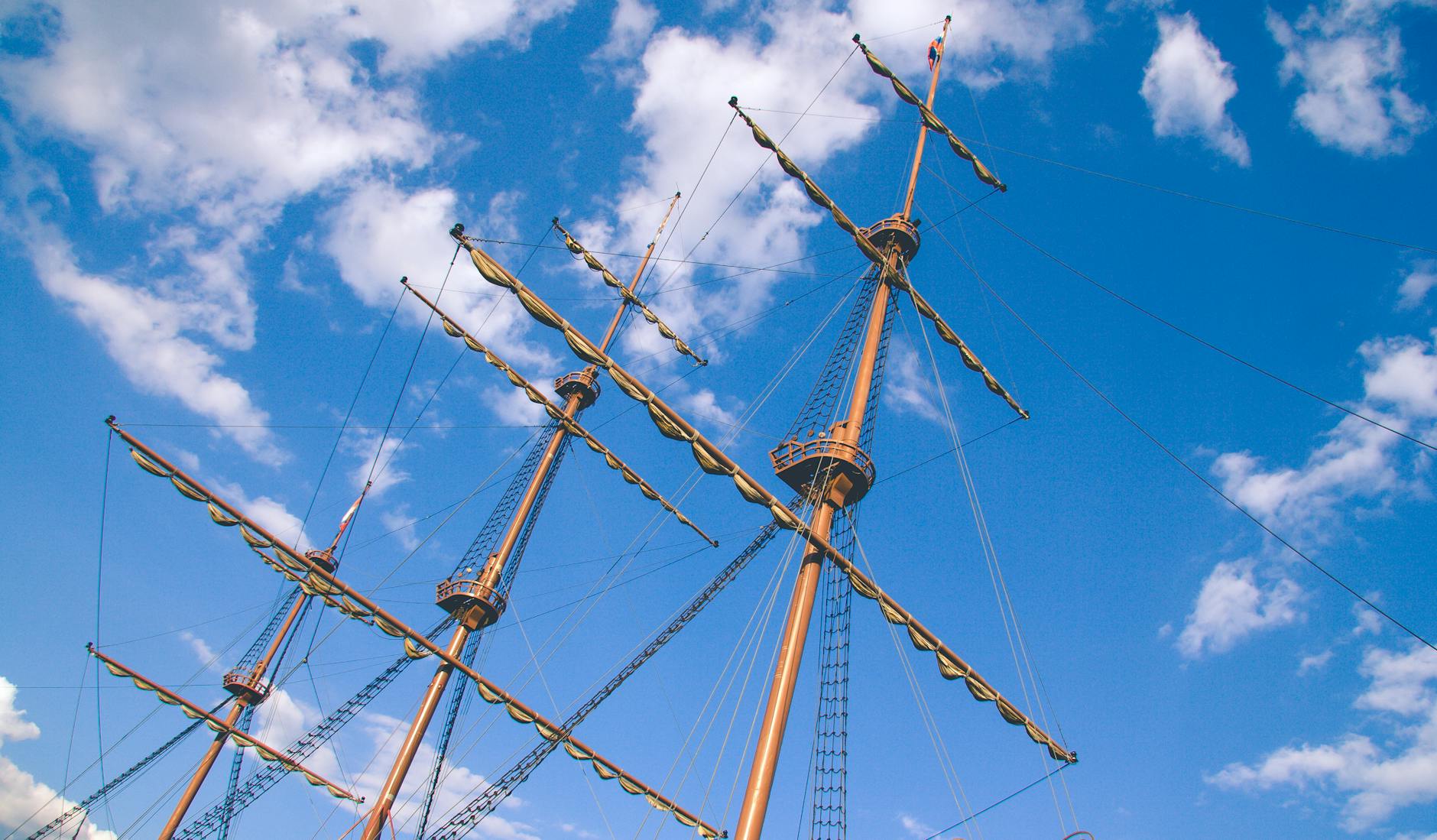
Just outside the museum on the Clyde sits the Tall Ship Glenlee — a three-masted barque built in Glasgow in 1896, 245 feet long, with masts reaching 132 feet into the air. The Glenlee carried bulk cargo around the world for over 25 years, was decommissioned in the 1980s, restored in the 1990s and is now permanently moored alongside the Riverside as a working museum ship.
You can climb aboard the deck, descend below into the cargo holds and crew quarters, and explore from bow to stern. Free entry. Allow 60 minutes. The deck is a brilliant photo spot.
Moored right outside is the Tall Ship Glenlee — a Clyde-built sailing ship launched in 1896 and one of only a handful of its kind still afloat. It is free to board, and clambering around the decks and below is one of the best free things to do with kids in the city.
The Glenlee is one of only a handful of Clyde-built sailing ships of its era still afloat anywhere in the world, which makes the deck you’re standing on a genuine survivor rather than a replica. Below deck, the cargo holds and crew quarters give a real sense of how cramped and hard a working life at sea was in the 1890s — a useful counterweight to the romance of the rigging up top. Allow around an hour, more if the kids take to the below-deck exploring, and note that while the main deck has a step-free route, getting below involves ladders, so it’s worth knowing in advance if anyone in your group has mobility needs.
Free guided tours
Free volunteer-led guided tours run twice daily (typically 11am and 2pm), lasting about 45 minutes. The volunteers know the collection deeply and bring stories you’d miss self-guiding. No booking required — sign up at the welcome desk on arrival.
The volunteer-led tours are the best free upgrade to a Riverside visit, and easy to miss if you head straight for the cars. The guides tend to be retired engineers, ex-shipyard and transport people, and lifelong Glaswegians, and the stories they attach to the objects — how a tram route shaped a neighbourhood, what it was like to build ships on this very stretch of the Clyde — are exactly the context the labels can’t give you. Tours run a couple of times a day and last around three-quarters of an hour; there’s no need to book, just ask at the welcome desk when you arrive what’s running and sign up.
Family-friendly features
The Riverside is one of the strongest free family days in Glasgow. Free family-trail booklets at the welcome desk turn the museum into a treasure hunt. The first-floor “skateboard simulator” and the working tram are sure hits with kids 5–10. Allow at least 90 minutes for kids to wander; they’ll want to do every interactive twice. Combined with the Tall Ship deck and the Glasgow Science Centre across the bridge, you’ve got a full free family day.
Practical tips that make the family visit smoother: the museum is fully indoors and step-free, so it’s an easy push with a buggy and a reliable wet-weather option when a Glasgow afternoon turns. There’s a designated indoor picnic area if you’d rather bring your own lunch than queue at the cafe, and accessible toilets and baby-change on site. The single best-value family day in the area chains three free attractions together — the museum, the Tall Ship deck, and a walk along the river — with only the Science Centre across the water charging admission, so a full day out here costs a fraction of what it would in most cities.
Eating at the Riverside Museum
The museum café on the ground floor sells sandwiches, hot kids’ meals, soup of the day and good coffee. Picnic-friendly: there’s a designated indoor picnic area and benches on the riverside outside. For a sit-down lunch, walk 15 minutes east to Finnieston for one of the food guides’ top picks (see our Glasgow food guide).
If you’d rather eat better than museum-cafe fare, you’re well placed. Finnieston — one of Glasgow’s strongest food-and-drink neighbourhoods — is a walk of roughly fifteen minutes east along the river, and it’s stacked with good kitchens and bars. Our Glasgow food guide covers the tables worth booking, and if you’re rounding off the day with a drink, the Finnieston cocktail bars are some of the best in the country. For families or a quicker turnaround, the on-site cafe and the indoor picnic area do the job without leaving the building.
How to get to the Riverside Museum
Subway: Partick (5 minutes’ walk) — most convenient option.
Train: Partick station (5 minutes) is also the closest rail station.
Bus: First Bus 100 from George Square stops outside the museum.
Walking: 30 minutes from the city centre via the Clyde Walkway — pleasant on a dry day.
Driving: Free parking on site (signposted from Pointhouse Road); fills early on Saturdays.
The museum is on the river in the Partick/Govan area, west of the centre. Take a bus from town, or the Subway or train to Partick and then a short walk or bus down to the river. There is free parking on site.
It pairs naturally with a riverside walk and with the Tall Ship, and it’s a short hop across the Clyde (via the Govan–Partick bridge or a bus) from the Glasgow Science Centre, so you can build a strong half-day on the water.
For most visitors the Subway is the easiest route: Partick is the nearest station, a flat five-minute walk from the museum, and the trains run frequently in a simple loop so you can’t really go wrong — our Glasgow Subway guide explains the system and fares. Partick is also a rail and bus interchange, so you can arrive by train and step straight onto a connecting service. If you’re driving, there’s free parking on site, but it fills early on busy Saturdays, so come before late morning or have the Subway as a backup. For every option from the airport onward, see our getting around Glasgow guide.
Combine the Riverside with the Glasgow Science Centre
The Bell’s Bridge crosses the Clyde from the Riverside to the Glasgow Science Centre on the south bank — 5 minutes’ walk over the water. A combined day:
- 10am — Riverside Museum (2 hours).
- 12pm — Tall Ship Glenlee (1 hour).
- 1pm — Lunch at the Riverside café or a riverside walk to Finnieston.
- 2pm — Walk over Bell’s Bridge to the Glasgow Science Centre (3 hours).
- 5pm — Subway home from Cessnock or Ibrox.
Total cost for a family of four: under £40 (Science Centre tickets only). See our companion Glasgow Science Centre with kids guide for the south-bank half.
The combined Riverside-and-Science-Centre day works so well because the two sit almost opposite each other across the Clyde, linked by a footbridge that takes a few minutes to cross — no transport needed between them. The natural rhythm is the free museum and Tall Ship in the morning while energy is high, lunch around the middle, then the paid, hands-on Science Centre in the afternoon when younger kids need somewhere to burn off steam indoors. Buy Science Centre tickets ahead online to skip the desk, and check its opening days before you commit, as they vary by season.
Accessibility
The Riverside is fully accessible — step-free throughout, accessible toilets on every floor, free wheelchair loan at the welcome desk, large-print labels, audio guides for visually impaired visitors. The Tall Ship has a step-free route as far as the main deck; below-deck areas require ladders.
Best time to visit
Quietest: weekday mornings (Tue–Thu, 10–11.30am). Busiest: Saturday afternoons in summer holidays. Allow extra time on rainy days — the Riverside is a top wet-weather day-out option for Glaswegians.
For the quietest, calmest visit, aim for a weekday morning shortly after opening, ideally midweek — you’ll get the recreated street and the popular photo spots largely to yourself. The busiest windows are weekend and school-holiday afternoons, when the Riverside doubles as the city’s go-to wet-weather day out, so a rainy Saturday is the one time you might find it genuinely crowded. If your dates are fixed and that’s when you’re going, arriving right at opening still buys you a clear hour before the crowds build.
What’s nearby
- Glasgow Science Centre — 5-minute walk via Bell’s Bridge.
- Finnieston restaurants and bars — 10-minute walk east; see our best cocktail bars in Glasgow guide.
- The Clydeside Distillery — 10-minute walk along the Clyde Walkway; see our Clydeside Distillery guide.
- Kelvingrove Art Gallery and Museum — 15-minute walk, free; see our Kelvingrove guide.
The Riverside anchors a cluster of riverside attractions that string together into a strong half- or full day on foot. Beyond the Science Centre across the water and the Finnieston food strip a short walk east, the Clydeside Distillery sits a little further along the Clyde Walkway, and the free Kelvingrove Art Gallery and Museum is around fifteen minutes’ walk inland — an easy pairing of two of the city’s best free museums in one trip. For the full menu of options across the city, our things to do in Glasgow guide is the place to plan from.
FAQs
Is the Riverside Museum free?
Yes — entry to the museum and the Tall Ship Glenlee is completely free. Donations welcome.
How long do you need at the Riverside Museum?
2 hours for the museum alone; 3 hours including the Tall Ship; a full half-day if you also do the Glasgow Science Centre across the river.
Is the Tall Ship Glenlee free to visit?
Yes, free entry, alongside the Riverside Museum. The ship has been restored to working museum condition; you can explore deck and below-deck areas.
Is the Riverside Museum good for kids?
Excellent — recreated streets, working trams, family trails, the Tall Ship deck and an indoor picnic area make it one of the best free family days in Glasgow.
Where is the Riverside Museum?
100 Pointhouse Place, Glasgow G3 8RS — on the north bank of the River Clyde at Partick. Closest Subway station is Partick.
Who designed the Riverside Museum building?
Zaha Hadid Architects. The wave-shaped building won European Museum of the Year in 2013 and is one of the city’s most acclaimed pieces of contemporary architecture.
Plan more Glasgow museum days
The Riverside is one of dozens of free museums in Glasgow. See our companion deep-dives on Kelvingrove and the Burrell Collection, plus the complete Glasgow museums and galleries guide.