This article contains advertising. Our booking links are routed through a partner that adds commission tracking automatically, so if you book through one we earn a commission from the provider, at no extra cost to you. It never affects what we recommend. Affiliate disclosure
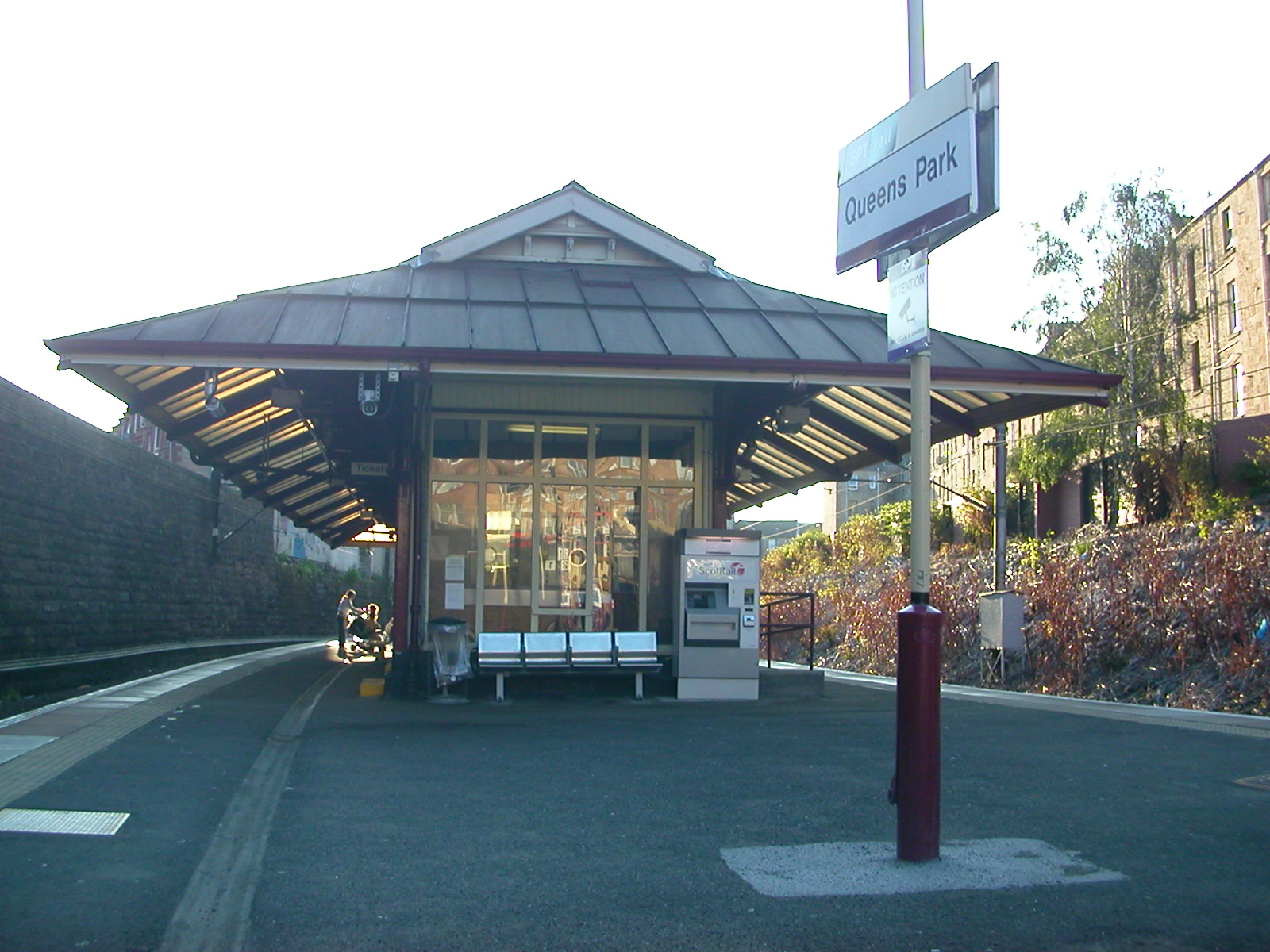
Under ten minutes after leaving Glasgow Central, the train to Cathcart pulls into Queen’s Park station, and you climb the steps into a street of red sandstone tenements, corner cafés and a Victorian park on the hill a few minutes’ walk away. That’s the Glasgow Southside in miniature: big parks, tenement streets with their own high streets and the most varied food in the city, and some of Scotland’s finest art in a country park that happens to sit inside the city boundary. Most visitors never cross the river. The ones who do tend to come back.
This guide covers what the Southside is like, how it grew, its neighbourhoods from Pollokshields and Strathbungo to Queen’s Park, Govanhill and Pollok, the best things to do, where to eat, a one-day plan and how to get around. Prices and opening hours were checked in October 2026; treat prices as the right order of magnitude and confirm before you travel, because two of the area’s best-known buildings are currently closed and a third keeps variable hours.
The Southside at a glance
| Southside | The essentials |
|---|---|
| Where | South of the Clyde, from Pollokshields and the Gorbals out to Pollok, Cathcart and the city boundary |
| Rail | Cathcart Circle trains from Central: Pollokshields East and West, Queen’s Park, Crosshill, Mount Florida, Shawlands and more; Pollokshaws West for the Burrell |
| Subway | Shields Road, Kinning Park, West Street and Bridge Street on the northern edge |
| Main streets | Pollokshaws Road, Victoria Road, Kilmarnock Road, Albert Drive, Allison Street |
| Big free sights | The Burrell Collection, Pollok Country Park, Queen’s Park, Tramway and the Hidden Gardens, Linn Park |
| Best for | Art, parks, food, a local feel |
| Currently closed | Pollok House and Scotland Street School Museum, both for refurbishment |
| Time needed | A full day, planned by area: the sights are spread out |
What things cost on the Southside
| Item | Price | Notes |
|---|---|---|
| The Burrell Collection | Free | In Pollok Country Park; Pollokshaws West is the nearest station |
| Pollok Country Park | Free | Car parking £7 for four hours or £12 for the day, charged 10am–6pm |
| House for an Art Lover | £7 adults, £5.50 children and concessions | Under-10s free, family ticket £20; usually 10am–4pm, but private events change the hours |
| Tramway and the Hidden Gardens | Free | Performances are ticketed |
| Queen’s Park and Linn Park | Free | Open every day |
| Hampden tour and Scottish Football Museum | About £16–20 | Mount Florida or King’s Park station |
| Subway single / all-day cap | £1.80 / £3.40 | Useful only for the northern edge of the Southside |
As with the West End, the headline sights are free, and a day on the Southside can cost little more than your train fares and lunch. The difference is that the Southside’s restaurants and cafés are, on the whole, better value. If you’re watching the budget, see our guide to Glasgow on a budget.
How the Southside grew
For most of Glasgow’s history the south bank was farmland, country estates and a few villages, connected to the city by a handful of bridges. That changed in the second half of the nineteenth century, when the new suburban railways, among them the line that became the Cathcart Circle, made it possible to live south of the river and work in town. Pollokshields was laid out as a suburb of villas, the tenement districts of Govanhill, Crosshill and Strathbungo filled in around Victoria Road and Pollokshaws Road, and several of them were independent burghs until Glasgow absorbed them in 1891. Pollokshaws followed in 1912.
The area had history long before the suburbs. In 1568 Mary, Queen of Scots lost her last battle at Langside, just south of what is now Queen’s Park, and fled to England and captivity. In the 1850s Alexander “Greek” Thomson, the city’s great Victorian architect, built some of his finest work here, including Moray Place in Strathbungo, where he lived, and Holmwood House in Cathcart. And in 1966 the Maxwell family gave the Pollok estate to the city, which is why Glasgow has a 360-acre country park inside its boundary and why the Burrell Collection was built there.
The Southside, neighbourhood by neighbourhood
Pollokshields
Just south of the M8 and the railway, Pollokshields is two places in one. West Pollokshields is a conservation area of big Victorian villas on wide, tree-lined streets; the east side, around Albert Drive and Maxwell Road, is tenements, shops and the heart of Glasgow’s South Asian community, with grocers, sweet centres and restaurants to match. The reason most visitors come is Tramway on Albert Drive, an arts centre in a former tram depot with free exhibitions and a programme of theatre and dance, and the Hidden Gardens behind it, a quiet walled garden built on the old tram yards. Pollokshields East station is about two minutes away; Shields Road Subway station is a short walk.
Strathbungo and Shawlands
South along Pollokshaws Road, Strathbungo is a tiny grid of streets that punches well above its size, with Greek Thomson’s Moray Place on its western edge and a couple of the Southside’s best-loved pubs. Beyond it, Shawlands is the Southside’s high street, along Pollokshaws Road and Kilmarnock Road, packed with cafés, bars, brunch spots and restaurants, and home to the Glad Café, a café and music venue that hosts Celtic Connections gigs. Shawlands is also the centre of the Southside Fringe, a fortnight of arts, comedy and music each May. If you only have time for one Southside neighbourhood for food and drink, make it this one; our Shawlands and Strathbungo guide goes street by street.
Queen’s Park, Langside and Crosshill
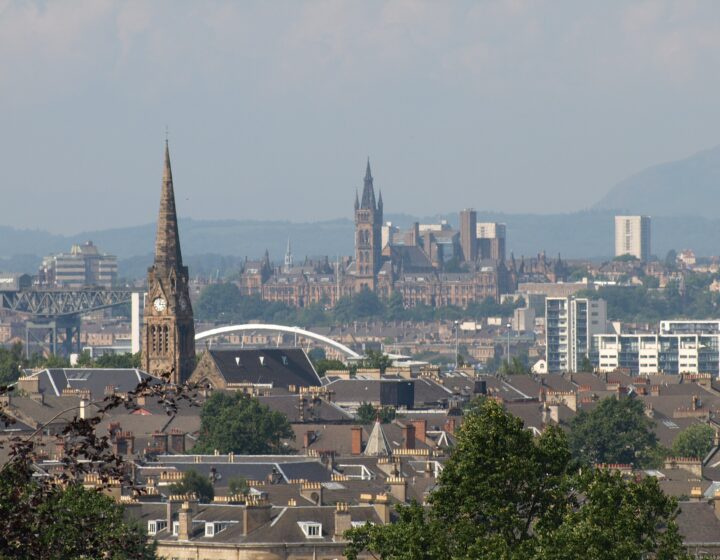
The Queen’s Park area is the Southside’s green centre. The park itself, laid out in the 1860s and named after Mary, Queen of Scots, climbs to a flagpole on the hill with one of the best views in the city, across the tenement roofs to the university tower and the Campsie Fells beyond. Victoria Road runs up to the main gate from Queen’s Park station, and the streets around it, in Crosshill and Langside, are classic red sandstone tenements. The Battle of Langside monument stands just south of the park. Our Queen’s Park guide has the paths, the playground and the views.
Govanhill and Battlefield
East of Queen’s Park, Govanhill is one of the most diverse neighbourhoods in Scotland, home over the past century to Irish, Jewish, Italian, Pakistani, Indian and, more recently, Roma and Eastern European communities. Allison Street and Victoria Road are lined with grocers, bakeries and cheap restaurants from half the world. It’s not a pretty neighbourhood, and parts of it have real housing problems, but for food it’s one of the most interesting few streets in Glasgow. Battlefield, south of the park, is quieter and more residential.
Mount Florida and Cathcart
Mount Florida is football country: Hampden Park, home of the Scotland team and the Scottish Football Museum, is a short walk from Mount Florida and King’s Park stations. Further south, Cathcart has Linn Park, with woodland, a gorge and a waterfall on the White Cart Water, and Greek Thomson’s Holmwood House, which the National Trust for Scotland opens to visitors in season.
Pollokshaws and Pollok Country Park
To the south-west, Pollok Country Park is the Southside’s great open space and Glasgow’s largest park: woodland, riverside paths, formal gardens, a herd of Highland cattle and the Burrell Collection. Pollok House, the Maxwell family’s eighteenth-century mansion, has been closed since November 2023 for a major refurbishment and had no confirmed reopening date when we checked, so don’t plan a visit around it. The park, the Burrell, the gardens and the cattle are all open as normal.
Bellahouston, Kinning Park and Kingston
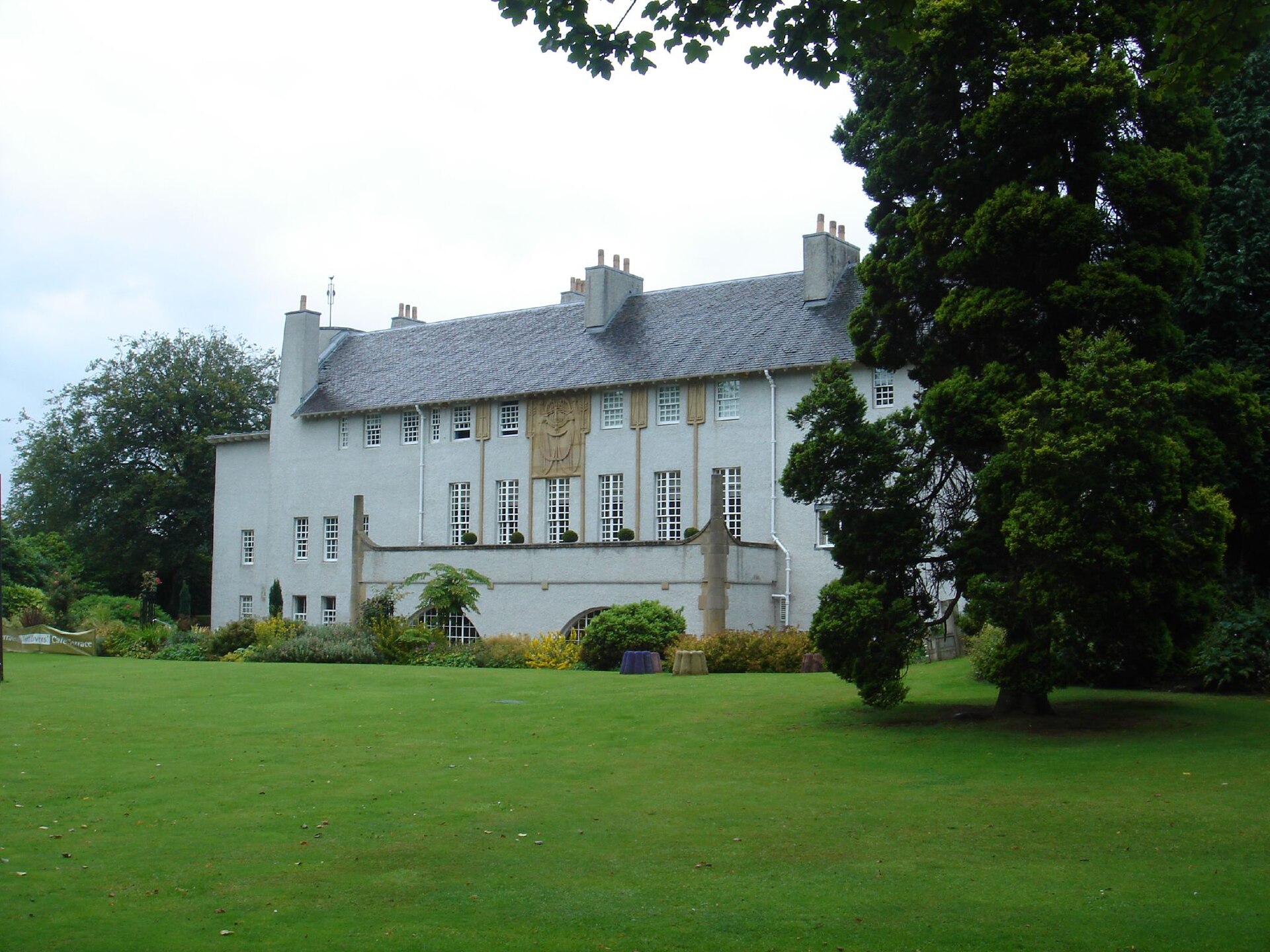
West of Pollokshields, Bellahouston Park hosts big outdoor concerts in summer and is home to House for an Art Lover, a house built in the 1990s from a design Charles Rennie Mackintosh and Margaret Macdonald drew for a German competition in 1901. Ibrox Stadium sits just north of the park.
Near the river, in Kingston, Mackintosh’s Scotland Street School is closed for a major refurbishment that will add a nursery and learning hub to the museum, with no reopening date announced.
The best things to do on the Southside
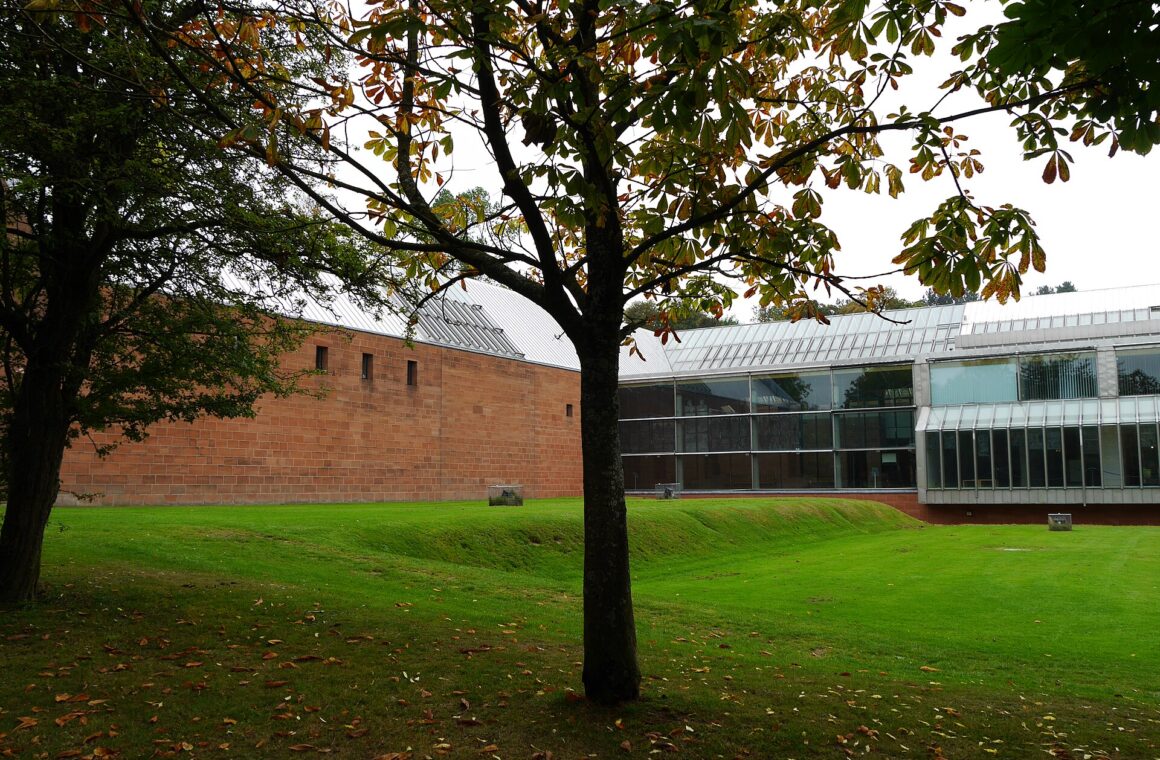
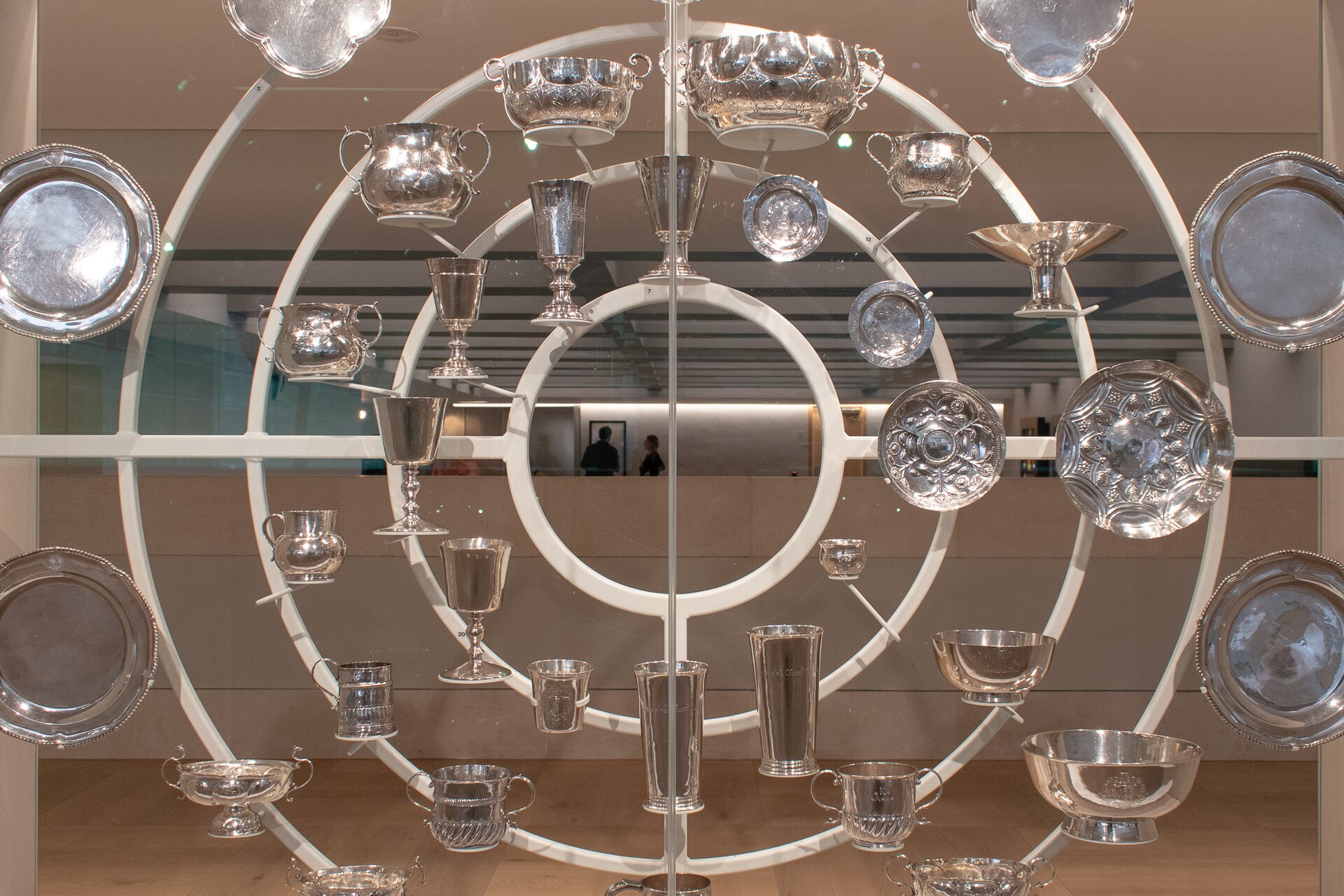
- The Burrell Collection. Sir William Burrell, a Glasgow shipping magnate, gave his vast collection to the city in 1944, and it now fills a glass-walled gallery in Pollok Country Park that reopened in 2022 after a major refurbishment. Medieval stained glass and tapestries, Chinese ceramics, paintings, armour and a great deal of silver, all free. Allow at least two hours.
- Pollok Country Park. Walk the woodland and riverside paths, find the Highland cattle in their field and wander the formal gardens.
- The view from Queen’s Park. Climb to the flagpole for the best free view on the south side of the city.
- Tramway and the Hidden Gardens. Contemporary art for free and a walled garden that feels miles from the city.
- House for an Art Lover. Mackintosh’s design, finally built, with interiors, a café and gardens in Bellahouston Park. At £7 it’s a good add-on to a Mackintosh day; see our Charles Rennie Mackintosh guide.
- Hampden and the Scottish Football Museum. The national stadium and the story of Scottish football; see our Glasgow football guide.
- Linn Park. A wooded gorge and waterfall that most Glaswegians from the north side have never seen.
- A food crawl. South Asian cooking in Pollokshields, cheap eats in Govanhill, brunch and bars in Shawlands.
- A gig at the Glad Café or Tramway. Small, friendly and very Southside.
- The Southside Fringe. If you’re here in May, catch some of its arts, comedy and music in Shawlands and Queen’s Park venues.
Eating and drinking on the Southside
The Southside is where a lot of Glaswegians go to eat, and it’s better value than the West End or Finnieston. Pollokshields and Govanhill are the places for South Asian cooking, from sweet centres and takeaways to sit-down restaurants, in a city that takes its curry very seriously; our guide to the best curry in Glasgow has the pick. Shawlands and Strathbungo do brunch, coffee, small plates and good neighbourhood pubs, and Battlefield and Queen’s Park have their own corner cafés and bakeries.
For more, see our guides to the best brunch in Glasgow, cheap eats and the Glasgow food guide.
A day on the Southside
- Morning: Take the train from Central to Pollokshaws West and walk into Pollok Country Park. Spend the morning at the Burrell, then walk the park and find the Highland cattle.
- Lunch: Head east to Shawlands, by bus along Pollokshaws Road or a walk of about half an hour, for lunch on Kilmarnock Road or Pollokshaws Road.
- Afternoon: Walk through Strathbungo to see Moray Place, then into Queen’s Park and up to the flagpole for the view.
- Late afternoon: Carry on north to Pollokshields East for Tramway and the Hidden Gardens.
- Evening: Dinner in Pollokshields or back in Shawlands, then the train back to Central.
If you’d rather do Mackintosh, swap the afternoon for House for an Art Lover in Bellahouston Park. For more ideas across the city, see our guide to things to do in Glasgow.
Getting to and around the Southside
Trains are the key. The Cathcart Circle runs in both directions from Glasgow Central through Pollokshields East, Queen’s Park, Crosshill, Mount Florida, Cathcart, Shawlands, Pollokshields West and more, and other lines from Central serve Pollokshaws West for the Burrell and King’s Park for Hampden. Our ScotRail guide explains the lines and tickets.
The Subway only touches the northern edge of the Southside, at Shields Road, Kinning Park, West Street and Bridge Street. Buses run along Pollokshaws Road, Victoria Road and Kilmarnock Road, and our bus guide covers tickets. On foot, the city centre to Queen’s Park is about 45 minutes. If you’re driving, the Southside is outside the Low Emission Zone, and Pollok Country Park has pay-and-display parking at £7 for four hours or £12 for the day.
Is the Southside worth visiting?
Yes, especially on a second visit to Glasgow or a trip of three days or more. The Burrell alone justifies the journey, Pollok and Queen’s Park are the best parks in the city, and the food is as good as anywhere in Glasgow and cheaper than most. You’ll also see a side of Glasgow that has nothing to do with tourism.
The honest catches: the sights are spread out, so plan your day by area rather than zigzagging; two big buildings, Pollok House and Scotland Street School, are closed for now; and some streets, especially in Govanhill, are rough around the edges. For how the Southside fits with the rest of the city, see our guide to Glasgow neighbourhoods.
Glasgow Southside: frequently asked questions
What is the Southside of Glasgow known for?
The Burrell Collection and Pollok Country Park, Queen’s Park and its views, the villas of Pollokshields, the cafés and bars of Shawlands, South Asian food, Hampden Park and a strong local identity.
How do I get to the Burrell Collection?
Take the train from Glasgow Central to Pollokshaws West, then walk into Pollok Country Park; the Burrell is about 15 to 20 minutes on foot from the station. Buses also run along Pollokshaws Road. Entry is free.
Is Pollok House open?
Not when we checked in October 2026. Pollok House has been closed since November 2023 for a refurbishment, and no reopening date had been confirmed. Pollok Country Park and the Burrell Collection are open as normal.
What is the Queen’s Park area like?
Leafy and residential, with red sandstone tenements around a Victorian hillside park, independent cafés on Victoria Road, and quick trains to the city centre from Queen’s Park and Crosshill stations.
Is the Southside or the West End better?
The West End is easier for a first visit, with its sights close together on the Subway. The Southside has bigger parks, the Burrell, better-value food and a more local feel, but you’ll need trains or buses to get around it.
Is the Southside of Glasgow safe?
Yes, with the usual city sense. The parks and main streets are busy and friendly by day; as anywhere, stick to lit main roads late at night. See our Glasgow safety tips.
Related Glasgow Guides
- Glasgow neighbourhoods: an area-by-area guide
- Queen’s Park
- Pollok Country Park
- The Burrell Collection
- Linn Park
- Hampden Park and the Scottish Football Museum
- The best curry in Glasgow
- Glasgow West End guide
Photo Credits
The Burrell Collection in Pollok Country Park: Burrell Collection 02 by Edwardx, CC BY-SA 3.0, via Wikimedia Commons.
Silver in the refurbished Burrell: Burrell Collection Collections 1 2022 by JoeDerrySetch, CC BY-SA 4.0, via Wikimedia Commons.
House for an Art Lover in Bellahouston Park: HouseForAnArtLover by David Mackay, CC BY 2.0, via Wikimedia Commons.
Queen’s Park station: Queens Park (Glasgow) Railway Station 01 by The Voice of Hassocks, Public domain, via Wikimedia Commons.