
This article contains advertising. Our booking links are routed through a partner that adds commission tracking automatically, so if you book through one we earn a commission from the provider, at no extra cost to you. It never affects what we recommend. Affiliate disclosure
Queen’s Park is one of Glasgow’s most beloved green spaces, and the Southside’s undisputed crown jewel. Stretching across 60 hectares of rolling hills, manicured gardens, woodland walks and sports facilities, Queen’s Park offers something genuinely different from Glasgow’s other famous parks — most notably, one of the finest panoramic viewpoints in the entire city. If you’re looking for the best views in Glasgow without a ticket price attached, the flagpole at the top of Queen’s Park delivers a 360-degree sweep over the city that rivals anything money can buy.
A Brief History of Queen’s Park
Despite the name, Queen’s Park was not named after Queen Victoria — a common assumption given it was created during her reign and lies close to Victoria Road. The park was actually dedicated to Mary Queen of Scots, Scotland’s tragic 16th-century monarch whose story is inextricably linked to this very ground.
On 13 May 1568, the fields now occupied by Queen’s Park were the site of the Battle of Langside — one of the most decisive moments in Scottish history. Mary Queen of Scots watched from a nearby hill as her forces were routed by those of her half-brother, the Earl of Moray. Defeated, she fled south into England and into the custody of her cousin Elizabeth I, never to return to Scotland. A monument to the battle still stands within the park today, and a heritage trail connects the key sites in the surrounding Battlefield area.
The land was purchased by Glasgow Corporation in 1857, and the park was designed by Sir Joseph Paxton — the same visionary landscape architect responsible for Birkenhead Park, the grounds of the Scarborough Spa, and most famously the Crystal Palace in London. Queen’s Park opened to the public in 1862 and has been a cherished Southside institution ever since.
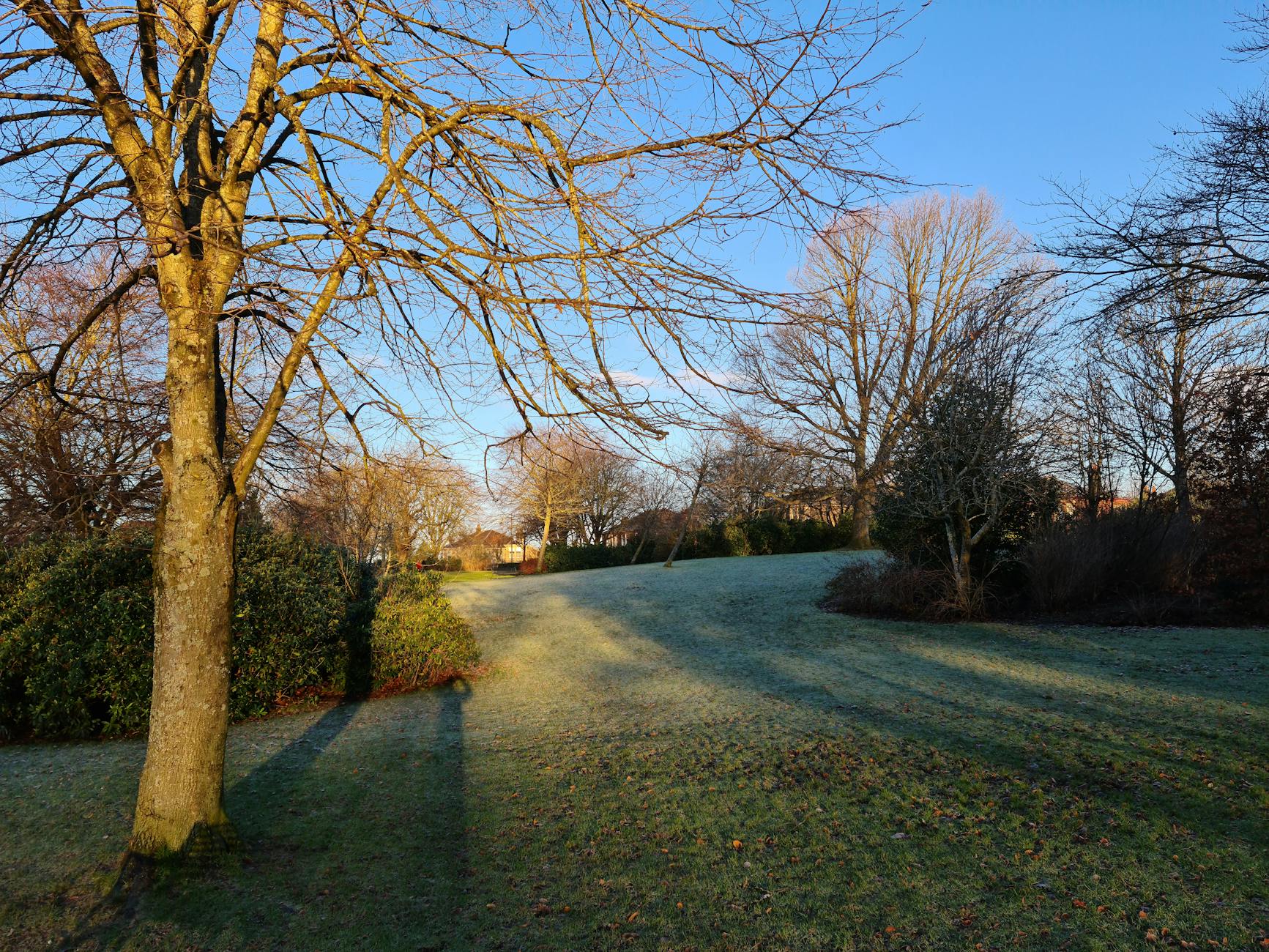
Queen’s Park is named not for Queen Victoria but for Mary, Queen of Scots, whose forces were defeated nearby at the Battle of Langside in 1568 — a monument on the park’s edge still marks it. The park itself was laid out from 1862 to a design by Sir Joseph Paxton, the gardener-architect behind the Crystal Palace, and it gave the rapidly growing Victorian Southside a grand green lung. Today it’s the beating heart of the Southside, ringed by the cafes and tenements of Strathbungo and Shawlands.
The Famous Queen’s Park Viewpoint
The single most compelling reason to make a trip to Queen’s Park is the view from the flagpole at the park’s highest point. This panoramic viewpoint is one of Glasgow’s best-kept secrets — known to locals but largely overlooked by tourists who never venture south of the River Clyde.
On a clear day, the view is extraordinary. The entire Glasgow cityscape unfolds before you — from the West End spires and the University of Glasgow tower in the northwest, to the tower blocks and industrial heritage of the East End. Beyond the city, the view extends to the Campsie Fells rolling green hills to the north, and on the clearest days you can pick out the summit of Ben Lomond (974m) and even Ben More and Stobinian deep in the Trossachs.
Unlike Ruchill Park or the Necropolis, which offer rival Glasgow viewpoints, Queen’s Park also gives you the Southside perspective — you see Glasgow spread out from south to north, framed by the Highland mountains on the horizon. It is particularly spectacular in the early morning before the haze of the day builds up, and at golden hour in summer when the low sun catches the city’s rooftops and the Clyde glints in the distance.
Photography Tips for the Flagpole View
For the best photographs, arrive early morning (before 9am in summer) for clean, clear visibility and soft directional light. A wide-angle lens or phone camera in panoramic mode captures the full sweep of the view. The flagpole itself makes a useful compositional anchor. In autumn, the trees in the foreground turn golden and frame the city view beautifully — September and October are arguably the best months for photography here.
The walk up to the flagpole at the top of the hill rewards you with one of the best free views in Glasgow: the whole city centre laid out below, the cranes of the Clyde, and on a clear day the Campsie Fells and the edge of the Highlands beyond. It’s a favourite spot for sunset, and a genuinely underrated photo stop that most visitors never reach.
The Victorian Glasshouse
Queen’s Park’s Victorian glasshouse is one of Glasgow’s lesser-known horticultural gems. Tucked in the northern section of the park, it houses a collection of subtropical and tropical plants, ornamental cacti, and seasonal displays that bring colour and warmth even on the greyest Glasgow winter day.
The glasshouse is free to enter and open to the public throughout the week. Opening hours are Monday to Thursday 10am–4pm, Friday 10am–3pm, and Saturday to Sunday 10am–4pm. Note that as of 2026, the iconic dome has been undergoing restoration works — check the Glasgow Life website (glasgowlife.org.uk) or contact the park before visiting to confirm current access. The formal gardens surrounding the glasshouse are well maintained and open regardless of dome status.
Even when the glasshouse itself is restricted, the surrounding glasshouse gardens — with their formal bedding, seasonal planting and ornamental borders — are well worth a visit. In summer they blaze with colour; in spring the bulb planting is exceptional.
Near the top of the park stands a pretty Victorian glasshouse, free to enter and a welcome warm, green refuge on a cold or wet day, with ornamental plants under its iron-and-glass canopy. Around it you’ll find a duck pond, a nature trail, allotments and a well-used play area — everything a neighbourhood park should have, on a grand Victorian scale.
Tennis at Queen’s Park
Queen’s Park is home to some of Glasgow’s best public tennis facilities, and the courts here are a genuine draw for visitors who want to pick up a racket during their city break.
The park has five floodlit all-weather tennis courts, making it playable year-round and into the evening. The courts can be booked through Glasgow Life on 0141 276 0681 or online via the Glasgow Life booking system. Rates are very affordable by city standards — typically £5–8 per hour for casual court hire.
The Queen’s Park Community Tennis Club operates from the courts daily from 9am to 10pm and runs a full programme of coaching and social tennis for adults and juniors. Beginners are warmly welcomed, and the club regularly hosts open events and community sessions. If you’re visiting Glasgow and want a game, this is genuinely one of the most accessible and friendly clubs in the city.
What Else Is in Queen’s Park?
Beyond the headline draws, Queen’s Park is packed with facilities and features that reward a longer visit.
Sports and Active Facilities
- Pitch and putt: a 9-hole pay-and-play course suitable for all ages and abilities. Clubs available to hire.
- Lawn bowls: three dedicated bowling clubs operate within the park, with open sessions available for visitors.
- 5-a-side football: all-weather pitches bookable through Glasgow Life.
- Orienteering course: a permanent course with numbered posts throughout the park — maps available at the park office. Great for families and school groups.
- Parkrun: Queen’s Park hosts a free weekly 5k parkrun every Saturday at 9:30am. Register at parkrun.org.uk — all abilities welcome.
Nature and Gardens
- Poetry Rose Garden: a formal rose garden with inscribed poetry stones — a peaceful, fragrant retreat in summer (June–August is peak bloom).
- Boating pond: home to ducks, geese and moorhens. Particularly popular with young children and wildlife photographers.
- Nature pond: a wilder, less managed pond area rich in aquatic wildlife including dragonflies in summer.
- Aviary and pet house: a small collection of birds and animals popular with young visitors.
- Woodland walks: the south section of the park was laid out more naturally, with undulating woodland paths rich in wildlife. Squirrels, sparrowhawks and woodpeckers are regularly spotted here.
Family Facilities
- Two children’s play areas: well-equipped playgrounds suitable for ages approximately 2–12, in different sections of the park.
- Seasonal café: open in the main visitor area during warmer months (typically April–September).
- Public toilets: open year-round at the main entrance.
The Battle of Langside Monument
History enthusiasts should not miss the Battle of Langside Monument within the park. This stone column marks one of the most significant moments in Scottish history — the defeat of Mary Queen of Scots’ forces in 1568 that ended her hope of reclaiming her throne and sent her into English captivity. The monument is a quiet, often overlooked spot, but for anyone interested in Scottish history, standing beside it with the city spread below carries a genuine weight of history.
The wider Battlefield area surrounding the park is also worth exploring. The nearby Battlefield Rest pub is a landmark Victorian tram depot converted into a restaurant, and the surrounding streets contain many Victorian tenements that tell the story of Glasgow’s 19th-century expansion southward.
On the park’s eastern edge a tall column marks the Battle of Langside of 1568, where the forces of Mary, Queen of Scots were defeated — the event that gives the park its name. It’s a quiet but genuinely significant piece of Scottish history hiding in plain sight in suburban Glasgow, and a nice add-on to the climb up to the viewpoint.
Seasonal Highlights Throughout the Year
Spring (March–May)
Queen’s Park is magnificent in spring. The formal gardens burst into life with daffodils, tulips and cherry blossom. The rose garden begins its first flush in late May. The pond wildlife becomes active and visible. Views from the flagpole are often at their clearest before the summer haze builds.
Summer (June–August)
The park is at its most popular in summer. The tennis courts are busy, the pitch and putt is packed with families, and the café is open. The rose garden peaks in June and July. Parkrun is well attended and the park becomes a social hub for the Southside community.
Autumn (September–November)
Arguably the most beautiful season in Queen’s Park. The woodland areas in the south turn spectacular shades of amber, copper and gold. Morning mist in the lower park combined with autumn colour and the panoramic city view creates genuinely stunning photography conditions. Quieter than summer but more atmospheric.
Winter (December–February)
The park remains open and surprisingly beautiful in winter. Frost on the grass, bare tree silhouettes against a pink winter sky, and the city lights visible from the flagpole on dark evenings create a very different atmosphere. The glasshouse is particularly welcome in cold weather — warm, fragrant and free.
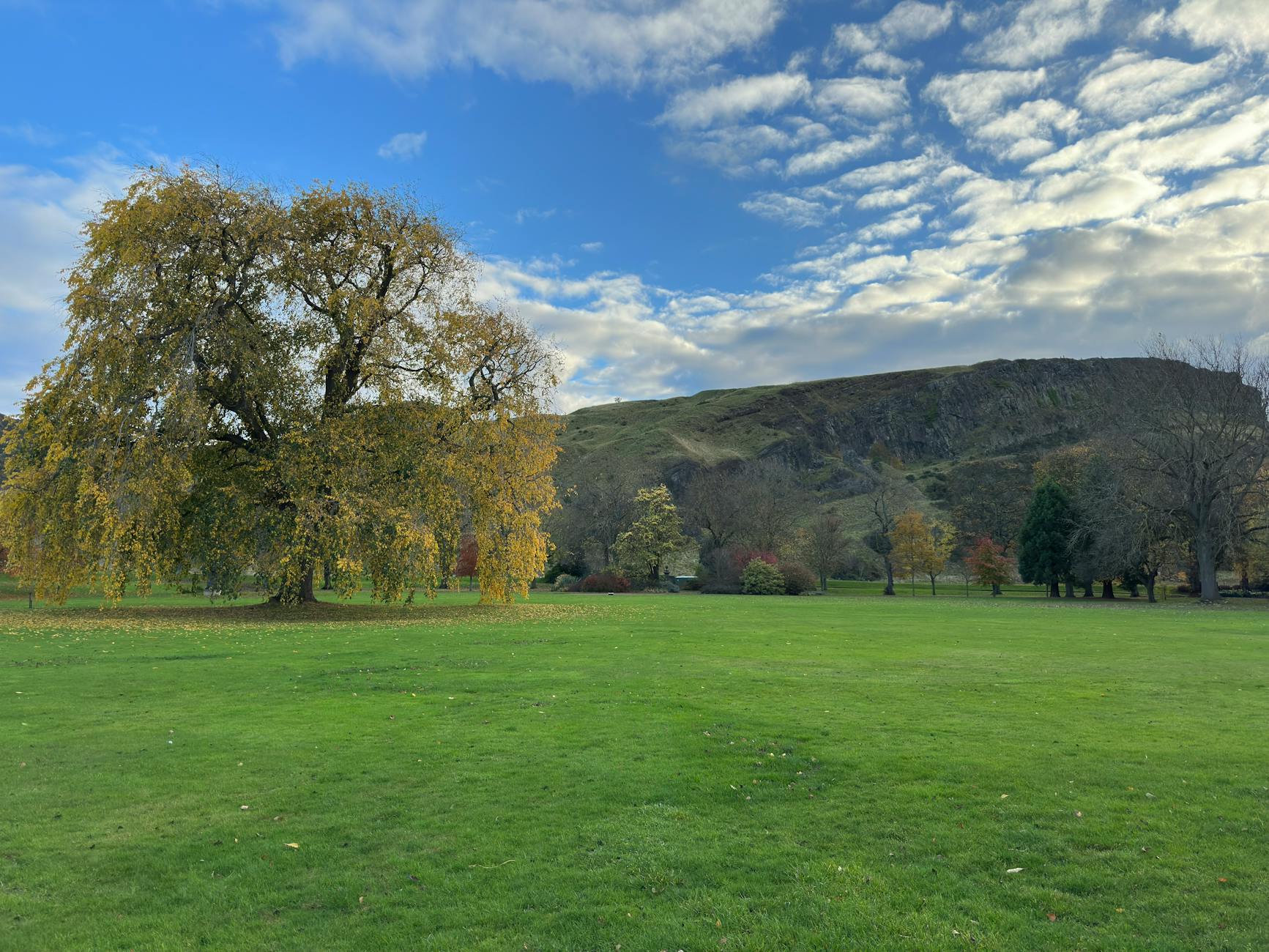
The park earns its keep year-round: snowdrops and daffodils in spring, the Victorian glasshouse and duck pond for a wet day, long light evenings on the hill in summer, and fiery colour through the wooded slopes in autumn. There’s a nature trail, allotments, tennis courts and a well-loved play area, so it works equally for a quick stroll or a whole lazy afternoon.
How to Get to Queen’s Park
Queen’s Park is easy to reach from Glasgow city centre by public transport, making it a straightforward half-day excursion from almost any accommodation in the city.
- Subway: Queen’s Park subway station is a 10-minute walk from the park’s northern entrance. Crosshill subway station is even closer — approximately 5 minutes on foot. The subway runs from Glasgow city centre (St Enoch) to Queen’s Park in under 10 minutes.
- Bus: Multiple bus routes along Victoria Road pass the main park entrance — services 5, 5A, 6, 6A, 66, 263 and others serve this corridor from the city centre.
- Car/Taxi: Parking is limited on surrounding streets (Langside Road and Pollokshaws Road). Uber or taxi from city centre costs approximately £6–10.
- Cycling: The park is on several Voi e-bike routes and has secure cycle parking near the main gates.
Queen’s Park is in the Southside, easily reached by train to Queen’s Park or Crosshill stations, or by frequent buses from the city centre — about a 10-minute ride. It sits right beside Shawlands and Strathbungo, so a visit folds neatly into a wider Southside day of independent cafes, restaurants and shops. See our Glasgow parks and outdoors guide for the city’s other green spaces.
Combining Queen’s Park with Other Southside Attractions
Queen’s Park sits at the heart of Glasgow’s best Southside neighbourhood, and combining it with other nearby attractions makes for a genuinely rewarding full day out.
- Shawlands (10-minute walk south): Glasgow’s best neighbourhood for independent cafés, restaurants and bars. Café Strange Brew, Battlefield Rest, Nonna’s Kitchen and dozens of excellent independents line Kilmarnock Road and Shawlands Cross.
- Pollok Country Park and Burrell Collection (20-minute bus/drive west): the Burrell Collection houses one of the world’s greatest private art collections — Rodin, Degas, Cézanne and 9,000+ objects — entirely free. Pollok House and Highland cattle complete the picture.
- Linn Park (20-minute drive south): Glasgow’s second largest park, with the White Cart Water waterfall and ancient woodland.
- Celtic Park (10-minute walk east): for football fans, Celtic’s ground is within walking distance — matchday atmosphere is electric.
Queen’s Park is the gateway to the Southside, Glasgow’s foodiest and most characterful quarter. Wander down into Shawlands for some of the city’s best independent cafes and restaurants, and you’re not far from Pollok Country Park and the Burrell Collection for a fuller Southside day. For the city’s other green spaces, see our Glasgow parks and outdoors guide.
Practical Visitor Information
- Address: Main entrance on Langside Road, Glasgow G42 8QJ
- Opening hours: Dawn to dusk, every day of the year
- Admission: FREE (glasshouse also free)
- Glasshouse hours: Mon–Thu 10am–4pm, Fri 10am–3pm, Sat–Sun 10am–4pm (check glasgowlife.org.uk for current status in 2026)
- Tennis bookings: Glasgow Life, 0141 276 0681
- Dogs: Welcome on leads throughout
- Accessibility: Main paths are paved and accessible; south woodland section has steeper unpaved trails
- Parkrun: Every Saturday 9:30am, free — register at parkrun.org.uk/queenspark
Why Queen’s Park Deserves Your Time
Glasgow’s most famous parks — Kelvingrove, Pollok Country Park — attract the tourist crowds for good reason. But Queen’s Park offers something subtly different: a working Southside neighbourhood park, deeply embedded in the local community, with world-class views, outstanding sports facilities and a genuine sense of Glasgow life away from the tourist trail.
The flagpole view alone makes the journey worthwhile. Combined with the glasshouse, the rose garden, the battle monument and the excellent tennis facilities, Queen’s Park deserves a solid half-day on any Glasgow itinerary. And when you descend from the park’s heights, Shawlands’ independent café and restaurant scene provides one of Glasgow’s most rewarding and authentic dining experiences to round off the visit.
For visitors who want to experience Glasgow beyond the West End and city centre, Queen’s Park is the perfect starting point for exploring Glasgow’s much-loved Southside — a part of the city that locals love and visitors consistently say they wish they’d discovered sooner.
The other reason people come to this corner of the South Side is next door. Hampden Park and the Scottish Football Museum sit directly beside the park, ten minutes’ walk from Mount Florida station, and the two pair up neatly into a half-day — museum first, then the hill for the skyline view. Our Glasgow football guide covers what the Hampden tour includes and whether it earns its ticket price.
The park and the club share a name, and the club came second. Queen’s Park FC, founded in 1867 and the oldest football club in Scotland, now play at Lesser Hampden beside the national stadium at the eastern edge of the park — and the Scottish Football Museum is on the same site, about fifteen minutes from the flagpole. Our guide to Hampden Park and the Scottish Football Museum explains how to combine the two into a half day.