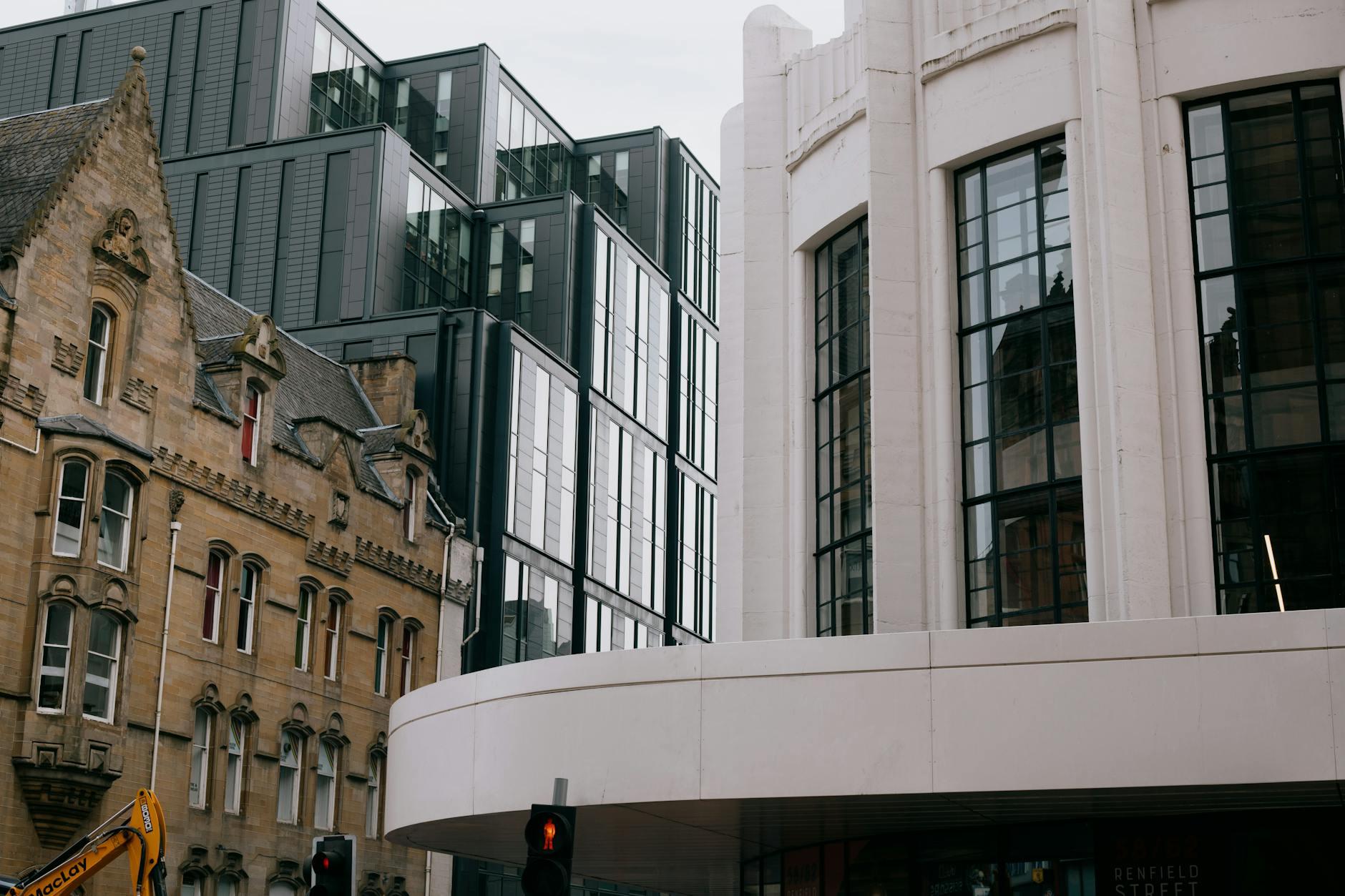
Mackintosh Glasgow is one of the city’s greatest cultural draws, attracting architecture lovers, design enthusiasts, and curious travellers from around the world. Charles Rennie Mackintosh — born in Glasgow in 1868 — was an architect, designer, watercolourist, and visionary whose distinctive Art Nouveau style helped shape the identity of Scotland’s largest city. His buildings, interiors, and furniture designs are woven into the fabric of Glasgow, and following the Mackintosh trail is one of the most rewarding ways to explore the city. This comprehensive guide covers every major Mackintosh site in Glasgow, with practical visiting information to help you plan your own self-guided Mackintosh walking tour.
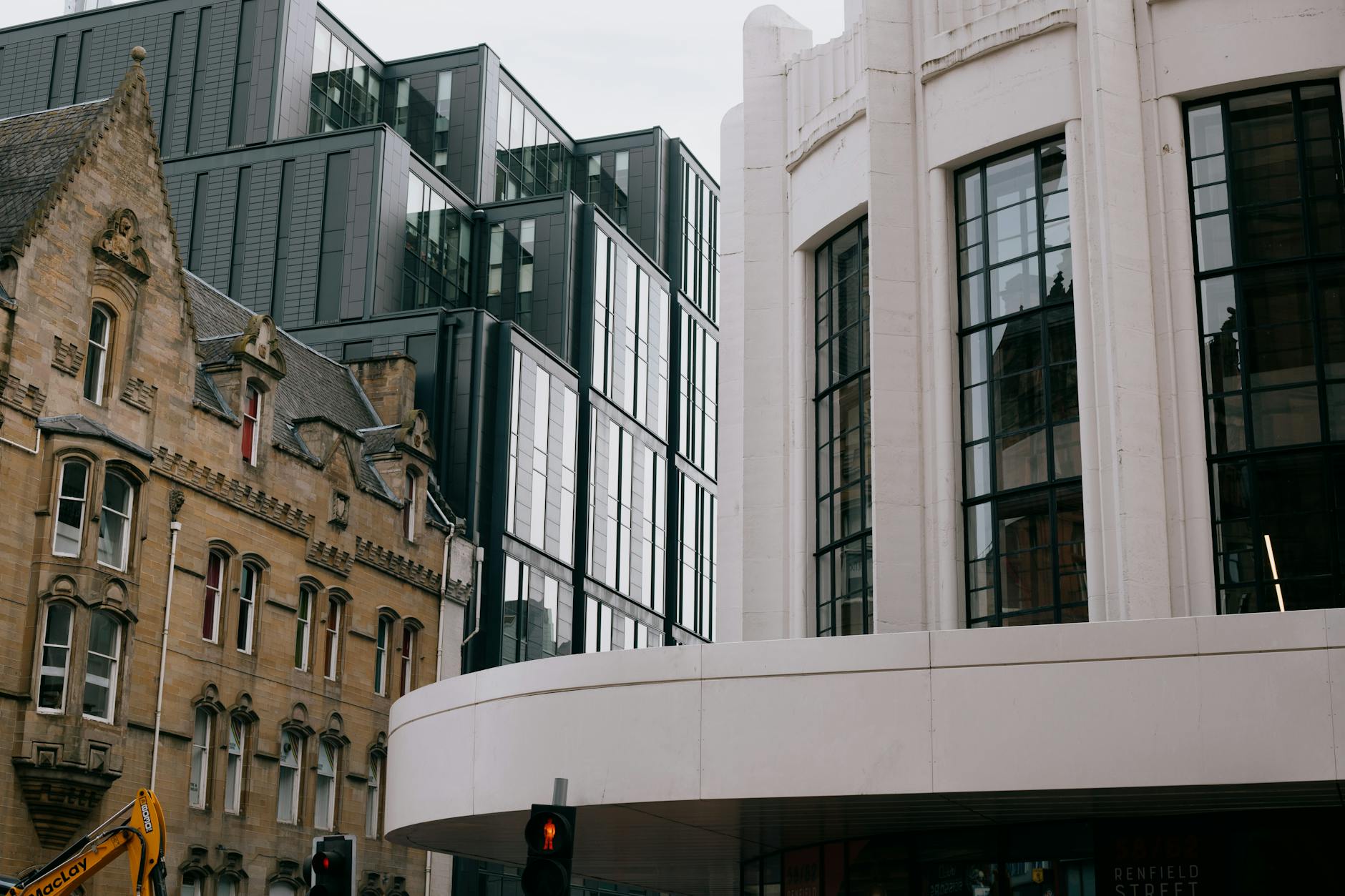
Whether you have a single afternoon or a full weekend to dedicate to Glasgow’s Mackintosh heritage, this guide will help you prioritise the sites that matter most. From the iconic Glasgow School of Art to the beautifully restored Mackintosh at the Willow tearoom, from the towering Lighthouse to the serene Queen’s Cross Church, Glasgow offers an unparalleled concentration of Mackintosh’s work. Many of these sites are within walking distance of each other in the city centre, making it possible to visit several in a single day. For a broader overview of Glasgow’s cultural scene, see our guide to Glasgow’s top attractions.
Who Was Charles Rennie Mackintosh?
Charles Rennie Mackintosh was born on 7 June 1868 at 70 Parson Street in Glasgow’s Townhead district, the fourth of eleven children. He showed artistic talent from an early age and enrolled at the Glasgow School of Art at just sixteen, while simultaneously apprenticing with the architectural firm John Hutchison. In 1889, he joined the practice of Honeyman and Keppie, where he would eventually become a partner. It was during this period that Mackintosh began developing the distinctive style that would make him famous — a unique fusion of Scottish baronial traditions, Japanese aesthetics, Celtic motifs, and the flowing organic forms of continental Art Nouveau. Mackintosh was born into a city booming on Clyde shipbuilding and heavy industry, and our history of Glasgow traces how Glasgow went from medieval cathedral town to Second City of the Empire.
Mackintosh’s creative partnership with his wife, Margaret Macdonald, was central to his artistic vision. Together with Margaret’s sister Frances Macdonald and her husband Herbert McNair, the couple became known as “The Four” — a group whose collaborative work in metalwork, embroidery, glass, and graphic design helped establish the Glasgow Style that would influence designers across Europe. While Mackintosh designed the architectural structures and much of the furniture, Margaret’s contribution to the interiors — particularly her gesso panels and textile designs — was integral to the total artistic vision that made their work so distinctive.
Despite his enormous talent, Mackintosh’s career in Glasgow was relatively short. By 1914, frustrated by a lack of commissions and changing architectural fashions, he left Glasgow for good. He spent time in Walberswick, Suffolk, and then London, before moving to the south of France in 1923, where he devoted himself to watercolour painting. He returned to London in 1927 for cancer treatment and died on 10 December 1928, aged just sixty. It was only decades after his death that the full significance of his contribution to modern architecture and design was properly recognised. His work came at the end of a century of intense building in Glasgow, from the Georgian merchant quarter to the Victorian city centre, traced in our guide to Glasgow architecture and history.
The Glasgow School of Art (Mackintosh Building)
The Glasgow School of Art on Renfrew Street is widely regarded as Charles Rennie Mackintosh’s masterpiece and one of the most important buildings in the history of European architecture. Mackintosh won the commission in 1896 at the age of just twenty-eight, and the building was constructed in two phases — the eastern half completed in 1899 and the western half, including the magnificent library, finished in 1909. The building’s genius lies in its extraordinary synthesis of functionality and beauty, with every detail from the ironwork on the exterior railings to the light fittings inside designed as part of a unified artistic vision.
The Mackintosh Building suffered devastating fires in 2014 and again in 2018, the second of which caused catastrophic damage to the structure. The library, considered one of the finest interior spaces of the twentieth century, was destroyed. As of 2026, the building remains closed and wrapped in scaffolding while restoration plans continue to develop. The Glasgow School of Art has committed to faithful reinstatement of the building, though the timeline and final cost remain subject to ongoing insurance arbitration proceedings. Visitors can view the exterior from Renfrew Street and Dalhousie Street, and the GSA campus shop on Renfrew Street sometimes stocks Mackintosh-related gifts and publications.
While the Mackintosh Building itself is inaccessible, its importance to the Mackintosh trail cannot be overstated. The north facade, with its massive studio windows and distinctive ironwork brackets, is an architectural landmark even viewed from the street. The contrast between the austere northern elevation and the more ornate western facade demonstrates Mackintosh’s ability to combine practical requirements with dramatic artistic expression. If you are walking the Mackintosh trail, make sure to pause here even though you cannot enter — and look forward to the day when this extraordinary building reopens to the public.
Mackintosh at the Willow
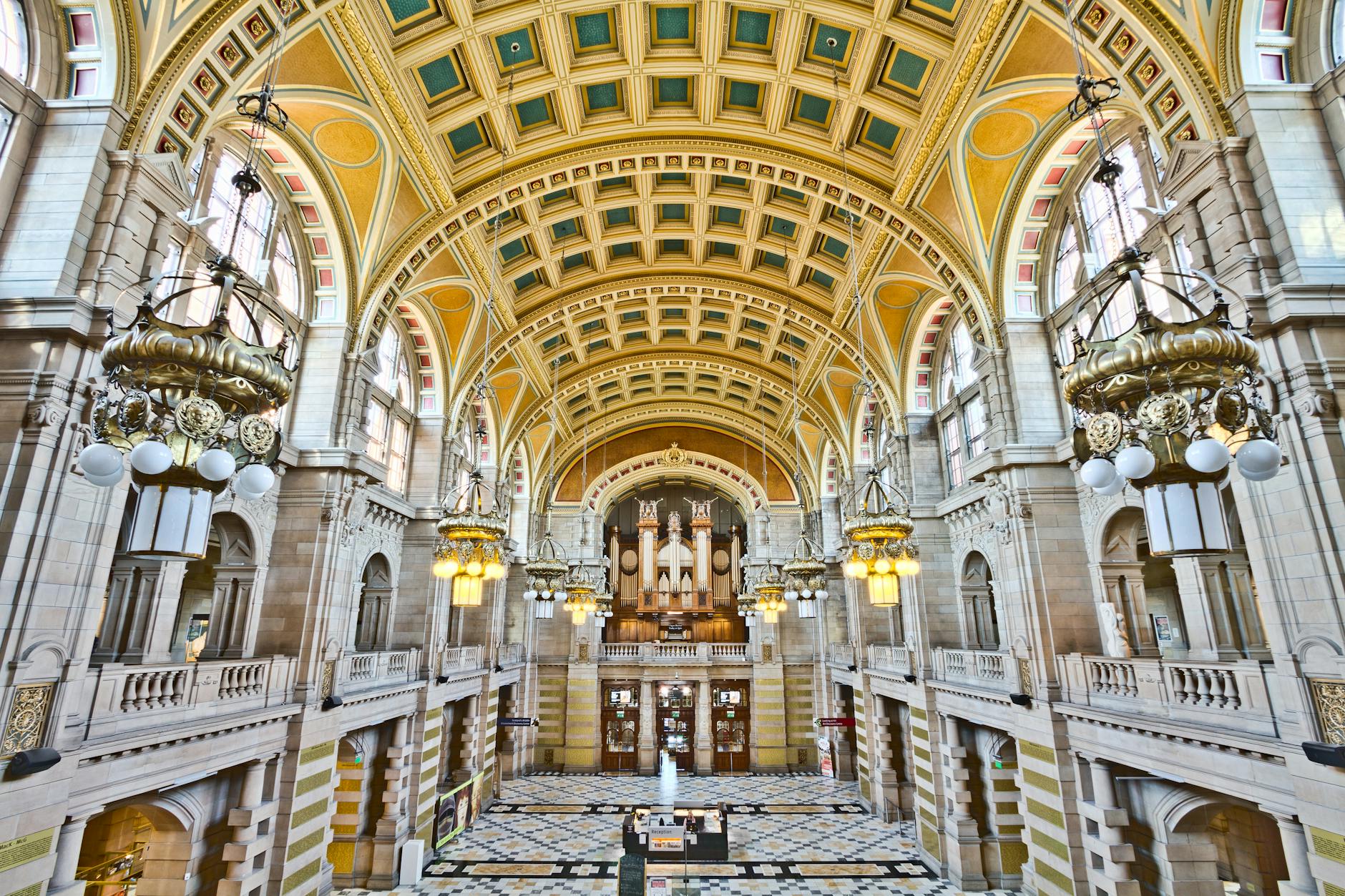
Mackintosh at the Willow, located at 217 Sauchiehall Street, is perhaps the most accessible and enjoyable Mackintosh experience in Glasgow. The original Willow Tea Rooms were designed by Mackintosh in 1903 for the celebrated Glasgow tea room entrepreneur Miss Kate Cranston. Mackintosh was given complete creative control over the building — from the exterior facade and interior architecture to every piece of furniture, cutlery, and menu card. The name “Willow” is a direct reference to Sauchiehall Street, as “sauchie” derives from the Scots word for willow. The building underwent a meticulous four-year restoration funded by the National Trust for Scotland and reopened in 2018.
The highlight of any visit is the Salon de Luxe on the first floor — an opulent room designed for ladies’ afternoon tea, featuring Mackintosh’s signature high-backed chairs, mirrored friezes, and a colour scheme of purple, silver, and white. The room’s centrepiece is a spectacular gesso panel by Margaret Macdonald Mackintosh, “O Ye, All Ye That Walk in Willowwood,” which has been painstakingly reproduced as part of the restoration. The ground-floor tearoom is equally impressive, with dark-stained oak furniture and the distinctive geometric patterns that Mackintosh used to define separate dining areas without walls.
Visitors can enjoy a traditional afternoon tea, a light lunch, or simply a cup of tea and a scone while surrounded by Mackintosh’s design. The building also houses an excellent interactive exhibition on the lower floors, which tells the story of Mackintosh, Miss Cranston, and the extraordinary tea room culture that once flourished in Glasgow. A rooftop terrace offers views over Sauchiehall Street and is a pleasant spot on a fine day. The tearoom is open daily and no booking is required for the ground floor, though reserving a table in the Salon de Luxe is strongly recommended, especially at weekends. Admission to the exhibition is free for tearoom customers.
The Lighthouse: Scotland’s Centre for Design and Architecture
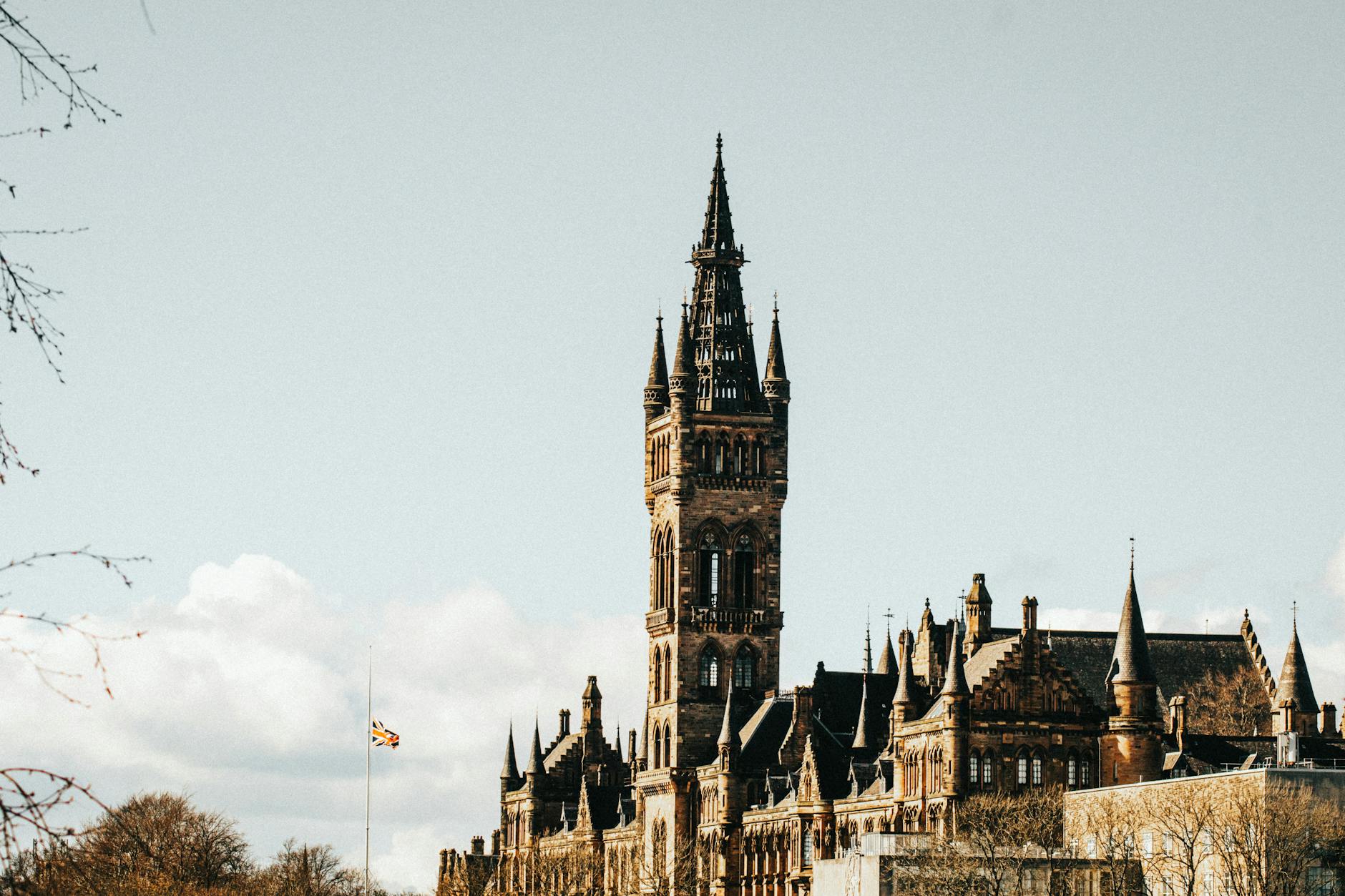
The Lighthouse on Mitchell Lane, just off Buchanan Street in the heart of Glasgow’s Style Mile shopping district, was Mackintosh’s first public commission. Designed in 1893 as the headquarters for the Glasgow Herald newspaper, the building’s most striking feature is its dramatic tower, which rises above the surrounding rooftops and offers panoramic views across the city centre. The building was converted into Scotland’s Centre for Architecture and Design in 1999, when Glasgow was designated UK City of Architecture and Design, and it has served as a cultural venue and exhibition space ever since.
The Mackintosh Interpretation Centre on the second floor is a must-visit for anyone interested in Mackintosh’s life and work. The permanent exhibition uses original artefacts, scale models, digital displays, and detailed timelines to trace Mackintosh’s career from his early student work through to his later watercolours in the south of France. The centre provides excellent context for understanding the broader Mackintosh trail and is a good starting point for a day of Mackintosh exploration. A series of rotating temporary exhibitions on the upper floors showcase contemporary Scottish architecture and design.
The viewing platform at the top of the Mackintosh Tower is reached by a spiral staircase and provides one of the best free viewpoints in Glasgow. On a clear day, you can see across the city to the Campsie Fells and the hills beyond. The Lighthouse is free to enter and is open daily, making it one of the best-value cultural attractions in the city. Allow at least forty-five minutes for the Mackintosh exhibition and tower climb, longer if you wish to explore the temporary exhibitions as well.
The Mackintosh House at The Hunterian
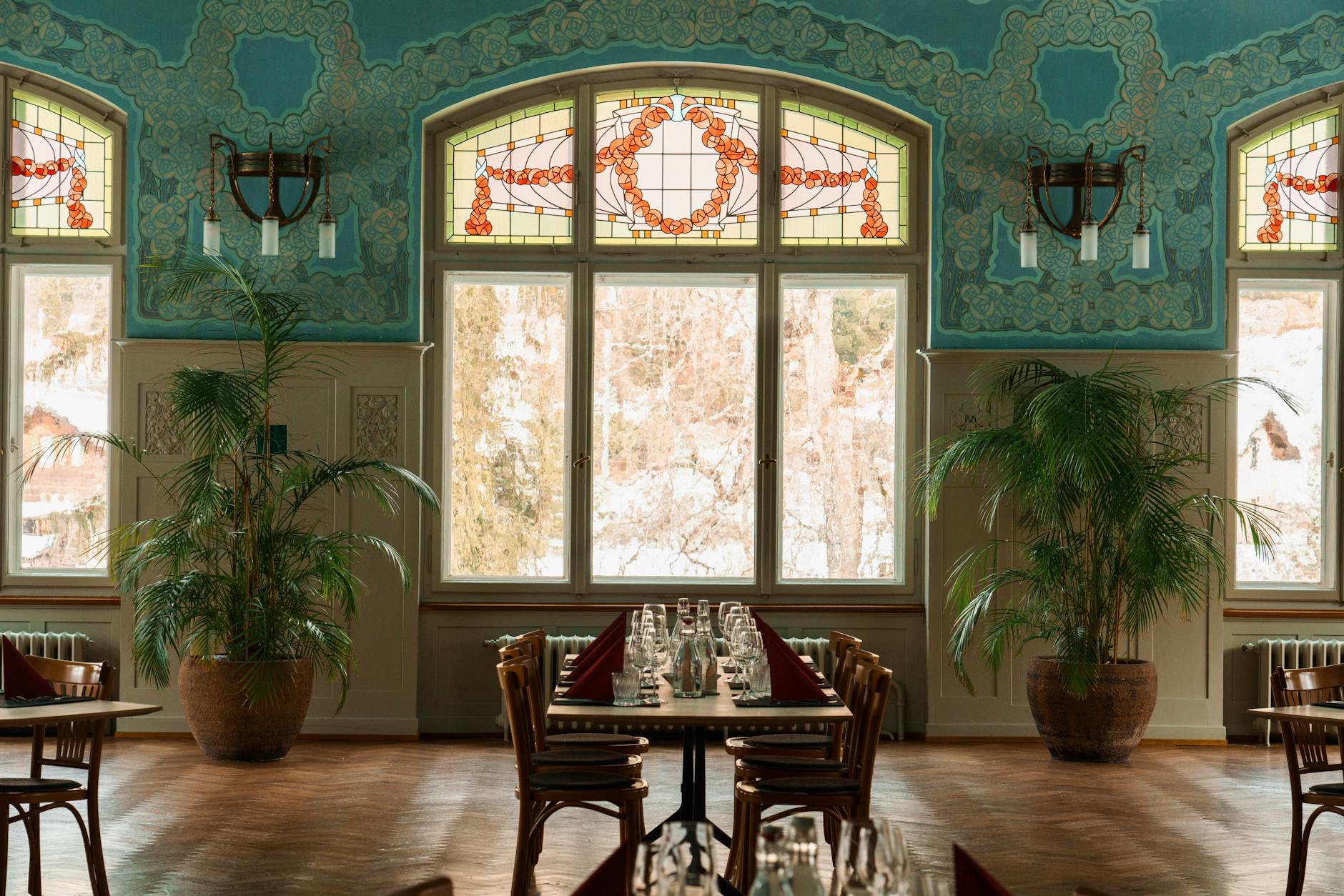
The Mackintosh House, part of The Hunterian at the University of Glasgow, is one of the most intimate and atmospheric Mackintosh experiences available. It is a meticulous reassembly of the principal interiors from 78 Southpark Avenue — the terraced house in Glasgow’s West End where Charles Rennie Mackintosh and Margaret Macdonald lived from 1906 to 1914. When the house was due for demolition in the 1960s, the University of Glasgow rescued the interiors, salvaging fireplaces, doors, fitted furniture, light fittings, and decorative panels. These were painstakingly reconstructed as a suite of rooms attached to the Hunterian Art Gallery.
The house comprises four principal rooms: the drawing room, the dining room, the bedroom, and the studio-drawing room. The drawing room is the most celebrated space, with its white-painted woodwork, delicate stencilled friezes, and the interplay of light and geometric form that Mackintosh perfected over his career. The contrasting dining room, with its dark-stained furniture and subdued palette, demonstrates Mackintosh’s mastery of mood and atmosphere. Original furniture by Mackintosh and textiles by Margaret Macdonald are displayed throughout, giving visitors a genuine sense of how the couple lived and worked.
The Mackintosh House charges a separate admission fee of twelve pounds for adults, with reduced rates available for concessions. Children under eighteen enter free. The Hunterian Art Gallery itself, which houses an outstanding permanent collection of Mackintosh watercolours, furniture, and designs, is free to enter. Guided tours of the Mackintosh House take place on the fourth Thursday of each month and are worth planning your visit around if possible. The Hunterian is located on the University of Glasgow’s Gilmorehill Campus in the West End, easily reached on foot from the city centre or by subway to Hillhead station.
Queen’s Cross Church: The Only Mackintosh Church
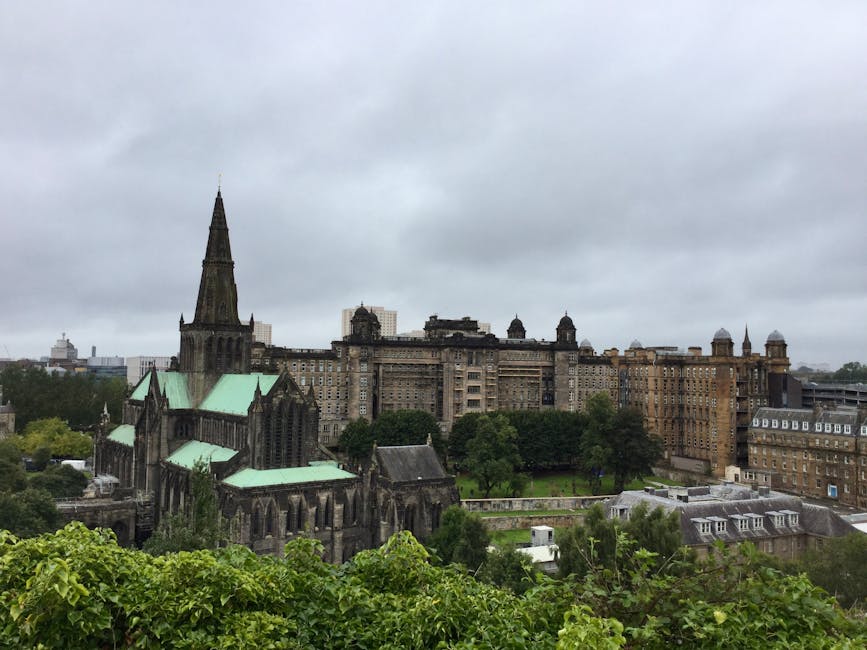
Queen’s Cross Church on Garscube Road is the only church that Charles Rennie Mackintosh designed, and it is now the headquarters of the Charles Rennie Mackintosh Society. Completed in 1899, the church combines Gothic structural elements with the organic Art Nouveau details that were becoming Mackintosh’s hallmark. The interior features carved stonework, beautiful timber roof trusses, and stained glass windows that flood the space with coloured light. The relief carvings on the interior columns are particularly noteworthy — each one unique and displaying the stylised natural forms that Mackintosh drew from Japanese and Celtic art. The Gothic forms these details borrow from survive across the city at the medieval Glasgow Cathedral, which came through the Reformation almost intact.
The church is open to visitors on Mondays, Wednesdays, and Fridays, with an admission charge of five pounds. The Mackintosh Society shop on the ground floor sells an excellent range of books, prints, and gifts related to Mackintosh’s work, and staff are happy to share their knowledge of his buildings and legacy. The church is located slightly north of the city centre in the Maryhill area, about a twenty-minute walk from Buchanan Street or a short bus ride. Despite being a little off the beaten track, Queen’s Cross is well worth the detour for anyone seriously interested in Mackintosh — the atmosphere inside is uniquely contemplative, and the building receives far fewer visitors than the city centre sites.
House for an Art Lover
House for an Art Lover in Bellahouston Park is one of the most unusual entries on the Mackintosh trail. The building is based on a portfolio of drawings that Mackintosh and Margaret Macdonald submitted to a German design magazine competition in 1901, proposing an idealised “house for a connoisseur of the arts.” The building was never constructed in Mackintosh’s lifetime — it was only brought to life between 1989 and 1996, using Mackintosh’s original drawings supplemented by careful interpretation of his design intentions. The result is a stunning building that feels both authentically Mackintosh and distinctly modern.
The principal rooms include the music room, the dining room, and the oval room, each showcasing the total design approach that Mackintosh championed — where architecture, furniture, decorative art, and colour work together as a unified composition. The music room, with its white-painted walls, piano, and Margaret Macdonald-inspired gesso panels, is the spiritual heart of the building. The surrounding Bellahouston Park provides a beautiful setting for the house, and the on-site cafe serves excellent food. House for an Art Lover hosts regular exhibitions, workshops, and events, and is a popular venue for weddings and private functions.
The house is open to visitors on selected days — check the website before visiting, as it is sometimes closed for private events. Admission is around six pounds for adults. Bellahouston Park is approximately three miles southwest of the city centre and is accessible by bus from Buchanan Bus Station, or by a short walk from Dumbreck railway station. If you are combining this visit with other Mackintosh sites, plan it either at the start or end of your day, as it is the only major Mackintosh site located outside the city centre and West End.
Other Mackintosh Sites in Glasgow
The Daily Record Building
Tucked away on Renfield Lane, a narrow alley between Renfield Street and Mitchell Street in the city centre, the Daily Record Building is one of Mackintosh’s most ingenious designs. Commissioned in 1901 as the offices for the Daily Record newspaper, Mackintosh faced the challenge of bringing light into a deep, narrow site hemmed in by taller buildings. His solution was to clad the upper storeys in white and green glazed bricks arranged in a tree-like pattern that reflects light into the lane. The effect is subtle but beautiful, especially on a sunny day when the glazed surfaces catch the light. The building is not open to the public, but Renfield Lane is accessible from Mitchell Street and is well worth a brief detour. Renfield Lane sits in the middle of the city centre’s Victorian commercial district, which our Victorian Glasgow architecture tour covers in detail.
Scotland Street School Museum
Scotland Street School Museum, located on Scotland Street in the Southside, is one of Mackintosh’s most accomplished public buildings. Designed in 1903 and completed in 1906, the school is distinguished by its magnificent glass-fronted staircase towers that flood the interior with natural light. The building now houses a free museum of education, with recreated classrooms from the Victorian, wartime, and 1960s eras. Even if the museum’s subject matter does not appeal, the building itself is a masterclass in Mackintosh’s ability to combine functionality with architectural beauty. Scotland Street School is a short bus ride from the city centre or a five-minute walk from Shields Road subway station.
The Glasgow Style Gallery at Kelvingrove
Kelvingrove Art Gallery and Museum in the West End houses the largest permanent display of Mackintosh and Glasgow Style objects in the world. The dedicated Mackintosh and the Glasgow Style gallery on the upper floor displays original furniture, architectural drawings, stained glass, metalwork, and textiles by Mackintosh, Margaret Macdonald, and their contemporaries. Highlights include a complete reconstruction of a Mackintosh interior and several pieces of his celebrated high-backed chairs. Kelvingrove is free to enter and is one of Glasgow’s most popular visitor attractions, so combining it with a visit to the nearby Mackintosh House at The Hunterian makes for a rewarding half-day in the West End.
Planning Your Mackintosh Trail Walk
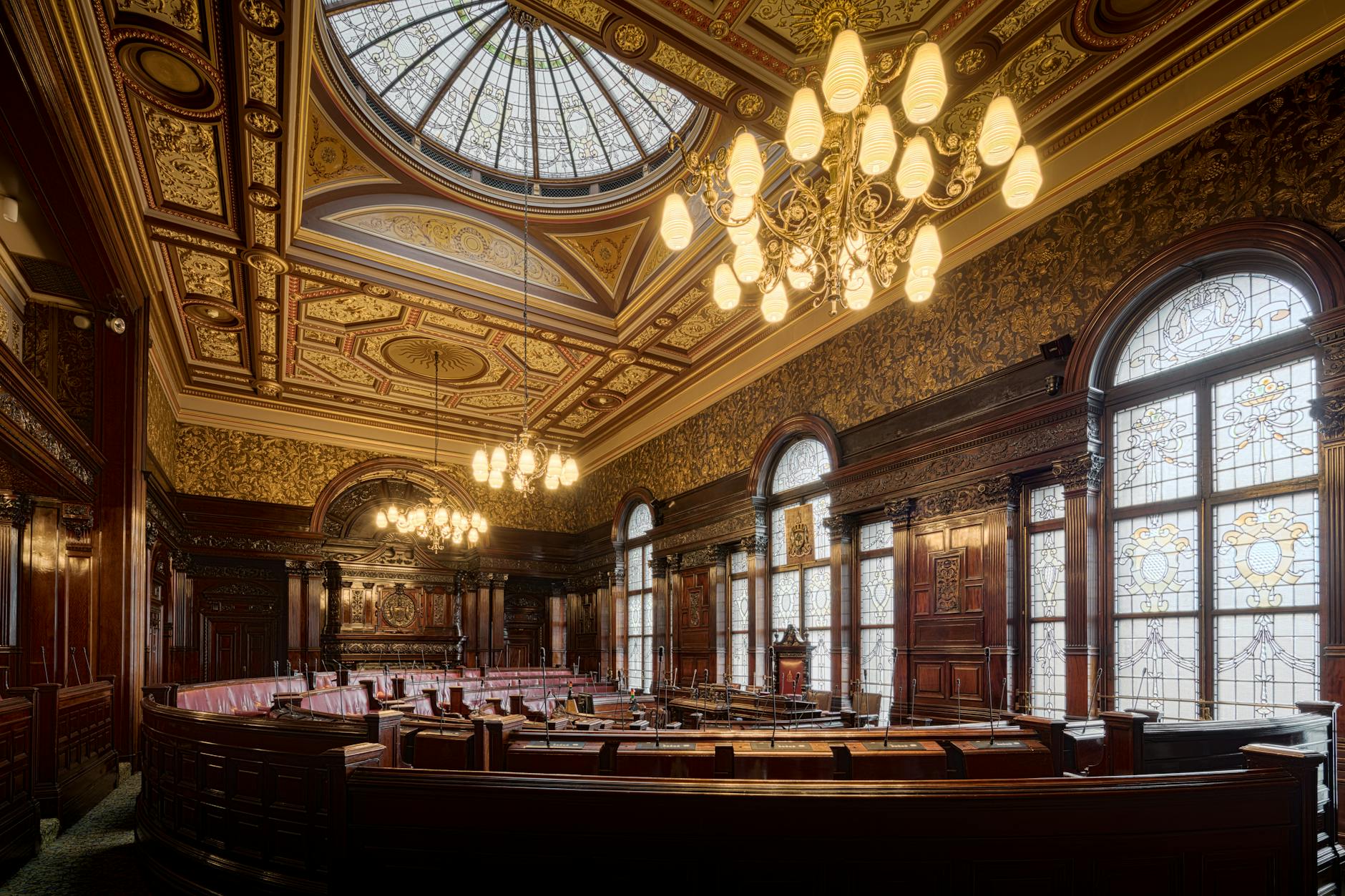
One-Day Mackintosh Itinerary
If you have a single day to dedicate to the Mackintosh trail, start at The Lighthouse on Mitchell Lane, where the free Mackintosh Interpretation Centre provides an excellent introduction to his life and work. Climb the Mackintosh Tower for panoramic views over the city, then walk north up Buchanan Street and along Sauchiehall Street to Mackintosh at the Willow for morning tea in the Salon de Luxe. After lunch, continue up the hill to Renfrew Street to see the exterior of the Glasgow School of Art, then take the subway from Cowcaddens to Hillhead for the Mackintosh House at The Hunterian and the Glasgow Style gallery at Kelvingrove. This route covers the most essential Mackintosh sites and can comfortably be completed in six to seven hours, including a leisurely lunch.
Two-Day Mackintosh Itinerary
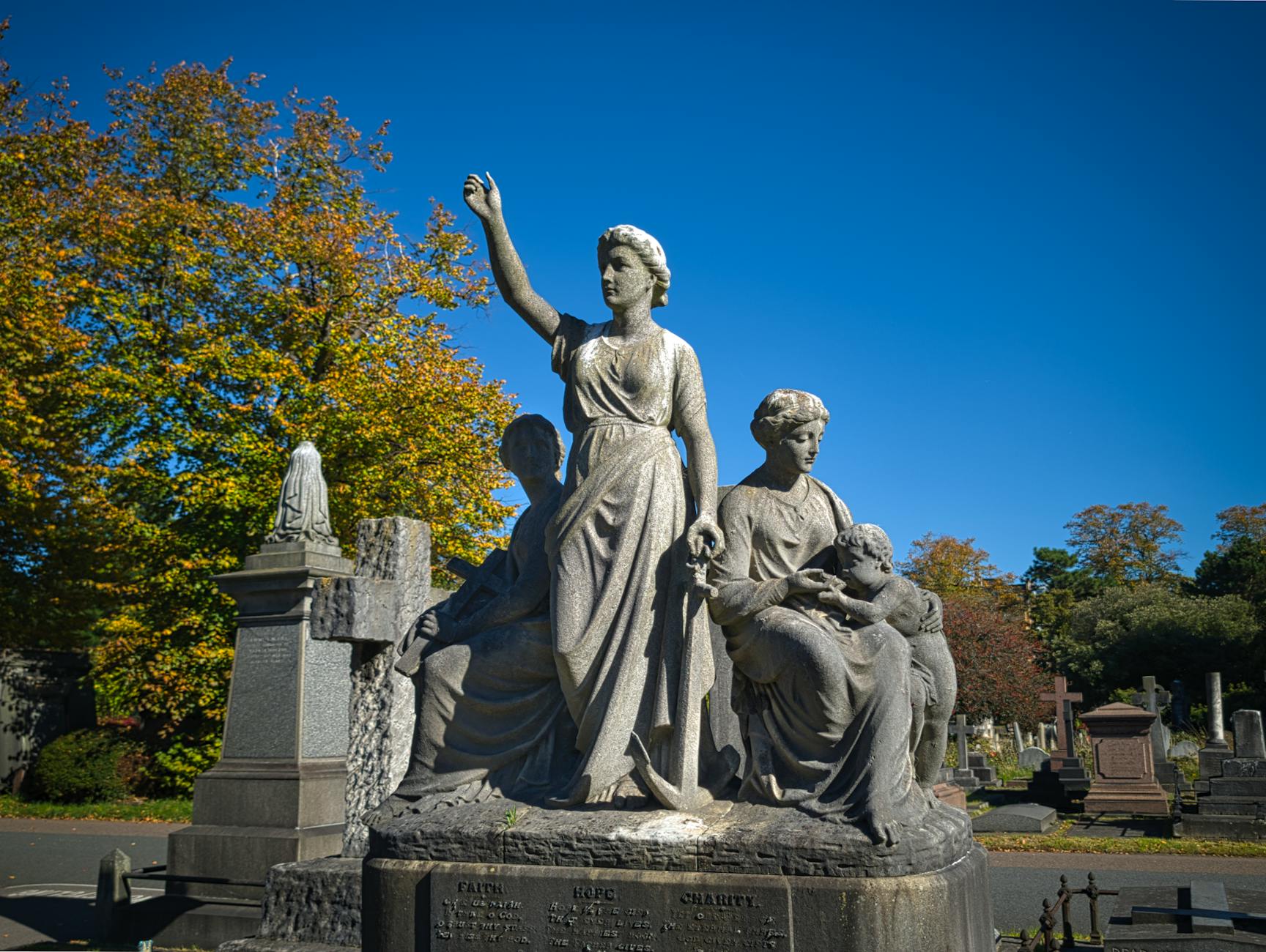
With a second day, you can explore the sites outside the immediate city centre. Begin with Queen’s Cross Church in Maryhill, then take a bus to Bellahouston Park for House for an Art Lover. In the afternoon, visit Scotland Street School Museum near Shields Road. This itinerary gives you a complete picture of Mackintosh’s range, from sacred architecture to domestic design to public buildings. If time allows, finish with a walk along Renfield Lane to see the Daily Record Building. With time left on the second day, the Glasgow Necropolis is worth the climb: many of its tombs were private commissions from the architects who shaped the Victorian city centre.
Self-Guided Tour Resources
The Charles Rennie Mackintosh Society offers three downloadable walking tour leaflets covering different areas of Glasgow, available from their website and from the shop at Queen’s Cross Church. Glasgow’s tourist information centre on Royal Exchange Square can also provide Mackintosh trail maps. For a more in-depth experience, guided Mackintosh walking tours run during the summer months, typically starting from George Square and visiting the major city centre sites. These tours are led by knowledgeable local guides and offer fascinating anecdotes and historical context that you would not get from a self-guided visit.
Practical Information for Visiting Mackintosh Sites
Most Mackintosh sites in Glasgow’s city centre and West End are within walking distance of each other. The city’s subway and bus network connects the more distant sites such as Queen’s Cross Church, House for an Art Lover, and Scotland Street School. A day ticket on the Glasgow Subway costs around four pounds fifty and gives unlimited travel on the circular route, which is useful for reaching Hillhead (for The Hunterian and Kelvingrove) and Shields Road (for Scotland Street School).
Admission charges vary between sites. The Lighthouse and Kelvingrove are free, Mackintosh at the Willow is free to browse with food and drink purchases, Queen’s Cross charges five pounds, Scotland Street School is free, and The Mackintosh House charges twelve pounds. House for an Art Lover charges around six pounds. Budget approximately twenty-five to thirty pounds per person for admission fees if visiting all paid sites, plus the cost of afternoon tea at the Willow if desired. Most sites accept contactless card payments.
Photography is generally permitted in most Mackintosh sites, though flash photography may be restricted in certain areas, particularly at The Mackintosh House. All major Mackintosh sites have some form of gift shop or bookstall selling prints, postcards, books, and Mackintosh-inspired merchandise. The best ranges are at The Lighthouse, Mackintosh at the Willow, and Queen’s Cross Church.
Accessibility varies between sites. The Lighthouse has lift access to most floors but the Mackintosh Tower spiral staircase is not wheelchair accessible. Mackintosh at the Willow has lift access to the Salon de Luxe and exhibition. The Mackintosh House at The Hunterian is not fully wheelchair accessible due to the nature of the reconstructed interiors. Queen’s Cross Church and Scotland Street School have level access to ground-floor areas. Check individual venue websites for detailed accessibility information before visiting.
Mackintosh Beyond Glasgow
While Glasgow holds the greatest concentration of Mackintosh sites, his influence extends beyond the city. Hill House in Helensburgh, approximately forty-five minutes from Glasgow by train, is considered Mackintosh’s finest domestic commission. Designed in 1902 for the publisher Walter Blackie, the house is now managed by the National Trust for Scotland and is currently enclosed within a striking mesh “box” designed to protect the building while its external walls are dried and repaired. The Hill House is open to visitors, and the protective structure itself has become an architectural attraction in its own right, offering views of the house from elevated walkways.
For those exploring day trips from Glasgow, combining a visit to Hill House in Helensburgh with a trip along the scenic Clyde coast makes for an excellent outing. The train journey from Glasgow Queen Street follows the north bank of the River Clyde and offers beautiful views of the estuary. Other Mackintosh-connected sites outside Glasgow include 78 Derngate in Northampton, England — the only Mackintosh-designed building in England — and various collections of his furniture and design work held in museums across Europe, where his influence on the Vienna Secession and other continental movements is well documented.
The Charles Rennie Mackintosh trail is one of Glasgow’s richest cultural experiences, offering a journey through the creative vision of one of the most original architects and designers of the modern era. From the grandeur of the Glasgow School of Art to the intimate beauty of the Mackintosh House, from the innovation of the Willow Tea Rooms to the quiet spirituality of Queen’s Cross Church, these buildings tell the story not just of Mackintosh but of Glasgow itself — a city that nurtured extraordinary talent and continues to celebrate its creative heritage. Whether you are an architecture enthusiast, a design student, or simply a curious traveller, following in Mackintosh’s footsteps is an unforgettable way to experience Glasgow. For more ideas on what to see and do during your visit, explore our comprehensive guide to things to do in Glasgow.