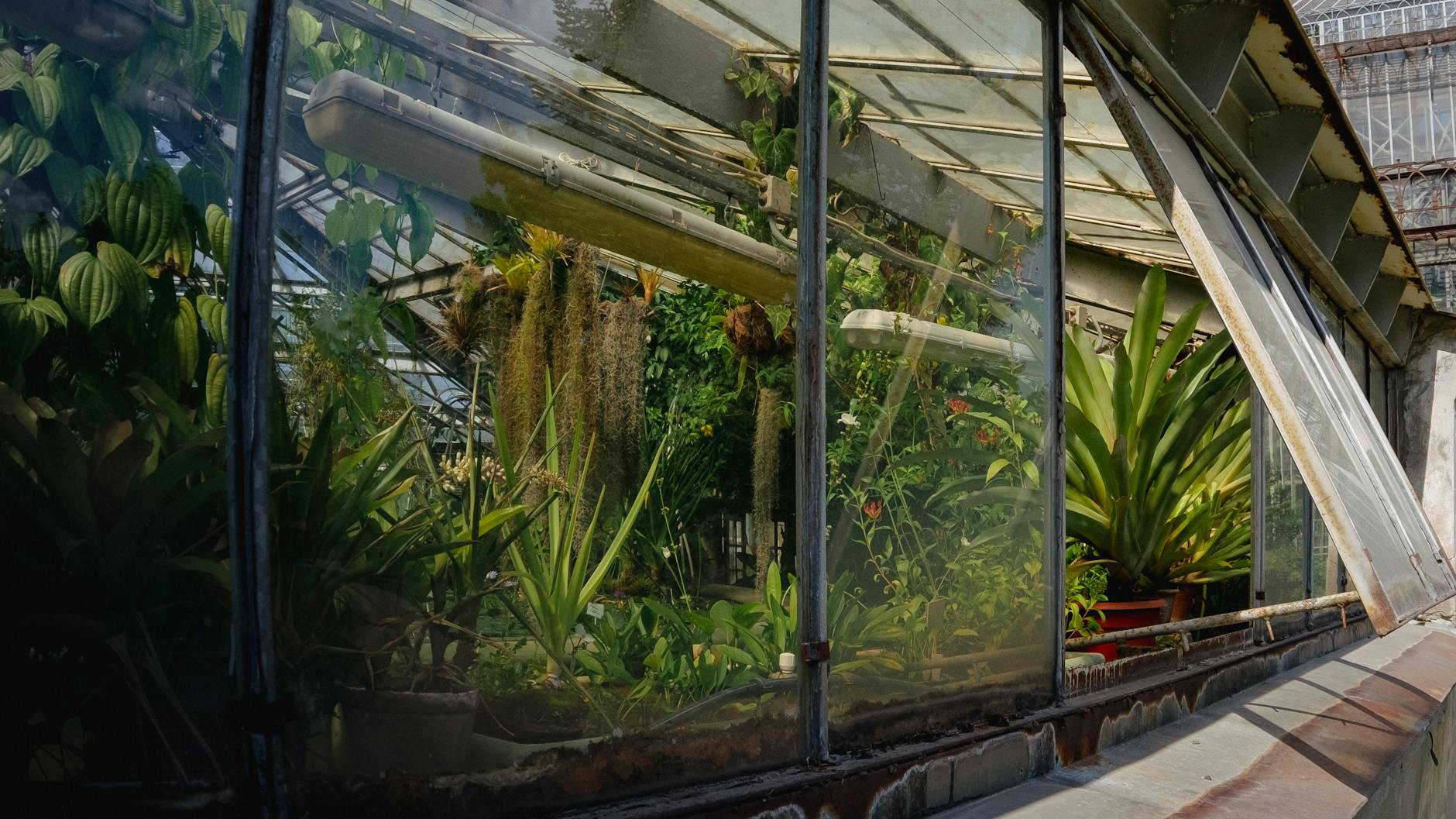
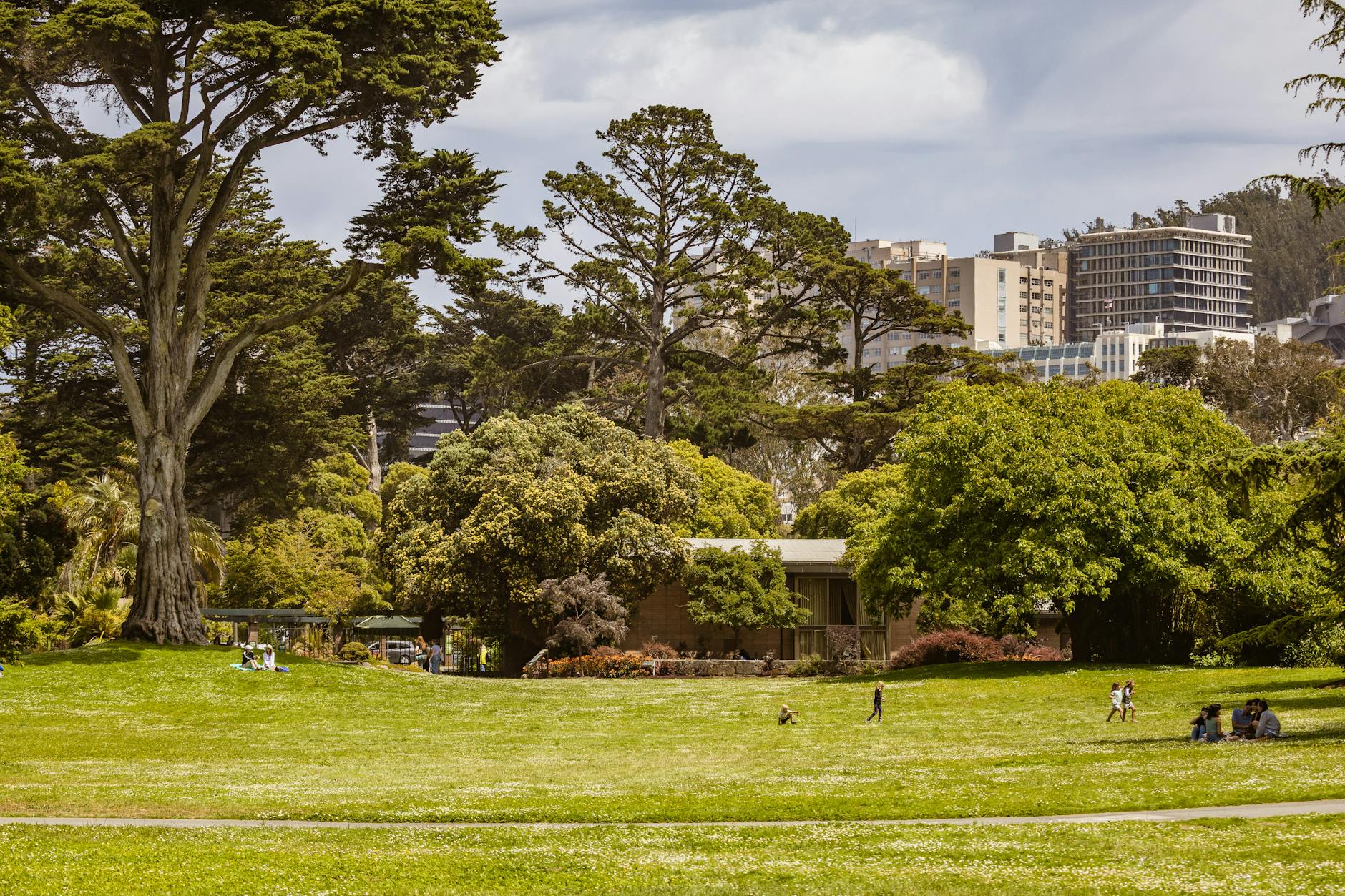
Pollok Country Park is the largest park in Glasgow — 361 acres of woodland, riverside walks and rolling lawns surrounding a Georgian mansion, the world-class Burrell Collection and one of Britain’s friendliest herds of Highland cattle. It’s the only designated Country Park within a UK city and easily the best free family day out in Glasgow.
This is a complete 2026 visitor guide to Pollok Country Park: the walking trails, the wildlife, Pollok House, the Burrell, the playpark and how to spend a perfect half-day or full day inside the park.
Pollok Country Park at a glance
Address: Pollokshaws Road, Glasgow G43 1AT (south side, 3.5 miles from city centre). Opening hours: 7am – dusk, year-round. Entry: Free. Best entrance for first-timers: the main visitor centre on Pollokshaws Road. Plan for: 2 hours minimum (a quick loop and the Highland cows); a full day if you’re adding the Burrell Collection and Pollok House.
Pollok is Glasgow’s largest park — around 360 acres of woodland, gardens and riverside on the Southside, and the only place in the city where a fold of Highland cattle grazes within sight of a world-class art museum. It was the ancestral estate of the Maxwell family, gifted to the city in 1966, and it has twice been named Britain’s Best Park. Entry is free, it’s open daily, and you could easily fill a whole day here without spending a penny.
Two things make the first visit easier. The park is open and free from early morning until dusk, with no ticket and no booking, so you can drop in for an hour or settle in for a whole day on the same terms. And because it’s genuinely large — the biggest park in Glasgow — it pays to pick a focus rather than trying to cover all 360-odd acres: most first-timers do the Burrell, the Highland cattle and a riverside loop, and leave the deeper woodland for another time. Wear shoes you can walk in, because even the ‘quick’ version involves a fair bit of flat, easy ground between the car park, the museum and the coos.
For where Pollok sits among the city’s other green spaces — and which park suits which kind of day — see our Glasgow parks and outdoors guide.
A short history of Pollok Country Park
The park was the family estate of the Maxwell family for nearly 700 years. In 1966 Anne Maxwell Macdonald (the last private owner) gifted the estate to the City of Glasgow, on condition it would remain a public park. The bequest was extraordinary — at 361 acres it’s larger than every other Glasgow park combined — and includes Pollok House (the Maxwell family seat), the Burrell Collection (added in 1983), six miles of woodland trails and the Pollok Fold of Highland cattle.
The long single ownership is the reason the park feels so coherent today. Because the Maxwell family held the estate for centuries and then handed it over intact, Pollok escaped the piecemeal carving-up that broke up many big estates on the edges of growing cities — so the house, the policies, the old beech avenues and the woodland along the White Cart Water all survive as one designed landscape rather than fragments. That’s why a walk here reads as a whole: the trails were laid out as estate drives and rides long before they were public paths, which is also why they’re so flat, broad and easy to follow.
The Pollok Fold: Highland cows in Glasgow
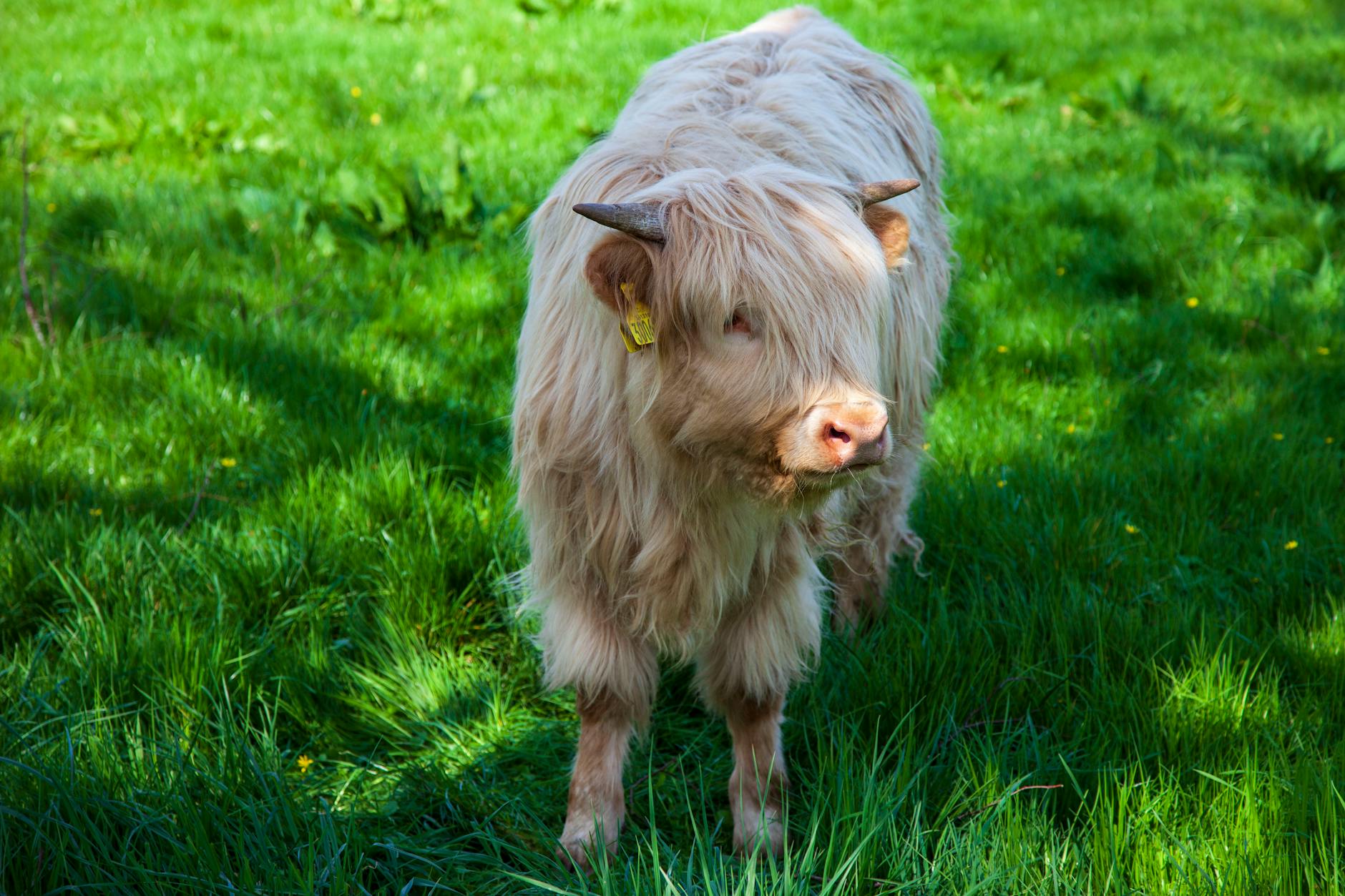
The Highland cattle are the unofficial mascots of the park. Around 50 cows live in fenced fields along Pollok Avenue and in the meadows beyond the Burrell Collection. They roam outside year-round (the double-coat fur is built for it), come in red, yellow and black colours, and the friendlier ones often approach the fences for a scratch.
The fold has lived at Pollok since 1981 (originally introduced to graze the heavy clay grassland that was hard to mow) and new calves are usually born in spring (March–May). Park rangers do scheduled “meet the herd” sessions on weekends in calving season — check the Glasgow City Council Pollok page for current dates. Highland cows are large but generally placid; respect the fences, never feed them, and supervise children closely.
The famous Pollok fold of Highland cattle — shaggy, horned and endlessly photogenic — graze in fields near the Burrell Collection and the house. They’re used to visitors and a real hit with children, but they are working livestock: admire and photograph them from the path, don’t feed them, and keep dogs on a lead nearby.
A little context makes the coos more than a photo stop. The fold was brought in partly to graze the heavy clay grassland that was awkward to mow, and the breed is built for the job — the long double coat means they live out year-round, through Glasgow winters, without needing to be brought inside. Calves usually arrive in spring, roughly March to May, which is the loveliest time to see them, and the rangers sometimes run weekend ‘meet the herd’ sessions in that window; the council’s Pollok page lists current dates. They’re large, placid working livestock, so the rules are simple: admire and photograph from the path, never feed them, and keep children and dogs back from the fence.
Walking trails in Pollok Country Park
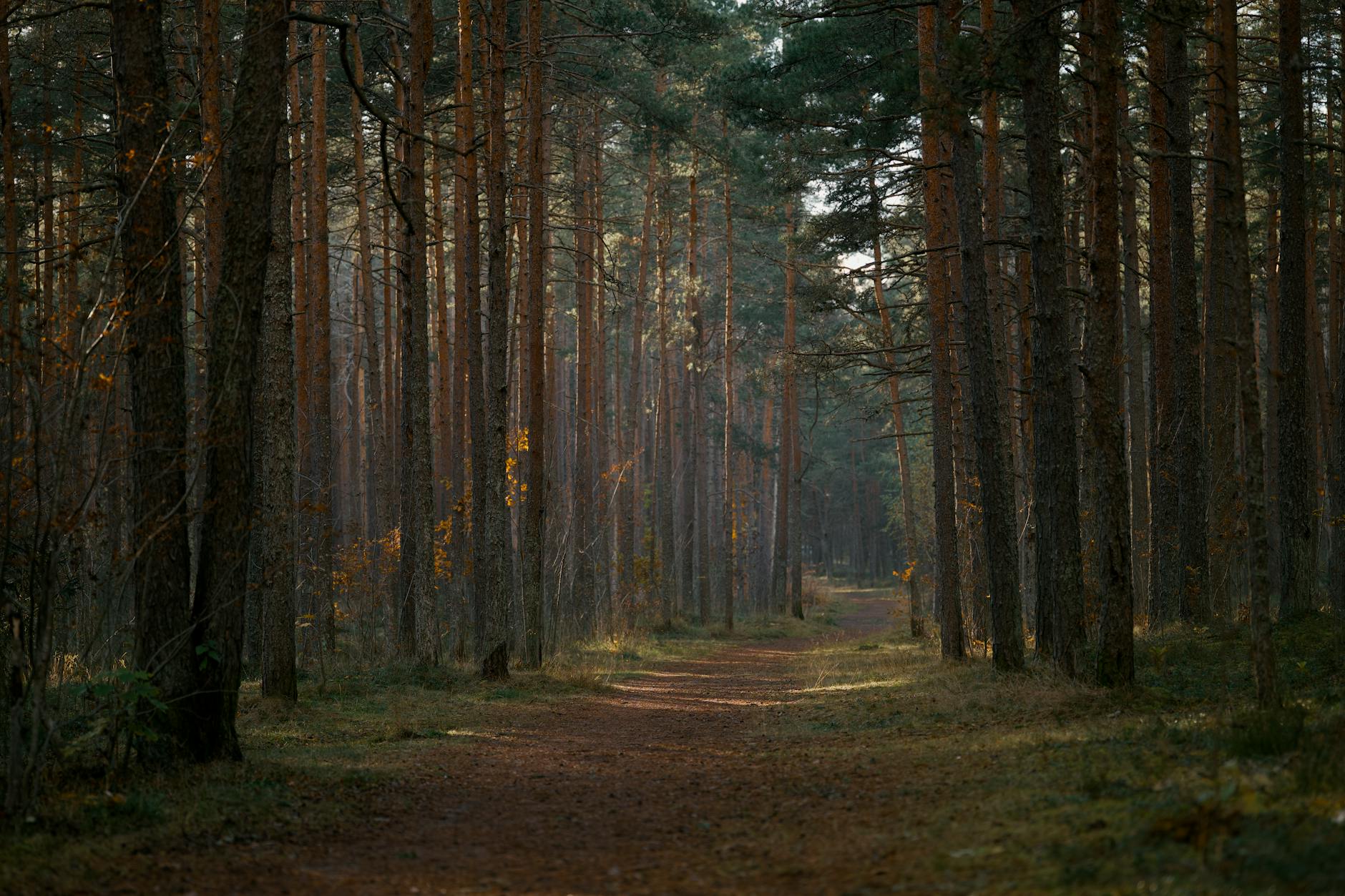
The park has over 6 miles (11km) of marked trails. Three are particularly worth doing:
1. The Riverside Walk (45 min, easy)
Follows the White Cart Water through the heart of the park, past the Pollok House gardens and the old stable block. Mostly paved, pram-friendly, with benches at intervals. Best in autumn for the leaf colour.
2. The Burrell to Highland Cow Loop (1 hour, easy)
Start at the Burrell, head north along Pollok Avenue (the Highland cow fields are on your right), turn west into the woodland, complete a circle through old beech avenues and return to the Burrell. Pram-friendly, mostly flat. Strong-value family loop.
3. The Full Park Circular (1h 45m, moderate)
The 5.1km AllTrails-rated circular covers the whole park: the Burrell, the Highland cows, the Pollok House gardens, the woodland trails, the Cart Water and the eastern playgrounds. Mostly paved with some unpaved woodland sections. Good half-day option.
Free monthly walks are run by Glasgow City Council’s Countryside Rangers — themed (wildlife, history, nature photography) and free; sign up via the council website.
Waymarked paths thread the whole estate: gentle woodland and riverside walks along the White Cart Water, the walled gardens, and the old sawmill and stables. It’s flat and easy enough for buggies on the main routes, and quiet enough to feel a world away from the city. Pair it with the Burrell Collection, which sits inside the park, and the play park for the children.
A note on conditions, because Glasgow weather decides which route is sensible. The main spine paths — the riverside walk and the Burrell-to-cattle loop — are paved or well-surfaced and stay buggy- and wheelchair-friendly even after rain, which is why they’re the safe default for a mixed-ability group. The deeper woodland trails are unpaved and turn muddy quickly after a wet spell, so save those for a dry day and proper footwear. Whichever you pick, the park is flat enough that distance, not gradient, is the only thing to plan around, and there are benches at intervals on the main loops if you need to break the walk.
Pollok House — the Maxwell family seat
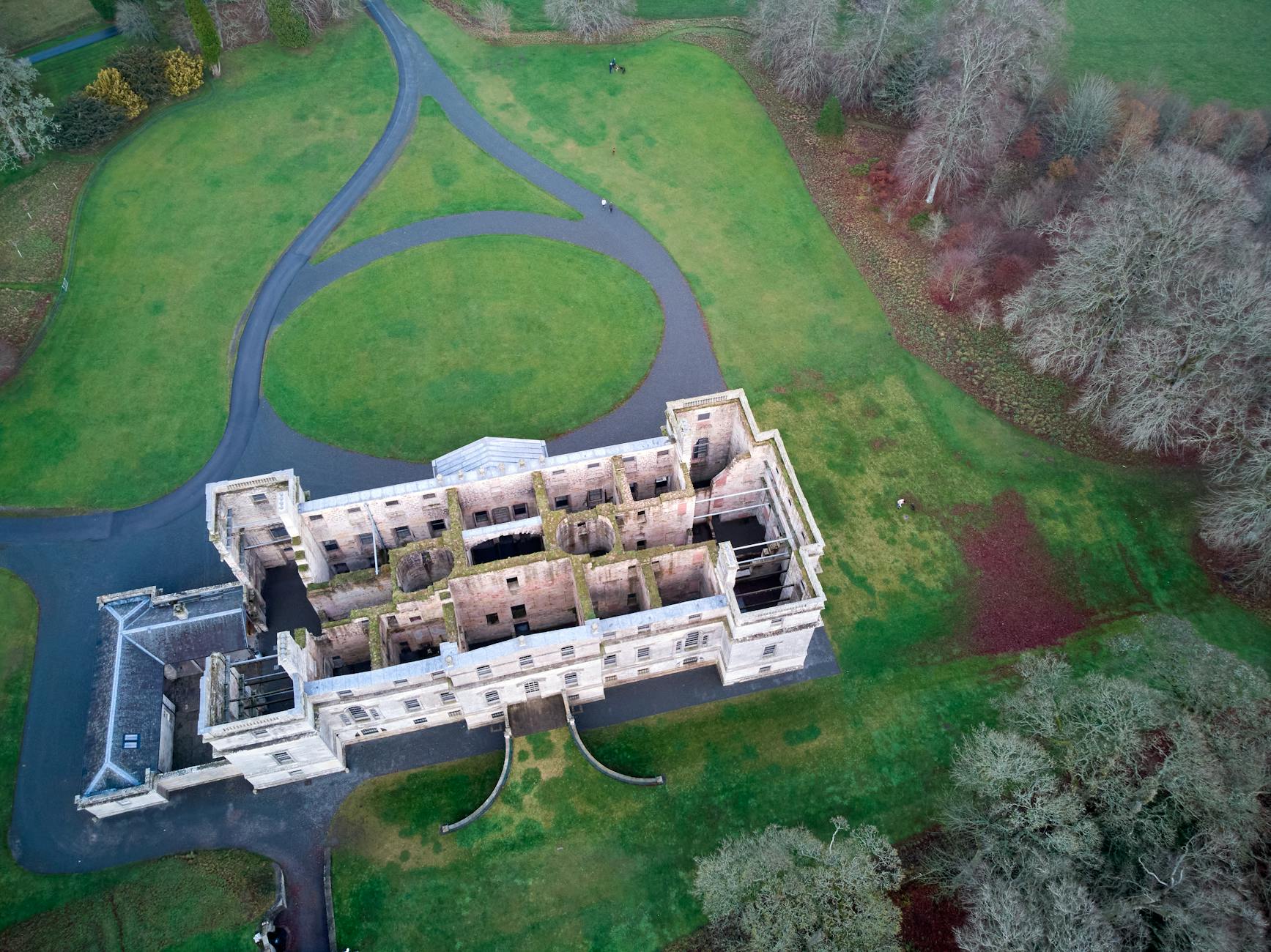
The neoclassical Pollok House (built 1752) sits at the heart of the park and is now run by the National Trust for Scotland. Inside is the Stirling Maxwell Collection — one of Britain’s finest collections of Spanish art, including works by El Greco, Goya, Murillo and Velázquez. The family kitchens, servants’ quarters and stable block are also restored and open. Entry is around £8.50 adult / £6.50 child / free for NTS members. Allow 90 minutes inside.
The Edwardian Kitchen Café in the courtyard is the best on-park lunch: solid Scottish home cooking, dog-friendly outside seating.
At the heart of the park sits Pollok House, the Edwardian mansion of the Maxwells, now run by the National Trust for Scotland. Inside is one of Britain’s finest collections of Spanish art, assembled by Sir William Stirling Maxwell, with works attributed to El Greco, Goya and Murillo, alongside the grand rooms, the below-stairs servants’ quarters and a much-loved tearoom in the old kitchens.
A few practical notes on the house, since it’s the one paid thing in an otherwise free park. Entry is around £8.50 for an adult with reduced rates for children, and National Trust for Scotland members get in free — so if you’re an NTS member, or visiting several Trust properties on a Scottish trip, it’s effectively included. Allow about ninety minutes inside to do the Spanish paintings, the grand rooms and the below-stairs servants’ quarters justice. The Edwardian Kitchen tearoom in the courtyard is the best sit-down lunch in the park and doesn’t require a house ticket, so you can eat there even if you skip the interior.
The Burrell Collection
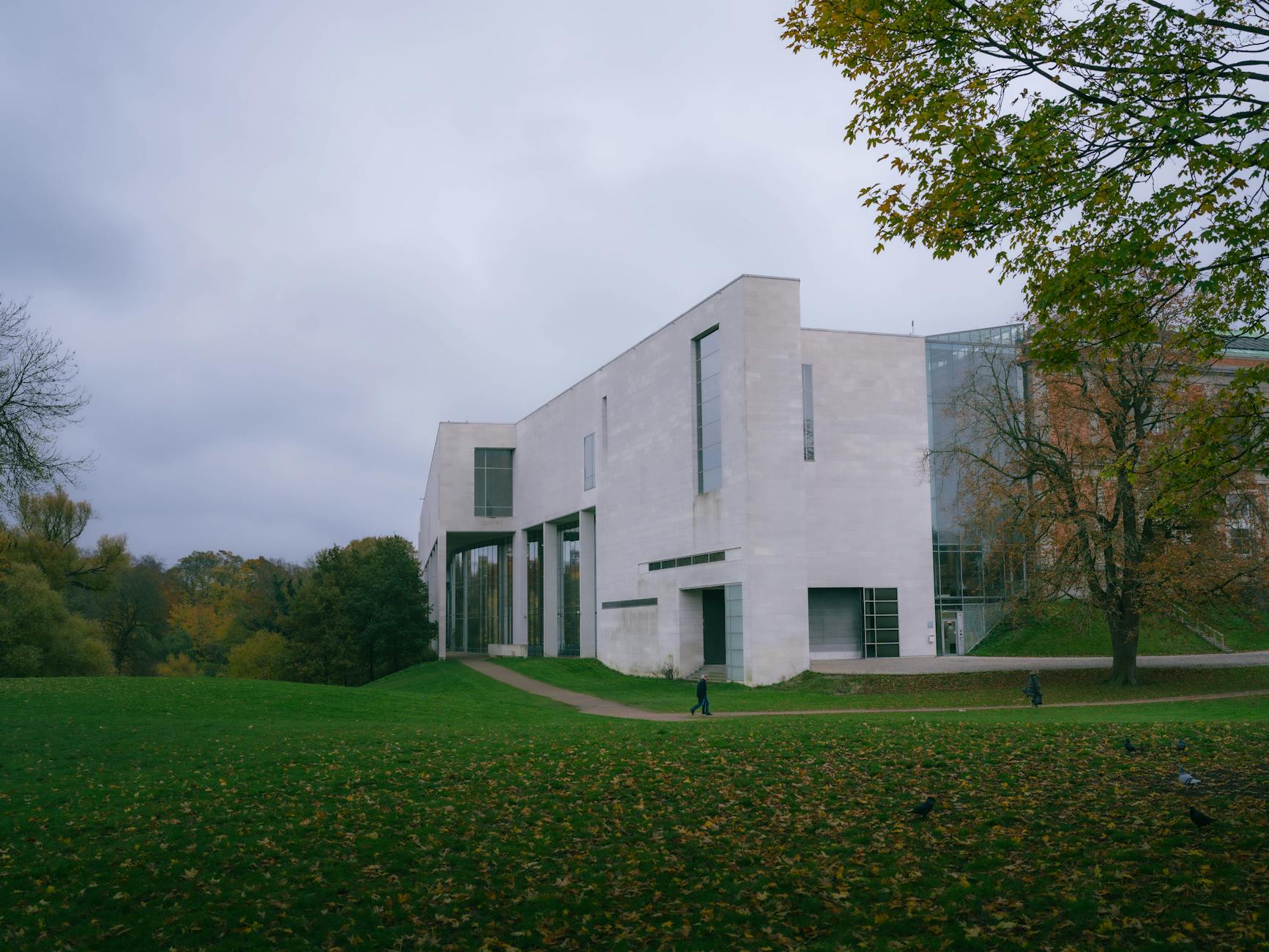
The Burrell Collection — UK Museum of the Year 2023 — sits in the centre of the park. 9,000 objects gifted by Sir William Burrell in 1944, recently reopened after a £68m refurbishment. Entry is free. We have a full deep-dive on the Burrell Collection Glasgow; allow 2–3 hours inside.
It’s worth understanding how unusual this pairing is: a world-class art museum and a fold of Highland cattle within a few minutes’ walk of each other, both free, in a single city park. The Burrell holds around 9,000 objects gifted by Sir William Burrell in 1944 and reopened in 2022 after a major refurbishment that put far more of the collection on show, and entry costs nothing. For a half-day in the park, the museum is the natural centrepiece — galleries first while you’re fresh, then outside to the coos and the river. Our full Burrell Collection guide covers the highlights and the best order to see them.
The playpark and family activities
Just outside the Burrell, a refurbished playpark covers swings, slides, climbing equipment and a sandpit — the best free Glasgow playpark for a combined museum-and-play day. See our companion best Glasgow playgrounds guide. The fairy garden hidden in the woodland off the main path is a quirky free hit for under-8s.
For families, the combination on offer here is hard to beat for the price — nothing. The refurbished playpark just outside the Burrell handles the under-tens, the Highland cattle a short walk away are a guaranteed hit, and the fairy garden tucked into the woodland off the main path is a free, quirky bonus for the youngest. The smart play is to alternate: a stretch in the museum, then the playpark to burn off energy, then the coos, so nobody’s patience runs out indoors. For more days built the same way and the best playgrounds across the city, see our Glasgow with kids guide.
Wildlife in Pollok Country Park
Beyond the Highland cattle, the park is home to roe deer (especially at dawn and dusk), red squirrels (rarer; mostly in the eastern woodland), grey squirrels, foxes, badgers and over 80 recorded bird species (including kingfishers along the White Cart Water). The wildflower meadows in summer attract butterflies and bees. Wildlife photography sessions run quarterly — check the rangers’ programme.
To actually see the wildlife rather than just read about it, time and quiet matter more than luck. Roe deer are most active and visible at dawn and dusk, when the park is near empty, so an early or late walk in the eastern woodland gives you the best chance. The kingfishers along the White Cart Water reward patience by the bank, the wildflower meadows pull in butterflies and bees through high summer, and over eighty bird species have been recorded across the park. A pair of binoculars and a slow pace turn a standard stroll into something more; the rangers’ occasional wildlife-photography sessions are a good way in if you want pointers.
Cycling in Pollok
The park has dedicated tarmac cycle paths suitable for families. A 5km circular route goes around the park boundary; bring your own bike or hire from Glasgow Bike Hire (city centre). Paths are shared with walkers — slow speeds, especially around the Highland cows and the Burrell entrance.
Cycling is one of the easiest ways to cover the whole park, especially with older children, since the going is flat and there’s a roughly 5km circular on dedicated tarmac paths around the park boundary. Bring your own bike or hire one back in the city centre and ride out. The one rule that matters: the paths are shared with walkers, families and pushchairs, so keep speeds low and give way around the pinch points — the Burrell entrance and anywhere near the Highland cattle fences in particular, where there are always people stopped and looking. Ridden at a relaxed pace, the circuit is a gentle hour that links every corner of the park.
Eating in the park
- The Burrell Café — light lunches, sandwiches, hot kids’ meals, vegan options. Best for a quick stop while visiting the museum.
- The Edwardian Kitchen Café at Pollok House — Scottish home cooking; the best sit-down lunch in the park. Outdoor courtyard seating in summer.
- Picnics — the park has dozens of benches and grass areas. Indoor picnic areas inside the Burrell if it rains.
The choice comes down to convenience versus a proper sit-down. The Burrell cafe is the quick option mid-visit — light lunches, sandwiches, kids’ meals — while the Edwardian Kitchen tearoom at Pollok House is the better destination for an actual meal, with courtyard seating in summer and no house ticket required to use it. On a budget or with restless children, though, the best move is your own picnic: the park has dozens of benches and open grass, and the Burrell keeps indoor picnic spaces for when the weather turns, so a packed lunch works whatever the forecast and costs nothing.
How to get to Pollok Country Park
Train: Pollokshaws West (10 minutes from Glasgow Central, every 30 minutes) — 5–10 minute walk into the park. The cheapest, simplest option without a car.
Subway: Shields Road station, then 20-minute walk or £8 taxi.
Bus: First Bus 57 from Argyle Street drops you at the main park entrance.
Driving: Free parking at multiple car parks (Pollok House, Burrell, Riverside Drive) — gates close at dusk.
The simplest route without a car is the train: a Glasgow Central service to Pollokshaws West, roughly every half hour and only about ten minutes out, then a flat five-to-ten-minute walk into the park. It’s the cheapest, least fussy option and skips the car-park hunt entirely. If you drive, there are free car parks at several points — near Pollok House, the Burrell and Riverside Drive — but the gates close at dusk, so don’t leave a car in after dark. The Subway gets you as far as Shields Road, but it’s a longer walk or a short taxi from there, so the train is the better bet; our getting around Glasgow guide has every option.
Accessibility
Most main paths between the visitor centre, Burrell and Pollok House are paved and pram/wheelchair-friendly. The deeper woodland trails are unpaved. Free wheelchair loan at the Burrell Collection, accessible toilets at the Burrell and Pollok House, and a step-free route between the two via the formal driveway.
The perfect day in Pollok Country Park
A full-day plan that hits everything good in the park:
10am — Train to Pollokshaws West. Walk into the park.
10.30am — The Burrell Collection (free). Free guided tour at 11am.
1pm — Lunch at the Edwardian Kitchen Café at Pollok House.
2pm — Pollok House interior (Spanish art collection).
3.30pm — The Highland cows at Pollok Avenue.
4pm — Riverside walk along the White Cart Water.
5pm — Train back to Glasgow Central.
Two tweaks make that itinerary more robust. First, treat the weather as the deciding factor: if rain is forecast, front-load the indoor hours — Burrell and Pollok House in the morning — and save the cattle and the riverside walk for any dry window, rather than the other way round. Second, check Pollok House’s opening days before you commit the afternoon to it, as they vary by season and it isn’t open every day year-round; the Burrell and the park itself are the reliable constants. Build in a little slack and the day flexes around a Glasgow sky without falling apart.
Best time to visit Pollok
Spring (March–May) for the daffodils, calving season and fresh leaves. Summer (June–August) for the long days and full Highland cattle access. Autumn (September–October) for the leaf colour. The park is rarely crowded; weekday mornings are dreamy. See our companion best time to visit Glasgow guide for the bigger picture.
Each season has a clear pull, so pick to taste. Spring brings the daffodils, the new calves and fresh leaves; high summer gives the longest days and the meadows at their best; autumn turns the old beech avenues along the river properly golden. The park is rarely crowded whenever you come — it’s big enough to swallow a weekend crowd — but a weekday morning is the quietest and loveliest of all, with the trails close to empty and the light low through the trees. For lining your wider trip up with the cheaper, quieter weeks, our family planning and seasonal guides are worth a look.
FAQs
Is Pollok Country Park free?
Yes — entry to the park, the Burrell Collection and the playgrounds is completely free. Pollok House (NTS) charges around £8.50 adult / £6.50 child for entry; NTS members free.
Can you see Highland cows at Pollok?
Yes — around 50 Highland cattle live in fields along Pollok Avenue, year-round. They’re often friendly enough to approach the fences for a scratch. Don’t feed them; supervise children.
How do you get to Pollok Country Park from Glasgow city centre?
Train from Glasgow Central to Pollokshaws West (10 minutes) — the cheapest and simplest route. Bus 57 from Argyle Street and Subway+walk from Shields Road are alternatives.
How long do you need at Pollok Country Park?
2 hours for a quick walk and the Highland cows. A full day if you’re adding the Burrell and Pollok House.
Are dogs allowed in Pollok Country Park?
Yes — dogs on leads are welcome on all paths. Off-lead in designated meadows away from livestock. Always on lead near the Highland cows.
Is Pollok Country Park good for kids?
Yes — the playpark, the Highland cows, the fairy garden and the digital interactives at the Burrell make it one of the best free family days in Glasgow.
Plan more of Glasgow’s outdoors
Pollok is the biggest of Glasgow’s many green spaces. Read our companion deep-dive on Kelvingrove Park, our complete Glasgow parks and outdoor activities guide and our deeper Burrell Collection guide for the museum at the heart of the park.