Glasgow Green is Glasgow’s oldest park — granted by King James II in 1450 and continuously open to the public ever since. Sitting on the north bank of the River Clyde at the eastern edge of the city centre, it’s home to the People’s Palace, the world’s largest terracotta fountain, the TRNSMT music festival, the Doulton Fountain and a slice of Glasgow’s industrial-political history.
This is a complete 2026 visitor guide to Glasgow Green — its history, what to see, the major annual events held there and how to plan your visit.
Glasgow Green at a glance
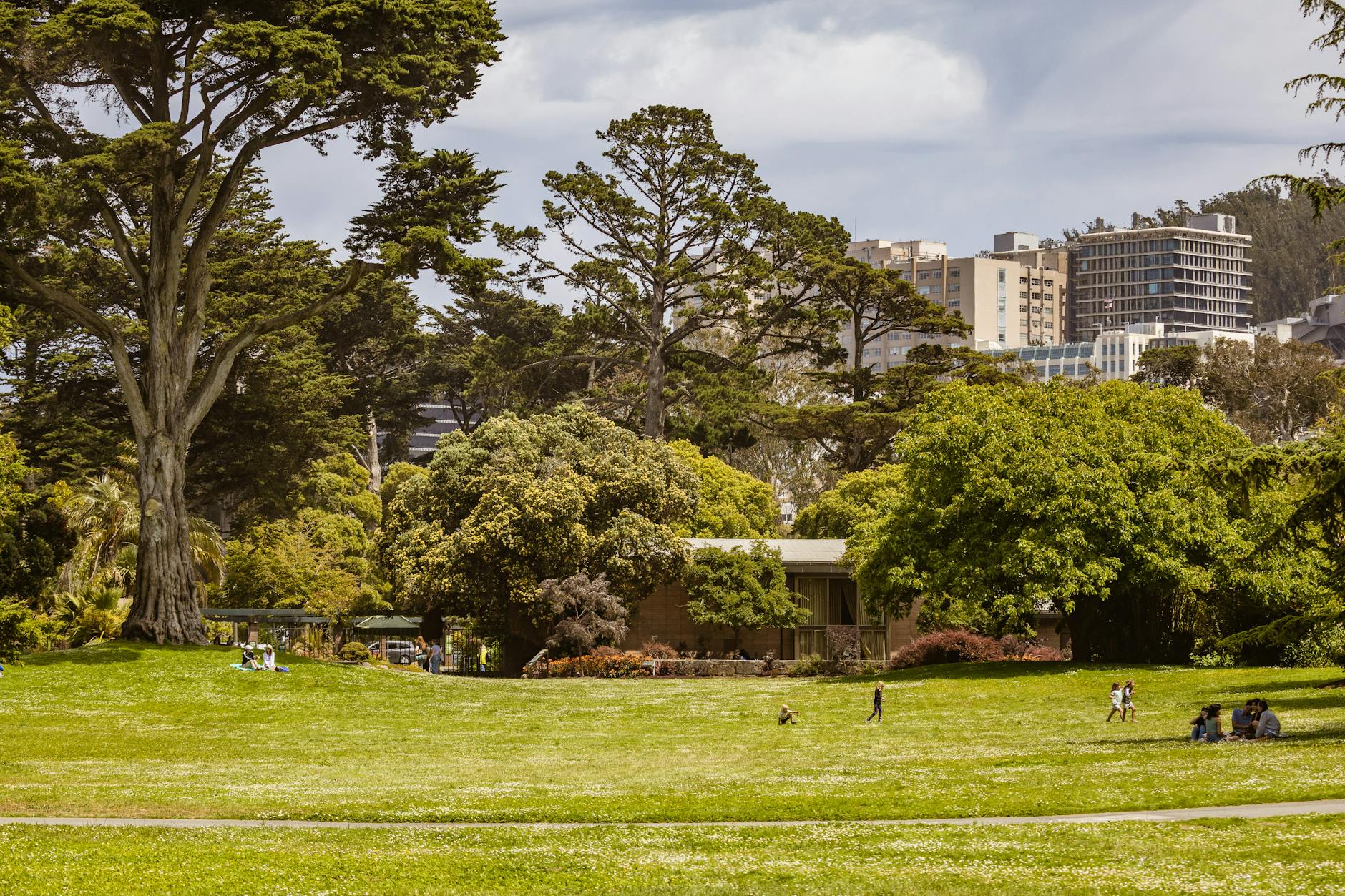
Address: Greendyke Street, Glasgow G40 1AT. Opening hours: 24 hours, year-round, free. Size: 55 hectares (136 acres). Best entrance for first-timers: the McLennan Arch on Saltmarket. Plan for: 90 minutes minimum; a full day during festivals.
The history of Glasgow Green
Glasgow Green is the oldest park in the city and one of the oldest public parks in the UK. In 1450, King James II granted the parkland to Bishop William Turnbull and the people of Glasgow — and unlike most royal grants of common land, the gift has held: the Green has remained continuously public since.
For centuries Glasgow Green was the city’s gathering place — washing-day on the riverbank, drying greens for the city’s textile workers, livestock grazing, and political demonstrations. In August 1816, around 40,000 people gathered here for the Calton Weavers’ rally for parliamentary reform — one of the largest political meetings in 19th-century Britain. The bandstand on the Green hosted speeches by political and religious figures including David Livingstone (the missionary-explorer was Glasgow-born).
The Green’s role as Glasgow’s “town square” continues today — it’s the city’s main festival site, hosts the annual Glasgow Mela cultural festival and the TRNSMT music festival, and remains a regular venue for political marches.
What makes the 1450 grant remarkable isn’t just its age — it’s that the land was never enclosed, sold off or built over, which is the fate that befell almost every other piece of medieval common land in Britain. Glaswegians have defended that public ownership fiercely. When the city tried to develop parts of the Green in the 19th century, public protest forced a retreat, and the principle that the Green belongs to the people rather than the council has shaped every decision about it since. That’s why, uniquely for a city-centre park, it has no railings around its core and no closing time.
The Green is also woven into the birth of the industrial age in a way few parks anywhere can claim. James Watt’s walk here in 1765, when the idea for the separate condenser that transformed the steam engine came to him, is commemorated by a stone near the spot. Add the textile bleaching greens, the weavers’ rallies and the wash-houses, and you’re standing on the ground where Glasgow’s working-class and industrial identity was forged. It’s worth knowing all this before you visit, because the Green looks like an ordinary park until you read it — and then it reads like the city’s whole story in one field.
What to see at Glasgow Green
1. The People’s Palace and Winter Gardens
The People’s Palace is Glasgow’s social-history museum — the story of working-class Glasgow from 1750 to today. Originally opened in 1898 as a “cultural centre for the people,” the building closed for major refurbishment in April 2024 and is due to reopen in 2027. The Winter Gardens conservatory adjacent will reopen at the same time. Free when open.
2. The Doulton Fountain

The Doulton Fountain in front of the People’s Palace is 14 metres high and 21 metres across at its base — the largest terracotta fountain in the world. It was gifted to the city by Sir Henry Doulton in 1888 to commemorate Queen Victoria’s Golden Jubilee. The fountain was originally erected in Kelvingrove Park for the 1888 International Exhibition, then moved to its current location in 1890. Decorated with figures representing Britain’s empire (Australia, Canada, India, South Africa) crowned by Queen Victoria. Free; visible 24 hours.
3. The Templeton Carpet Factory
The most extraordinary industrial building in Glasgow — a Doge’s-Palace-of-Venice-style factory designed by William Leiper in 1889. It now houses the WEST Brewery, bars and offices. Free to view from outside; the brewery does tours.
4. The McLennan Arch
A neoclassical arch (1796) at the western entrance to the Green, originally part of the Athenaeum on Ingram Street. Moved to its current location in 1922.
5. The Nelson Monument
A 44-metre obelisk (1806) commemorating Lord Nelson’s victory at Trafalgar. The first major monument to Nelson in Britain, predating the Trafalgar Square column by 35 years. Free to view.
6. The Saltmarket and Trongate Pavilion
The grand 1822 entrance gates to Glasgow Green at Greendyke Street.
7. The James Watt Memorial
A bronze statue commemorating the engineer James Watt — Watt is said to have conceived his improvements to the steam engine while walking on the Green in 1765.
8. The Glasgow Green Play Park
Behind the People’s Palace, the renovated playground is the closest big play park to the city centre — five minutes’ walk from Glasgow Cross. Read our best Glasgow playgrounds guide.
9. The River Clyde Walkway
The riverside path along Glasgow Green stretches west to the city centre and east to the Cuningar Loop park. Pram-friendly, paved, and the easiest scooter-and-cycle route in the East End.
A few things first-timers walk straight past that are worth seeking out. The wash-house, or Steamie, site near the People’s Palace is where generations of Glasgow women did the household laundry and traded the city’s news — the communal steamie is a fixture of Glasgow folk memory and even gave its name to a beloved play. Look too for the old fountains and the boundary stones; the Green is dotted with small monuments that reward a slow loop rather than a beeline to the headline sights.
The Templeton building deserves a second, closer look than the quick photo most people give it. Leiper modelled the polychrome brick facade on the Doge’s Palace in Venice partly to get planning permission past a council that had rejected a plain factory design — the city would accept a thing of beauty on its sacred Green where it wouldn’t accept an eyesore. The result is the most flamboyant industrial building in Scotland, and standing under it with a drink from the WEST brewery inside is one of the more surreal pleasures on the Green. It’s a short walk from the riverside path, so fold it into a loop along the Clyde Walkway.
Major events at Glasgow Green
TRNSMT Festival (June)

Glasgow’s biggest music festival — three days of headliner-led music in late June, 50,000 attendees a day. See our deep-dive on TRNSMT Festival Glasgow.
The Glasgow Mela (June)
Scotland’s largest South Asian cultural festival — free, family-friendly, with food, music, dance and craft stalls. Held over a single weekend.
The World Pipe Band Championships (August)
The world’s biggest pipe-band competition — held annually on Glasgow Green, attracting 200+ bands and 40,000 spectators.
Bonfire Night (5 November)
Glasgow’s main fireworks display takes place at Glasgow Green every 5 November.
The Glasgow International Comedy Festival (March-April)
Some of the larger comedy events use the Green’s marquee venues.
Glasgow Pride march (June)
The annual Glasgow Pride parade ends with a free festival at Glasgow Green.
The Marie Curie 5K and 10K (April-October)
Multiple charity runs use the Glasgow Green flat circuit.
Things to do at Glasgow Green
- Riverside walk — west toward the city centre or east toward the Cuningar Loop park.
- Play park visit — the renovated children’s playground.
- Photography — the Doulton Fountain at golden hour is the city’s most-photographed water feature.
- Picnic on the lawns — the wide flat grass between the McLennan Arch and the People’s Palace is the city’s most-used picnic area in summer.
- Cycling — flat tarmac paths and bike-hire docks at the western end.
- Boat-watching — rowers and motor cruisers on the Clyde.
- Visiting the Templeton (WEST Brewery) — see our whisky and brewery tours guide for tour info.
Beyond the obvious walk-and-picnic, the Green quietly works as a fitness and outdoor-sport hub that locals use far more than visitors realise:
- Parkrun — the free, timed 5K runs here every Saturday at 9.30am on a flat, fast riverside loop; just register once online and turn up. It’s one of the friendliest ways to see the park at its best.
- Skateboarding and wheels — the smooth wide paths and open hardstanding make the western end popular with skaters, scooters and kids learning to cycle away from traffic.
- Outdoor gym and trim trail — fixed equipment dotted near the main paths, free to use.
- Festival-watching from outside — even without a ticket, the sound of TRNSMT or the pipe bands carries across the river, and the surrounding streets buzz on event days.
It’s also one of central Glasgow’s best run-and-ride links rather than a destination in itself. The flat tarmac connects west into the city centre and east to the Cuningar Loop woodland park across the river, so cyclists and runners use the Green as the hinge of a longer riverside route. If you’re building a city running plan, the Green’s loop pairs naturally with the Clyde paths — our wider Glasgow parks and outdoors guide covers how the green spaces link up.
How to get to Glasgow Green
Walking: 10 minutes from George Square via Saltmarket — flat, pavemented, the most pleasant approach.
Subway: Bridgeton or High Street — both about 10 minutes’ walk.
Train: Argyle Street and High Street rail stations are 5-10 minutes’ walk.
Bus: First Bus 18, 64 stop on Saltmarket and Glasgow Bridge.
Driving: No on-site parking; pay-and-display along Greendyke Street and Templeton Street.
The single best approach on foot is down Saltmarket from Glasgow Cross, through the McLennan Arch, because it frames the Green exactly as the Victorians intended — the arch first, then the long lawns opening up with the Doulton Fountain and the People’s Palace beyond. It’s a flat ten minutes from George Square and passes the Tolbooth Steeple and the medieval heart of the old city on the way, so the walk is part of the sightseeing rather than dead time.
A practical heads-up for festival days: when TRNSMT, the pipe bands or the bonfire night display are on, the usual entrances and riverside paths are fenced off for the event, and the nearest stations get extremely busy at chucking-out time. If you’re visiting for the park itself rather than the event, avoid those weekends entirely. If you are going for the event, walk in rather than drive — there’s no on-site parking, the surrounding streets are residents-permit and pay-and-display, and the Subway and trains are far less hassle. Our getting around Glasgow guide has the transport detail.
Glasgow Green with kids
The Green is the most family-friendly of Glasgow’s central parks. The play park behind the People’s Palace is the highlight; the lawns are perfect for kicking a ball; the Doulton Fountain is a hit with under-7s; the Glasgow Green riverside walk is 100% pram-friendly. Allow 1-2 hours for a family visit. See our best Glasgow playgrounds guide.
The play park behind the People’s Palace is the headline, but the Green’s real advantage for families is space without traffic — the wide flat lawns mean you can let small children run, scoot and kick a ball without watching for cars, which is rarer in a city centre than it sounds. The Doulton Fountain is a reliable hit with under-sevens (the carved animals and figures give them something to hunt for), and the riverside path is genuinely pram-flat the whole way, so a buggy nap and an adult walk can happen at the same time.
For a half-day with kids, pair the Green with the Cuningar Loop just across the river via the footbridge — it has a bouldering area, woodland trails and a more adventurous natural-play feel than the formal city park, and the two together make a proper outdoor morning. Bring a picnic, because the on-Green food options are limited when the People’s Palace cafe is closed for the refurbishment. Our Glasgow with kids guide rounds up the wet-weather backups for when the famous Glasgow rain arrives mid-picnic.
Eating and drinking near Glasgow Green
- WEST Brewery and Restaurant (Templeton Carpet Factory) — German-Scottish food and craft beer in one of the city’s most extraordinary buildings.
- Glasgow Green Tea Rooms at the People’s Palace (when reopened).
- Cafe Source Govanhill — 10 minutes’ walk south for full Scottish breakfast.
- Sloans (Argyll Arcade) — Glasgow’s oldest restaurant, 5 minutes’ walk west for a Sunday roast.
- The Saracen Head (Gallowgate) — Glasgow’s oldest pub, 5 minutes’ walk north.
Glasgow Green safety
The Green is generally safe in daylight hours and busy with locals. Like any urban park, it’s quieter at night — most locals walk through rather than linger after dusk. Standard precautions apply (don’t flash phones in quiet sections; sturdy shoes for the river paths after rain).
Best time to visit Glasgow Green
May-September: the parks are at their best; long daylight; events through the summer.
October: spectacular autumn colour along the Clyde Walkway.
November-March: calmer, atmospheric; the Doulton Fountain looks particularly fine in winter morning frost.
Avoid: the days during TRNSMT or major events if you don’t have tickets — much of the park is closed off.
Early morning is the quiet secret. Between about 7 and 9am the Green belongs to the runners, the dog-walkers and the light, and the Doulton Fountain photographs best with the low sun behind it and nobody in the frame. It’s also the calmest the park ever feels, which matters if you’ve heard the (overstated) reputation of the surrounding East End and want to see the Green at its most relaxed.
Time your visit around the calendar as much as the weather. June is the Green at its liveliest with TRNSMT and the Mela, but that also means fenced-off sections and crowds — brilliant if that’s what you want, frustrating if you came for a quiet park. The first half of November brings the bonfire night display, the best free fireworks in the city. And a crisp, frosty winter morning — the fountain rimed with frost, the river steaming — is genuinely one of the more beautiful and least-visited times to come, so don’t write off the colder months.
Glasgow Green vs other Glasgow parks
Glasgow Green is the city’s oldest and most central park. Kelvingrove Park is bigger, more landscaped, in the West End. Pollok Country Park is the largest by far (361 acres) and is home to the Burrell Collection. The Glasgow Botanic Gardens are smaller but more horticulturally ambitious. See our wider Glasgow parks and outdoor activities guide.
Where the Green wins outright is history and centrality — nothing else in Glasgow combines a five-minute walk from the city centre with 600 years of continuous public use and a world-class fountain. Where it loses is greenery and seclusion: it’s flatter, more open and more hard-landscaped than the West End and Southside parks, so if you want woodland, hills and a proper nature escape, you’d point yourself elsewhere in the city.
A quick way to choose between Glasgow’s central green spaces depending on what you’re after:
- For history and the city’s story — Glasgow Green, every time.
- For landscaped beauty and a museum — Kelvingrove Park in the West End, wrapped around the famous art gallery.
- For sheer size, woodland and Highland cows — Pollok Country Park on the Southside, the biggest of the lot.
- For a complete picture of the city’s outdoors — our Glasgow parks and outdoors overview maps them all and how to link them.
FAQs
Is Glasgow Green free?
Yes — the park is free, 24 hours, year-round. The People’s Palace (when reopened in 2027) is also free.
What’s the most famous monument at Glasgow Green?
The Doulton Fountain — the largest terracotta fountain in the world, gifted to the city in 1888.
How big is Glasgow Green?
55 hectares (136 acres) — Glasgow’s oldest and most central public park.
Is Glasgow Green safe at night?
Generally yes in daylight; quieter and less recommended for solo walks after dark. Like any urban park.
What’s TRNSMT at Glasgow Green?
Glasgow’s biggest music festival — three days, 50,000 attendees a day, late June. See our TRNSMT Festival Glasgow guide.
Can you walk along the Clyde from Glasgow Green?
Yes — the River Clyde Walkway runs west toward the city centre and east toward Cuningar Loop. Flat, paved, brilliant for cycling and prams.
When will the People’s Palace at Glasgow Green reopen?
The current major refurbishment is due to complete in 2027. Both the People’s Palace and the Winter Gardens will reopen together.
Plan more Glasgow park days
This article is part of our complete Glasgow parks and outdoor activities guide. Pair it with our Kelvingrove Park deep-dive, our Pollok Country Park guide and our things to do in Glasgow at night overview (the Glasgow Green Bonfire Night display is one of the best).