This article contains advertising. Our booking links are routed through a partner that adds commission tracking automatically, so if you book through one we earn a commission from the provider, at no extra cost to you. It never affects what we recommend. Affiliate disclosure
Glasgow Botanic Gardens is the city’s most romantic free attraction — 50 acres of glasshouses, manicured gardens, riverside woodland walks and one of the most extraordinary Victorian conservatories in Britain, sitting at the top of Byres Road in the heart of the West End.
This is a complete 2026 visitor guide to Glasgow Botanic Gardens — what to see, when to visit, the famous Kibble Palace, the tearoom, opening hours, family options and how to combine with the rest of the West End.
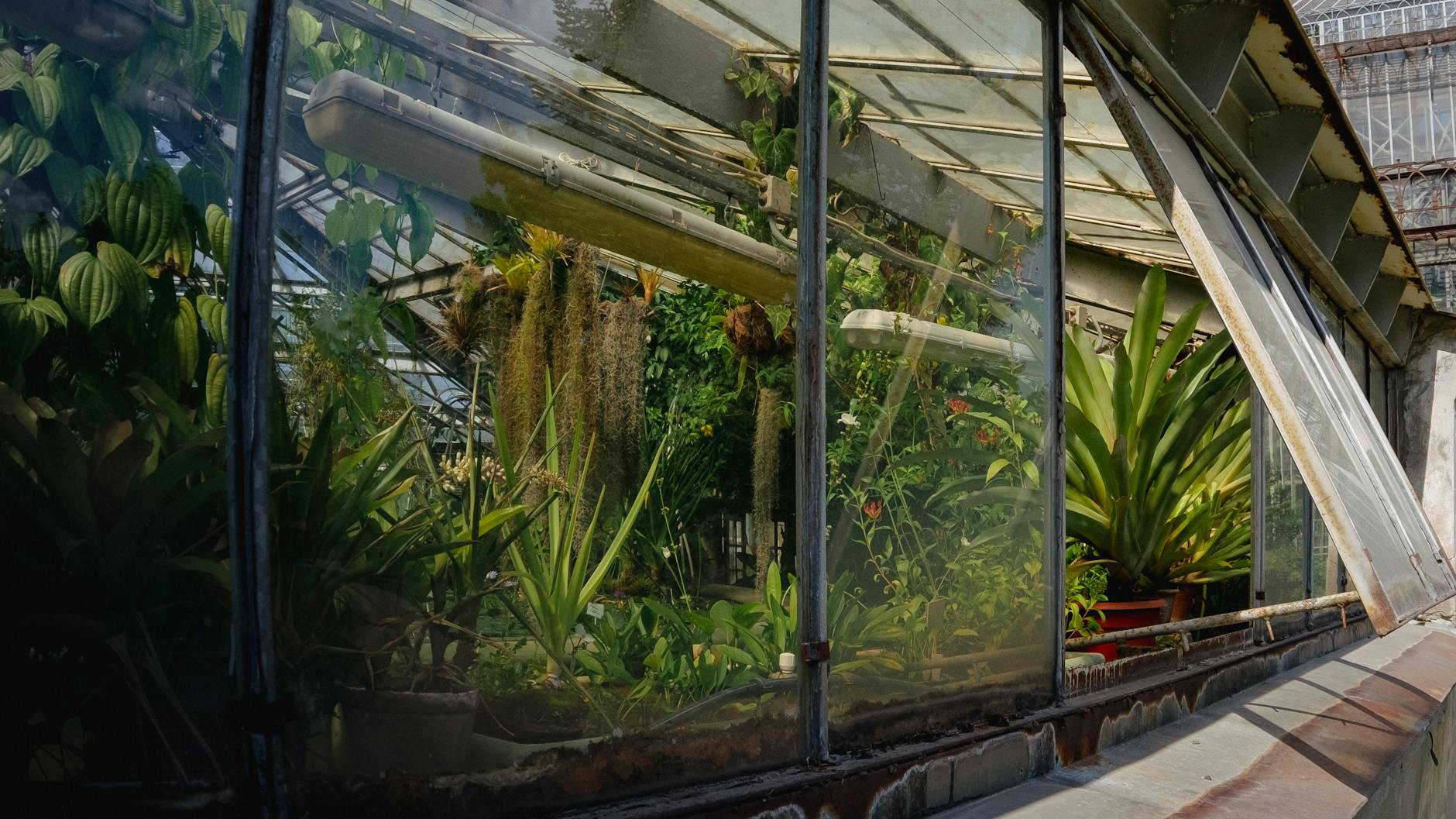
Glasgow Botanic Gardens at a glance
Address: 730 Great Western Road, Glasgow G12 0UE. Opening hours (2026): 7am – dusk daily (gardens); glasshouses 10am–6pm April–September, 10am–4.15pm October–March. Entry: Free for everything including the glasshouses. Plan for: 1-2 hours minimum; a full half-day if you also walk the Kelvin Walkway. Subway: Hillhead (5 minutes’ walk).
A short history of Glasgow Botanic Gardens
The gardens were founded in 1817 by the Royal Botanic Institution of Glasgow on a different site near Sauchiehall Street, and moved to their current location at the top of Byres Road in 1842. Joseph Paxton (the designer of Crystal Palace and Kelvingrove Park’s layout) was involved with the early designs. The signature Kibble Palace arrived in 1873 — moved from the private estate of John Kibble at Coulport on Loch Long.
The gardens began life as a serious scientific institution rather than a public park — founded in 1817 to grow plants for medical and botanical teaching, with the new University and the city’s physicians among the backers. For decades they charged admission and opened to the general public only on set days, which is why the layout still feels like a collection to be studied rather than a green space to sprawl in. They passed into Glasgow Corporation’s ownership in 1891 and have been free ever since. That heritage is the reason the planting is labelled and ordered the way it is, and why the glasshouse range is arranged by climate and plant family — it was built to instruct, and it still quietly does. Public open space was nothing new to the city by then: Glasgow Green on the East End riverside had already served as common grazing and washing ground for some 400 years.
The Kibble Palace

The Kibble Palace is the headline attraction at Glasgow Botanic Gardens — a curvilinear masterpiece of iron and glass, originally John Kibble’s private conservatory at his Loch Long estate, then floated up the Clyde and reassembled at the Botanic Gardens in 1873. After £7 million of restoration in 2006, it now houses the National Collection of Tree Ferns from Australia and New Zealand, plus marble Victorian sculptures, the iconic central fountain and a small pond. Open 10am–6pm in summer, 10am–4.15pm in winter. Free.
Stand inside the Kibble Palace and the story gets stranger the more you know it. John Kibble was a Victorian engineer and inventor — an early photographer who once built a camera so large it needed a horse and cart to move — and this was the conservatory of his private estate on Loch Long before it was dismantled, barged up the Clyde and rebuilt here in 1873. For its first years it was an events venue as much as a glasshouse: Disraeli and Gladstone both gave rectorial addresses to thousands of people under its dome. Today the white marble figures among the tree ferns are the surprise — Victorian sculptures of literary and mythological subjects, kept deliberately cool and damp, so the building works as a sculpture gallery and a fernery at once. It is free, and on a wet West End afternoon it is one of the warmest, quietest rooms in the city.
The 11 other glasshouses
The “Main Range” of glasshouses sits adjacent to the Kibble Palace and contains 11 separate climate zones — economic plants, orchids, ferns, palms and a brilliantly humid begonia house. Each is small but evocative. Free; allow 30-40 minutes for a focused tour. Volunteers will hand you a free leaflet at the entrance with the route through the houses.
The thing to know about the Main Range is that it packs eleven distinct climates into a small footprint, so you walk from a dry desert house full of cacti into a dripping tropical fernery in the space of a few steps — it’s the fastest tour of the world’s plant life you’ll get anywhere in Scotland. The orchid and begonia houses are the warmest and the most rewarding on a cold day, and the carnivorous plants quietly steal the show for children. Pick up the free leaflet at the door for the route; the houses connect in sequence and it’s easy to miss one if you wander.
What else to see at Glasgow Botanic Gardens
1. The Herb Garden and World Rose Garden
Mid-spring through summer the rose garden is at its peak; the herb garden runs year-round. Both are formal, gravel-pathed and pram-friendly.
2. The Arboretum and the Kelvin Walkway
The northern half of the gardens runs alongside the River Kelvin and contains specimen trees from across the world. A tarmac path connects to the Kelvin Walkway — a 9-mile walking and cycling route along the river. From the Botanic Gardens you can walk south for 1.5 miles to Kelvingrove Park through ancient woodland.
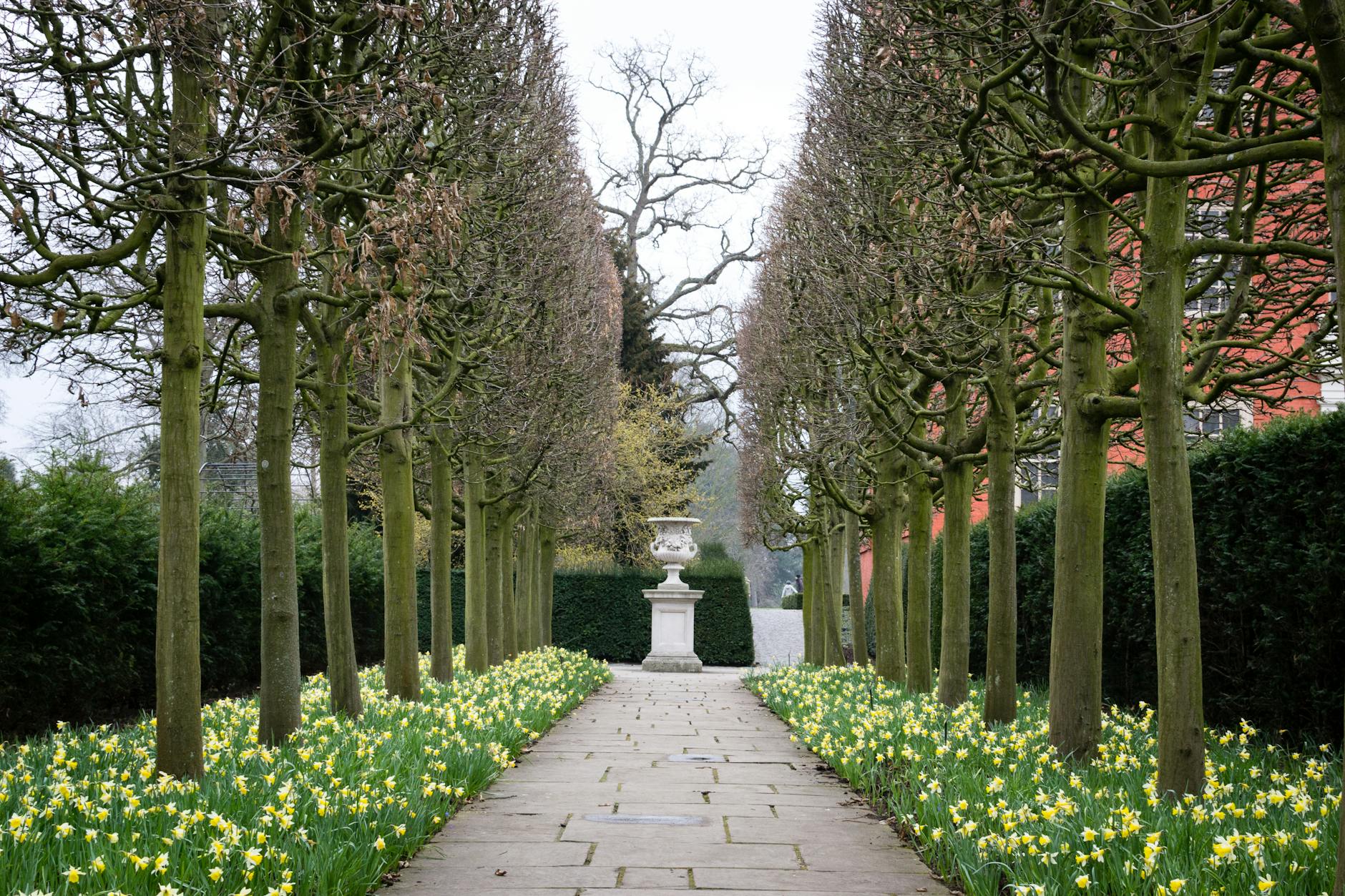
3. The Curator’s House and Botanic Gardens Tearoom
Inside the historic Curator’s House, the Botanic Gardens Tearoom is one of the most charming café stops in the West End. Soup, sandwiches, cakes, coffee — and traditional afternoon tea (book ahead). Open Mon-Sat 10am-4.15pm, Sun 11am-4.15pm.
4. The Children’s Garden
A small dedicated kids’ play and learning area near the main entrance. Wooden playhouses, sensory plants, and seasonal activities for under-10s.
5. The Bandstand
The Glasgow Botanic Gardens bandstand hosts free outdoor concerts in summer (typically Sunday afternoons in July and August) — folk, classical and jazz. Check the Friends of Glasgow Botanic Gardens website for the current programme.
6. The Old Botanic Gardens Subway Station
An abandoned underground station sits beneath the gardens — closed in 1939 and now derelict. Not accessible to the public but visible if you know where to look (entrance on Vinicombe Street, currently sealed).
Most visitors do the Kibble Palace and the glasshouses and leave, which means the northern half of the gardens is the part you’ll often have nearly to yourself. The ground falls away towards the River Kelvin into proper woodland, and the path there links into the wider Glasgow parks and walkways network — you can follow the Kelvin Walkway south under the trees all the way to Kelvingrove Park without touching a main road. It’s a genuinely different experience from the formal lawns up top: muddy in winter, dense and green in summer, with the river running below. Bring shoes that can take a bit of mud if you want to do the riverside loop rather than just the manicured front of the gardens. Follow the Kelvin far enough south and it meets the Clyde at Partick, where the Clyde Walkway takes over along the riverbank. That riverside stretch is also one of the quieter running routes through Glasgow, flat underfoot and largely free of road crossings.
Free guided tours at Glasgow Botanic Gardens
The Friends of Glasgow Botanic Gardens run free hour-long guided tours from spring to autumn, usually at 11am and 2pm at weekends. No booking required — meet at the main visitor centre. The volunteer guides are trained by the Friends and are an excellent way to make sense of the collections.
The best season to visit Glasgow Botanic Gardens
Spring (March–May): Daffodils, magnolias and cherry blossom; the Kibble Palace orchids are at their best.
Summer (June–August): The rose garden in peak bloom, free Sunday concerts at the bandstand, longest daylight for evening visits.
Autumn (September–October): Spectacular leaf colour in the arboretum and along the Kelvin Walkway.
Winter (November–February): The glasshouses come into their own — a tropical respite from Glasgow grey.
For the bigger picture see our best time to visit Glasgow guide.
If you can only come once, late April into May is the strongest single window — the magnolias and cherry blossom along the front lawns are short-lived and spectacular, and the days are long enough for an unhurried visit. But the gardens are unusual in being genuinely worth visiting in the dead of winter, which most outdoor attractions are not: when the rest of Glasgow is grey and dripping, the Kibble Palace and the tropical glasshouses are warm, humid and full of colour, and they’re free. That makes the gardens one of the better cold-and-wet-weather options in the West End — see our wider list of things to do in Glasgow when it rains for how to string it together with the nearby indoor attractions.
Glasgow Botanic Gardens with kids
The gardens are pram-friendly throughout, with dedicated children’s spaces, and the glasshouses are warm, dry and brilliantly engaging for under-7s (especially the Kibble Palace fountain and the carnivorous-plant zone in the begonia house). The Kelvin Walkway makes for a strong family walk; the cafe has high chairs. Free — one of Glasgow’s strongest free family days. See our Glasgow with kids guide.
How to get to Glasgow Botanic Gardens
Subway: Hillhead is the closest stop — 5 minutes’ walk up Byres Road.
Bus: First Bus 6, 6A and 7 stop on Great Western Road outside the gardens.
Walking: 25 minutes from Glasgow Central via Sauchiehall Street and Kelvingrove Park; 15 minutes from the West End restaurants.
Driving: No on-site parking; pay-and-display on side streets fills early. We don’t recommend driving — Subway is faster.
The Subway really is the answer here, and it’s worth being firm about why: there is no visitor car park, the surrounding West End streets are residential controlled-parking zones that fill before 10am, and the one-way system around Byres Road is a frustration. Hillhead station puts you a flat five-minute walk from the Great Western Road gates, and the trains run every few minutes. If you’re coming from the city centre, change at St Enoch or board at Buchanan Street; the whole loop is small and quick. Our getting around Glasgow guide covers the Subway day ticket, which is the cheapest way to pair the gardens with Kelvingrove and the rest of the West End in one outing.
Accessibility at Glasgow Botanic Gardens
The Kibble Palace, the main glasshouse range and the tearoom are all wheelchair-friendly, as are most of the paved paths around the gardens. The riverside woodland walks have steeper unpaved sections. Free wheelchair loan from the visitor centre; accessible toilets at the main entrance.
Combine Glasgow Botanic Gardens with…
The gardens sit at the top of Byres Road — combine with:
- Byres Road shopping and brunch — see our best brunch in Glasgow guide.
- Glasgow University and the Hunterian Museum — 15 minutes’ walk south.
- Kelvingrove Park — 25 minutes’ walk south along the Kelvin Walkway.
- The Mackintosh House — 10 minutes’ walk inside Glasgow University.
- Ashton Lane — 10 minutes’ walk for the fairy-lit cobbled lane and lunch at the Ubiquitous Chip.
The gardens sit at the very top of Byres Road, which is the spine of the West End, so they slot into a day rather than filling one. The natural pairing is a slow morning in the glasshouses followed by lunch and a wander down Byres Road and its side streets — Ashton Lane with its fairy-lit cobbles is ten minutes south, and the University with the Hunterian and the Mackintosh House is just beyond. If the weather holds, do the Kelvin Walkway south to Kelvingrove and make a half-day of green space and museums; if it doesn’t, the glasshouses, a brunch and the West End’s indoor attractions make an easy wet-weather plan. For more on the area, our Glasgow parks guide sets out the walking links between the green spaces.
Glasgow Botanic Gardens vs Edinburgh Botanic Garden
Both are free and both are world-class. Edinburgh’s Royal Botanic Garden is bigger (72 acres vs 50), older as a public garden and has the largest tropical glasshouses in Britain. Glasgow’s strength is the Kibble Palace itself, the Victorian-Italianate setting and the proximity to the West End restaurants. For a single day, Glasgow Botanic Gardens is much easier to combine with the rest of a city visit.
Events at Glasgow Botanic Gardens
Free events include the bandstand summer concerts (Sundays in July and August), the West End Festival parade route (June), occasional plant fairs (April and September), and Christmas illuminations (mid-November to early January). Check the Friends of Glasgow Botanic Gardens website for the current programme.
Eating and drinking at Glasgow Botanic Gardens
The Botanic Gardens Tearoom inside the Curator’s House is the on-site option — light lunches, soup of the day, and the famous afternoon tea (£25 a head, book ahead via their website). For a wider Byres Road meal see our brunch guide or our Glasgow food guide.
Beyond the on-site tearoom, the gardens’ real advantage for food is the street they open onto. The top of Byres Road and the lanes off it are one of the densest runs of cafes, brunch spots and restaurants in the city, so the standard West End move is glasshouses first, then a ten-minute stroll to a long lunch — you’re never stuck for somewhere. The tearoom in the Curator’s House is the charming option for tea and cake without leaving the gardens; for anything more substantial, walk out the gate. Our Glasgow food guide and brunch picks cover the best of the surrounding streets.
Photography tips for Glasgow Botanic Gardens
- Best light: golden hour — the Kibble Palace ironwork glows.
- Best seasons: April for cherry blossom, June for roses, October for leaf colour.
- Tripods: allowed in the gardens but not inside the glasshouses without a permit.
- Drone: not permitted.
- Wedding photography: permitted with prior arrangement via Glasgow City Council.
FAQs
Are Glasgow Botanic Gardens free?
Yes — entry to the gardens, the Kibble Palace and all 11 other glasshouses is completely free. Donations are welcome but not required.
What time do Glasgow Botanic Gardens open?
Gardens: 7am – dusk daily. Glasshouses: 10am–6pm April–September, 10am–4.15pm October–March.
How big is Glasgow Botanic Gardens?
50 acres including the formal gardens, the arboretum, the riverside woodland and 11 glasshouses.
What’s the famous building at Glasgow Botanic Gardens?
The Kibble Palace — a curvilinear iron-and-glass conservatory built in 1865 and moved to Glasgow in 1873. Now houses the National Collection of Tree Ferns plus Victorian sculpture and a central fountain.
Can I bring a dog to Glasgow Botanic Gardens?
Yes — dogs on leads are welcome in the outdoor gardens. Not allowed inside the glasshouses or the Kibble Palace.
Is there parking at Glasgow Botanic Gardens?
No on-site parking. Limited pay-and-display on Queen Margaret Drive and Vinicombe Street; the Hillhead Subway is the simplest arrival.
Can you get married at Glasgow Botanic Gardens?
Yes — civil ceremonies are possible in the Kibble Palace and in the Curator’s House by arrangement with Glasgow City Council. Wedding photography sessions on the lawn are popular in summer.
How long should I spend at Glasgow Botanic Gardens?
1-2 hours for a focused visit (Kibble Palace + main gardens). A full half-day if you’re combining with a Byres Road brunch and a Kelvin Walkway walk.
Plan more West End days
This article is part of our complete Glasgow parks and outdoor activities guide. Pair it with our Kelvingrove Park deep-dive (15 minutes’ walk south) and our wider things to do in Glasgow overview. For the opposite of a glasshouse afternoon, the gorge and waterfall at Linn Park on the South Side is fifteen minutes by train from Central and has barely a manicured lawn in sight.