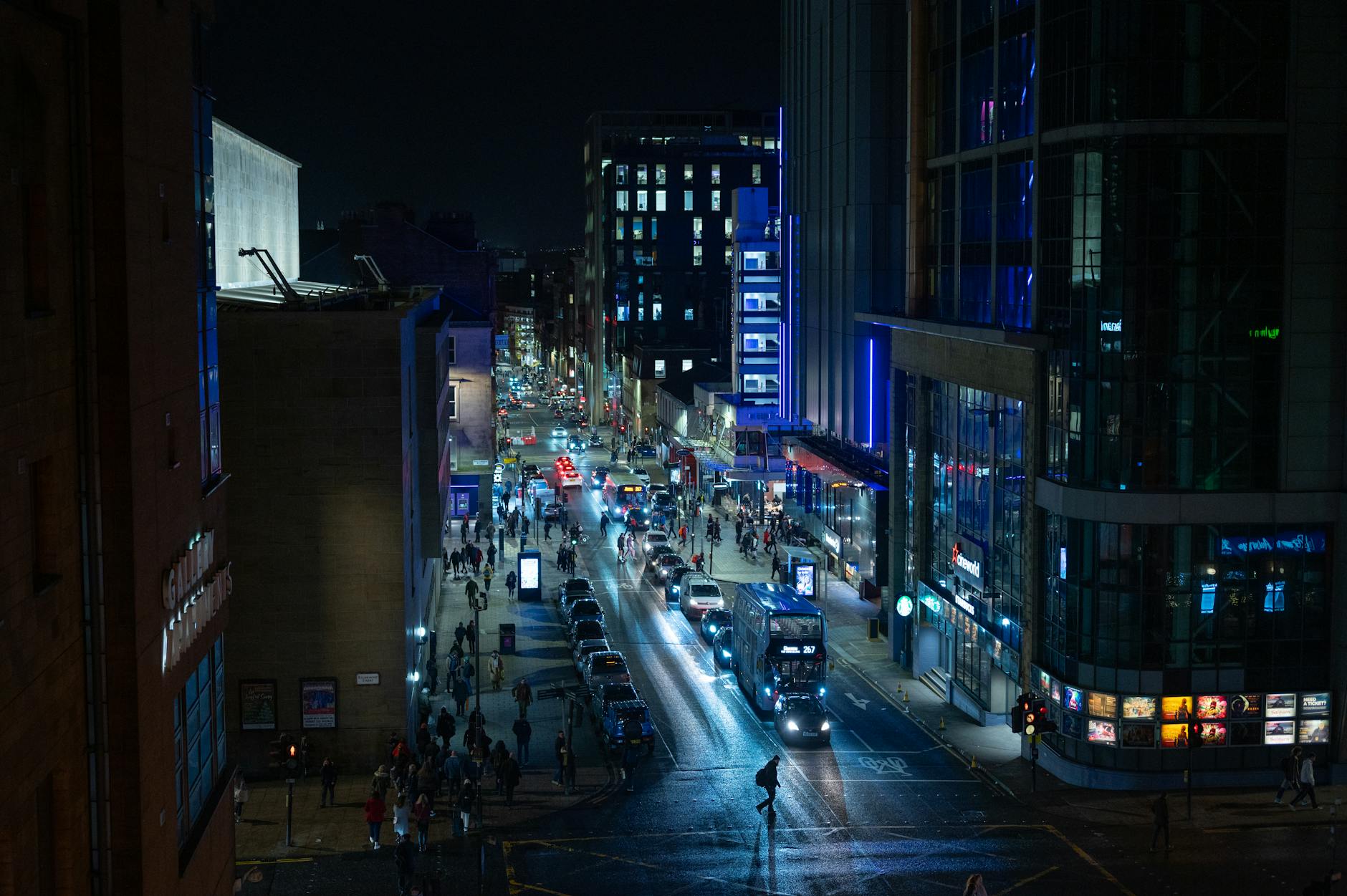
Planning a trip to Glasgow and wondering how much it will cost? Understanding your Glasgow trip cost before you travel helps you budget effectively, avoid nasty surprises, and enjoy your holiday without financial stress. Glasgow is one of the most affordable major cities in the UK, with a brilliant range of free world-class attractions and a competitive accommodation market. This complete 2026 budget breakdown covers everything — accommodation, food, transport, attractions, and money-saving tips to help you get the most out of every pound spent in Glasgow.
Glasgow Trip Cost at a Glance: Daily Budget Estimates
Here is a quick summary of what you can expect to spend per person per day in Glasgow in 2026:
- Budget traveller: approximately £78 per day
- Mid-range traveller: approximately £177 per day
- Luxury traveller: approximately £381 per day
These figures assume a solo traveller. Couples and families travelling together can often reduce per-person costs significantly by sharing accommodation and self-catering for some meals.
One thing to understand before you total anything up: in Glasgow your daily spend is almost entirely driven by two choices — where you sleep and how you eat. Attractions barely move the needle, because so many of the best ones are free, and getting around costs a few pounds a day at most. That is unusual for a major city, and it is why two people on the same trip can spend wildly different amounts depending on whether they are eating tasting menus or assembling lunches from Aldi and Lidl.
A quick note on what these figures do and don’t include. They cover your day-to-day costs on the ground — bed, food, local transport, the odd ticket — but not the cost of getting to Glasgow in the first place, which depends entirely on where you’re starting from. A train up from London booked in advance is a very different number from a last-minute flight. Treat accommodation as your anchor: lock that in early, then the rest of the budget tends to look after itself.
Accommodation Costs in Glasgow 2026
Budget Accommodation: Hostels and Budget Hotels
Glasgow has a solid selection of hostels offering dormitory beds from around £20–28 per night. Budget hotel chains including Premier Inn and Travelodge have multiple Glasgow locations with rooms available from around £55–90 per night when booked in advance. The Premier Inn on Bath Street in the city centre is particularly well located for tourists.
Mid-Range Accommodation: B&Bs and Hotels
Glasgow’s bed and breakfast options are excellent, particularly in the West End. Expect to pay £70–120 per night for a quality B&B with breakfast included. Three and four-star hotels in the city centre and West End typically cost £100–200 per night. The Grasshoppers Hotel on Union Street, the Kimpton Blythswood Square Hotel, and the Hotel Indigo all sit in this bracket and offer excellent quality.
Luxury Accommodation
Top-end hotels including the five-star Kimpton Blythswood Square and Radisson Collection charge £250–400+ per night, particularly at peak times. These hotels offer exceptional service, spa facilities, and some of the finest dining in the city.
Self-Catering and Apartments
Self-catering apartments on Airbnb and similar platforms typically cost £80–150 per night for a one-bedroom apartment in Glasgow. For families or groups, this can represent significant savings over hotel rooms, and the ability to prepare meals at home dramatically reduces overall food costs.
Important Note: Commonwealth Games 2026
Glasgow is hosting the Commonwealth Games from July 23 to August 2, 2026. If you plan to visit during this period, expect accommodation prices to be substantially higher — potentially 50–150% above normal rates. Book as far in advance as possible. Visiting Glasgow in June or September offers excellent value with summer weather and lower prices.
Where you sleep is the biggest single cost, and Glasgow spans every budget. As a 2026 guide, per night for two people:
- Hostel dorm bed: £20–£35 each.
- Budget hotel or chain (Premier Inn, Travelodge, ibis): £60–£110 a room.
- Mid-range 3–4 star: £90–£160.
- Boutique or luxury: £160–£300+.
Prices swing hard with demand — a room can double during a big concert or the Commonwealth Games fortnight (23 July–2 August 2026) — so book early and consider the West End or Southside, which usually undercut the centre. See our where to stay in Glasgow guide for the full neighbourhood breakdown.
A few practical levers genuinely shift the room rate. Sunday-to-Thursday nights are usually cheaper than Fridays and Saturdays, when the city fills with weekenders and hen and stag parties. Booking three or four weeks out rather than on the day can save a third or more. And the single biggest swing is timing: avoid the Commonwealth Games fortnight and any week with a stadium-sized gig at Hampden, the OVO Hydro or Bellahouston Park, when even budget chains can double.
If you’re travelling as a group or a family, the maths changes in your favour:
- A self-catering flat that sleeps four often works out cheaper per head than two hotel rooms, and you get a kitchen.
- Family rooms at the budget chains (Premier Inn, Travelodge, ibis) typically take two adults and two children for one flat rate.
- Hostels in Glasgow increasingly offer private en-suite rooms as well as dorms — a good middle ground for couples watching the budget.
- Staying one Subway stop out, in the West End or Southside, usually undercuts an identical room in the centre.
Food and Drink Costs in Glasgow
Budget Eating
A filling pub lunch — soup, main course, and a soft drink — costs £10–15 at most traditional Glasgow pubs. The Dockyard Social food hall in Finnieston brings together multiple independent food vendors with most dishes costing £8–12. Self-catering from supermarkets allows budget travellers to assemble excellent packed lunches for under £5 per person per day. Lidl, Aldi, Tesco, and Marks and Spencer all have city centre branches.
Mid-Range Dining
A proper sit-down dinner for two at a good Glasgow restaurant, including drinks, will typically cost £50–80 total (£25–40 per person). Glasgow’s Finnieston neighbourhood has dozens of excellent restaurants in this price range. Many Glasgow restaurants offer significantly better value at lunch than at dinner — seek out pre-theatre and lunch menus for the best value.
Fine Dining
A full tasting menu with wine pairing at one of Glasgow’s Michelin-starred restaurants — Unalome by Graeme Chatto or Cail Bruich — will cost £100–150+ per person. For a special occasion, these restaurants offer exceptional value compared to equivalent London dining experiences.
Coffee and Drinks
A flat white or latte at an independent Glasgow coffee shop costs £3–4. A pint of lager or craft beer at a Glasgow pub costs £4.50–6 in most venues. Cocktails at Glasgow’s bars typically run £10–14 each.
Glasgow eats well at every price point. Typical 2026 prices:
- Coffee or bakery breakfast: £3–£6.
- Casual lunch: £8–£14.
- Dinner at a mid-range restaurant: £20–£35 a head.
- Pint of beer: £4–£5.50; a cocktail £10–£14.
- Supermarket meal deal: £3–£5 if you’re self-catering.
The city’s famous curries are a brilliant-value blow-out, and tap water is free everywhere — just ask. Our Glasgow food guide rounds up where to splurge and where to save.
Where you can really save without feeling like you’re economising is the famous Glasgow lunch deal. A huge number of good restaurants — including some genuinely smart ones — run set lunch and pre-theatre menus at a fraction of their evening prices, often two courses for around £12–£18. Eat your big meal at midday and you get the same kitchen for noticeably less. The city’s curry houses are the other great-value blow-out: a proper sit-down curry for two rarely tips much over £30, and the portions are not shy.
Self-catering even some of the time pulls the daily food figure down fast. Every supermarket chain has central branches, the meal deals hover around £3–£5, and a breakfast assembled from a bakery and a supermarket costs a couple of pounds rather than £10 in a cafe. If you want the full picture of where to splurge and where a tenner goes furthest, our Glasgow food guide and best brunch guide break it down by neighbourhood.
Transport Costs in Glasgow
Getting to Glasgow
Glasgow International Airport is served by the Airport Express bus (Service 500), running every 10 minutes to the city centre for around £3–5 per journey. The journey takes approximately 25 minutes. Taxis from the airport to the city centre cost approximately £25–35. Glasgow Prestwick Airport is served by regular trains to Glasgow Central costing around £4–8 and taking 45 minutes. From Edinburgh, advance tickets cost as little as £6–12 for the 50-minute journey.
Getting Around Glasgow
Glasgow is very walkable. For longer journeys: the Glasgow Subway offers a single fare of around £1.75 and an all-day pass for £3; a 7-day pass costs £14. First Glasgow buses cost £2 per journey with contactless payment. ScotRail trains within the city zone are typically £2–4. Taxis and Uber are readily available — a typical city centre journey costs £6–12.
Transport is cheap and you rarely need a car. A Subway all-day ticket is around £4.40, city bus fares are capped daily when you pay by contactless, and the compact centre is walkable. Day trips by train — Edinburgh, Loch Lomond, Stirling — cost roughly £10–£30 return if you book ahead. Budget £5–£10 a day for getting around inside the city; see getting around Glasgow for the full picture.
You can often spend almost nothing on transport inside Glasgow, because the centre is genuinely walkable and the major sights cluster. Kelvingrove to the Botanic Gardens is a pleasant stroll; the centre to Glasgow Cathedral and on to Glasgow Green is all walkable; and the West End sits one short Subway hop from town. Realistically, £5–£10 a day covers all the local transport most visitors use, and plenty of days come in at zero.
Match the ticket to your day and you’ll never overpay:
- Using the Subway more than twice in a day? The all-day ticket beats singles — see our Subway guide for current fares.
- On the buses, pay by contactless and your fares are capped daily, so you can’t accidentally overspend.
- Planning a day trip to Edinburgh, Loch Lomond or Stirling? Book the train in advance for the cheapest fares — roughly £10–£30 return.
- A taxi or Uber across the centre is only £6–£12, which is worth it late at night when the Subway has shut.
Attraction Costs in Glasgow
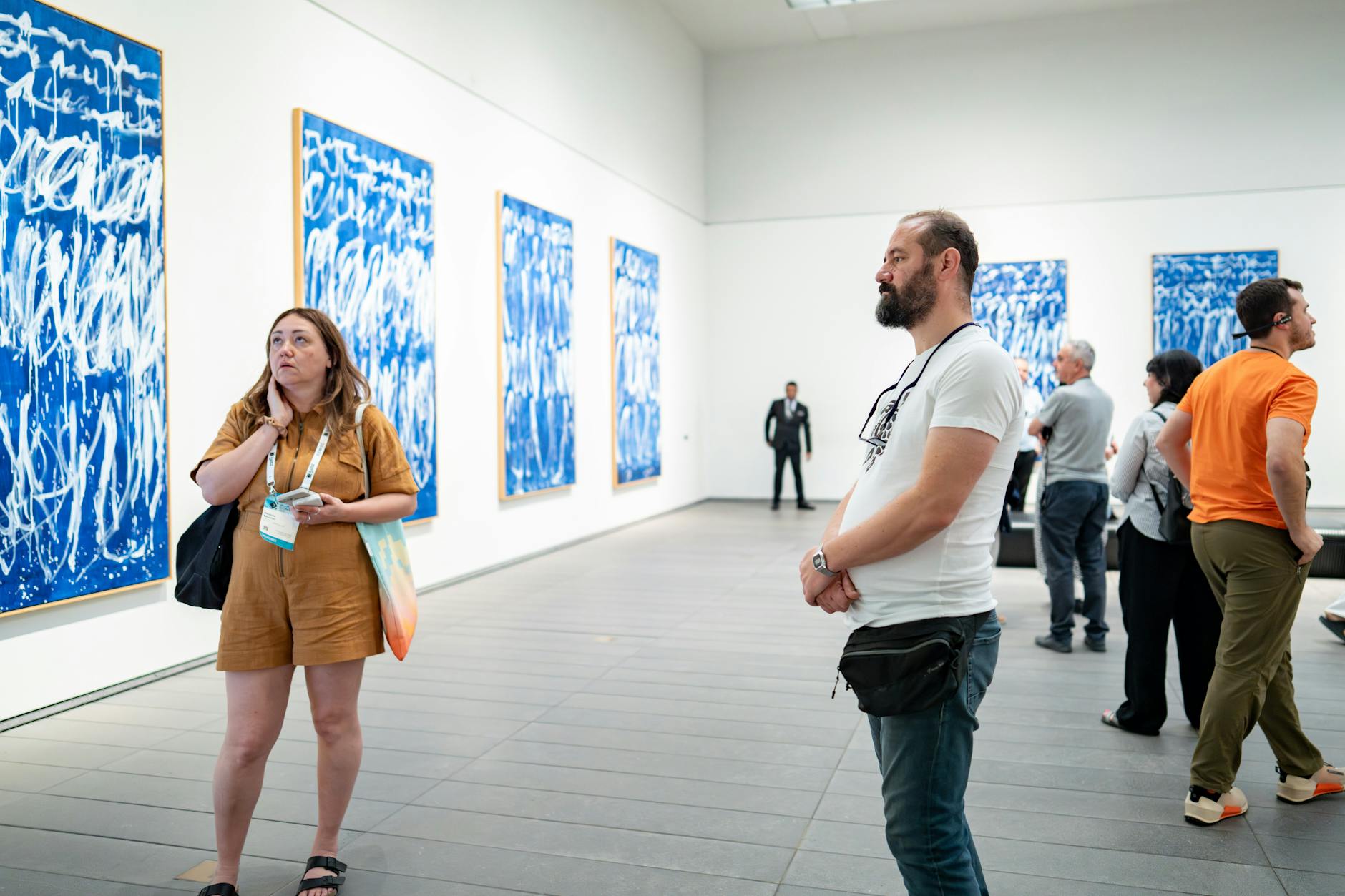
Glasgow has an extraordinary range of completely free attractions that would cost significant sums in comparable cities:
- Kelvingrove Art Gallery and Museum: Free
- Riverside Museum: Free
- Gallery of Modern Art (GoMA): Free
- Hunterian Museum: Free
- The Burrell Collection: Free
- Glasgow Cathedral: Free
- Glasgow Botanic Gardens and Kibble Palace: Free
- Tollcross Children’s Farm: Free
- People’s Palace and Winter Gardens: Free
- Tall Ship (SV Glenlee): Free
For paid attractions: Glasgow Science Centre costs approximately £15–18 per adult, £12–14 per child. A Hop-on Hop-off Bus Tour costs approximately £17–20 per adult.
Here’s Glasgow’s budget superpower: most of its best attractions are free. Kelvingrove, the Riverside Museum, the Gallery of Modern Art and the Burrell Collection all cost nothing to enter, as do the parks and most galleries. Your paid extras are things like the Science Centre, distillery tours (around £18–£25) and day trips. Many visitors spend £0 on attractions some days and still have a full itinerary — start with our free museums and galleries guide.
It is worth spelling out just how much free culture you get here, because it genuinely changes the budget. You could fill three or four days entirely with world-class attractions and pay nothing to enter a single one: Kelvingrove, the Riverside Museum and Tall Ship, the Gallery of Modern Art, the Hunterian, the People’s Palace and the Burrell Collection are all free, as are the cathedral, the parks and the Necropolis. Our free museums and galleries guide maps out a full itinerary that costs nothing.
Your paid extras, when you want them, are modest and optional. The Science Centre is the main family ticket; distillery tours run around £18–£25 and usually include a tasting; a hop-on hop-off bus is a fine first-day orientation. Even a generous culture budget rarely tops £20–£30 a day, and many visitors happily spend £0 on attractions and still go home footsore. Families should note that Glasgow with kids leans heavily on the free museums for exactly this reason.
Sample Glasgow Trip Budgets
Budget 3-Day Glasgow Trip (per person)
- Accommodation: £20/night hostel dorm x 2 nights = £40
- Food: £25/day x 3 days = £75
- Transport: subway day passes and bus = £15
- Attractions: £0 (all free museums)
- Incidentals/drinks/snacks: £30
- Total: approximately £160 for 3 days
Mid-Range 3-Day Glasgow Trip (per person)
- Accommodation: £100/night hotel x 2 nights = £200
- Food: £55/day x 3 days = £165
- Transport: £25 total
- Attractions: £35 (one or two paid attractions)
- Incidentals/drinks/shopping: £75
- Total: approximately £500 for 3 days
Rolling it together, a realistic daily spend per person (excluding the big swings in room rates):
- Backpacker: £50–£70 a day — hostel, self-catering and free museums.
- Mid-range: £120–£180 a day — a comfortable hotel, restaurant meals and the odd paid attraction.
- Comfortable: £250+ a day — boutique stays, fine dining and taxis.
Two more shapes of trip worth costing, since not everyone is a solo backpacker or a hotel-and-restaurant couple. A family of four self-catering can keep a long weekend genuinely affordable: a flat for three nights, breakfasts and a couple of dinners cooked in, free museums all day and the odd paid attraction often lands the whole trip in the low hundreds rather than per person. The kitchen is the saver — four restaurant breakfasts a day adds up faster than anything else.
At the other end, a couple doing Glasgow as a treat — a boutique hotel, lunch out, a tasting menu one night and cocktails — will spend more on those two dinners than a backpacker spends all week, and that’s the point. The beauty of Glasgow is that both trips happen in the same city, often in the same museums, and only the bed and the table change the total.
Top Money-Saving Tips for Glasgow
- Use Glasgow’s free museums as your primary attractions — Kelvingrove, Riverside Museum, GoMA, and the Burrell Collection are all world-class and entirely free
- Book accommodation well in advance, especially for summer — prices rise significantly as availability decreases
- Avoid the Commonwealth Games period (July 23 to August 2, 2026) if budget is a priority
- Eat lunch at restaurants rather than dinner — lunch menus offer dramatically better value
- Buy a subway day pass (£3) if you plan to use the subway more than twice in a day
- Self-cater breakfast from supermarkets — Lidl and Aldi are cheapest
- Walk between attractions where possible — Kelvingrove to the Botanic Gardens, city centre to Glasgow Cathedral, and Merchant City to Glasgow Green are all pleasant walks
- Check Glasgow Life’s events calendar for free events, outdoor concerts, and festivals during your visit
A few more habits the locals take for granted. Tap water is free and freely given — just ask, and skip the £3 bottle. Many museums and galleries run free events, talks and the famous Kelvingrove organ recitals, so it’s worth checking what’s on during your visit. And if you’re a student or under 26, carry your ID: a 16–25 Railcard pays for itself on a single trip to Edinburgh, and plenty of attractions and trains offer concession fares.
Conclusion: Is Glasgow Good Value?
Absolutely — Glasgow is one of the best-value major city destinations in the UK. Its combination of world-class free museums, competitive accommodation prices, and a thriving food scene at every price point makes it genuinely accessible at almost any budget. A budget traveller can have an extraordinary Glasgow experience for under £100 per day. Mid-range travellers get excellent value for money — a trip that would cost significantly more in Edinburgh or London. Use this budget breakdown to plan your Glasgow trip with confidence.
The honest bottom line: Glasgow gives you a genuine major-city experience — the museums, the food, the music, the architecture — for noticeably less than Edinburgh or London ask for the same. The free attractions aren’t a budget compromise; they’re some of the best in Britain. Spend where it counts (a great dinner, a day trip to the lochs) and let the free culture and walkable centre carry the rest, and Glasgow comes out as about the best-value city break in the UK.