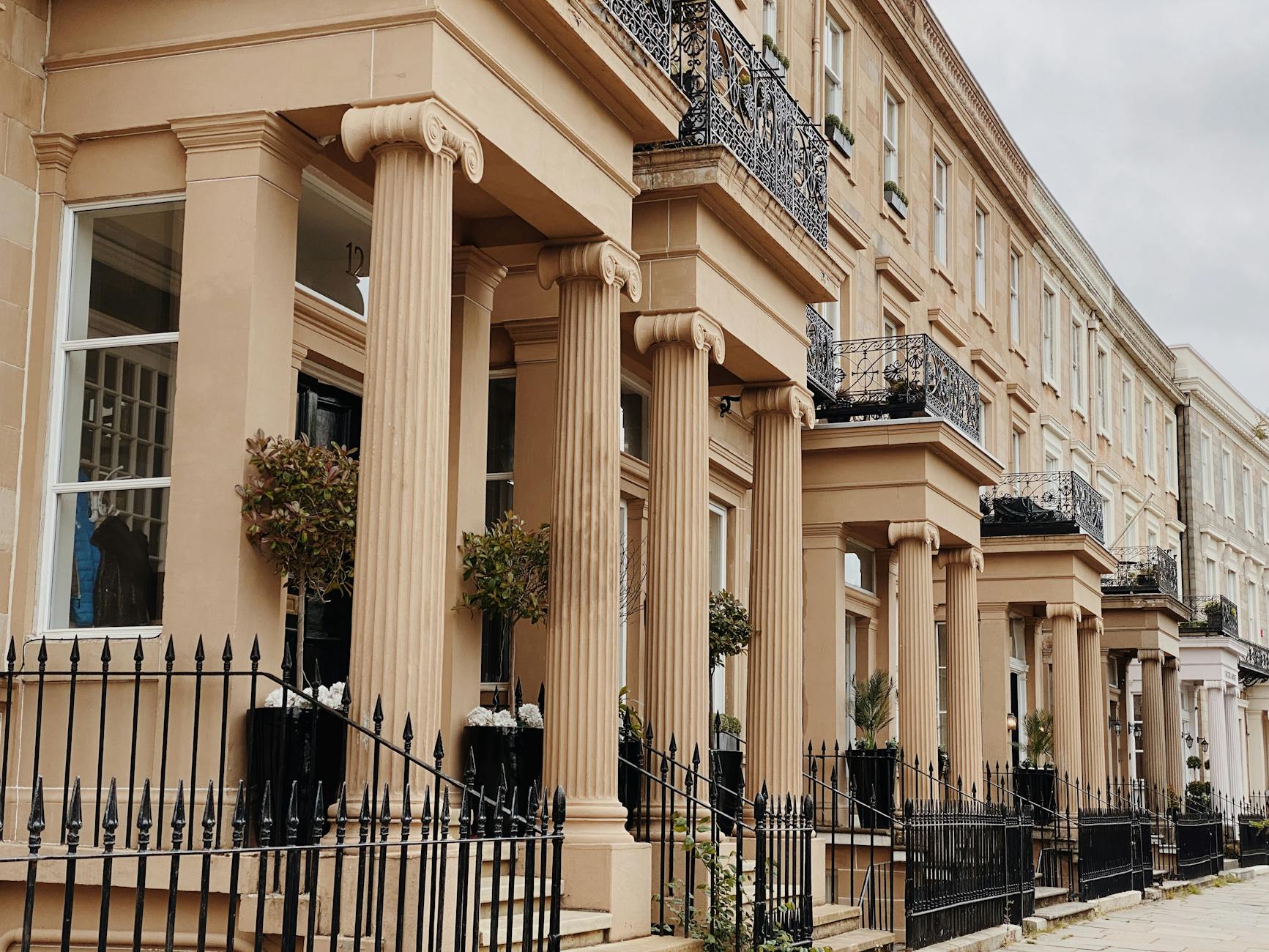
Choosing where to stay in Glasgow can make or break your trip. Choosing the right neighbourhood is the single biggest decision when choosing where to stay in Glasgow that will shape your Glasgow experience. Stay in the wrong area and you’ll spend half your holiday on buses; pick the right one and the city unfolds around you — galleries, pubs, curry houses, and live music all within walking distance of your hotel door.
Glasgow is a surprisingly compact city, yet its neighbourhoods each have a fiercely distinct character. The sandstone elegance of the West End feels a world away from the warehouse-chic of Merchant City, and the trendy waterfront bars of Finnieston couldn’t be more different from the leafy family parks of the Southside. With average hotel prices ranging from £55 to £180 per night depending on the area and season, there’s a Glasgow neighbourhood to match every travel style and budget.
This comprehensive guide breaks down every neighbourhood for where to stay in Glasgow, complete with honest assessments of walkability, safety, public transport links, average accommodation costs, and the types of travellers each area suits best. Whether you’re visiting for the first time, travelling with young children, chasing the live music scene, or hunting for hidden foodie gems, you’ll find your ideal Glasgow base below.
We’ve also included practical tips for where to stay in Glasgow, booking advice, seasonal pricing advice, and answers to the most frequently asked questions about Glasgow accommodation — everything you need to book with confidence.
Table of Contents
- Where to Stay in Glasgow: Quick Neighbourhood Guide
- Glasgow City Centre — Best for First-Time Visitors
- Merchant City — Best for Culture, Dining & Nightlife
- West End — Best for Bohemian Charm & Budget Stays
- Finnieston — Best for Foodies & Trendsetters
- East End (Dennistoun & Barras) — Best for Authentic Glasgow
- Southside (Shawlands & Queen’s Park) — Best for Families
- Glasgow Riverside & Pacific Quay — Best for Events & Conferences
- Outskirts: Bearsden, Milngavie & Beyond — Best for Scenic Escapes
- Where to Stay in Glasgow: Types of Accommodation
- When to Book: Seasonal Pricing & Events Calendar
- Getting Around Glasgow: Transport from Where You Stay in Glasgow
- Safety Tips for Glasgow Visitors
- Frequently Asked Questions
Quick Guide: Which Neighbourhood Is Right for You?
Before diving into the detail, here’s a quick-reference summary to help you narrow down your choices based on what matters most to you:
First-time visitor? → Glasgow City Centre — everything is walkable and central.
Culture and nightlife? → Merchant City — Georgian architecture meets cocktail bars.
Bohemian and budget-friendly? → West End — vintage shops, leafy parks, student energy.
Foodie paradise? → Finnieston — Glasgow’s hippest dining strip.
Authentic local experience? → East End — markets, murals, real Glaswegian grit.
Family-friendly? → Southside — parks, playgrounds, and Pollok House.
Concerts and events? → Riverside — steps from the OVO Hydro and SEC.
Countryside access? → Bearsden/Milngavie — gateway to Loch Lomond and the West Highland Way.
Glasgow City Centre — Best for First-Time Visitors
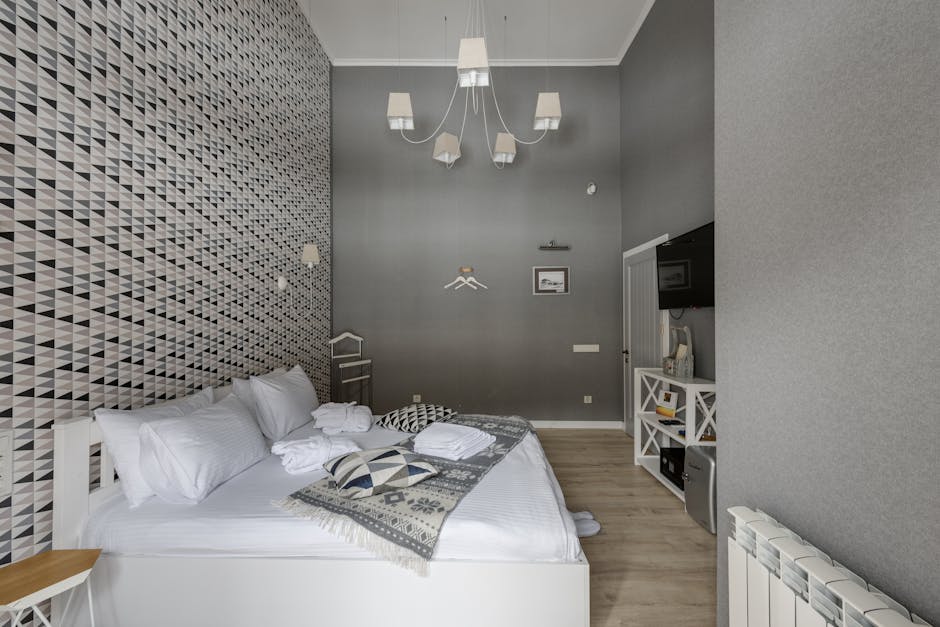
If this is your first trip to Glasgow, the City Centre is the obvious and often best choice. Anchored by George Square, Buchanan Street (the main pedestrianised shopping thoroughfare), and two major railway stations — Glasgow Central and Queen Street — the city centre puts you at the geographic and transport heart of everything.
The area stretches roughly from the M8 motorway in the west to High Street in the east, and from the River Clyde in the south to Cowcaddens in the north. Within these bounds you’ll find Glasgow’s principal shopping streets, the Royal Concert Hall, the Theatre Royal, the Gallery of Modern Art (GoMA), and hundreds of restaurants, pubs, and cafés.
What You’ll Pay
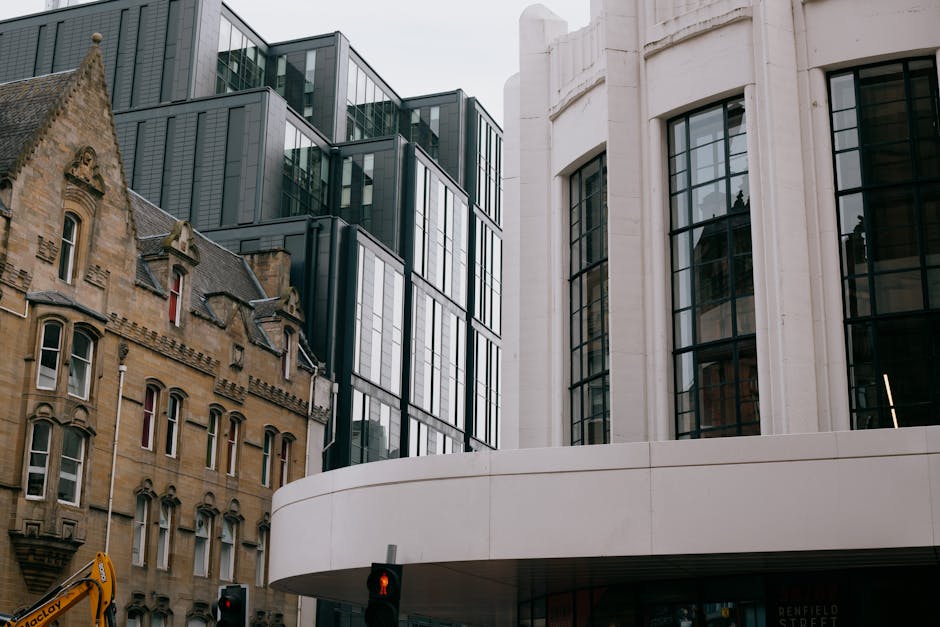
City Centre hotels range from £60-£90 per night for budget chains (Premier Inn, Motel One, ibis Styles) to £120-£200+ for 4- and 5-star properties. The voco Grand Central — built above Central Station and once host to John F. Kennedy and The Beatles — is an iconic splurge. For mid-range value, citizenM Glasgow and the Z Hotel offer compact but stylishly designed rooms from around £80-£110.
Transport & Walkability
This is Glasgow’s most walkable area. George Square to Buchanan Galleries is a 5-minute walk; the Riverside Museum is a 25-minute walk or short bus ride. Glasgow Central and Queen Street stations connect you to Edinburgh (50 minutes), the airport bus, and Scotland’s entire rail network. The SPT Subway’s Buchanan Street and St Enoch stations are both here. Walkability rating: 9/10.
Best For
- First-time visitors who want maximum convenience
- Business travellers needing transport hub access
- Shoppers — Buchanan Street, Argyle Street, the Style Mile
- Short stays (1-2 nights) where location efficiency matters most
Potential Drawbacks
The City Centre can feel commercial rather than characterful. On weekend nights, Sauchiehall Street gets rowdy with stag and hen parties. If you want a quieter, more neighbourhood-feel experience, the West End or Southside may suit you better.
Merchant City — Best for Culture, Dining & Nightlife
Technically part of the city centre but with a character entirely its own, Merchant City is Glasgow’s most stylish quarter. Named after the tobacco and sugar merchants who built grand Georgian and Victorian warehouses here in the 18th century, the area has been transformed into a vibrant hub of independent restaurants, cocktail bars, art galleries, and boutique shops.
Key landmarks include the Gallery of Modern Art (GoMA) on Royal Exchange Square, the Trongate arts centre, Glasgow City Halls, and the beautiful Italian Centre with its designer shops and al fresco dining. The area comes alive during Merchant City Festival each summer, when the streets fill with live music, comedy, and street food.
What You’ll Pay
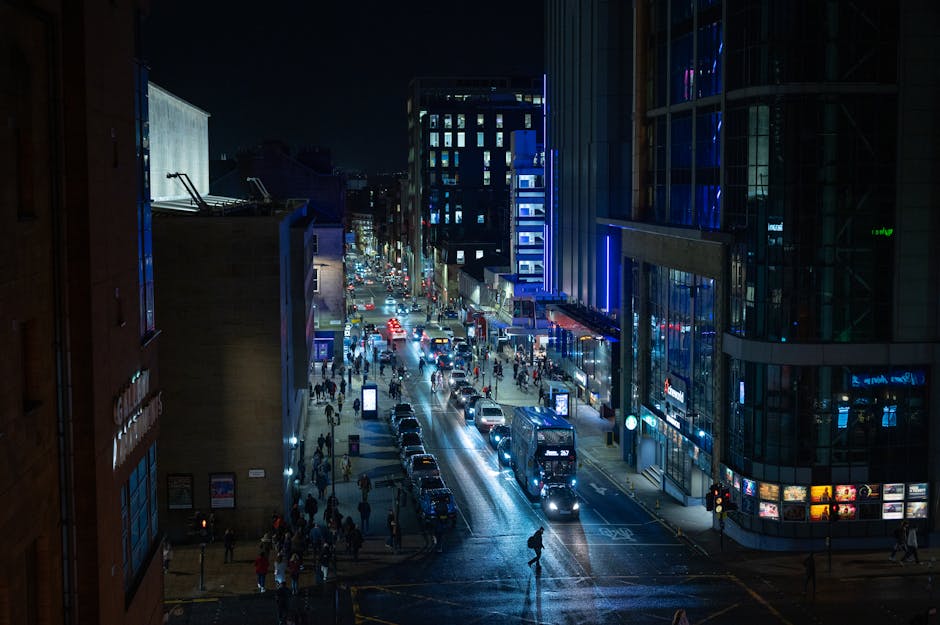
Merchant City sits in the mid-to-upper price range. Budget options are limited, but you’ll find well-appointed 3-star hotels from £80-£110 and boutique 4-star properties from £130-£200. The Brunswick Hotel — a design-led property in a converted warehouse — is a Merchant City institution. Kimpton Blythswood Square, though technically on the western edge, is Glasgow’s only true 5-star luxury hotel and was named Scotland’s Leading Hotel at the 2024 World Travel Awards.
Transport & Walkability
Merchant City is entirely walkable — it’s compact enough to cross in 15 minutes on foot. You’re a 5-minute walk from George Square, 10 minutes from Glasgow Central station, and the High Street subway and rail stations are on the eastern edge. Walkability rating: 9/10.
Best For
- Couples seeking a romantic, stylish base
- Culture lovers — galleries, theatre, independent cinema
- Foodies and cocktail enthusiasts
- Weekend city break visitors
West End — Best for Bohemian Charm & Budget Stays
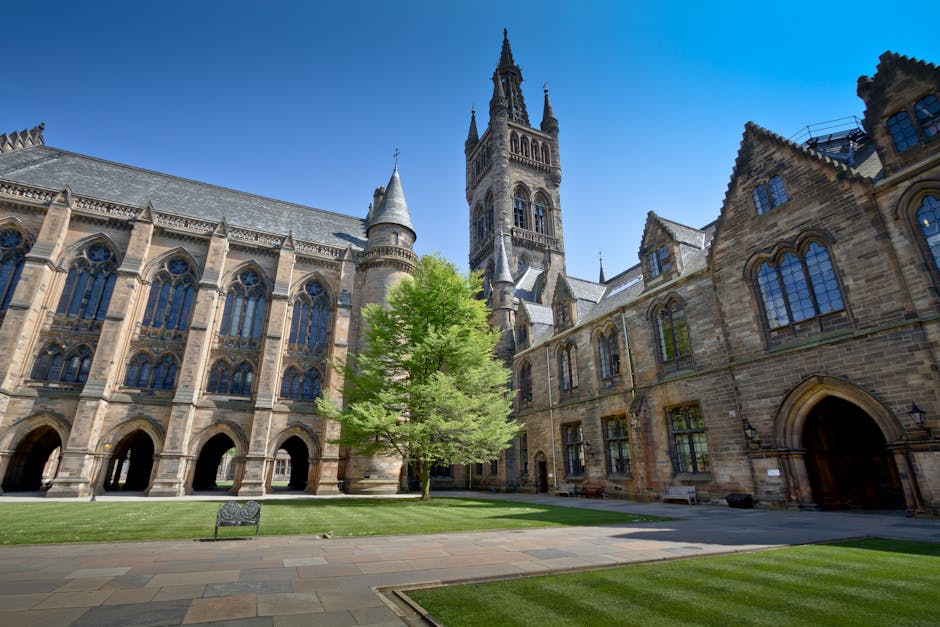
The West End is where many Glaswegians themselves would choose to live — and for good reason. Centred around the University of Glasgow (whose stunning Gothic tower looks like it belongs in a Harry Potter film), the West End is a leafy, cobbled paradise of vintage bookshops, independent cafés, Victorian townhouses, and Kelvingrove Park.
The area encompasses several sub-neighbourhoods: Hillhead (the university quarter), Hyndland (residential elegance), Partick (multicultural and down-to-earth), and Kelvinbridge (artsy and student-heavy). Byres Road is the main artery — a bustling strip of restaurants, charity shops, delis, and pubs that feels like a small town high street within the big city.
What You’ll Pay
The West End offers some of Glasgow’s best value accommodation. Budget B&Bs and guesthouses run £55-£80 per night, while stylish options like the Hotel du Vin at One Devonshire Gardens — a collection of Victorian townhouses — offer luxury from around £150-£250. Self-catering apartments are popular here, typically £70-£120 per night, and give you access to the excellent Partick food shops for self-catering breakfast.
Transport & Walkability
The West End is superbly walkable within itself — Byres Road to Kelvingrove Park is a flat 10-minute stroll. Getting to the city centre takes 15-20 minutes on foot, or you can use the Subway from Hillhead, Kelvinbridge, or Kelvinhall stations (4 minutes to Buchanan Street). The No. 2 bus runs along Great Western Road every few minutes. Walkability rating: 8/10.
Best For
- Budget-conscious travellers — best B&B and guesthouse concentration
- Students and younger travellers seeking bohemian energy
- Families visiting Kelvingrove Museum and the Botanic Gardens
- Anyone wanting a residential, village-feel neighbourhood
- Longer stays (3+ nights) where self-catering makes sense
Finnieston — Best for Foodies & Trendsetters
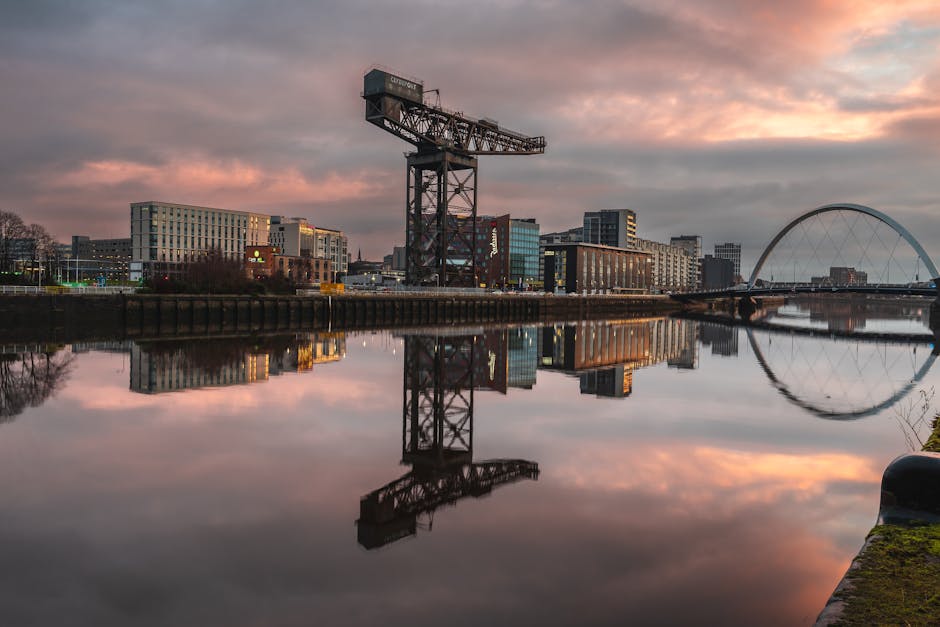
Once a gritty dockland area, Finnieston has undergone one of Glasgow’s most dramatic transformations. Named by The Times as one of the “hippest places in the UK” and by media outlets as a “top ten coolest neighbourhood in Europe,” this compact strip along Argyle Street — from Kelvingrove Park to the River Clyde — is now Glasgow’s undisputed foodie capital.
The area is packed with award-winning restaurants including Ox and Finch (modern tapas), Crabshakk (sustainable seafood), The Gannet (seasonal Scottish fine dining), and Porter & Rye (premium steaks and whisky). It’s also the gateway to Glasgow’s riverside entertainment district, with the OVO Hydro arena, the SEC, and the Clyde Auditorium (“the Armadillo”) all on the doorstep.
What You’ll Pay
Accommodation in Finnieston tends toward the mid-range and upward. Hotel options include the Dakota Glasgow (stylish, modern, from £110-£160) and various serviced apartments from £85-£130. Budget travellers should note that Finnieston has fewer hostels and cheap hotels than the city centre or West End — but the restaurants and atmosphere more than compensate.
Transport & Walkability
Finnieston is walkable within its core, and it sits between the West End and city centre, making both accessible on foot (10-15 minutes either direction). Kelvinhall Subway station is at the northern end. The Finnieston area is well-served by buses on Argyle Street. If you’re attending an event at the Hydro, you’re literally steps away. Walkability rating: 8/10.
Best For
- Foodies and restaurant enthusiasts — the densest concentration of quality dining in Glasgow
- Concert-goers attending events at the OVO Hydro or SEC
- Trendy travellers who want Instagram-worthy neighbourhoods
- Couples on a foodie weekend break
East End (Dennistoun & Barras) — Best for Authentic Glasgow
The East End is where Glasgow’s industrial heart still beats. This is the oldest part of the city, home to Glasgow Cathedral (the only Scottish mainland medieval cathedral to survive the Reformation intact), the Necropolis (a stunning Victorian cemetery modelled on Père Lachaise in Paris), and the Barras Market — Glasgow’s legendary weekend flea market.
The sub-neighbourhood of Dennistoun has emerged as one of Glasgow’s most exciting areas, frequently described as “the new West End.” Young professionals and creatives are drawn by affordable rents, excellent independent cafés, and a growing restaurant scene. The area has an authenticity that more gentrified neighbourhoods have lost — this is where you’ll hear the broadest Glaswegian accents and find the warmest welcomes.
What You’ll Pay
The East End offers Glasgow’s most affordable accommodation. Budget hotels and guesthouses start from £45-£65 per night, and self-catering apartments can be found for £50-£80. This area is also popular with Airbnb hosts, offering converted tenement flats with original Victorian features at bargain prices. For slightly more polish, the Cathedral House Hotel sits in a stunning 19th-century building overlooking the Cathedral.
Transport & Walkability
The East End is walkable to the city centre in 15-20 minutes via High Street. High Street railway station connects to Queen Street, and multiple bus routes run along Duke Street and Gallowgate. The area is relatively flat and cycle-friendly. Walkability rating: 7/10.
Best For
- Budget travellers and backpackers seeking the lowest prices
- History enthusiasts — Glasgow Cathedral, the Necropolis, People’s Palace
- Visitors wanting an authentic, off-the-tourist-trail experience
- Market lovers — the Barras on weekends is unmissable
Southside (Shawlands & Queen’s Park) — Best for Families
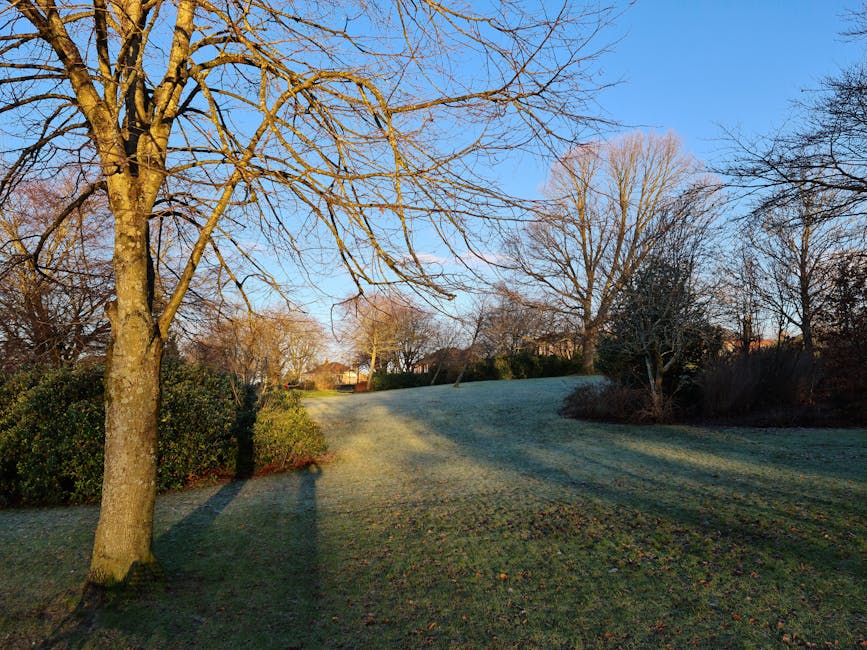
Cross the River Clyde and you’ll discover Glasgow’s Southside — an area that locals increasingly argue is replacing the West End as the city’s most desirable residential quarter. The main draw for visitors is Shawlands, voted one of the best places to live in Scotland, and Queen’s Park, a gorgeous 60-hectare green space with panoramic views over the city from its hilltop flagpole.
The Southside is also home to two of Glasgow’s most impressive attractions: Pollok Country Park (1,500 acres of woodland, Highland cattle, and the world-class Burrell Collection gallery) and House for an Art Lover (designed by Charles Rennie Mackintosh). For families, the combination of green space, safe streets, and excellent restaurants makes this area hard to beat.
What You’ll Pay
The Southside is great value for families. Self-catering apartments (the most common option here) run £65-£100 per night — often with two or three bedrooms, ideal for families. Traditional B&Bs are available from £55-£75. There are fewer large hotels in this area, but that’s part of its charm — you’re living like a local rather than staying in a tourist bubble.
Transport & Walkability
Shawlands is 10-15 minutes from the city centre by train (Crossmyloof or Pollokshaws West stations) or bus (the No. 38 is frequent). Queen’s Park is a 20-minute walk from the Merchant City across the Clyde. The Southside is flat and very pushchair-friendly. Walkability rating: 7/10.
Best For
- Families with children — parks, playgrounds, safe streets
- Nature lovers — Pollok Country Park and Queen’s Park
- Longer stays where a residential feel and self-catering save money
- Visitors wanting to explore beyond the tourist mainstream
Glasgow Riverside & Pacific Quay — Best for Events & Conferences
Glasgow’s riverside district has been transformed from derelict shipyards into a gleaming entertainment and media quarter. The OVO Hydro (Scotland’s largest entertainment venue, consistently ranked among the world’s busiest arenas), the SEC (Scottish Event Campus), the Clyde Auditorium, and the BBC Scotland headquarters at Pacific Quay are all clustered here along the south bank of the Clyde.
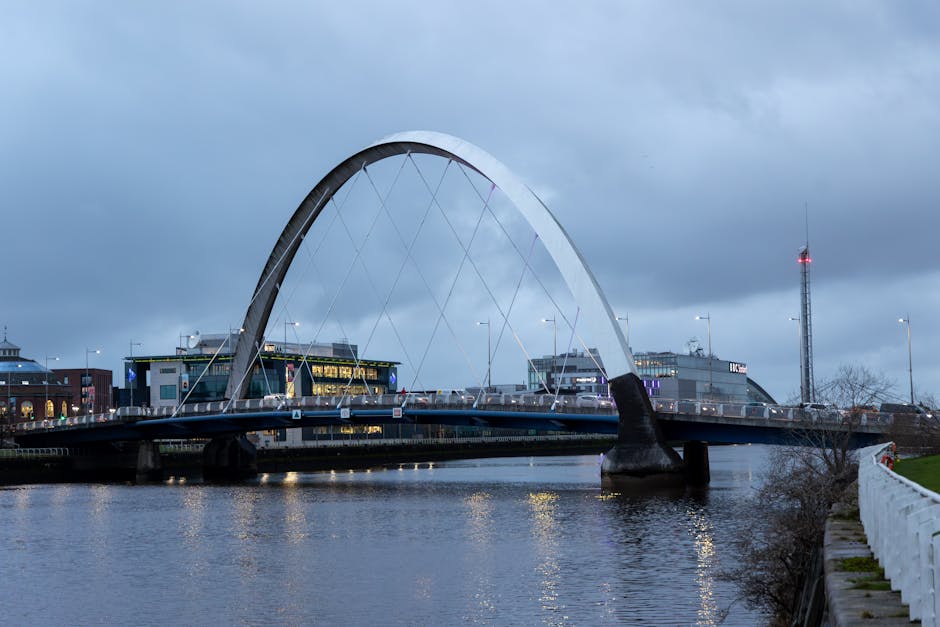
The area also includes the Glasgow Science Centre (a superb family attraction), the Riverside Museum (Zaha Hadid’s stunning transport museum, free admission), and the Tall Ship at Riverside — one of only five Clyde-built sailing ships still afloat. The Clyde Arc bridge — affectionately known as the “Squinty Bridge” because it crosses the river at an angle — is one of Glasgow’s most photogenic landmarks, especially when illuminated at night.
What You’ll Pay
Riverside accommodation is dominated by large chain hotels and conference-oriented properties. The Crowne Plaza Glasgow, Hilton Garden Inn, and Village Hotel cluster near the SEC, with rates typically £90-£160 per night. Prices spike sharply during major concerts and conferences — if Lewis Capaldi or a major trade show is in town, book well in advance. Outside of events, you can find good deals as hotels discount unsold inventory.
Transport & Walkability
The riverside is purpose-built for events, so it’s well-connected but feels slightly isolated for everyday exploring. Exhibition Centre railway station is steps from the SEC. Buses run frequently to the city centre (10 minutes). Walking to Finnieston takes 10 minutes, to the city centre 25 minutes. Walkability rating: 6/10 (excellent for events, less convenient for general sightseeing).
Best For
- Concert and event attendees — the shortest walk to the OVO Hydro
- Conference delegates at the SEC
- Families visiting the Science Centre and Riverside Museum
- Visitors who prefer modern, purpose-built hotel facilities
Outskirts: Bearsden, Milngavie & Beyond — Best for Scenic Escapes
If your Glasgow visit includes day trips to Loch Lomond, the Trossachs, or the Scottish Highlands, staying on the city’s northern or western outskirts can save you significant travel time. Bearsden and Milngavie (pronounced “Mull-GUY”) are affluent suburbs just 20-30 minutes from the city centre by train, with excellent schools, independent shops, and direct access to the countryside.
Milngavie is the official starting point of the West Highland Way — Scotland’s most famous long-distance trail, running 96 miles to Fort William. If you’re planning to hike the first section, staying here puts you right at the trailhead. Bearsden offers a more suburban feel with period properties, good restaurants, and a notably family-friendly atmosphere.
What You’ll Pay
Outskirt accommodation is limited but affordable. B&Bs and guesthouses typically charge £50-£80 per night, and self-catering cottages can be found from £75-£120. There are fewer hotels compared to the city centre, so booking ahead is advisable, especially in summer when hikers descend on Milngavie.
Transport & Walkability
Bearsden and Milngavie are connected to Glasgow city centre by frequent Scotrail trains (every 15-20 minutes, journey time 20-30 minutes). You’ll need a car or train to reach central Glasgow — this isn’t a walkable base for city sightseeing. Walkability for city sightseeing: 4/10. Walkability for countryside access: 9/10.
Types of Accommodation in Glasgow
Glasgow offers a full spectrum of accommodation types. Here’s what to expect:
Luxury Hotels (£150-£300+ per night)
Glasgow’s luxury tier includes the Kimpton Blythswood Square (5-star, Scotland’s Leading Hotel 2024), Hotel du Vin at One Devonshire Gardens (Victorian townhouse elegance), and Dakota Glasgow (sleek modern design). These properties typically include spa facilities, fine dining restaurants, and concierge services.
Boutique Hotels (£90-£150 per night)
Glasgow excels at boutique accommodation. The Brunswick Hotel in Merchant City, Malmaison Glasgow (converted church), and citizenM Glasgow (tech-forward, design-driven) offer personality that chain hotels can’t match. This is the sweet spot for couples and design-conscious travellers.
Mid-Range Chains (£60-£90 per night)
Reliable options include Motel One (excellent design for the price), Premier Inn (consistent, family-friendly), Jurys Inn, and ibis Styles. These are particularly good for families and business travellers who want predictability and central locations.
Budget Hotels & Hostels (£20-£60 per night)
Backpackers are well-served by Euro Hostel Glasgow (huge, central, sociable) and SHO Glasgow West End. Budget hotel chains like ibis Budget, Point A Hotel, and easyHotel offer private rooms at hostel prices. Expect compact rooms but clean facilities and central locations.
Self-Catering Apartments (£60-£150 per night)
For stays of 3+ nights, self-catering apartments often provide the best value — especially for families. Dreamhouse Apartments operate several Glasgow properties, and platforms like Booking.com and Airbnb list hundreds of options across every neighbourhood. The West End and Southside offer particularly attractive self-catering options in converted Victorian tenements.
B&Bs & Guesthouses (£50-£90 per night)
Traditional B&Bs are concentrated in the West End (along Great Western Road) and the Southside. You’ll get a Scottish breakfast (including haggis and potato scones if you’re adventurous), local knowledge from your hosts, and the kind of personal welcome that big hotels can’t offer.
When to Book: Seasonal Pricing & Events Calendar
Glasgow hotel prices fluctuate significantly throughout the year. Understanding the pricing calendar helps you bag the best deals:
Peak Season (June-August)
Summer brings the highest hotel prices, particularly during Glasgow’s festival season. Expect to pay 20-40% above average rates. In 2026, prices will be especially high during the Commonwealth Games (July 23 – August 2) — book months in advance if visiting during this period. The West End Festival (June) and Merchant City Festival (July) also drive demand.
Shoulder Season (April-May, September-October)
The best time for value-conscious visitors. Weather is often pleasant (Scotland’s spring and autumn can be glorious), prices are 10-20% below peak rates, and the city is buzzing without summer overcrowding. Our recommendation: late April to mid-May and September offer the ideal balance of weather, price, and atmosphere.
Off-Season (November-March)
The cheapest time to visit, with rates 25-40% below summer peaks. January, October and November are the quietest months. However, Glasgow’s indoor attractions (museums, galleries, pubs, restaurants) mean there’s plenty to do regardless of weather. The city’s legendary Hogmanay (New Year) celebrations and Celtic Connections festival (January) create brief price spikes.
Event-Driven Spikes
Major events at the OVO Hydro, Old Firm football matches (Celtic vs Rangers), Six Nations rugby weekends, and graduation ceremonies at the University of Glasgow and University of Strathclyde all cause localised price surges. Check the Glasgow events calendar before booking.
Getting Around Glasgow from Your Hotel
One of Glasgow’s great advantages is its compact, well-connected transport network. No matter where you stay, the city centre is usually within 20 minutes by public transport.
The Subway (SPT)
Glasgow’s subway is one of the oldest underground railways in the world (opened 1896). It’s a single circular line with 15 stations, connecting the city centre, West End, and parts of the Southside. A single journey costs £1.75, or you can buy an all-day ticket for £4.20. Trains run every 4-8 minutes. It’s the fastest way between the city centre and the West End.
Trains (Scotrail)
Glasgow has two main railway stations — Central (for services south, including to Edinburgh, England, and the Southside suburbs) and Queen Street (for services north and east, including the Highlands). The suburban rail network is extensive and covers areas the subway doesn’t reach, including the East End, Southside, and outskirts.
Buses (First Bus & McGill’s)
Buses cover every corner of the city. A single fare is typically £2.20, with a daily cap. The No. 2 along Great Western Road, No. 38 to Shawlands, and the Airport Express (500) are among the most useful routes for visitors. You can pay by contactless card.
Walking & Cycling
Glasgow is surprisingly walkable for a city of its size. The city centre to the West End is a pleasant 20-minute walk through Kelvingrove Park. The Clyde Walkway offers a scenic riverside route from the city centre to the Science Centre and beyond. Nextbike (Glasgow’s bike-sharing scheme) has stations across the city — £1 to unlock, then 5p per minute.
From the Airport
Glasgow Airport is 8 miles west of the city centre. The Glasgow Airport Express bus (500) runs every 10-15 minutes, takes 25 minutes, and costs £8.50 single / £14 return. Taxis cost around £25-£30. Edinburgh Airport is also accessible via the Citylink bus (around 1 hour). Glasgow Prestwick Airport (used by some budget airlines) is 32 miles south, connected by rail (50 minutes, £9.30).
Safety Tips for Glasgow Visitors
Glasgow is a safe city for tourists. Like any major city, common-sense precautions apply, but violent crime against visitors is extremely rare. Glasgow’s crime rates have decreased significantly over the past two decades, and the city centre is well-policed and busy throughout the day and evening.
Areas to be cautious at night: The area around Glasgow Central Station can attract pickpockets during busy periods. Sauchiehall Street’s late-night strip (after midnight on weekends) can get boisterous — it’s not dangerous, but it’s not the quietest walk home. The West End, Merchant City, Finnieston, and Shawlands are all considered very safe at all hours.
Areas tourists should avoid staying: Maryhill, Possilpark, Springburn, and parts of the Gorbals have higher deprivation and crime rates. These aren’t areas that tourists would naturally wander into, and they have very limited visitor accommodation — but they’re worth being aware of if you’re browsing Airbnb and encounter unusually cheap listings.
Scottish people are famously friendly, and Glaswegians take this to another level. Don’t be surprised if strangers strike up conversation, offer directions unprompted, or insist on buying you a drink. Glasgow’s warmth is genuine and one of the city’s greatest attractions.
Frequently Asked Questions
What is the best area to stay in Glasgow for the first time?
The City Centre or Merchant City are ideal for first-time visitors. Both put you within walking distance of Glasgow’s main attractions, restaurants, and transport hubs. The City Centre offers more budget options, while Merchant City provides a more stylish, boutique atmosphere.
Is Glasgow safe for tourists?
Yes, Glasgow is safe for tourists. The main tourist areas — City Centre, Merchant City, West End, Finnieston, and Southside — are all well-policed and busy. Standard city precautions apply (watch bags in crowded areas, avoid poorly-lit streets late at night), but serious crime against visitors is very rare.
How much does a hotel in Glasgow cost per night?
The average hotel price in Glasgow is around £85-£110 per night. Budget hotels and hostels start from £20-£60, mid-range options run £60-£120, and luxury properties range from £150-£300+. Prices are lowest in January-March and highest in July-August.
Should I stay in the city centre or the West End?
It depends on your priorities. The City Centre is best for convenience, shopping, and transport connections. The West End offers more character, better budget accommodation, and a village-like atmosphere with excellent restaurants and the stunning Kelvingrove Park. For stays of 3+ nights, many visitors prefer the West End’s residential feel.
What is the best time to visit Glasgow?
Late April to early June and September offer the best combination of weather, availability, and prices. Summer (July-August) brings festivals and long daylight hours but higher prices — especially during the 2026 Commonwealth Games. Winter is cheapest, and Glasgow’s indoor attractions (museums, pubs, restaurants) mean you won’t lack for things to do.
How do I get from Glasgow Airport to my hotel?
The Glasgow Airport Express bus (500) runs every 10-15 minutes to Buchanan Bus Station (city centre) and takes 25 minutes (£8.50 single). Taxis cost £25-£30 to the city centre. Uber operates in Glasgow. There is currently no rail link to Glasgow Airport, though one has been long-proposed.
Is Glasgow walkable?
Very much so. Glasgow’s main tourist areas are concentrated within a relatively compact zone. The City Centre, Merchant City, and Finnieston are all within a 20-minute walk of each other. The West End is a pleasant 20-minute walk from the city centre through Kelvingrove Park, or 4 minutes on the Subway.
Do I need a car in Glasgow?
No. In fact, a car is more hindrance than help in central Glasgow — parking is expensive and the one-way system is confusing. Public transport, walking, and cycling will get you everywhere you need to go within the city. Only hire a car if you’re planning day trips to the Highlands or Loch Lomond.
What’s the difference between Glasgow and Edinburgh for tourists?
Edinburgh is more overtly scenic (the Castle, the Royal Mile) and touristy; Glasgow is grittier but arguably more authentic, with better live music, nightlife, restaurants, and a friendlier local culture. Many visitors do both — they’re only 50 minutes apart by train. Glasgow offers significantly better value for accommodation and dining. For more on planning your trip, see our complete Glasgow travel guide.
Are there any areas to avoid in Glasgow?
Tourist areas are universally safe. The only neighbourhoods to avoid for accommodation are those with high deprivation indices — Maryhill, Possilpark, Springburn, and parts of the Gorbals. These don’t have tourist infrastructure anyway, so they’re unlikely to appear in mainstream hotel searches. Stick to the neighbourhoods covered in this guide and you’ll be perfectly safe.
Final Thoughts: Where to Stay in Glasgow: Choosing Your Base
Glasgow is a city that rewards those who pick the right neighbourhood. Every area in this guide offers something genuine and distinctive — there’s no “wrong” choice, only better and worse matches for your particular travel style.
For most first-time visitors, we recommend the City Centre or Merchant City for maximum convenience, or the West End if you prefer character over convenience. Foodies should head straight for Finnieston, families will love the Southside, and budget travellers wondering where to stay in Glasgow will find the best deals in the East End or West End.
Whatever you choose, you’ll discover what regular visitors already know: Glasgow’s greatest asset isn’t its architecture, its museums, or its restaurants — it’s the people. The warmth and humour of Glaswegians make every neighbourhood feel like home.
Ready to start planning the rest of your trip? Explore our complete guide to things to do in Glasgow for activities, attractions, and insider tips across every part of the city.