This article contains advertising. Our booking links are routed through a partner that adds commission tracking automatically, so if you book through one we earn a commission from the provider, at no extra cost to you. It never affects what we recommend. Affiliate disclosure
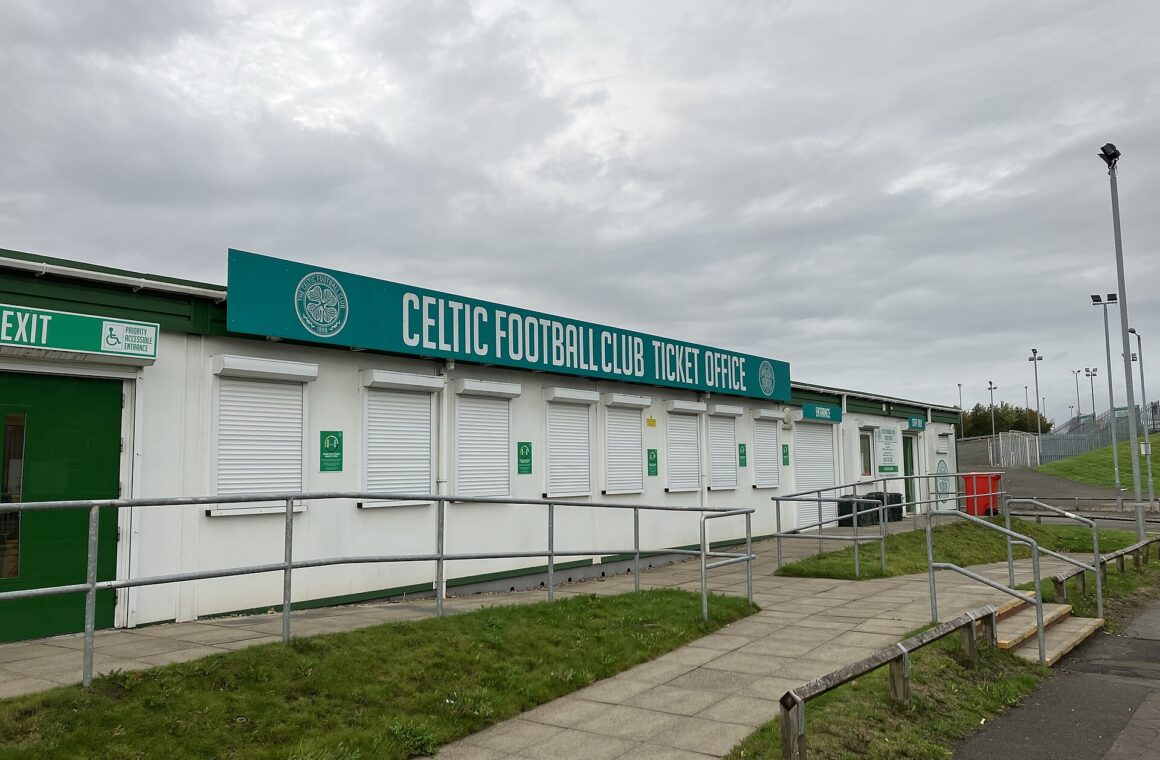
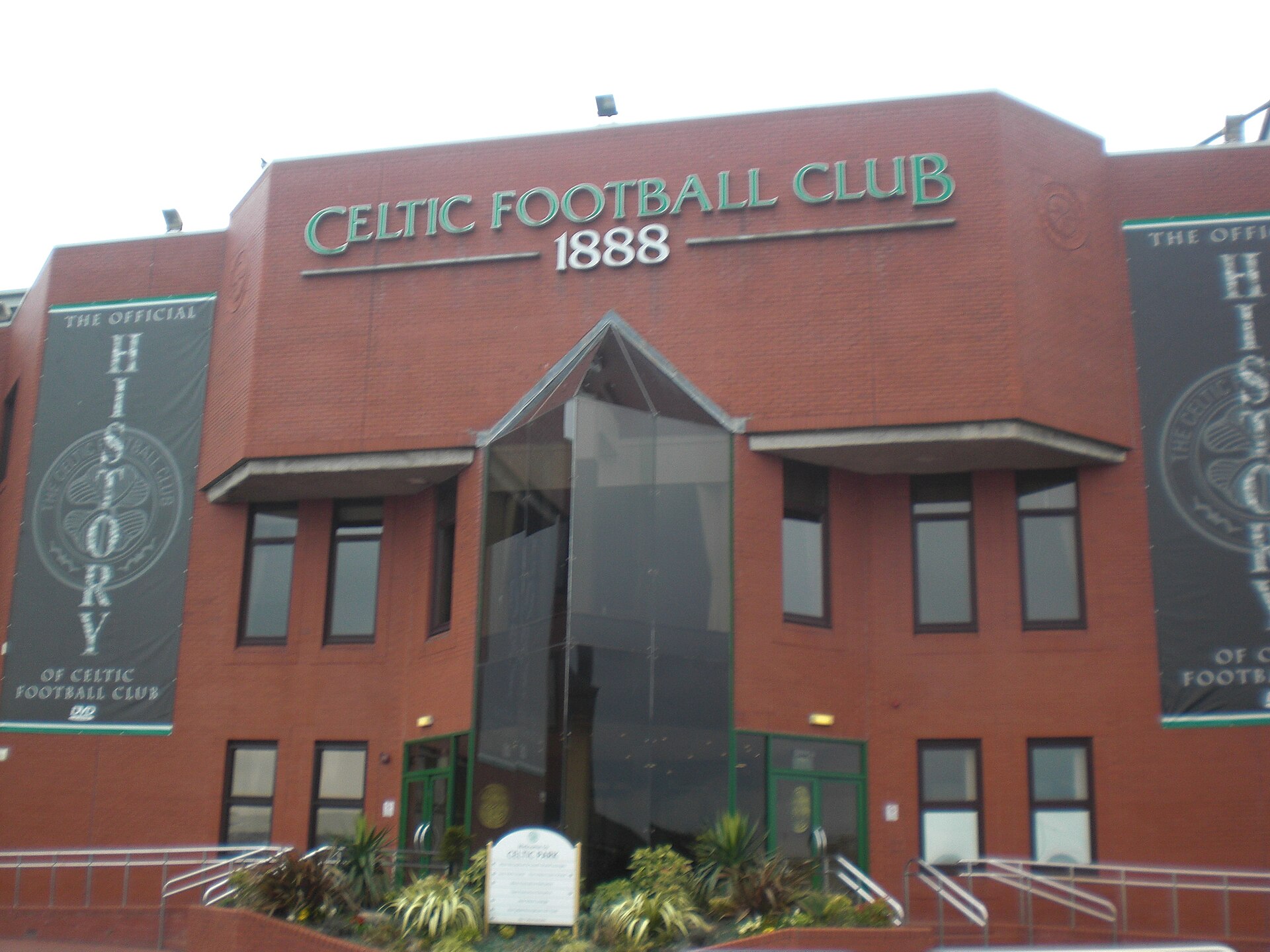
The shutters on the ticket office at the top of Janefield Street are down more often than they are up, and even when they are up the people queueing are mostly collecting, not buying. That is the first thing to understand about Celtic match tickets: there is no window you can walk up to on a Saturday morning with cash and a hopeful expression. Almost the entire ground is spoken for months in advance, the sale process runs online in a sequence of windows, and a visitor who does not know the sequence will simply never see a ticket appear.
This guide explains how the sale actually works, which fixtures a tourist can realistically get into, what tickets cost, what to do about the resale sites, and what the fallback is when the answer is no. It was written in September 2026 and reflects how the club has run ticketing in recent seasons; the mechanics are stable but the exact membership products and prices change season to season, so verify on the club’s own site before you spend anything.
Why it is hard, in one paragraph
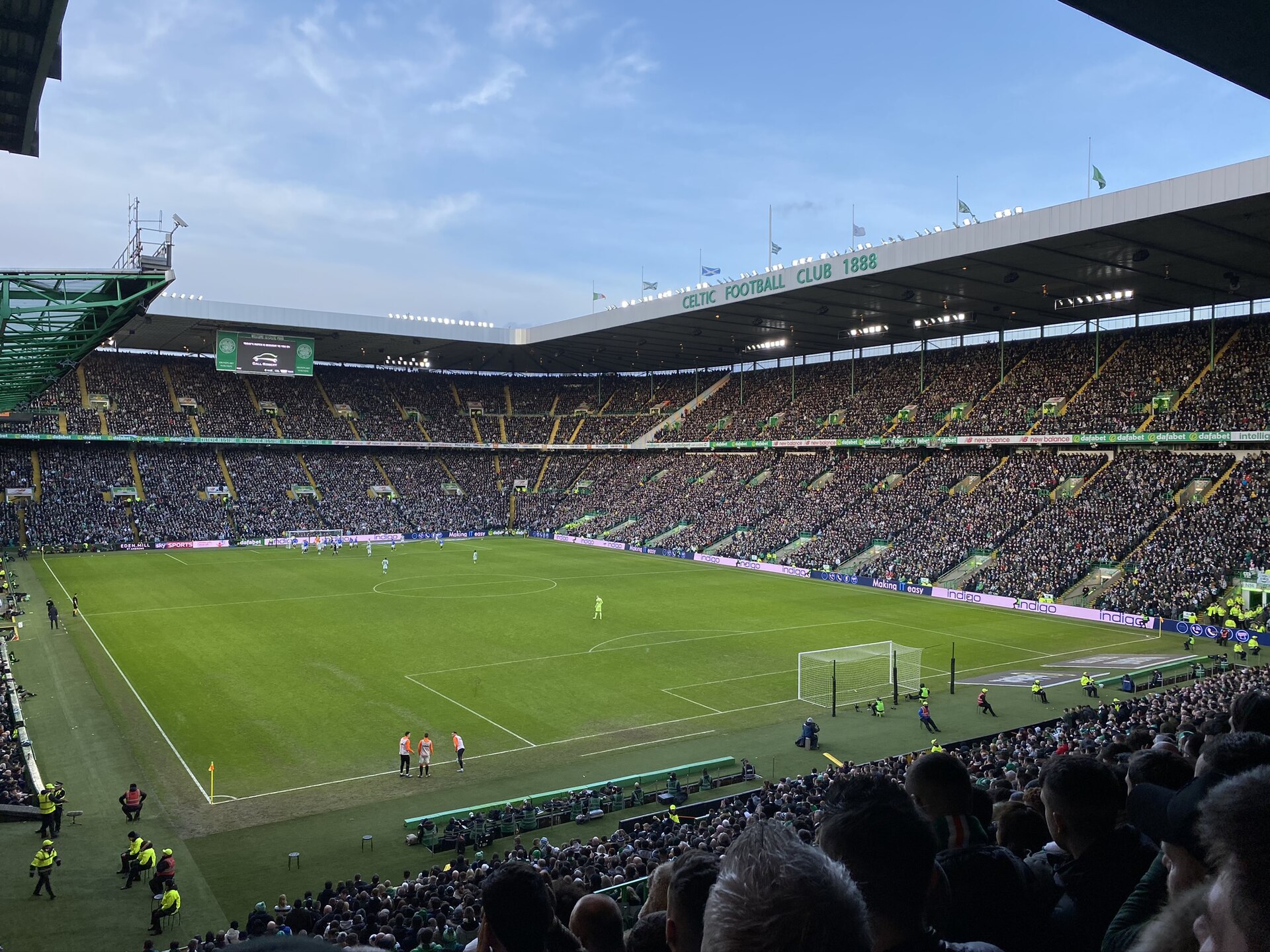
Celtic Park holds just over 60,000, and the seats open to visitors are released in stages — to the club’s paid members first, then, for the least attractive fixtures only, to a general sale. Add the away allocation, which belongs to the visiting club, and the hospitality inventory, which is sold separately, and the pool a visitor is competing for is smaller than the stadium’s size suggests.
The route that actually works
1. Pick a gettable fixture
This is the single highest-leverage decision and most visitors get it wrong by fixating on a date rather than an opponent. Ranked from easiest to hardest:
| Fixture type | Realistic chance |
|---|---|
| Midweek league game v a bottom-half side, autumn or winter | Good — often reaches general sale |
| Early-round domestic cup tie | Good |
| Weekend league game v a mid-table side | Moderate — members only, usually |
| League game v Aberdeen, Hearts or Hibernian | Poor |
| European group-stage night | Poor to very poor |
| Old Firm derby | Effectively zero at face value |
A wet Wednesday in November against a team fighting relegation will give you the same stadium, the same stands and about eighty per cent of the noise, for a fraction of the difficulty.
2. Buy the membership before the sale, not during it
Celtic sell a paid supporter membership that puts you in the pre-sale window ahead of the general public. If you are travelling specifically to see a match, the membership fee plus a face-value ticket almost always comes to less than what a resale platform will charge for the same seat, and it is a real ticket rather than a gamble. Buy it well before the on-sale date for your fixture, because membership itself takes time to process and the sale windows are short.
3. Be ready at the exact minute the window opens
Sales open at a stated time and the better fixtures go inside minutes. Have the account created, the payment card saved and the browser open beforehand. This is not a market where refreshing an hour later works.
4. Check the away club
The visiting club receives its own allocation and sells it through its own systems, usually to its own members. If you happen to support the away side, or are travelling from a city whose team is visiting, this is frequently a far shorter queue than the home one. You will be in the away section, segregated, and you should be relaxed about that before you buy.
5. Consider hospitality if the match matters more than the money
Matchday hospitality is sold separately from general admission and is often available when nothing else is. Expect £150 and upwards per person depending on the package and the fixture, usually including food and a padded seat in a good position. It is expensive and it is legitimate, which is more than can be said for most of what is available at that price on the open market.
What tickets cost
General admission for a Scottish Premiership league fixture at Celtic Park typically falls in the £25–40 range for an adult, varying by fixture category and where in the ground you sit, with concessions for children and older supporters. European fixtures cost more. Hospitality starts around £150 and rises steeply.
Compared with the English Premier League this is cheap — a fact worth keeping in mind when a resale site offers you a £35 seat for £180. Prices were checked in October 2026; treat them as the right order of magnitude.
The resale problem
Unofficial resale is the biggest way visitors lose money on Scottish football, and the mechanics are worth spelling out.
- Tickets are digital and named. They are issued to an account. A screenshot of somebody else’s ticket is not a transferable asset.
- The club cancels resold tickets. If a ticket is identified as having been sold on, it can be voided, and the person who bought it finds out at the turnstile.
- Segregated sections are checked. Turning up in the wrong end with a ticket bought from a stranger is the worst version of this outcome, and it is entirely avoidable.
- There is an official exchange. Season-ticket holders can return seats they are not using through the club’s own system, and those go back into the pool legitimately. That is the only resale worth watching.
If a listing is not from Celtic, from the away club, or from an official hospitality partner, treat the money as gone rather than invested.
On the day
- Arrive 45 minutes early. Turnstile queues on Janefield Street build sharply in the final twenty minutes and the digital scanners are not fast.
- Bring the phone you bought the ticket on, charged. Digital tickets live in an app or a wallet pass, and a flat battery at a turnstile is a wasted trip.
- Eat first. There is very little around the ground. The Gallowgate and the Barras on the walk out are your best option, or eat in the city centre.
- Bags are restricted. Assume no large bags, no umbrellas, no bottles.
- Getting there: the 61 bus (Sandyhills to Summerston via Parkhead) or the 64 (St Enoch Centre to Carmyle via Bridgeton and Parkhead), a train to Dalmarnock or Bridgeton, or a walk from Glasgow Cross. Check First Bus’s website for current routes and times. There is no Subway station near Parkhead. Full detail in our getting around Glasgow guide.
- Getting back: allow extra time. Taxis effectively vanish for the hour after full time.
If you cannot get a ticket
This happens to most visitors, and it is not the end of the trip.
- Do the stadium tour instead. About £20, an hour, dressing rooms and the tunnel, and it runs on non-match days. Our Celtic Park stadium tour guide has the detail.
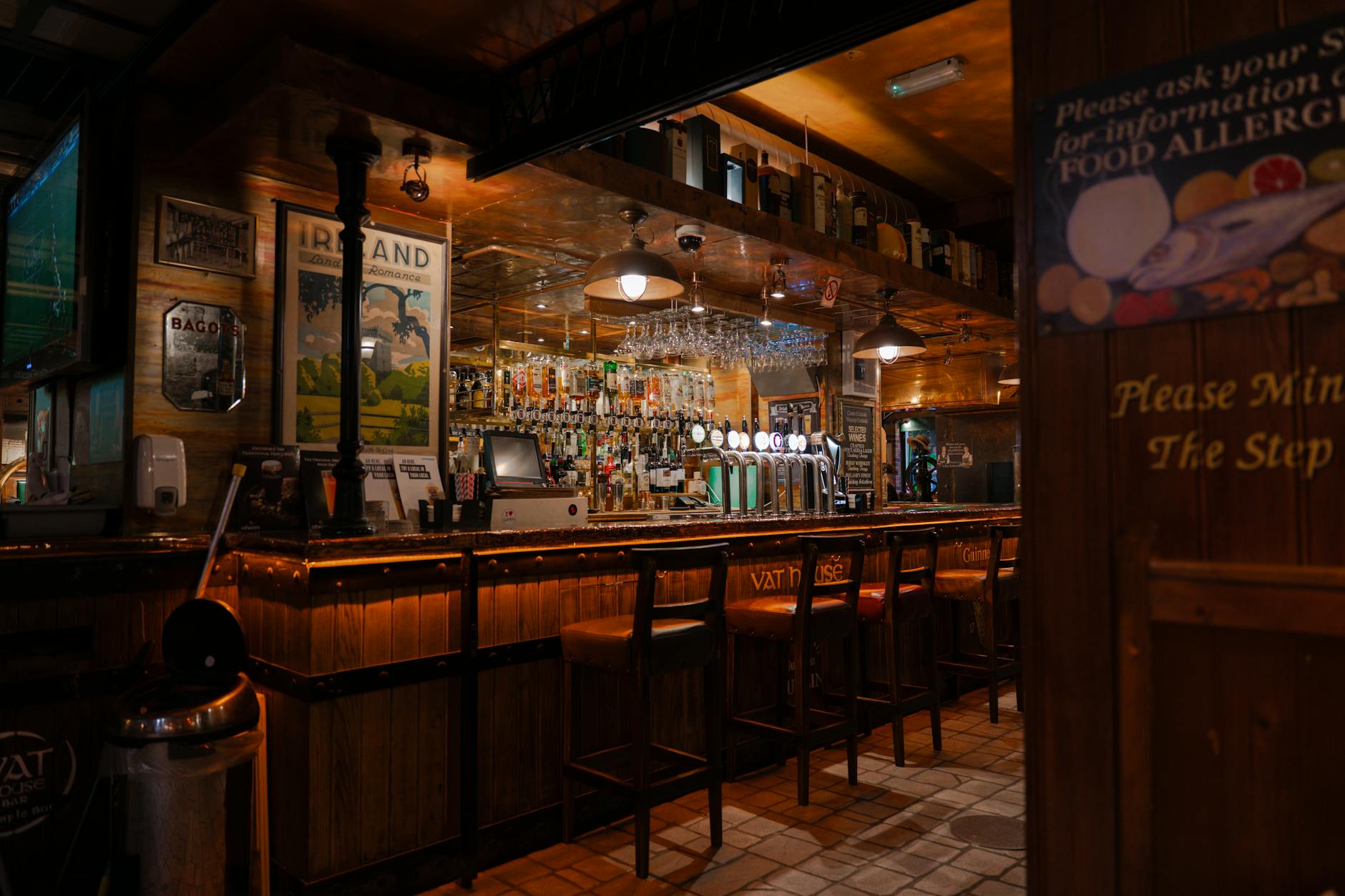
- Watch it in a pub. Glasgow does this exceptionally well. The city centre is easy and unaligned; the Gallowgate is partisan and atmospheric. Our traditional pubs guide covers the older end and the nightlife guide the rest.
- Go to a smaller club. Partick Thistle at Firhill and Queen’s Park at Lesser Hampden both sell on the day, cost a fraction as much, and give you an afternoon of Scottish football rather than an afternoon of refreshing a website.
- Do Hampden. The Scottish Football Museum is open regardless of the fixture list and is the best football collection in Britain.
A note on the derby
Celtic against Rangers is the fixture people ask about and the one nobody can help you with. The home allocation goes to season-ticket holders, the away allocation is small and goes through the other club, and there is no neutral section. Build the trip around something else and treat a derby ticket as a windfall. Our Glasgow football guide explains the wider picture, and the safety guide covers the sensible precautions on derby day, which are mostly about what you wear and where.
Frequently asked questions
Can I buy Celtic tickets on the day at the stadium?
No. Ticketing is digital and pre-sold, and the ticket office is primarily for collections and enquiries rather than walk-up sales. Plan ahead or plan an alternative.
Do I need to be a member to buy a Celtic ticket?
Not for every fixture — the least attractive games do reach a general sale — but membership is the difference between having a chance and not having one for most matches worth travelling for. Buy it well in advance of the sale window.
How much are Celtic tickets?
Roughly £25–40 for adult general admission at a league fixture as of September 2026, more for European nights, with concessions available. Hospitality starts around £150 per person.
Are resale sites safe for Celtic tickets?
Unofficial ones, no. Tickets are digital and account-linked, the club can cancel tickets found to have been resold, and segregated sections are checked. Use the club’s own ticket exchange or the away club’s official sale.
Which Celtic fixture is easiest for a tourist to get into?
A midweek league match against a bottom-half team, ideally in November or February. Early-round domestic cup ties are similarly obtainable.
How early should I arrive at Celtic Park?
Forty-five minutes before kick-off. Turnstile queues build fast, there is little food near the ground, and the walk from the nearest station takes ten to fifteen minutes.
Is there a Subway station at Celtic Park?
No. Use the 61 or 64 bus, a train to Dalmarnock or Bridgeton, or walk from Glasgow Cross.
Can I take a child to a Celtic match?
Yes, and concession pricing makes it affordable. Family sections exist and are calmer than the singing end. Avoid the derby with young children.
The same problem exists across the city with one useful difference: Ibrox has its own Subway station, which makes the journey home after an evening kick-off far less of an ordeal than the walk back down the Gallowgate. If your dates are flexible about which half of Glasgow you end up in, our guide to getting Rangers match tickets as a visitor is worth reading alongside this one.
Related Glasgow Guides
- Glasgow Football — the parent guide to all three grounds and how matchdays work.
- Celtic Park Stadium Tour — the reliable alternative when tickets do not come off.
- Hampden Park and the Scottish Football Museum — open regardless of the fixture list.
- Getting Around Glasgow — how to reach Parkhead and, harder, how to leave it.
- Glasgow Travel Guide — planning the trip the match sits inside.
- Traditional Pubs in Glasgow — where to watch it if you are not inside.
- Glasgow Nightlife — after the final whistle.
- Glasgow Safety Tips — the short, practical version for matchdays.
- The Barras Market — on the walk out, and where to eat before kick-off.
Photo Credits
Celtic Park ticket office: Celtic Park September 2023 01 by DaHuzyBru, CC BY-SA 4.0, via Wikimedia Commons.
Celtic Park main reception: Celtic FC – main entrance by Aloba Øyvind Vik, CC BY-SA 3.0, via Wikimedia Commons.