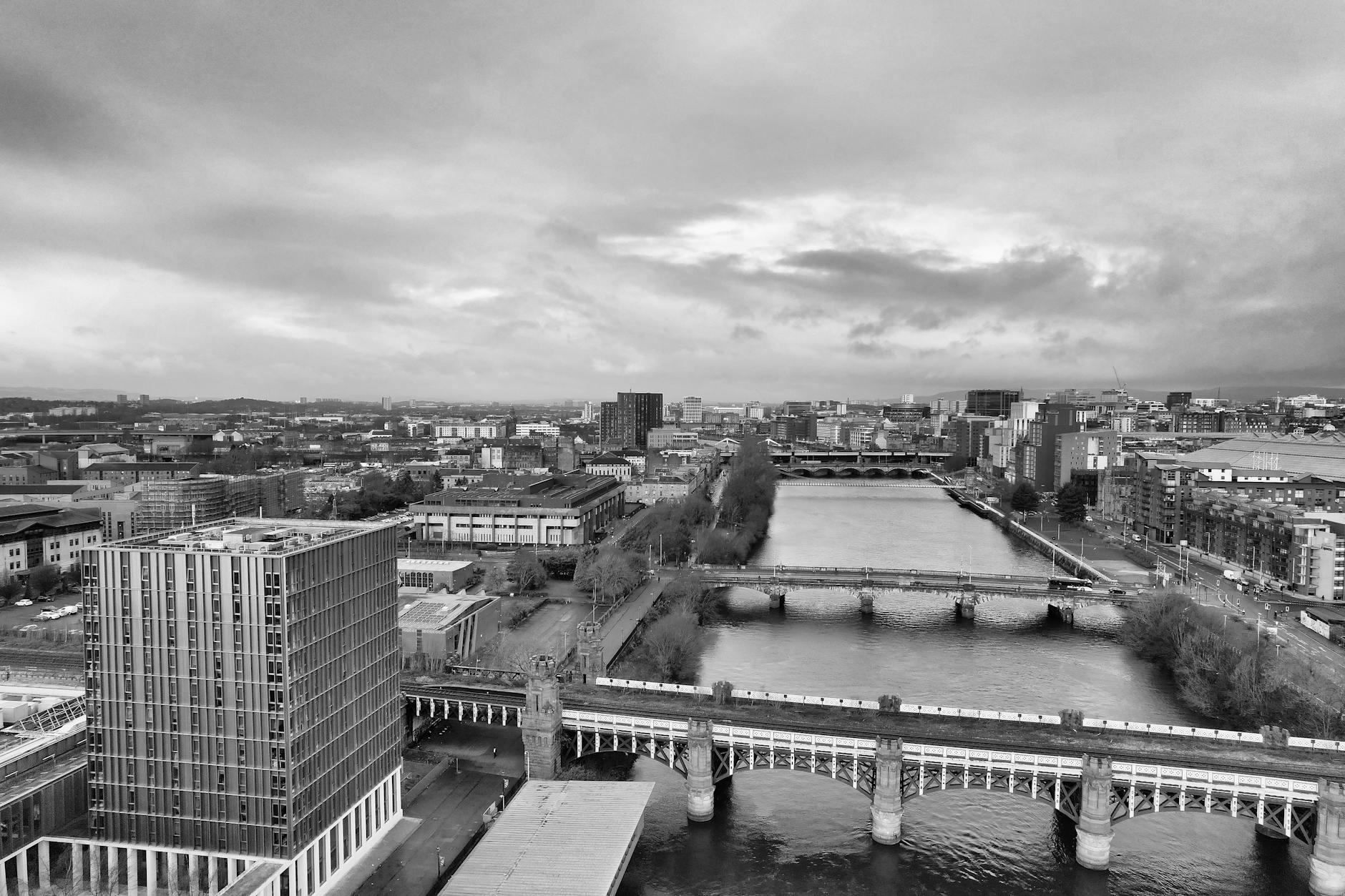
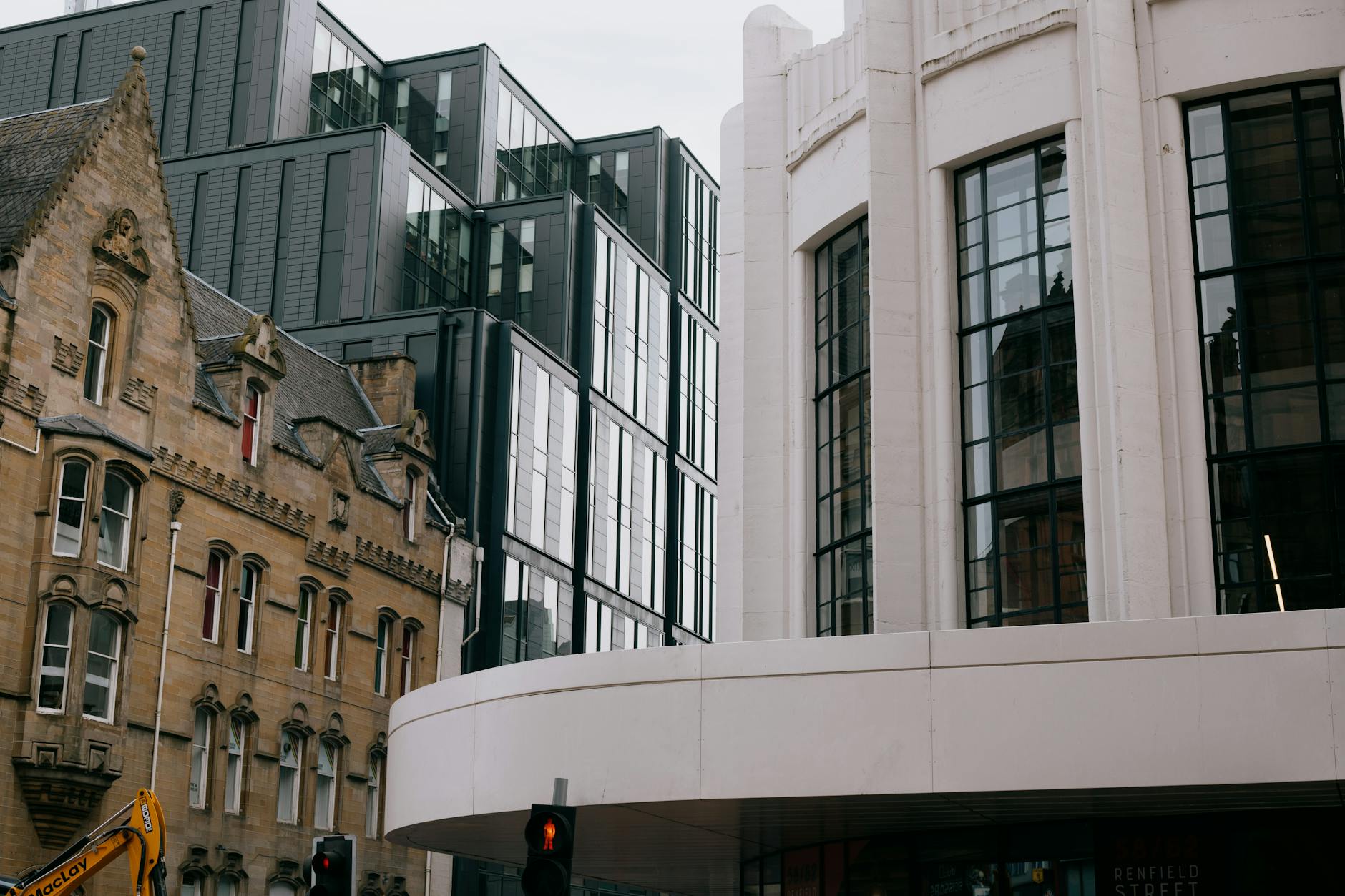
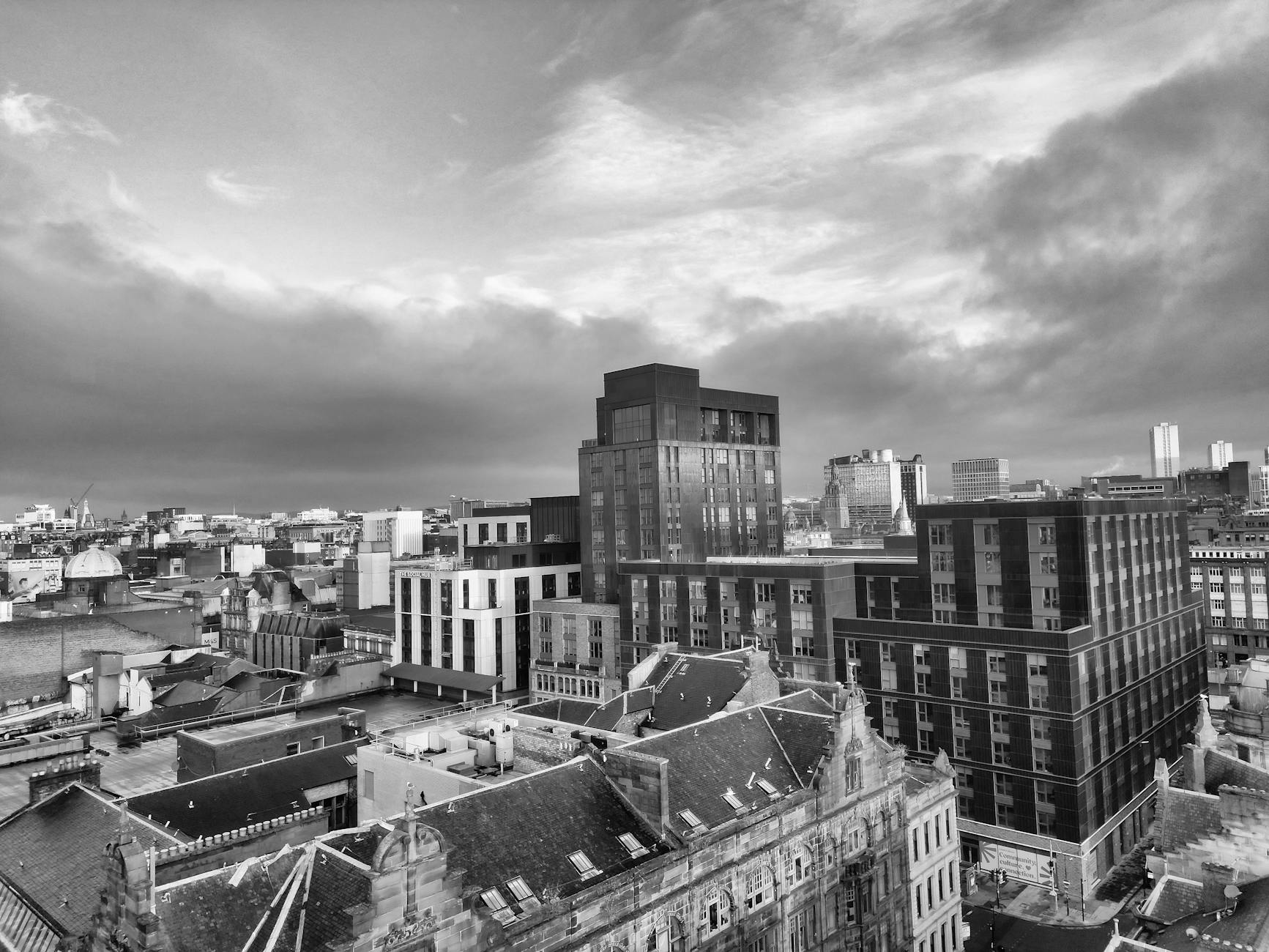
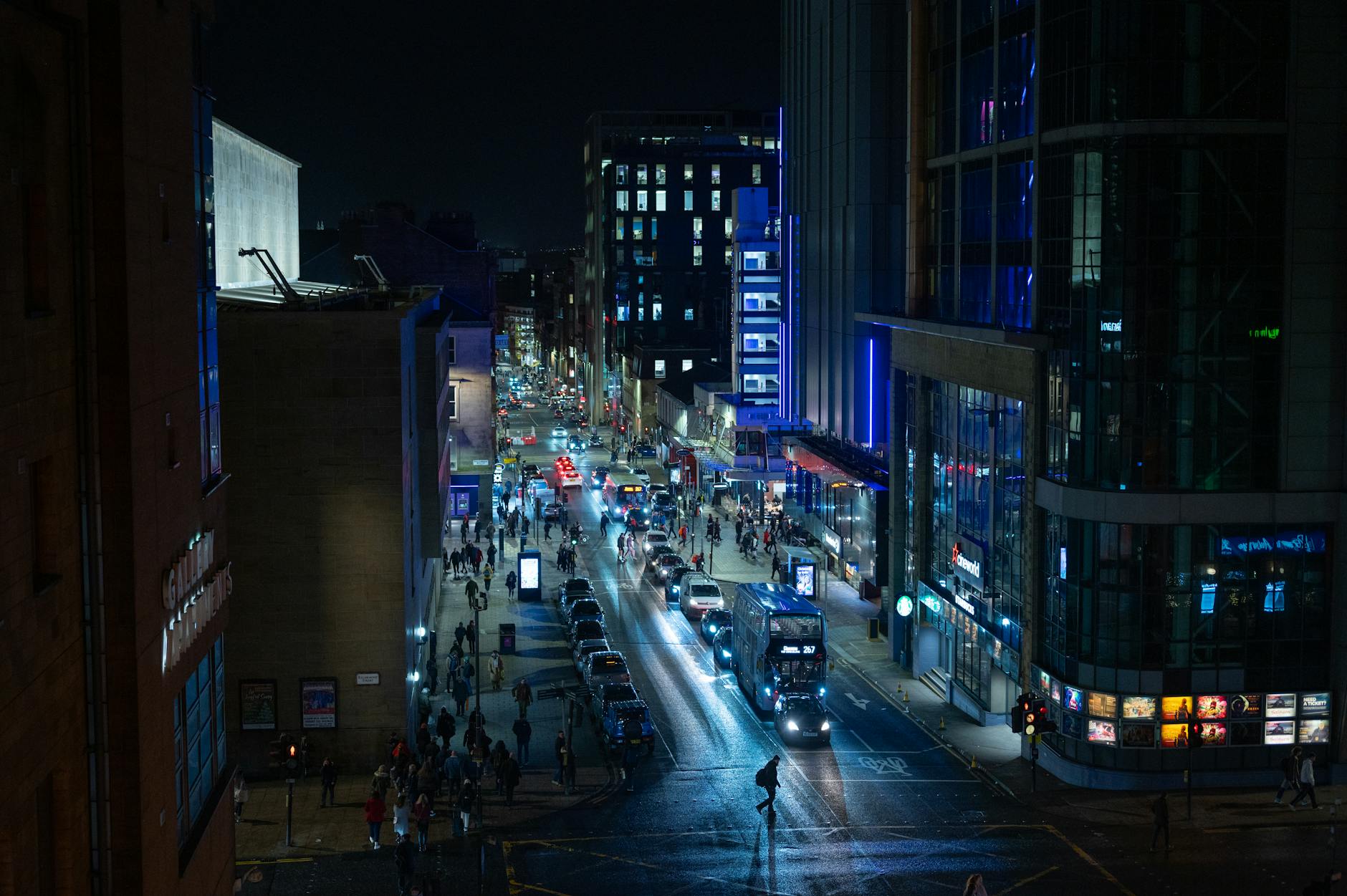
This Glasgow travel guide is your complete resource for planning the perfect trip to Scotland largest and most exciting city. Whether you are visiting Glasgow for the first time or returning to explore more of its incredible cultural scene, this guide covers everything from getting there and getting around to the best neighbourhoods, seasonal weather advice, and practical tips that will make your trip seamless and unforgettable. Glasgow consistently surprises visitors with its world-class free museums, legendary live music scene, and the famously warm Glaswegian hospitality that makes every visitor feel like an honoured guest.
This Glasgow travel guide draws on deep local knowledge and extensive research to help you plan every aspect of your trip. From choosing the best time to visit and booking affordable flights to navigating the city transport system and finding the perfect neighbourhood to explore, we have covered every detail. With Glasgow hosting the 2026 Commonwealth Games this July, there has never been a more exciting time to discover this vibrant Scottish city.
How to Get to Glasgow: Flights, Trains, and Coaches
Your Glasgow travel guide begins with the essential first step: getting to the city, and the good news is that Glasgow is exceptionally well connected by air, rail, and road. Whether you are travelling from elsewhere in the UK, Europe, or further afield, there are numerous affordable options for reaching Scotland largest city.

Flying to Glasgow
Glasgow Airport (GLA) is the city main international airport, located just 8 miles west of the city centre. Direct flights operate from all major London airports (Heathrow, Gatwick, Stansted, Luton, and City) with flight times of just 60-90 minutes. Airlines including British Airways, easyJet, Ryanair, and Loganair serve the route, with prices often available from around thirty pounds each way when booked in advance. The airport also handles direct flights from many European cities including Amsterdam, Dublin, Paris, and Barcelona, plus seasonal routes to popular holiday destinations.
Getting from the airport to the city centre is straightforward. The Glasgow Airport Express bus (service 500) runs every 10-15 minutes and takes approximately 25 minutes to reach Glasgow Central and Queen Street stations, costing around eight pounds for a return ticket. Alternatively, a taxi to the city centre costs approximately twenty to twenty-five pounds and takes 15-20 minutes depending on traffic. Glasgow Prestwick Airport (PIK) is a secondary airport located 32 miles south, primarily serving Ryanair flights, with a direct rail link to Glasgow Central station taking around 50 minutes.
Travelling by Train
Train travel is one of the most scenic and comfortable ways to reach Glasgow, and this Glasgow travel guide absolutely recommends it for visitors coming from elsewhere in the UK. Avanti West Coast operates frequent services from London Euston to Glasgow Central, with the journey taking approximately 4 hours and 30 minutes. For a truly memorable experience, the Caledonian Sleeper overnight train departs London Euston in the evening and arrives in Glasgow Central the following morning, allowing you to wake up refreshed in Scotland. ScotRail connects Glasgow to Edinburgh (50 minutes), Stirling (30 minutes), and other Scottish destinations throughout the day, making it easy to combine Glasgow with a wider Scottish itinerary.
Coaches and Driving
Budget-conscious travellers should consider coach travel. Megabus and National Express operate frequent services between London and Glasgow from as little as four to ten pounds each way, though journey times of 7-9 hours make this the slower option. For those driving, Glasgow is well connected via the M8 motorway from Edinburgh (approximately 1 hour), the M74 from England (approximately 4 hours from Manchester), and the M80 from Stirling. City centre parking can be expensive, so consider park-and-ride facilities on the outskirts if you are bringing a car.
Best Time to Visit Glasgow: Weather and Seasons
Understanding Glasgow weather is an essential part of any Glasgow travel guide, as the city oceanic climate means conditions can change quickly throughout the day. Glasgow receives around 170 rainy days per year, making it one of the wetter UK cities, but this rarely dampens the spirits of visitors who come prepared. The key is packing layers and waterproof clothing regardless of when you visit.
Spring (March to May)
Spring is a wonderful time to visit Glasgow as the city parks burst into bloom and the days grow noticeably longer. Temperatures range from 5 to 14 degrees Celsius, and while rain is still frequent, there are plenty of bright, pleasant days. The Glasgow Comedy Festival in March, Celtic Connections aftermath events, and the growing cafe culture make spring an excellent shoulder season. Accommodation prices are reasonable, and you will encounter fewer crowds at major attractions.
Summer (June to August)
Summer is peak tourist season and the warmest time to visit Glasgow, with temperatures reaching 15-20 degrees Celsius and daylight lasting until 10pm in June. The Glasgow events calendar is packed during summer, with TRNSMT Festival at Glasgow Green, the West End Festival, and the 2026 Commonwealth Games (23 July to 2 August). Book accommodation well in advance for July-August visits, particularly during Games week when prices will be significantly higher than usual.
Autumn (September to November)
Autumn brings beautiful golden colours to Glasgow parks, cooler temperatures of 5-15 degrees Celsius, and the return of cultural programming as the university and arts seasons begin. September and early October offer a pleasant balance of decent weather and lower prices. The Glasgow Film Festival and various music events keep the cultural calendar lively, and this is often the best time for budget-conscious visitors.
Winter (December to February)
Winter Glasgow is cold (0-7 degrees Celsius) but atmospheric, with Christmas markets at George Square, festive lights across the city centre, pantomime season at major theatres, and Hogmanay (New Year) celebrations that rival Edinburgh. Celtic Connections in January is one of the world largest winter music festivals and a major draw for music lovers. The short daylight hours (sunrise after 8:30am, sunset by 4pm) mean you will spend more time in Glasgow excellent indoor attractions, museums, and cosy pubs.
Glasgow Neighbourhoods: Where to Explore
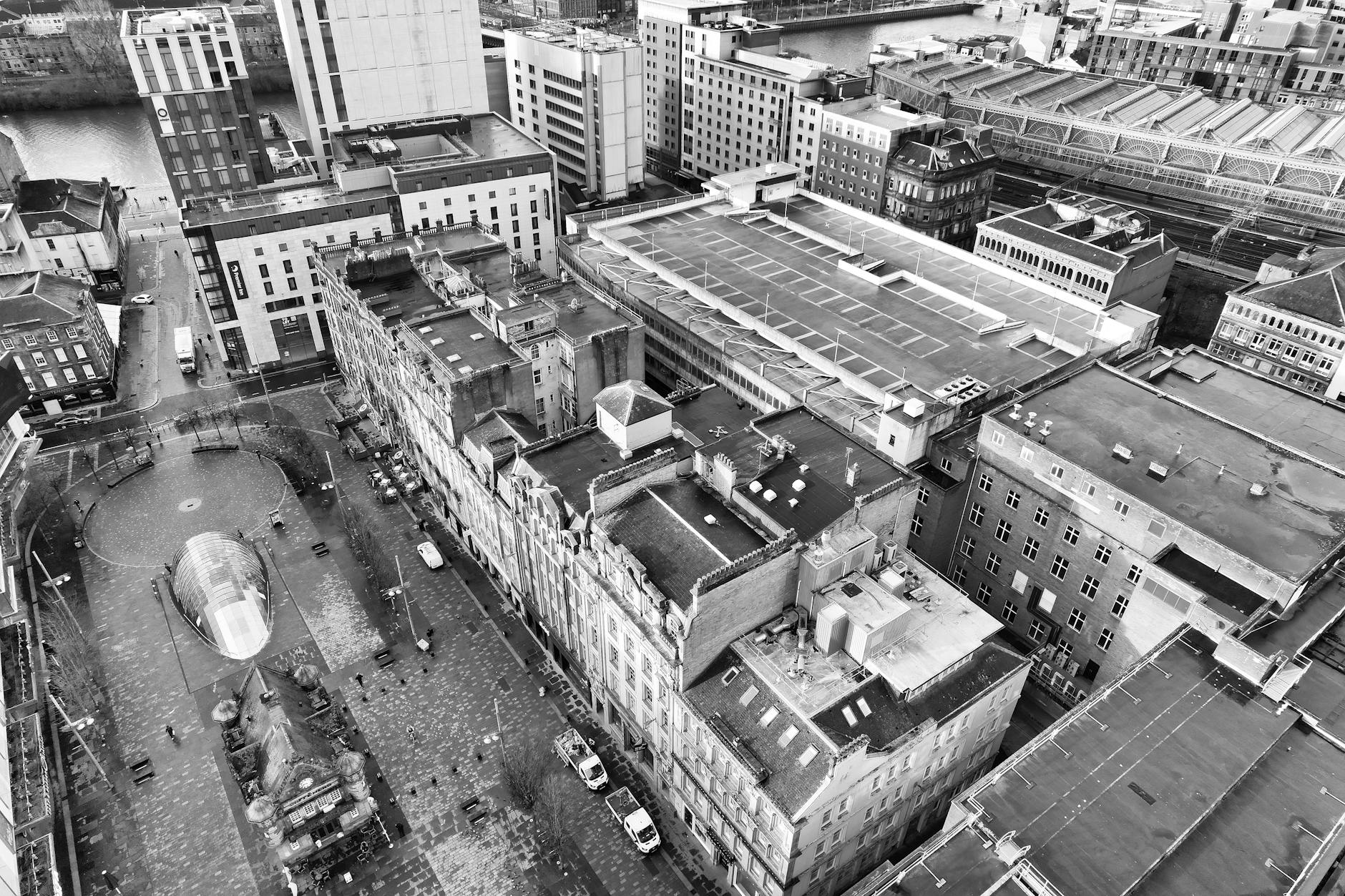
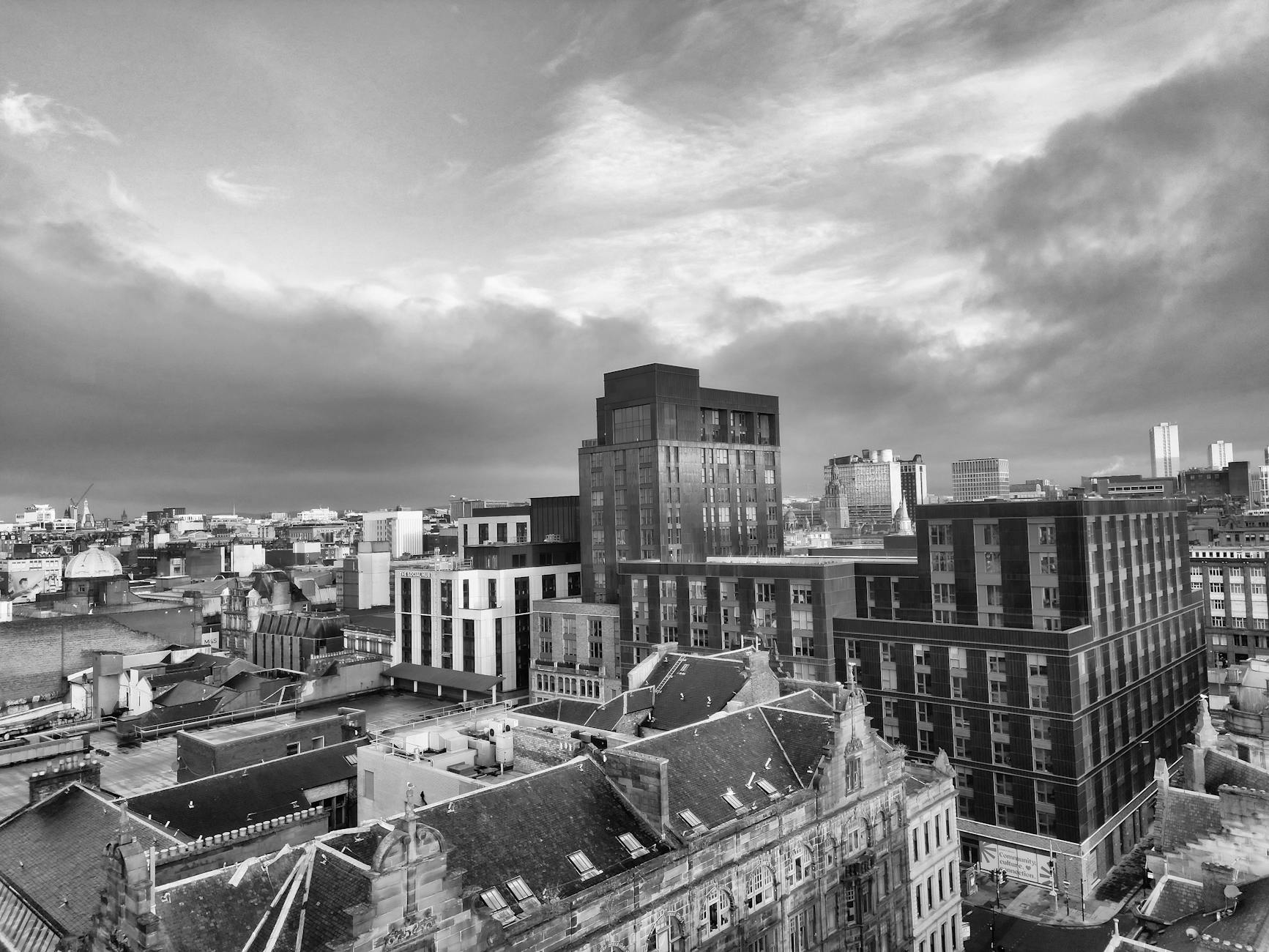
This Glasgow travel guide would be incomplete without a neighbourhood-by-neighbourhood breakdown. Glasgow is a remarkably compact city, and each area has a distinct personality that makes exploring on foot a genuine pleasure. Understanding the different neighbourhoods will help you choose where to stay and plan your daily itineraries effectively.
City Centre
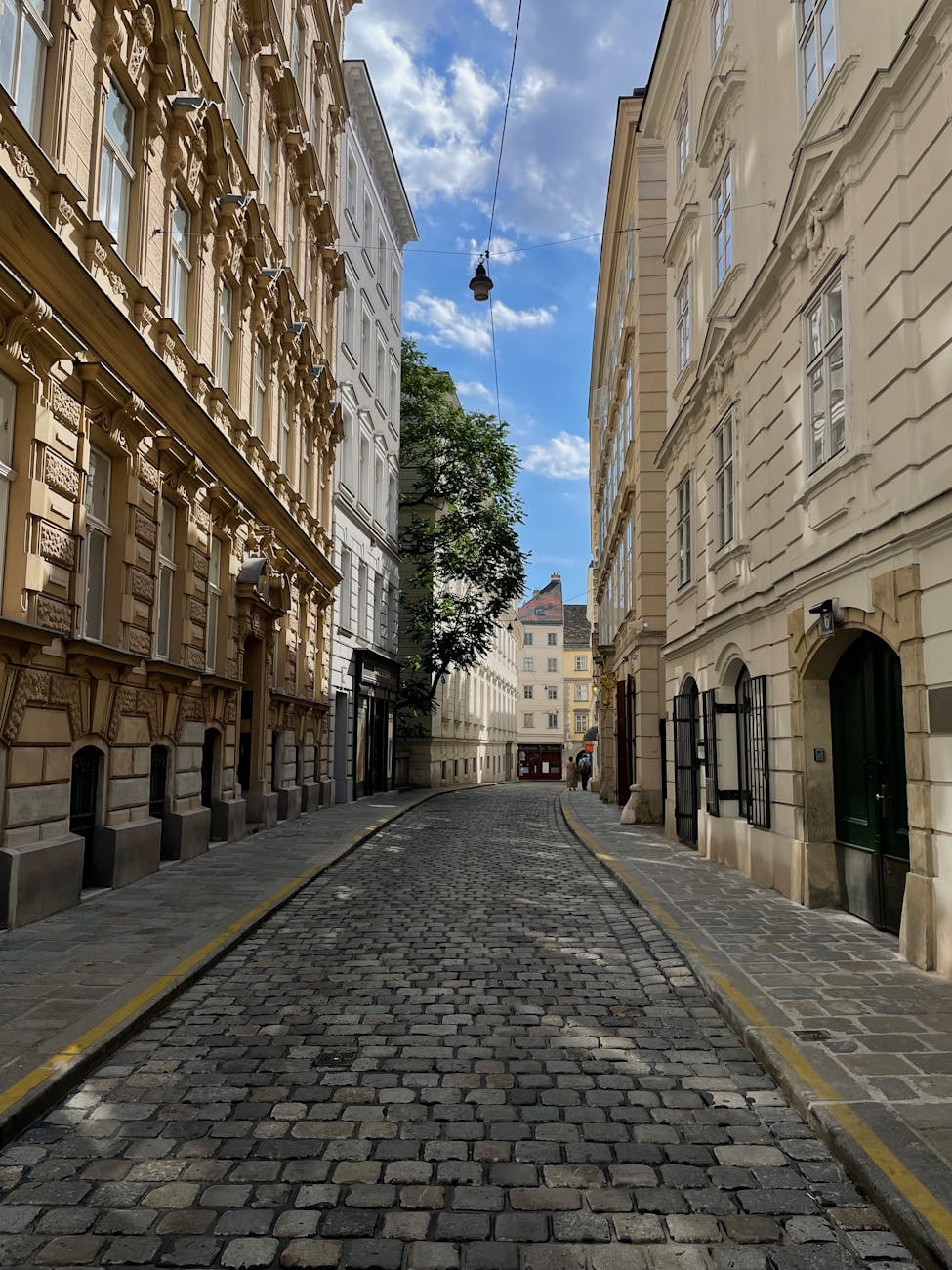
The city centre is the commercial and retail heart of Glasgow, home to the famous Style Mile shopping district, George Square, Glasgow Cathedral, and the Gallery of Modern Art. Buchanan Street, Argyle Street, and Sauchiehall Street form the main shopping and entertainment axes. The city centre also houses most of Glasgow major nightlife venues, from legendary clubs like Sub Club to comedy venues and cocktail bars. Most visitors base themselves here for convenience, with the broadest selection of hotels and easy access to both train stations.
West End
The West End is Glasgow bohemian heart, centred around the University of Glasgow, Kelvingrove Park, and the charming cobbled lanes of Ashton Lane and Cresswell Lane. This leafy neighbourhood was named as having the third coolest street in the world (Great Western Road) by Time Out, and it delivers a wonderful mix of vintage shops, independent bookstores, brunch spots, and some of the city best restaurants. Kelvingrove Art Gallery, the Riverside Museum, and the Botanic Gardens are all within walking distance. The West End has a more relaxed pace than the city centre and is hugely popular with younger visitors and creatives.
Finnieston
Sitting between the city centre and the West End along the River Clyde, Finnieston has been described as one of the hippest neighbourhoods in the UK. This former industrial area is now Glasgow dining capital, packed with acclaimed restaurants, trendy bars, and cultural venues. The Hydro arena, the SEC Armadillo, and Glasgow Science Centre are all in Finnieston. The Hidden Lane — a colourful alley of artist studios and independent shops — is one of Glasgow most Instagrammable spots. For food lovers, Finnieston is an essential destination.
Merchant City and East End
Merchant City is Glasgow most architecturally impressive neighbourhood, with grand Victorian and Georgian buildings housing galleries, boutique shops, and upscale bars. The area comes alive during the annual Merchant City Festival and is the gateway to the East End, where the Barras Market, Glasgow Green, and the vibrant street food scene at BAaD offer a grittier, more authentic Glasgow experience. The Barras is a weekend treasure trove for vintage finds and is essential for any Glasgow shopping itinerary.
Southside
The Southside is increasingly popular with visitors seeking a more local, residential Glasgow experience. Shawlands, Queen Park, and Govanhill offer diverse dining, independent shops, and some of the city most interesting cultural developments. Pollok Country Park with the Burrell Collection, Queen Park with its panoramic city views, and the growing food scene along Victoria Road make the Southside well worth exploring. The subway provides easy connections to the city centre in just minutes.
What to Pack for Glasgow
Packing smartly is crucial for any Glasgow trip, and any good Glasgow travel guide recommends a layering approach, and this Glasgow travel guide is no exception. We suggest a layering approach regardless of the season. The city weather can change several times in a single day, so flexibility is key.
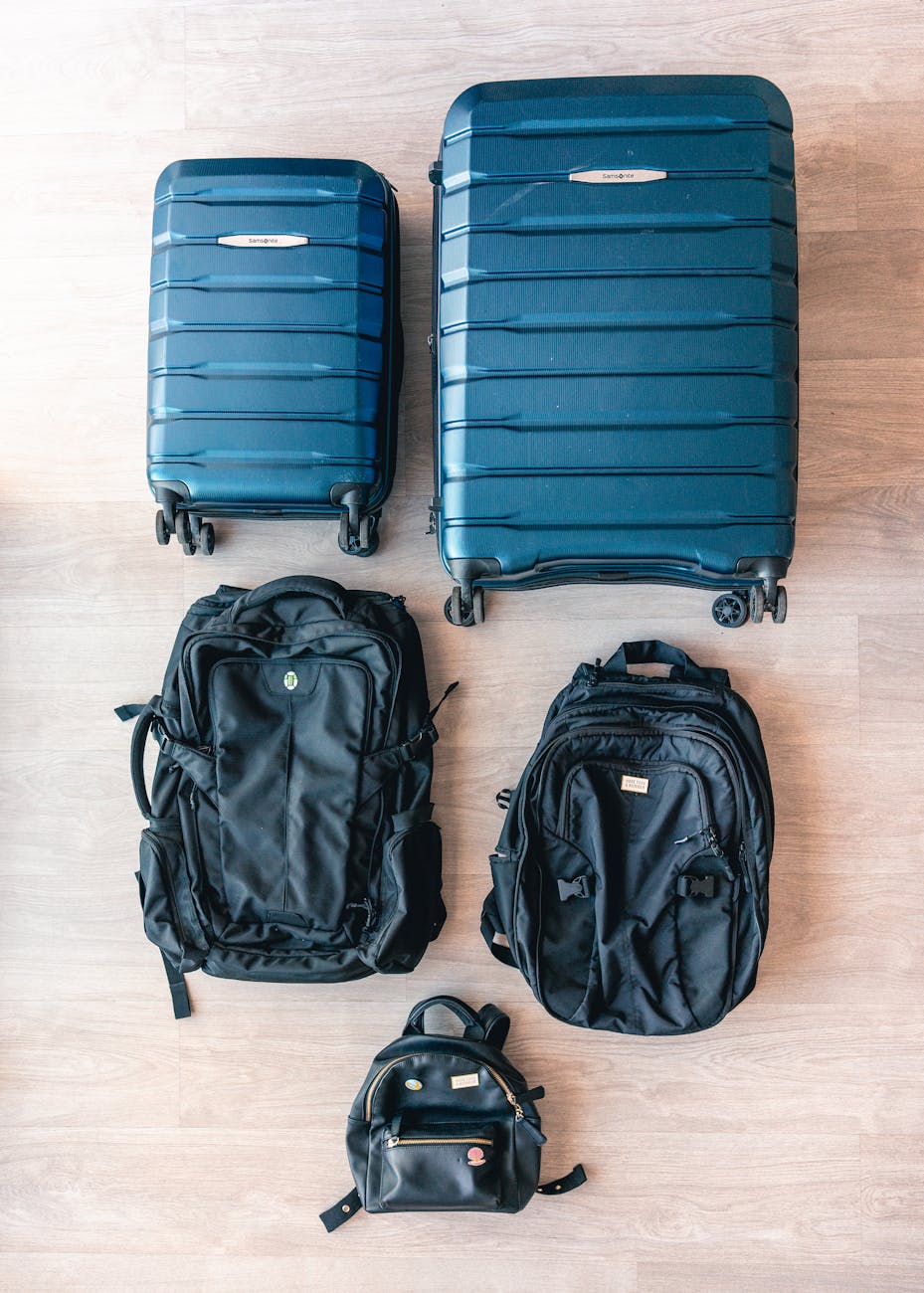
Essential items for every Glasgow trip include a waterproof jacket (not just an umbrella — Glasgow rain can be horizontal), comfortable walking shoes with good grip, layers that can be added or removed throughout the day, and a compact daypack for carrying extra layers and essentials. In summer, bring sunglasses and sun protection as Scottish summer sun can be surprisingly strong on clear days. In winter, pack thermal layers, a warm hat, gloves, and a scarf — temperatures can feel significantly colder with the wind chill factor. Smart casual clothing is appropriate for most Glasgow restaurants and bars, though some upscale venues may require slightly dressier attire in the evening.
Practical Travel Information
Currency and Payments
Scotland uses the pound Sterling, the same currency as the rest of the UK. Scottish banknotes look different from English ones but are valid throughout the United Kingdom (though some English shops may be unfamiliar with them). Contactless payment is widely accepted across Glasgow — you can tap your card or phone in virtually every shop, restaurant, pub, and taxi. ATMs are plentiful throughout the city centre and most are free to use, though some standalone machines in convenience stores may charge a small withdrawal fee.
Language and Communication
English is spoken throughout Glasgow, though the Glaswegian accent and dialect can take visitors a little time to tune into. Locals are famously friendly and patient, so do not hesitate to ask someone to repeat themselves if needed. Common Glaswegian phrases include “wee” (small), “aye” (yes), “nae bother” (no problem), and “pure dead brilliant” (really great). Learning a few local phrases will earn you smiles and warm responses from Glaswegians who appreciate visitors making an effort.
Phone and Internet Connectivity
Glasgow has excellent mobile coverage including fast 5G speeds in the city centre. International visitors can purchase pay-as-you-go SIM cards from mobile shops on the high street (EE, Three, Vodafone, and O2 all have stores in the city centre) or pick up a SIM at Glasgow Airport. eSIM options from providers like Airalo offer convenient pre-arrival setup. Free Wi-Fi is available at Glasgow Airport, most cafes and restaurants, all major museums, public libraries, and shopping centres including Buchanan Galleries and St Enoch Centre.
Safety
Glasgow is generally safe for tourists. The city centre, West End, and Merchant City are well-lit, busy areas where visitors can walk comfortably at most hours. As with any large city, take standard precautions: keep valuables secure, stay aware of your surroundings, and stick to well-lit main streets late at night. Glaswegians are renowned for their friendliness and will often go out of their way to help visitors with directions or recommendations. Emergency services can be reached by dialling 999.
Tipping Etiquette
Tipping in Glasgow is appreciated but not as obligatory as in some countries. In restaurants, a tip of 10-15 percent is customary if you enjoyed the service, and some restaurants add an optional service charge to the bill. In pubs, tipping is not expected when ordering drinks at the bar. Taxi drivers appreciate a small tip of a pound or two, especially for longer journeys. Hotel porters are typically tipped a pound or two per bag.
Getting Around Glasgow
Navigating the city is covered in detail in our dedicated getting around Glasgow guide, but this Glasgow travel guide provides a quick overview. The city is remarkably compact and walkable, with most major attractions within a 30-minute walk of George Square. The Glasgow Subway (the Clockwork Orange) provides cheap and efficient connections between the city centre and West End. An extensive bus network, two main train stations (Central and Queen Street), and affordable taxis fill any remaining transport gaps.
How Long to Stay in Glasgow
This Glasgow travel guide recommends a minimum of two to three days to experience the city highlights, though you could easily fill a week with attractions, day trips, and neighbourhood exploration. A weekend break (two to three nights) allows time to visit the major museums, explore two or three neighbourhoods, sample the food and nightlife scene, and perhaps take one day trip to Loch Lomond or Stirling Castle.
For a longer stay of four to five days, you can add deeper neighbourhood exploration, take multiple day trips, attend evening events and shows, and truly immerse yourself in Glasgow rhythm. Visitors planning to attend the 2026 Commonwealth Games should book at least four to five nights to combine sporting events with city sightseeing. Glasgow also makes an excellent base for exploring the wider Scottish Highlands, with Fort William, Oban, and the Trossachs all reachable as day trips by car or organised tour.
Sample Glasgow Itineraries
Perfect Weekend (Two Days)
Day one: Kelvingrove Museum (free), Kelvingrove Park, lunch in the West End, Riverside Museum and Tall Ship (free), dinner in Finnieston, live music in the evening. Day two: Glasgow Cathedral and Necropolis (free), Merchant City and GoMA (free), Buchanan Street shopping, afternoon at the Botanic Gardens (free), dinner and drinks on Ashton Lane.
Extended Break (Four Days)
Add to the weekend itinerary: Day three — Glasgow Science Centre, Pollok Country Park and Burrell Collection (free), Southside dinner at one of Shawlands excellent restaurants. Day four — day trip to Loch Lomond or Stirling Castle, farewell dinner at a Merchant City restaurant, Glasgow nightlife to close out the trip.
Week-Long Glasgow Adventure
A full week allows time for the Glasgow Mural Trail walk, vintage shopping at the Barras, multiple day trips (Loch Lomond, Stirling, Ayrshire coast), attending a gig at King Tut or the Hydro, exploring the Southside and East End in depth, and truly experiencing the city at a relaxed pace. With a week, you can also take advantage of budget strategies like self-catering and subway day passes that make longer stays affordable.
Booking Tips and Money-Saving Advice
This Glasgow travel guide wraps up with essential booking advice that will save you money and stress. For the best flight deals, book at least six to eight weeks in advance and use comparison sites like Skyscanner and Google Flights to track prices. Midweek flights (Tuesday and Wednesday) are typically the cheapest. For train travel, ScotRail Advance tickets go on sale 12 weeks before departure and can save up to 50 percent compared to buying on the day.
Book accommodation through a mix of direct hotel websites (which sometimes offer best-price guarantees), Booking.com for choice, and Hostelworld for budget options. For where to stay in Glasgow, the city centre and West End offer the best locations for first-time visitors. Travel insurance is recommended for international visitors — ensure it covers any outdoor activities if you plan day trips to the Highlands. Finally, download the Glasgow transport apps (First Bus, SPT Subway, ScotRail) before arriving to make navigating the city effortless from the moment you arrive.
Essential Glasgow Experiences Not to Miss
No Glasgow travel guide is complete without highlighting the experiences that define a visit to this remarkable city. Beyond the headline attractions, these are the moments and activities that visitors consistently describe as the highlights of their Glasgow trips — the encounters that transform a good holiday into an unforgettable one.
World-Class Museums for Free
Glasgow boasts more free museums than any UK city outside London, and these institutions are genuinely world-class. Kelvingrove Art Gallery and Museum is Scotland most visited free attraction, featuring everything from a suspended Spitfire aircraft to Salvador Dali masterworks across 22 themed galleries. The Riverside Museum, designed by Zaha Hadid, houses over 3,000 transport objects alongside a recreated Victorian street. The Burrell Collection, the Gallery of Modern Art, the Hunterian, and the People Palace are all completely free. Our dedicated Glasgow museums guide covers all the details.
The Live Music Capital of Scotland
Glasgow is widely regarded as the UK best city for live music outside London, and many would argue it surpasses the capital for atmosphere and value. On any given night, you can find everything from intimate acoustic sessions in West End pubs to arena shows at the OVO Hydro (Europe largest indoor entertainment venue by capacity). King Tut Wah Wah Hut has launched the careers of countless bands including Oasis, and venues like Barrowlands Ballroom, Nice n Sleazy, and The Hug and Pint maintain Glasgow reputation as a music city without equal. Check the events guide for what is on during your visit.
The Glasgow Food Renaissance
Glasgow food scene has undergone a remarkable transformation in recent years, and eating your way around the city is now a major reason to visit. From Michelin-recommended restaurants in Finnieston to legendary cheap eats at Paesano pizza, the city offers extraordinary culinary diversity. The Glasgow food guide covers the best restaurants, cafes, and street food options across every budget level. Do not leave without trying a traditional Glasgow breakfast roll, sampling the city thriving Asian food scene, and experiencing at least one meal in the Finnieston restaurant strip.
Glasgow Travel Guide for Special Interests
Glasgow for Architecture and History Lovers
Glasgow architectural heritage spans centuries, from the medieval Glasgow Cathedral (the only Scottish mainland cathedral to survive the Reformation intact) to the Art Nouveau masterpieces of Charles Rennie Mackintosh, the grandeur of Victorian commercial buildings, and striking modern landmarks like the SEC Armadillo and Riverside Museum. Architecture enthusiasts should not miss the Mackintosh at the Willow tearoom, the Glasgow School of Art (exterior viewing), the University of Glasgow Cloisters, and the City Chambers on George Square — one of the most opulent municipal buildings in Europe, with free public tours available.
Glasgow for Families
Glasgow is an outstanding family destination with an abundance of free and affordable activities for children of all ages. The Glasgow Science Centre interactive exhibits, Kelvingrove dinosaurs, Riverside Museum vehicles, and Pollok Country Park playgrounds and Highland cattle provide days of entertainment. Most museums are pushchair-friendly with baby-changing facilities, and family-friendly restaurants are plentiful throughout the city. Our comprehensive Glasgow with kids guide covers everything families need to plan the perfect trip.
Glasgow for Sports Fans
Glasgow is one of Europe great sporting cities. Football dominates the cultural landscape, with Celtic and Rangers — the famous Old Firm — both offering stadium tours when matches are not being played. The city hosted the 2014 Commonwealth Games and will welcome the Games again in July 2026, providing world-class sporting venues across the city. Hampden Park, Scotland national football stadium, hosts international matches and the Scottish Cup Final. For active visitors, the city parks offer free facilities including running routes, cycling paths, bowling greens, and tennis courts.
Start Planning Your Glasgow Adventure
This Glasgow travel guide has covered everything you need to plan an unforgettable trip to Scotland most dynamic city. From the practicalities of getting there and getting around to the joy of discovering world-class museums, legendary music venues, stunning parks, and the warmest welcome you will find anywhere in the UK, Glasgow delivers an experience that stays with visitors long after they return home. Whether you are coming for a weekend city break or a longer exploration, Glasgow rewards curious travellers with surprises at every turn. Use this Glasgow travel guide as your starting point, and prepare to fall in love with a city that truly has it all.