Looking for the best things to do in Glasgow? Glasgow is Scotland’s largest city and one of Europe’s most vibrant destinations, yet it remains wonderfully underrated compared to its famous neighbour Edinburgh. As the UNESCO City of Music (first in the UK), the city pulses with live performances, creative energy, and cultural innovation. With 4.72 million overnight visitors in 2024 and a staggering £2.39 billion visitor expenditure, Glasgow has proven itself as Scotland’s premier multi-day destination.
Whether you’re searching for things to do in Glasgow or just exploring world-class free museums, discovering the legendary curry scene, catching live music in iconic venues, or marvelling at cutting-edge street art, Glasgow delivers unforgettable experiences across every interest. In 2026, the city hosts the Commonwealth Games (July 23 – August 2), bringing 3,000 athletes from 74 nations and unprecedented energy to the streets.
This comprehensive guide covers everything you need to know about the best things to do in Glasgow, from must-see attractions and hidden gems to practical tips for making the most of your visit. Whether you have two days or two weeks, you’ll find inspiration for creating the perfect Glasgow itinerary.
Plan your Glasgow trip with our complete guides to where to stay, Glasgow food, getting around the city, nightlife, museums, and events and festivals.
Table of Contents
- Museums and Art Galleries
- Historic Landmarks and Architecture
- Street Art and the Glasgow Mural Trail
- Parks and Green Spaces
- Food and Dining
- Nightlife and Live Music
- Whisky and Brewery Experiences
- Shopping
- Day Trips from Glasgow
- Family-Friendly Activities
- Events and Festivals
- Getting Around Glasgow
- Practical Tips for Visiting
- Frequently Asked Questions
1. Museums and Art Galleries: World-Class Collections
Glasgow boasts some of Europe’s finest museums, and remarkably, most are completely free. The city’s cultural institutions showcase everything from Renaissance masterpieces to contemporary art, making it a paradise for culture enthusiasts.
Kelvingrove Art Gallery and Museum
The crown jewel of Glasgow’s museum scene, Kelvingrove is Scotland’s most visited free attraction. This red sandstone palace houses over 8,000 objects spread across 22 galleries, covering everything from Scottish art and natural history to arms and armour. The museum’s Spanish Baroque facade dominates Kelvingrove Park, making it instantly recognisable.
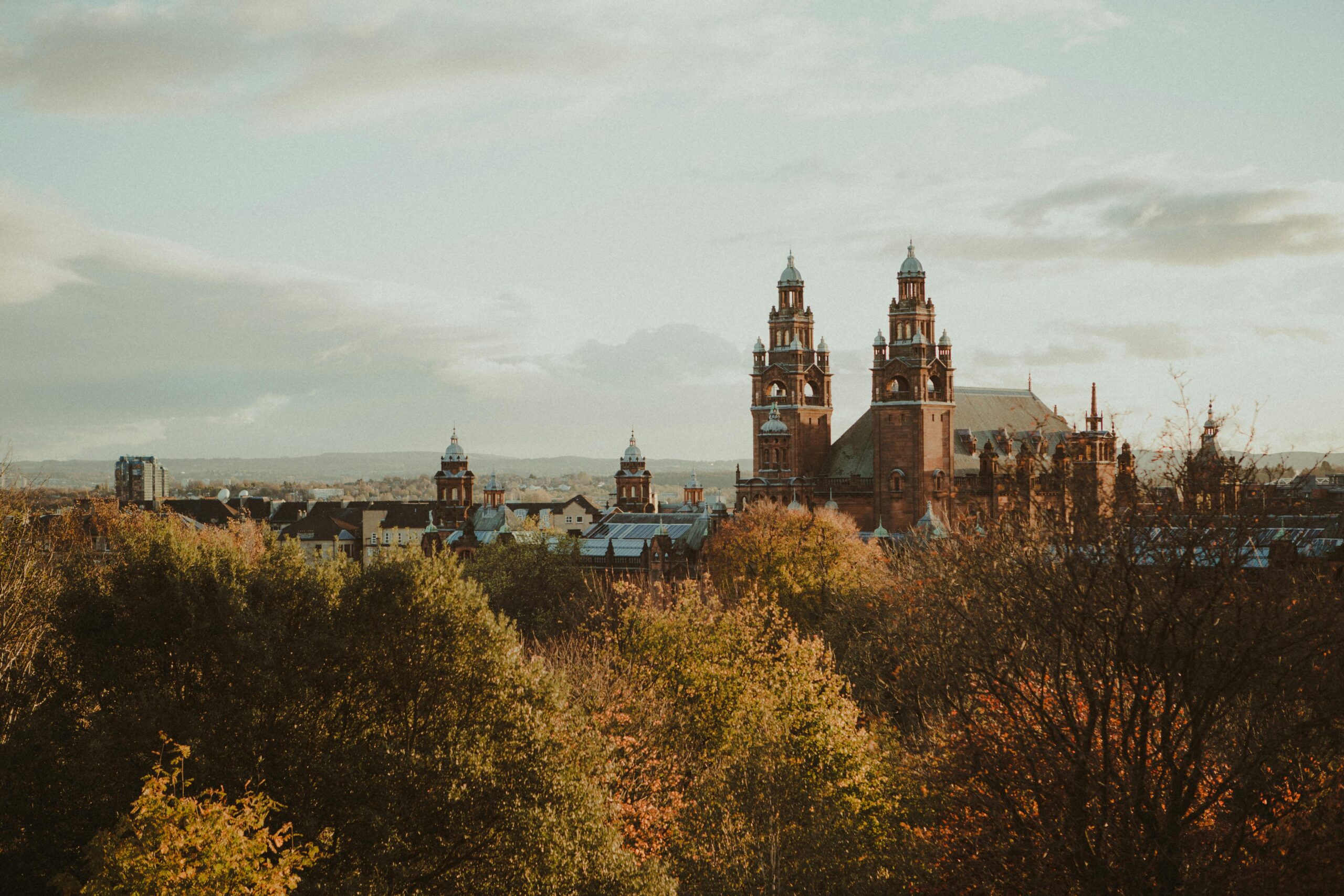
Don’t miss the famous stuffed elephant, the beloved stained glass, and the exceptional collection of works by Scottish colourists. The museum regularly rotates exhibitions and hosts special displays. Free admission to the permanent collection, with some special exhibitions requiring a small fee. Open daily 10am-5pm (11am-5pm Sundays).
The Burrell Collection
Nestled in Pollok Country Park, The Burrell Collection showcases over 9,000 objects amassed by wealthy industrialist William Burrell. The recently renovated building magnificently displays medieval tapestries, Chinese ceramics, Impressionist paintings, and Islamic art. The collection emphasizes quality over quantity, with each piece thoughtfully curated.
The park setting adds to the experience, with Highland cattle grazing and woodland walks surrounding the museum. Free admission, open 10am-5pm daily (11am-5pm Sundays). Allow 2-3 hours to explore properly.
Other Essential Museums
Pro tip: Many museums offer extended hours during the summer months. Pick up a Glasgow Museums & Galleries leaflet for complete information on opening hours and special exhibitions.
2. Historic Landmarks and Architecture: Where History Lives
Glasgow’s architectural heritage spans from medieval times to contemporary innovation. The city’s buildings tell stories of religious devotion, Victorian prosperity, and visionary design.
Glasgow Cathedral
Scotland’s oldest surviving building, Glasgow Cathedral dates to 1136 and stands as one of the finest examples of Scottish Gothic architecture. Remarkably, it survived the Scottish Reformation largely intact, unlike most other medieval churches. The cathedral’s soaring nave, ornate ceiling bosses, and the atmospheric Lower Church create an unforgettable atmosphere.
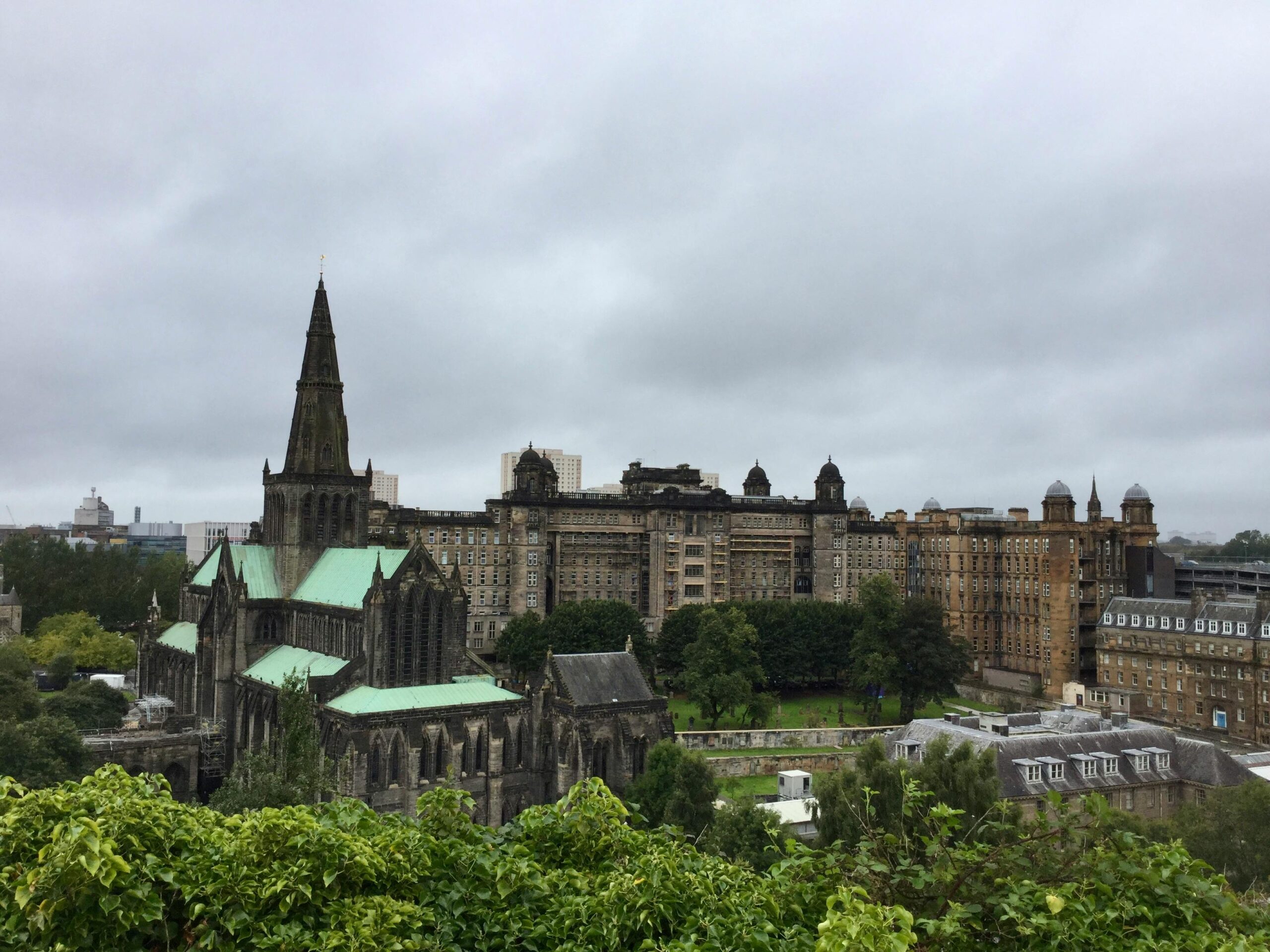
Adjacent to the cathedral stands the Glasgow Necropolis, a Victorian garden cemetery with over 50,000 burials. The hilltop location offers panoramic views across the city. Visitors can freely wander among the elaborate Victorian monuments and tombs, creating a unique historical experience. Allow 1.5-2 hours to explore both the cathedral and necropolis.
Charles Rennie Mackintosh Heritage
Glasgow’s most celebrated architect, Charles Rennie Mackintosh (1868-1928), left an indelible mark on the city. His unique synthesis of Art Nouveau and Scottish baronial styles influenced design worldwide. Essential Mackintosh sites include:
University of Glasgow and George Square
Founded in 1451, the University of Glasgow is Scotland’s second-oldest university. The stunning Gothic Revival campus (built 1870) features dramatic cloisters, a magnificent tower, and beautifully manicured quadrangles. The campus feels transported from Oxford or Cambridge, and its striking architecture has featured in the TV series “Outlander.”
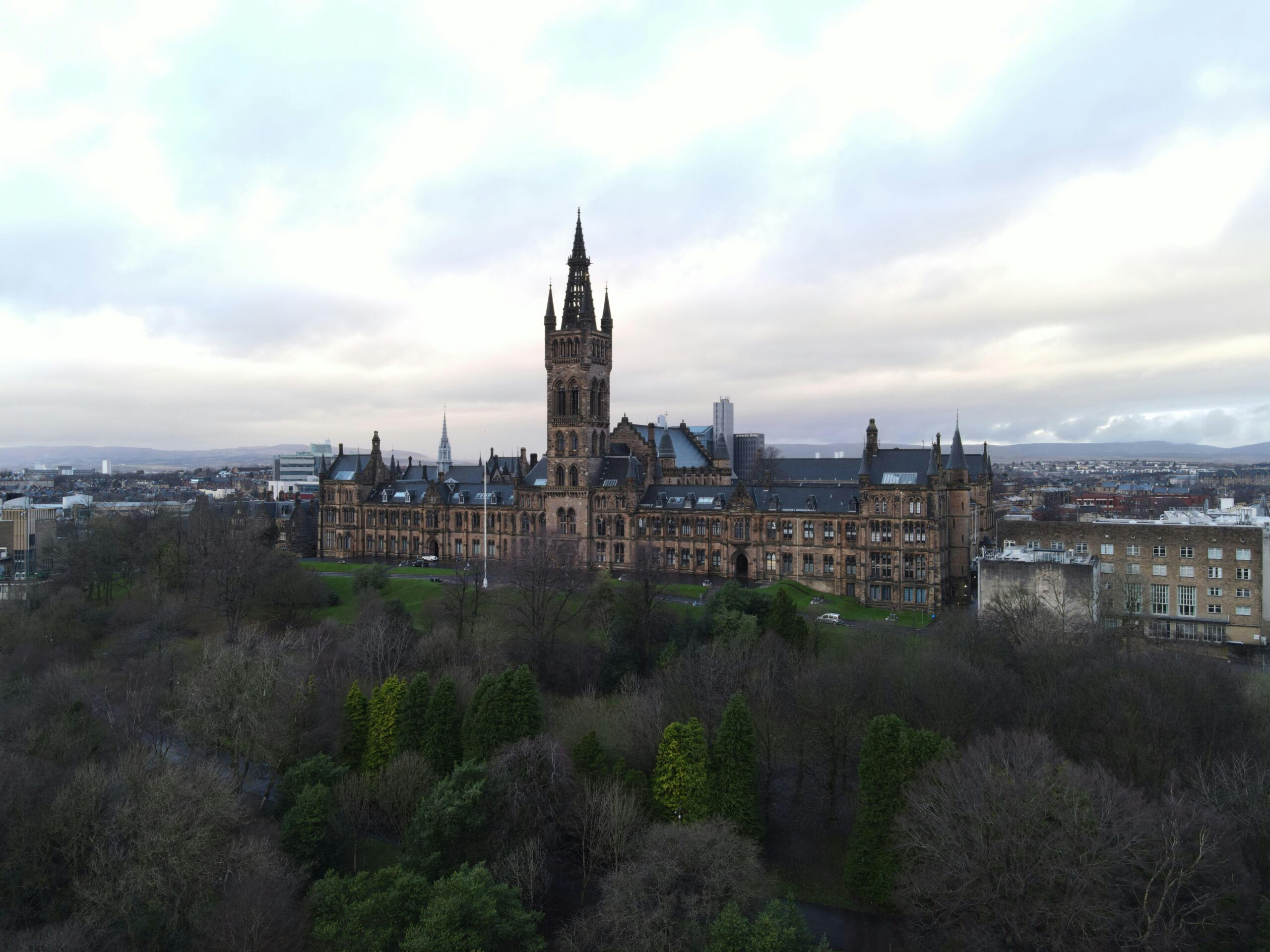
George Square, the civic heart of Glasgow, is surrounded by Victorian architecture and anchored by the ornate City Chambers (1888). The square hosts the Saturday Farmers’ Market and features monuments to Scotland’s greatest figures. The City Chambers’ ornate marble staircase and gilded chambers can be toured (book ahead).
3. Street Art and the Glasgow Mural Trail: Urban Creativity
Glasgow’s street art scene has transformed the city into an open-air gallery. Since 2008, the Glasgow Mural Trail has established over 30 large-scale murals throughout the city, maintained by Glasgow City Council and supported by the local community.

Must-See Murals
Explore the trail self-guided using the downloadable map from the Glasgow Tourism website, or join a guided street art tour for insider knowledge and artist stories. Most tours operate weekends and cost £10-15 per person. Tours run 1.5-2 hours and cover 6-8 major murals.
4. Parks and Green Spaces: Glasgow’s Natural Treasures
Despite its urban character, Glasgow boasts over 90 parks, making it one of Europe’s greenest cities. The parks range from formal Victorian gardens to sprawling country estates.
Kelvingrove Park
Stretching across 85 acres, Kelvingrove Park was designed in 1852 by the legendary Joseph Paxton (designer of the Crystal Palace). The park seamlessly integrates Glasgow’s natural river valley with manicured lawns, ancient trees, and open vistas. The Kelvin Walkway follows the river through the park and connects to other green spaces, creating ideal walking routes.
Glasgow Botanic Gardens
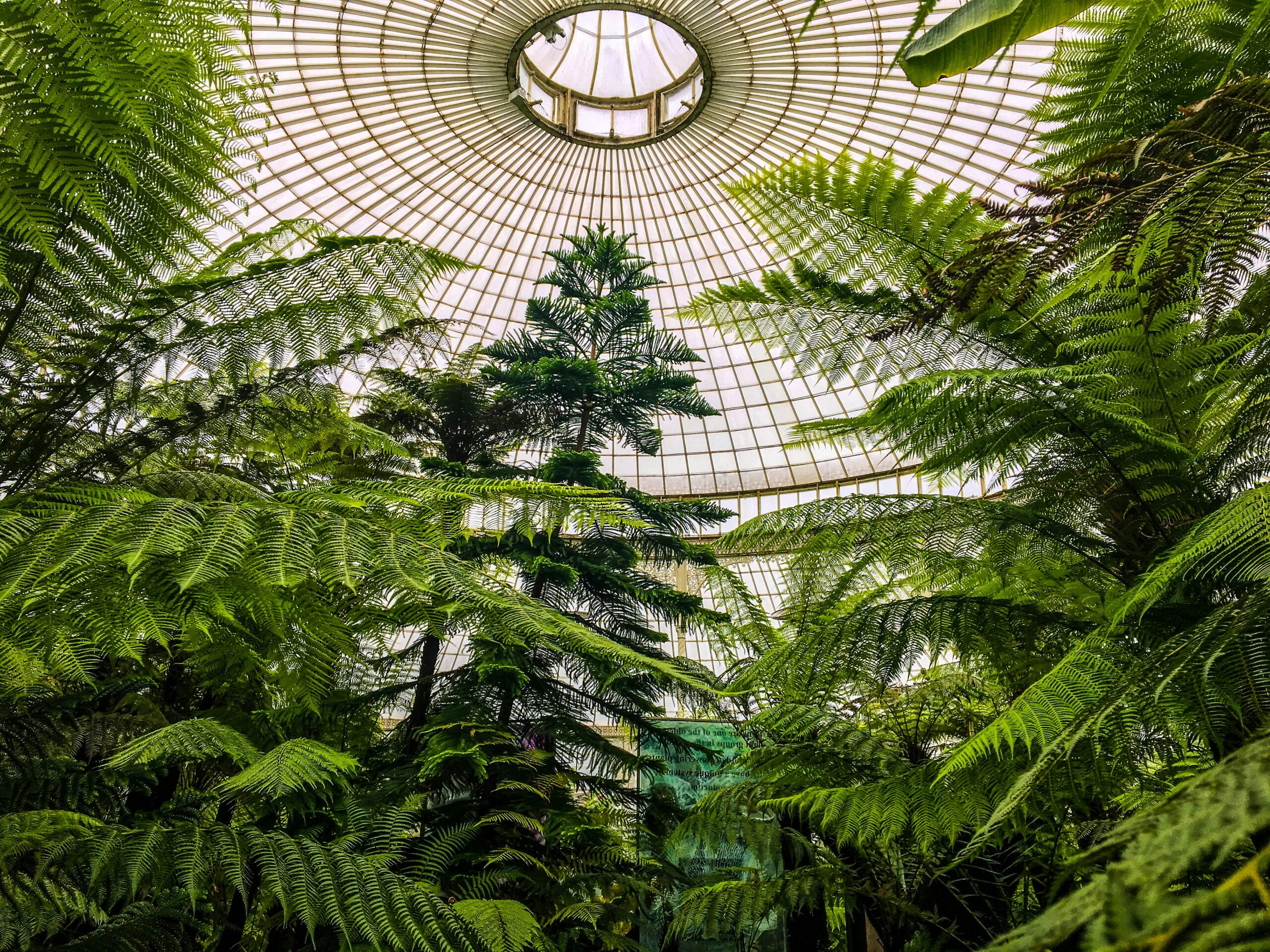
Set across 50 acres, the Botanic Gardens showcase Scotland’s horticultural excellence. The stunning Kibble Palace — a Victorian-era glasshouse — is the highlight, containing exotic ferns, tropical plants, and seasonal displays. The gardens are completely free and provide perfect peaceful refuge from the city centre.
Other Essential Parks
5. Food and Dining: From Curry Capital to Michelin Stars
Glasgow earned the title “Curry Capital of Britain” in 2002, and the city’s relationship with South Asian cuisine defines its identity. Remarkably, Chicken Tikka Masala — now considered Britain’s national dish — was invented here in the 1970s at Shish Mahal restaurant.
Curry Houses and South Asian Dining
The Southside and Merchant City districts contain the highest concentration of curry houses, with prices ranging from budget-friendly £10-12 mains to upscale dining at £15-20+ per course.
Contemporary and Fine Dining
Beyond curry, Glasgow’s food scene has evolved dramatically:
For more dining recommendations, see our detailed Glasgow Food and Dining Guide.
6. Nightlife and Live Music: UNESCO City of Music
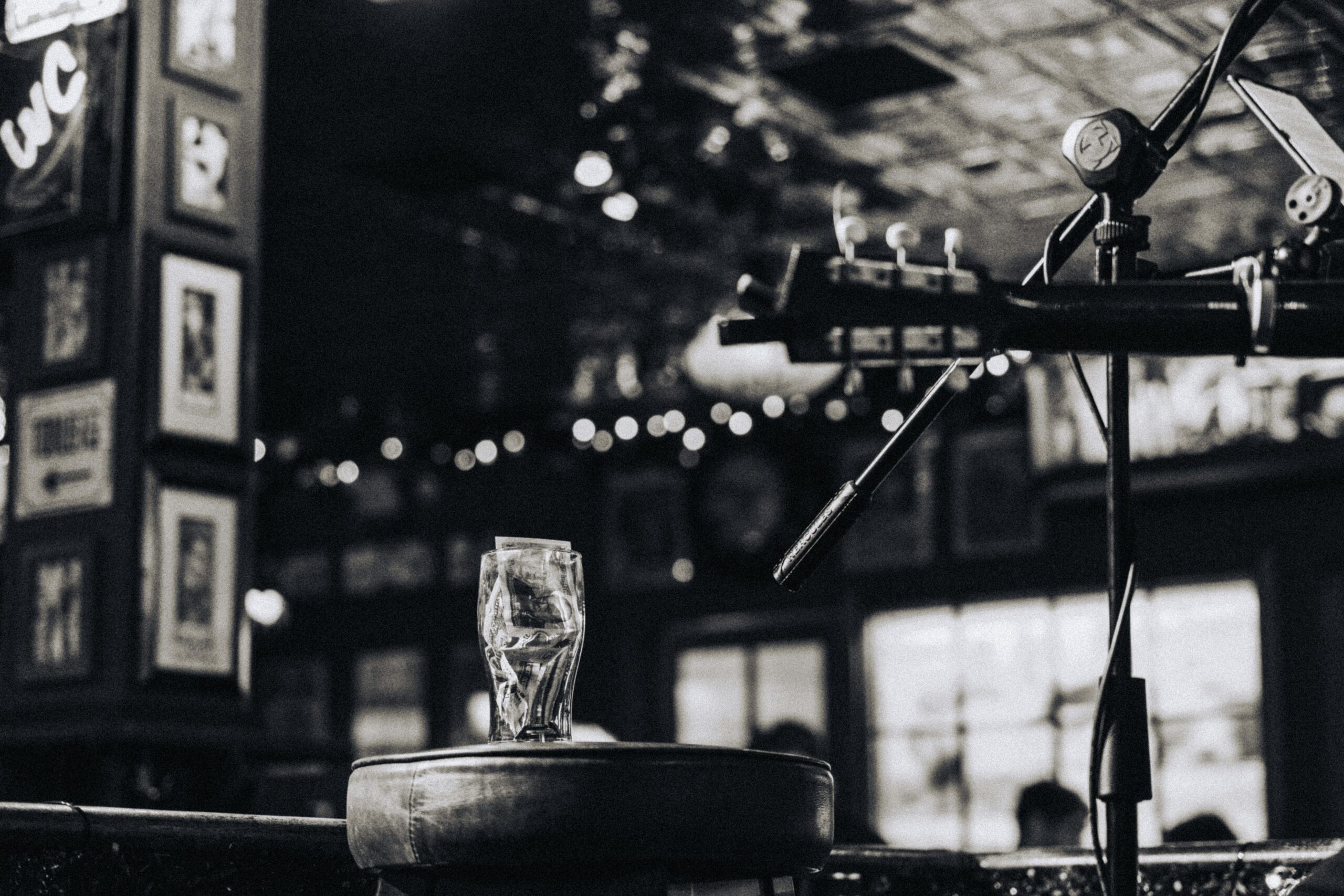
Glasgow earned UNESCO City of Music status in 2008 (the first UK city) in recognition of its unparalleled musical heritage and contemporary scene. Live music isn’t an occasional entertainment — it’s woven into the fabric of the city.
Iconic Live Music Venues
Traditional Music Pubs
Nightlife Districts
For comprehensive nightlife information, see our Glasgow Nightlife and Live Music Guide.
7. Whisky and Brewery Experiences: Scotland’s Spirit
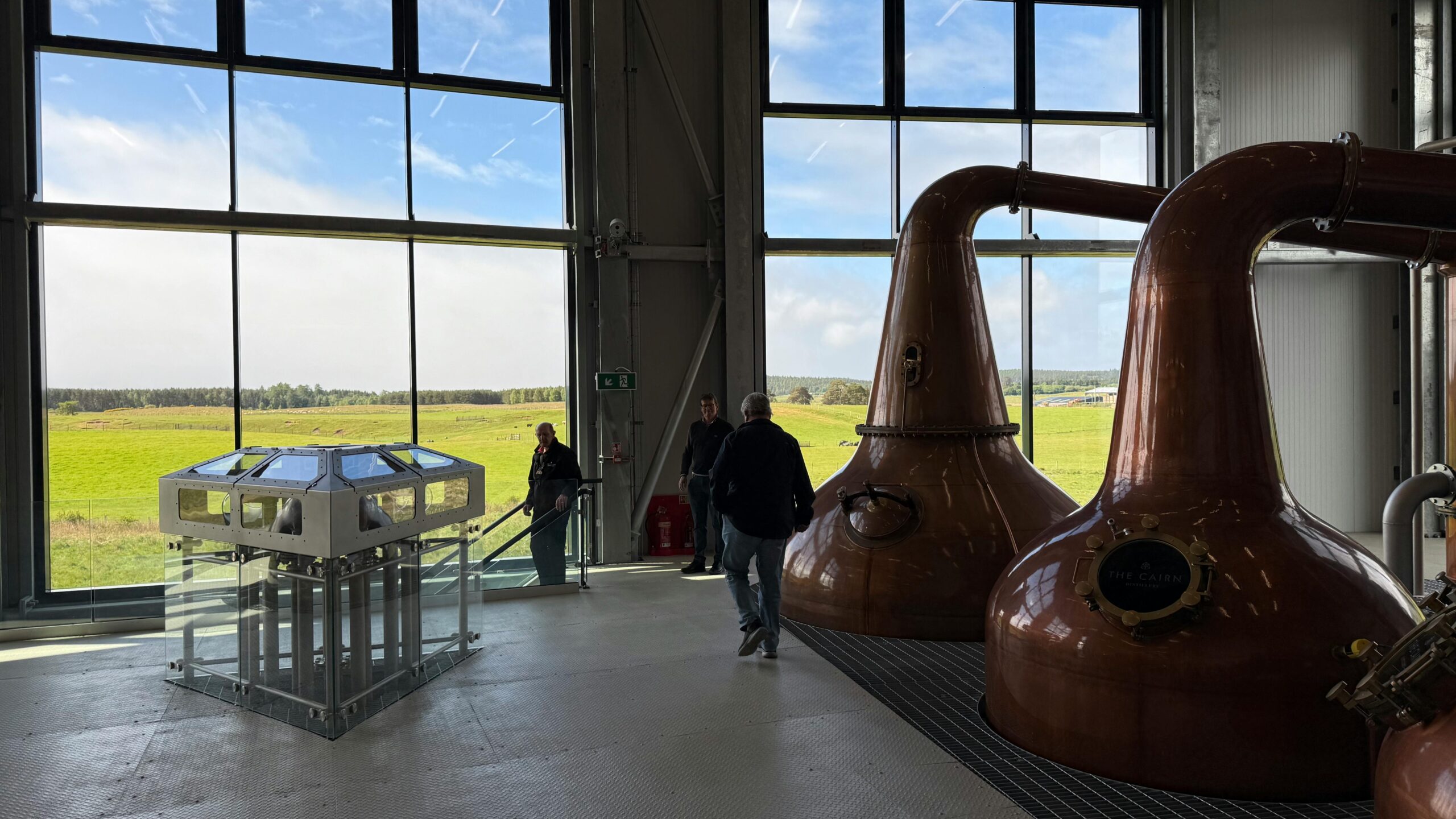
While Glasgow historically focused on blending rather than distillation, the Clydeside Distillery reopened the city’s distillery heritage after over a century. Combined with nearby distilleries and the growing craft beer scene, Glasgow offers excellent spirit-focused experiences.
The Clydeside Distillery
The first distillery to operate in Glasgow for over 100 years, Clydeside combines heritage with modern distilling. Located on the Clyde waterfront with stunning views, the distillery offers tours from £19.50 including spirit tastings. The on-site bar serves cocktails featuring their single malt, and the visitor experience explores Glasgow’s blending heritage.
Whisky Tasting Tours
Nearby Distilleries (Day Trips)
Craft Beer Scene
For detailed experiences, see our Glasgow Whisky and Brewery Tours Guide.
8. Shopping: From The Style Mile to Independent Boutiques
Glasgow’s shopping scene blends high street chains, independent boutiques, vintage treasures, and traditional markets. The city is Scotland’s retail capital outside Edinburgh.
The Style Mile
Glasgow’s famous “Style Mile” consists of three interconnected streets: Buchanan Street — Glasgow’s main shopping thoroughfare with flagship stores and major chains. Argyle Street — Department stores and mid-range retailers. Sauchiehall Street — Mix of high street brands and independent shops. The Buchanan Galleries shopping centre anchors this area, while Princes Square offers upscale boutique shopping in a stunning Victorian setting.
Independent Shopping Districts
Best Souvenirs
For comprehensive shopping information, see our Shopping in Glasgow Guide.
9. Day Trips from Glasgow: Beyond the City
Glasgow’s location makes it an ideal base for exploring Scottish Highlands, lochs, and historic sites. Most destinations are accessible by train or bus within 30 minutes to 2 hours.
Loch Lomond (30-50 minutes)
Scotland’s most famous loch is easily accessible by train to Balloch (50 minutes). Activities include boat cruises on the loch, hiking to scenic viewpoints, visiting the banks where mountains meet water, and exploring quaint villages. Summer weekends get busy, but the loch’s beauty justifies the crowds.
Edinburgh (50 minutes by train)
Scotland’s capital and Glasgow’s rival offers Edinburgh Castle, the Royal Mile, Holyrood Palace, and a completely different character — more historical, more compact, more touristy. Many visitors do both cities in one trip.
Glencoe and the Highlands (1.5-2 hours)
Scotland’s most dramatic mountain scenery. Glencoe’s three sisters mountains create one of the world’s most photographed valleys. Accessible by bus or organized tour. Excellent for hiking, photography, and experiencing Scottish wilderness.
Other Popular Day Trips
Tour operators: Timberbush Tours and Rabbie’s offer small-group day tours with pickup from Glasgow city centre, eliminating transportation hassles.
For detailed information, see our Day Trips from Glasgow Guide.
10. Family-Friendly Activities: Glasgow for All Ages
Most of Glasgow’s best attractions are FREE or very inexpensive, making it exceptionally family-friendly. The city excels at creating engaging experiences for children.
Science and Interactive Museums
Outdoor Activities
Creative Activities
For comprehensive family planning, see our Glasgow with Kids Family Guide.
11. Events and Festivals: Year-Round Entertainment
Glasgow’s event calendar is packed with world-class festivals, concerts, and celebrations. The city particularly shines during January (Celtic Connections) and July (TRNSMT).
Major Annual Events
For detailed event information, see our Glasgow Events and Festivals Guide.
12. Getting Around Glasgow: Efficient and Affordable
Glasgow is highly walkable, with excellent public transport making it easy to explore without a car.
The Glasgow Subway
The third oldest underground system in the world, Glasgow’s Subway is quirky, charming, and incredibly efficient for getting around. The circular route includes 15 stations serving main attractions. A single journey costs £1.55, while a day ticket is just £3. The vintage rolling stock and quick journey times make every trip feel like a small adventure.
Bus Network
First Bus operates Glasgow’s extensive bus network with frequent services to all areas. Day tickets offer excellent value and unlimited travel. Buses connect to attractions the Subway doesn’t reach.
Train Connections
Other Transport Options
For detailed transport information, see our Getting Around Glasgow Guide.
13. Practical Tips for Visiting Glasgow
Best Time to Visit
Weather and Packing
Glasgow has a temperate maritime climate with: – Frequent rain (pack waterproof jacket) – Cool temperatures (even summer averages 19°C) – Variable weather (layers are essential) – Occasional snow in winter
Budget Tips
Safety and Practical Information
Glasgow vs Edinburgh: Which to Visit?
Glasgow: Edgier, more creative, excellent food and music scene, street art, contemporary art, fewer tourists, better value. Edinburgh: Historic castle, royal palace, more compact medieval Old Town, more touristy, more expensive, dominated by one dramatic landmark. Recommendation: Both are different enough to justify visiting both. Many visitors dedicate 3-4 days to Glasgow and 2-3 days to Edinburgh.
How Many Days Do You Need?
For detailed travel planning, see our Complete Glasgow Travel Guide.
Frequently Asked Questions
What are the best free things to do in Glasgow?
Glasgow excels at free attractions. Kelvingrove Art Gallery and Museum (8,000+ objects, 22 galleries), Riverside Museum (transport history), Gallery of Modern Art, People’s Palace, and The Burrell Collection are all completely free. Outdoor attractions include: Glasgow Green (historic park with Doulton Fountain), Glasgow Botanic Gardens (50 acres, Kibble Palace Victorian glasshouse), Kelvingrove Park (85 acres designed by Joseph Paxton), Queen’s Park (panoramic city views), and the Glasgow Mural Trail (30+ street art pieces). Add Glasgow Cathedral (donations welcome), the University of Glasgow campus, George Square, and the Necropolis cemetery for additional free exploration.
How many days do you need in Glasgow?
Minimum 2-3 days allows coverage of major museums, landmarks, and neighborhoods. However, 4-5 days is ideal for a comprehensive experience including street art trail, parks, multiple neighborhoods, and nightlife without feeling rushed. Add 5-7 days if including day trips to Loch Lomond, the Highlands, or Edinburgh.
Is Glasgow worth visiting?
Absolutely. Glasgow consistently impresses first-time visitors with its creative energy, exceptional museums (many free), world-class food scene, live music heritage, and genuine character. The city punches well above its weight in cultural offerings and authenticity. With 4.72 million overnight visitors annually and repeat visitors praising the experience, Glasgow has proven itself as one of Scotland’s premier destinations.
What is Glasgow best known for?
Glasgow is best known for several defining characteristics: UNESCO City of Music status (2008), Charles Rennie Mackintosh architecture, street art and vibrant creativity, “Curry Capital of Britain” designation, historic shipbuilding heritage on the Clyde, world-class free museums, and a vibrant nightlife and live music scene. The city also pioneered many innovations in industrial design and continues as a creative powerhouse.
Is Glasgow safe for tourists?
Yes, Glasgow is generally safe for tourists. The city centre, West End, Merchant City, and areas around major attractions see regular police presence and have good safety records. Like any urban area, standard precautions apply: avoid very late night solo walks in isolated areas, keep valuables secure, and stay aware of surroundings. The vast majority of visitors experience Glasgow without any safety concerns.
What is the best time to visit Glasgow?
June through September offers the best weather with average summer temperatures around 19°C and longest daylight hours. However, different times appeal to different interests: January (Celtic Connections) for world-class winter music festival, July (TRNSMT and Commonwealth Games 2026) for major festivals and summer energy, shoulder seasons (April-May, October-November) for pleasant weather with fewer crowds. Winter is beautiful but wet and cold.
How do I get from Glasgow Airport to the city centre?
Glasgow Airport is just 15 minutes from the city centre. Options include: Bus: Glasgow Airport Express bus runs every 15 minutes (£8, 15 min journey). Taxi: Approximately 15-20 minutes, £20-30 depending on traffic. Rental Car: Not recommended due to parking challenges in the city centre. The bus option is most economical; taxis are convenient if arriving with luggage.
Can you do a day trip from Glasgow to Edinburgh?
Yes, absolutely. Trains run frequently from Queen Street Station (50 minutes, £15-25). A full day trip is feasible, allowing 4-5 hours in Edinburgh for Edinburgh Castle, Royal Mile, Holyrood Palace, and walking the highlights. Many visitors spread both cities across a longer trip rather than rushing a single day trip. Both cities deserve dedicated time to appreciate their different characters.
What food is Glasgow famous for?
Glasgow is famous as the “Curry Capital of Britain” since 2002. Remarkably, Chicken Tikka Masala (now considered Britain’s national dish) was invented at Glasgow’s Shish Mahal restaurant in the 1970s. Beyond curry, the city is known for: Contemporary Scottish cuisine (Finnieston restaurants), excellent fine dining (Michelin-starred options), vibrant street food scene, traditional Scottish fare (haggis, cullen skink, cranachan), and West End brunch culture. Glasgow’s food scene has evolved dramatically from its curry roots.
Is Glasgow better than Edinburgh?
Different, not better — both cities offer distinct experiences. Glasgow excels at creative energy, food, street art, value, and authentic character. Edinburgh dominates in historic landmarks, compact Old Town wandering, and dramatic castle scenery. First-time visitors to Scotland benefit from experiencing both. Glasgow appeals to culture, food, and music enthusiasts; Edinburgh appeals to history and castle lovers. Most repeat visitors prefer Glasgow’s character, though Edinburgh’s castle is Scotland’s most iconic sight.
Conclusion: Your Glasgow Adventure Awaits
Glasgow is Scotland’s most dynamic destination, offering an intoxicating blend of world-class culture, exceptional creativity, outstanding food, and genuine character that Edinburgh simply cannot match. From the moment you experience the friendly locals and creative energy of the city centre, you’ll understand why Glasgow holds 4.72 million overnight visitors annually and inspires fierce devotion from those who know the city.
Whether you’re spending two days hitting the essential museums and highlights or a full week diving deep into neighborhoods, festivals, day trips, and the legendary nightlife, Glasgow delivers unforgettable memories. The combination of free world-class attractions, exceptional food at every price point, incredible live music venues, and authentic Scottish character makes Glasgow an exceptional value compared to other European cities.
This comprehensive guide is just the beginning. We’ve created detailed companion guides covering every aspect of visiting Glasgow — from food and nightlife to shopping and day trips. Check out our complete collection of Glasgow guides and resources to dive deeper into specific interests.
Bookmark this guide, share it with travel-planning friends, and get ready to experience Scotland’s vibrant heart. Glasgow is waiting.