This article contains advertising. Our booking links are routed through a partner that adds commission tracking automatically, so if you book through one we earn a commission from the provider, at no extra cost to you. It never affects what we recommend. Affiliate disclosure
Day trips from Glasgow open up some of Scotland’s most spectacular scenery. Glasgow’s central location makes it one of the best base cities in Scotland for exploring the country’s most spectacular landscapes, historic castles, and island escapes. Within two hours of the city centre, you can be standing on the shores of Loch Lomond, Scotland’s largest loch by surface area, exploring a medieval fortress, hiking through one of Europe’s most dramatic mountain valleys, or stepping off a ferry onto an island that locals call ‘Scotland in Miniature.’
From the bonnie banks of Loch Lomond — about 50 minutes by train — to the snow-dusted peaks of Glencoe, the literary streets of Edinburgh, and the iconic Glenfinnan Viaduct made famous by the Harry Potter films, the day trip options from Glasgow are remarkably varied. Whether you’re travelling by train, bus, car, or guided tour, this complete guide covers every essential destination with honest recommendations, practical travel details, and insider tips to help you make the most of your time in Scotland.
Before you head out, make sure you’ve explored Glasgow itself — the city’s attractions, world-class museums, and incredible food scene deserve at least a couple of full days.
Day Trips from Glasgow: Table of Contents
- Loch Lomond & The Trossachs
- Edinburgh: Scotland’s Capital
- Stirling: Scotland’s Historic Heart
- Glencoe & The Highlands
- Isle of Arran: Scotland in Miniature
- Glenfinnan Viaduct & The Jacobite Steam Train
- Ayrshire Coast & Robert Burns Country
- Loch Ness & Inverness
- More Day Trip Ideas
- How to Get Around: Transport Guide
- Guided Tour Options
- Planning Tips & Best Times to Visit
- Day Trips from Glasgow: Frequently Asked Questions
Loch Lomond & The Trossachs
If you only have time for one day trip from Glasgow, make it Loch Lomond. Scotland’s largest loch by surface area sits at the heart of the Loch Lomond and The Trossachs National Park, a vast expanse of mountains, forests, and water within easy reach of Glasgow city centre. It’s the closest wilderness escape from the city and arguably the most rewarding.
Getting There
The easiest route is the ScotRail train from Glasgow Queen Street to Balloch, which takes about 50 minutes; check ScotRail’s timetable for the day’s departures. A return ticket costs around £7–8. If you’re driving, take the A82 to Balloch, then continue north along the loch’s western shore towards Luss, Tarbet, and Ardlui for more remote scenery. Citylink buses also serve the area.
What to Do
At Balloch, Loch Lomond Shores offers a visitor centre, aquarium, and waterfront restaurants, but the real attraction is the loch itself. Sweeney’s Cruises — operating since 1880 — run one-hour scenic cruises from around £18 per person, gliding past wooded islands with views of Ben Lomond rising to 974 metres on the eastern shore. For something more active, hire a kayak or paddleboard at the Loch Lomond Water Sports Centre.
The pretty conservation village of Luss, a short drive north of Balloch, has stone cottages, a pebble beach, and a pier with boat trips to the loch’s islands. Further north, the Trossachs area offers outstanding walking — the short but steep climb up Conic Hill from Balmaha rewards you with sweeping views across the loch’s island-studded southern reaches to the Highland peaks beyond.
Ben Lomond itself is the most southerly Munro (Scottish mountain over 3,000 feet) and a popular full-day hike. The Ptarmigan Ridge path from Rowardennan is the steeper and more difficult route, particularly higher up. Rowardennan is reached by road, or in summer by the waterbus across the loch from Luss; check Cruise Loch Lomond’s site for the season’s sailings.
Edinburgh: Scotland’s Capital
Edinburgh needs no introduction, but it’s worth emphasising how easy it is to visit from Glasgow. The two cities are close neighbours, and direct trains link their main stations, so this is one of the easiest day trips you can make.
Getting There
ScotRail trains run from Glasgow Queen Street to Edinburgh Waverley throughout the day, and the fastest, via Falkirk High, take about 50 minutes. How often they run changes with the time and day, so check the timetable for your journey. A return costs about £16.80, the same whatever time you travel, since ScotRail abolished peak fares in September 2025. The Citylink bus is cheaper (from £8 return) but takes about 75 minutes. If driving, the M8 motorway connects the cities in about an hour, though Edinburgh parking can be expensive and limited.
What to See in a Day
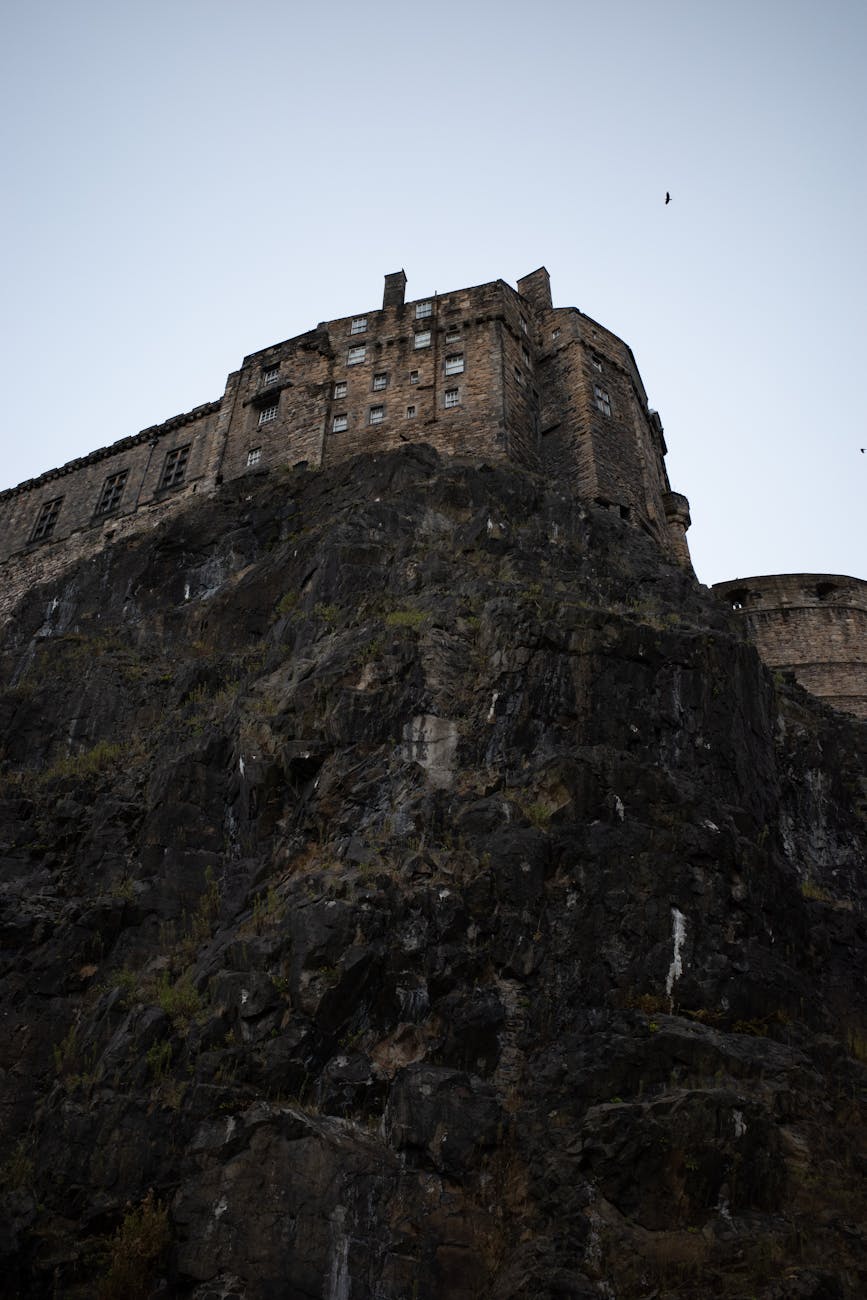
Edinburgh is enormous, so a day trip requires prioritising. The classic route starts at Edinburgh Castle — perched on its volcanic rock and offering panoramic views of the city — then walks down the Royal Mile through the atmospheric Old Town to the Palace of Holyroodhouse, the official Scottish residence of the monarchy. Along the way you’ll pass St Giles’ Cathedral, the Writers’ Museum, and countless closes (narrow alleyways) hiding hidden courtyards and stories.
If weather permits, the climb up Arthur’s Seat (the ancient volcano in Holyrood Park) takes roughly 30 to 45 minutes depending on your route, and the views over Edinburgh from the top are excellent. For shopping and dining, the New Town’s George Street and the independent boutiques of Stockbridge offer a different character to the tourist-heavy Royal Mile. The Scottish National Gallery on The Mound is free and houses masterworks by Raeburn, Ramsay, and the Scottish Colourists alongside Impressionist paintings.
Edinburgh Castle adult tickets cost £23.50 online or £26 at the gate (book online to avoid queues), while Holyroodhouse is £22 in advance or £26 on the day. If you plan to visit multiple attractions, the Edinburgh Explorer Pass can save money.
Stirling: Scotland’s Historic Heart
Stirling sits at the geographic and strategic heart of Scotland, and for centuries it was the key to controlling the country. Two of Scotland’s most important battles — Stirling Bridge (1297) and Bannockburn (1314) — were fought here, and the hilltop castle served as a royal palace for generations of Stewart monarchs. For history lovers, Stirling is the single most rewarding day trip from Glasgow.
Getting There
Stirling is the closest major destination on this list. ScotRail trains from Glasgow Queen Street take just 30 minutes, running every 30 minutes, with returns from around £10–12. By car, it’s a short drive up the M80. The compact town centre is easily walkable from the station.
Stirling Castle
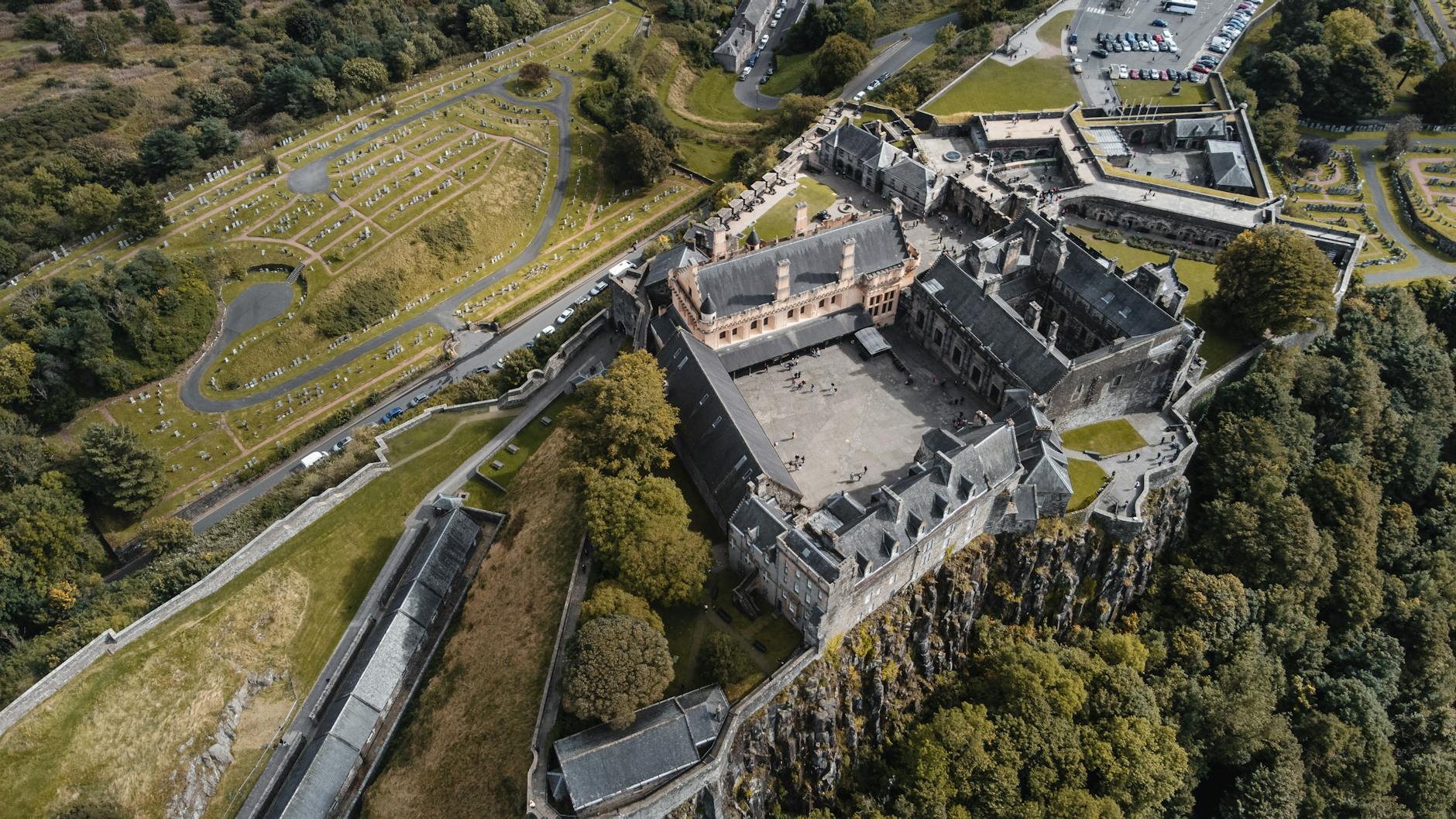
Stirling Castle is arguably Scotland’s grandest castle. Perched on a rocky crag high above the surrounding plain, it commands views across the Forth Valley to the Highlands. The Great Hall was built by James IV as a banqueting hall for the royal court. The restored Royal Palace features vivid recreations of 16th-century interiors complete with tapestries, painted ceilings, and period furnishings. Mary Queen of Scots was crowned here in 1543 at the age of nine months. Adult admission is approximately £18.50, and you should allow two to three hours for a thorough visit.
The National Wallace Monument
Standing on the summit of Abbey Craig, the Wallace Monument commemorates William Wallace’s victory at the Battle of Stirling Bridge in 1297. The 246-step climb to the crown of the tower is rewarded with 360-degree panoramic views. Inside, you’ll find the Wallace Sword, a two-handed broadsword 1.68 metres long that tradition links to Wallace himself, and interactive displays about Scotland’s Wars of Independence. Adult tickets (16 and over) cost £12.20.
The Battle of Bannockburn
Just south of Stirling, the Bannockburn battlefield marks Robert the Bruce’s decisive victory over the English army of Edward II in 1314. The visitor centre and its battle experience are closed for renovation until further notice, but the outdoor site stays open and is free to visit, and the iconic bronze statue of Robert the Bruce on horseback still overlooks the battlefield. The site is managed by the National Trust for Scotland, which posts reopening news for the centre.
Glencoe & The Highlands
For sheer dramatic grandeur, nowhere in Britain matches Glencoe. This ancient valley in the western Highlands, carved by glaciers and steeped in tragedy, is the landscape that appears on every ‘Visit Scotland’ poster — and it lives up to every photograph. The drive from Glasgow takes around two hours, making it a feasible (if long) day trip, especially if combined with other stops along the way.
Getting There
By car, take the A82 northwest from Glasgow through Loch Lomond-side and over Rannoch Moor — one of Scotland’s most atmospheric drives. The journey to Glencoe village takes approximately two hours. Without a car, Citylink buses run from Glasgow Buchanan Bus Station to Glencoe (from £15 each way; check Citylink’s timetable for journey times), or you can join a guided day tour that handles all the transport.
What to See and Do
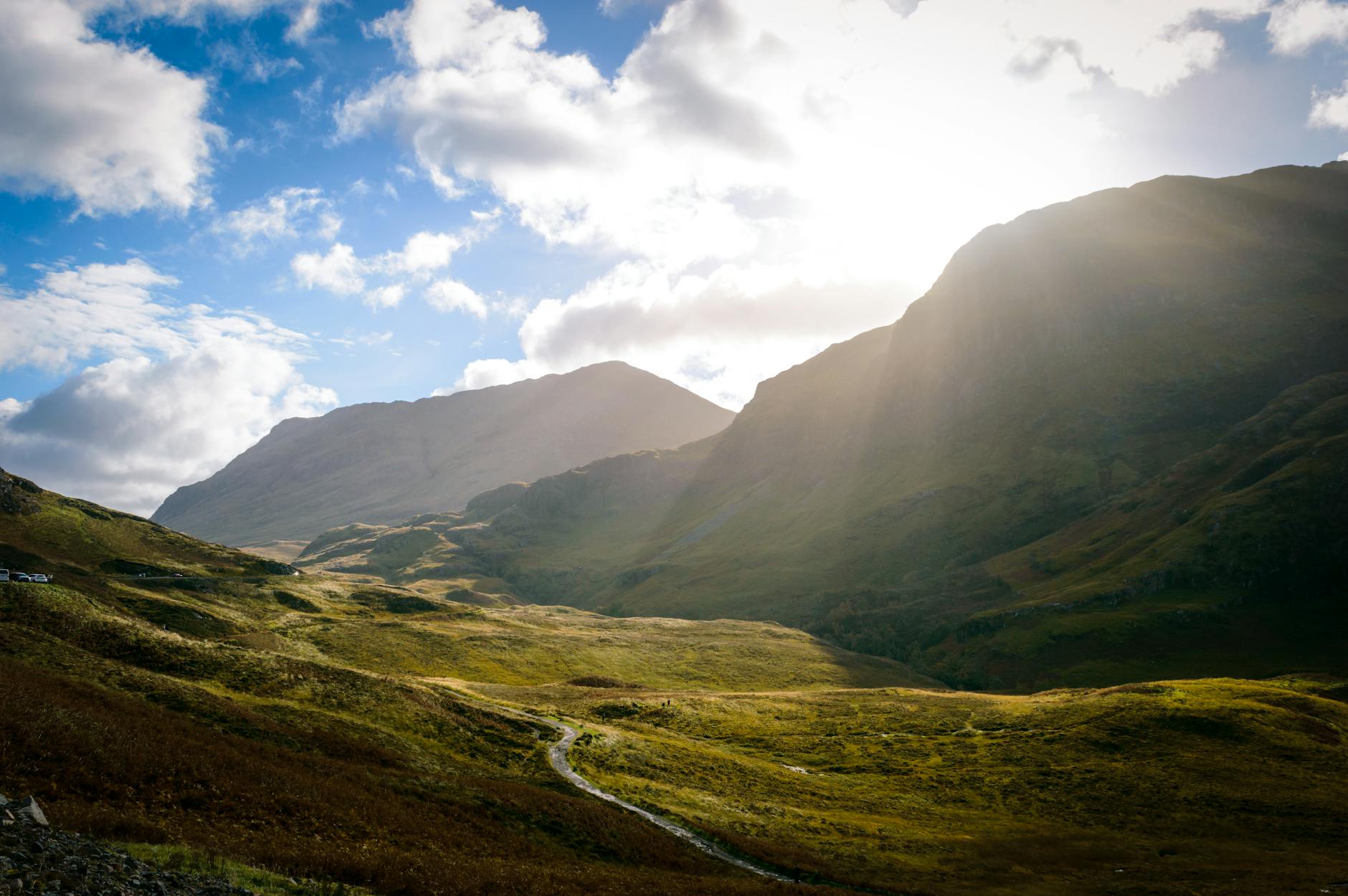
The valley of Glencoe is dominated by the Three Sisters — three imposing ridges that descend from the 1,150-metre summit of Bidean nam Bian. The Three Sisters viewpoint car park off the A82 is the classic photography spot, and from here you can hike into the Lost Valley (Coire Gabhail), a hidden hanging valley that once served as a cattle-rustling hideout for the MacDonald clan. The walk takes around two to three hours return and involves some scrambling over boulders, but the payoff — a vast, hidden meadow surrounded by towering cliffs — is extraordinary.
For gentler walks, the Glencoe Lochan trail near the village offers a peaceful 1-mile (1.6 km) circular route around an artificial loch framed by mountains; allow about half an hour. The Glencoe Visitor Centre (National Trust for Scotland) has exhibitions on the valley and the infamous Massacre of Glencoe in 1692, when 38 members of the MacDonald clan were murdered by government soldiers who had been their guests.
If you’re driving, consider stopping at the Green Welly Stop in Tyndrum on the way (a beloved Scottish road trip institution for tea and cake) and the Bridge of Orchy Hotel for views of the Highlands unfolding before you.
Isle of Arran: Scotland in Miniature
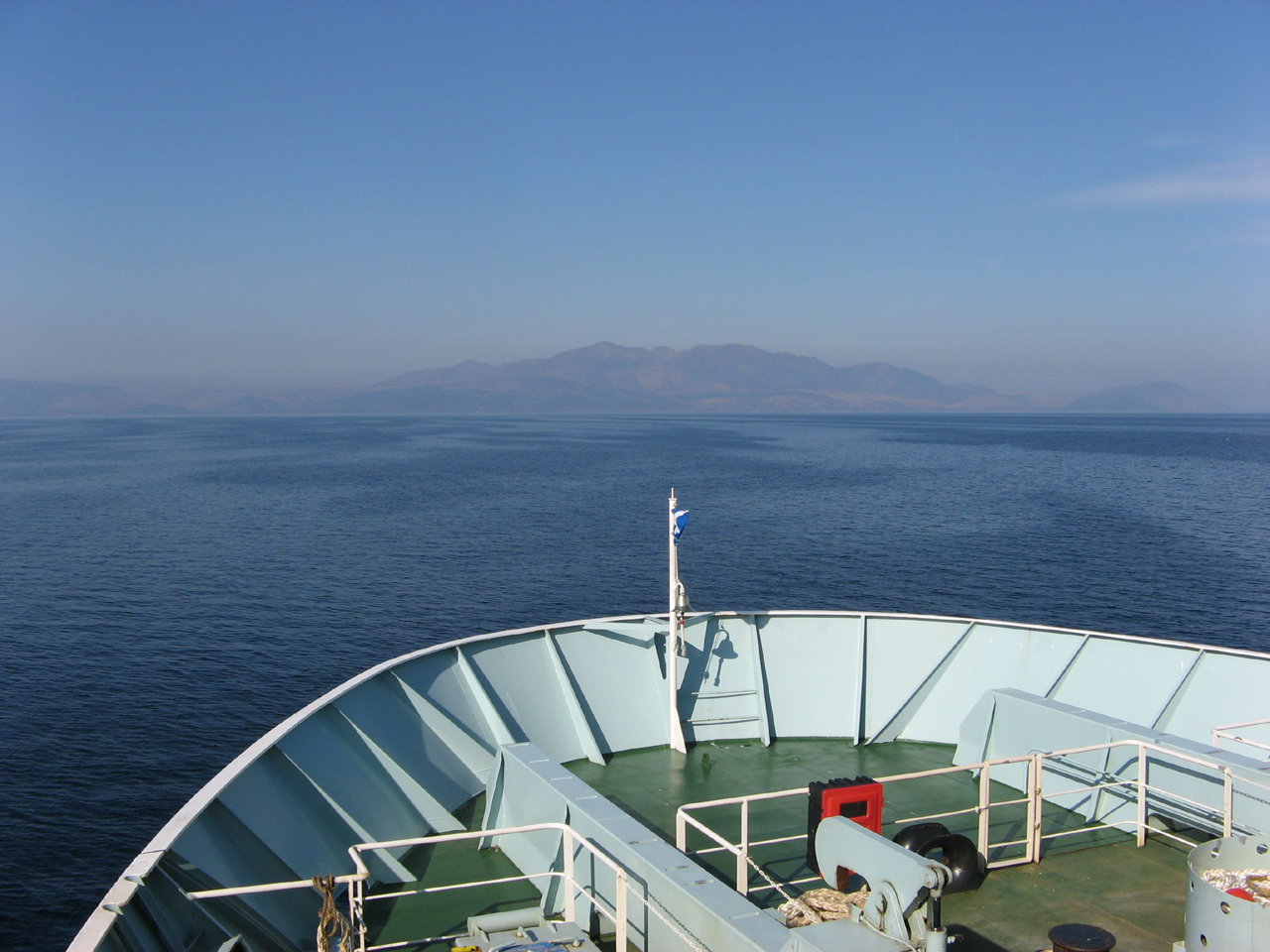
The Isle of Arran, floating in the Firth of Clyde off Scotland’s west coast, packs an astonishing amount of scenery into its 167 square miles. The north is rugged and mountainous — resembling the Highlands — while the south is gentler rolling farmland reminiscent of the Lowlands. This extraordinary compression of landscapes earned Arran its nickname: Scotland in Miniature. Our complete guide to an Arran day trip sets out the ferry timings, the climb up Goat Fell and where to eat in Brodick.
Getting There
Take the train from Glasgow Central to Ardrossan Harbour (about 45 minutes), then the CalMac ferry to Brodick on Arran (approximately one hour). The total journey takes around two hours each way, so an early start is essential for a day trip. CalMac ferries run several times daily; book in advance during summer. If driving, you can take your car on the ferry (book well ahead in peak season) or explore the island by the local bus service, which covers the main coastal road.
What to See
Brodick Castle, the ancestral seat of the Dukes of Hamilton, sits in beautiful grounds with a walled garden, woodland trails, and views across Brodick Bay to the Goatfell mountain ridge. Goatfell itself (874 metres) is Arran’s highest peak and a popular climb — the ascent starts from Brodick, and on a clear day the summit views are worth every step.
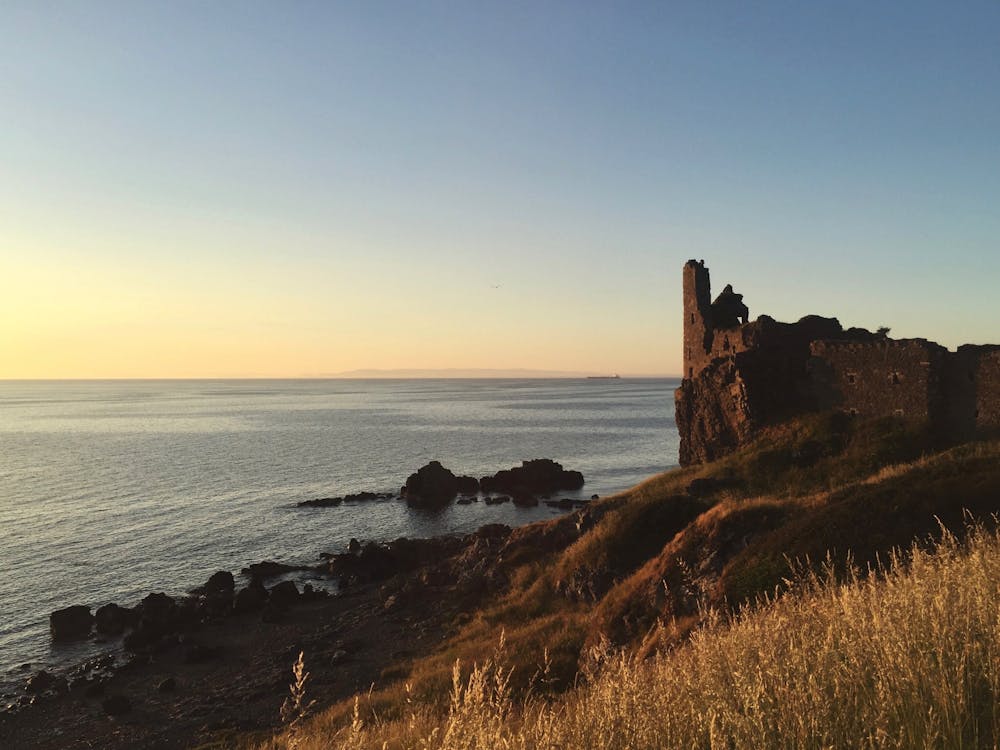
The village of Lochranza on the north coast is home to a ruined medieval castle and the Isle of Arran Distillery, where you can tour the whisky-making process and sample single malts. At the south end of the island, the newer Lagg Distillery offers a contrasting experience. For food lovers, the island is renowned for its artisan producers — Arran Cheese, Arran Aromatics, and the Arran Brewery are all worth a stop. The Machrie Moor stone circles, raised around 4,000 years ago, are one of Scotland’s most atmospheric prehistoric sites.
Glenfinnan Viaduct & The Jacobite Steam Train
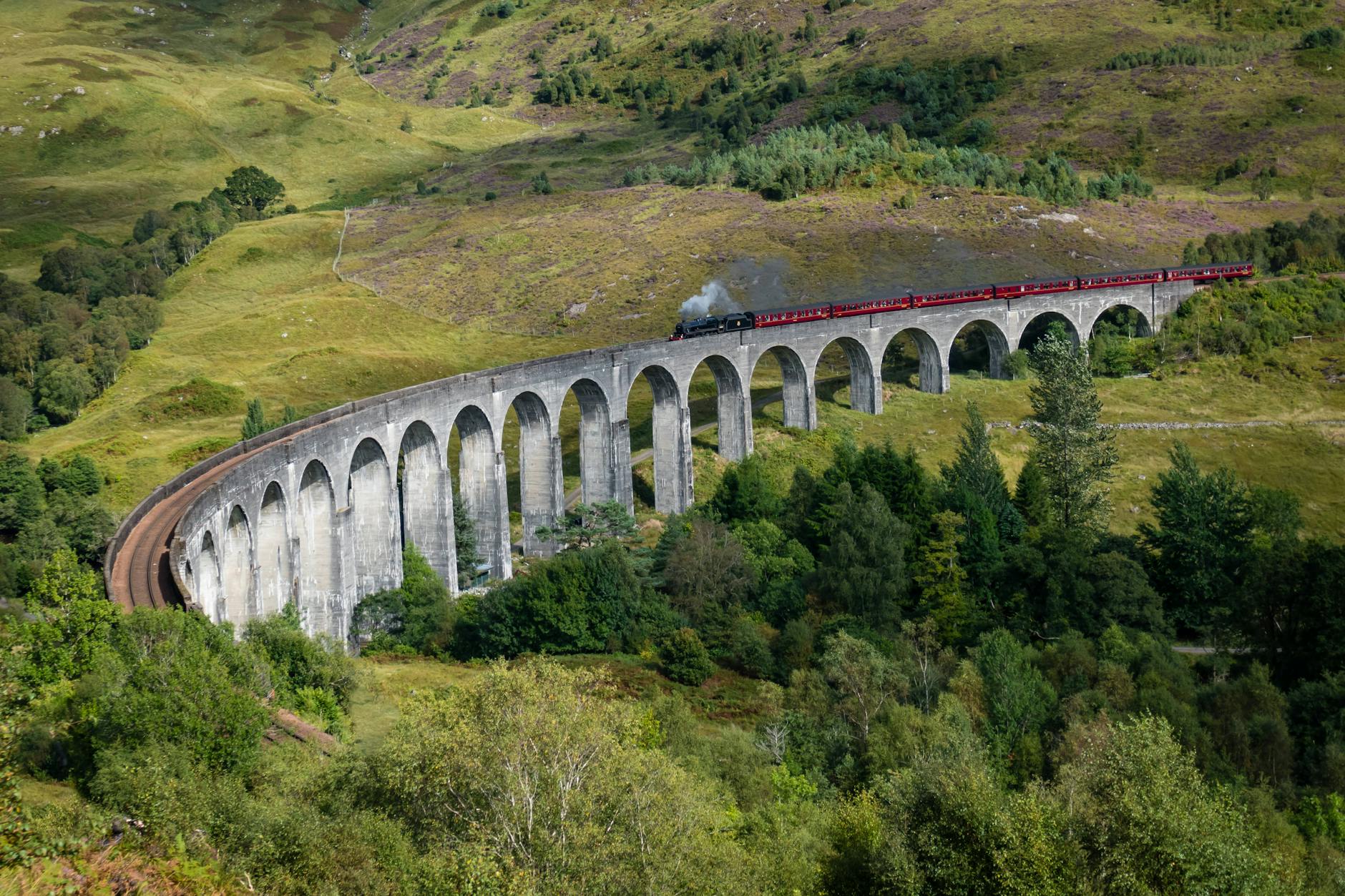
The 21-arched Glenfinnan Viaduct curves gracefully across a Highland valley, with Loch Shiel stretching into the distance. It achieved global fame as the route of the Hogwarts Express in the Harry Potter films, and watching a steam train cross it remains one of Scotland’s most magical experiences.
Getting There
Glenfinnan lies about 2.5 hours northwest of Glasgow by car, on the A830 ‘Road to the Isles’ between Fort William and Mallaig. Without a car, you can take the ScotRail train from Glasgow Queen Street to Fort William along the West Highland Line (journey times vary by service, so check the train you plan to catch) and then continue by bus or the Jacobite steam train to Glenfinnan. Guided day tours from Glasgow are also available and typically combine Glenfinnan with Glencoe and Fort William.
The Jacobite Steam Train
The Jacobite runs seasonally from Fort William to Mallaig, crossing the Glenfinnan Viaduct in both directions. West Coast Railways’ timetable lists departures from Fort William at 10:10am and 12:50pm; check its site for the dates each service runs before you plan around either train. Tickets sell out weeks or months in advance during summer, so early booking is essential. If you can’t get tickets, you can still watch the train cross the viaduct from the well-signposted viewpoint near the Glenfinnan Monument car park — arrive at least 30 minutes before the train is due.
Glenfinnan Monument
At the head of Loch Shiel, the Glenfinnan Monument marks the spot where Bonnie Prince Charlie raised his standard in 1745 to begin the Jacobite Rising. The National Trust for Scotland visitor centre tells the story of the ’45 and its aftermath. The surrounding scenery — the still waters of the loch framed by dark mountains — is hauntingly beautiful.
Ayrshire Coast & Robert Burns Country
South of Glasgow, the Ayrshire coast offers sandy beaches, dramatic cliff-top castles, and deep connections to Scotland’s national poet, Robert Burns. It’s a gentler, less touristed day trip than the Highland options, and perfect for literary enthusiasts, golfers, and anyone who wants coastal scenery without the mountain drama. For the full route south, our Ayrshire coast and Burns Country guide maps out Alloway, Culzean, the fishing village of Dunure and the views across to Ailsa Craig.
Robert Burns Birthplace Museum
In the town of Alloway, about an hour south of Glasgow, the Robert Burns Birthplace Museum is the definitive attraction for admirers of Scotland’s most celebrated poet. The complex includes the thatched cottage where Burns was born in 1759, an excellent modern museum housing thousands of his personal artefacts and manuscripts, the atmospheric Alloway Auld Kirk (featured in his poem Tam o’ Shanter), and the iconic Brig o’ Doon — the bridge over which Tam famously escapes the witches. Managed by the National Trust for Scotland, adult admission is £12 (£13.20 with an optional 10% donation), and members get in free.
Culzean Castle
Perched dramatically on Ayrshire’s clifftop coastline, Culzean Castle (pronounced ‘Cull-ain’) is one of Scotland’s most spectacular stately homes. Designed by Robert Adam in the late 18th century, the castle sits in almost 600 acres of grounds, with woodland walks and adventure play areas. It’s managed by the National Trust for Scotland, with current admission prices on the National Trust for Scotland’s website.
Loch Ness & Inverness
Loch Ness and Inverness are at the outer edge of what’s feasible as a day trip from Glasgow — Inverness is several hours away by car or train — but guided day tours make it manageable if you’re prepared for a long day. The appeal is obvious: Loch Ness is one of the most famous bodies of water on Earth, and Inverness is the capital of the Highlands.
What to See
Urquhart Castle, dramatically ruined on a promontory jutting into Loch Ness, is the classic visitor destination and offers panoramic views down the loch — the perfect spot for monster-spotting. The Loch Ness Centre in Drumnadrochit explores the legend and the science behind the various ‘sightings.’ Beyond the loch, Inverness is the gateway to the Culloden Battlefield, where the 1746 battle ended the Jacobite cause.
Getting There
Guided day tours from Glasgow are the most practical option. Timberbush’s Loch Ness tour, for example, leaves at 8am and is back by 7:30pm, stopping at Glencoe and Fort Augustus along the way. Major operators include Rabbie’s, Timberbush Tours, and Highland Explorer Tours, with prices starting from around £55–65 per person. If driving independently, the route via the A82 through Glencoe and the Great Glen is spectacularly scenic but demanding. The ScotRail train from Glasgow to Inverness is the other way to go; journey times vary through the day, so check the service before you book.
More Day Trip Ideas
New Lanark World Heritage Site
An hour south of Glasgow, the restored 18th-century cotton mill village of New Lanark sits in a wooded gorge beside the River Clyde. Founded in 1785 by David Dale and Richard Arkwright and later developed by social reformer Robert Owen, it became a model for industrial communities and is now a UNESCO World Heritage Site. The visitor experience includes recreated mill workers’ homes, a rooftop garden, and the spectacular Falls of Clyde nature reserve — a riverside walk to three waterfalls, including the dramatic Corra Linn.
Oban: Gateway to the Isles
The picturesque harbour town of Oban, about three hours from Glasgow by direct train, is known for its fresh seafood and is a major CalMac ferry hub for Mull, Coll, Tiree, Colonsay and Lismore. Even without catching a ferry, Oban rewards a visit with its seafood shacks on the harbourfront, McCaig’s Tower (a hilltop folly with panoramic views), and the Oban Distillery. The train journey from Glasgow via the West Highland Line is one of the most scenic rail routes in Britain.
Glengoyne Distillery
For a shorter, more relaxed day trip, Glengoyne Distillery sits a short drive north of Glasgow at the foot of Dumgoyne hill on the Highland Boundary Fault — the geological line separating Highlands from Lowlands. It offers tours and tastings (check the distillery’s site for times), and the setting is beautiful. It’s easily combined with a walk on the nearby West Highland Way or a visit to Loch Lomond.
Dumbarton Castle
A short trip west of Glasgow, Dumbarton Castle stands on a volcanic plug of basalt at the confluence of the River Leven and the Clyde. Dumbarton Rock has the longest recorded history of any stronghold in Scotland and was the centre of the ancient Kingdom of Strathclyde from the 5th century. The climb to the summit offers outstanding views over the Clyde estuary to Ben Lomond and the Highlands.
How to Get Around: Transport Guide
By Train
ScotRail operates extensive services from Glasgow’s two main stations: Queen Street (for Edinburgh, Stirling, the Highlands, and Oban) and Central (for Ayrshire, Arran ferry connections, and the south). With peak fares gone, the hour you travel no longer changes the price — book through ScotRail or Trainline. The Spirit of Scotland Travelpass covers rail travel across Scotland on 4 days within 8, or 8 days within 15, and can be excellent value if you’re planning multiple day trips (ferries aren’t included, and on weekdays it’s valid after 09:15).
By Bus
Scottish Citylink coaches connect Glasgow Buchanan Bus Station to most major destinations. They’re typically cheaper than trains but slower. For Loch Lomond and the Trossachs, local bus services supplement the Citylink network. The Scottish Citylink 976 from Glasgow to Oban is a scenic alternative to the train.
By Car
A hire car gives you the most flexibility, especially for Glencoe, Ayrshire, and the more remote destinations. Major hire companies operate from Glasgow Airport and the city centre. Remember that Scotland drives on the left, many Highland roads are single-track with passing places, and petrol stations can be sparse in rural areas. The A82 to Loch Lomond and the Highlands can be busy on summer weekends.
By Guided Tour
If you don’t want to worry about transport logistics, guided day tours are an excellent option. Operators like Rabbie’s, Timberbush Tours, Highland Explorer Tours, and Discover Scotland offer expert local guides, and Timberbush sizes its coaches to each group. Departure points and times vary by operator and tour: Timberbush leaves from 19 Killermont Street, and its days range from 9:30am–6pm for Stirling to 8am–7:30pm for Loch Ness. Prices range from £45–70 depending on the destination and inclusions.
Planning Tips & Best Times to Visit
When to Go
Scotland’s weather is famously unpredictable, but May to September offers the longest daylight hours and the warmest temperatures. June typically has the driest weather, while July and August are peak tourist season — busier but with the most services running. Spring (April–May) brings wildflowers, lambing season, and quieter roads, while autumn (September–October) delivers spectacular golden colours in the Highlands. Winter day trips are possible but daylight is limited (sunrise between about 8:20am and 8:50am, sunset before 4pm in December) and some attractions close or reduce hours.
What to Pack
Regardless of season, bring waterproof layers — Scottish weather can change dramatically within an hour. Comfortable walking shoes are essential for any day trip. For Highland destinations, bring warm layers even in summer, as it gets much colder with height, and check the Met Office mountain forecast before you set out. Midges (tiny biting insects) are a nuisance from late May to September — bring repellent if you’re heading to the Highlands.
Booking Advice
Book train tickets early, and buy Advance fares where ScotRail offers them on your route. CalMac ferries to Arran should be booked well ahead in summer, especially if taking a car. Stirling Castle and Edinburgh Castle sell timed entry tickets online, which helps avoid queues. For Jacobite Steam Train tickets, book as early as possible — popular dates sell out months in advance. Return to your Glasgow accommodation in time for the city’s excellent nightlife.
Frequently Asked Questions
What is the best day trip from Glasgow?
Loch Lomond is a short train ride away (about 50 minutes to Balloch), offering beautiful scenery, boat cruises, and walking. For history enthusiasts, Stirling and its castle are unbeatable. For sheer dramatic scenery, Glencoe is hard to match. The best choice depends on your interests and how much travel time you’re comfortable with.
Can you do a day trip to Edinburgh from Glasgow?
Edinburgh is one of the easiest day trips from Glasgow. The fastest direct trains take about 50 minutes, though how often they run varies through the day. A return is about £16.80 at any time. You can comfortably see Edinburgh Castle, the Royal Mile, and several other attractions in a single day, though the city deserves more time if your schedule allows.
Can you visit Loch Ness in a day from Glasgow?
Loch Ness is several hours from Glasgow by car or train, making it a long but feasible day trip. Most visitors opt for guided day tours (from around £55–65) that pair Loch Ness with Glencoe; Timberbush’s version stops at Fort Augustus and takes about 11½ hours. Independent travel is possible but you’ll have less time at the loch itself.
Is the Jacobite Steam Train worth it?
The Jacobite Steam Train is one of Scotland’s most iconic experiences and absolutely worth the effort. The journey from Fort William to Mallaig crosses the famous Glenfinnan Viaduct and passes through spectacular Highland scenery. Book well in advance, as summer dates sell out months early. If you can’t get tickets, you can still watch the train cross the viaduct from the viewpoint near the Glenfinnan Monument.
Do you need a car for day trips from Glasgow?
Many of Scotland’s best day trips are accessible by public transport. Loch Lomond, Edinburgh, Stirling, and Oban are all easily reached by train. However, a car gives you more flexibility for Glencoe, Ayrshire, and remote Highland destinations. Guided mini-coach tours are an excellent alternative if you don’t want to drive.
How many days should I spend on day trips from Glasgow?
Three to four days of day trips will cover the highlights: one day for Loch Lomond, one for Edinburgh or Stirling, one for Glencoe or Arran, and optionally one for the Glenfinnan Viaduct or Ayrshire coast. Combined with two to three days exploring Glasgow itself, that makes a full week in Scotland from a single base.
Is the Isle of Arran worth a day trip?
The Isle of Arran is a wonderful day trip if you start early, though it’s better with an overnight stay. The ferry crossing is scenic, Brodick Castle and the distilleries are excellent, and the island’s nickname ‘Scotland in Miniature’ is well-earned. Plan for about two hours of travel each way (train plus ferry) and pack a full day of sightseeing.
What’s the cheapest day trip from Glasgow?
Loch Lomond by train to Balloch costs around £7–8 return and offers free walks, scenery, and Balloch Castle Country Park — making it excellent value. Dumbarton Castle (a short train ride away) and New Lanark are also affordable options. Glasgow museums are free, so save your day trip budget for destinations that reward it.
Your Scottish Adventure Starts in Glasgow
Glasgow’s position at the crossroads of Scotland makes it the ideal base for exploring the country’s most spectacular landscapes, fascinating history, and island communities. Whether you’re hiking through the glacial grandeur of Glencoe, toasting Robert Burns in his Ayrshire birthplace, watching a steam train cross the Glenfinnan Viaduct, or simply sitting on the shores of Loch Lomond with a flask of tea, these day trips will leave you with memories that last far longer than the journey home.
Combine your adventures with Glasgow’s own incredible attractions, world-class museums, thriving food scene, and legendary nightlife, and you have everything you need for a truly unforgettable Scottish holiday.
If you’re choosing a tour company rather than a destination, our comparison of Glasgow day tour operators sets Rabbie’s, Timberbush, Discover Scotland, Highland Explorer and HAGGiS side by side, with prices, group sizes and cancellation rules.
Photo Credits
Arran from the ferry: Arran from ferry – panoramio by Scotia, CC BY 3.0, via Wikimedia Commons.