This article contains advertising. Our booking links are routed through a partner that adds commission tracking automatically, so if you book through one we earn a commission from the provider, at no extra cost to you. It never affects what we recommend. Affiliate disclosure
The Isle of Arran is one of Scotland’s most beguiling secrets, sitting just off the Ayrshire coast close enough to Glasgow to be reached for breakfast and yet remote enough to feel like another world entirely. An Arran day trip from Glasgow offers something genuinely remarkable: in the space of a single day, you can travel from one of Britain’s largest cities to an island of soaring mountains, ancient stone circles, a working whisky distillery, and coastal roads where red deer graze within sight of the sea. Arran is called “Scotland in Miniature” not out of marketing whimsy but because it really does compress an improbable variety of landscapes, wildlife, and experiences into its forty-five square miles.
This guide covers everything you need for a perfect day trip from Glasgow to Arran: how to get there by train and ferry, what to do when you arrive, where to eat, and how to manage the logistics so you make the most of every hour on the island. Whether you want to climb Arran’s highest peak, explore a Victorian castle, taste single malt whisky beside a ruined medieval fortress, or simply cycle along an empty coastal road with the Kintyre peninsula visible across the water, Arran can deliver it all — even on a day visit.
Why Arran Makes the Perfect Day Trip from Glasgow
Not all Scottish islands are accessible enough for a comfortable day trip from Glasgow. Many of the Hebrides — Islay, Skye, the Outer Isles — require either overnight stays or very early starts that eat into the day before you’ve properly begun. Arran is different. The combination of a direct train from Glasgow Central to Ardrossan Harbour and a fifty-five-minute CalMac ferry to Brodick means you can leave Glasgow after breakfast and be walking on Arran before 11am. The last ferry back from Brodick in summer typically runs around 7pm, giving you eight or nine solid hours on the island — more than enough for a genuinely varied and satisfying day.
The island is also unusually well-equipped for day visitors. Brodick, the main village and ferry terminal, has shops, cafés, bike hire, and car hire all within walking distance of the pier. The road network is simple — a single coastal road circles the island — making navigation straightforward even for those unfamiliar with Arran’s geography. And the variety of activities on offer means that every type of visitor, from seasoned hillwalker to young family, can find something suited to their pace and interests.

How to Get from Glasgow to Arran
By Train to Ardrossan
The journey to Arran begins at Glasgow Central station, where ScotRail operates frequent trains to Ardrossan Harbour — the jumping-off point for the Arran ferry. The train journey takes approximately fifty-five minutes and runs throughout the day, with departures typically every thirty to sixty minutes depending on the time of day. The train runs directly onto the harbour platform at Ardrossan, from which the ferry terminal is a two-minute walk — the transition from train to ferry is seamlessly managed and rarely involves waiting more than ten minutes if you’ve timed your connections correctly.
Check ScotRail’s website or the Traveline Scotland journey planner for current timetables and fares. A standard return from Glasgow Central to Ardrossan Harbour typically costs between £8 and £14 depending on when you book and whether you use a railcard. If you have a Network Railcard or a 16-25 Railcard, significant discounts apply.
The CalMac Ferry: Ardrossan to Brodick
CalMac (Caledonian MacBrayne) operates the ferry service between Ardrossan and Brodick year-round. The crossing takes approximately fifty-five minutes on the MV Caledonian Isles or the MV Isle of Arran, both of which are large, comfortable vehicle ferries with cafeteria, seating areas, and outdoor decks offering views of the Firth of Clyde and the island of Arran growing ever larger on the horizon.
For a day trip on foot, a return foot passenger fare costs approximately £8 per person each way (prices are subject to annual review — check calmac.co.uk for current fares). You do not need to book foot passenger tickets in advance, though it is strongly recommended during peak season (June to September) and essential during school holidays and the Commonwealth Games period. Book online at calmac.co.uk and print or download your tickets to your phone.
If you plan to bring a car, vehicle booking is absolutely required in advance, particularly in summer — car spaces sell out days or even weeks ahead on popular sailings. However, for a day trip, travelling as a foot passenger and using local transport, bike hire, or a hired car on the island is strongly recommended: it simplifies the logistics considerably and you avoid the stress of ferry car booking entirely.
First and Last Ferries
In summer, the first ferry from Ardrossan typically departs around 8:45am, arriving in Brodick shortly before 10am. Catching this first sailing maximises your time on the island — crucial for a day trip if you want to do more than explore Brodick village. The last return sailing from Brodick in summer is typically around 6:45pm or 7pm, getting you back to Ardrossan in time for an evening train to Glasgow. Always confirm the current timetable on the CalMac website before travelling, as schedules vary seasonally and can change due to weather or operational requirements.
What to Do on Arran: The Main Attractions
Brodick Castle and Country Park
Brodick Castle, a ten-minute walk or short cycle from the ferry terminal, is the most immediately accessible of Arran’s major attractions and one of the finest National Trust for Scotland properties in the west of Scotland. The castle itself — a pink-red sandstone tower house extended into an imposing Victorian mansion by successive Dukes of Hamilton — stands on a raised terrace above Brodick Bay, with views across the water to the Ayrshire coast on clear days.
The interior of Brodick Castle was recently renovated by the NTS with an ambitious new interpretation that moves away from the conventional country-house-museum approach toward a more immersive, story-led experience. The Hamilton family’s centuries of occupation — including connections to Mary Queen of Scots, the Jacobite risings, and the great Victorian sporting estates — are brought to life through interactive displays, original furniture and paintings, and some genuinely surprising revelations about life in the castle over the centuries.
The Country Park surrounding the castle is free to enter regardless of NTS membership and offers some of the best accessible walking on Arran. Woodland paths wind through ancient oak forest to a waterfall, past the walled garden (currently being restored to its Victorian glory), and up the hillside toward views of Goat Fell above. In spring, the rhododendrons in the glen below the castle are spectacular — rivers of pink and purple that have made the Brodick Castle gardens famous across Scotland. Entry to the castle itself is included in NTS membership; non-members pay a charge at the castle entrance.
Climbing Goat Fell
At 874 metres, Goat Fell is Arran’s highest peak and one of the most popular mountains in the west of Scotland. The standard route — a well-marked path from Brodick Castle through the Cnocan Wood and up the broad north ridge — takes between four and six hours return, depending on fitness and pace. The summit rewards the effort with views that can, on a clear day, encompass Ireland to the south, Jura and Islay to the north-west, Ben Lomond and the Highland hills to the north, and the entire Firth of Clyde spread below.
Goat Fell is a genuine mountain ascent — the upper sections involve scrambling on loose rock and the exposure increases significantly near the summit — and it should only be attempted by fit, properly equipped walkers. Bring waterproofs, warm layers, sturdy footwear, a map, and sufficient food and water. Mountain conditions can change rapidly on Arran even in summer: clear skies at Brodick harbour are no guarantee of summit visibility. That said, for experienced hillwalkers, a Goat Fell ascent on a day trip from Glasgow is a genuinely memorable achievement — the logistics work perfectly if you catch the first ferry and make straight for the trailhead.
Isle of Arran Distillery, Lochranza
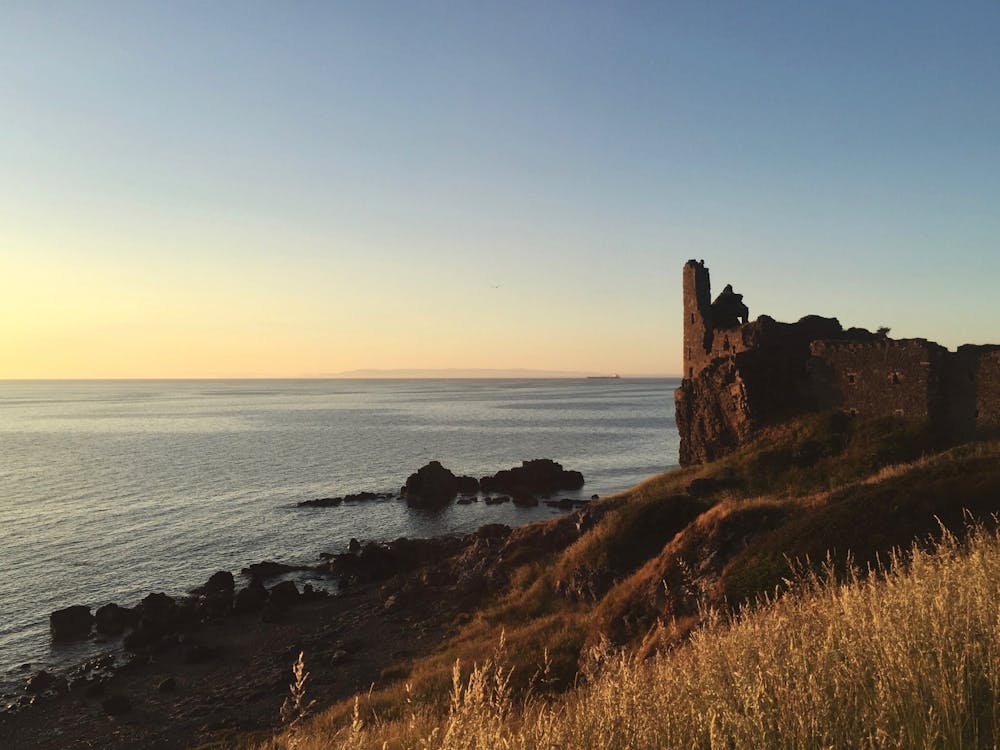
The Isle of Arran Distillery sits in the village of Lochranza at the island’s northern tip, fourteen miles from Brodick along the main coastal road. Founded in 1995, it was the first new distillery to open on Arran for over 150 years and has in three decades established itself as one of the most respected younger single malt producers in Scotland. The distillery’s situation is extraordinary: it sits beside the ruins of Lochranza Castle, a 13th-century tower house jutting into the sea loch, with the dramatic peaks of the north Arran hills rising behind.
Tours run throughout the day and cover the full whisky-making process from milling through mashing, fermentation, distillation, and maturation. The Arran 10 Year Old is the distillery’s flagship expression — a rich, fruity, approachable single malt that has won numerous international awards. More adventurous expressions, including heavily peated releases and sherry cask finishes, are available exclusively at the distillery shop. If you want to visit Lochranza as part of a day trip, budget a full morning or afternoon for the journey and the tour — the return trip from Brodick by the coastal road takes at least an hour by car and considerably longer by bus or bike.
Machrie Moor Standing Stones
On Arran’s quieter west coast, a short walk from the single-track road at Machrie, six Bronze Age stone circles stand scattered across a wide moorland — some of them towering red sandstone monoliths, others low granite boulders half-sunk into the peat. Machrie Moor has been a sacred landscape for at least four thousand years, and the standing stones — the earliest of which date to around 2000 BCE — continue to exert a powerful atmospheric pull on visitors today.
The moor is most atmospheric in low light — early morning mist, late afternoon golden hour, or the dramatic raking light of a storm clearing over the Kintyre peninsula to the west. The walk from the road to the stones takes about twenty minutes each way, across a well-maintained path through heather and bog. There are no facilities at the site, no café or visitor centre — just the stones, the moor, the sky, and the faint sound of the Atlantic in the distance. It is one of the most genuinely atmospheric places in Scotland, and it is often almost deserted even on busy summer days.
King’s Cave
On the west coast between Machrie and Blackwaterfoot, King’s Cave is accessible by a beautiful coastal path that offers some of Arran’s finest coastal walking. The cave is associated with the legend of Robert the Bruce — the Scottish king said to have sheltered here in hiding after his defeats in 1306, before witnessing the spider that inspired him to “try, try again” and eventually reclaim Scotland’s independence at Bannockburn in 1314. Whether Bruce actually hid in this particular cave is historically uncertain, but the connection has made it a site of pilgrimage for Scottish history enthusiasts for centuries.
The cave itself contains carved markings of uncertain antiquity — spirals and animals that may be Pictish, Viking, or simply the work of later visitors inspired by the cave’s atmosphere. The coastal walk to King’s Cave is rewarding in its own right, passing along red sandstone cliffs above a rocky shoreline, with views to Kintyre and the island of Gigha. Allow an hour and a half for the return walk from the nearest car park at Blackwaterfoot.
Cycling Arran’s Coast Road
The fifty-six-mile coastal road that circumnavigates Arran is one of the most celebrated cycling routes in Scotland — a circuit of varied terrain (the north is mountainous, the south gentler and rolling) through some of Britain’s most spectacular coastal scenery. For a day trip, completing the full circuit by bike is ambitious but achievable for fit, experienced cyclists with an early start: catching the first ferry, beginning immediately in Brodick, and maintaining a reasonable pace allows you to be back at the ferry terminal in six to seven hours of riding time with stops.
More relaxed day visitors will prefer to cycle a section of the coast rather than the full circuit. The eastern coast from Brodick south to Whiting Bay and Lamlash is relatively flat, gentle, and scenically beautiful — an excellent choice for families or less experienced cyclists. Bike hire is available from cycle shops in Brodick, with a range of bikes including e-bikes that make the hillier northern section considerably more accessible.

Food and Drink on Arran
Arran has a food and drink scene that punches well above its weight for a small island. The concentration of quality producers — the distillery, a brewery, a celebrated cheese maker, and a growing number of independent food businesses — makes eating and drinking on the island a genuine pleasure.
Arran Cheese Shop, Brodick
The Arran Cheese Shop in Brodick is among the most visited independent food retailers in the west of Scotland and a genuine destination in its own right. The shop sells a range of Arran-made cheeses — the award-winning Arran Cheddar (sharp, crumbly, deeply flavoured), Arran Brie, smoked cheeses, and seasonal specials — alongside oatcakes, chutneys, and other Scottish artisan food products. Tastings are offered freely; the staff are enthusiastic advocates for their products without being pushy. Buy a wedge of mature cheddar and a pack of oatcakes and you have the makings of an excellent impromptu picnic. Take home more — the cheeses travel well and make superb gifts.
Arran Brewery
The Arran Brewery, located on the edge of Brodick village, produces a range of ales and lagers using Arran spring water. The Arran Blonde is the most widely available — a light, refreshing ale that suits the island’s outdoor lifestyle perfectly. A brewery shop at the site sells the full range of bottled and canned beers, making it another excellent source of edible souvenirs. The brewery does not currently offer public tours, but you can stock up on supplies for the journey home.
Cafés and Restaurants in Brodick
Brodick village has several cafés and restaurants clustered around the seafront and the main street. The Brodick Bar and Brasserie is a reliable choice for lunch, with a menu strong on local seafood and Scottish classics. The Douglas Hotel on the seafront has a pleasant bar with harbour views. For something quick and casual, the village has a good selection of bakeries, sandwich shops, and takeaway options — handy if you want to eat on the go and maximise your time on the island.
Wildlife on Arran
Arran’s wildlife is one of its great underrated attractions. The island supports populations of red deer that are genuinely wild and visible year-round — you’re likely to encounter them on the moorland sections of any walk, particularly at dawn and dusk. The coastal waters around Arran support grey and common seals, which can often be seen hauled out on rocks around the southern and western coasts. Bottlenose dolphins and harbour porpoises are recorded regularly in the Firth of Clyde, and summer visitors sometimes spot basking sharks in the waters to the north and west.
Arran is one of the more accessible places in Scotland to spot red squirrels — the native squirrel that has been largely displaced from England by the introduced grey squirrel. Look in mixed deciduous woodland, particularly around Brodick Castle Country Park. Golden eagles nest in the north of the island and can occasionally be seen soaring above the northern peaks. Hen harriers, peregrine falcons, and white-tailed eagles have all been recorded on Arran, making it an excellent destination for birdwatchers as well as walkers and wildlife enthusiasts.

Suggested Day Trip Itineraries
The Classic Day: Castle, Village, and Beach
This itinerary is ideal for families, casual visitors, and anyone who wants a relaxed and enjoyable introduction to Arran without attempting anything too strenuous.
- 9:45am — Arrive Brodick on the first or second ferry. Walk to the Arran Cheese Shop for supplies and a tasting.
- 10:30am — Walk or cycle to Brodick Castle. Explore the country park, woodland walks, and waterfall. Visit the castle interior.
- 1:00pm — Return to Brodick village for lunch at the Brodick Bar or a café on the seafront.
- 2:30pm — Take a gentle cycle or walk south along the coastal path to Lamlash, Arran’s second village, with its beautiful bay and views to Holy Isle. Return by the same route or by bus.
- 5:30pm — Return to Brodick pier for the evening ferry back to Ardrossan.
The Adventurous Day: Goat Fell Summit
For fit walkers, Goat Fell on a day trip is entirely achievable with careful timing.
- 8:45am — First ferry from Ardrossan
- 9:40am — Arrive Brodick; head straight to Brodick Castle trailhead
- 10:00am — Begin ascent via the north ridge (approximately 3 hours to summit)
- 1:00pm — Summit Goat Fell; lunch with panoramic views
- 3:00pm — Descend to Brodick (approximately 2 hours)
- 5:00pm — Celebratory pint at the Brodick Bar; explore the village
- 6:45pm — Final ferry from Brodick to Ardrossan
The Whisky and Stones Day: West Coast Circuit
This itinerary requires hiring a car in Brodick (available from the ferry terminal) and suits those who want to explore beyond the village without walking long distances.
- 9:45am — Arrive Brodick; pick up hire car
- 10:15am — Drive north to Lochranza (1 hour); visit the Arran Distillery for a tour and tasting
- 12:30pm — Continue south on the west coast road; stop at Machrie Moor Standing Stones (45-minute walk)
- 2:30pm — Lunch at Blackwaterfoot village; optional walk to King’s Cave
- 4:00pm — Return to Brodick via the south coast road; stop at Lamlash or Whiting Bay if time allows
- 6:00pm — Return hire car; ferry back to Ardrossan
Practical Tips for Your Arran Day Trip
Book the Ferry in Advance
For foot passengers, advance booking is not strictly required but is strongly recommended during summer (June to September) and essential during school holidays, bank holidays, and the Commonwealth Games period in late July and early August 2026. Booking online at calmac.co.uk takes two minutes and gives you peace of mind. Without a booking you may face queues and, on the very busiest days, the possibility of being turned away from a sailing.
Arran Weather
Arran’s weather is Atlantic in character: mild and frequently changeable. Summer days can bring brilliant sunshine followed by sharp showers followed by more sunshine, all within the space of a few hours. Always bring a waterproof layer regardless of the morning forecast. Mountain walkers should carry full waterproofs and warm layers even in July. The rewards of Arran in fine weather are extraordinary — but you need to be prepared for the weather to change.
Getting Around Arran
A bus service runs around most of Arran’s coast road, connecting Brodick to Lochranza, Blackwaterfoot, Lamlash, and the southern villages. Timetables are available from the ferry terminal and online. Services are not frequent and do not align perfectly with a day-trip timeline — if you want to visit Lochranza and the west coast in a single day, hiring a car or bike in Brodick is much more efficient. Car hire is available from Brodick pier; book ahead in summer. E-bike hire is increasingly available and makes the hillier sections of the coast road accessible to a much wider range of visitors.
Cash and Connectivity
Most businesses on Arran now accept contactless card payments, but smaller craft stalls, farm shops, and the most remote cafés may be cash only. Bring some cash as backup. Mobile phone coverage is good in Brodick and the main villages but patchy on the west coast and northern hills — download offline maps before you leave Glasgow if you’re planning any independent walking or cycling away from the main roads.
Extending Your Visit: Staying Overnight on Arran
A day trip to Arran will leave you wanting to return for longer — and with good reason. The island’s character changes completely once the day visitors have caught the last ferry and the roads empty out. Arran at dusk, with the mountains turning purple and the lights of Brodick reflected in the bay, is an entirely different experience from Arran at noon with a ferry queue visible from the high street.
Accommodation ranges from large hotels in Brodick and Lamlash to small B&Bs in every village, self-catering cottages for longer stays, and a hostel at Lochranza. A two-night stay allows you to climb Goat Fell one day and explore the west coast the next — a combination that covers the island’s two very different faces. With more time, Arran reveals further layers: the standing stones of Machrie Moor at sunrise, the seals on the rocks below Lochranza Castle, the otter swimming in the Lamlash bay at dusk. It is an island that rewards patience, and patience is much easier to practice when you don’t have a ferry to catch.
Your Arran Adventure Awaits
The Isle of Arran is one of Scotland’s great accessible adventures — a genuinely wild and beautiful island that can be reached from the centre of Glasgow in little more than two hours, explored for a day, and returned from in time for supper. The combination of dramatic scenery, rich history, excellent food and drink, and genuine wildlife encounters makes an Arran day trip from Glasgow one of the finest days out in Britain.
Book your ferry, pack your waterproofs, charge your phone, and go. Arran is waiting — and it is well worth the crossing.
For more days out of the city, our guide to day trips from Glasgow sets Arran alongside the mainland alternatives. The nearest is Loch Lomond and the Trossachs, under an hour by train to Balloch and an easy fallback if the ferry timings do not suit. Stirling Castle and the Wallace Monument make a 30-minute run from Queen Street, and a day in Edinburgh takes 50 minutes on the express from the same station.
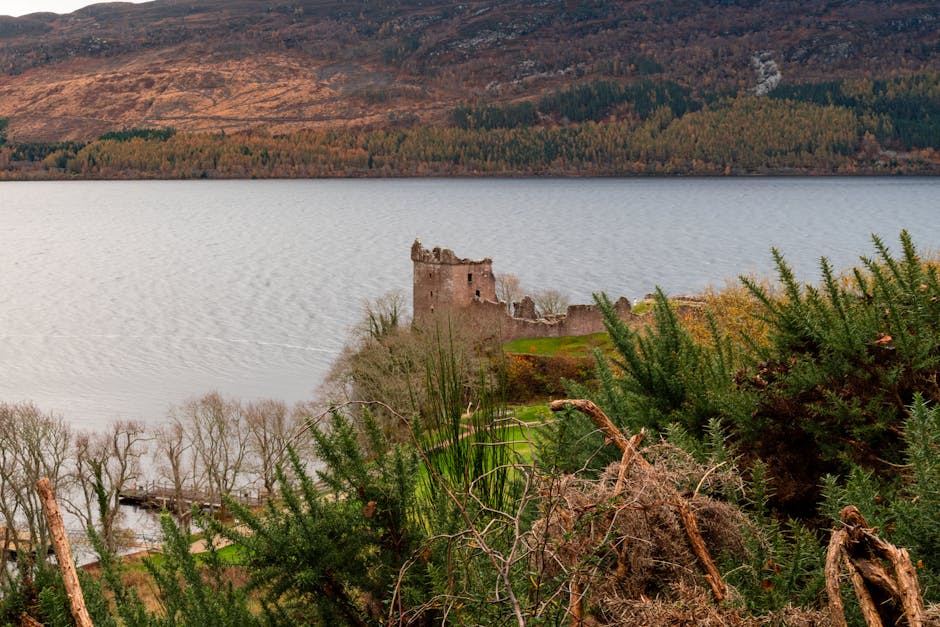
If it is the mountain half of Arran that appeals, the mainland has larger versions of the same thing. Glencoe and the road north crosses Rannoch Moor on the way into Scotland’s most cinematic valley, and Loch Ness and the Great Glen extends that same drive as far as Urquhart Castle. Both are long days, but the scenery earns them. Visit our Glasgow tourism homepage to start planning your Scottish adventure.