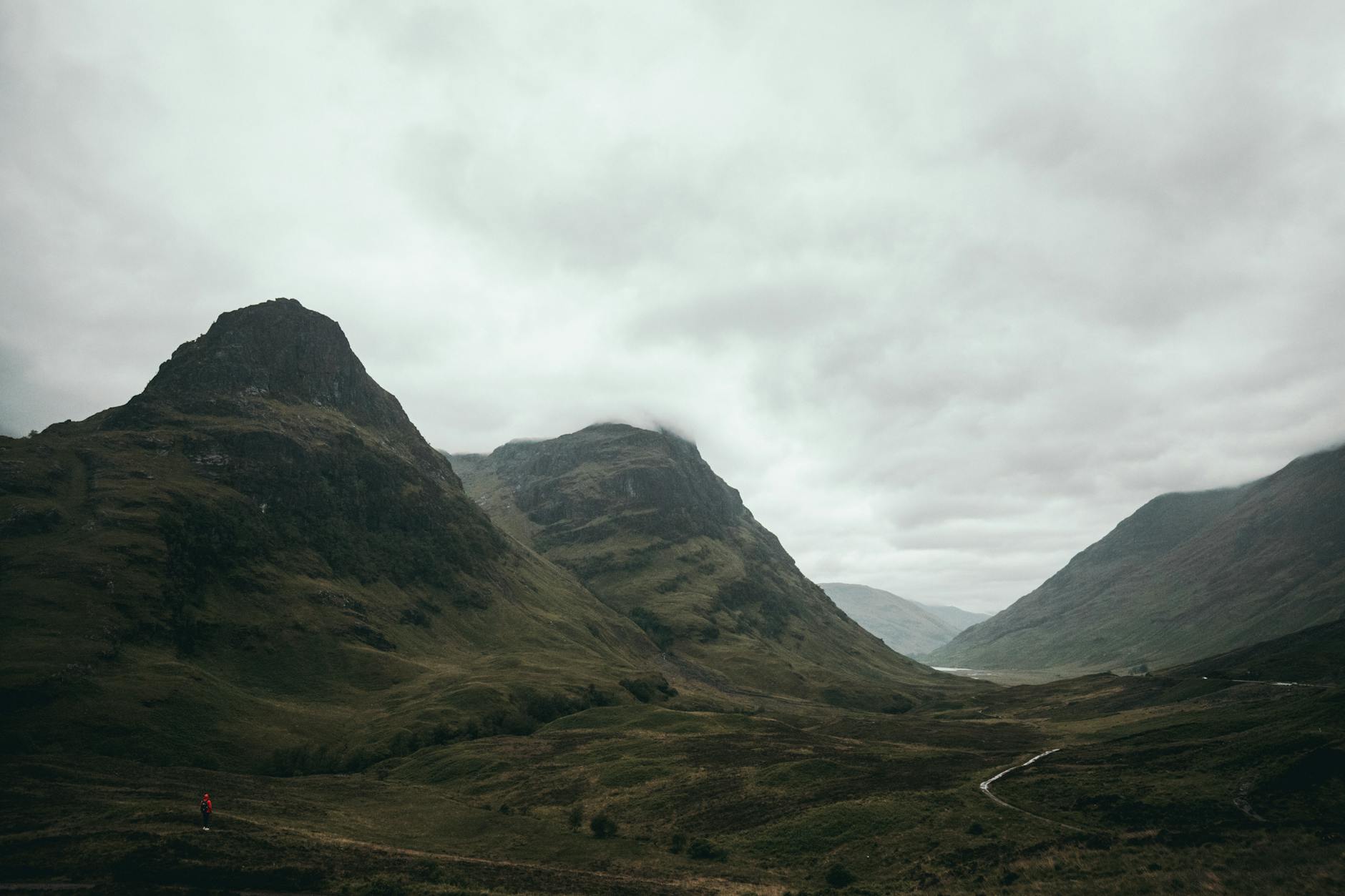
Few day trips in Scotland match the drama of travelling from Glasgow to Loch Ness. In a single day, you’ll cross the breadth of the Scottish Highlands — sweeping through Loch Lomond, over the desolate moorland of Rannoch Moor, down into the legendary pass of Glencoe, past the foot of Ben Nevis, and along the Great Glen to the dark, mirror-still waters of Loch Ness itself. It’s a journey that condenses some of Scotland’s most iconic scenery into one unforgettable day.
This guide covers everything you need to know: the distance from Glasgow, the best guided tours, how to do it yourself by car or train, what to actually do at Loch Ness, the truth about spotting Nessie, and whether a day trip is realistic — or whether you’d be better off with two days and a night in Inverness.
Glasgow to Loch Ness: The Basics
The distance from Glasgow city centre to the shores of Loch Ness is approximately 170 miles (274km) one way. By car, following the A82 route via Loch Lomond and the Great Glen, the drive takes roughly 2.5 to 3 hours without stops — though you’ll almost certainly want to stop, because the scenery demands it.
There is no direct train service from Glasgow to Loch Ness. You can take a ScotRail train from Glasgow Queen Street to Inverness (approximately 3 hours), but Inverness is 8 miles from the nearest point of Loch Ness at Dores, and 16 miles from Drumnadrochit, the main visitor hub. Without a car at the other end, onward travel requires a local bus or taxi.
For most visitors, the choice comes down to two options: a guided day tour from Glasgow (the easiest, most popular approach), or a self-drive trip (the most flexible, and rewarding for those who want to linger).
Guided Day Tours from Glasgow to Loch Ness
Guided tours are by far the most popular way for visitors to reach Loch Ness from Glasgow. They’re excellent value, they handle all the logistics, and they take you through scenery that would take you hours to navigate independently. For solo travellers and those without a car, they’re essentially the only practical option for a day trip.
Where Tours Depart From
Most Glasgow Highlands day tours depart from 19 Killermont Street, directly opposite Buchanan Bus Station in Glasgow city centre, at approximately 8:00am. This location — just outside the Glasgow Royal Concert Hall — is easy to reach by subway (Buchanan Street station, 2 minutes’ walk) or bus. Tours typically return to this point by around 7:45pm, making for an 11+ hour day.
Top Tour Operators
Several well-established operators run daily Loch Ness day trips from Glasgow throughout the spring and summer season:
- Timberbush Tours — one of Scotland’s most respected Highland tour operators, running small-group tours with excellent guides. Their Loch Ness, Glencoe and Highlands day tour is consistently highly rated.
- Scottish Tours — a long-established operator offering comfortable coach tours with knowledgeable commentary throughout the route.
- Haggis Adventures — popular with younger travellers and backpackers; their tours have an energetic, sociable atmosphere and are great for solo visitors.
- GoScotlandTours — smaller group sizes and a more personalised experience, often with stops that larger coach tours skip.
Tour prices typically range from £45 to £65 per person for the day, with optional add-ons available at Loch Ness (see below). Book in advance during peak season (June–August), as the most popular dates sell out weeks ahead.
What the Tour Route Covers
The standard route for a Glasgow to Loch Ness day tour is one of the great Highland drives. Heading north from Glasgow, most tours follow this itinerary:
- Loch Lomond — a brief stop or scenic drive along the “bonnie banks” of Scotland’s most famous loch, just 30 minutes from Glasgow. The transition from urban Scotland to Highland wilderness happens remarkably fast here.
- Rannoch Moor — one of Europe’s last great wildernesses; a vast, brooding plateau of bog, heather and lochan that feels genuinely elemental, even on a summer’s day.
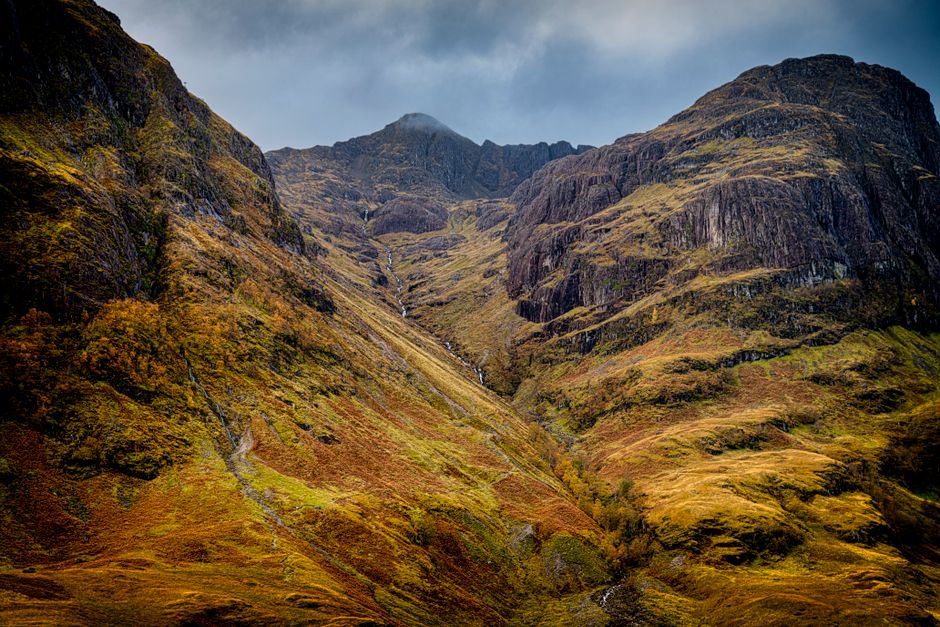
- Glencoe — the most dramatic of Scottish passes. The towering Three Sisters mountains crowd in on either side of the narrow valley. This is one of the most photographed landscapes in Britain, and with good reason. The massacre of 1692 casts a long shadow.
- Fort William and Ben Nevis — a stop in Scotland’s self-proclaimed “Outdoor Capital”, with views of Ben Nevis, Britain’s highest mountain at 1,345 metres.
- The Great Glen — the geological fault line that cuts straight through the Highlands from Fort William to Inverness. The Caledonian Canal runs along part of this route, connecting a chain of lochs including Lochy, Oich, and ultimately Ness.
- Loch Ness — the highlight, of course. Most tours stop at Drumnadrochit and Urquhart Castle, with time to explore the loch shore and (optionally) take a cruise.
Optional Extras: Loch Ness Cruise and Urquhart Castle
Most tours give you free time at Loch Ness to choose your own activities. The two main paid extras are:
- Loch Ness Cruise: A boat trip out onto the loch, typically lasting 45–60 minutes, with sonar equipment and commentary about the monster legend. Prices: Adult £19, Concession £17, Child £12. These can be booked on the day at the Drumnadrochit jetty, but pre-booking is recommended in peak season.
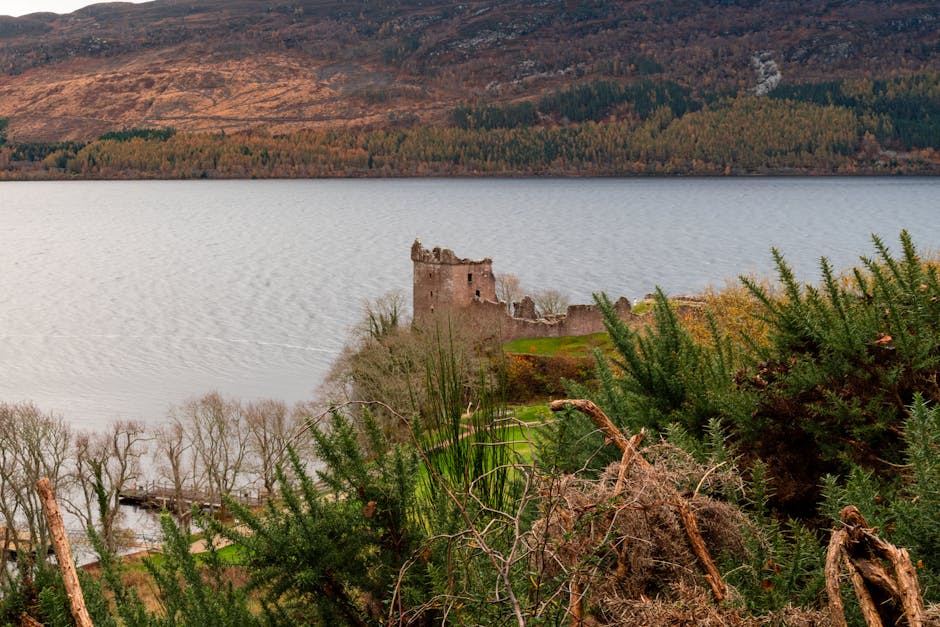
- Urquhart Castle: One of Scotland’s most atmospheric ruined castles, perched directly on the loch shore. Entry is managed by Historic Environment Scotland. Admission: Adult £12, Concession £9.50, Child £7.50 (prices may vary — check the HES website before visiting). The castle dates to the 13th century and was partially blown up in 1692 to prevent it falling to Jacobite forces. The views from the Grant Tower are extraordinary.
Budget around an extra £30–40 per adult if you want to do both the cruise and the castle entry.
Self-Drive: Glasgow to Loch Ness by Car
Driving yourself to Loch Ness from Glasgow is one of Scotland’s great road trips. You have total freedom to stop when and where you want — and on a route this scenic, that freedom is invaluable. The A82 from Glasgow to Inverness is consistently voted one of the most beautiful drives in Europe.
The Route: A82 via Loch Lomond and the Great Glen
Leave Glasgow heading northwest on the A82, which takes you directly up the western shore of Loch Lomond. The road then climbs through the village of Crianlarich and across Rannoch Moor before descending into Glencoe. From Glencoe, continue north to Fort William, then follow the A82 northeast along the Great Glen — past Loch Lochy and Loch Oich — until you reach the southern end of Loch Ness near Fort Augustus. At Fort William the A830 branches west for the 17 miles to the Glenfinnan Viaduct, where the Jacobite steam train crosses at about 10:45am.
From here, the B862 runs along the quieter eastern shore of Loch Ness towards Inverness, while the A82 hugs the more accessible western shore through Drumnadrochit. Most visitors take the A82 on the way up (western shore, passes Urquhart Castle and Drumnadrochit) and return via the B862 (eastern shore, quieter, better views across the loch).
Self-Drive Costs
- Petrol: Approximately £35–45 for a return trip (Glasgow–Loch Ness–Glasgow, ~340 miles total), depending on your vehicle’s fuel efficiency and current petrol prices.
- Parking: Urquhart Castle has a car park (charges apply). Drumnadrochit has free parking in the village. Dores Beach has free parking.
- Entry fees: Urquhart Castle admission if you choose to visit.
- Total estimate: £40–60 per person for a self-drive day trip (petrol split between passengers + any entry fees).
Self-Drive Tips
- Leave Glasgow by 7:30–8:00am to make the most of daylight and avoid peak tourist times at Glencoe and Urquhart Castle.
- The A82 through Glencoe can be slow in summer — allow extra time.
- Petrol stations become sparse north of Fort William — fill up before heading into the Great Glen.
- Mobile signal is poor to non-existent in parts of the Great Glen — download offline maps before you go.
- The B862 eastern shore road is single-track in places — take care and use passing places.
What to See and Do at Loch Ness
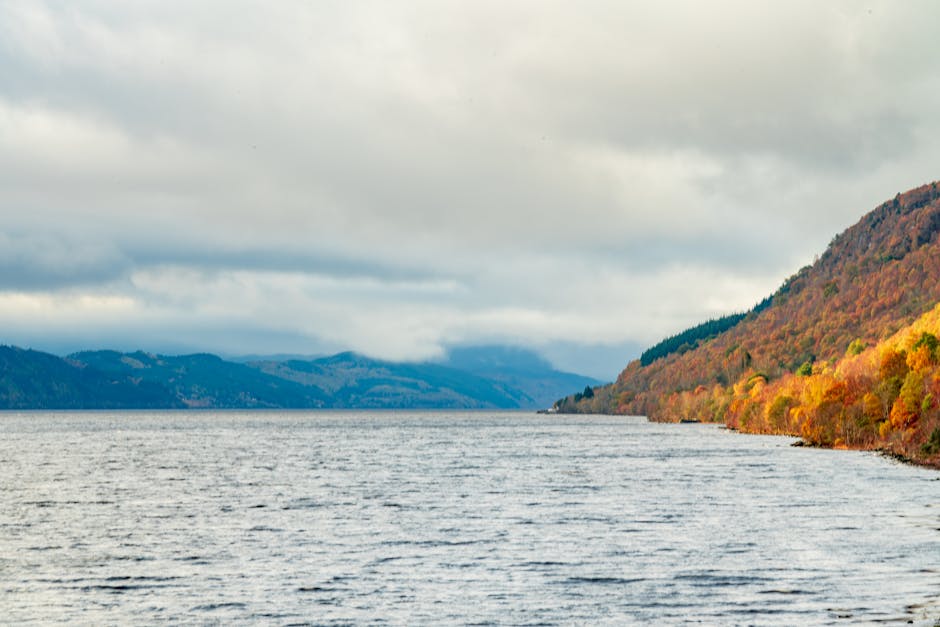
Loch Ness is much more than a monster myth. The loch itself is extraordinary — 23 miles long, up to 750 feet deep, and containing more fresh water than all the lakes of England and Wales combined. Its sheer scale takes the breath away when you first see it stretching into the mist.
Drumnadrochit: The Gateway to Loch Ness
The village of Drumnadrochit, on the western shore about halfway along the loch, is the main visitor hub. It has:
- The Loch Ness Centre — a newly refurbished exhibition (2023) telling the full story of Nessie and the loch’s natural history. More scientifically rigorous and entertaining than you might expect.
- Urquhart Castle — a 10-minute drive or short walk from the village centre.
- Loch Ness Cruises — departing from the pier near Drumnadrochit.
- Cafes, restaurants, and the inevitable Nessie souvenir shops.
Urquhart Castle
Don’t miss Urquhart Castle, even if you only have time for a brief stop. The ruins sit on a promontory jutting into Loch Ness, giving you 270-degree views across the water. It was once one of the largest castles in Scotland, fought over for centuries by Scottish kings and English forces. The Grant Tower, largely intact, offers the best views. The visitor centre beneath the castle is excellent, with artefacts found during excavations and a good film about the castle’s history.
Dores Beach: The Best Spot to Watch for Nessie
If you’re serious about monster-watching — or just want a quiet, beautiful spot away from the Drumnadrochit crowds — head to Dores Beach at the northern end of the loch, about 8 miles south of Inverness. This pebbled beach at the head of the loch has long been considered the best vantage point for scanning the water. It’s also simply a gorgeous, peaceful spot. There’s a good pub, The Dores Inn, serving local food with views directly across the loch.
Fort Augustus: Where Boats Navigate the Caledonian Canal
At the southern end of Loch Ness, the small village of Fort Augustus is worth a stop to watch boats navigate the famous flight of five canal locks connecting the Caledonian Canal to the loch. It’s a surprisingly satisfying spectacle, and the village has good cafes for a lunch stop.
Inverness: Should You Visit Too?
Inverness, the capital of the Scottish Highlands, lies at the northern end of Loch Ness, about 16 miles from Drumnadrochit. It’s a genuinely lovely city — compact, walkable, and packed with character — and many visitors wonder whether they can squeeze it into a day trip from Glasgow alongside Loch Ness.
Honestly? It’s possible but rushed. If you’re on a guided tour, the tour typically includes a stop in or near Inverness, but free time is limited. If you’re self-driving, you could drive up the eastern shore of Loch Ness into Inverness, walk along the beautiful River Ness, visit Inverness Castle (currently being renovated into a visitor centre), explore the Victorian Market, and have lunch — but you’ll be choosing between Inverness and spending more time at the loch itself.
For most visitors, we recommend choosing one focus: either a thorough exploration of Loch Ness and Glencoe, or treating Loch Ness as a scenic route and spending more time in Inverness. The best solution, if time allows, is a two-day trip with an overnight in Inverness — see below.
One Day vs Two Days: Which Is Right for You?
One Day Is Enough If…
- You’re short on time and want to tick off the Highlands in a single day
- You’re joining a guided tour — the structure means you’ll see the highlights efficiently
- The journey itself (Glencoe, Rannoch Moor) is as important to you as the destination
- You’re happy with a brief stop at Loch Ness rather than an extended exploration
Two Days Is Better If…
- You want to properly explore both Loch Ness and Inverness
- You’d like to walk sections of the Great Glen Way
- You want a Loch Ness cruise, Urquhart Castle, AND time in Drumnadrochit — without rushing
- You’d like to visit the Culloden Battlefield or Cawdor Castle near Inverness
- You’re travelling with children, who need more relaxed pacing
Two-day tours from Glasgow with an overnight in Inverness are available from all the major operators listed above, typically priced at £120–180 per person including accommodation.
The Loch Ness Monster: What’s the Real Story?
No guide to Loch Ness would be complete without addressing the elephant — or rather, the plesiosaur — in the room. The Loch Ness Monster is one of the world’s most famous cryptids, and even the most sceptical visitors find the legend hard to entirely dismiss once they’re standing on the shore staring into those dark, peat-stained waters.
The first recorded sighting dates to 565 AD, when St Columba reportedly encountered a “water beast” in the River Ness and commanded it away in the name of God. The modern obsession began in 1933, when a local couple reported seeing a large creature crossing the road near the loch — their account, published in the Inverness Courier, triggered a media sensation that has never fully died down.
The famous “surgeon’s photograph” of 1934 — appearing to show a long-necked creature rising from the water — was eventually revealed as a hoax involving a toy submarine fitted with a sculpted head. But the sightings have never stopped. There have been hundreds of reports over the decades, including sonar contacts, underwater photographs, and eyewitness accounts from credible sources.
Scientists maintain that the loch’s extreme depth, its near-zero visibility (the water is black with peat), and the absence of a large enough food chain to support a breeding population of large animals make a surviving prehistoric reptile effectively impossible. The most convincing current hypothesis is that many sightings are of large European catfish, which can reach considerable size and produce dramatic surface disturbances.
Will you see Nessie? Almost certainly not. Will you spend time scanning the water anyway, half-convinced you saw something move? Absolutely.
Best Time of Year for a Loch Ness Day Trip from Glasgow
The Highland day trip season runs from approximately April to October. Here’s what to expect month by month:
- April–May: Quieter, green and fresh, longer days returning. Occasional snow on high ground. A wonderful time to visit — fewer crowds, dramatic skies.
- June–August: Peak season. Best weather, longest days (Midsummer sees roughly 18 hours of daylight in the Highlands). Busiest crowds at Urquhart Castle and Drumnadrochit. Book tours well in advance. Midges (tiny biting insects) become active in June — carry repellent.
- September–October: Arguably the best time. Autumn colours are spectacular, crowds have thinned, weather is usually still reasonable, and the light is golden and dramatic. October sees the first frosts but also the most atmospheric mist on the loch.
- November–March: Most guided tours don’t operate. Self-drive is possible but daylight is very limited (as few as 7 hours), some facilities may be closed, and winter weather can affect the A82 through Glencoe (occasional road closures). Not recommended for a day trip.
What to Wear and Pack
Scotland’s weather is famously unpredictable, and this is never more true than in the Highlands. Even on a beautiful summer’s day, conditions can change rapidly. Pack accordingly:
- Waterproof jacket — non-negotiable, even in July
- Layers — temperatures at Loch Ness can be 5–8°C cooler than Glasgow even in summer
- Comfortable walking shoes — you’ll be on uneven ground at Urquhart Castle and loch-side paths
- Midge repellent — essential June through August, especially near the water’s edge
- Snacks and water — facilities between stops can be limited
- Camera or fully charged phone — you’ll take more photos than you expect
- Cash — some smaller stops and car parks don’t accept cards
Practical Summary: Loch Ness from Glasgow at a Glance
- Distance: ~170 miles (Glasgow to Loch Ness)
- Driving time: 2.5–3 hours each way (non-stop)
- Guided tour cost: £45–£65 per person (day tour); £120–£180 (2-day with accommodation)
- Self-drive cost: ~£40–£60 per person (petrol + entry fees)
- Tour departure: 8:00am from 19 Killermont Street, Glasgow (opp. Buchanan Bus Station)
- Tour return: ~7:45pm
- Key stops: Loch Lomond, Glencoe, Fort William, Loch Ness (Drumnadrochit, Urquhart Castle)
- Optional extras: Loch Ness cruise (Adult £19), Urquhart Castle entry (Adult ~£12)
- Best time: April–October; September for best balance of weather and crowds
More Day Trips from Glasgow
Loch Ness is just one of many spectacular day trips you can take from Glasgow. The city’s position on Scotland’s central belt makes it an outstanding base for exploring the Highlands, the islands, and beyond. Explore our complete guide to day trips from Glasgow for more inspiration — from Loch Lomond and the Trossachs to the Isle of Arran, Stirling Castle, and the Kelpies.
If you’re planning your wider Glasgow visit, you might also want to explore our guides to getting around Glasgow and the best ways to travel between Scotland’s cities.