Is Glasgow safe for tourists? The short, honest answer is: yes. For the overwhelming majority of visitors, Glasgow is an entirely safe and welcoming city — one where the locals are famously friendly, the city centre is lively and well-policed, and the biggest risk to your trip is spending too much money in the excellent restaurants and bars. If you’ve been put off visiting Glasgow by its reputation, this guide will explain where that reputation comes from, why it no longer reflects reality, and what genuinely sensible precautions apply to any major UK city.
Glasgow’s safety reputation has long been a source of frustration for Glaswegians themselves. The city has worked hard over several decades to transform itself — economically, culturally, and socially — and the results are dramatic. Today’s Glasgow is a confident, diverse, and cosmopolitan city that welcomed millions of visitors to events like the 2014 Commonwealth Games and 2021 COP26 climate summit without incident. The gap between Glasgow’s reputation and its reality is one of the great mismatches in UK tourism, and visitors who arrive expecting menace almost universally leave pleasantly surprised.
Where Glasgow’s Reputation Comes From
To understand the present, it helps to understand the past. Glasgow’s tough reputation dates primarily from the 1970s and 1980s, when the collapse of the heavy industrial economy — shipbuilding, steel, manufacturing — devastated large parts of the city. High unemployment, overcrowded housing estates, and associated social problems created genuine difficulties in some areas. The city’s gang culture, while often mythologised beyond its actual scale, was a real feature of certain neighbourhoods during this period.
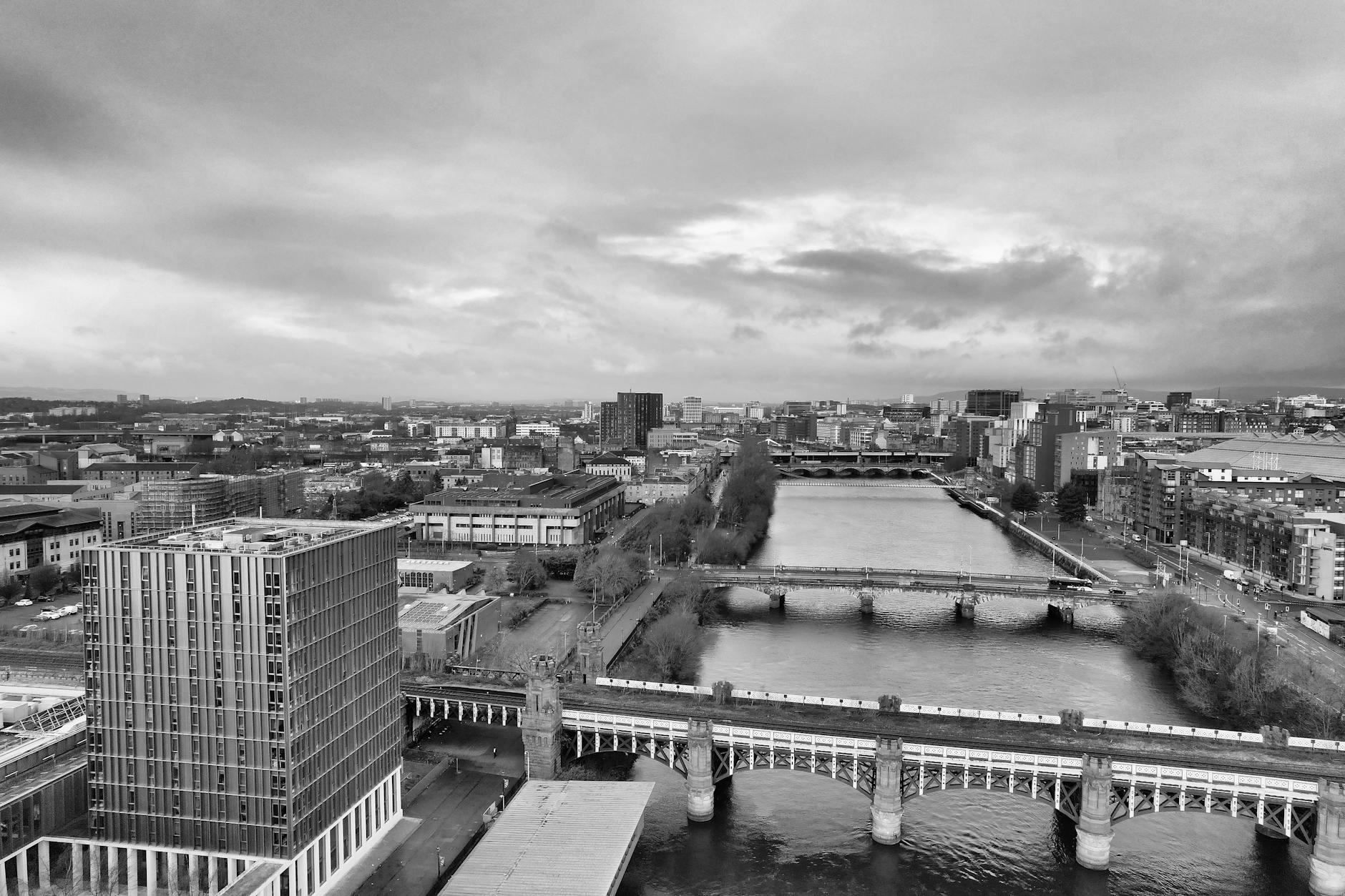
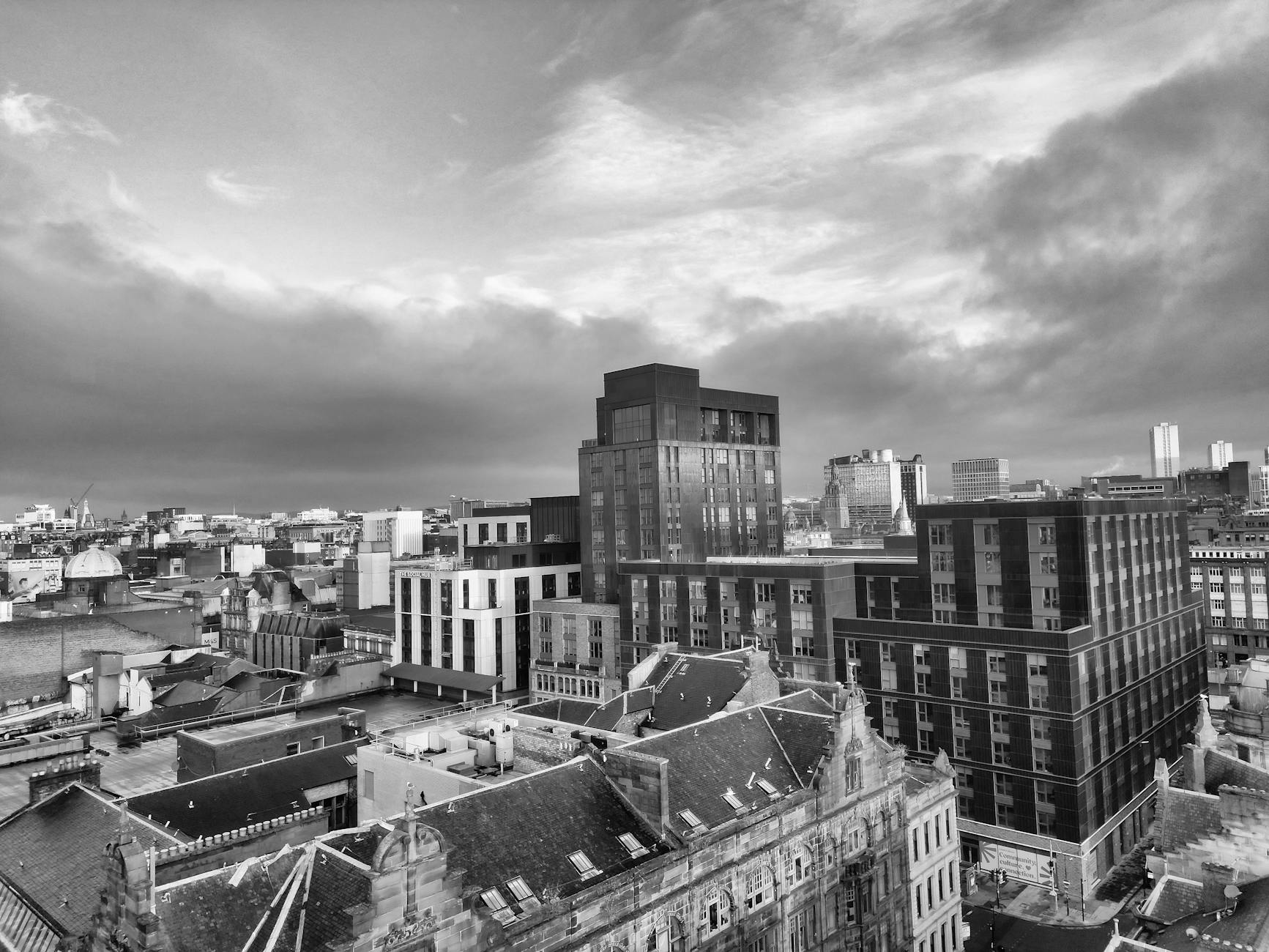
That was four to five decades ago. The Glasgow of 2026 is unrecognisable from those years. The city has undergone massive urban regeneration, particularly in areas like Merchant City (once a derelict warehouse district, now the smartest part of the city centre), the Clyde waterfront, and the West End. Crime rates have fallen dramatically and consistently. The social problems that drove the reputation haven’t disappeared entirely, but they’ve been pushed to peripheral areas that no tourist would visit anyway — and even in those areas, the situation is incomparably better than it was.
How Safe Is Glasgow Compared to Other UK Cities?
This context matters: Glasgow’s crime rates are broadly similar to other major UK cities, and in many categories lower than London. When statistics show Glasgow having higher rates in some crime categories, this often reflects better reporting, more accurate recording, or differences in how crime is classified — not necessarily more dangerous conditions for visitors.
For tourists specifically, the relevant comparison is: what is the risk of something happening to you as a visitor? And by this measure, Glasgow is very safe. Violent crime directed at tourists is rare. Scams and tourist-targeted fraud — common in many southern European destinations — are unusual in Glasgow. The main risk, as in any city, is petty theft: pickpocketing in crowded areas and opportunistic bag snatching. Standard precautions that any seasoned traveller takes apply equally here.
The Safest Areas for Tourists in Glasgow
Glasgow’s tourist areas are, without exception, safe. The following are the main areas you’ll visit as a tourist, along with an honest assessment of each:
City Centre
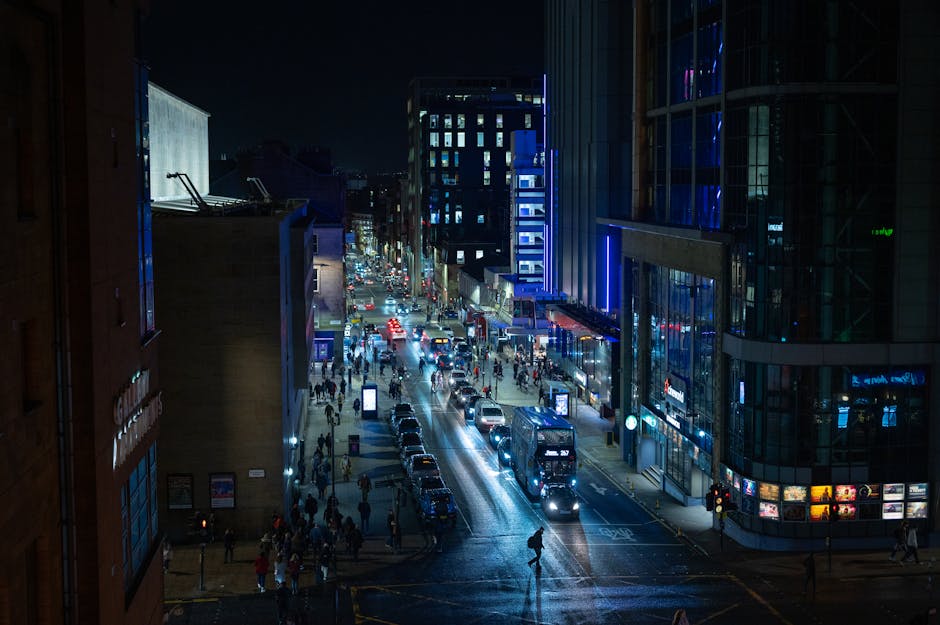
Glasgow’s city centre — the grid of streets around Buchanan Street, Argyle Street, and the surrounding area — is busy, well-lit, and well-policed. You will see a police presence in the city centre, particularly on weekend evenings, which is a reassuring rather than alarming sight. The area around Buchanan Street shopping precinct is one of the busiest in Scotland; exercise normal bag and pocket awareness in crowded areas as you would anywhere.
Merchant City
Merchant City is Glasgow’s upmarket dining and cultural quarter, home to the city’s best restaurants, bars, and the Tron Theatre. It’s very safe at all hours and has a lively, cosmopolitan atmosphere that makes it one of the most pleasant parts of the city to walk around. This is also where you’ll find the Gay Village — Merchant City is Glasgow’s LGBTQ+ heartland, and the area is inclusively welcoming.
West End (Kelvinbridge / Byres Road Area)
The West End is leafy, prosperous, and extremely safe. This is where many of Glasgow’s university students, academics, and young professionals live, and the area has a distinctly bohemian, relaxed character. The streets around Byres Road, the Botanic Gardens, and Kelvingrove are among the safest in the city. Kelvingrove Park is pleasant during the day; as with any urban park, it’s best avoided late at night.
Finnieston
Finnieston, along Argyle Street towards the river, has become one of Glasgow’s trendiest neighbourhoods in recent years — home to the SEC (Scottish Events Campus), the Hydro arena, and a cluster of excellent restaurants and bars. The area is safe and lively, with good transport connections back to the city centre after events at the Hydro or Armadillo.
South Side (Pollok Park / Shawlands)
The South Side includes some of Glasgow’s most pleasant neighbourhoods. Pollok Park — home to Pollok House and the Burrell Collection — is a beautiful, safe green space. The Shawlands area has a strong independent café and restaurant scene. These are mainly residential neighbourhoods and are very safe for tourists.
Areas to Be More Aware Of
Honest guidance means acknowledging that not every part of Glasgow is the same, even as we emphasise that the tourist areas are safe. The following is genuine, not scaremongering.
Parts of the East End away from tourist sites have higher levels of deprivation and associated issues. The tourist sites in the East End — particularly Glasgow Green, the People’s Palace, and the Barras Market — are all fine and well-visited. If you’re sticking to these sites, you’ll have no issues whatsoever. It’s the deeper residential streets further east that are more deprived, though even “more deprived” in a Glasgow context does not mean dangerous for a visitor passing through.
Govanhill, in the South Side, has faced well-documented challenges in recent years related to overcrowding and associated issues. It’s not a tourist area, and most visitors will have no reason to visit. If you do pass through, there’s no specific danger, but it’s worth being aware that it’s a more complex neighbourhood than nearby Shawlands or Pollokshields.
Glasgow’s peripheral housing estates — Easterhouse, Drumchapel, Castlemilk, Pollok — are areas of significant deprivation. They are also areas tourists simply don’t visit. There’s no reason to go there, and their existence doesn’t affect the tourist experience in the city centre or West End one iota.
Nightlife Safety in Glasgow
Glasgow has a vibrant and celebrated nightlife scene, and the vast majority of nights out in the city are entirely trouble-free. The city’s clubs and bars attract large, mixed crowds and are generally well-managed. However, as in any major city, the hours between 11pm and 3am around nightclub areas carry a higher potential for the kinds of issues that arise when large numbers of people have been drinking. Here is genuinely practical advice:
- Travel in groups: The basic safety principle for any city nightlife applies doubly at 2am when the clubs are closing. Walking back to your hotel alone at this time is less advisable than doing so in company.
- Pre-book taxis: Licensed black cabs and reputable ride-hailing apps (Uber, Free Now) are plentiful in Glasgow. Pre-booking your return journey at the start of the night is smart — it means you’re not standing on a street corner at 2am trying to hail a cab when everyone else is doing the same. Avoid unofficial or unlicensed cabs.
- Avoid confrontations: This is advice for any city, anywhere. If someone is looking for an argument or a confrontation at the end of a night out, the best response is always to disengage and walk away. This is not a Glasgow-specific issue, but it’s universal nightlife wisdom.
- Keep valuables secure: Don’t leave your phone on the table in bars, keep your bag closed and in front of you in crowded venues, and be aware of your surroundings in packed areas.
Petty Crime: The Real Risk
If we’re being statistically honest about what is most likely to affect a tourist in Glasgow, it’s petty theft. Pickpocketing in crowded areas — particularly Buchanan Street shopping precinct, busy bars, and areas around major events — is the main risk. This is the same risk that applies in Edinburgh, Manchester, London, or any busy city with a tourist population.
Standard precautions apply:
- Keep your phone in your front pocket or a zipped compartment, not your back pocket
- Don’t flash expensive cameras, jewellery, or electronic devices unnecessarily in crowded areas
- Keep your bag closed and in front of you on busy streets
- Split your cash and cards — don’t keep everything in one wallet
- Be aware of your surroundings when withdrawing cash from ATMs
Glasgow is notably less prevalent for tourist-targeted scams than many European tourist destinations. You won’t encounter the aggressive street sellers, fake petitions, or elaborately staged distractions that are commonplace around major tourist attractions in Paris, Rome, or Barcelona. Glaswegians, bluntly, aren’t very interested in scamming tourists — they’re more likely to strike up a friendly conversation and give you unsolicited but genuinely useful restaurant recommendations.
Road and Traffic Safety
For visitors from countries where traffic drives on the right, the most immediate practical safety issue in Glasgow is remembering to look the right way when crossing the road. In the UK, cars drive on the left, which means traffic comes from the right at most junctions. Many Glasgow pedestrian crossings have painted reminders (“Look Right” or “Look Both Ways”) at the kerb, but it’s easy to slip into habit if you’re used to right-hand traffic.
- Always look right first when stepping off the pavement (kerbside), then left, then right again
- Use designated pedestrian crossings wherever possible
- Pedestrians have legal priority at zebra crossings (black and white striped crossings) — cars must stop. However, don’t assume a car has seen you before stepping onto one
- At pelican crossings (with traffic lights), wait for the green man signal before crossing
- Cyclists share some city centre lanes with pedestrians — be aware of them on mixed-use paths
Emergency Numbers and Healthcare
Know these before you need them:
- 999 — Emergency services (police, ambulance, fire). Use only in genuine emergencies.
- 101 — Non-emergency police. Use for reporting crimes that have already occurred, lost property, or non-urgent police matters.
- 111 — NHS 24 non-emergency medical helpline. For medical concerns that aren’t life-threatening but need advice or guidance on accessing care.
The NHS provides free emergency treatment for all visitors at Accident and Emergency (A&E) departments, regardless of nationality. You do not need to pay for emergency care at Glasgow’s hospitals. The main A&E departments in Glasgow are at the Queen Elizabeth University Hospital (Govan) and Glasgow Royal Infirmary (city centre). Non-emergency GP appointments require registration and may involve charges for non-UK/non-EEA visitors — but emergency care is always free.
If you have a European Health Insurance Card (EHIC) or its replacement, the UK Global Health Insurance Card (GHIC), carry it — it can simplify certain healthcare interactions, though its coverage in the UK post-Brexit is limited. Travel insurance with health coverage is always recommended for international visitors.
Glasgow’s LGBTQ+ Safety
Glasgow is one of the most LGBTQ+-friendly cities in Scotland and the UK. The Merchant City area functions as the gay village, with a cluster of bars, clubs, and cafés that have been welcoming LGBTQ+ visitors for decades. Pride Glasgow is one of Scotland’s largest pride events and is celebrated warmly across the city. LGBTQ+ tourists should feel entirely comfortable visiting Glasgow — public displays of affection are not likely to attract negative attention in the city centre and West End, and any harassment of LGBTQ+ individuals in public is taken seriously by police. This is a city where you can be yourself.
Solo Travel Safety in Glasgow
Glasgow is an excellent solo travel destination. The city’s famous friendliness is not a myth — Glaswegians will chat, offer directions, give restaurant recommendations, and generally engage with strangers in a way that visitors from more reserved cities can find startling. For solo travellers, particularly those visiting for the first time, this sociability makes the city feel welcoming and navigable.
Solo women travellers, specifically: Glasgow is very manageable. The standard big-city awareness applies at night — stick to well-lit, busy streets, use licensed taxis or apps, let someone know your plans — but there is nothing about Glasgow that should give a solo female traveller particular concern beyond that which applies to any major city. The city’s pub and bar culture is generally inclusive and the kind of harassment that can make some European cities uncomfortable for solo women is not a particular feature of Glasgow.
Transport Safety
Glasgow’s public transport — the Subway (affectionately known as the Clockwork Orange), city buses, and ScotRail trains — is safe and well-used by locals. There is no particular concern about using public transport in Glasgow at any time of day. The Subway runs until approximately midnight, and night buses cover the city after that.
For taxis: use licensed black cabs or reputable apps. Uber operates in Glasgow. Free Now is another widely-used platform. Both connect you to licensed, insured drivers. Unlicensed cabs (people offering lifts outside nightclubs or at taxi ranks) should be avoided — not because they’re necessarily dangerous, but because they’re unregulated and you have no recourse if anything goes wrong.
Drug Use: What You Might See
This section exists because it’s an honest guide, not because you should be alarmed. Glasgow, like several major UK cities, has visible drug use in some parts of the city centre — primarily around some of the quieter streets and underpasses. This is a public health issue that the city is working hard to address; Glasgow has had significant resources directed at harm reduction and support services. What this means practically for tourists is that you may, occasionally, see signs of drug use in certain parts of the city centre. This is unpleasant to witness but poses no direct danger to you as a passing tourist. It is not a reason to avoid Glasgow; it is a reminder that the city, like all major cities, has complex social challenges that exist alongside its considerable attractions.
Top Safety Tips Summary
- The tourist areas of Glasgow — city centre, Merchant City, West End, Finnieston, South Side — are all very safe
- Petty theft (pickpocketing, bag snatching) is the main risk; use standard precautions
- For nightlife: travel in groups, pre-book licensed taxis, avoid confrontations
- Remember to look right first when crossing the road
- Emergency: 999 | Non-emergency police: 101 | NHS helpline: 111
- Emergency NHS treatment is free for all visitors
- Glasgow is welcoming to LGBTQ+ visitors and solo travellers
- Use licensed taxis or apps (Uber, Free Now) — avoid unlicensed cabs
- Glaswegians are genuinely friendly — if in doubt, ask a local
The Bottom Line: Should You Visit Glasgow?
Absolutely, without hesitation. Glasgow is one of the UK’s great cities — a place of world-class museums, extraordinary architecture, a restaurant and bar scene that punches well above its weight, and people who will make you feel welcome the moment you arrive. The safety concerns that put some visitors off are, for the tourist areas you’ll actually be visiting, largely imaginary.
Every year, millions of people visit Glasgow for leisure, business, and major events. The overwhelming majority — the vast, overwhelming majority — have trouble-free trips and leave wanting to come back. The ones who are most surprised are often those who arrived most apprehensive, because the gap between the reputation and the reality is so startling.
Come with the same sensible awareness you’d bring to any major city, leave the anxiety at home, and discover what Glaswegians have always known: theirs is one of the finest cities in the world. For more on planning your trip, visit our comprehensive Glasgow Travel Guide, and if you’re watching your spending, our Glasgow on a Budget guide will show you how to see the best of the city without overspending.
Frequently Asked Questions
Is Glasgow safe to walk around at night?
In the main tourist areas — city centre, Merchant City, West End — yes. The city centre is busy and well-lit on weekend evenings with a visible police presence. Apply the same awareness you’d use in any city: stick to busy, well-lit streets, avoid walking alone very late at night in quiet areas, and use licensed taxis or ride-hailing apps for longer journeys after dark.
Is Glasgow safer than Edinburgh?
Both cities are safe for tourists. Edinburgh has a very different character as a more compact tourist city, and its Old Town is heavily policed during the tourist season. Glasgow’s tourist areas are equally safe; the perception that Edinburgh is “safer” is more about reputation than reality for the areas tourists actually visit in both cities.
What areas of Glasgow should tourists avoid?
There are no tourist areas that should be avoided. The peripheral housing estates (Easterhouse, Drumchapel, etc.) are areas of deprivation that tourists don’t visit and have no reason to. Within the tourist parts of the city — which covers everything in this travel guide — there is nothing to avoid.
Is Glasgow safe for solo female travellers?
Yes. Glasgow is very manageable for solo women. The standard big-city awareness applies at night, but Glasgow is not a city that should give solo female travellers particular concern. The pub and bar culture is generally inclusive and the city’s general friendliness extends to women travelling alone.
What is the emergency number in Glasgow (Scotland)?
999 for emergencies (police, ambulance, fire). 101 for non-emergency police. 111 for the NHS non-emergency medical helpline.