Every March, Glasgow does what it does better than almost anywhere else in the world: it laughs. The Glasgow International Comedy Festival (GICF) is one of Europe’s largest comedy festivals, running for 19 days across the city with hundreds of shows in dozens of venues. From stadium-scale headline acts filling the King’s Theatre to raw new talents testing material in packed pub back rooms, the GICF captures something essential about Glasgow — a city with a relationship with comedy that runs bone-deep, rooted in generations of sharp, irreverent, life-affirming wit. This is your complete guide to attending, enjoying, and getting the most from the Glasgow International Comedy Festival.
What Is the Glasgow International Comedy Festival?
The Glasgow International Comedy Festival (GICF) is a 19-day celebration of comedy in all its forms, held every March across Glasgow’s venues, pubs, theatres, arts centres, and clubs. It is consistently ranked among the largest comedy festivals in Europe, sitting alongside Edinburgh Fringe (August), the Melbourne International Comedy Festival, and the Just for Laughs festivals as one of the major events in the international comedy calendar.
Unlike Edinburgh Fringe — which is technically a festival of everything, with comedy as one strand among many — GICF is exclusively dedicated to comedy. Every show, every performer, every venue is focused on the single goal of making people laugh. The result is a festival with a distinct, focused energy and a genuine community feel among performers, venues, and audiences.
The programming spans stand-up comedy (the backbone of the festival), sketch comedy, improv, comedy musicals, live podcasts, panel shows, and more experimental forms. There are shows for adults, shows for families, shows at lunchtime and shows at midnight. There are free shows in pub function rooms and ticketed shows in Victorian theatres. The breadth of programming means the GICF has something for every taste and every budget.
Festival Dates
- 2026: March 11–29, 2026 (completed)
- 2027: March 10–28, 2027
The festival runs for 19 consecutive days each year, typically occupying the first three full weeks of March. Peak attendance (and the most high-profile programming) tends to concentrate in the first weekend, the midpoint, and the final few days leading up to the Comedy Gala finale. The city festival year opens two months earlier with Celtic Connections in January, which brings more than a thousand musicians from over fifty countries to Glasgow venues across eighteen days. TRNSMT in June then takes over Glasgow Green, drawing 50,000 people a day to the edge of the city centre.
Glasgow’s Comedy Heritage: Why This City?
It’s worth understanding why Glasgow, specifically, has become one of the world’s great comedy cities. The answer lies in a combination of cultural tradition, social history, and sheer density of comedic talent.
Billy Connolly and the Glasgow Tradition
The patron saint of Glasgow comedy is Billy Connolly — and that description, usually applied loosely to celebrity figures, feels genuinely apt here. Connolly, born in Anderston in 1942 and raised in Partick, started his career as a folk musician performing at venues like the Barrowland Ballroom. His between-song banter became so popular that the songs became incidental. By the early 1970s he had pivoted entirely to stand-up, creating a stream-of-consciousness style — sprawling, digressive, filthy, brilliant — that became enormously influential.
Connolly’s working-class Glasgow origins weren’t incidental to his comedy — they were the material. The shipyards, the tenements, the Glasgow patter, the city’s irreverent relationship with authority, religion, and pretension: all of this fed directly into his work. He democratised comedy at a time when the British entertainment establishment still operated in formal class hierarchies, and he did it by being uncompromisingly himself — uncompromisingly Glaswegian.
The GICF’s most prestigious award is the Sir Billy Connolly Spirit of Glasgow Award, presented at the annual Comedy Gala. The award recognises comedians who embody the same spirit — authentic, fearless, rooted in real life.
Glasgow’s Comedy Lineage
Connolly is the most famous, but Glasgow’s comedy tradition is long and deep:
- Chic Murray (1919-1985): The master of deadpan, whose surreal, perfectly constructed one-liners influenced generations of British comedians. (“I knocked at the door, a fella opened it and said ‘I’m sorry, I can’t ask you in — the place is a mess.’ I said ‘That’s all right.’ He said ‘No, it isn’t — I’ve got six dogs.'”) Murray is one of British comedy’s great unsung geniuses.
- Rikki Fulton and Jack Milroy: The duo Francie and Josie defined a certain kind of Glasgow comic character — the wee hard man and his pal, navigating a world they didn’t quite understand. Fulton’s Hogmanay TV specials were essential Scottish viewing for decades.
- Frankie Boyle: Glasgow’s most controversial modern comedian — acerbic, dark, politically furious. Love him or loathe him, he represents a genuine strain of Glasgow comedy: refusal to be polite about uncomfortable things.
- Kevin Bridges: The most commercially successful Glasgow comedian of his generation — warm, observational, working-class in perspective, and with the gift of making complex feelings about contemporary Scottish life immediately recognisable. His arena shows regularly sell out.
- Susan Calman: A sharp, self-deprecating comedian who has built a significant profile in both comedy and broadcasting. Proudly Glaswegian, openly gay, and consistently excellent.
- Gary Meikle: One of the most exciting newer names in Scottish stand-up, with a growing international profile following success on social media and international touring.
This lineage — from Chic Murray to Kevin Bridges, with Connolly as the central axis — is the cultural soil from which the GICF grows. Glasgow doesn’t just host a comedy festival; it produces comedians.
GICF Venues: Where the Comedy Happens
The Glasgow International Comedy Festival takes over the city’s venues large and small. Knowing the key venues helps you navigate the programme and choose shows at appropriate settings for your tastes.
King’s Theatre
The King’s Theatre on Bath Street is Glasgow’s premier Victorian theatre — a 1,785-seat venue of extraordinary elegance, with ornate plasterwork, sweeping dress circle, and the intimacy that only a purpose-built Victorian theatre can provide. During GICF, the King’s hosts the festival’s biggest headline acts — performers at the peak of their careers doing extended sets in the most prestigious room in the city. These are the shows that sell out first. If you want to see a major name at the King’s, book the moment tickets go on sale.
The Stand Comedy Club Glasgow
The Stand Comedy Club on Woodlands Road is Glasgow’s home of stand-up comedy, 365 days a year. During GICF, it operates an intensive daily programme from lunchtime through to late night, with multiple shows per day featuring a mix of established headliners and rising talents. The Stand is a specialist — a room built for comedy, where the sight lines, acoustics, and atmosphere all serve the performers. Its GICF programming is reliably excellent. Even outside the festival, a night at The Stand is one of Glasgow’s best evenings out.
Òran Mór
Òran Mór — the converted church at the top of Byres Road in the West End — is one of Glasgow’s most atmospheric venues, with a main auditorium painted in a remarkable mural by Alasdair Gray. During GICF, it hosts comedy in various configurations, from cabaret-style to theatre-in-the-round. The venue’s character — sacred space repurposed for secular pleasures — suits comedy particularly well.
Citizens’ Theatre
The Citizens’ Theatre — the Citz — on Gorbals Street is one of Scotland’s most important theatrical institutions. During GICF it contributes to the programme with comedy programming that often benefits from the theatre’s reputation for intelligent, challenging work. Sit here for comedy that has a theatrical quality — character-driven, narrative, a step beyond traditional stand-up.
The Pavilion Theatre
The Pavilion on Renfield Street is Glasgow’s variety theatre — a 1904 venue that has presented everything from music hall to pantomime and continues to offer programming with genuine popular appeal. GICF shows at the Pavilion tend to be accessible, warm, and well-suited to first-time festival-goers who want reliable laughs in a friendly setting.
The Glee Club Glasgow
Part of the UK-wide Glee Club chain, Glasgow’s Glee Club at the Entertainment District near the SEC Centre offers comedy in a dinner-and-comedy format. Shows here have a social, relaxed atmosphere — good for groups or date nights who want to combine a meal with comedy.
Smaller Venues and Hidden Gems
Some of the best GICF experiences happen in Glasgow’s smallest venues:
- Nice ‘n’ Sleazy (Sauchiehall Street): Legendary music and comedy bar — intimate, unpretentious, and often hosting some of the festival’s most adventurous acts.
- SWG3: Industrial arts venue in the West End hosting GICF events with a festival atmosphere.
- CCA (Centre for Contemporary Arts): On Sauchiehall Street — hosts experimental and alternative comedy programming.
- Various pub function rooms and bars: Throughout the festival, Glasgow’s pubs host comedy nights that range from free to a few pounds entry. These are where future stars are being discovered. The atmosphere in a packed pub watching someone deliver a killer set is unmatched by anything in a formal theatre.
The Comedy Gala: The Festival’s Grand Finale
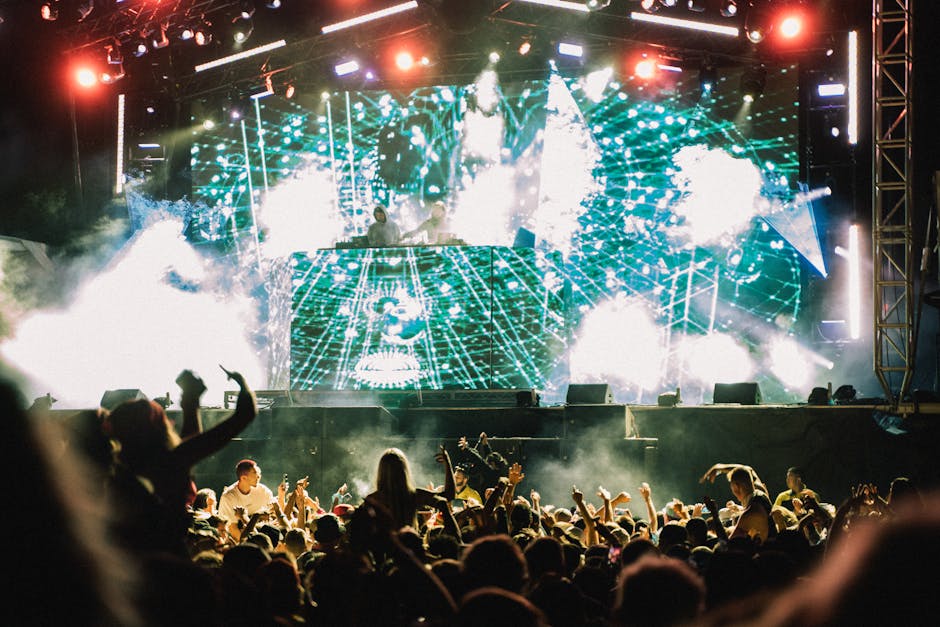
The Comedy Gala is the GICF’s headline event and is held on the final or penultimate night of the festival, typically at a large venue. The Gala brings together a lineup of the festival’s standout performers for an evening of back-to-back comedy — a celebration of everything the previous 18 days have contained. It is also the occasion on which the Sir Billy Connolly Spirit of Glasgow Award is presented, the festival’s most prestigious honour.
Past recipients of the award have included comedians who embody the spirit the name evokes — performers whose work carries genuine honesty, humanity, and connection with their audiences. The award has become a meaningful recognition in the British comedy industry. Tickets for the Comedy Gala sell out quickly and carry a premium. If you’re attending the festival, this is the show to prioritise.
How to Get Tickets
Getting tickets for GICF shows requires some planning, particularly for headline acts. Here’s how the ticketing works:
Where to Buy
- glasgowcomedyfestival.com: The official festival website. The programme is released here, with links through to individual venue box offices and ticketing platforms. Start here for the full picture of what’s on.
- Ticketmaster: Handles ticketing for many of the festival’s larger shows, including the Comedy Gala and King’s Theatre events.
- See Tickets: Covers many medium-sized shows and some of the venue-specific programming.
- ATG Tickets: Handles ticketing for the King’s Theatre specifically.
- Venue box offices: The Stand Comedy Club, Citizens’ Theatre, Tron Theatre, and others sell directly through their own websites and box offices.
When to Book
This is critical and often underestimated by first-time festival-goers:
- Headline acts: Book immediately when tickets go on sale, typically in December or January for the March festival. Major names sell out within hours or days of release. Set a reminder and check the festival website regularly from late November onwards.
- Comedy Gala: Often sells out on day of release. Treat this like a concert ticket for a popular band — be online at the moment sales open.
- Medium-sized shows: Book a few weeks in advance if you have a particular comedian in mind.
- Smaller pub and club shows: Often available until the night itself, or walk-up. Some are free. These are exactly where you should go if you arrive in Glasgow without a booking.
Ticket Prices
The GICF is genuinely accessible across a range of budgets:
- Free shows: A selection of free comedy events — particularly in pubs and community venues — throughout the festival. Check the programme carefully for free listings.
- Cheap shows (£5-£10): Many of the most rewarding small-venue shows in this range. This is the price point for catching rising stars.
- Mid-range (£10-£20): The bulk of GICF programming. Stand Comedy Club, Citizens’ Theatre, Tron, and similar venues typically price here.
- Premium (£20-£35+): King’s Theatre headline acts, Comedy Gala, and the very biggest names. These are arena-quality acts in a 1,700-seat Victorian theatre — a genuinely special experience that justifies the premium price.
- Student and concession discounts: Widely available across GICF shows. Present valid student ID at the box office. Many venues offer 20-30% discounts. Always ask when booking.
Festival Tips: Getting the Most from GICF
The Hidden Gems Strategy
Experienced GICF attendees know that the most memorable moments often come not from the headline acts but from the small, cheap, or free shows where you discover someone extraordinary before they become famous. The Edinburgh Fringe has developed a sophisticated ecosystem of “pick of the fringe” reviewing that helps audiences find breakout acts; GICF’s smaller scale means word-of-mouth is even more important.
Strategy: book one or two headline shows you’re certain about, then leave evenings free for spontaneous choices. Walk along Sauchiehall Street, read the A-boards outside pubs, check what The Stand has on late-night, ask the bar staff what they’ve enjoyed. The best comedy festival memories are often completely unplanned.
The Preview Show Opportunity
Many comedians who perform at GICF also do “preview” shows in other cities — Edinburgh, London, Manchester — in the months before March. These previews are typically cheaper, smaller-scale, and more intimate than the full festival performance. If you live in or near these cities, catching a comedian in preview can be one of the best live comedy experiences available: you’re seeing material being shaped in real time, at low cost, in a tiny room. Keep an eye on your local comedy club listings from November onwards.
Reading the Programme
The GICF programme — available as a digital download from the website and as printed copies in Glasgow venues, cafés, and hotels from January onwards — is essential planning material. A few things to know about reading it:
- Content warnings: Many shows include content guidance for strong language, adult themes, or specific subjects. Read these if you have preferences.
- Running times: Listed for each show. Stand-up comedy shows typically run 60-90 minutes. Budget accordingly.
- Age restrictions: Most shows are 16+ or 18+. Family shows are clearly marked. Don’t take children to adult shows.
- Work-in-progress shows: Some performers present work still being developed — these are usually cheaper and often fascinating. Expect rough edges and spontaneity.
Between Shows: Glasgow in March
March in Glasgow is early spring — the days are lengthening, but temperatures remain cool (5-10°C typically). Wrap up warm for evenings, particularly when moving between venues on foot. The city’s bar and restaurant scene is in full swing during GICF, and venues fill with comedy festival crowds creating a social energy that permeates the entire centre of town.
Between shows, Glasgow’s pubs offer warmth, excellent Scottish craft beer, and the kind of overheard conversation that would make good comedy material in itself. The Merchant City and Byres Road both have excellent post-show options.
Comedy in Glasgow Year-Round
The Glasgow International Comedy Festival is the peak, but Glasgow’s comedy scene operates 52 weeks a year.
The Stand Comedy Club
The Stand on Woodlands Road runs shows every Friday and Saturday night year-round, with additional shows on Thursdays and special events throughout the calendar. The weekly shows feature a mix of established headliners and supporting acts from the UK circuit. The Sunday lunchtime show — a more relaxed, shorter format — is particularly good value. Regular comedy nights at The Stand are one of Glasgow’s most reliable entertainment options, equivalent to what a great jazz club is to music lovers in other cities.
The Glee Club
The Glee Club operates regular weekend shows throughout the year in its dinner-and-comedy format. Good for a full evening out combining food and entertainment. Typically features three acts — two supports and a headliner — making it excellent value for a complete comedy night.
Open Mic Nights
Glasgow has a thriving open mic comedy circuit that provides the proving ground where tomorrow’s headliners are performing tonight. Venues across the city host regular open mics — free to attend, unpredictable in quality, and occasionally revelatory. Ask at The Stand for current open mic listings, or check Eventbrite for Glasgow comedy events.
Accommodation During GICF
The Glasgow International Comedy Festival generates significant demand for accommodation, particularly during the first weekend, final weekend, and Comedy Gala dates. Book well in advance if your visit coincides with any of these periods. The other date when Glasgow hotels fill is Hogmanay at the end of December, when rates can triple and the most central hotels are gone by September.
Glasgow has a wide range of accommodation options across all budgets, from budget hostels to luxury hotels, with a concentration of good-value city centre hotels that are ideally positioned for festival attendance. Most GICF venues are within walking distance of Glasgow city centre hotels, reducing the need for late-night transport after shows.
Key accommodation tips for GICF:
- Book as early as possible — the festival’s growing profile means Glasgow fills up in March.
- Stay central — being within walking distance of venues saves significantly on late-night taxi costs.
- Mid-week rates are significantly cheaper than weekends. A Tuesday night show at The Stand is equally good to a Saturday show and far cheaper to sleep through afterwards.
Getting to Glasgow for the Comedy Festival
Glasgow is well-connected to the rest of the UK and internationally:
- By air: Glasgow International Airport (GLA) has direct flights from across the UK, Europe, and North America. A short taxi, bus, or rail journey reaches the city centre.
- By train: Glasgow Central and Glasgow Queen Street connect to London, Edinburgh, and destinations across Scotland and England. The Caledonian Sleeper from London Euston is a romantic option for English visitors.
- From Edinburgh: The 50-minute train journey makes a day-trip to GICF easy from Edinburgh. Trains run frequently and late enough for evening shows.
For full details on moving around the city once you’re here, see our comprehensive guide to getting around Glasgow.
Why the Glasgow Comedy Festival Is Worth the Trip
Comedy festivals have multiplied across the UK and Ireland in the past two decades, and the traveller with limited time must be selective. Why is the Glasgow International Comedy Festival worth making a specific trip for?
First: the city. Comedy is inseparable from the environment in which it’s experienced, and Glasgow is one of the warmest, most naturally witty cities in the world. Glasgow audiences are notoriously engaged — they laugh at what’s funny, they don’t laugh at what isn’t, and they’re honest about the difference in ways that performers find both terrifying and exhilarating. A Glasgow crowd energises good comedy in a way that few other cities can match.
Second: the programming. GICF consistently attracts genuinely major names alongside the most exciting emerging talent. The curatorial judgment that underpins the programme reflects decades of experience and a deep knowledge of the comedy world. You won’t struggle to find something worth seeing.
Third: the city itself as a backdrop. Glasgow in March — with its spring light beginning to assert itself against the last of the winter, its pubs and bars busy with festival crowds, its streets full of comedians and comedy fans comparing notes — is a genuinely special experience. The GICF doesn’t just happen in Glasgow; it becomes part of Glasgow for 19 days, woven into the fabric of the city in a way that the best festivals always manage.
Laugh here. You’re in the right city for it. For more on Glasgow’s events and festivals calendar throughout the year, explore our complete Glasgow events guide.