Hogmanay is Scotland’s most celebrated festival — a New Year’s Eve tradition so deeply embedded in Scottish culture that for centuries it eclipsed Christmas itself. In Glasgow, Hogmanay is not a tourist spectacle but a genuine, city-wide eruption of joy, music, dancing, and warm-hearted chaos that spills from tenement flats to packed pubs to the cold December streets. If you’re visiting Glasgow over the festive period, or you simply want to understand one of the world’s great New Year celebrations, this guide tells you everything you need to know: the history, the traditions, where to go, what to expect, and how to have an unforgettable Scottish New Year’s Eve.
What Is Hogmanay?
Hogmanay (pronounced hog-muh-NAY) is the Scottish word for the last day of the year — 31 December — and the name given to the celebrations that surround it. The word’s origins are debated: some linguists trace it to the Old French aguillaneuf, a gift given at New Year, while others point to Gaelic or Norse roots. What’s beyond dispute is that Hogmanay has been Scotland’s most important annual festival for hundreds of years, and it shows no sign of giving up that crown.
The celebration has pagan and Viking origins stretching back to the Norse midwinter festival of Yule. When Christianity arrived, the Church tried — with varying degrees of success — to redirect winter festivities toward Christmas. In Scotland, the Protestant Reformation of the 16th century took this further than almost anywhere else in the world: Christmas was officially banned in Scotland from 1640 and wasn’t formally recognised as a public holiday until 1958. The result was that New Year, not Christmas, became Scotland’s great winter festival — and Scots put centuries of festive energy into making it spectacular.
Even today, when Christmas is fully celebrated north of the border, Hogmanay retains a special status. Scots who would never describe themselves as sentimental will get misty-eyed at the Bells. Strangers embrace in the street. Everyone knows the words to Auld Lang Syne. It is a festival that genuinely means something.
The Key Hogmanay Traditions You Need to Know
The Bells
The Bells is the moment midnight strikes on 31 December — the single most charged emotional moment of the Scottish calendar. In pubs, at house parties, in the street, and at large outdoor events, everything stops as the clock counts down. Strangers become friends. Old friends become teary. The bells ring — on television, George Square’s clock, or the chimes from the nearest church — and Scotland simultaneously erupts in cheering, kissing, and song. If you’ve never experienced a Scottish New Year before, the Bells will likely move you in ways you didn’t expect.
Auld Lang Syne
Written by Scotland’s national bard Robert Burns in 1788, “Auld Lang Syne” is now sung at midnight in countries from Japan to Brazil — and most people don’t know it’s Scottish. The title translates roughly as “old long since” or “for old times’ sake,” and the lyric is a meditation on the value of friendship, memory, and connection across time. At the Bells, Scots join hands in a circle — arms crossed, hands grasped — and sing all four verses (or at least try to; most people only know the chorus). Hearing it sung by a packed Glasgow pub at 12:01am is one of the great experiences the city offers.
First-Footing
First-footing is one of the oldest and most beloved Hogmanay traditions: being the first person to cross a friend’s or neighbour’s threshold after midnight. The first foot carries symbolic gifts that represent prosperity and good fortune for the household in the year ahead:
- Coal — for warmth throughout the year (or in modern times, a gift card or bottle of something warming)
- Shortbread — for food and plenty
- Whisky — for good cheer (bring a good single malt if you can)
- Black bun — a dense, spiced fruit cake wrapped in pastry, traditional specifically to Hogmanay
- Salt — for flavour and prosperity
Tradition holds that the luckiest first foot is a tall, dark-haired man. A red-haired first foot was historically considered unlucky (a Viking superstition, some say). Women were thought to bring neutral luck. Whether you believe any of this is beside the point — the custom means that in the small hours of 1 January, Glasgow’s streets are full of people warmly welcomed carrying bottles of Scotch, calling on friends and neighbours. First-footing can go on all night and well into the early hours of New Year’s Day.
Redding the House
Traditionally, Scots would clean the house thoroughly before Hogmanay — paying off debts, returning borrowed items, and clearing out the old year’s clutter. This “redding” (an old Scots word for tidying) was about starting the new year with a clean slate, literally and figuratively. You’ll still hear older Glaswegians mention it. It’s a sensible tradition that most of us observe only partially.
Glasgow vs Edinburgh Hogmanay: What’s the Difference?
Edinburgh’s Hogmanay is world-famous: a ticketed outdoor street party in the Old Town drawing 30,000+ people, with concerts on multiple stages, a torchlight procession, and fireworks over the castle. It is spectacular, internationally marketed, and heavily organised — tickets sell out months in advance and it costs around £30–60 per person just for the street party.
Glasgow’s Hogmanay is different in character — and many Scots prefer it precisely because of that difference. Glasgow doesn’t have a single flagship outdoor event in the same way. Instead, the celebration is distributed across hundreds of pubs, clubs, restaurants, hotel ballrooms, and private homes. It feels less like a festival with a stage and more like an entire city throwing a party. There is a rawness and authenticity to Glasgow’s New Year that visitors often find more moving than Edinburgh’s polished pageant.
That said, Glasgow absolutely has large public celebrations — George Square is buzzing on the night, and Glasgow Green has historically hosted fireworks displays. The difference is that Glasgow’s Hogmanay is woven into the fabric of the city rather than contained in a ticketed zone.
Where to Celebrate Hogmanay in Glasgow
Sloans — The Classic Glasgow Hogmanay Ceilidh
If you’re going to do one Hogmanay thing in Glasgow, many locals would say it should be Sloans. Glasgow’s oldest pub and restaurant, tucked behind Argyle Street at Buchanan Galleries, Sloans hosts a legendary Hogmanay ceilidh (pronounced KAY-lee) — a traditional Scottish dance night with live music, a caller to guide you through the dances, and the kind of exuberant atmosphere that makes you feel like you’ve arrived somewhere genuinely Scottish.
A ceilidh involves group dances — the Gay Gordons, Strip the Willow, the Dashing White Sergeant — that are energetic, joyful, and completely inclusive regardless of experience. By 11pm you’ll be sweating, laughing, and arm-in-arm with strangers. The Bells at Sloans are extraordinary. Tickets sell fast — book months in advance for Hogmanay.
Barrowland Ballroom — The Rock and Roll Hogmanay
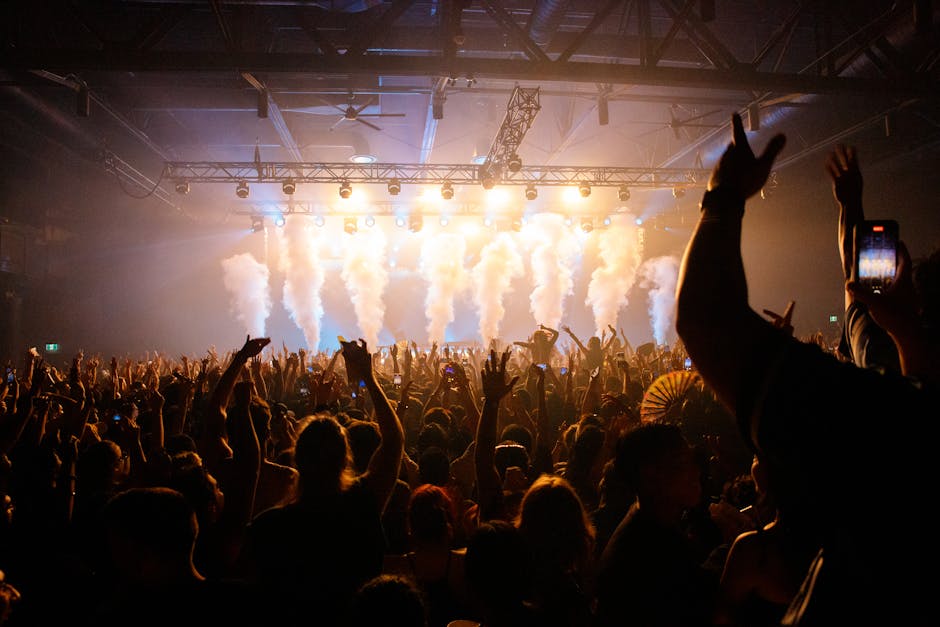
The Barrowland Ballroom is one of the world’s great music venues — and for Hogmanay it becomes something special. Acts have been performing special Hogmanay shows at Barrowland for decades. Most famously, Big Country played here on Hogmanay 1983 in what became a legendary gig in Scottish rock history. The tradition has continued in various forms ever since. If you love live music and want to see out the year in a venue with genuine soul and history, check the Barrowland listings as soon as they’re announced. Tickets go fast.
Merchant Square
Merchant Square in the Merchant City district hosts special Hogmanay celebrations in its covered courtyard — a beautiful Victorian space that comes alive with music, food, and festive atmosphere. It’s a good option if you want something slightly more polished and sheltered from December weather, with bars and restaurants staying open late and live entertainment into the early hours.
Hotel Galas and Black Tie Balls
Glasgow’s grand hotels — the Kimpton Blythswood Square, the Radisson Blu, the Grand Central, and the Hilton — all run Hogmanay gala dinners and balls. These are formal affairs: black tie or Highland dress, five-course dinner, ceilidh band, DJ until 3am, and usually a champagne toast at the Bells. Prices range from £80–150 per person. They’re excellent if you want a special occasion feel and guaranteed warmth and seat. Book months ahead — they sell out quickly.
Glasgow’s Pubs and Bars
The majority of Glaswegians see in the New Year in their local pub — and this is entirely the right thing to do. Glasgow has some of the finest pub culture in Scotland, and on Hogmanay the city’s bars become special places. Many charge a small entry fee (£5–15) that includes a welcome drink. Others stay free entry all night. A few particularly popular options:
- The Horseshoe Bar (Drury Street) — one of Glasgow’s oldest and most beloved pubs, traditional, friendly, and reliably spectacular on Hogmanay
- The State Bar (Holland Street) — a proper Glasgow local with live music on special occasions
- BrewDog Glasgow (Sauchiehall Street) — good for craft beer fans, lively and central
- The Hielanman’s Umbrella pubs — the string of bars under the Central Station railway bridge, uniquely atmospheric on Hogmanay
- Oran Mór (Great Western Road) — the converted church at the top of Byres Road, with multiple event spaces running different Hogmanay experiences
George Square and Glasgow Green
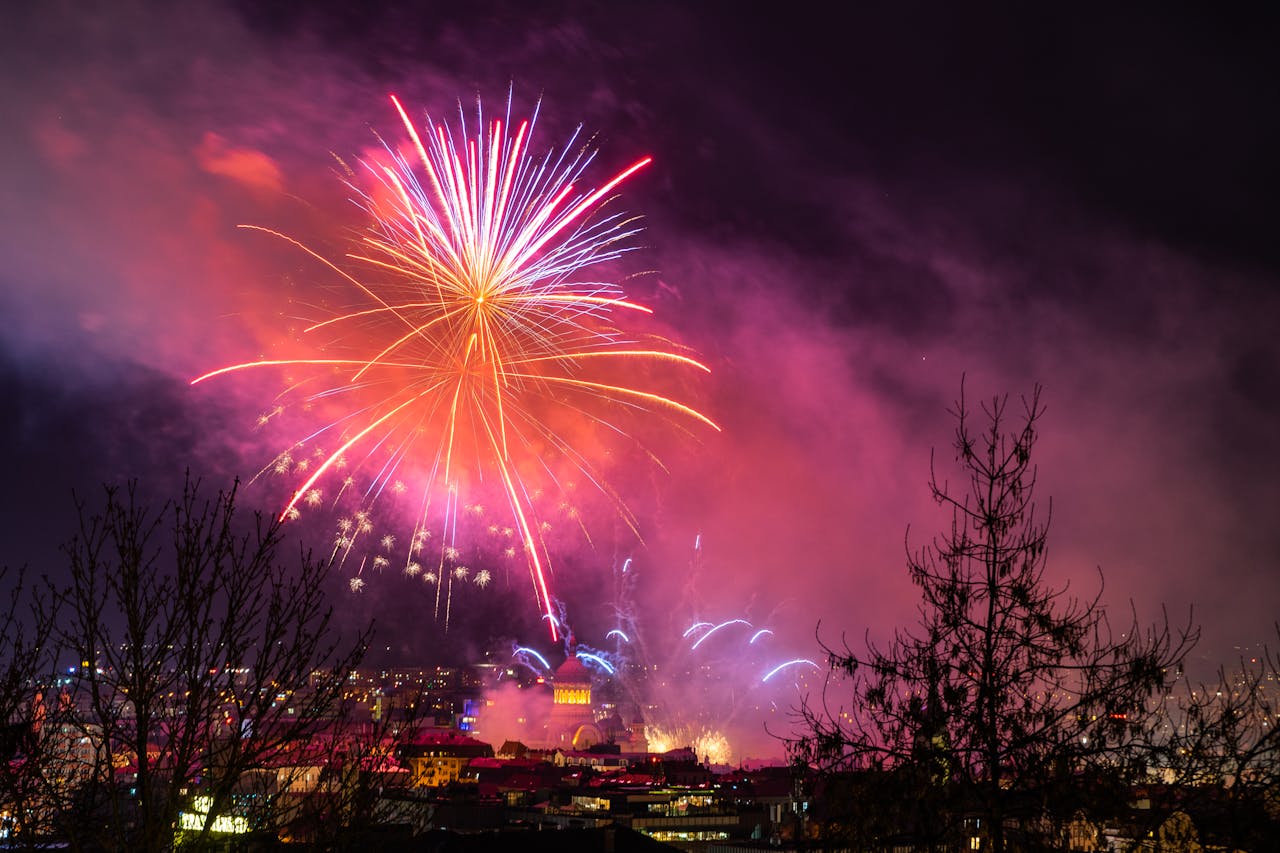
Glasgow’s George Square fills naturally with people on Hogmanay night, particularly in the hours around midnight. There’s no official ticketed event here — it’s organic and free. Glasgow Green has historically hosted fireworks at midnight, making it a good spot for families who want to watch the display before heading home. Check what’s officially planned each year, as it varies. Glasgow Green also hosts the three-day TRNSMT music festival each June, drawing 50,000 people a day to the edge of the city centre.
What to Wear for Hogmanay in Glasgow
31 December in Glasgow means one thing: cold. Average temperatures hover around 3–7°C, with wind chill that can make it feel significantly colder, and a high probability of rain. If you’re spending any time outdoors — queuing for venues, walking between bars, watching fireworks, or first-footing — you need to dress appropriately:
- A genuinely warm coat (not a fashion jacket — a proper winter coat)
- Waterproof outer layer or umbrella
- Thermal base layers under your outfit
- Warm socks and shoes you can walk in (cobblestones in the Merchant City are unforgiving on heels)
- Hat and gloves if you’re spending extended time outdoors
For ceilidhs and hotel galas, Highland dress — kilt, dress sporran, Prince Charlie jacket — is entirely appropriate and looks magnificent. Many Glaswegians wear it. Tartan scarves or sashes are a slightly easier way to get into the spirit if you don’t own or want to hire full Highland dress.
Getting Around Glasgow on Hogmanay
Public Transport
ScotRail typically runs extended services on Hogmanay night, but schedules vary year to year — always check the ScotRail website well in advance for that year’s special timetable. The Glasgow Subway (the Clockwork Orange) usually runs late on Hogmanay. First Bus and McGill’s also run extended night services on New Year’s Eve.
The important thing to know: public transport fills up very quickly around midnight and 1–2am. If you’re relying on a bus or train home, check departure times carefully and give yourself more time than you think you need to get to the stop.
Taxis and Rideshare
Pre-booking is absolutely essential. Glasgow taxis are heavily in demand from 11pm until 3am on Hogmanay and prices surge significantly. If you’re using a black cab or licensed taxi company, call or book online well in advance. Uber and similar apps are available but surge pricing on Hogmanay can be considerable. Your hotel concierge can usually help with pre-booked taxis if you ask a few days in advance.
Walking
Glasgow city centre is compact enough that many venues are walkable from each other and from many hotels. If you’re staying central, walking to and from your destination — appropriately dressed — is often the most reliable option on Hogmanay night. The city is extremely busy in the zone from Buchanan Street to the Merchant City between 11pm and 2am, which creates a festive atmosphere but also slow progress.
Where to Stay for Hogmanay in Glasgow
Accommodation for Hogmanay in Glasgow should be booked as early as possible — ideally six months in advance and no later than September. Prices typically triple or more during this period, and the most central hotels sell out entirely. What’s available in late October for 31 December is likely to be limited and expensive. Anyone arriving earlier in December can pair the trip with the George Square Christmas market and its ice rink, which runs from mid-November to the end of December.
The best hotels for Hogmanay are those within walking distance of the action:
- Kimpton Blythswood Square Hotel — runs its own Hogmanay ball and is beautifully central
- Grand Central Hotel — directly above Central Station, stunning Victorian building, runs Hogmanay events
- citizenM Glasgow — good value, very central on Renfrew Street
- Radisson Blu — on Argyle Street, close to Sloans and the Merchant City
- Holiday Inn Express Merchant City — budget-friendly, very well positioned
If you’re visiting with a group, consider self-catering apartments (search Airbnb or SITU Serviced Apartments) which allow you to host your own first-footing and save money over multiple hotel rooms. Book even earlier for these — the best ones go by August.
Hogmanay Food and Drink
Traditional Hogmanay Food
Food traditions at Hogmanay are specific and delicious:
- Black bun: the traditional first-footing gift — a dense, very spiced fruit cake (raisins, currants, almonds, ginger, cinnamon, allspice) encased in a plain shortcrust pastry shell. It’s an acquired taste but utterly Scottish. Find it in most supermarkets from mid-December.
- Shortbread: buttery, crumbly, and ubiquitous at this time of year. Walkers Shortbread is the famous brand, but Glasgow’s independent bakeries do versions that’ll spoil you for anything else.
- Steak pie: the traditional New Year’s Day lunch in Scotland — a rich, slow-cooked beef stew under a golden puff pastry lid. It’s hearty, warming, and exactly what you need after a long Hogmanay night. Almost every Scottish butcher makes their own version in December.
- Cranachan: raspberries, cream, oatmeal, and whisky — a Scottish dessert that appears at New Year celebrations as well as Burns Night.
The Whisky Question
Whisky is the drink of Hogmanay — it’s what you bring first-footing and what you toast with at the Bells. If you’re choosing a bottle to bring as a first-foot gift, here are some Glasgow-appropriate options:
- Auchentoshan — Glasgow’s own single malt, distilled in Clydebank on the outskirts of the city, triple-distilled and notably smooth. An ideal Hogmanay bottle.
- Glengoyne — distilled just 14 miles north of Glasgow, non-chill-filtered and beautifully made
- Loch Lomond — a good accessible option from a distillery just 30 miles from the city
The best whisky shop in Glasgow for Hogmanay bottles is The Good Spirits Co. on Bath Street, with an outstanding selection of single malts and knowledgeable staff.
Hogmanay for Families
Hogmanay with children in Glasgow is perfectly possible — and there are aspects that are genuinely wonderful for kids. The fireworks displays (Glasgow Green and sometimes George Square) are spectacular and child-friendly earlier in the evening. The atmosphere of a city getting dressed up and excited is something children respond to viscerally. Merchant Square often has family-friendly events earlier in the evening.
The practical advice for families: plan the early evening celebration separately from the adult midnight element. Some families do dinner at a restaurant (many do special Hogmanay menus from 5pm), watch the fireworks if there’s an early display, then get children home and settled before returning for the Bells. Others simply watch the BBC coverage at home with the kids and let the countdown be a family affair. Both approaches are entirely valid.
New Year’s Day in Glasgow
The Loony Dook (and Glasgow Equivalents)
Edinburgh’s Loony Dook — a mass swim in the Firth of Forth at South Queensferry on New Year’s Day morning — is the most famous New Year’s swim in Scotland, but the tradition of bracing cold-water swimming on 1 January has spread across the country. Some Glasgow venues and local groups organise their own New Year’s Day swims in the River Clyde or at nearby lochs. Check local Facebook groups and community event listings for whatever’s organised that year.
The Recovery
Scotland takes New Year’s Day as a bank holiday, and 2 January is also a Scottish bank holiday (unique to Scotland — England doesn’t have it). This means Glaswegians have two days to recover, first-foot, and continue celebrating. Many pubs open from noon on 1 January with very forgiving atmospheres. The steak pie lunch is a genuine institution — if you’re in the city on New Year’s Day, seek one out from a local butcher or pub doing traditional food. The music starts again quickly — the Celtic Connections winter music festival has filled concert halls, pubs and churches across the city for eighteen days every January since 1994.
Hogmanay Practical Tips
- Book everything early: accommodation, event tickets, restaurant tables, and taxis all sell out for Hogmanay. September is not too early; July is better.
- Carry cash: many smaller venues and pubs prefer cash on Hogmanay, and ATMs in the city centre get very busy around midnight.
- Keep your phone charged: mobile networks in central Glasgow get congested around midnight — send messages before 11:45pm for best reliability.
- Learn at least the chorus of Auld Lang Syne: “For auld lang syne, my jo / For auld lang syne / We’ll tak a cup o’ kindness yet / For auld lang syne.” You will be expected to sing it.
- First-foot your host with gifts: if you’re going to any private party after midnight, bring something. A bottle of whisky, shortbread, or black bun. It’s important etiquette.
- Don’t underestimate the cold: wind and rain can make December nights in Glasgow brutal. Pack proper winter clothing.
- Enjoy the January deals: many Glasgow bars and restaurants run excellent deals in early January as the city recovers — a great time to explore the dining scene.
Why Glasgow’s Hogmanay Is Unmissable
There are bigger New Year’s Eve events in the world — Sydney Harbour fireworks, New York’s Times Square, Edinburgh’s ticketed street party. But few cities welcome the New Year with the combination of warmth, authenticity, music, and genuine cultural depth that Glasgow brings to Hogmanay. This is a city that has been celebrating this night for centuries, that has its own songs and its own rituals and its own way of embracing strangers at midnight. It costs nothing to stand at the Bells in a Glasgow pub and feel the room lift when the clock strikes twelve.
Glasgow’s Hogmanay is not a show put on for tourists. It is the real thing — a city welcoming the new year in the way its people have done for generations, with open arms, a glass of something warming, and the voice of Robert Burns ringing out into the cold Scottish night.
For more on what’s happening in Glasgow throughout the year, see our Glasgow Events and Festivals guide — your complete resource for everything from Celtic Connections to the West End Festival. March then brings the Glasgow Comedy Festival, 19 days of stand-up and sketch shows across the city.