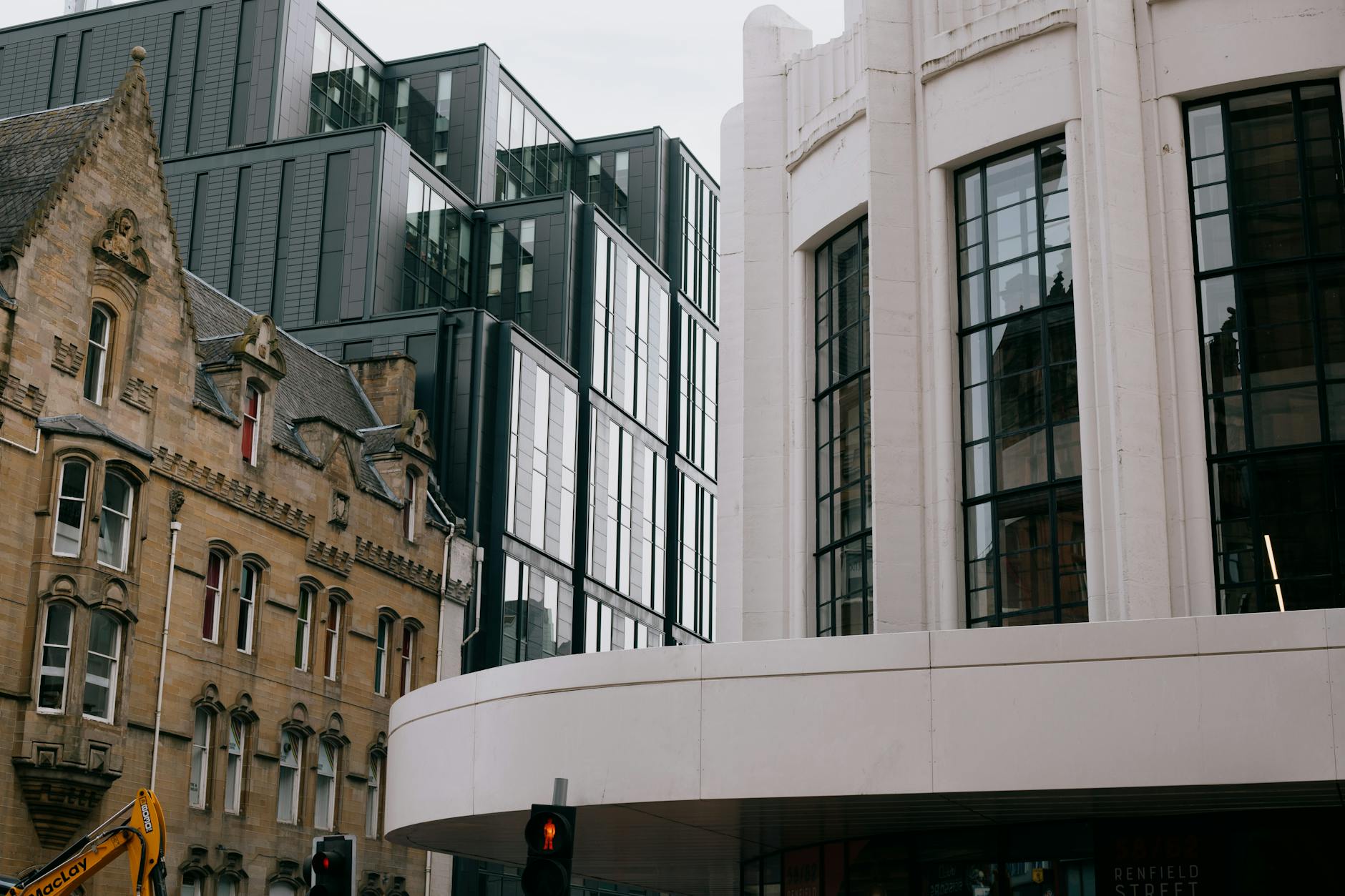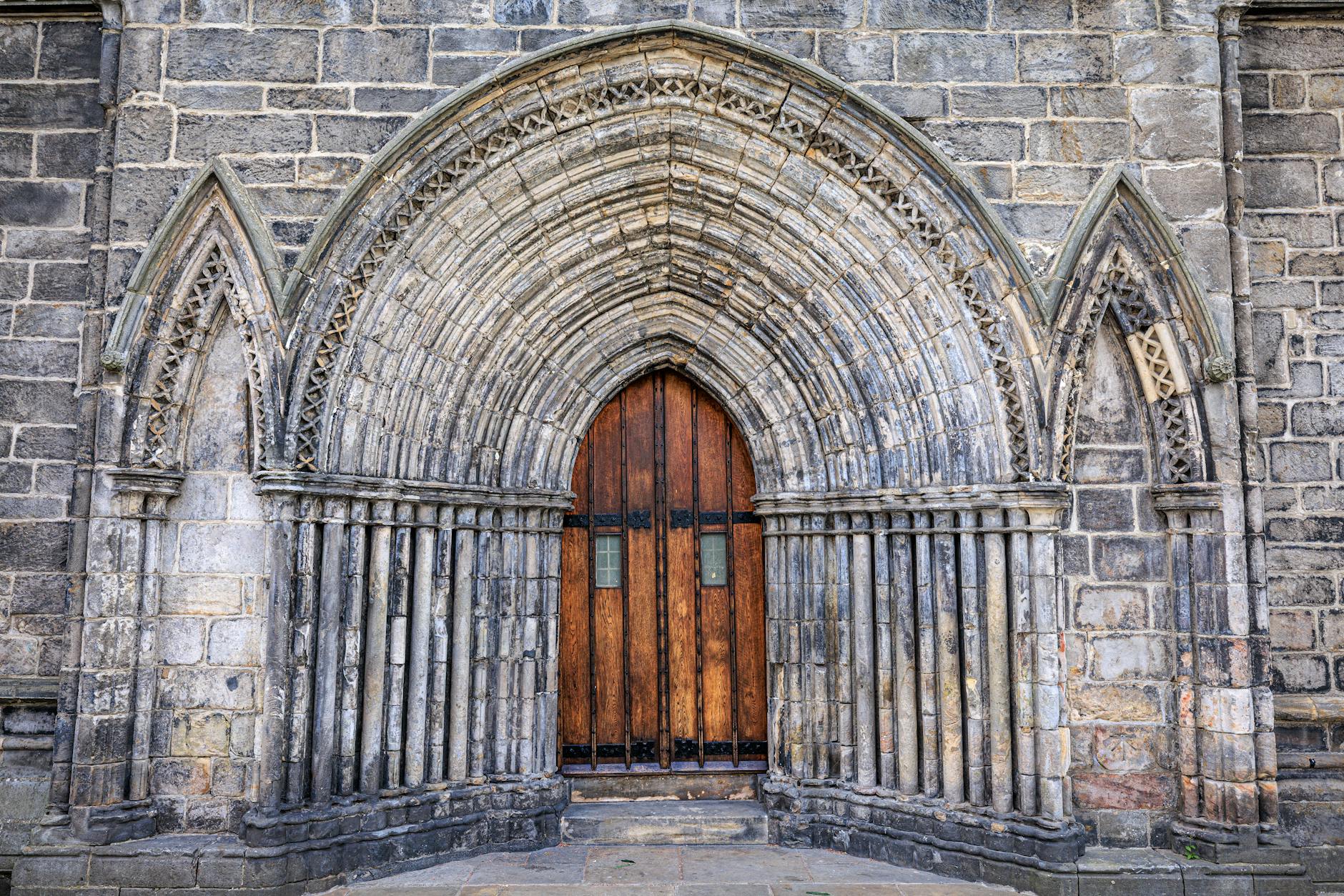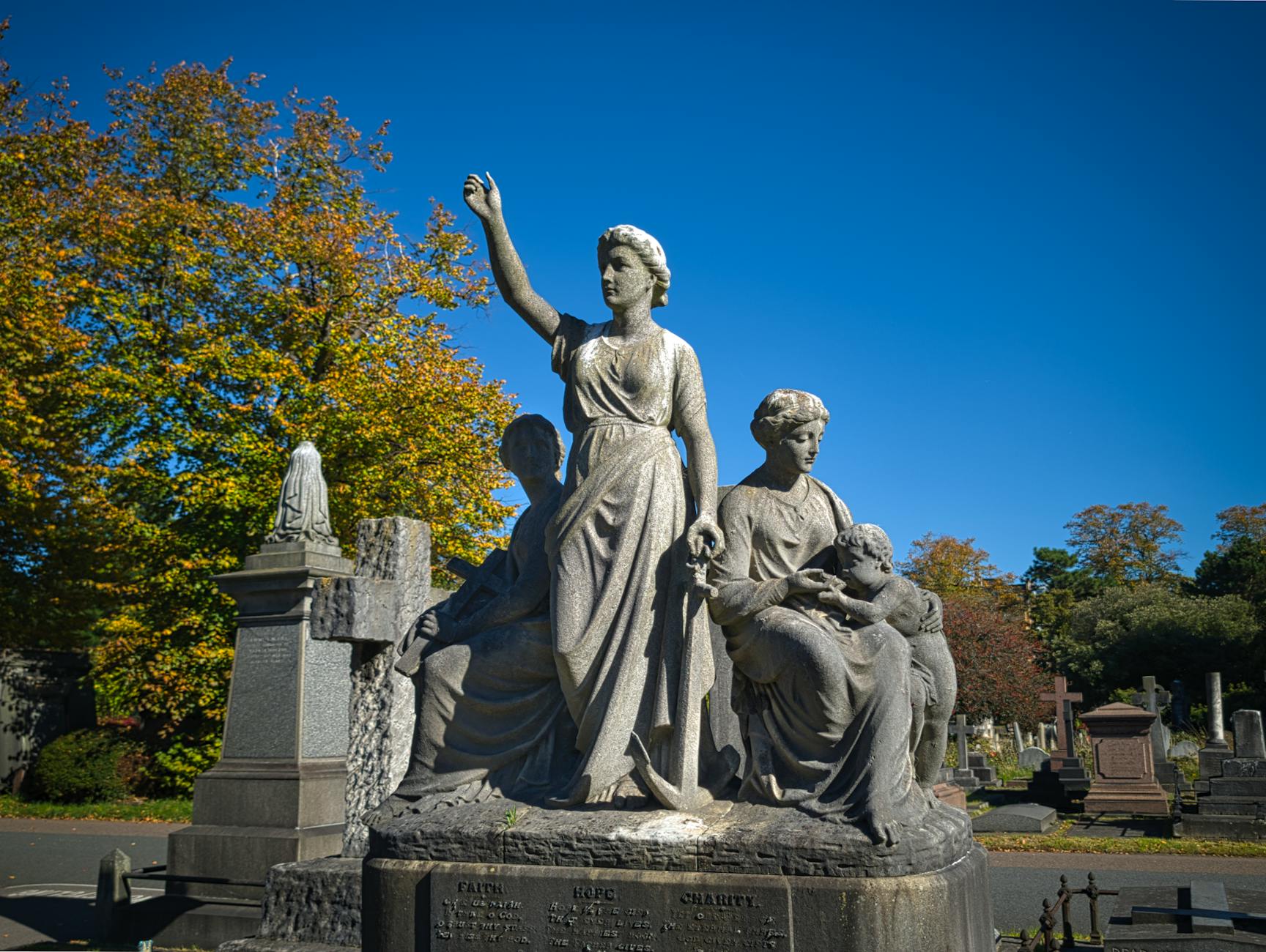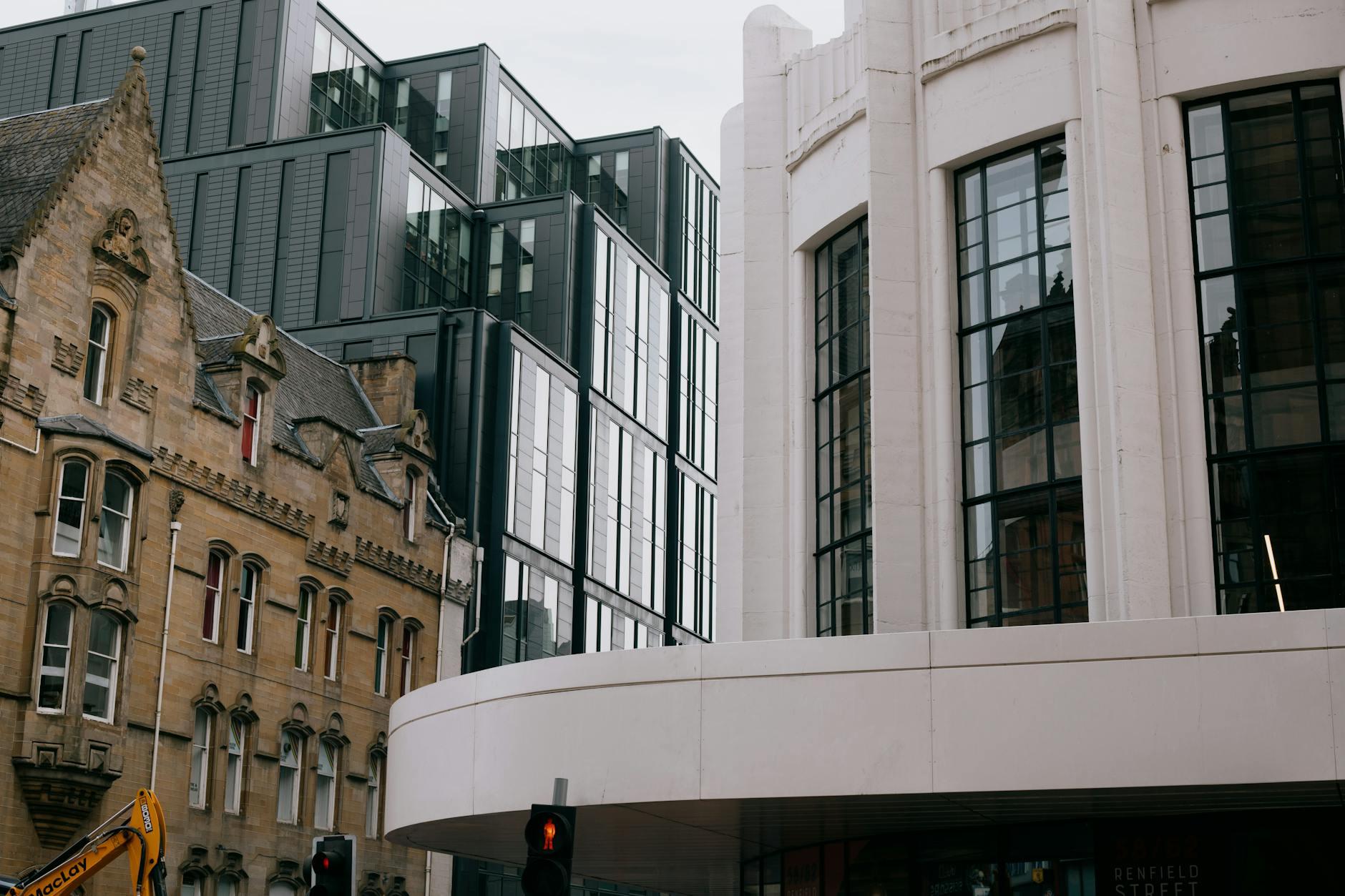
Glasgow’s Merchant City is one of Britain’s finest urban regeneration stories — a historic quarter that transformed from post-industrial decline into one of Scotland’s most vibrant neighbourhoods, while retaining the extraordinary Georgian and Victorian architecture that made it exceptional in the first place. This is where Glasgow’s 18th-century tobacco lords built their fortunes and their mansions. Today, those same stone-faced buildings house restaurants, bars, arts venues, and boutique apartments, creating a neighbourhood that manages to be both authentically historic and genuinely alive. This guide covers the history, the architecture, the cultural highlights, and how to explore every corner of Merchant City on foot.
What Is the Merchant City?
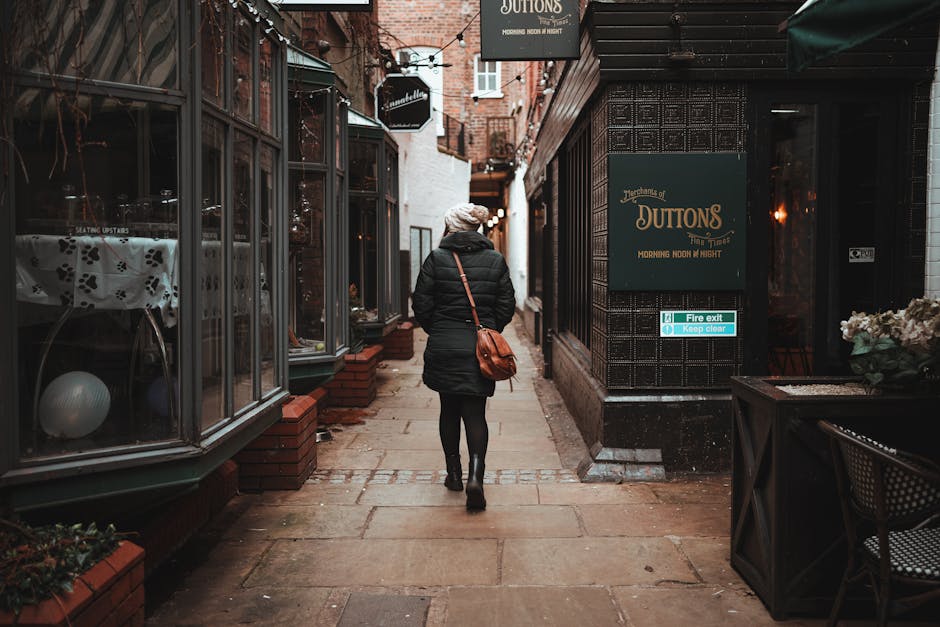
The Merchant City is Glasgow’s historic trading quarter, occupying a roughly rectangular area east of the city centre, bounded loosely by Trongate to the south, Ingram Street to the north, the High Street to the east, and Buchanan Street to the west. It’s a compact, walkable neighbourhood — you can cross it in fifteen minutes — but its density of historical significance, architectural beauty, and cultural activity makes it worth spending a full day or more exploring.
Unlike many “historic quarters” that exist primarily as tourist constructs, the Merchant City is a genuinely lived and worked neighbourhood. People live in its converted warehouses, work in its offices, eat in its restaurants, and drink in its bars. The history isn’t a performance — it’s woven into the fabric of the place. The street names alone tell the story: Ingram Street, Virginia Street, Glassford Street, Dunlop Street — all named for the tobacco merchants and the trade routes that made them rich.
For an understanding of Glasgow’s broader history and architecture, the Merchant City is the essential starting point. This is where the modern city was born.
The History of the Merchant City
The Tobacco Lords: Glasgow’s Golden Age
The story of the Merchant City begins with tobacco. In the first half of the 18th century, Glasgow merchants recognised an extraordinary commercial opportunity: their position on the west coast of Scotland, combined with the prevailing Atlantic winds, meant that ships from Glasgow could reach Virginia and Maryland — the great tobacco-growing colonies — faster than ships from Bristol or London. The return journey was equally swift. Glasgow began to dominate the British tobacco trade, and by the 1740s, Glasgow merchants were handling more than half of all tobacco imported to Britain.
The men who ran this trade became known as the Tobacco Lords. Figures like John Glassford, William Cunninghame, Andrew Buchanan, and Archibald Ingram accumulated extraordinary wealth — wealth that today seems almost incomprehensible in its scale relative to the city’s size at the time. They built palatial townhouses and warehouses in what became the Merchant City, establishing a neighbourhood of Georgian elegance that stood in stark contrast to the working-class tenements elsewhere in the expanding city.
The Tobacco Lords were famous for their ostentation. They wore scarlet cloaks and gold-tipped canes, and they walked in the middle of the Plainstanes — the paved area in front of the old Tontine Hotel on the Trongate — which ordinary citizens were expected to step aside for. Glasgow’s wealth during this period was, it must be acknowledged, built substantially on the labour of enslaved people in the American colonies. This history is increasingly and rightly acknowledged in Glasgow today.
The American Revolution and its Aftermath
The prosperity of the Tobacco Lords came to an abrupt end with the American War of Independence (1776-1783). The disruption to Atlantic trade, followed by American independence and the loss of the colonial trading relationship, devastated Glasgow’s tobacco trade almost overnight. Some merchants were ruined; others had the foresight to pivot — to cotton, chemicals, and the early stirrings of industrial manufacturing that would define Glasgow’s next century.
The physical legacy — the buildings, the street grid, the Georgian townhouses — survived. The Merchant City’s architecture is largely a monument to that brief, extraordinary period of tobacco wealth. The merchants may have gone, but their buildings remain.
Decline and Regeneration
Through the 19th and early 20th centuries, the Merchant City shifted from residential elegance to commercial and industrial use. Warehouses replaced townhouses. By the mid-20th century, the area had declined significantly — much of it was effectively derelict or underused. The city’s population was moving outward to housing schemes, and the historic centre was hollowing out.
The regeneration that transformed the Merchant City began in earnest in the 1980s, supported by Glasgow’s remarkable cultural renaissance — the year as UK City of Culture in 1990, the opening of new arts venues, and a wave of investment in the built environment. Former warehouses became flats. Derelict ground became bars and restaurants. The Italian Centre, opened in 1991, was a landmark moment — a purpose-built luxury retail and residential development that signalled the neighbourhood’s new direction.
Today, the Merchant City is one of Glasgow’s most desirable addresses and a thriving cultural and gastronomic hub. It is regeneration that worked — preserving the historic fabric while filling it with contemporary life.
Merchant City Architecture: A Building-by-Building Guide
The Merchant City’s architectural heritage is extraordinarily rich. Here are the buildings you must know.
The Tolbooth Steeple — Glasgow Cross
Standing at the junction of Trongate, Gallowgate, and London Road, the Tolbooth Steeple is one of Glasgow’s oldest surviving buildings, dating from 1625-1627. Its 38-metre tower was once part of the Tolbooth building — Glasgow’s town hall, courthouse, and prison combined. The Tolbooth was the beating heart of Glasgow’s civic life for over two centuries: the place where magistrates dispensed justice, merchants paid customs duties, and criminals were imprisoned in the cells below.
The main Tolbooth building was demolished in 1921, but the steeple was preserved as a listed building and still stands at Glasgow Cross — the historic focal point of the medieval city. The steeple’s baroque top section, added in the 17th century, is particularly fine. Standing at Glasgow Cross and looking at the steeple is to stand at the very centre of the city’s original geography.
The Tron Steeple and Tron Theatre — Trongate
A short walk west along the Trongate brings you to the Tron Steeple — all that physically remains of the Church of St Mary and St Anne, which stood here from 1637. The church itself was destroyed by fire in 1793 (an incident for which the Hellfire Club, a dissolute drinking society, has traditionally been blamed). The steeple was incorporated into the building that now houses the Tron Theatre — one of Glasgow’s most important producing theatres, specialising in contemporary Scottish and international drama.
The juxtaposition of a 17th-century steeple and a working contemporary theatre is quintessentially Glaswegian: the city’s relationship with its past is comfortable and unsentimental. The steeple is simply part of the theatre building now, as it has been since the 1790s.
St Andrew’s in the Square
Built between 1739 and 1756, St Andrew’s in the Square is widely considered the finest Georgian church in Glasgow and one of the best examples of Georgian ecclesiastical architecture in Scotland. The church’s design — a Corinthian portico modelled on St Martin-in-the-Fields in London — reflects the taste and ambition of the Tobacco Lord era. This was a wealthy congregation demonstrating its sophistication through architectural patronage.
No longer used as a church, St Andrew’s now operates as a cultural venue, hosting concerts, ceilidhs, events, and exhibitions. The interior has been sensitively preserved and is worth seeing when events allow access. The square itself — St Andrew’s Square, not to be confused with Edinburgh’s — is a peaceful Georgian set piece that offers a moment of calm in the city.
Trades House — Glassford Street
The Trades House on Glassford Street is one of only two surviving buildings in Glasgow designed by Robert Adam, Scotland’s greatest neoclassical architect. Built between 1791 and 1794, it serves as the home of the Glasgow Trades House — the ancient body representing Glasgow’s trade incorporations, which date back to the medieval guild system. The Trades House still functions today, supporting charitable work and maintaining continuity with the city’s craft and trade traditions.
The building’s elegant facade — with its Ionic columns, curved bow windows, and restrained neoclassical detailing — is among the finest on any Glasgow street. Look up at the first-floor windows when walking along Glassford Street; the proportions are immaculate.
Virginia Street and Virginia Court
Virginia Street, running north from Argyle Street, is named directly for the Virginia tobacco trade that made the Tobacco Lords rich. It was here that merchants conducted their business — trading tobacco, arranging shipping, managing the complex financial instruments of 18th-century commerce. Virginia Court, a small alley off Virginia Street, gives a sense of the close-packed commercial world of the period.
Today Virginia Street is largely commercial, but the street width, the scale of the buildings, and the surviving 18th and 19th-century facades make it one of the Merchant City’s most atmospheric thoroughfares. The Virginia Galleries, off Argyle Street, preserves the name and a fragment of the historic character.
Royal Exchange Square and the Gallery of Modern Art (GoMA)
Royal Exchange Square, just off Buchanan Street and technically at the western edge of the Merchant City, is one of Glasgow’s great urban set-pieces. The square is dominated by the former Royal Exchange building — a neoclassical masterpiece built in 1829 to designs by David Hamilton, incorporating an earlier 18th-century Tobacco Lord mansion as its core. The portico of Corinthian columns is among the grandest architectural gestures in the city.
Today the building houses the Gallery of Modern Art (GoMA) — Glasgow’s most visited free attraction. The gallery presents contemporary art across four floors, with changing exhibitions that have included major works by national and international artists. Admission is free, and the quality of the programming consistently punches above what you might expect from a civic gallery of this size.
In front of GoMA stands the equestrian statue of the Duke of Wellington — and on the Duke’s head, almost always, sits an orange traffic cone. This is Glasgow’s most beloved and most photographed sight. The cone has been placed on the Duke’s head by revellers since at least the 1980s; the council periodically removes it, and it reappears within hours. When Glasgow City Council proposed raising the statue’s plinth specifically to deter cone-placers in 2013, public outrage was such that the plan was abandoned. The Duke with his cone is now considered an unofficial city symbol.
The Italian Centre — Ingram Street
The Italian Centre, which opened in 1991 at the corner of Ingram Street and John Street, was one of the Merchant City’s defining regeneration projects. Designed by Page & Park Architects, it incorporated surviving Victorian warehouse facades and new-build elements into a complex centred on an elegant arcaded courtyard. Classical sculptures — muscular figures in various heroic poses — adorn the exterior, a knowing reference to Italian Renaissance aesthetics that divided opinion when first unveiled and now feel perfectly at home.
The Italian Centre houses premium fashion brands, restaurants, and residential apartments. It established the Merchant City’s credentials as a destination for design-conscious, premium retail and dining — a character it retains today.
Cultural Venues in the Merchant City
The Merchant City punches well above its weight for arts and culture, with a concentration of innovative venues that make it Glasgow’s most creatively dense neighbourhood.
Trongate 103 — A Multi-Arts Complex
Trongate 103 is one of Glasgow’s most important cultural addresses. A former whisky bond converted into a multi-arts complex, it houses several distinct organisations under one roof:
- Glasgow Print Studio: One of the UK’s largest printmaking studios, with gallery spaces showing work by established and emerging printmakers. The shop sells original prints at accessible prices.
- Street Level Photoworks: A dedicated photography gallery presenting exhibitions by Scottish and international photographers. One of Scotland’s best photography spaces.
- Sharmanka Kinetic Theatre: Unmissable. Created by Russian sculptor and mechanical theatre maker Eduard Bersudsky, Sharmanka is an extraordinary work of art — a collection of hundreds of carved figures and found objects assembled into elaborate mechanical machines. When the performances begin, the figures spin, dance, and enact dark, poetic tableaux to music composed by Bersudsky’s partner Tatyana Jakovskaya. The effect is simultaneously whimsical and deeply moving. Sharmanka has been in Glasgow since 1996 and is one of the city’s greatest cultural treasures. Check performance times on the Sharmanka website — performances are at specific times and booking is strongly recommended.
- Transmission Gallery: Artist-run gallery space with a strong reputation for innovative contemporary art.
Allow at least two hours for Trongate 103, more if you take in a full Sharmanka performance. It is one of the most rewarding cultural experiences in Glasgow.
The Briggait
The Briggait — a magnificent Victorian building at the foot of the Saltmarket — was built in 1873 as Glasgow’s wholesale fish market. Its elaborate facade, with fish and nautical motifs in the terracotta decoration, is one of Glasgow’s most distinctive Victorian streetscapes. The building fell into disuse when the fish market relocated, and after a period of dereliction was converted into an arts centre.
Today the Briggait hosts a range of cultural events, markets, performances, and exhibitions. Its soaring interior — an iron-framed market hall — is spectacular. Weekend markets here have become established fixtures in Glasgow’s cultural calendar, and the building hosts everything from design fairs to contemporary art exhibitions. It sits just south of the Merchant City proper, close to the river, and makes a natural starting or ending point for a Merchant City walk.
City Halls and Old Fruitmarket
City Halls on Candleriggs is one of Glasgow’s historic Victorian concert venues, built in 1841 and expanded in 1877. The main hall seats around 1,000 people and hosts a varied programme of classical music — it is one of the regular performance venues for the BBC Scottish Symphony Orchestra (BBC SSO) — as well as folk, jazz, and other genres. The adjoining Old Fruitmarket is a more atmospheric space, with iron columns and gallery balconies recalling its origins as a wholesale fruit market. Both venues together form a superb complex that deserves far more international recognition than it receives.
Merchant Square
Merchant Square is an enclosed Victorian courtyard off Candleriggs — a former fruit market converted into a social hub of bars, restaurants, and event space. The cast-iron roof structure fills the space with light during the day; in the evening, fairy lights create a warm, intimate atmosphere. Weekend craft markets and seasonal events make it a popular gathering point. It’s particularly magical at Christmas, when Glasgow’s festive atmosphere reaches its peak.
The venue hosts regular events including food markets, live music, and cultural gatherings. Check the Merchant Square website for the current programme. Even without a specific event, it’s a pleasant place to stop for coffee or a drink while exploring the Merchant City.
The Glasgow Mural Trail in the Merchant City
Glasgow has one of the most impressive collections of public murals of any UK city, and the Merchant City and Trongate area contains some of the most significant works. The Glasgow Mural Trail — a self-guided walk taking in dozens of large-scale murals across the city centre — passes through the Merchant City, where works by local and international artists decorate gable ends and building facades that might otherwise be overlooked.
Notable murals in and around the Merchant City include large-scale portraits and abstract works that have become landmarks in their own right. The trail is free, self-guided, and a wonderful way to discover corners of the city you might not otherwise visit. Pick up a map from the Glasgow Tourist Information Centre or download the trail guide from the Glasgow City Heritage Trust website.
Eating and Drinking in the Merchant City
The Merchant City has Glasgow’s most diverse and sophisticated restaurant and bar scene — a concentration of quality that reflects both the neighbourhood’s affluent residential population and its status as a destination in its own right.
Restaurants
The Merchant City and adjacent streets offer exceptional dining across all price points and cuisines:
- Ox and Finch (Sauchiehall Street, close by): One of Glasgow’s most celebrated modern Scottish restaurants, with small plates designed for sharing. Consistently excellent and highly recommended.
- Ho Wong: Glasgow’s most renowned Chinese restaurant, serving Cantonese cuisine to exceptional standard. A Glasgow institution.
- Candleriggs and Ingram Street corridor: Contains a strong mix of independent restaurants covering Italian, Spanish, Indian, and modern European cuisines. Walk the street and see what appeals.
- Merchant Square food court: Multiple casual dining options within the Victorian courtyard — good for a quick lunch or informal dinner.
Bars and Nightlife
The Merchant City has long been Glasgow’s most vibrant bar and nightlife area. The neighbourhood plays a central role in Glasgow’s LGBTQ+ scene, with several welcoming bars and venues concentrated around the Virginia Street area. The broader bar scene ranges from cocktail bars to traditional Scottish pubs, with the Merchant City’s Victorian and Georgian architecture providing consistently atmospheric settings.
The area is at its most lively on Thursday through Saturday evenings, when Glasgow’s bar culture operates at full intensity. Glasgow’s reputation as one of the UK’s great cities for a night out is well earned, and the Merchant City sits at the heart of it.
Self-Guided Merchant City Walking Tour
This walking route covers the Merchant City’s key sights in approximately 1.5-2 hours at a comfortable pace. Add time for coffee stops, gallery visits, and Sharmanka if you’ve booked a performance.
The Route
- Start: Glasgow Cross — Tolbooth Steeple. Stand at the historic heart of medieval Glasgow. Look at the steeple (1625-1627) and imagine the Tobacco Lords processing along the Trongate with their scarlet cloaks. Note the Mercat Cross nearby — a replica of the 1659 original.
- Walk west along Trongate. Pass the Tron Steeple (1637) on your left — peer through the Tron Theatre’s glass facade to see how the steeple has been incorporated into the building. Continue to Trongate 103 (on your right) — go in, explore the galleries, and book a Sharmanka performance if you haven’t already.
- Detour south: The Briggait. Walk south down Albion Street to the Saltmarket, where the Briggait’s distinctive Victorian facade (1873) awaits. Check what’s on inside, then return north to the Merchant City.
- Merchant Square. Enter off Candleriggs — the Victorian courtyard is a natural midpoint for a coffee break.
- City Halls. Just north on Candleriggs, look at the exterior of Glasgow’s Victorian concert hall. Check what’s on during your visit — a BBC SSO concert here would be a highlight of any Glasgow trip.
- Virginia Street. Walk east to Virginia Street — the very spine of the tobacco trade. Read the street as a historical document: every building is a relic of 18th-century commerce.
- Ingram Street — The Italian Centre. Walk west along Ingram Street to the Italian Centre at John Street. Admire the classical sculptures outside — they look increasingly at home with passing years. Glance into the courtyard.
- Glassford Street — Trades House. A short detour south on Glassford Street brings you to Robert Adam’s Trades House (1791-1794). The facade is one of Glasgow’s finest neoclassical moments.
- Finish: Royal Exchange Square — GoMA. Walk west on Ingram Street to Royal Exchange Square. Admire David Hamilton’s extraordinary 1829 Exchange building (now GoMA). Visit the gallery (free). Pay your respects to the Duke of Wellington, wearing his cone with dignity. The square connects directly to Buchanan Street — Glasgow’s premier shopping street — if you want to continue exploring.
Merchant City Festivals and Events
The Merchant City is Glasgow’s festival neighbourhood — host to several annual events that draw visitors from across Scotland and beyond.
Merchant City Festival
The Merchant City Festival — typically held in late July or August — is a free outdoor arts and culture festival that transforms the neighbourhood’s squares, streets, and buildings into stages and galleries. Street performers, live music, outdoor cinema, and pop-up food events make it one of the most enjoyable free events in Glasgow’s calendar. The festival celebrates the neighbourhood’s cultural vibrancy and draws large, enthusiastic crowds. Check the dates for your visit as programming varies year to year.
Celtic Connections
The City Halls in the Merchant City is one of the key venues for Celtic Connections — the world’s largest winter folk festival, held every January in Glasgow. If your visit coincides with Celtic Connections (typically running for two or three weeks in January), the Merchant City comes alive with a particular energy: musicians from across Scotland, Ireland, and beyond converging on the City Halls and surrounding bars for concerts, sessions, and late-night performances.
Practical Information for Visiting the Merchant City
Getting There
The Merchant City is easily reached from Glasgow’s main transport hubs:
- From Glasgow Central Station: 10-minute walk east along Argyle Street or Trongate.
- From Glasgow Queen Street Station: 5-minute walk south-east via George Square.
- Subway: St Enoch Station is the nearest subway stop (5-minute walk). Buchanan Street Station is also close (8-minute walk). For full details see our guide to getting around Glasgow.
- By bus: Multiple bus routes serve Argyle Street and Trongate, running through the southern edge of the Merchant City.
When to Visit
The Merchant City is worth visiting at any time of year, but each season has its character:
- Summer (June-August): Best weather for outdoor exploration. Merchant City Festival usually falls in this period. Long evenings allow you to appreciate the Georgian streetscapes in good light.
- Autumn (September-November): Fewer crowds, atmospheric light, Glasgow’s festival season continuing into October.
- Winter (December-February): Christmas markets and decorations add magic. Celtic Connections in January brings a special energy. Evenings are long, but the lit streets of the Merchant City are beautiful after dark.
- Spring (March-May): Glasgow Comedy Festival (March) brings energy to the whole city centre. The Merchant City’s bars and restaurants are busy throughout.
How Long to Spend
A quick overview walk takes 45-60 minutes. A proper exploration — including GoMA, Trongate 103, a coffee in Merchant Square, and time to read the architecture — takes a half day. Add lunch or dinner, a Sharmanka performance, and a City Halls concert, and the Merchant City can easily fill a full and memorable day.
Why the Merchant City Matters
The Merchant City matters not just as a collection of fine buildings, but as a lesson in what a city can do when it takes its architectural heritage seriously. Glasgow could have demolished the tobacco warehouses, replaced the Georgian townhouses with car parks, and built something new on the rubble of its 18th-century trading quarter. Many cities did exactly that in the 1960s and 1970s. Glasgow made a different choice — and the reward is a neighbourhood of extraordinary richness, where every street tells a story and every building carries centuries of history in its stonework.
It is also, it must be said, a neighbourhood that grapples honestly with the moral complexity of its origins. The wealth of the Tobacco Lords was built on the labour of enslaved Africans in the Virginia plantations. That history is not hidden in the Merchant City — it is named in the streets, acknowledged in cultural programmes, and increasingly examined in Glasgow’s museums and public life. Understanding the Merchant City means understanding both the achievement and the cost of Glasgow’s golden age.
Come for the architecture, stay for the art, eat well, drink better, and leave knowing that you’ve spent time in one of Britain’s most historically significant and culturally alive urban neighbourhoods. For more on Glasgow’s layered history and architecture, explore our full guide to the city’s built heritage.