This article contains advertising. Our booking links are routed through a partner that adds commission tracking automatically, so if you book through one we earn a commission from the provider, at no extra cost to you. It never affects what we recommend. Affiliate disclosure
Glasgow is one of the UK’s most cycle-friendly cities — and the network keeps improving. With over 300 kilometres of dedicated cycle routes, a city-wide e-bike hire scheme, and traffic-free paths winding along canals and riverbanks, cycling in Glasgow is genuinely enjoyable for visitors of every ability. Whether you want a gentle pedal along the Clyde, a day ride to Loch Lomond, or simply an efficient way to move between the West End and the city centre, this guide covers everything you need.
Why Cycle in Glasgow?
Glasgow earned UCI Bike City status in 2019 — a global designation recognising its commitment to cycling infrastructure and culture. That recognition brought sustained investment in protected cycle lanes, secure parking, and improved route signage. Today Glasgow has one of the most developed urban cycling networks in Scotland, with dedicated lanes on major roads and an expanding network of off-road paths connecting the city centre to parks, canal corridors, and the surrounding countryside.
Beyond infrastructure, cycling is simply one of the best ways to experience Glasgow. The city’s key attractions — Kelvingrove, the West End, the Merchant City, the Clyde waterfront — occupy a compact area crossable in 20 to 30 minutes by bike. Many of Glasgow’s finest routes are flat waterside paths, making them accessible even if you haven’t cycled in years. On a clear summer day with the canal path ahead of you and the sound of water at your side, cycling Glasgow is hard to beat.
Bike Hire in Glasgow: Your Options
Voi E-Bikes: Glasgow’s Main Hire Scheme
Voi operates Glasgow’s primary public bike hire scheme, running a large fleet of dockless electric bikes at over 100 locations across the city. Available 24 hours a day, seven days a week, the bikes are unlocked through the Voi smartphone app. Because the scheme is dockless — with no fixed stations — you can pick up and leave bikes anywhere within the designated ride zone, which covers most of the city.
Pricing is typically around £1 to unlock plus approximately 20p per minute of riding. Bundle passes available through the app significantly reduce the per-minute cost for longer rides or multi-day use. A 30-minute canal path ride works out cheaper than most taxi journeys across the city centre, and you avoid traffic entirely on off-road routes. The electric assist on Voi bikes is particularly valuable for Glasgow’s hilly terrain — what would be a difficult climb on a standard bike becomes a comfortable pedal.
To get started: download the app before you arrive, create an account, add a payment method, and scan the QR code on any available bike. Voi bikes have integrated lights that activate automatically at low light levels, which is a useful safety feature for early morning or evening riding.
Gear Bikes
Based in Anniesland in Glasgow’s West End, Gear Bikes is an independent cycle shop offering traditional bike hire by the hour or day. This suits visitors who prefer a quality manual bike over an e-bike, or who want advice from knowledgeable local staff rather than navigating an app. The Anniesland location places you close to the Forth and Clyde Canal path — ideal if a canal ride is your main goal.
Gear Bikes staff can provide current route information, advise on conditions after wet weather, and suggest itineraries suited to your experience level. For longer day rides, a traditional hire bike with a loaded pannier bag gives you more practical carrying capacity than a hire e-bike.
Bike for Good
Bike for Good is a Glasgow social enterprise with community cycling hubs across the city. They offer affordable bike hire, cycle maintenance training, and practical support for anyone wanting to ride. Prices are lower than commercial hire options — making this an excellent choice for budget-conscious visitors. They also run cycle confidence courses for adults returning to cycling after a long gap.
Beyond individual hire, Bike for Good actively promotes cycling as accessible transport across Glasgow. Their hubs serve several different neighbourhoods, so there’s likely one convenient for your area of the city.
Bikeability Scotland: Free Adult Training
If you’re a complete beginner or returning after many years away from cycling, Bikeability Scotland offers free adult training sessions across Glasgow and the wider Central Scotland region. These practical sessions — conducted on quiet roads and paths — build both skills and confidence. Check the Cycling Scotland website for session dates, locations, and booking.
The Best Cycling Routes in Glasgow
1. The Forth and Clyde Canal Path
This is Glasgow’s finest cycling route — flat, traffic-free, and steeped in industrial heritage. The Forth and Clyde Canal path runs from the north of Glasgow westward to Bowling on the River Clyde, a distance of around 15 miles. It forms part of National Cycle Route 754 and connects eastward with the Glasgow-to-Edinburgh cycle route. For beginners, families, and anyone seeking a peaceful day’s riding, this is the route to choose first.
The path is well-surfaced throughout and accessible to all types of bike. You’ll pass through residential areas, under Victorian stone bridges, and through stretches of canal-side greenery that feel surprisingly rural given the urban context. Narrowboats, swans, and herons are regular companions.
Highlights along the route include the Maryhill Locks — a flight of five consecutive locks that step the canal up through a dramatic change in level. The surrounding stonework and the sight of water cascading between chambers is one of the most spectacular pieces of industrial engineering in Scotland. Nearby, the Kelvin Aqueduct carries the canal 26 metres above the River Kelvin — cycling across a canal aqueduct above a river is an experience unique to this route. At Bowling, the western terminus, the canal basin opens to a wide sky and the prospect of the River Clyde beyond.
Distance: Up to 15 miles one way to Bowling. Difficulty: Easy — flat and traffic-free. Access points: Maryhill, Firhill, Kirkintilloch (eastern section). Best for: Beginners, families, long traffic-free rides.
2. The Clyde Riverside Path
The Clyde Riverside Path follows the river through the heart of Glasgow, and it reveals the city from a perspective that most visitors never experience. Starting near the Tradeston Bridge (affectionately known as the Squiggly Bridge) in the city centre, the path extends eastward along both banks of the Clyde — past the Glasgow Science Centre, the SSE Hydro, and the historic Govan shipyard area on the south bank, and through the Merchant City riverside on the north.
The eastern extension leads to Cuningar Loop Woodland Park — 32 acres of mature woodland on a bend of the Clyde that feels surprisingly remote. The loop has its own network of paths through mixed woodland with views across the river toward the Dalmarnock development area.
At dusk, the riverside path offers some of the best views in the city: the reflection of bridges and buildings on the water, the silhouette of cranes against a sky that stays light until nearly midnight in midsummer. It’s a route for lingering as much as riding.
Distance: 3+ miles one way to Cuningar Loop. Difficulty: Easy — flat and mostly traffic-free. Best for: City sightseeing, photography, evening rides.
3. The Kelvin Walkway
The River Kelvin flows through Glasgow’s West End, and the Kelvin Walkway follows it through a green corridor that offers a complete contrast to the surrounding urban streets. From Kelvingrove Park, the path passes under stone railway viaducts, through mature woodland, past the rear of the Botanic Gardens, and on toward Dawsholm Park at the edge of the city.
This is a shorter route — around 3 to 4 miles from Kelvingrove to Dawsholm — but it rewards riders with wildlife, riverside scenery, and the constant sense of discovery that comes from following a winding river through a wooded valley. Kingfishers have been spotted along this stretch. In autumn, the leaf colour is spectacular.
The walkway path is narrower than the canal routes and shared with walkers, so slower cycling and giving way to pedestrians is the right approach. The path connects naturally with the Forth and Clyde Canal at Maryhill, making a fine combined route.
Distance: 3–4 miles one way. Difficulty: Easy to moderate (some narrower sections). Best for: West End visitors, nature, shorter scenic rides.
4. The Glasgow Waterways Loop
Combining the Kelvin Walkway and the Forth and Clyde Canal into a circular route produces one of Glasgow’s finest half-day rides. The loop — roughly 12 to 15 miles depending on your exact start point — follows the Kelvin north from Kelvingrove to Maryhill, picks up the canal westward to take in the Kelvin Aqueduct and the Maryhill Locks, and returns south through residential streets back to the West End.
The variety of scenery keeps the ride interesting: riverside woodland, Victorian engineering, canal-side towpath, and urban streets. Allow two to three hours at a relaxed pace, with stops at the locks and aqueduct. Several cafés along the canal and in Maryhill provide refreshment stops.
Distance: 12–15 miles. Difficulty: Moderate (mostly flat with some short hills). Best for: Half-day cycling excursion with heritage interest.
5. South Side: Pollok and Queens Parks
Glasgow’s South Side has its own cycling offer centred on its major parks. Pollok Country Park — home to the Burrell Collection — has extensive internal roads through woodland and landscaped parkland, with minimal motor traffic. The roads through the park are quiet and well-surfaced, passing Highland cattle that roam freely through the grounds and following the banks of the White Cart Water.
Queens Park sits on elevated ground with panoramic views north toward the city centre and, on clear days, the hills beyond. The surrounding residential streets of Shawlands and Strathbungo are well served by quiet cycling routes and make a pleasant starting point for South Side exploration by bike.
Day Trips by Bike from Glasgow
Glasgow to Loch Lomond (National Cycle Route 7)
National Cycle Route 7 runs north from Glasgow to Loch Lomond, linking the city’s canal network with quiet roads through Drumchapel and Bearsden before descending to Balloch on the southern shore of the loch. The distance from the city centre to Balloch is approximately 20 miles — a substantial but achievable day ride for moderately fit cyclists.
Arriving at Loch Lomond under your own power has a particular satisfaction. From Balloch you can continue along the west bank to Luss, a village of extraordinary beauty that sits above the loch with views toward the central highlands. On a clear summer day, this is one of the finest cycling routes in Scotland.
The practical option for the return is to take the train from Balloch to Glasgow Central — ScotRail carries bikes on this route, and the journey takes around 40 minutes. Book bike space in advance on busy summer weekends.
Glasgow to Bowling via the Canal
The Forth and Clyde Canal path to Bowling (15 miles) is a more accessible day trip than Loch Lomond, and particularly well-suited to e-bike riders for whom range is less of a concern. The canal basin at Bowling is a beautiful, peaceful spot at the junction of canal and river, and there is a pub nearby that has welcomed generations of cyclists at the end of the journey. The return to Glasgow is straightforward on the same path or by train from Bowling station.
Glasgow to Edinburgh by Canal (National Cycle Route 75)
The Edinburgh to Glasgow cycle route — National Cycle Route 75 — is one of the finest long-distance cycling achievements in the UK: 55 miles, entirely traffic-free, following the Forth and Clyde Canal from Glasgow and the Union Canal into Edinburgh. The two canals are connected at the Falkirk Wheel, a rotating boat lift that is one of the most extraordinary pieces of engineering in Europe and a natural midpoint stop for the journey.
Most cyclists tackle this over two days — cycling to Edinburgh and returning by train the following morning. The train from Edinburgh Waverley to Glasgow takes around 50 minutes. Our guide to travelling between Glasgow and Edinburgh covers fares and timings if you would rather not ride both ways. At 55 miles, the route is within reach of any reasonably fit cyclist on a good surface with no climbs to speak of. It’s a remarkable journey.
Glasgow’s Cycling Infrastructure
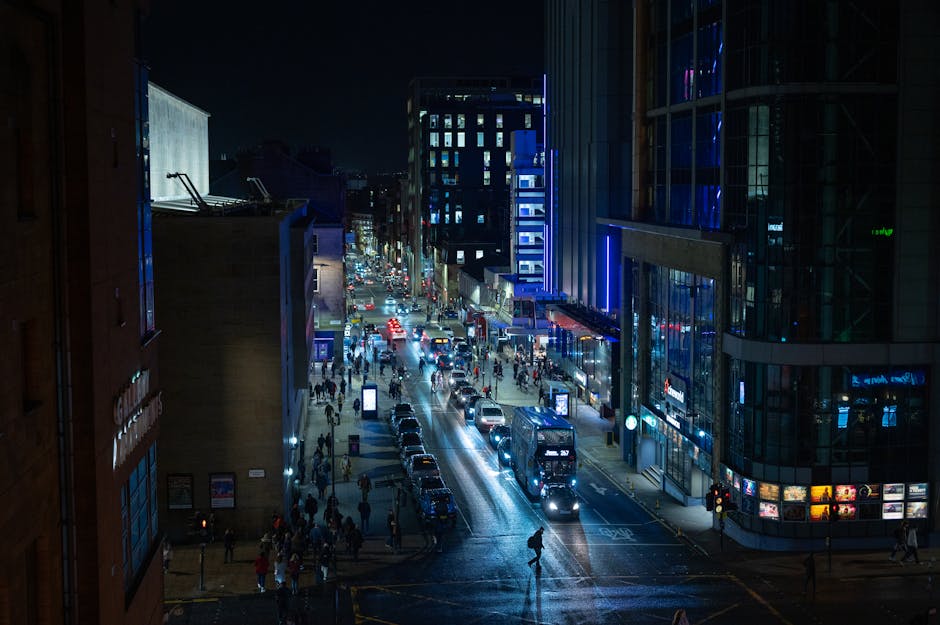
Glasgow’s cycle network has expanded significantly over the past decade. Approximately 300 kilometres of dedicated cycle routes now exist across the city, ranging from fully separated cycle tracks to shared paths and advisory lanes on quieter roads.
Protected cycle lanes — physically separated from motor traffic by kerbs or barriers — operate on several key city centre routes, including sections of Argyle Street and Sauchiehall Street. These allow confident movement between the city’s major attractions without mixing with heavy traffic.
Secure cycle parking is available at most of Glasgow’s main railway stations, with bike lockers for hire at some. The subway does not accommodate bikes, so factor this into any route planning that involves the underground. Cycle parking is also provided at most of the city’s major visitor attractions and shopping areas.
Route Planning Apps and Tools
- CycleStreets (cyclestreets.net): UK-specific journey planner prioritising cycle-friendly routes. Offers fastest, balanced, and quietest route options — essential for navigating Glasgow’s cycle network.
- Komoot: Excellent for longer off-road routes. The canal path, Kelvin Walkway, and Loch Lomond routes are well-documented with turn-by-turn navigation and difficulty ratings.
- Strava: Useful for tracking rides and discovering popular local routes through the heatmap feature, which shows where other cyclists are actually riding.
- Voi App: Required for accessing the city’s e-bike hire scheme. Shows real-time bike availability and defines the ride zone boundaries.
- Sustrans National Cycle Network Maps: Free downloadable maps covering all the main long-distance routes through and beyond Glasgow.
Cycling Safety in Glasgow
Glasgow is a safe city to cycle in by UK standards, but the usual urban cycling precautions apply.
Helmets: Not legally required in Scotland, but strongly recommended — particularly for city centre cycling. Most bike hire companies can supply a helmet, and cycling shops throughout the city stock affordable options.
Lights: Legally required when cycling after dark. A white front light and a red rear light are mandatory at night. Voi e-bikes have integrated automatic lights — a useful built-in safety feature. If bringing your own lights, USB rechargeable models are far more practical than battery-powered ones for extended trips.
Bike security: Bike theft occurs in every city. Always secure your own bike through the frame and rear wheel with a quality D-lock to a fixed object. Never leave a bike unlocked, even briefly. Dockless hire bikes like Voi lock automatically at the end of a ride, removing this concern for visitors.
Traffic: Glasgow city centre is busiest during weekday rush hours (approximately 8am–9am and 4:30pm–6pm). Where possible, avoid the city centre during these windows or stick to the traffic-free canal and riverside paths. Glasgow’s Low Emission Zone restricts certain motor vehicles in the city centre but does not apply to cyclists — you can ride freely throughout the zone.
Weather: Glasgow’s weather is famously changeable. A lightweight waterproof jacket that packs into a bag is essential kit for any longer ride. The canal paths are well-drained in light rain; the Kelvin Walkway becomes slippery in wet conditions and requires more care. Summer (June to August) offers the most reliable weather and the longest daylight hours — sunset falls after 10pm in midsummer.
Cycling with Children in Glasgow
Glasgow is well set up for family cycling, particularly on the traffic-free routes. The Forth and Clyde Canal path is the ideal family route: flat, car-free, and engaging enough to hold children’s attention with locks, aqueducts, and canal boats to watch. Pollok Country Park offers another excellent family cycling environment, with the added attraction of Highland cattle roaming freely through the grounds.
Bike for Good supplies children’s bikes and child seats — call ahead to check availability. Children under 16 are not legally required to wear helmets in Scotland, but a properly fitted helmet is strongly advised, particularly on shared paths where faster cyclists may be present.
Combining Cycling with Public Transport
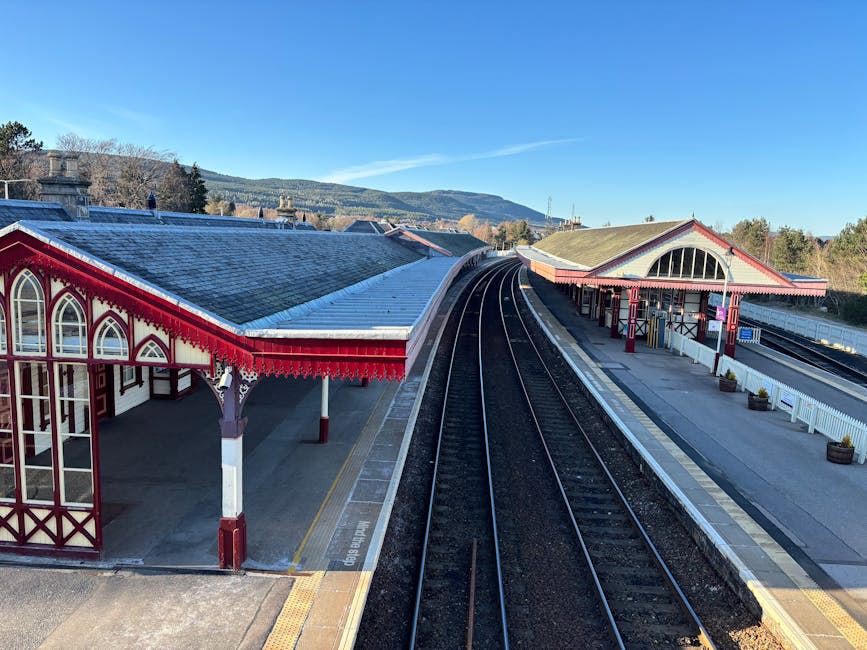
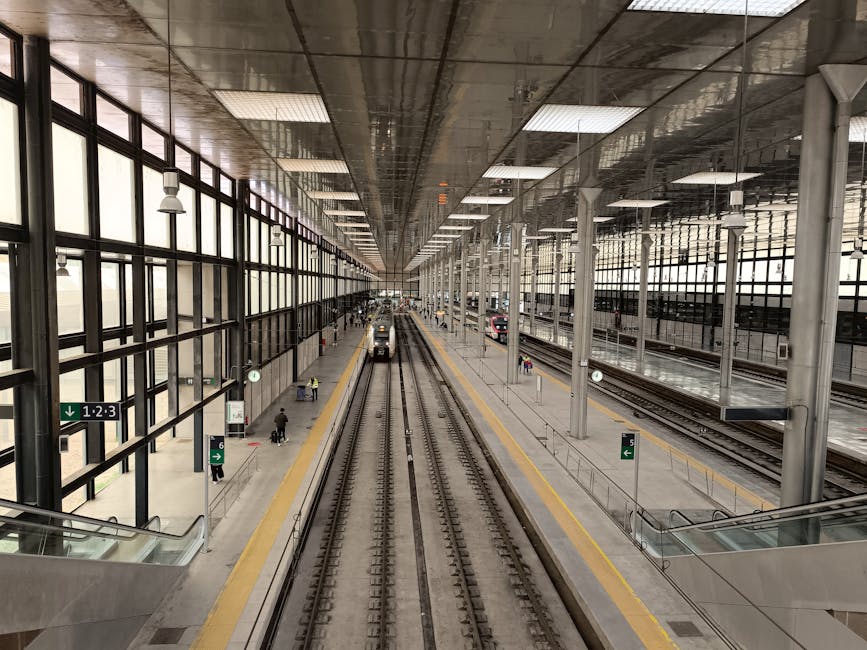
One of Glasgow’s great cycling advantages is the integration with the rail network. ScotRail trains across Central Scotland carry bikes free of charge, subject to space availability. Book bike space in advance on busy routes — particularly on summer weekends for the Loch Lomond line. This makes it easy to cycle one way and return by train, opening up linear routes without the need to retrace your route. Our ScotRail guide for visitors covers ticketing and the split between Glasgow Central and Queen Street, which decides where your return train lands.
- Glasgow to Balloch: Cycle via NCR 7; return from Balloch station to Glasgow Central (40 minutes)
- Glasgow to Bowling: Cycle via the canal; return from Bowling station to Glasgow Queen Street (25 minutes)
- Glasgow to Edinburgh: Cycle the 55-mile canal route; return by train from Edinburgh Waverley (50 minutes)
- Glasgow to Paisley: Cycle via the canal and South Side; return from Paisley Canal or Gilmour Street station (15 minutes)
Bikes are not permitted on the Glasgow Subway, so the underground network is no help on a cycling day — though it is a cheap way to cross the city on a rest day, as our Subway guide for visitors sets out.
Practical Tips for Cycling Visitors
- Download the Voi app and create your account before arriving in Glasgow — set-up takes a few minutes and you’ll want it working immediately when you need a bike.
- The canal towpaths are unlit after dark. Once daylight fades, use the city’s lit streets or the Clyde riverside path where street lighting is available.
- Follow Sustrans blue signs: Route 754 for the canal path, Route 75 for the Edinburgh direction, Route 7 for Loch Lomond.
- Glasgow’s main café and restaurant areas — Finnieston, Byres Road, the Merchant City, Shawlands — all have cycle parking nearby. None is more than a 15-minute ride from the city centre.
- The West End is around 15 minutes from the city centre by bike via the Kelvin Walkway — a far more pleasant journey than the equivalent bus.
- Check the Voi app’s ride zone map before longer trips — the zone has boundaries, and you’ll need to know you can park at your destination.
Further Resources
- Cycling Scotland (cycling.scot): National body with routes, training, and cycling events across Scotland.
- Sustrans Scotland (sustrans.org.uk/scotland): Manages the National Cycle Network. Free downloadable maps for all routes.
- Bike for Good (bikeforgood.org.uk): Affordable hire, maintenance, and community cycling in Glasgow.
- Glasgow City Council Active Travel: Updates on new infrastructure, road changes, and route improvements.
Cycling transforms Glasgow. What feels like a spread-out urban city on foot becomes a compact, navigable place by bike — its parks, waterways, and neighbourhoods stitched together by paths that reward exploration. Whether you’re here for a day or a week, getting on a bike is one of the best decisions you can make.
A few notes on the rest of your travel. Buses fill in where the paths do not go and take the strain on wet days — our Glasgow bus guide covers day passes, operators and contactless fare caps. If you are flying in, our rundown of transfers from Glasgow Airport to the city centre runs through the Express bus, taxis and the train via Paisley. Both sit inside our wider guide to getting around Glasgow, which pulls the whole network together.