Yes, it rains in Glasgow. The city averages 170 days of rain a year, more than any other major British city. But the reputation is overblown: Glasgow rain is more “frequent and brief” than “torrential and miserable,” temperatures are mild year-round, and proper packing transforms a soggy trip into a perfectly comfortable one.
This is an honest 2026 guide to Glasgow weather — what you’ll actually experience month by month, the realistic temperatures, the daylight hours, and exactly what to pack so the rain doesn’t ruin your visit.
Glasgow weather at a glance
Glasgow has an oceanic climate — mild winters, cool summers, frequent rain. Maximum average temperatures peak around 17–18°C in July; January lows around 1.4°C. Annual rainfall is 1,370mm (London is 700mm). Snow is rare and usually melts within 24 hours. Daylight ranges from 7 hours in December to nearly 17 hours in June.
For the quick numbers: maximum temperatures peak around 17–19°C in July and sit around 5–7°C in the depths of winter, with annual rainfall well above the drier east of Scotland. Daylight is the real swing — from barely seven hours in late December to nearly seventeen in June — so a summer visit buys you enormously long, sightseeing-friendly evenings. Those short winter afternoons shrink what fits into a sightseeing day, which is worth weighing when you decide how many days to spend in Glasgow.
The “four seasons in a day” reality
Glaswegians describe their weather as “four seasons in a day” — and they’re not exaggerating. A typical Glasgow morning can start with bright sunshine, drop to a sudden 10-minute downpour, brighten back into hot sunshine and finish with a chilly evening drizzle. The single most important packing principle: layers and waterproofs you can take off and on quickly.
Glaswegians describe their weather as ‘four seasons in a day’ and they aren’t exaggerating: a bright morning can turn to a sharp shower by lunch and back to sunshine by tea-time. The practical upshot is that you dress for options, not for the forecast — a waterproof you can stuff in a bag and a layer you can add or peel matter far more here than getting the day’s prediction exactly right.
The way locals cope is simple and worth copying: they keep going regardless. Glaswegians don’t cancel plans for a shower — they carry a jacket, duck into a cafe when it’s heavy, and carry on. Adopt the same attitude and the weather stops dictating your trip. The reward is that the changeability also delivers the good stuff: rainbows, dramatic skies, and that golden light that follows a downpour and makes the sandstone glow.
Glasgow weather month-by-month
| Month | Avg high (°C) | Avg low (°C) | Rain days | Daylight |
|---|---|---|---|---|
| January | 6.9 | 1.4 | 17 | 7-8 hrs |
| February | 7.2 | 1.8 | 14 | 9-10 hrs |
| March | 9.6 | 3.0 | 15 | 11-12 hrs |
| April | 12.0 | 4.4 | 14 | 13-14 hrs |
| May | 15.4 | 7.3 | 13 | 15-17 hrs |
| June | 17.7 | 10.0 | 14 | 16-17 hrs |
| July | 18.6 | 11.6 | 15 | 16-17 hrs |
| August | 18.3 | 11.4 | 15 | 14-16 hrs |
| September | 16.0 | 9.5 | 14 | 12-14 hrs |
| October | 12.4 | 6.6 | 16 | 10-12 hrs |
| November | 8.5 | 3.6 | 16 | 8-10 hrs |
| December | 6.6 | 1.6 | 17 | 7 hrs |
Source data is for central Glasgow (Glasgow Bishopton weather station). The driest month statistically is May (around 70mm); the wettest is December (around 130mm).
Here is the honest year in brief so you can time a trip:
- Spring (Mar–May) — cool and often the driest, brightest stretch; roughly 9–15°C and the parks come alive.
- Summer (Jun–Aug) — mild rather than hot, peaking around 17–19°C, with up to 17 hours of daylight in June and the city’s festival season in full swing.
- Autumn (Sep–Nov) — cooler, wetter and colourful; September is a lovely, quieter shoulder month.
- Winter (Dec–Feb) — cold but rarely freezing, around 4–7°C, with short days (about 7 hours of light in December); snow in the city is uncommon and short-lived.
The shoulder seasons deserve a special mention. Late spring (May into early June) is statistically among the driest, brightest stretches of the year, with the parks in bloom and daylight stretching past nine in the evening. September is the autumn equivalent — mild, often settled, and quieter than the summer peak. If you have any flexibility, these are the windows that give you the best of Glasgow’s weather and its long, light evenings.
What it actually feels like
Glasgow in winter (Dec-Feb)
Cold and damp rather than freezing. Snow is rare and usually doesn’t settle for long. The biggest issue is short daylight — sunset is around 3.45pm in December. Cosy pubs, free museums and Christmas markets compensate. Pack a properly waterproof winter coat and sturdy waterproof boots. The chill is bone-chilling rather than sharp; thermal layers under jeans help. Dark by mid-afternoon means much of your winter sightseeing happens after sunset, so it is worth reading our safety advice for visitors on which areas stay busy and well lit.
Glasgow in spring (Mar-May)
The most unpredictable season — sunny mornings flip to hailstones, then back to perfect blue skies. Daffodils in March, cherry blossoms in April. May is statistically the driest month and a strong choice for visitors. Pack layers — a t-shirt, a fleece, a waterproof jacket, an umbrella.
Glasgow in summer (Jun-Aug)
The warmest season but rarely hot. Heatwaves above 25°C happen 1–3 times a summer; most days are 16–20°C. The longest days of the year give you 17 hours of daylight in June — a magical time for the parks and beer gardens. Rain is still a given; pack a light waterproof.
Glasgow in autumn (Sep-Nov)
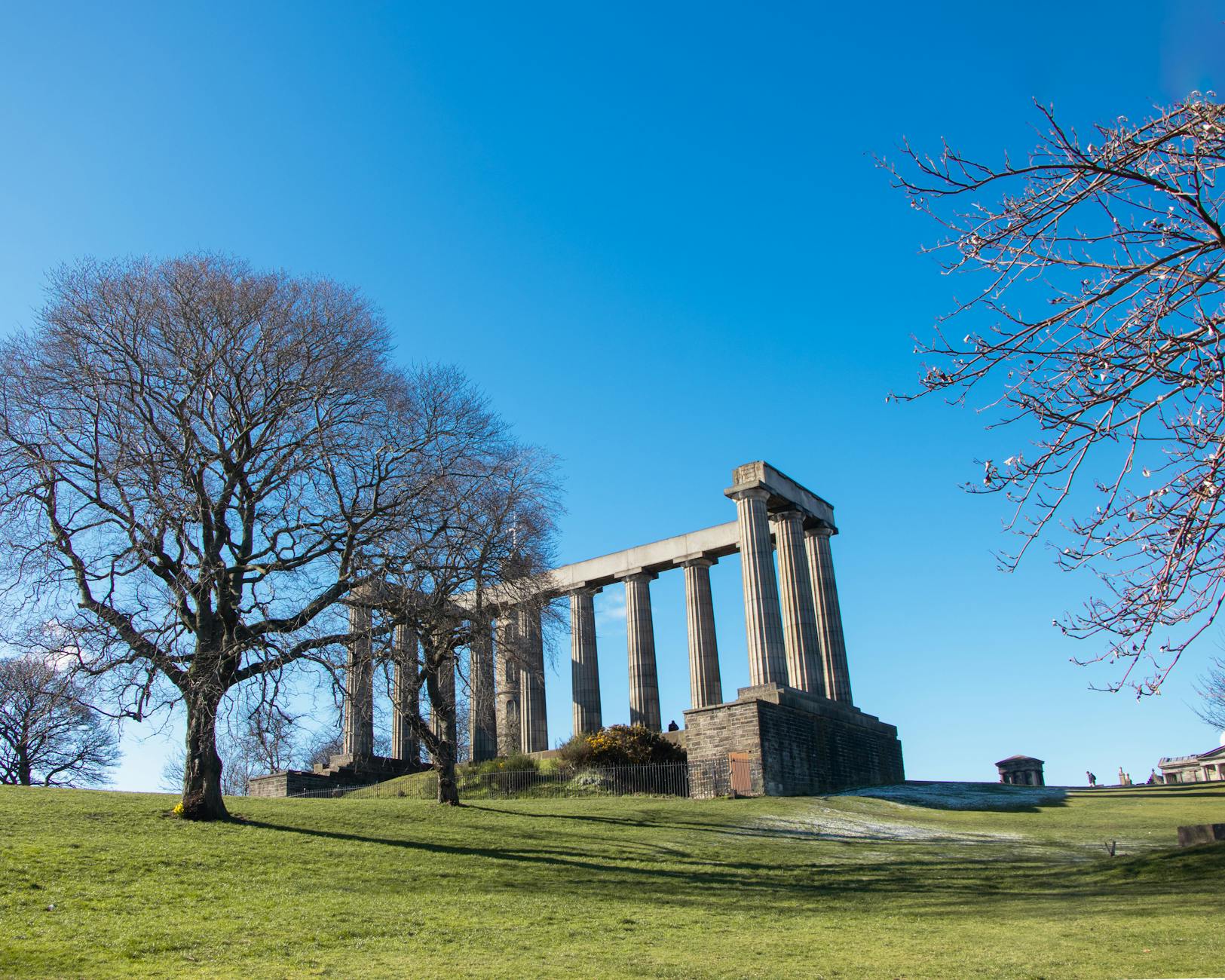
Often the prettiest season — golden trees in Pollok and Kelvingrove parks, mild dry days, dramatic evening light. Rain picks up by November. Pack a warm waterproof, a hat, comfortable boots.
The number that surprises people is the temperature: thanks to the warm Atlantic air, Glasgow is mild rather than cold, rarely freezing even in winter and rarely hot in summer. What you actually notice is the wind and the damp — a breezy, drizzly 8°C bites harder than the thermometer suggests, which is exactly why a proper windproof layer beats a heavy coat. On the flip side, a still, sunny spring day in Glasgow is as good as weather gets anywhere.
What to pack for Glasgow
Year-round essentials
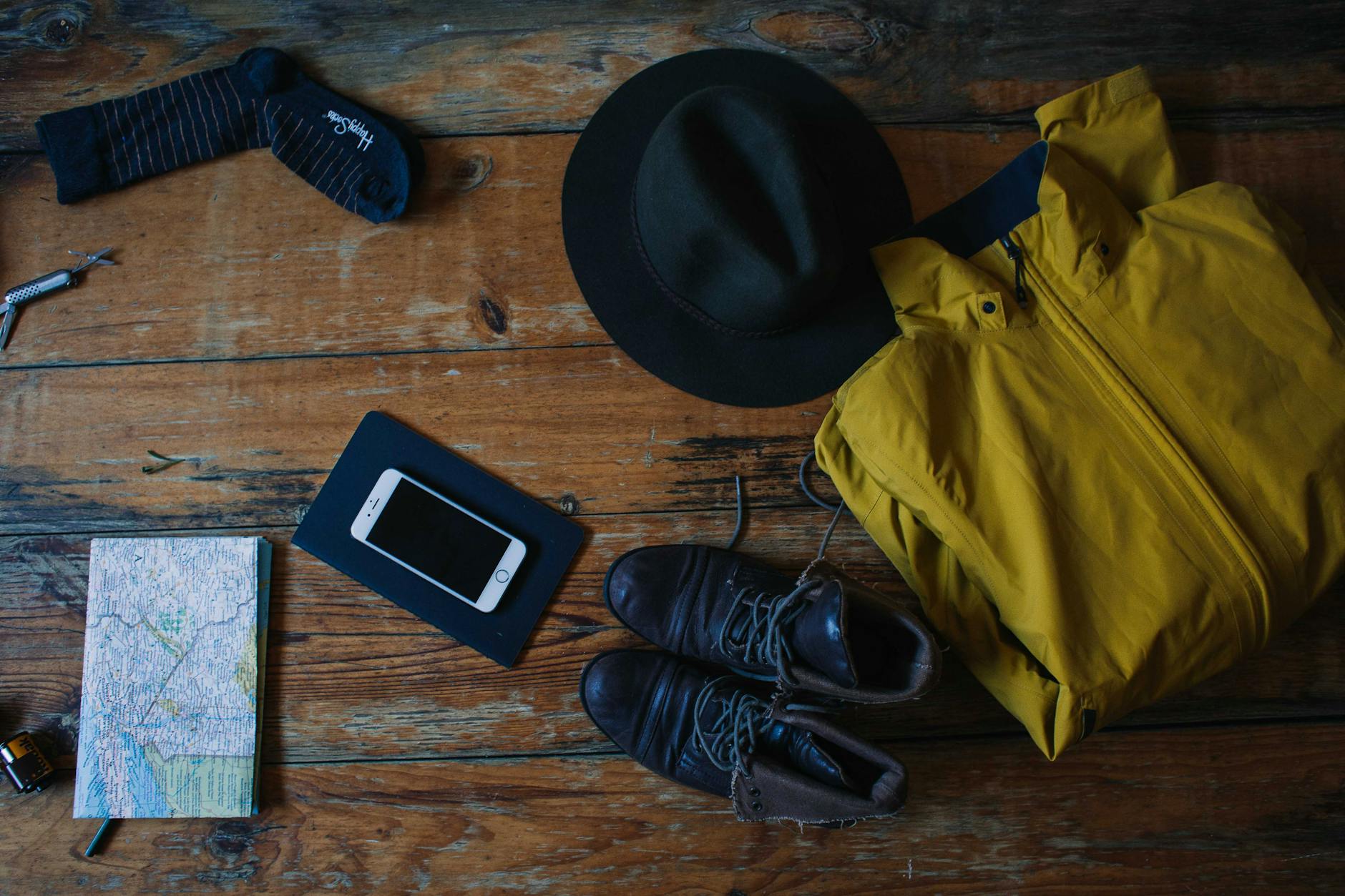
- Waterproof jacket with hood — non-negotiable. A cheap pac-a-mac will do; a proper Gore-Tex shell is better.
- Compact umbrella — for sudden showers when you don’t want to put the jacket on.
- Waterproof or at least water-resistant shoes — Glasgow streets puddle quickly.
- Layers — t-shirt, long-sleeve shirt, fleece, waterproof. Add or shed as the day swings.
- Day bag — to stash the jacket when the sun comes out.
Winter (Dec-Feb)
Add: warm winter coat (over your waterproof if your waterproof isn’t insulated), wool hat, gloves, scarf, thermal base layer (Uniqlo Heattech or similar). Sturdy boots — pavements can ice in late December and January. Sunglasses for the bright low-sun days.
Spring (Mar-May)
Layers are everything. T-shirt, long-sleeve, fleece or jumper, waterproof shell — wear all four in the morning, strip down to t-shirt by midday. Light gloves still useful in March.
Summer (Jun-Aug)
Light waterproof, light layers, sunglasses, sunscreen (Glasgow’s summer UV index can hit 5–6). Light trousers, t-shirts, one warm layer for cool evenings. Comfortable walking shoes — Glasgow pavements are mostly flat but you’ll cover 10km a day.
Autumn (Sep-Nov)
Warm waterproof, scarf, light gloves by November. The weather is similar to spring but with less variability — pack like a wet British autumn elsewhere.
The single most useful item is a proper waterproof jacket with a hood — Glasgow rain often comes with wind, so an umbrella alone won’t cut it. Add comfortable waterproof shoes, and layers you can add or shed, because a bright morning can turn cool by evening even in July. A small fold-away bag for damp layers earns its place.
Two specifics beyond the waterproof. Footwear matters most — comfortable shoes that can handle a wet pavement will make or break a city of walkers like Glasgow, so leave the suede at home. And pack a small fold-away bag for the layers you’ll shed when the sun comes out; you’ll be adding and removing them all day. Sunglasses aren’t a joke, either — a bright Glasgow day is genuinely dazzling.
What you don’t need to pack
- Heavy umbrella — Glasgow wind eats umbrellas. A small folding one is enough.
- Wellington boots — unless you’re doing a Highland day trip, regular waterproof shoes are fine.
- Snow chains / snow boots — snow is rare and not worth bringing kit for.
- A 4-season parka in summer — Glasgow summer maxes out around 25°C; a heavy coat overheats you.
You can leave a few things at home. Heavy-duty winter gear is overkill for the city’s mild oceanic climate; you won’t need snow boots or an Arctic parka. A flimsy travel umbrella is more frustration than help in the wind — a hooded jacket does the job better. And formal wear is rarely required, so pack for comfortable, layered city walking rather than the catwalk.
Glasgow weather myths
“It rains every day in Glasgow”
Half-true. It rains on around 170 days a year (so on a 7-day trip, you’ll likely see rain on 3 of them). But Glasgow rain is usually brief — 10–30 minute showers between bright spells, not all-day torrential downpours.
“It’s freezing year-round”
False. Average winter low is 1.4°C — chilly but not arctic. Summer averages 17°C and gets warmer in heatwaves. Mild oceanic climate, not subarctic.
“Glasgow is rainier than Edinburgh”
True — Glasgow gets about 35% more annual rainfall than Edinburgh, mostly because of west-coast prevailing weather. That rainfall gap is one of several practical differences between the two cities, and our Glasgow versus Edinburgh breakdown covers the rest, from prices to what there is to see.
“Summer is reliably warm”
Mostly true but check the forecast. Most July days are 16–20°C, but cool 14°C wet days happen too. Bring a fleece even in August.
Two myths need busting. The first is that it rains constantly — Glasgow does see rain on many days, but it’s usually brief showers rather than all-day downpours, and plenty of days stay dry. The second is that it’s bitterly cold — it isn’t; the climate is mild and snow in the city is uncommon and short-lived. The honest reality is a changeable, breezy, generally gentle climate that’s easy to dress for once you stop trusting the forecast.
There’s a grain of truth the myths miss: Glasgow’s damp, mild climate is exactly why the city is so green and its parks so lush — the same weather you’re grumbling about is what makes the West End’s tree-lined streets and the Botanic Gardens look the way they do. Pack for it, shrug it off like a local, and it stops being a problem and starts being part of the character.
What to do when it’s raining
Glasgow’s weather actually built its tourism economy: most major attractions are indoors and free.
- Glasgow’s free museums — Kelvingrove, the Burrell, GoMA, the Riverside Museum.
- The Glasgow Science Centre — a full half-day indoors.
- The Subway — covers the West End, city centre and Southside without you setting foot outside (mostly).
- Indoor markets — see our Barras Market guide.
- Whisky tastings, cocktail bars, traditional pubs — see our traditional Glasgow pubs guide.
- The St Mungo Museum, the Gallery of Modern Art, the Tenement House.
Rain is no reason to write off a day. Glasgow’s greatest hits are mostly indoors and mostly free: Kelvingrove, the Riverside Museum, the Burrell Collection and GoMA, plus covered shopping on Buchanan Street and the warmest pubs in Britain. Families can decamp to the Science Centre. See our full list of Glasgow museums and galleries.
Glasgow is purpose-built for a wet day, which is half the reason its indoor culture is so good. The big free museums — Kelvingrove, the Riverside, the Burrell — can absorb hours, the covered shopping on Buchanan Street keeps you dry, and the city’s pubs and tea rooms were practically designed for sheltering from a shower. Families have the Science Centre and the soft-play and swimming options in our rainy day activities for kids guide. A rainy day in Glasgow is an opportunity, not a write-off.
Best month to avoid Glasgow rain
May statistically has the fewest rain days and the lowest total rainfall. June is a close second. December has the most rain. For a fuller breakdown of the trade-offs across all 12 months see our best time to visit Glasgow month-by-month guide.
If you can choose, May and June are the sweet spot: statistically among the driest and brightest months, with very long days that stretch sightseeing well into the evening. September is the best autumn bet. For a fuller breakdown by season and event, see our guide to the best time to visit Glasgow.
If dodging the rain is the priority, target April to June: spring and early summer are reliably the driest months, with May often the sunniest of the lot. The wettest stretch tends to be the back end of the year, from October through January, when the showers are more frequent and the days short. No month is rain-free — this is the west of Scotland — but the odds swing firmly in your favour in late spring.
Weather forecasts: what to trust
The Met Office (metoffice.gov.uk) is the official UK forecaster and the most accurate for 12–24 hour forecasts. BBC Weather and the Apple Weather app are easy-to-read alternatives. Don’t trust 7-day forecasts in Glasgow — accuracy past 48 hours is poor because of fast-changing Atlantic systems.
On the practical side, treat the forecast as a rough guide rather than gospel. The Met Office app is the reliable standard, but in a city this changeable a rain-radar app — which shows showers moving across in real time — is the genuinely useful tool, letting you duck into a museum or a pub for twenty minutes and walk back out into dry skies. Plan your indoor and outdoor stops loosely so you can swap them around when the sky changes.
FAQs
Is Glasgow weather as bad as people say?
The reputation is overblown. Yes, it rains often — but Glasgow’s rain is usually brief showers, temperatures are mild year-round, and almost every major attraction is indoors. With a waterproof jacket, the weather doesn’t really impact a city break. Our two-day Glasgow itinerary shows how a damp weekend still works, with free indoor museums built into both days.
What’s the rainiest month in Glasgow?
December averages 130mm of rain; January is similar. May is the driest month with around 70mm.
Do I need a waterproof jacket in Glasgow in summer?
Yes — even in July and August, expect a 40-50% chance of rain on any given day. A light packable waterproof is enough.
Does Glasgow get snow?
Lightly and rarely. Snow falls a handful of times each winter and usually melts within 24 hours. Heavier snow is more common at higher elevations on Highland day trips.
What’s the best month for weather in Glasgow?
May for the lowest rainfall and longest dry spells; June and July for the warmest temperatures and longest days.
How cold does Glasgow get in winter?
Average low 1.4°C in January. Below-freezing days are common but not severe (-2 to -5°C overnight). Genuine arctic cold is unusual.
Plan the rest of your Glasgow trip
This article is part of our complete Glasgow travel guide. Pair it with our best time to visit Glasgow month-by-month guide for the bigger picture, and our free things to do in Glasgow list for rainy-day backups.